Sound recognition Normal Worksheets for Ages 3-9
13 filtered results
-
From - To
Explore our engaging Sound Recognition Normal Worksheets, specifically designed for children ages 3-9. These educational worksheets from Kids Academy aim to enhance auditory discrimination and phonemic awareness, fundamental skills for early literacy development. Through fun, interactive activities, kids will learn to recognize and differentiate sounds, helping them improve their listening abilities and speech clarity. Each worksheet is thoughtfully created to cater to various learning styles, making early education both enjoyable and effective. Ideal for use at home or in the classroom, our sound recognition worksheets are a valuable resource in fostering a strong foundation in language skills.
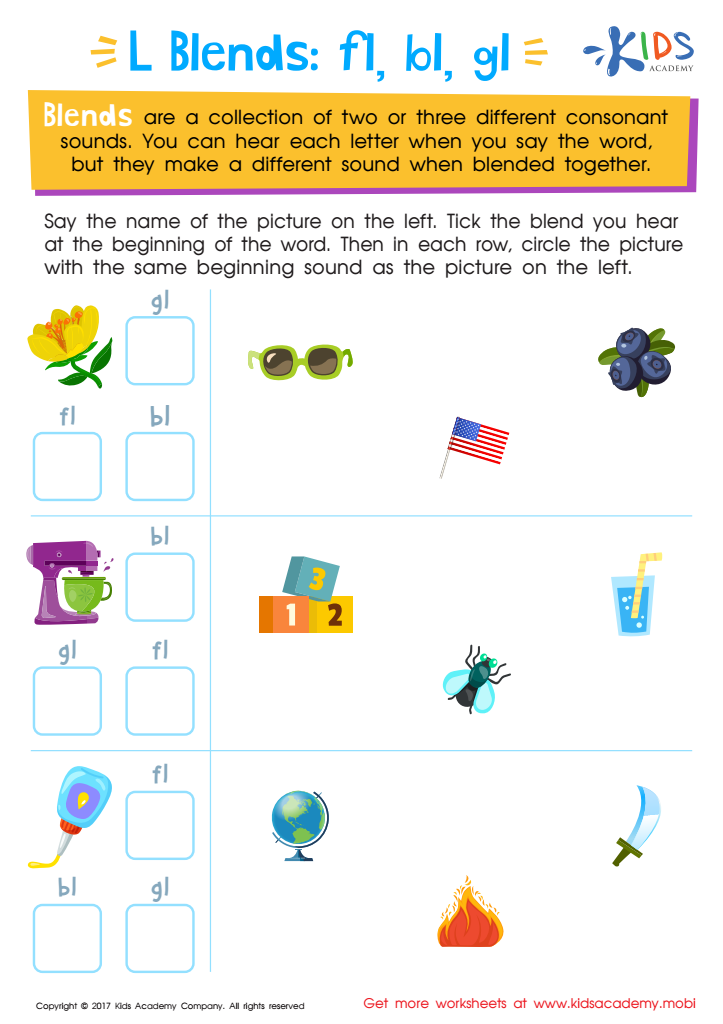
Blending Consonants: "Fl", "Bl" and "Gl" Printable
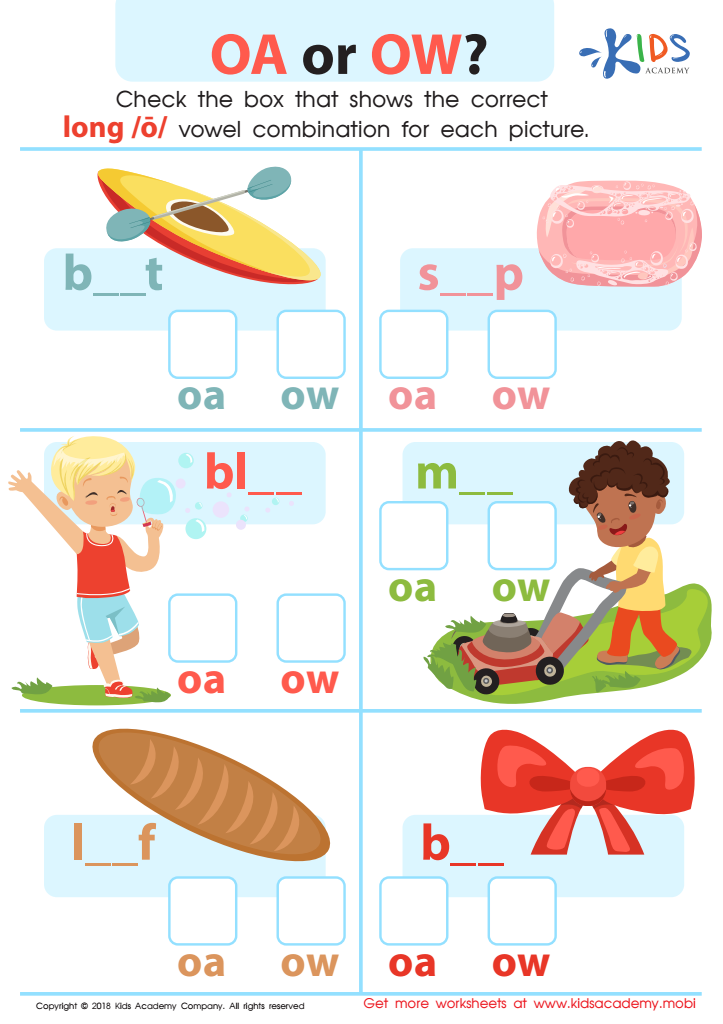
Reading: OA or OW Worksheet
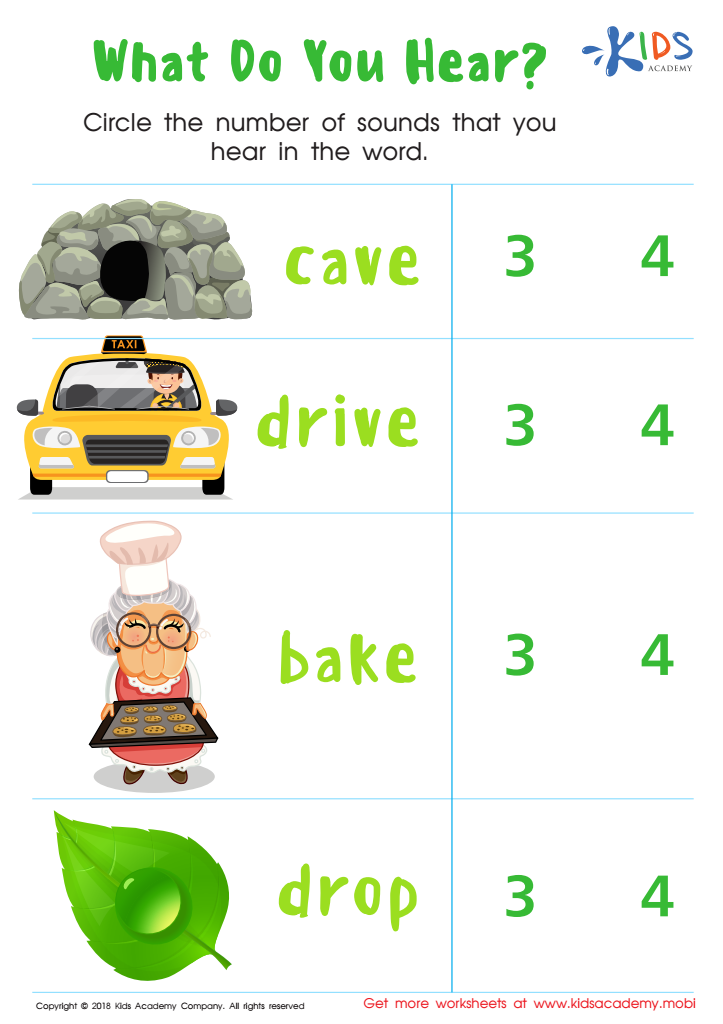
What Do You Hear? Worksheet
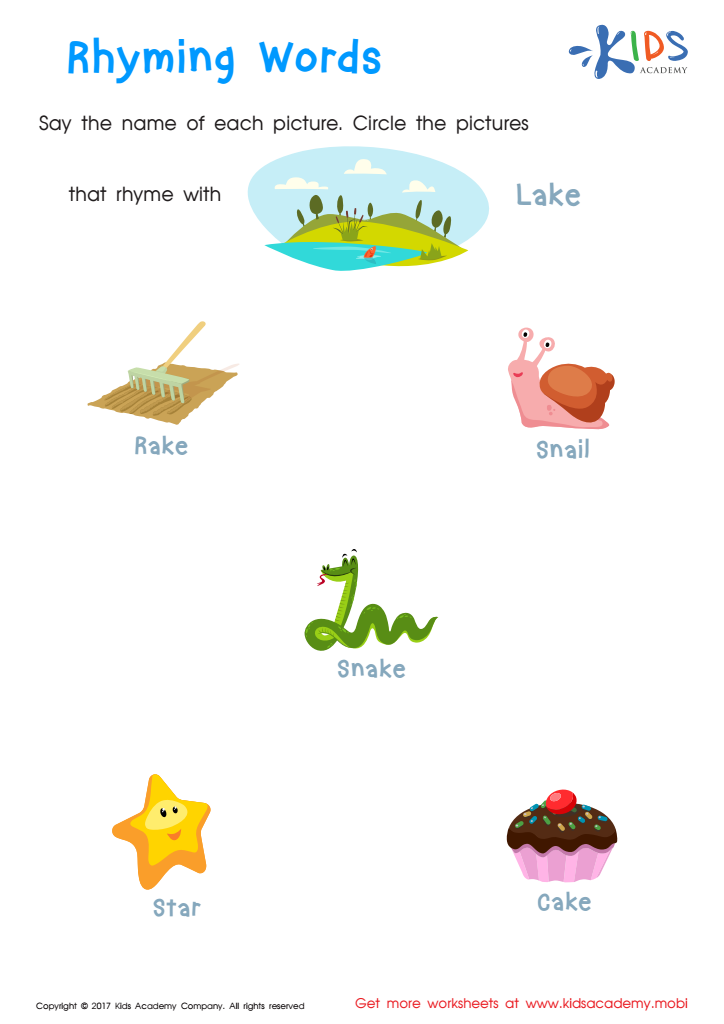
Rhyming Words Rhyming Worksheet
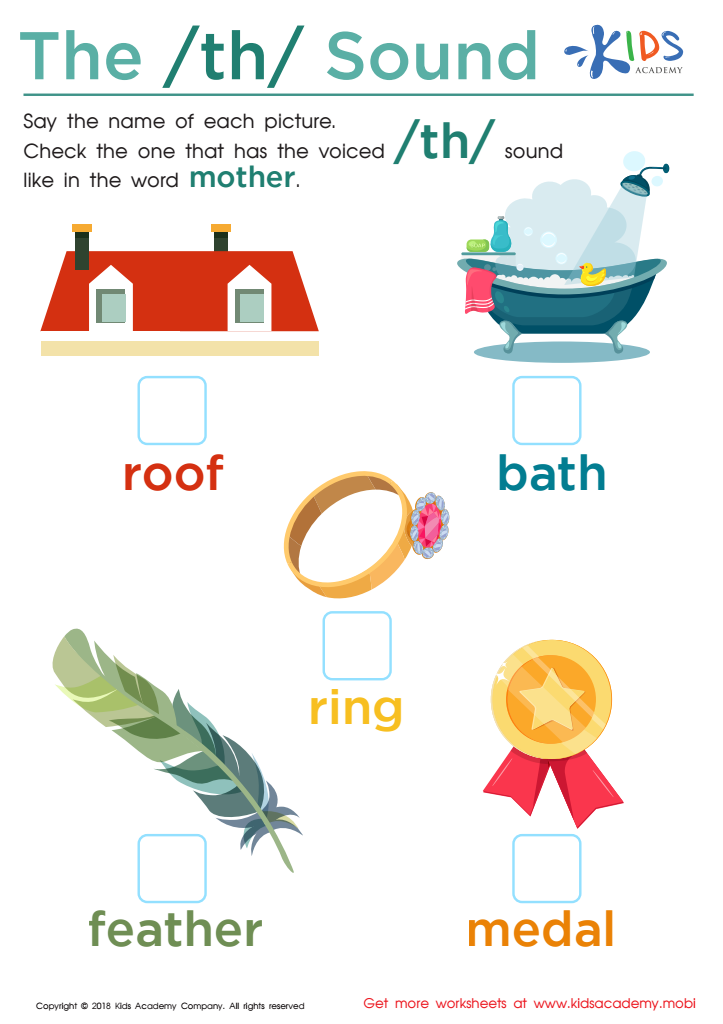
The /th/ Sound Worksheet
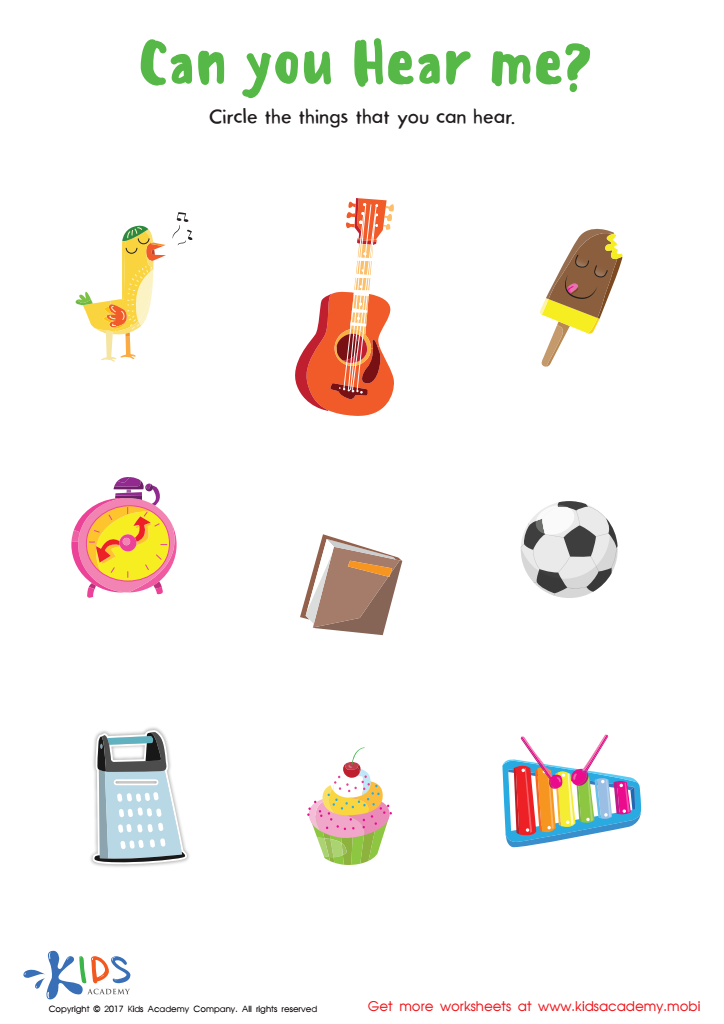
Can You Hear Me Worksheet

Long and Short U Worksheet
 Assign to My Students
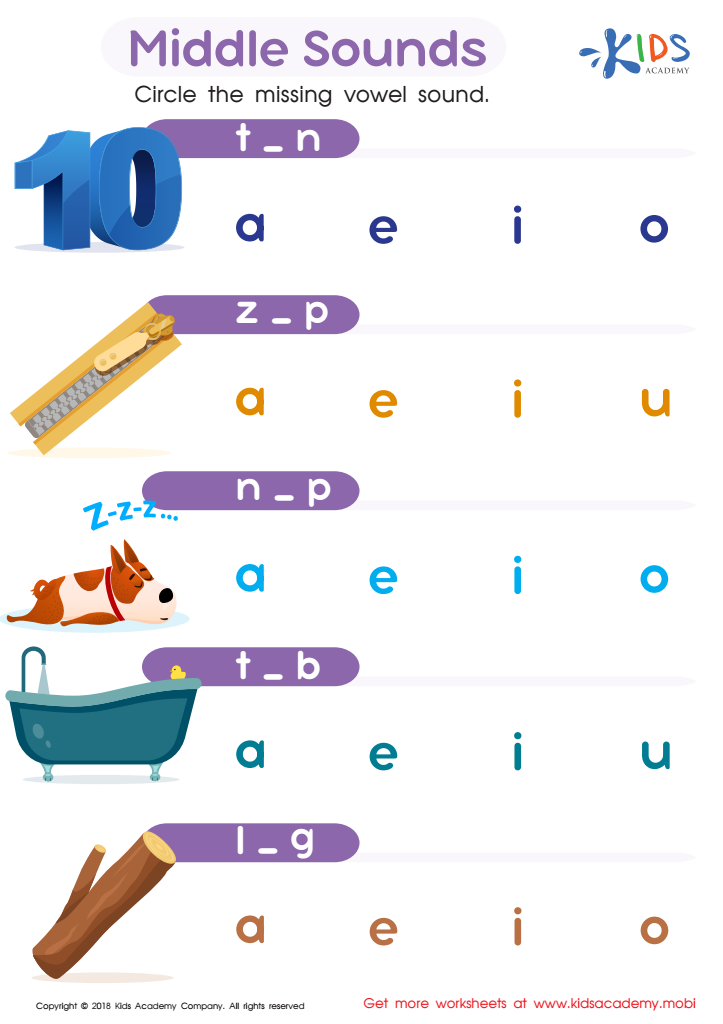
Middle Sounds Worksheet
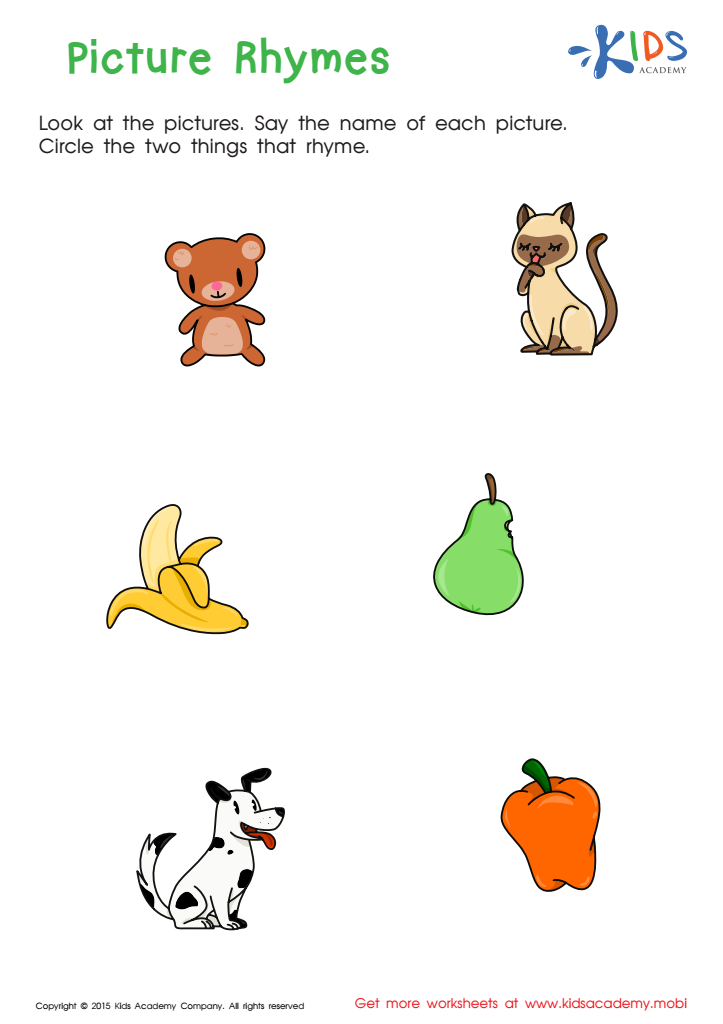
First Words: Picture Rhymes Worksheet
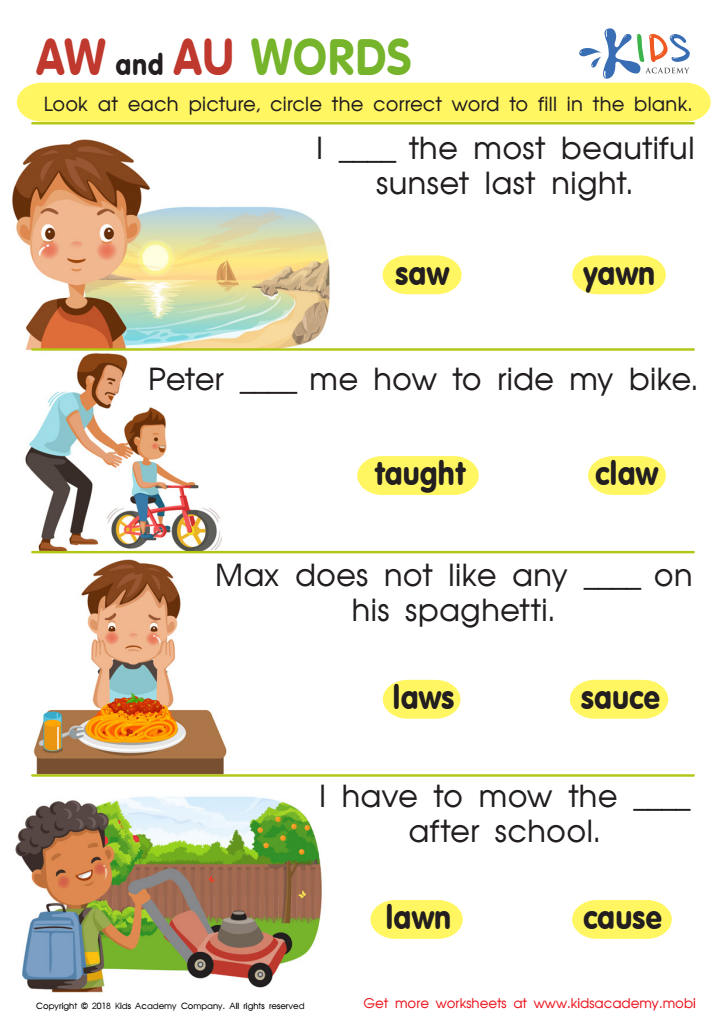
Reading: AW and AU Words Worksheet
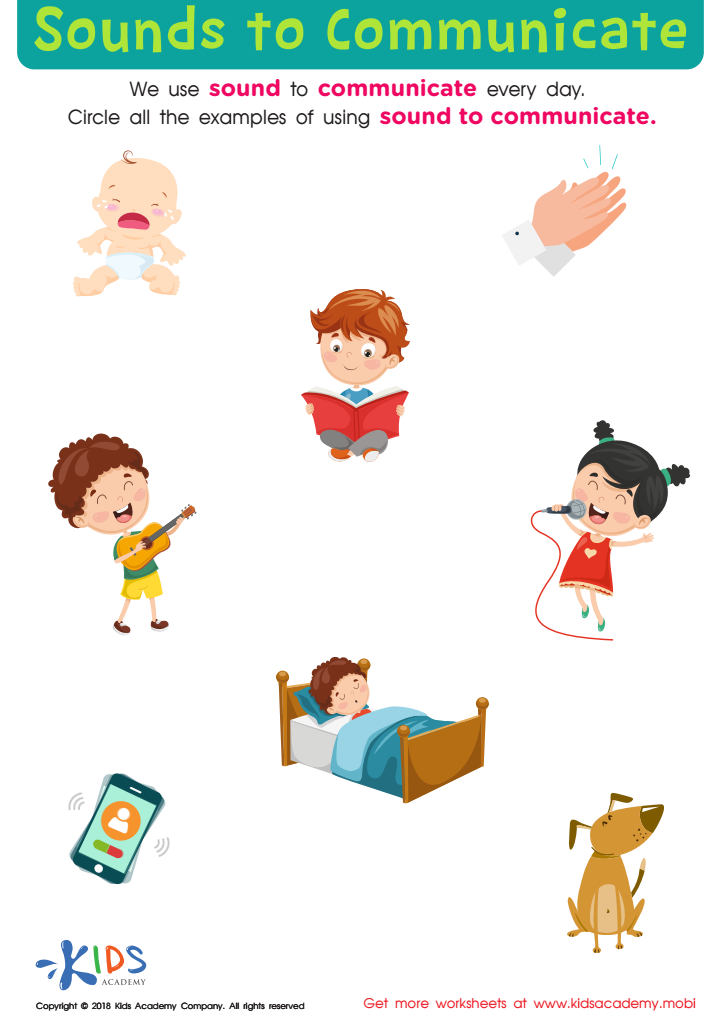
Sounds to Communicate Worksheet
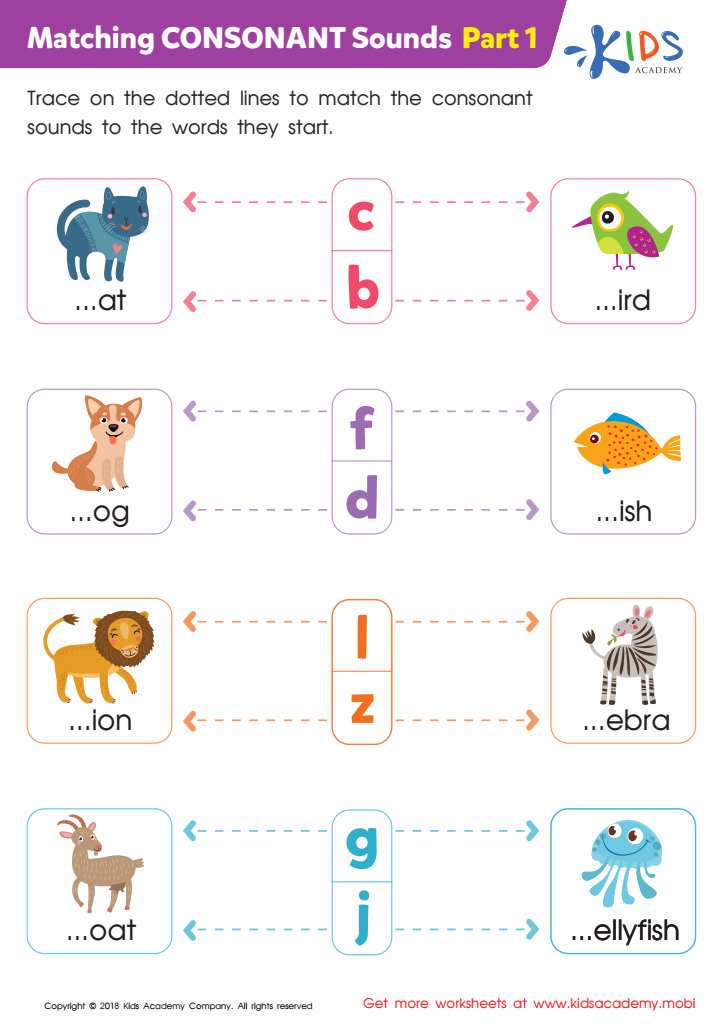
Matching Consonant Sounds: Part 1 Worksheet
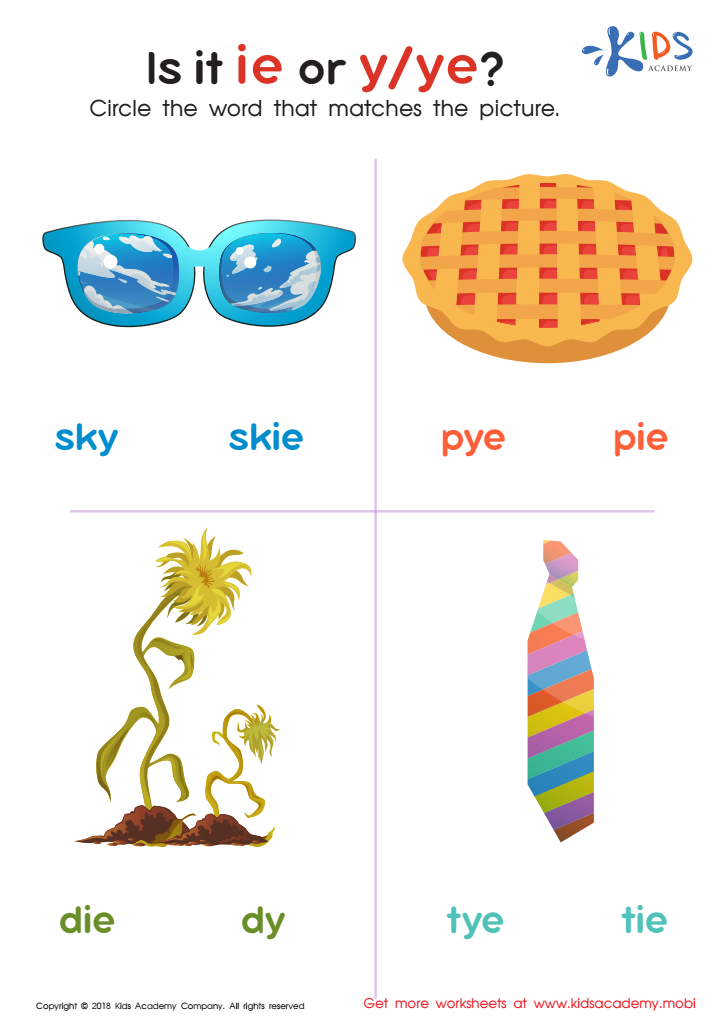
Is It IE or Y/Ye? Worksheet





Sound recognition is a critical aspect of early childhood development, particularly for children between the ages of 3 and 9. This stage encompasses a period of rapid cognitive, linguistic, and social growth where foundational skills are established. Parents and teachers should care about sound recognition for several reasons.
First, sound recognition is essential for language development. Children learn to connect sounds to words, which is the basis for vocabulary expansion and effective communication. This skill is crucial for reading readiness, as phonemic awareness—the ability to hear and manipulate individual sounds in words—strongly predicts later reading success.
Second, sound recognition supports cognitive development. Differentiating between sounds helps children classify and categorize auditory information, boosting their ability to learn and make sense of their environment. It also aids in developing attention and listening skills, which are vital for academic achievement and overall learning.
Third, sound recognition impacts social interaction. Effectively understanding and interpreting spoken language fosters better social skills, enabling children to engage more successfully with peers and adults. This enhances their ability to form friendships and function in group settings, promoting emotional well-being and self-esteem.
In summary, sound recognition is fundamental for children’s language, cognitive, and social development. By prioritizing sound recognition skills, parents and teachers can give children a strong foundation for future learning and social interaction.








