Visual perception Normal Worksheets for Ages 3-9
18 filtered results
-
From - To
Discover our engaging Visual Perception Worksheets designed for children ages 3-9! These printable resources help young learners enhance their visual discrimination, spatial awareness, and recognition skills through fun activities and illustrations. Our worksheets support diverse learning styles, making them perfect for classrooms and home environments. Each activity aims to strengthen cognitive abilities while encouraging creativity and exploration. With easy-to-follow instructions and vibrant visuals, children will enjoy honing their visual perception in an enjoyable way. Join us in fostering essential learning skills that prepare your child for future academic success. Get started with our Visual Perception Worksheets today!
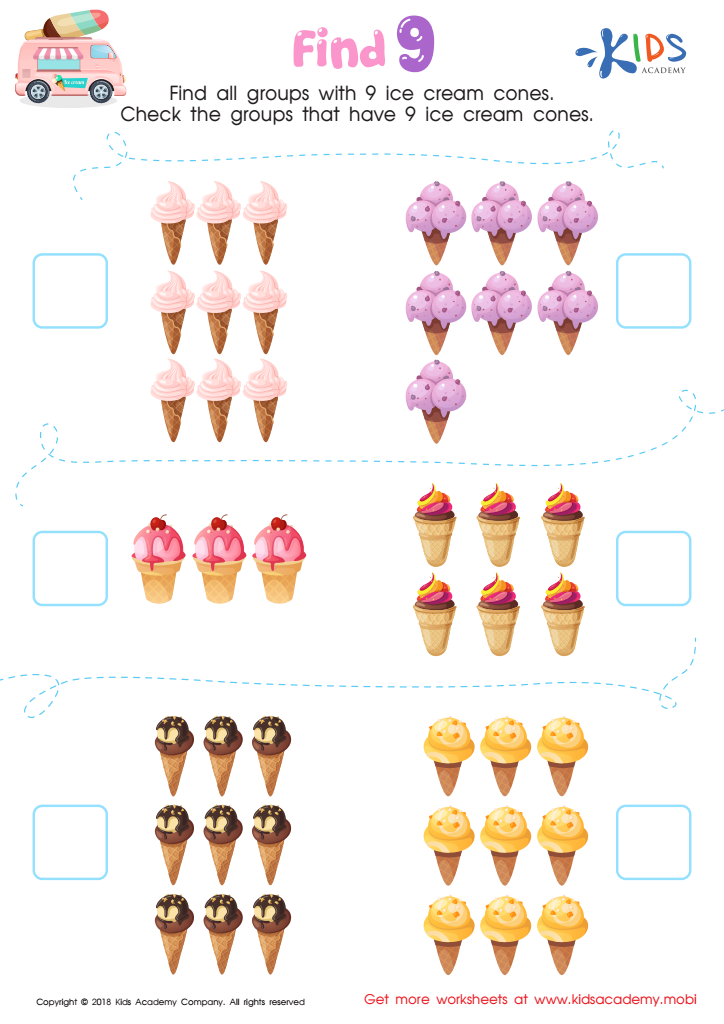
Find 9 Worksheet
 Assign to My Students
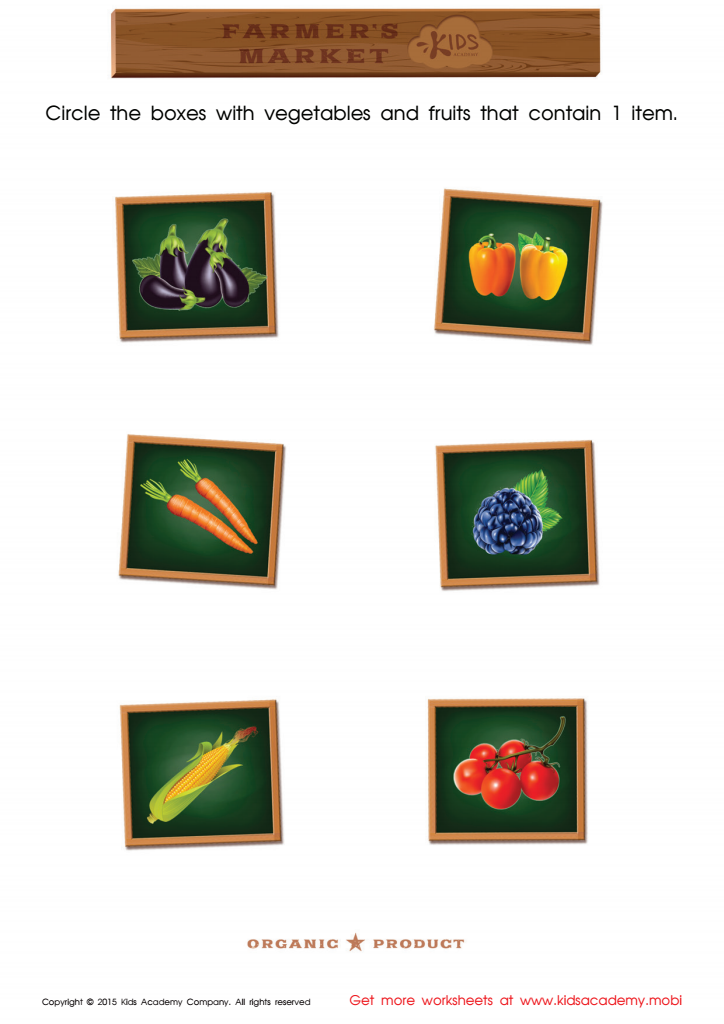
Count and Match Boxes with Vegetables
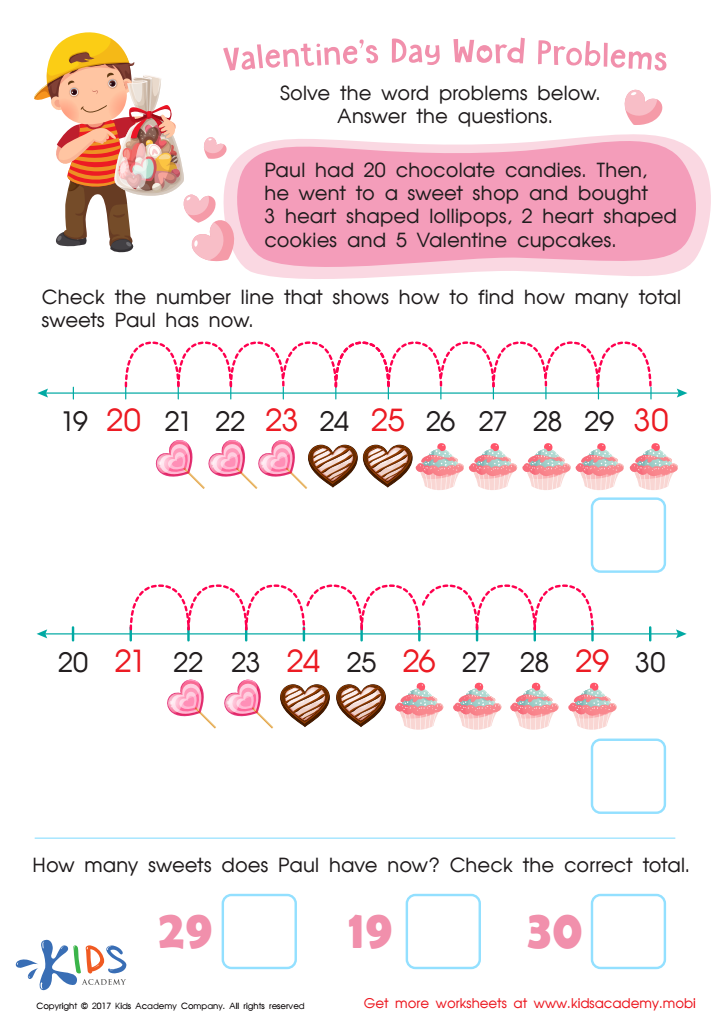
Valentines Day 2 Printable
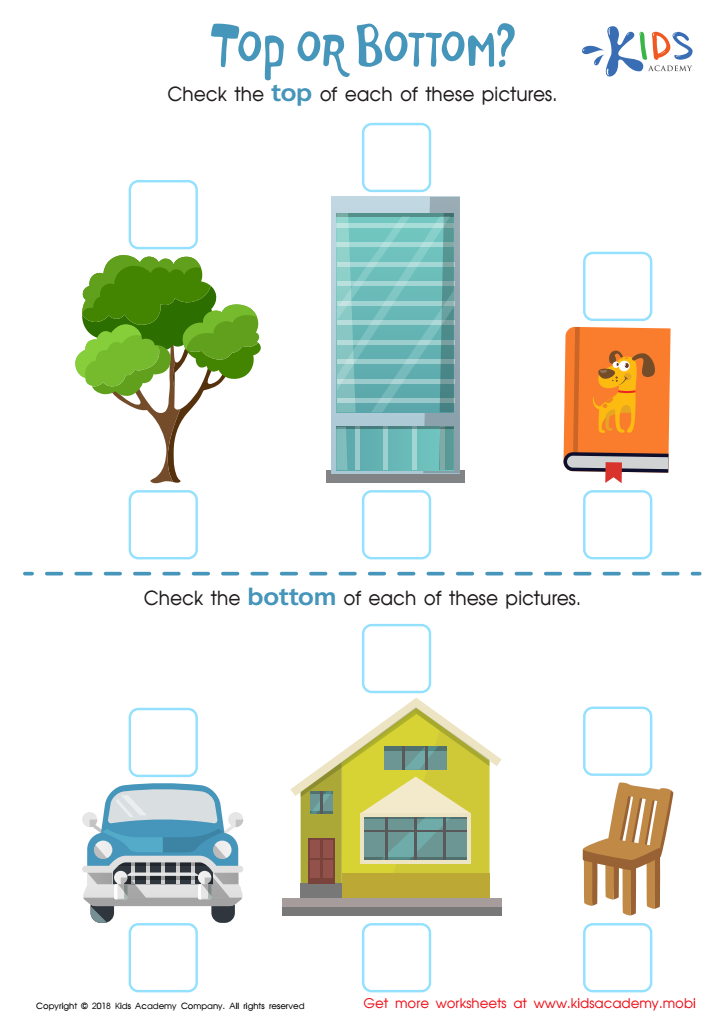
Top or Bottom Worksheet
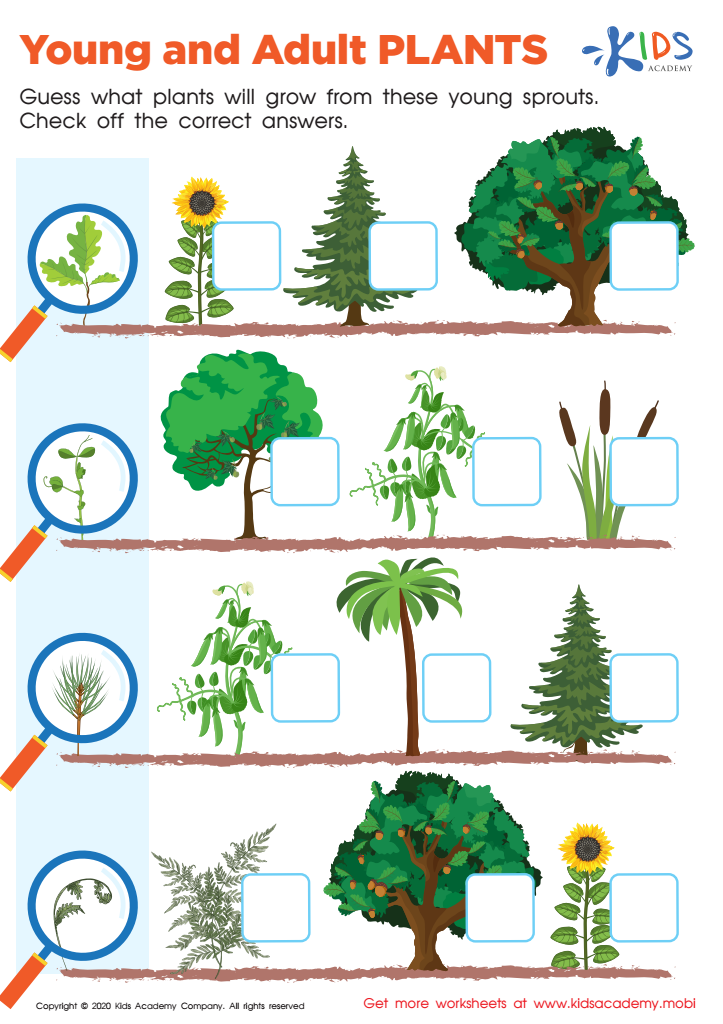
Young and Adult Plants Worksheet
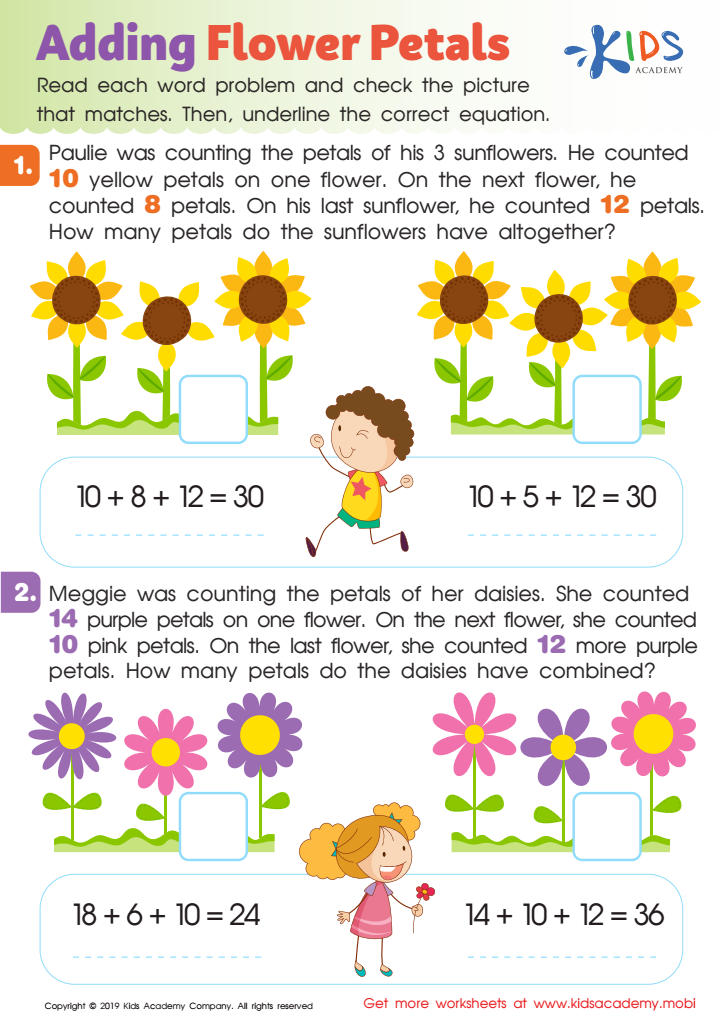
Adding Flower Petals Worksheet
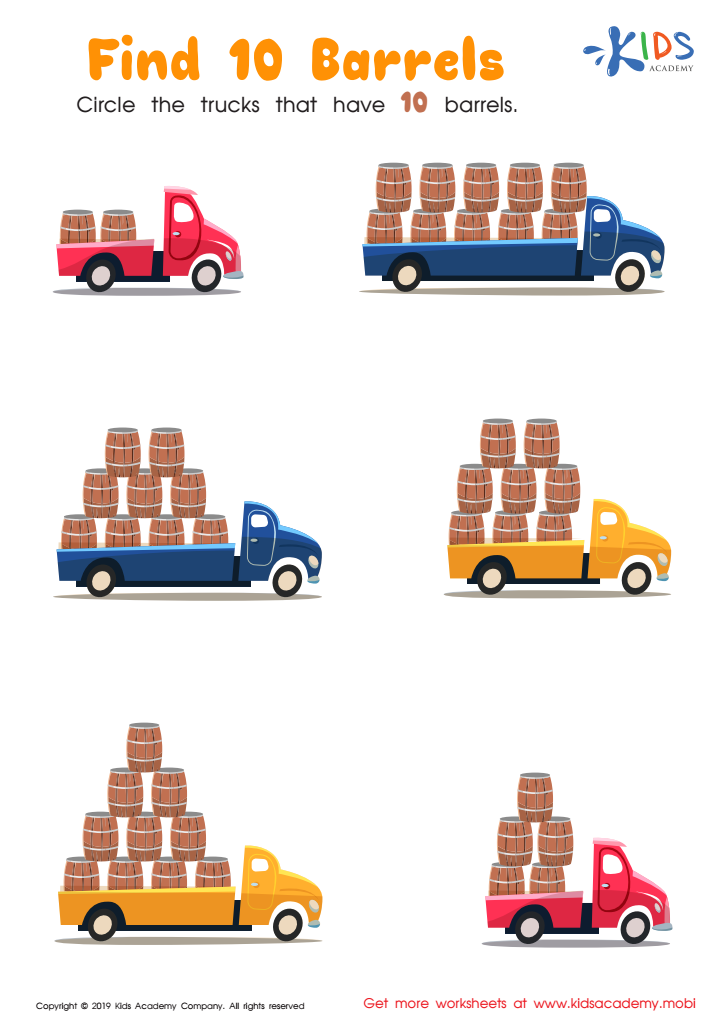
Find 10 Barrels Worksheet
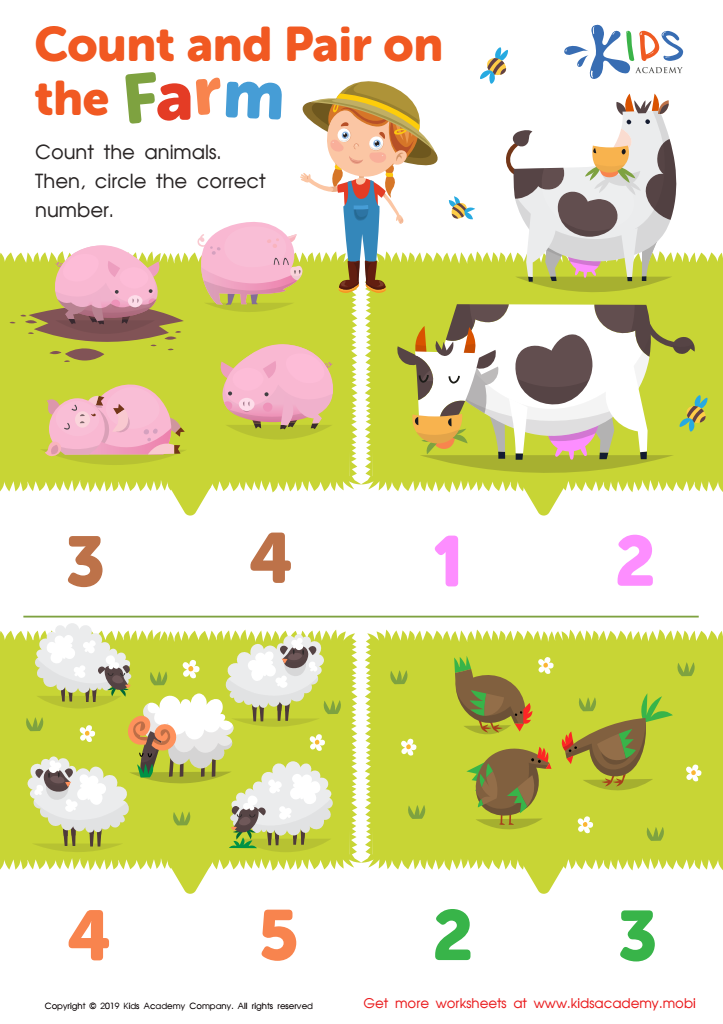
Count and Pair on the Farm Worksheet
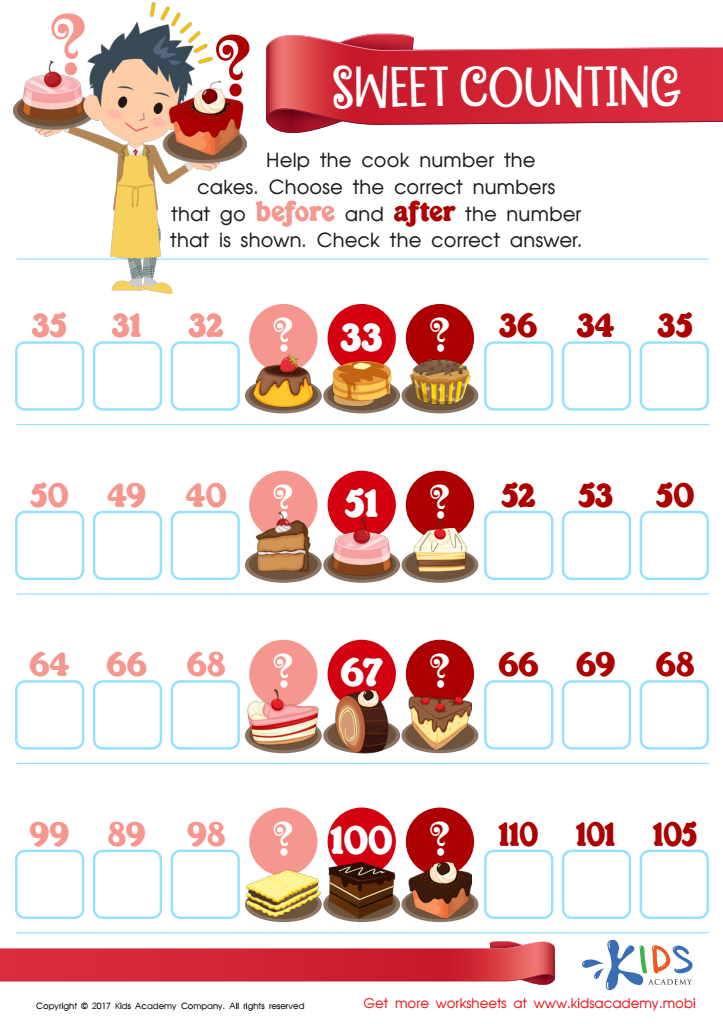
Sweet Counting - Part 1 Worksheet
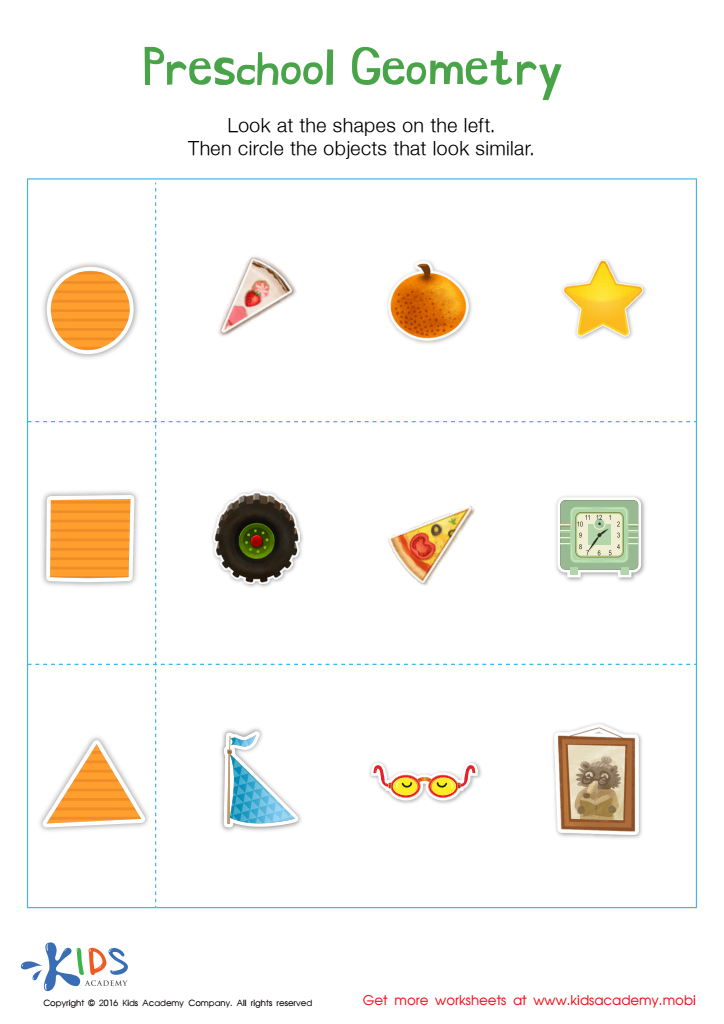
Preschool Geometry Match Up Worksheet
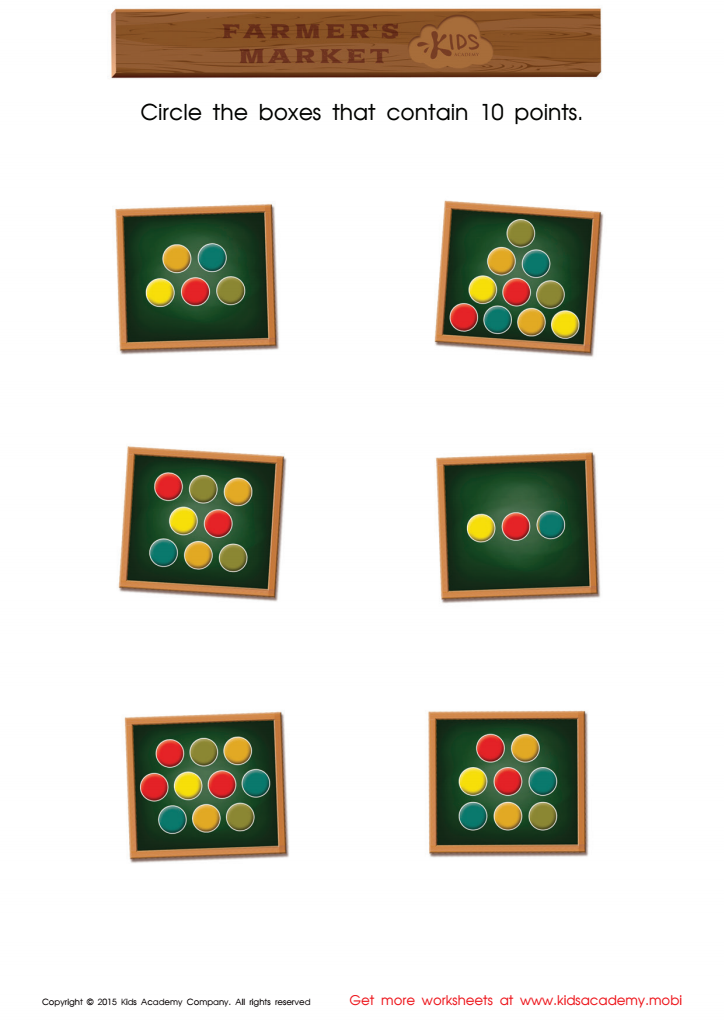
Count and Match Points 10 Math Worksheet
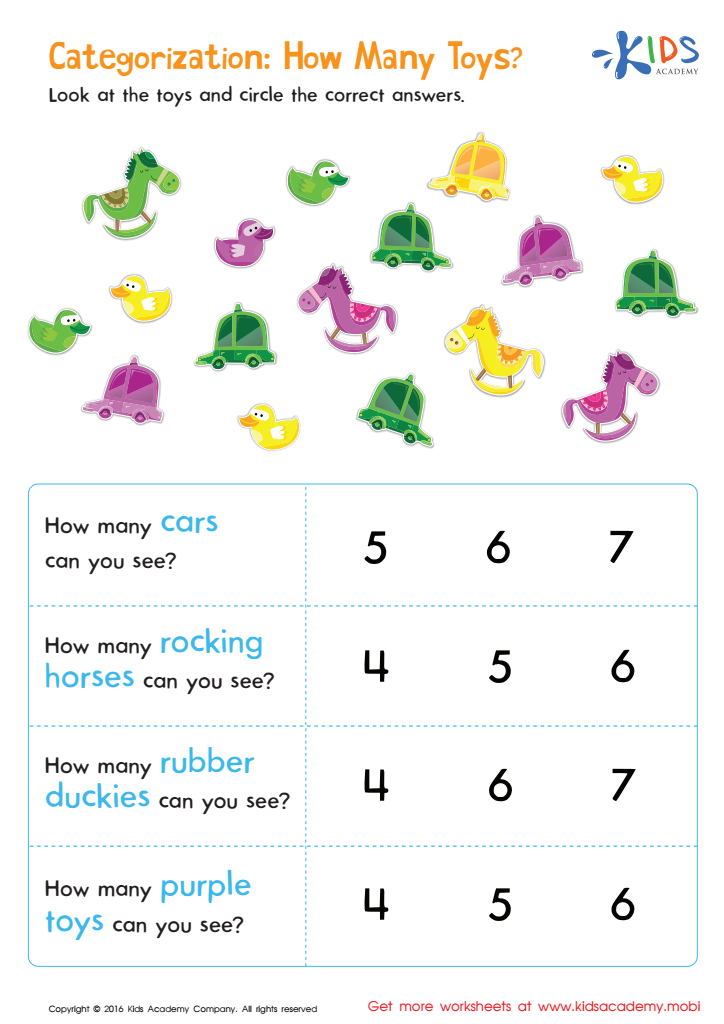
Classifying Toys by Type and Color Sorting Worksheet
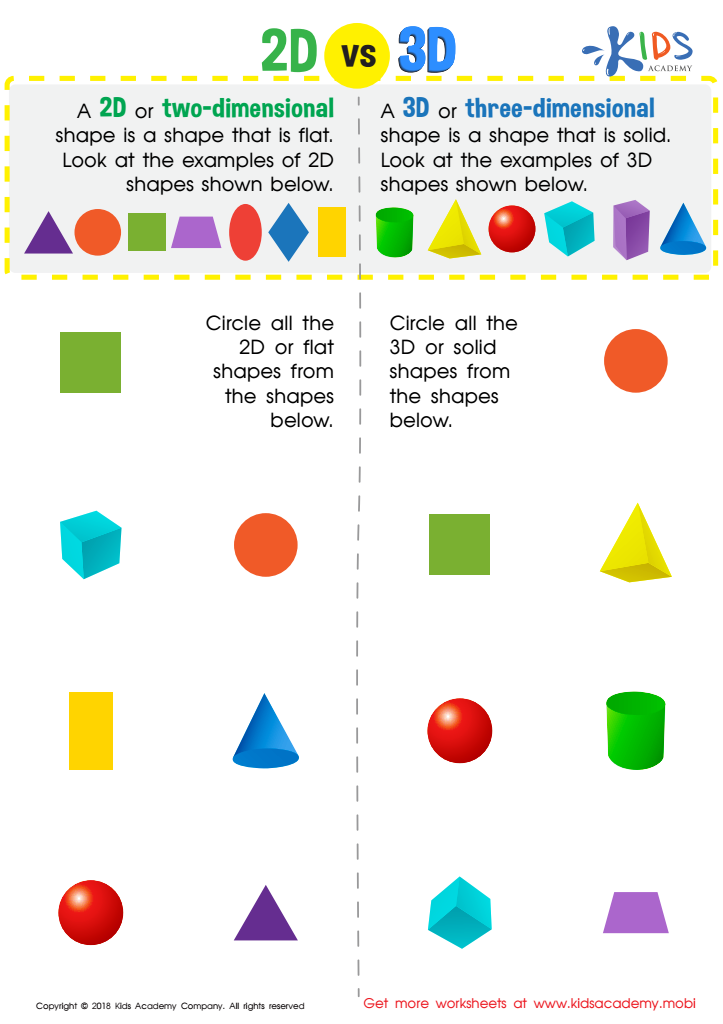
2D vs 3D Shapes Worksheet
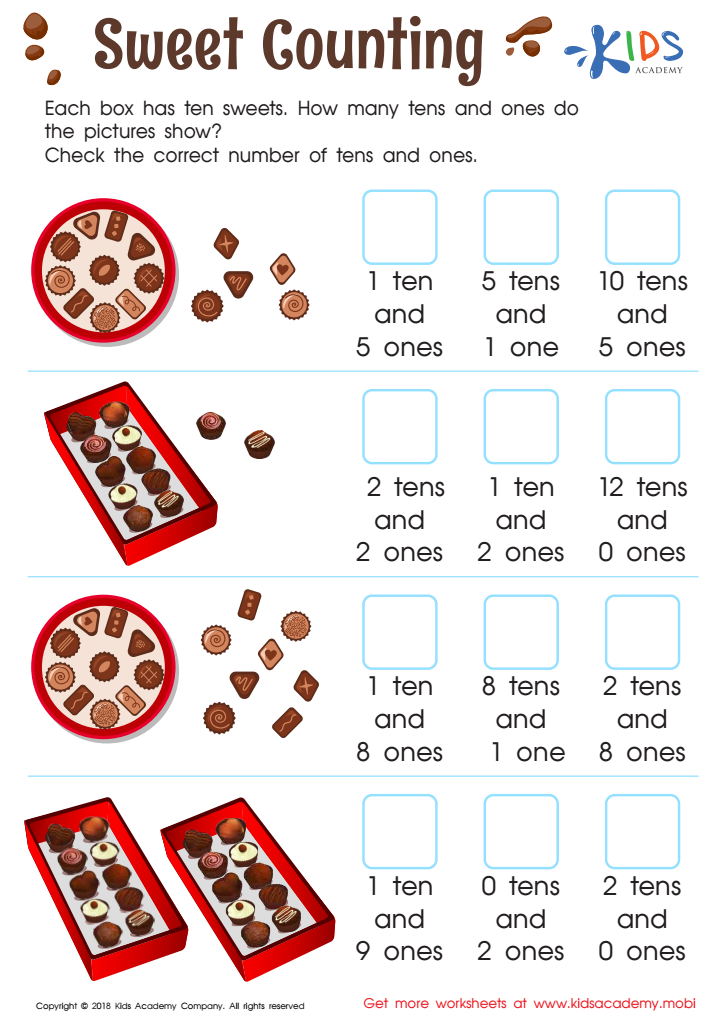
Sweet Counting - Part 2 Worksheet
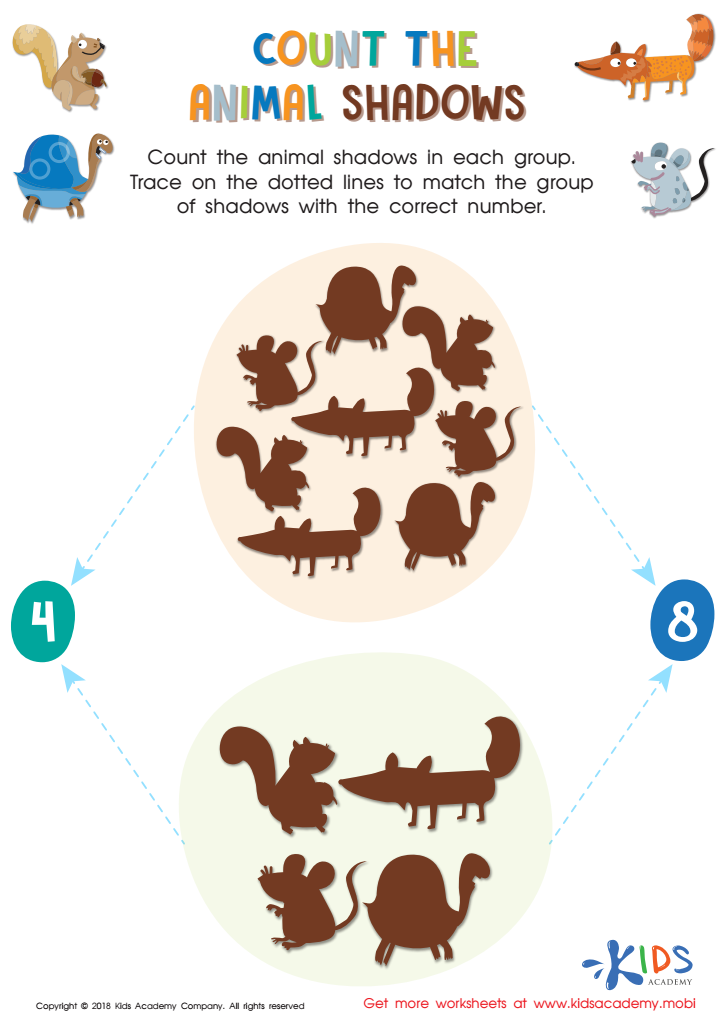
Count the Animal Shadows Worksheet
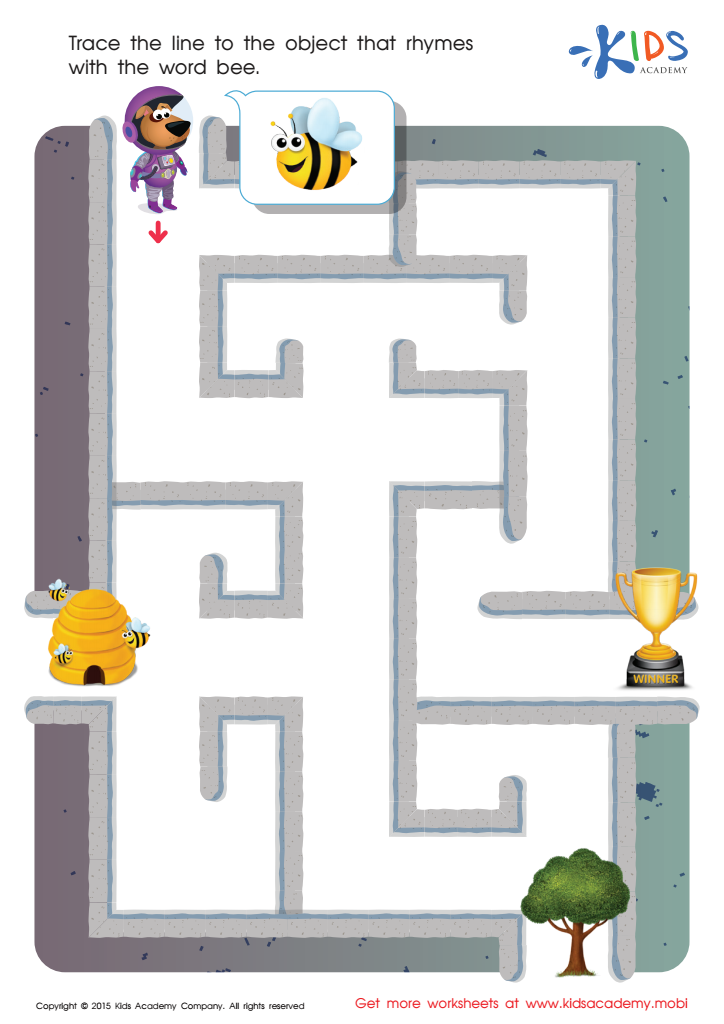
Bee Rhyming Words Worksheet
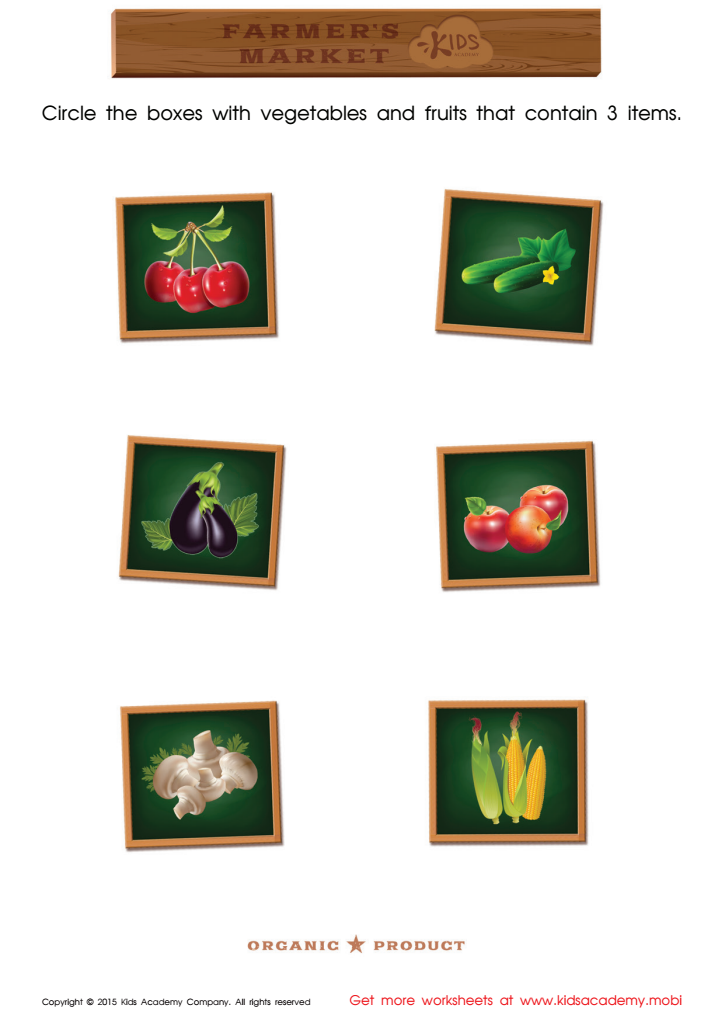
Count and Match Vegetables 1 – 5 Math Worksheet
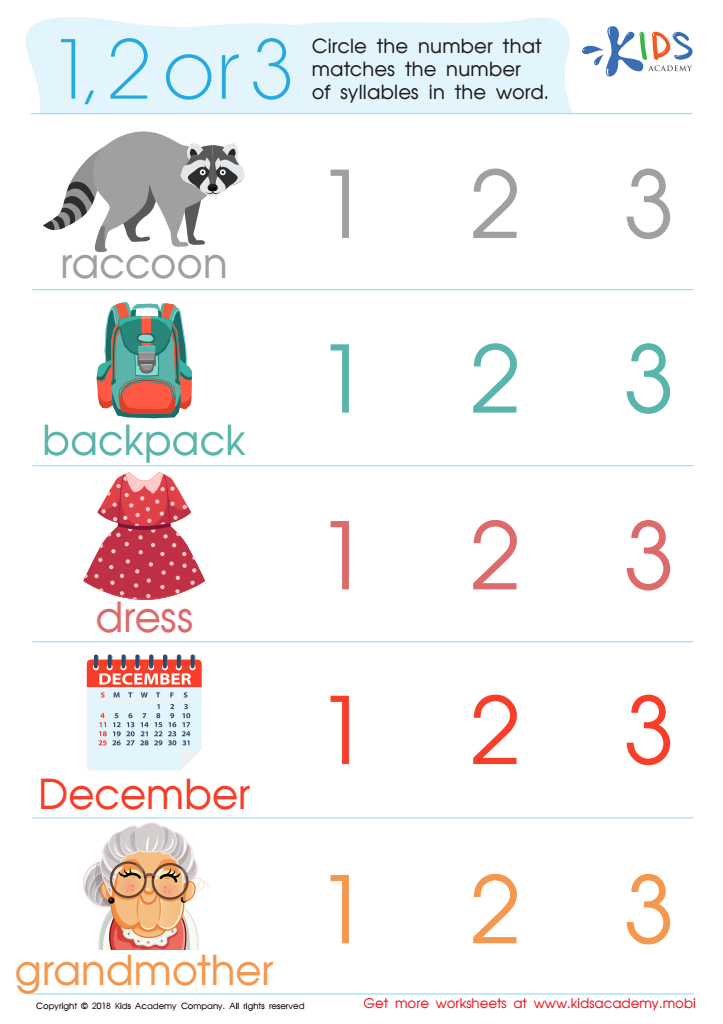
1, 2 or 3? Worksheet


.jpg)





Visual perception is a crucial skill for children aged 3-9, impacting their learning and development. This skill encompasses how children interpret and understand what they see, affecting their ability to recognize shapes, colors, and spatial relationships. Parents and teachers should prioritize visual perception for several reasons.
Firstly, strong visual perception supports literacy skills. Children use these skills to recognize letters, read words, and understand text. A child who struggles with visual perception may find reading challenging, leading to frustration and decreased motivation.
Secondly, visual perception is closely linked to math skills. Many math concepts involve recognizing patterns and shapes, understanding measurements, and spatial orientation. Improving visual perception can enhance a child’s confidence and performance in math.
Moreover, effective visual perception contributes to fine motor skills, enabling children to perform tasks like writing, drawing, and using scissors. These skills are essential for personal development and daily activities.
Lastly, fostering visual perception helps children navigate their environment safely, enabling them to judge distances, track moving objects, and enhance their overall cognitive development. Supporting visual perception during these formative years empowers children to engage more fully in school and social activities, laying the groundwork for future academic success.








