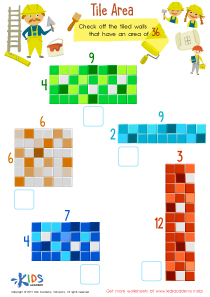
Counting skills Normal Numbers Worksheets for Ages 3-9 - Page 3
67 filtered results
-
From - To
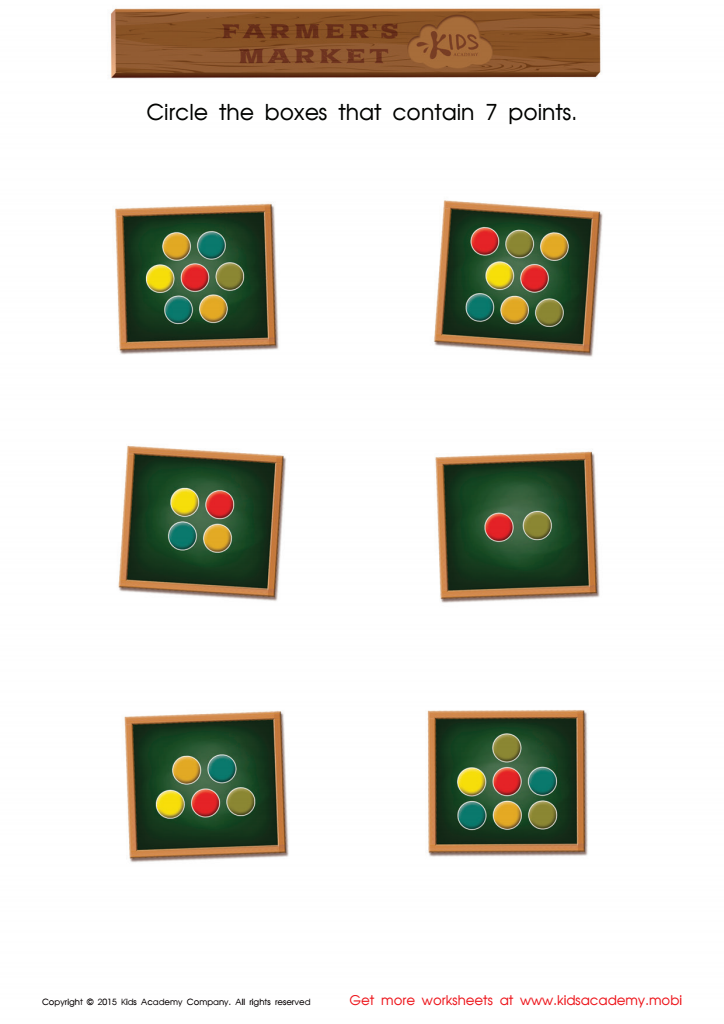
Count and Match Points 7 Math Worksheet
 Assign to My Students
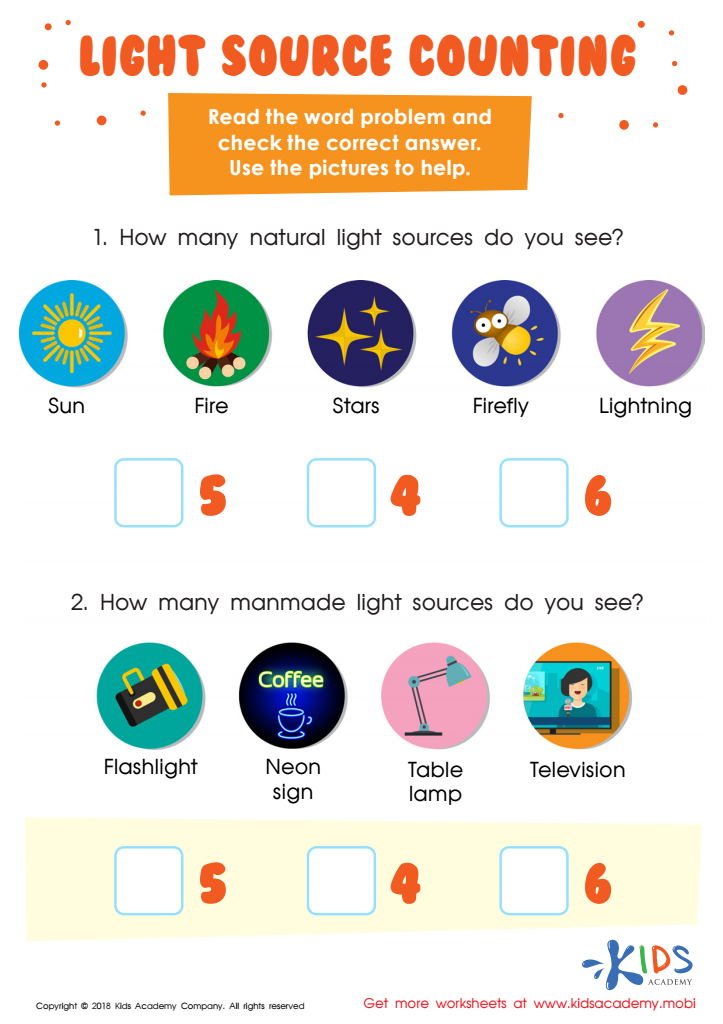
Light Source Counting Worksheet
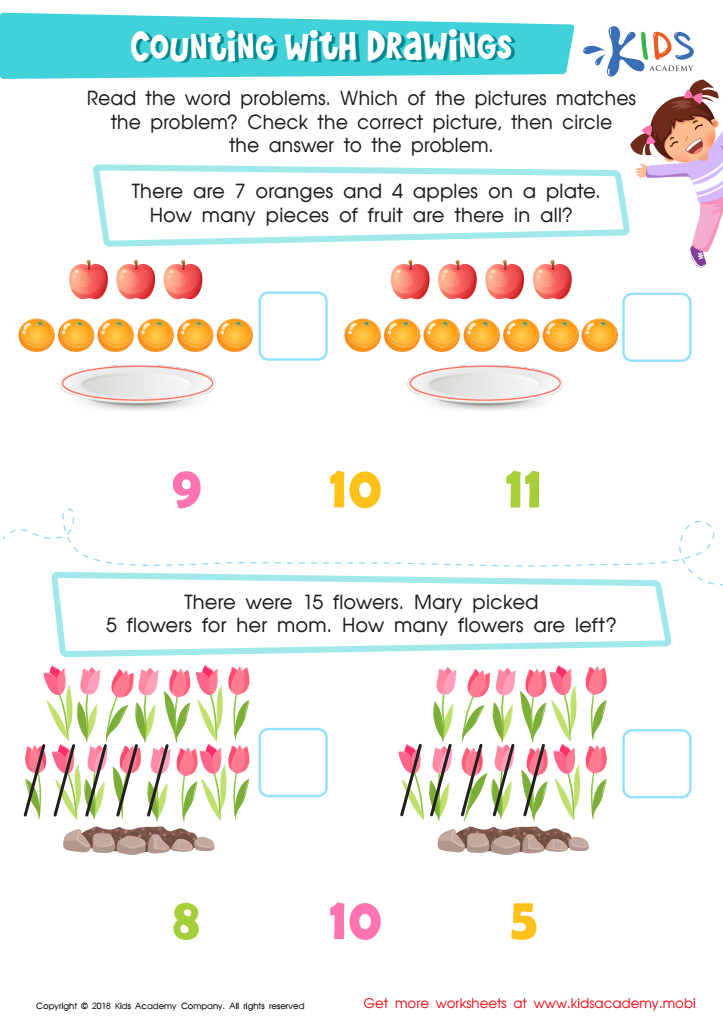
Counting with Drawings:Fruits & Flowers Worksheet
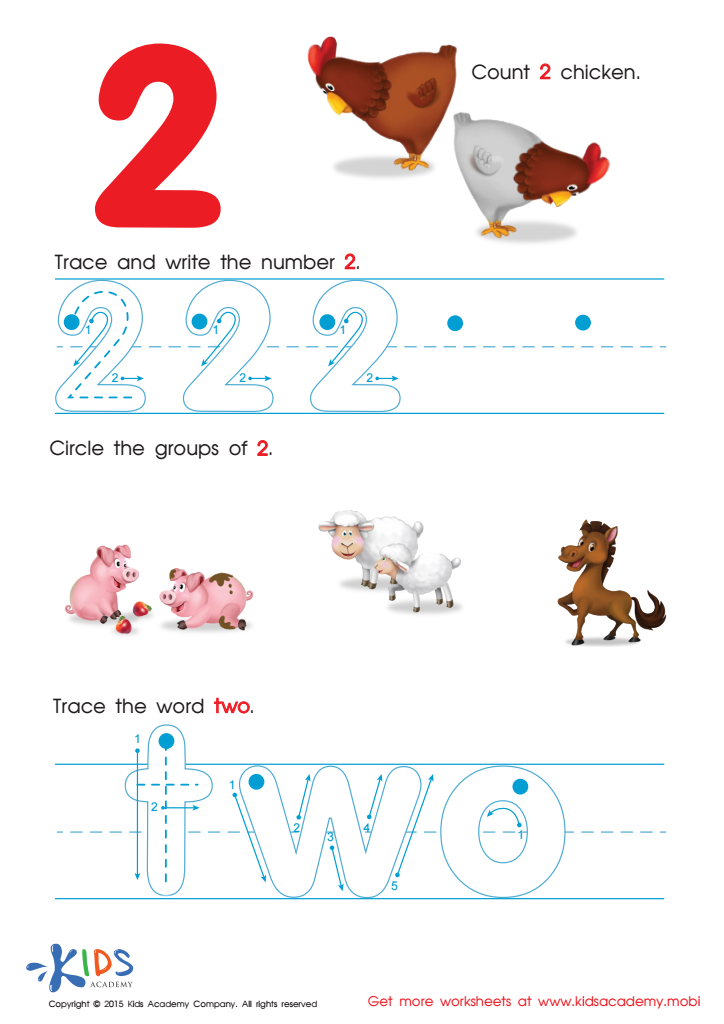
Learn to Write the Number 2 Worksheet
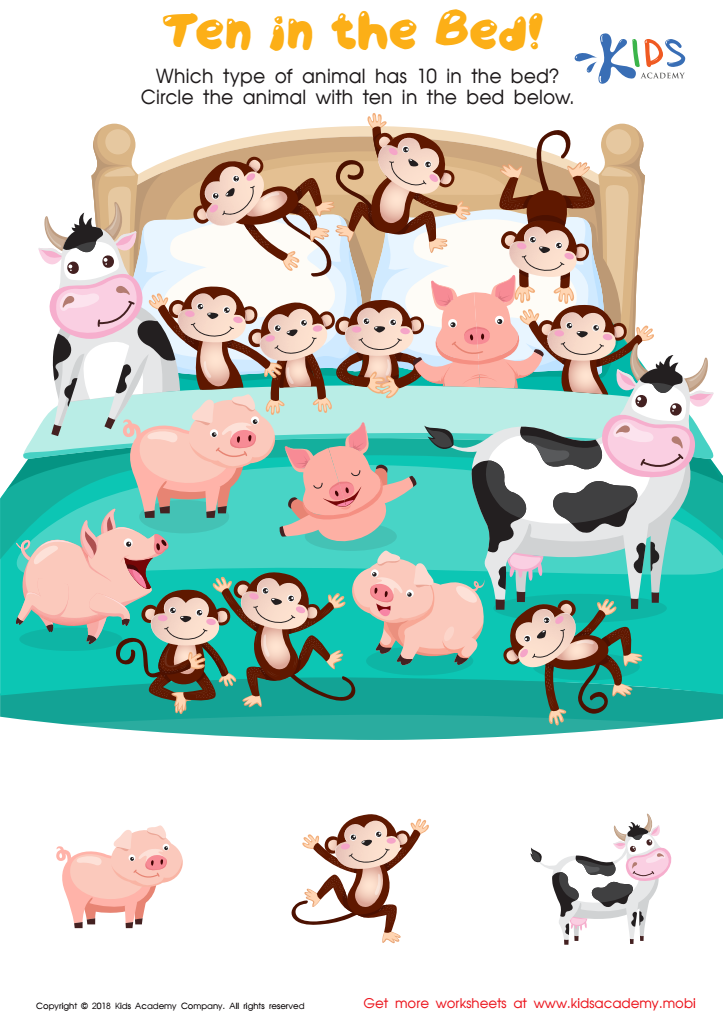
Ten in the Bed Worksheet
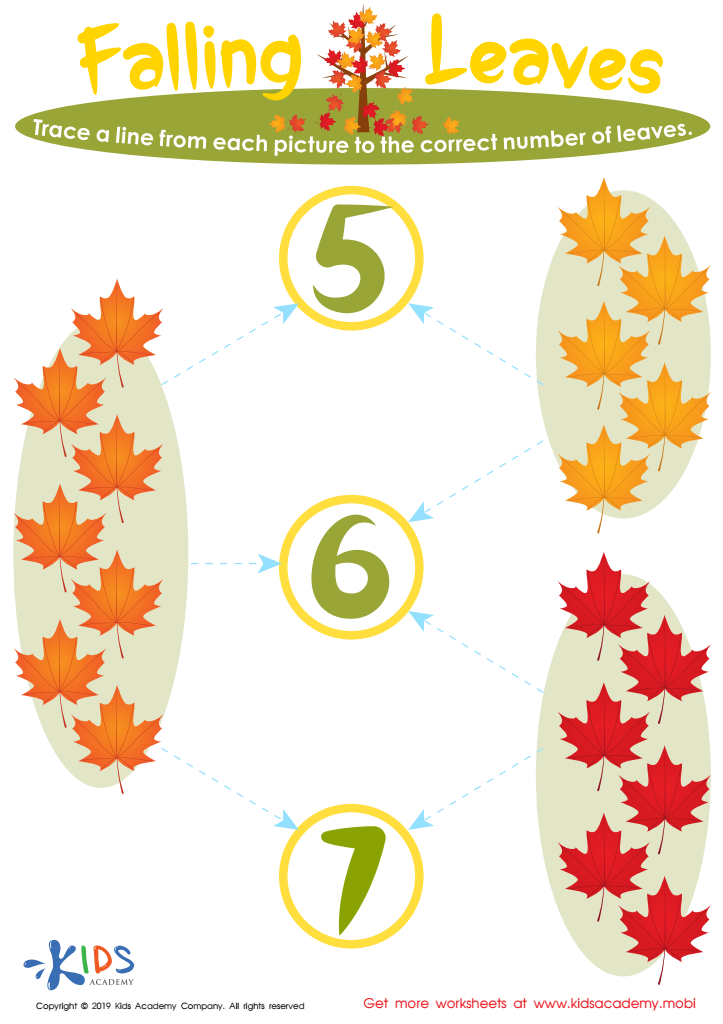
Falling Leaves Worksheet
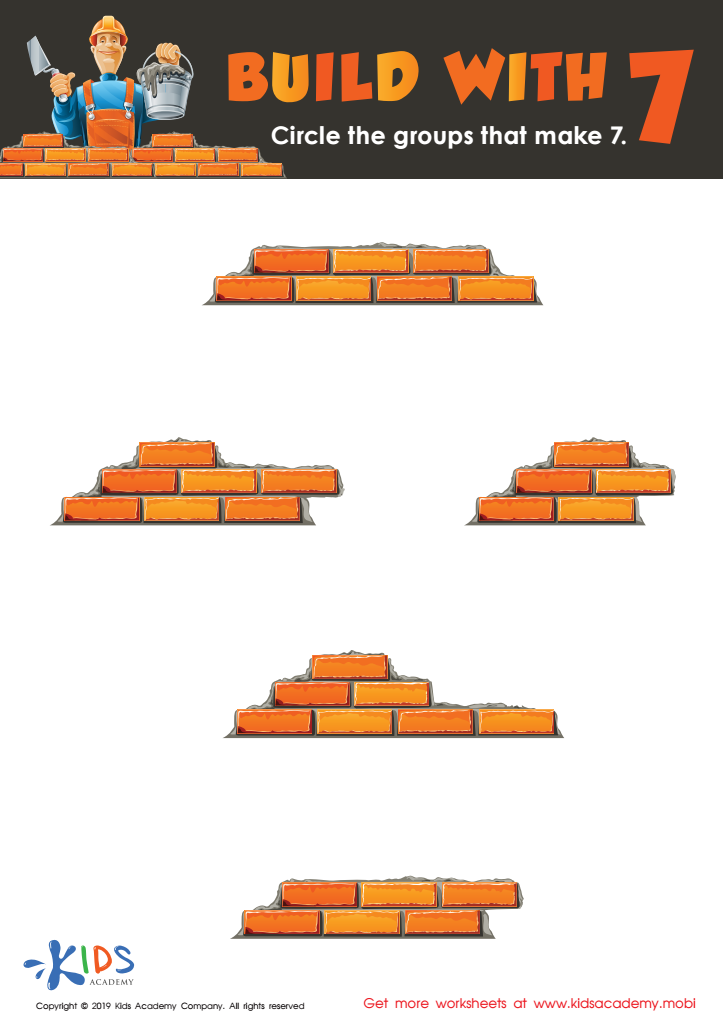
Build with 7 Worksheet
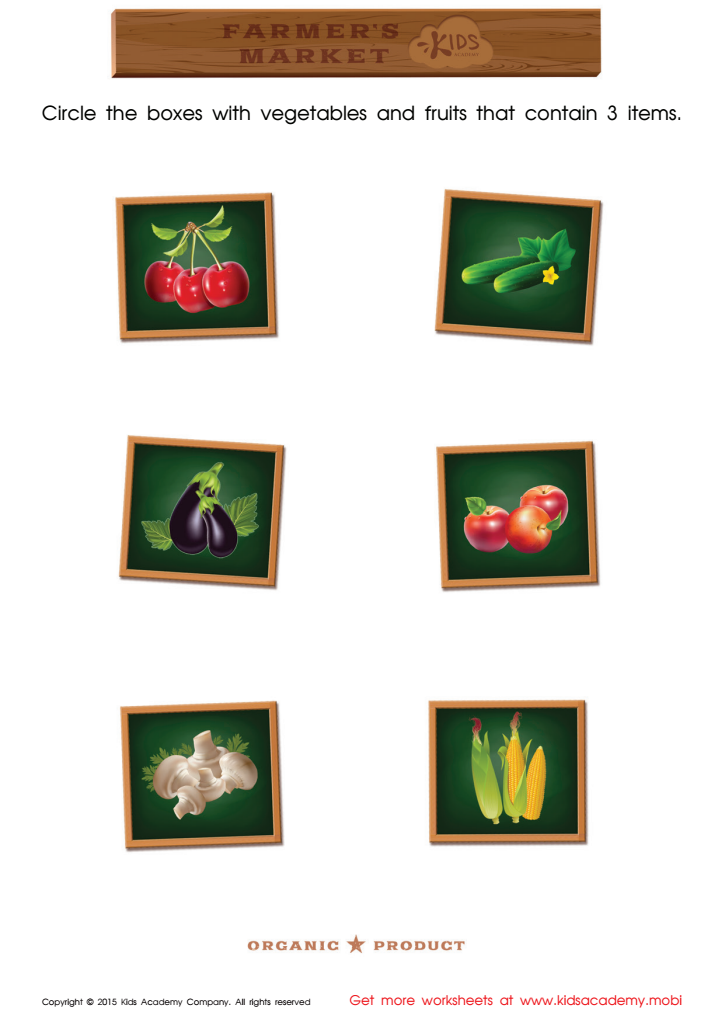
Count and Match Vegetables 1 – 5 Math Worksheet
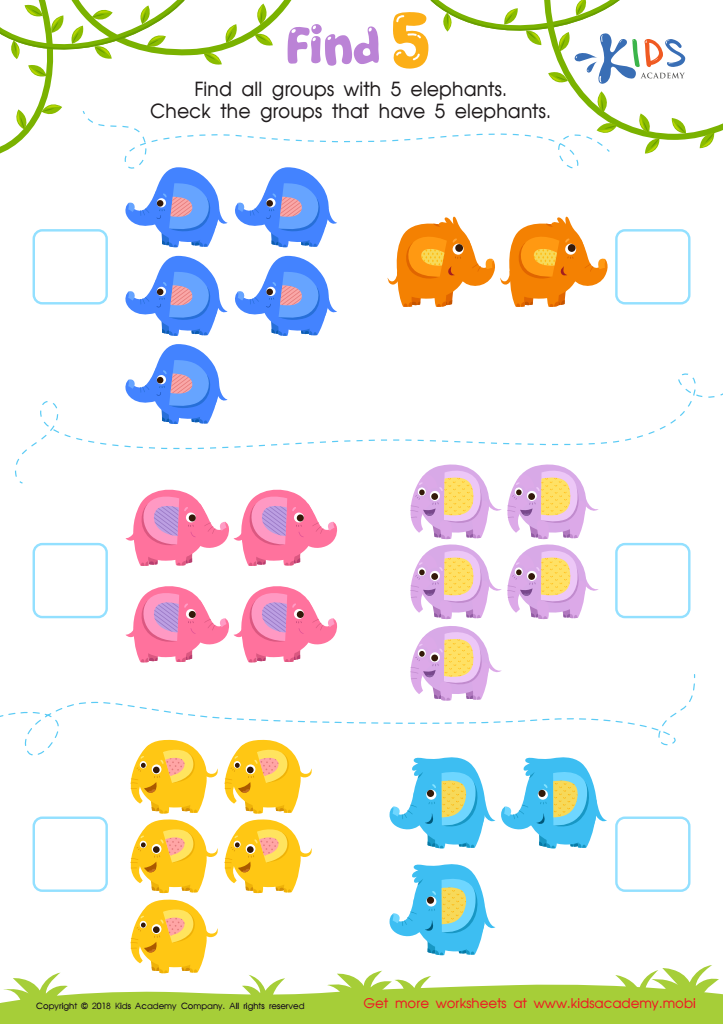
Find 5 Worksheet
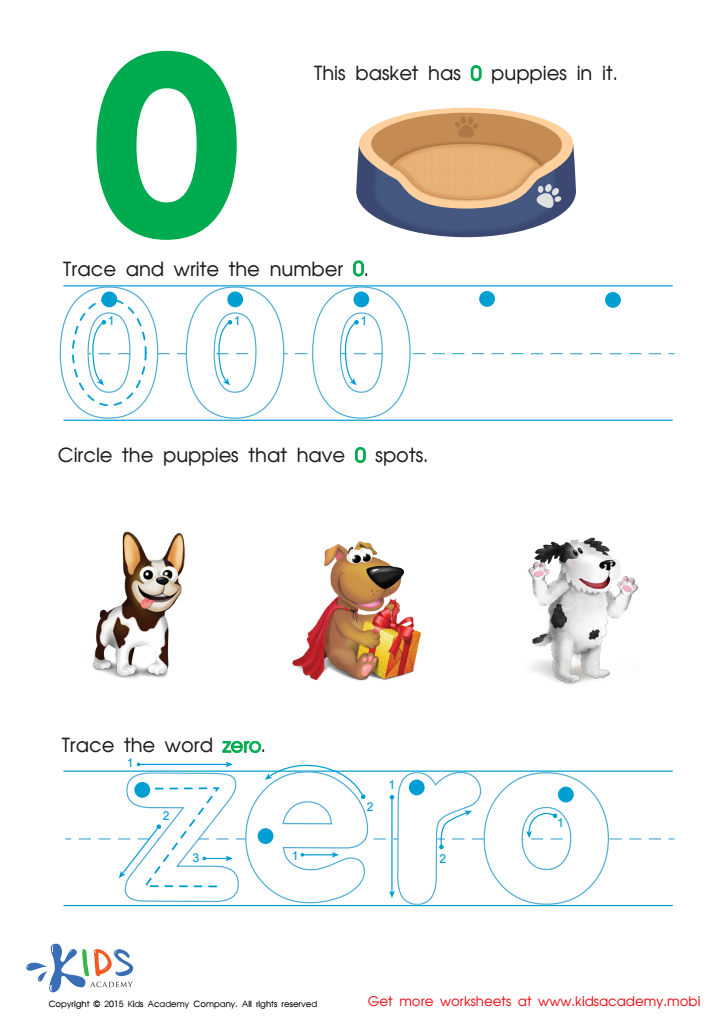
Trace And Write Number 0 Worksheet
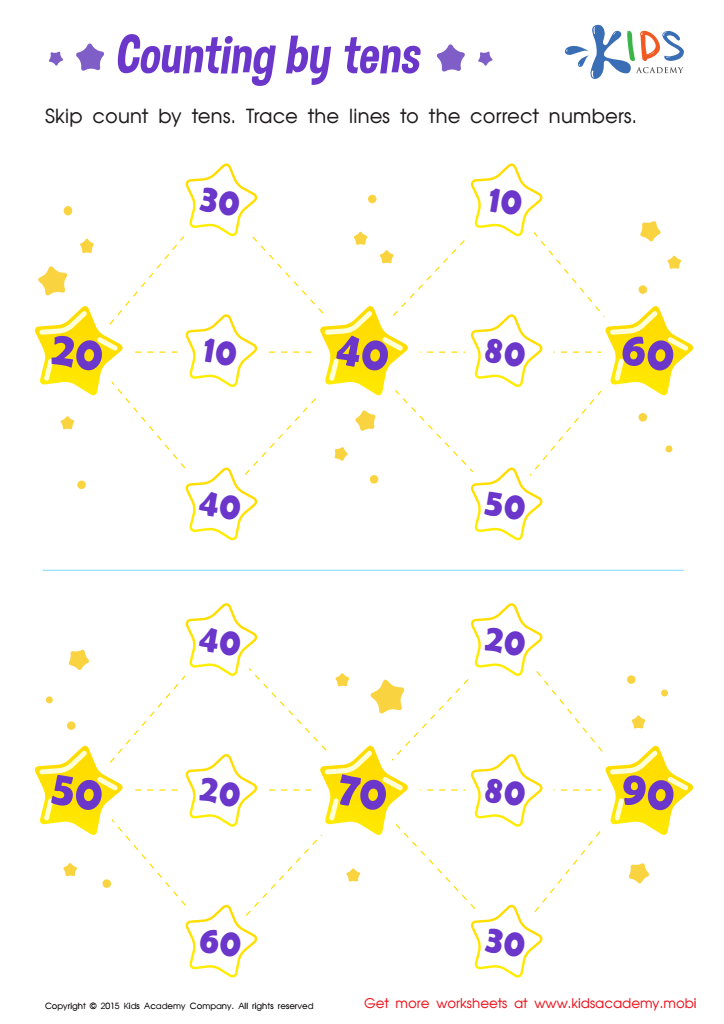
Learn Dozens: Counting by Tens Printable
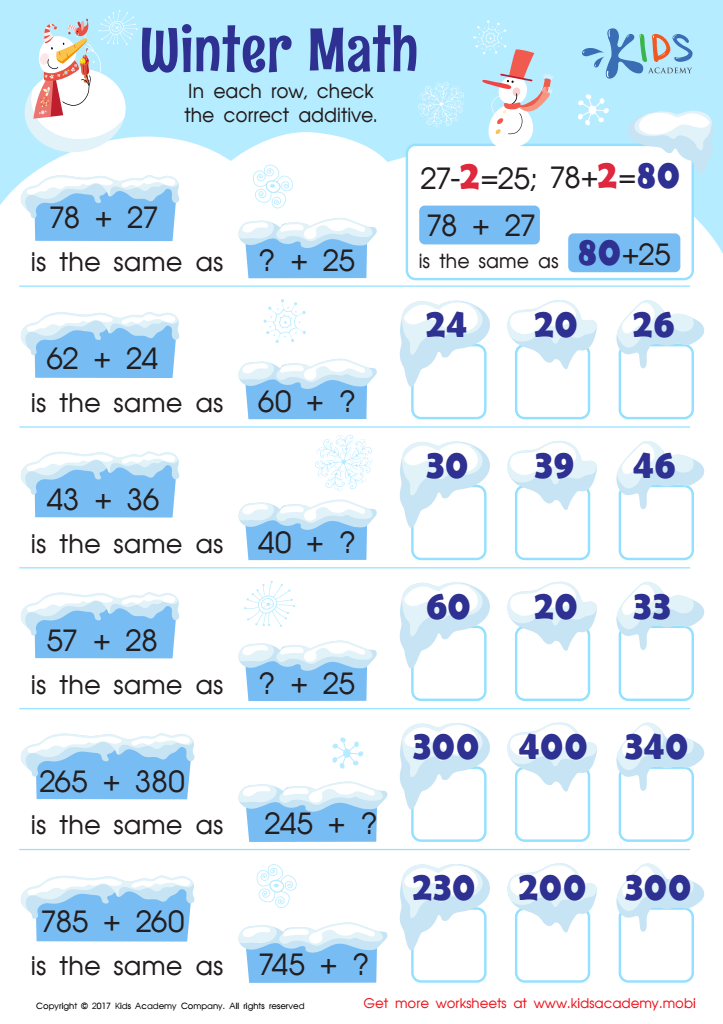
Free Addition Worksheet
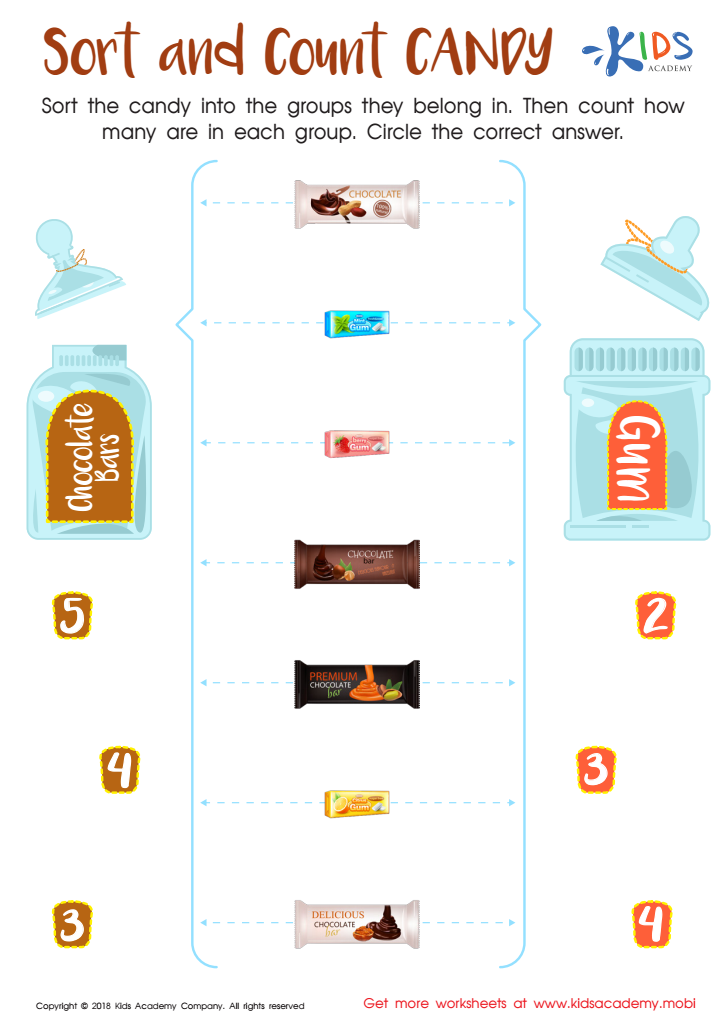
Sort and Count Candy Worksheet
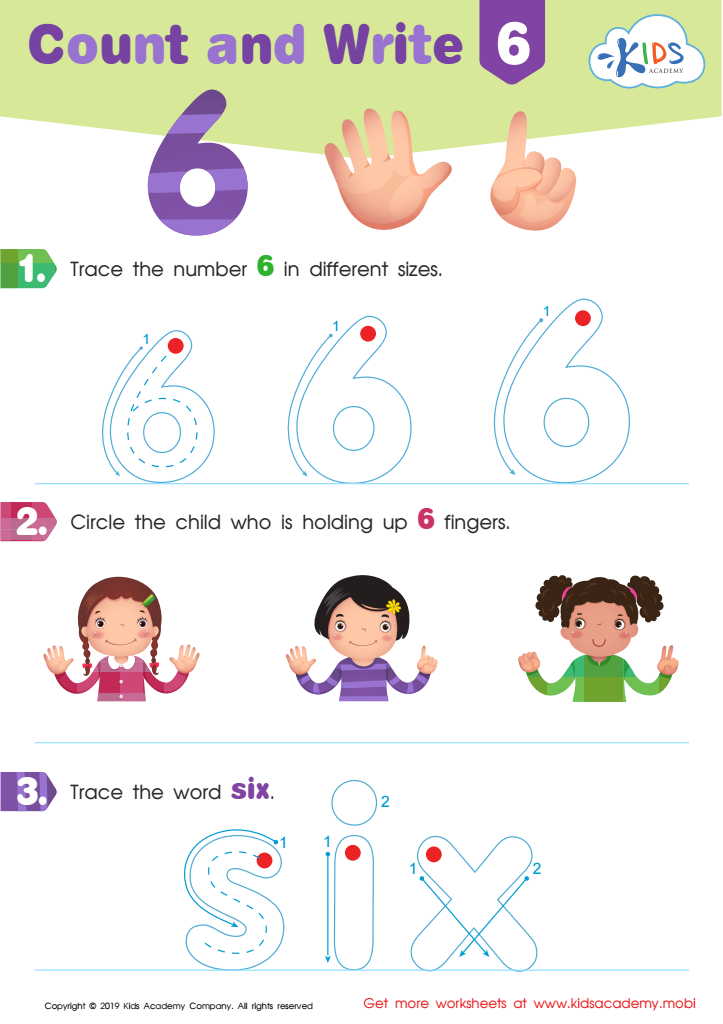
Count and Write 6 Worksheet
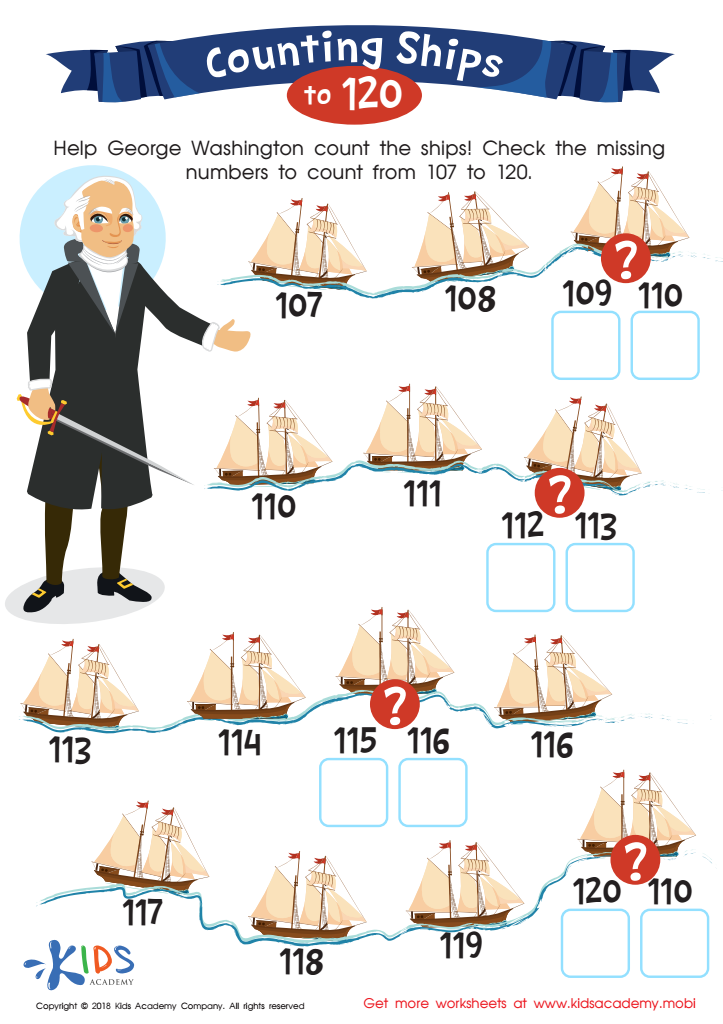
Counting Ships to 120 Worksheet
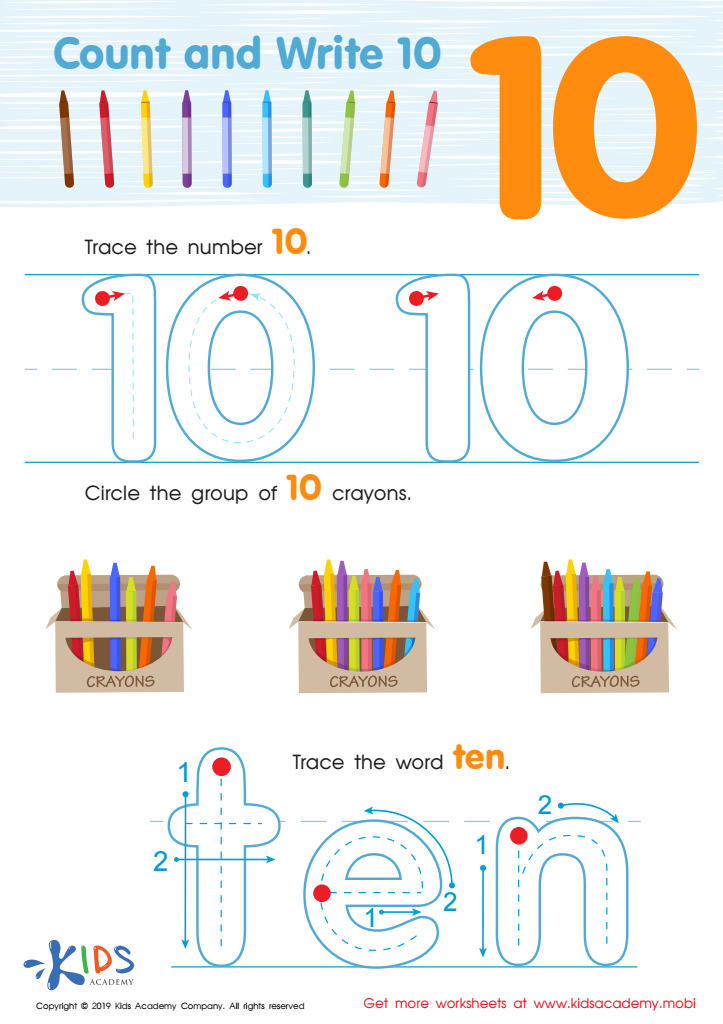
Count and Write 10 Worksheet
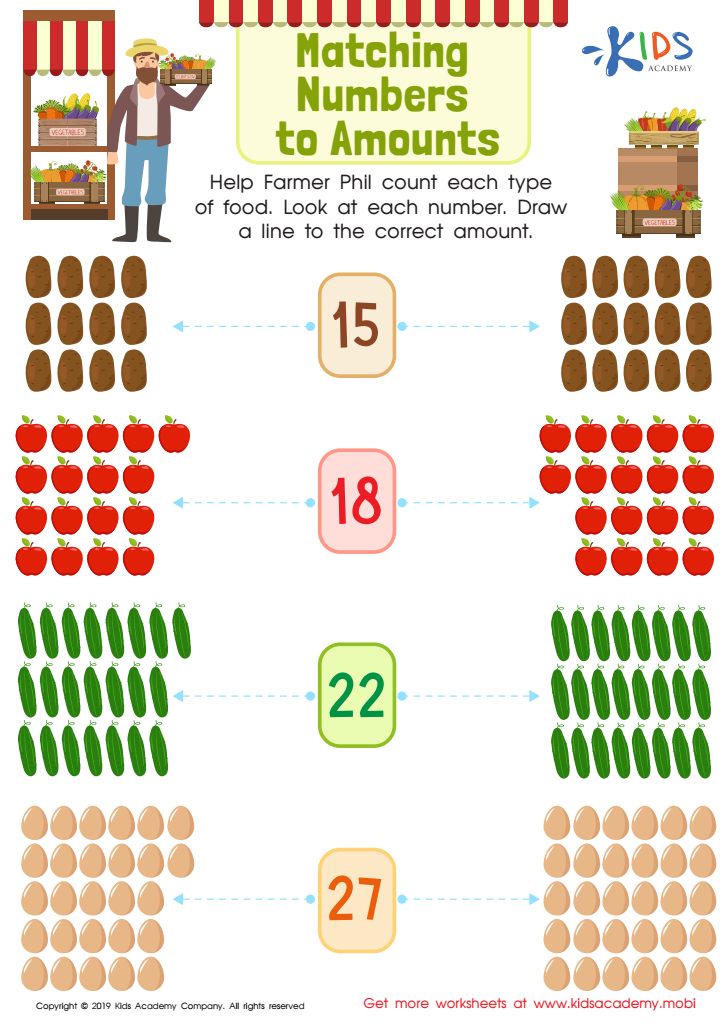
Matching Numbers to Amounts Worksheet
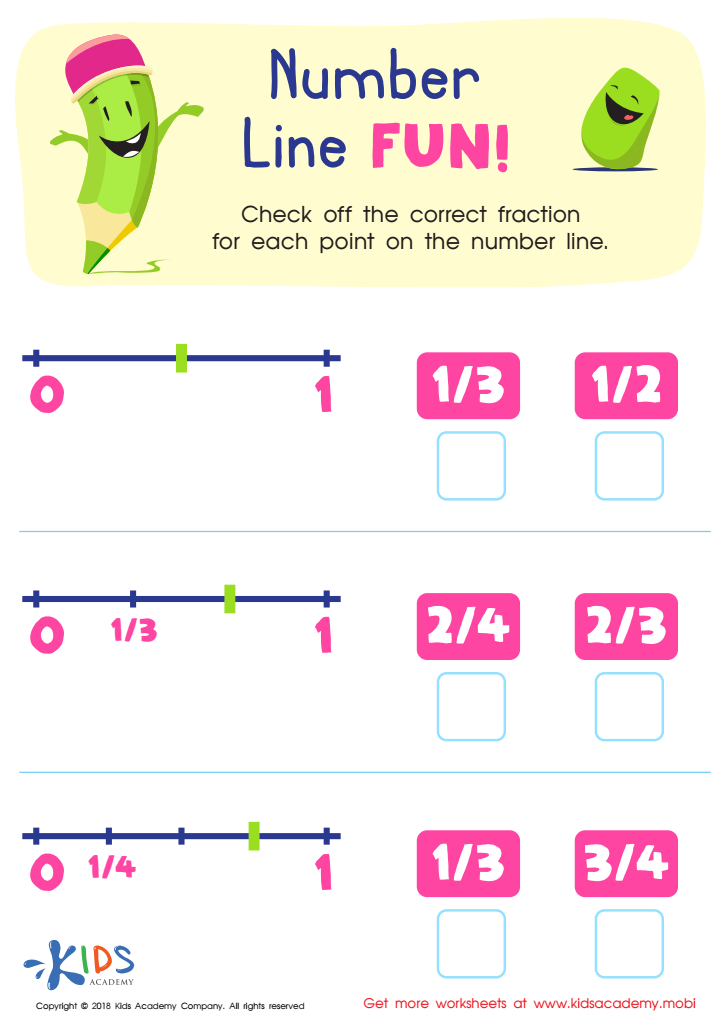
Number Line Fun Worksheet
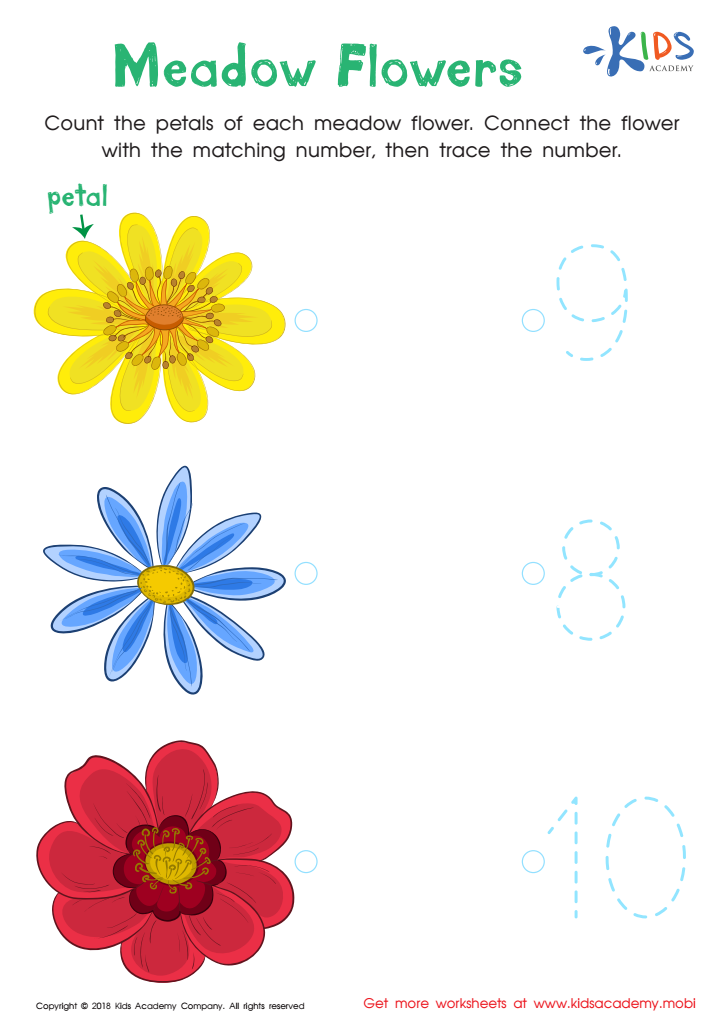
Kindergarten Number Tracing: Medow Flowers Worksheet








Counting skills and understanding of normal numbers are foundational elements of early childhood education, crucial for children aged 3-9. At this age, children are developing cognitive abilities that impact their future academic success. Mastering counting enables children to grasp basic mathematical concepts such as addition, subtraction, patterns, and even probability later on.
Parents and teachers should prioritize counting skills because they foster critical thinking and problem-solving abilities. When children learn to count, they also learn about sequences, quantity comparisons, and problem-solving through practical experiences. These skills are not just academic; they enhance daily life tasks like sharing items, organizing toys, and understanding time.
Moreover, proficiency in counting contributes to building children’s confidence and nurtures a positive attitude toward learning. The early mastery of these skills can set the tone for a strong foundation in mathematics, discouraging anxiety towards math that many may develop in later years.
Finally, counting and normal number skills facilitate social interactions, as children engage in group activities involving turn-taking, sharing, and cooperative games. Thus, investing in counting skills from a young age supports holistic development, setting up children for success both in education and in everyday life experiences.