Problem Solving Normal Numbers Worksheets for Ages 3-9
6 filtered results
-
From - To
Enhance your child's mathematical skills with our Problem Solving Normal Numbers Worksheets designed for ages 3-9! These engaging, printable worksheets provide fun and interactive activities that foster critical thinking and problem-solving abilities. Tailored for young learners, they cover fundamental concepts of number recognition, counting, and basic operations, ensuring a solid foundation in math. Each worksheet encourages creativity while challenging your little ones to think independently. Perfect for at-home practice or classroom use, these resources make learning enjoyable. Explore a world of numbers and watch your child develop confidence and prowess in solving math problems with ease!
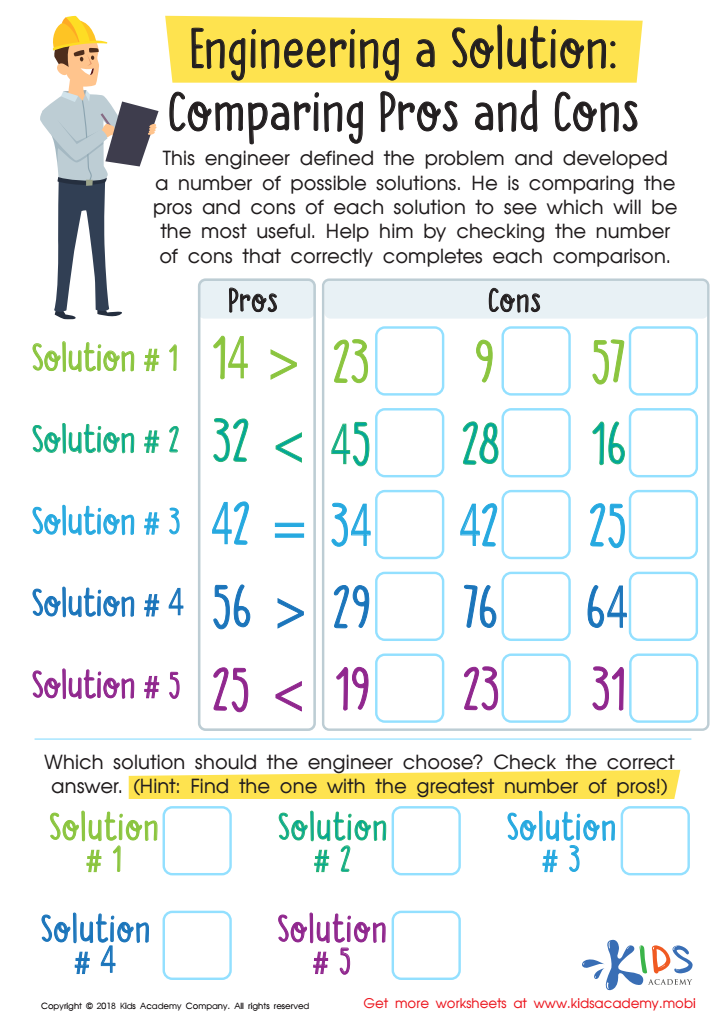
Engineering a Solution: Comparing Pros and Cons Worksheet
 Assign to My Students
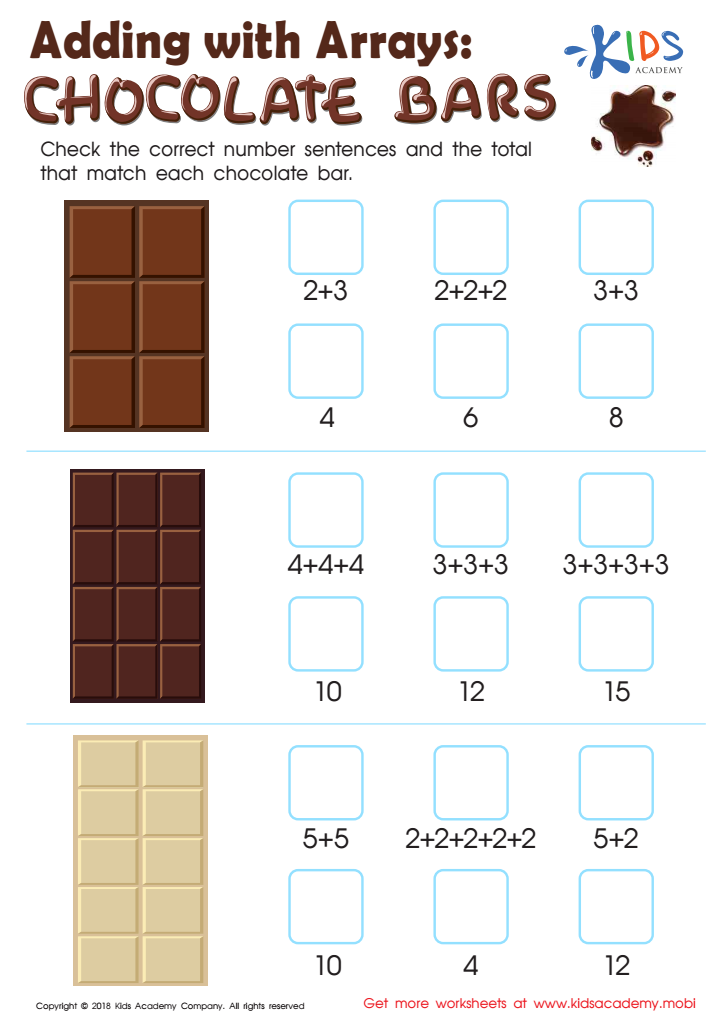
Adding with Arrays: Chocolate Bars Worksheet
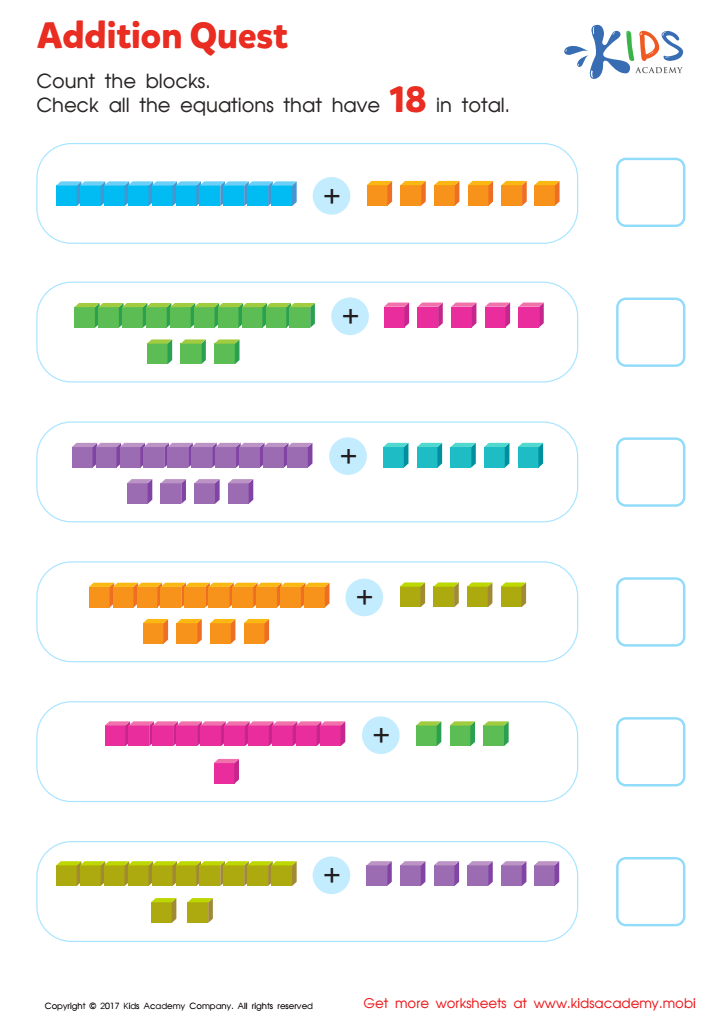
Addition Quest Worksheet: Part 2
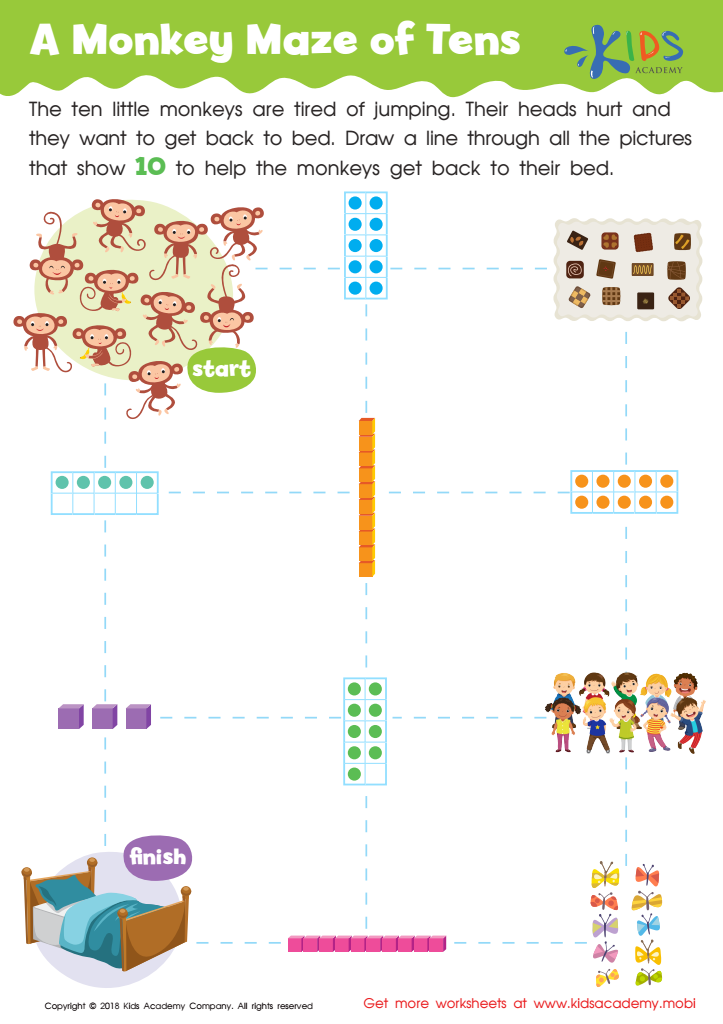
A Monkey Maze of Tens Worksheet
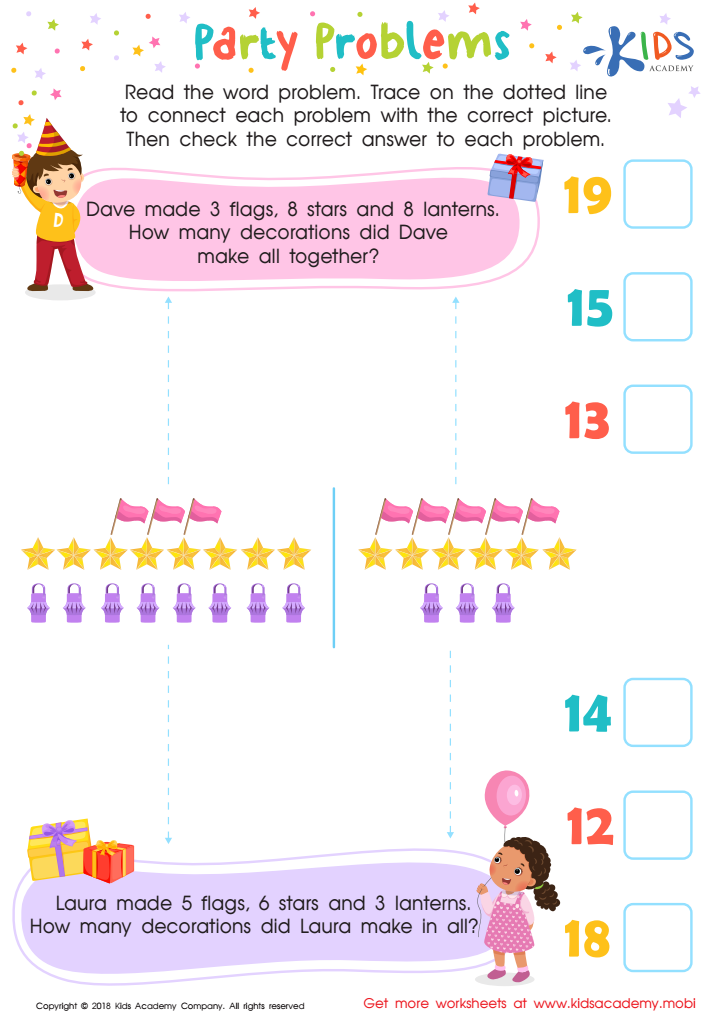
Party Problems Worksheet
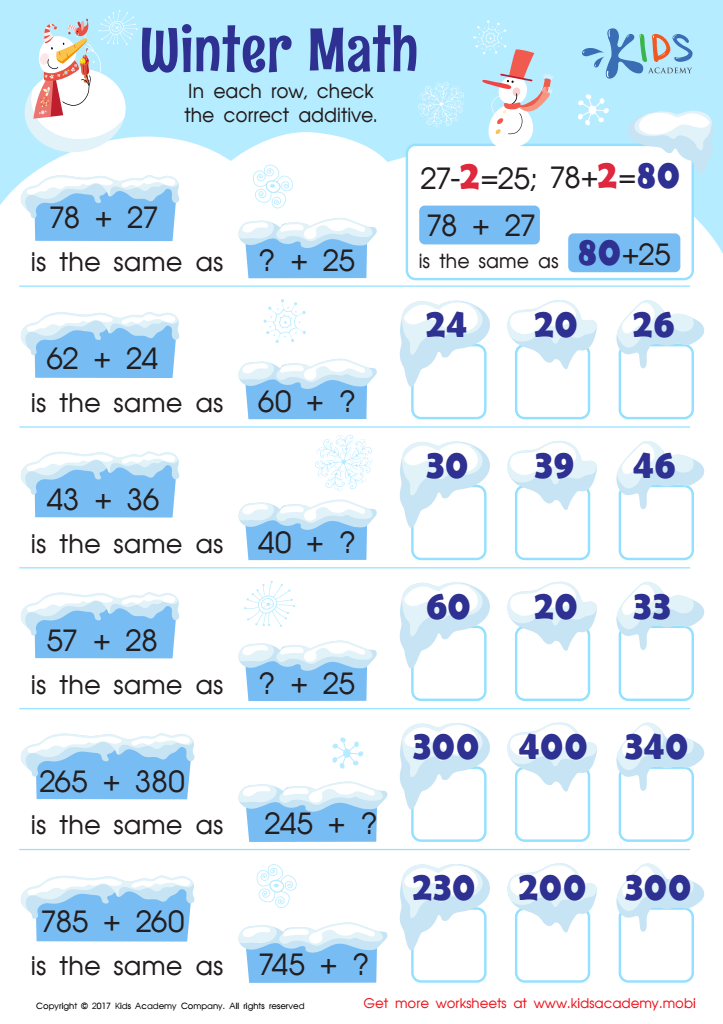
Free Addition Worksheet



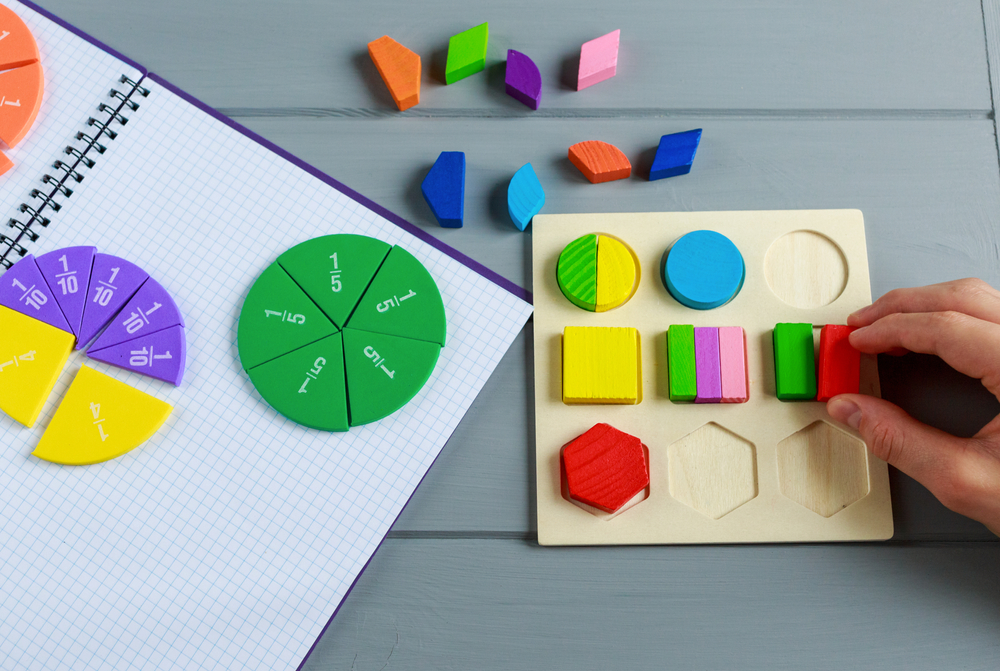

.jpg)


Problem Solving with numbers is a critical skill for children aged 3-9, as it lays the foundation for their overall mathematical understanding and cognitive development. During these formative years, children are naturally curious and eager to explore concepts of quantity, patterns, and logic. Engaging them in problem-solving helps enhance their critical thinking and reasoning skills, which are essential not just in math, but across all subjects.
Parents and teachers should care about this aspect of learning because early experiences with numbers shape children's attitudes towards mathematics. When children encounter and overcome mathematical challenges, they build confidence and resilience, making them more likely to embrace future learning opportunities.
Moreover, early problem solving promotes collaborative learning, allowing children to engage with peers and develop communication skills. It also nurtures a love for mathematics by presenting it as a fun, interactive experience rather than a tedious task.
By recognizing the value of problem-solving in early childhood, parents and teachers can create a positive learning environment, instilling essential skills that will benefit the child throughout their education and beyond. Ultimately, nurturing these abilities helps prepare children for a world that increasingly relies on math and analytical thinking in both personal and professional contexts.








