Enhancing problem-solving skills Normal Math Worksheets for Ages 3-9
6 filtered results
-
From - To
Discover our collection of engaging Normal Math Worksheets designed to enhance problem-solving skills in children aged 3 to 9. These thoughtfully crafted worksheets offer a range of age-appropriate activities that stimulate critical thinking and reasoning. With colorful illustrations and interactive exercises, children learn to tackle real-life math challenges, promoting confidence and independence. Each worksheet focuses on essential concepts such as addition, subtraction, patterns, and shapes, fostering a solid foundation for future learning. Ideal for home education or classroom use, our resources empower young learners to approach math with curiosity and creativity. Ignite a love for problem-solving through fun, hands-on practice today!
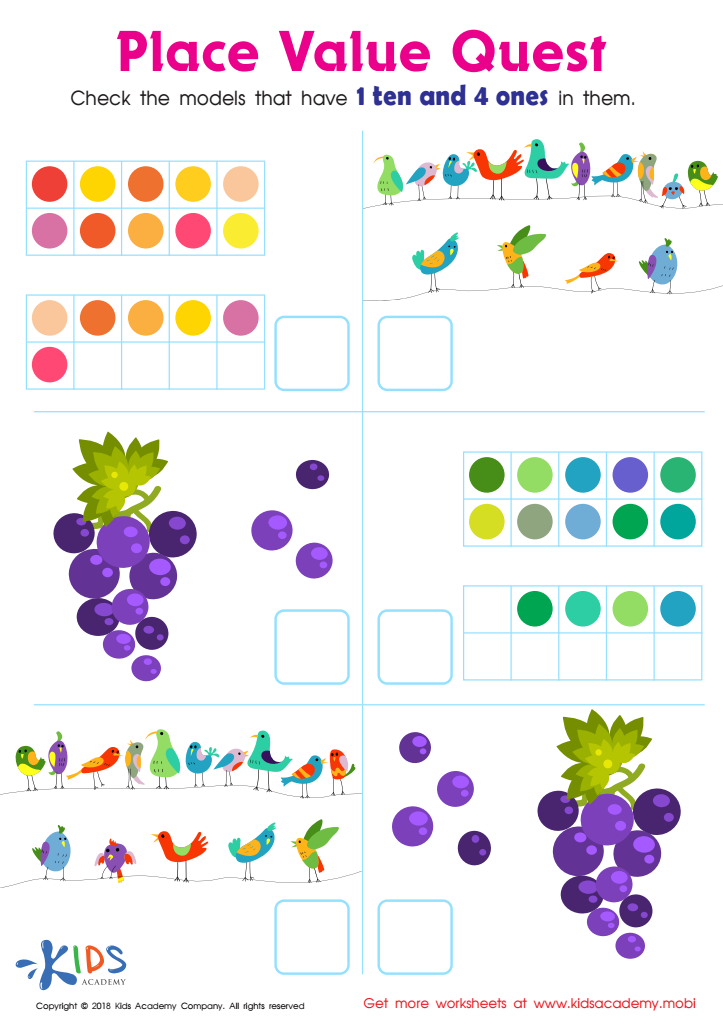
Place Value Quest Worksheet
 Assign to My Students
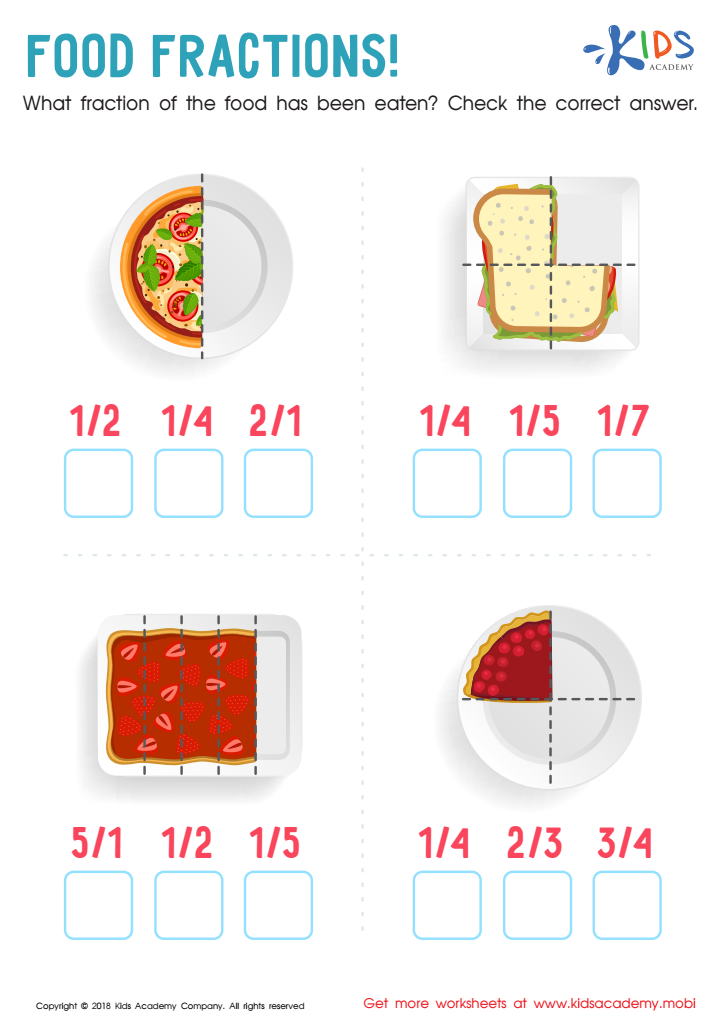
Food Fractions Worksheet
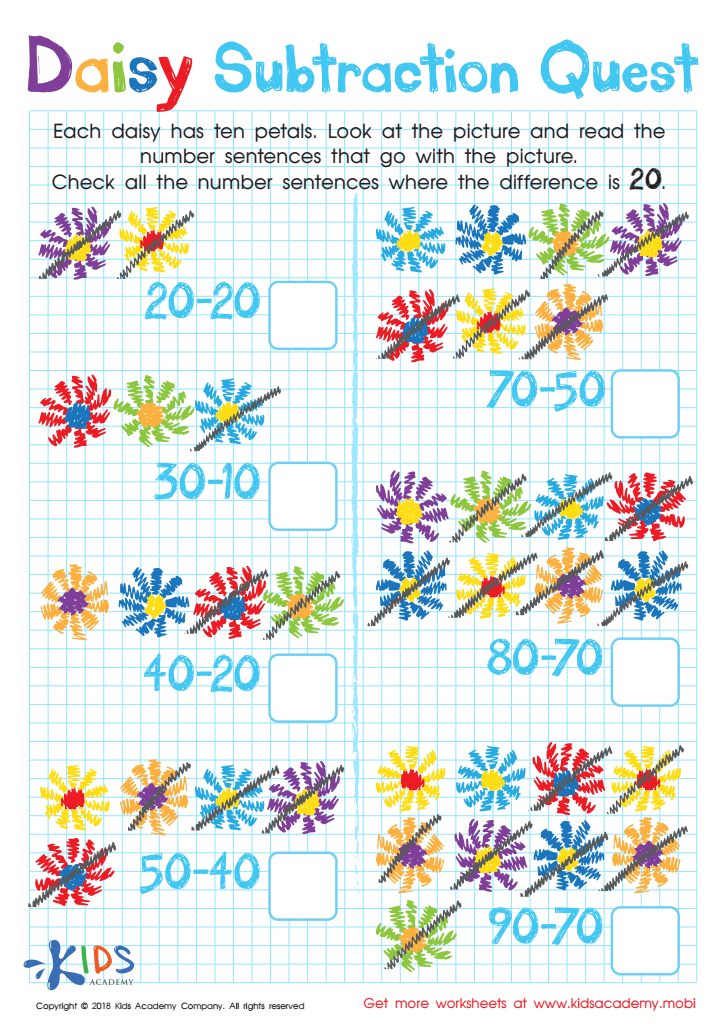
Daisy Subtraction Quest Worksheet
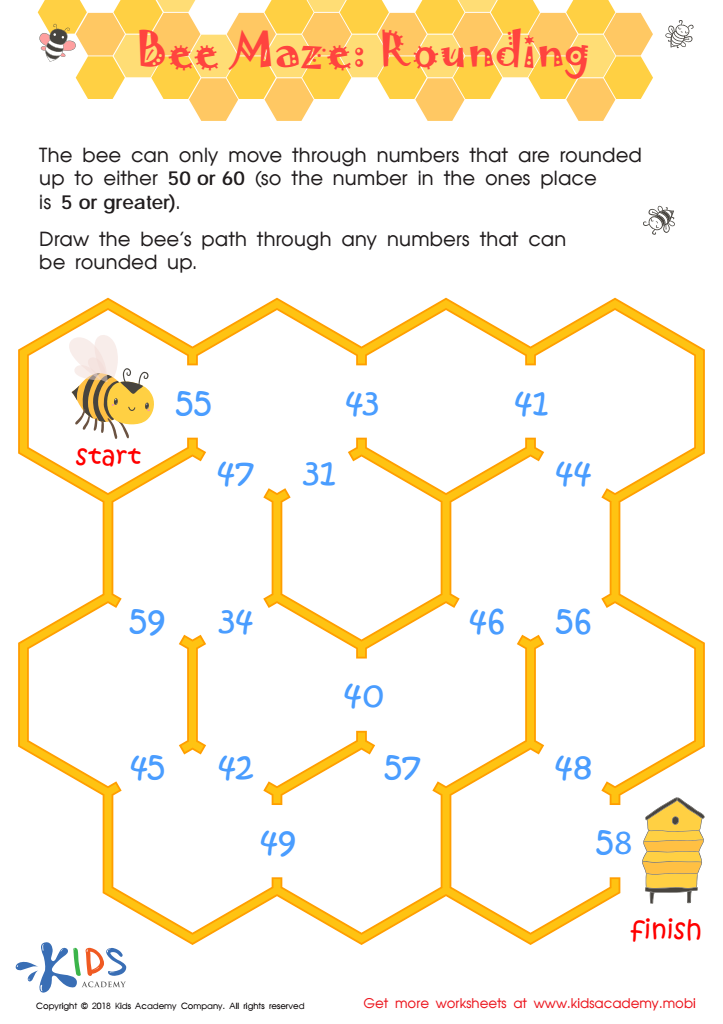
Bee Maze Rounding Worksheet
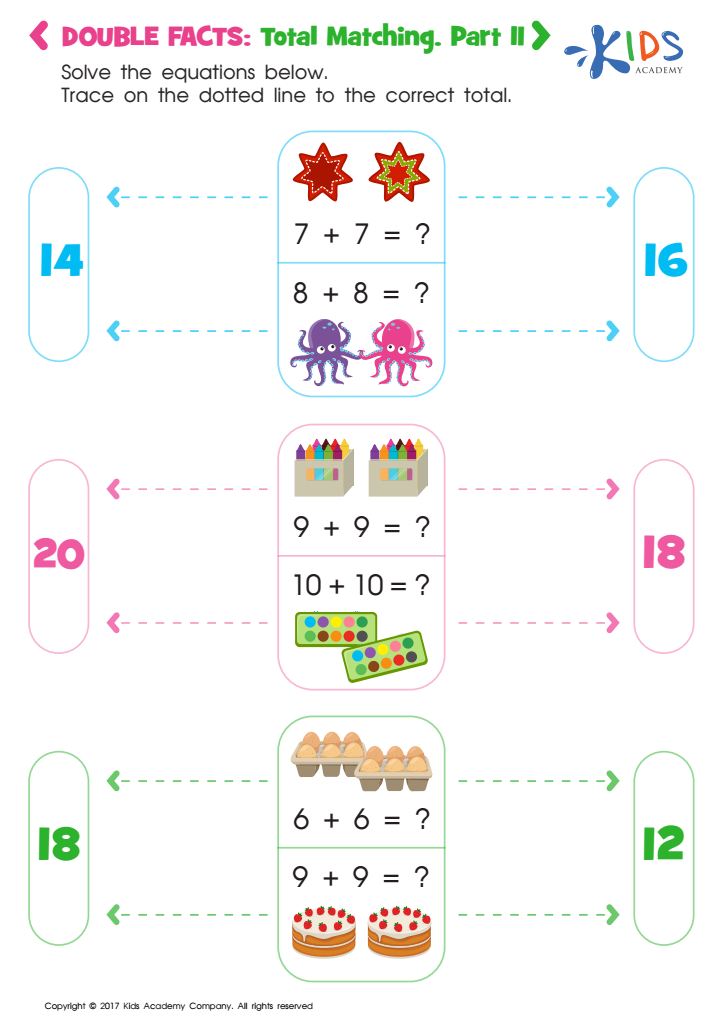
Double Facts: Total Matching 2 Worksheet
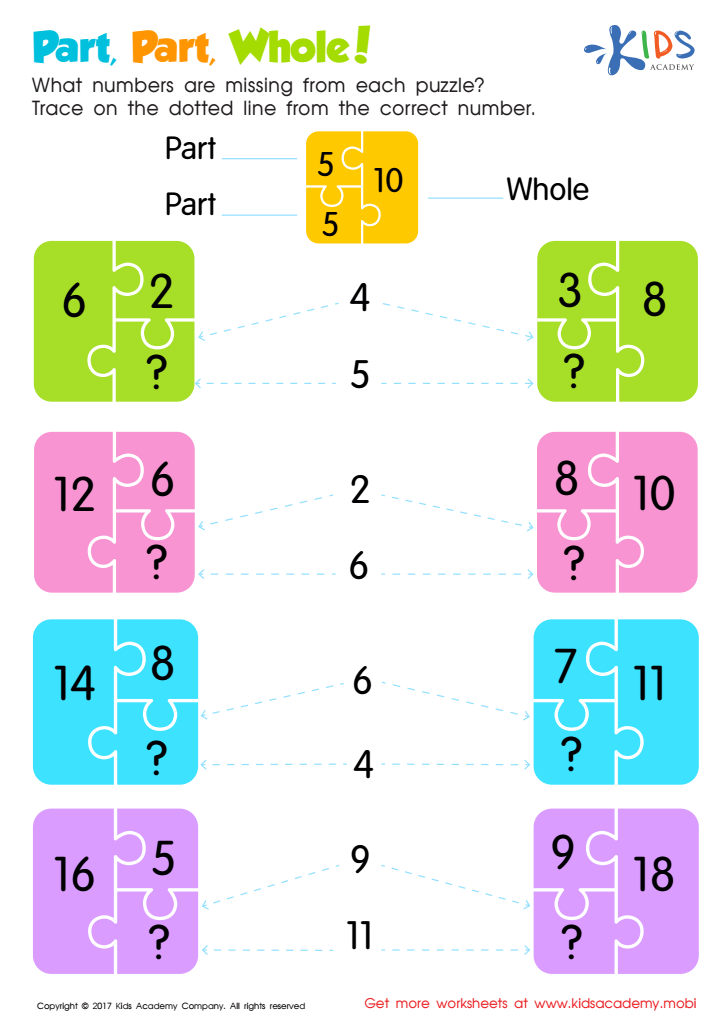
Part, Part, Whole Worksheet








Enhancing problem-solving skills in children aged 3-9 through engaging math activities lays a strong foundation for their cognitive development and everyday functioning. Early math education fosters critical thinking, reasoning, and creativity, which are essential not just for academic success, but for life. Children who develop these skills early are better equipped to tackle challenges, approach new tasks with confidence, and seek solutions independently.
Moreover, improving problem-solving abilities can positively impact a child's social skills. Collaborative problem-solving activities encourage teamwork and communication among peers, nurturing interpersonal relationships. Parents and teachers play an integral role in creating a supportive environment that challenges children without overwhelming them, fostering resilience and perseverance.
In addition, enhancing these skills during the early years aligns with the developmental milestones of childhood. Children naturally exhibit curiosity and a desire to explore; integrating math into their daily experiences taps into this innate enthusiasm for learning. Establishing a positive relationship with math at a young age helps demystify it, reducing future anxiety and boosting confidence in tackling more complex concepts later on. By prioritizing math problem-solving skills, parents and teachers empower children to become lifelong learners and adept thinkers, preparing them for future academic and life challenges.








