Matching skills Normal Math Worksheets for Ages 3-9
9 filtered results
-
From - To
Discover our engaging Matching Skills Normal Math Worksheets designed specifically for children aged 3-9. These worksheets provide a fun and interactive way for young learners to enhance their matching abilities while building foundational math skills. Our thoughtfully crafted activities reinforce cognitive understanding, visual recognition, and problem-solving skills. With vibrant illustrations and age-appropriate content, these worksheets keep kids motivated and excited about learning. Perfect for classroom settings or at-home practice, our resources cater to various learning styles and developmental stages, ensuring an enriching experience for every child. Start your child’s journey towards math proficiency with our matching skills worksheets today!
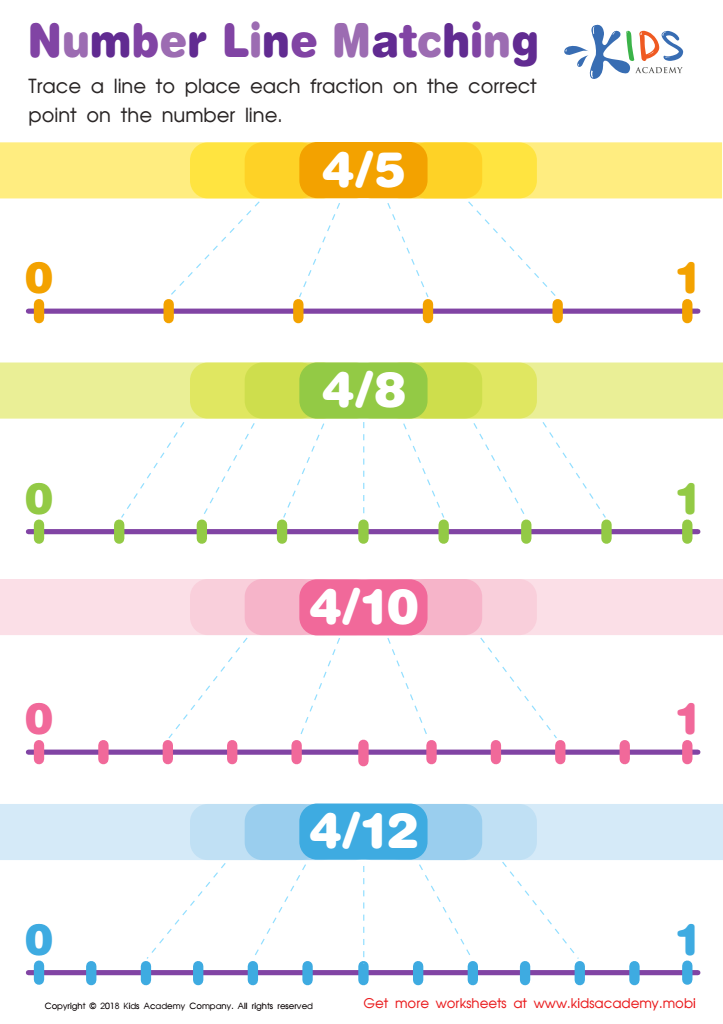
Number Line Matching Worksheet
 Assign to My Students
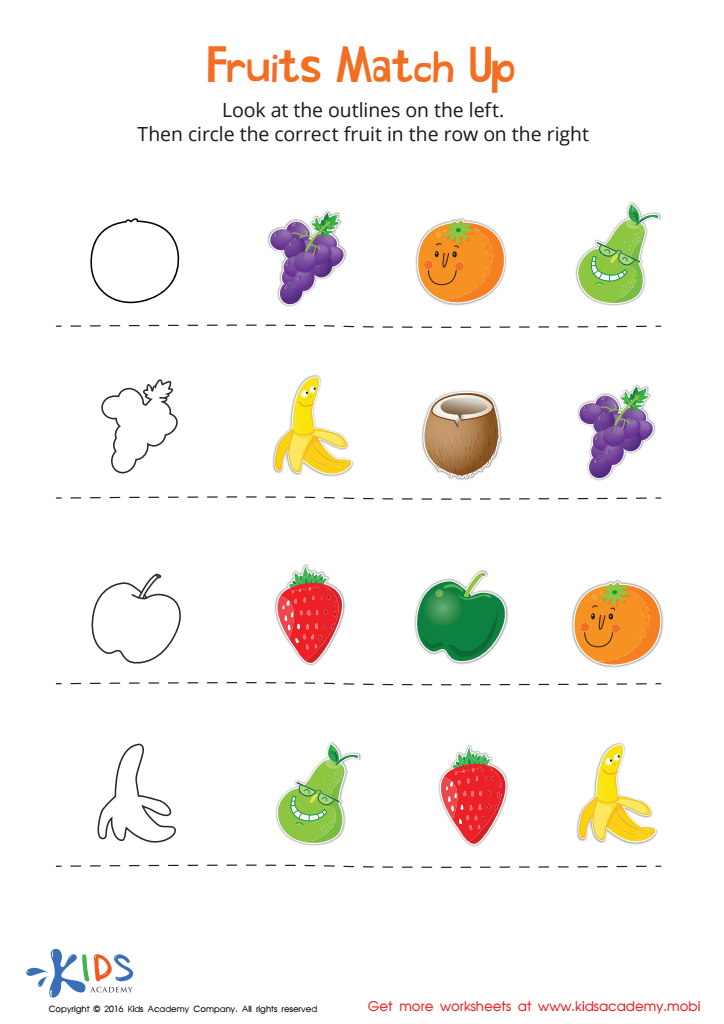
Fruits Match Up Worksheet
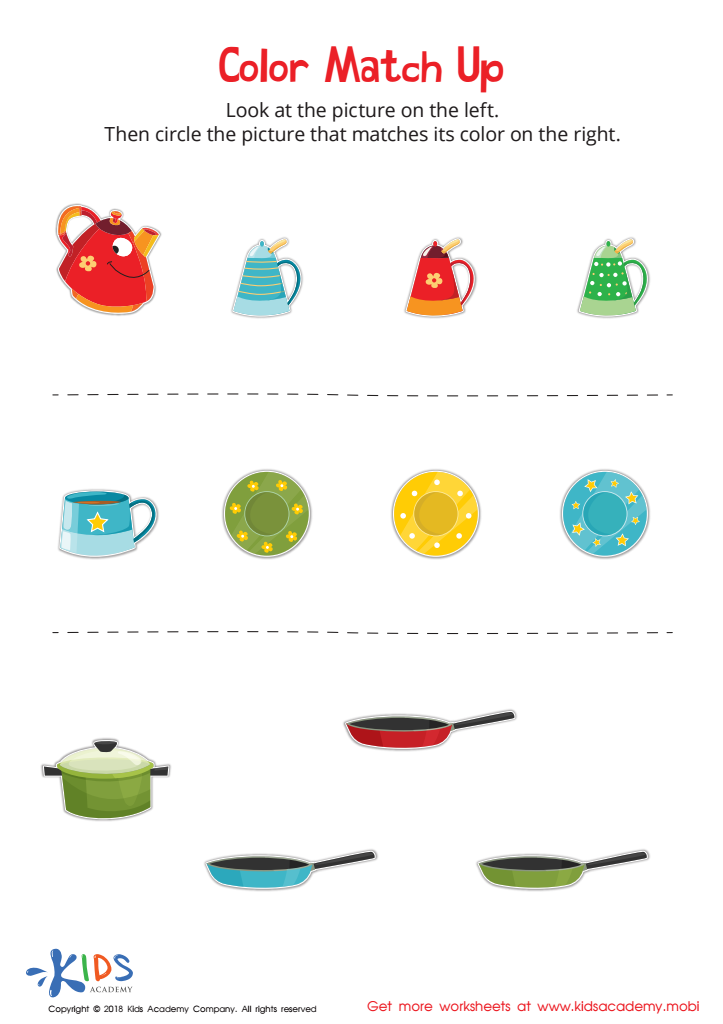
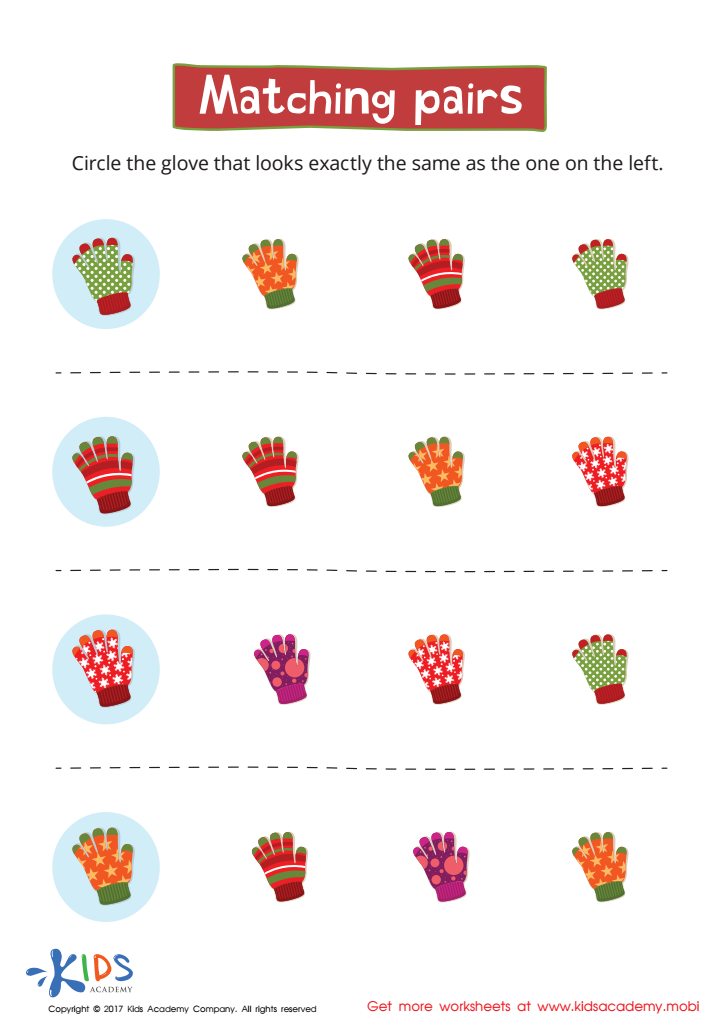
Matching: Matching Pairs Worksheet
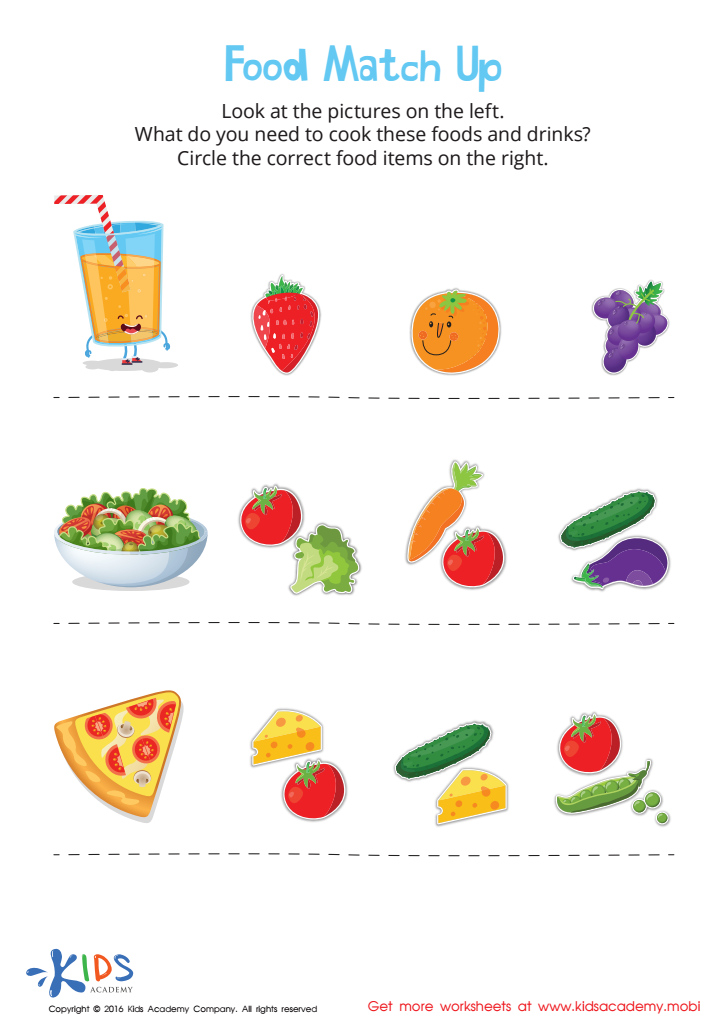
Food Match Up Worksheet
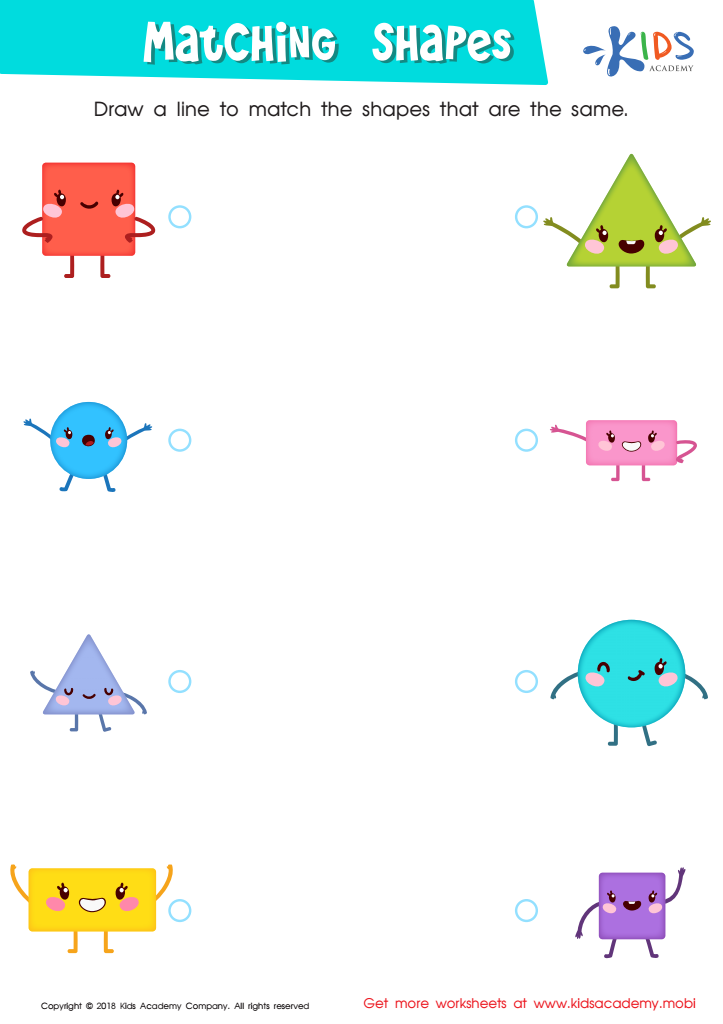
Matching Shapes Worksheet
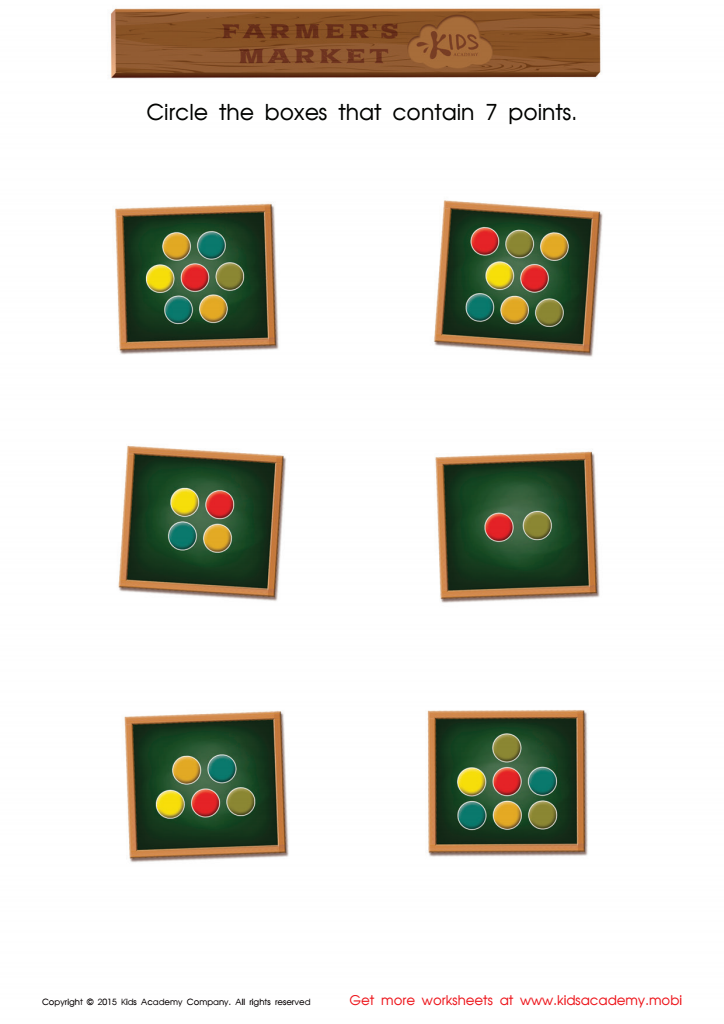
Count and Match Points 7 Math Worksheet
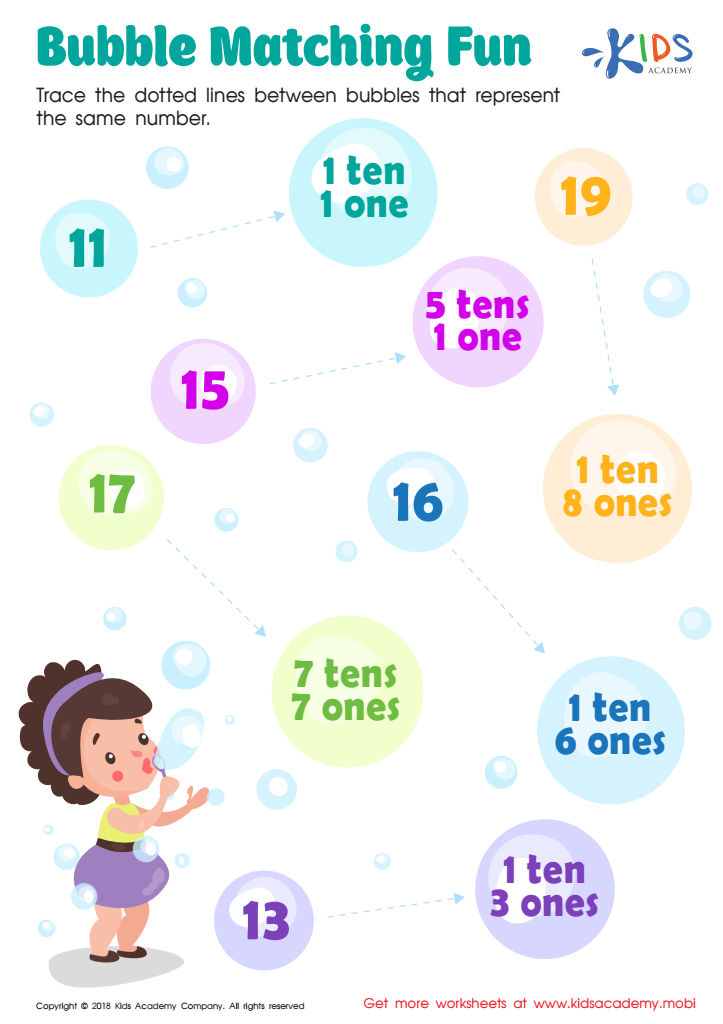
Bubble Matching Fun Worksheet
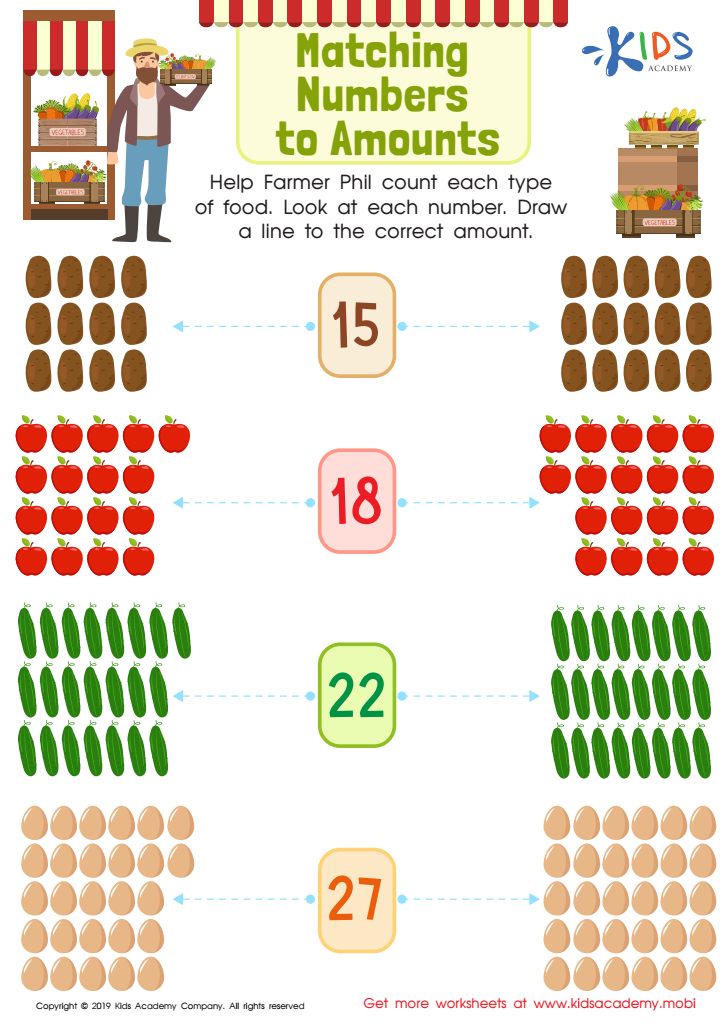
Matching Numbers to Amounts Worksheet



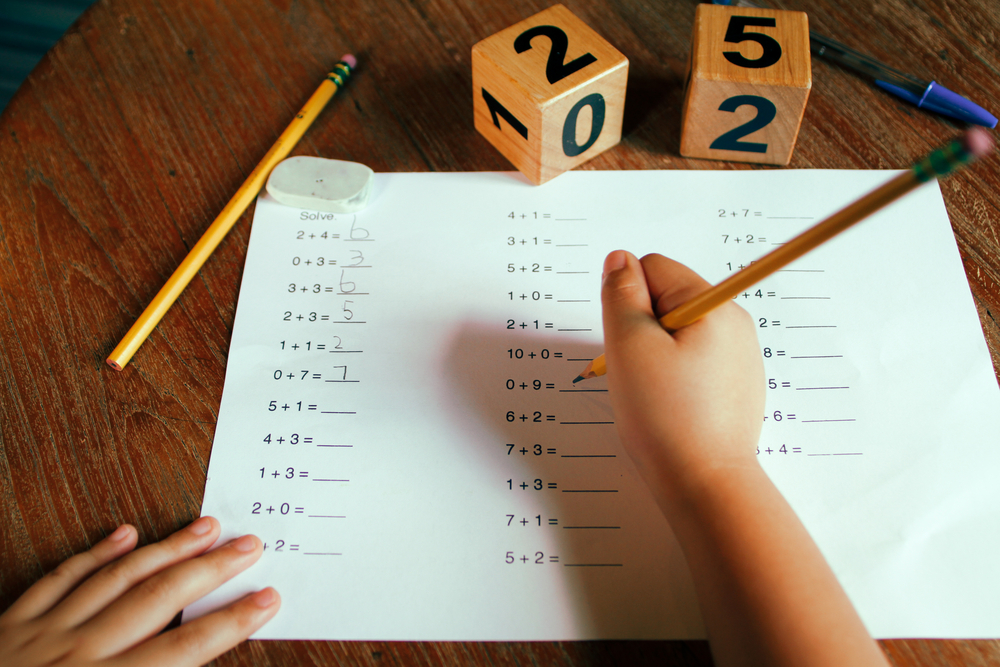



Matching skills are foundational in early childhood education, particularly concerning normal math development for children ages 3-9. Parents and teachers should care because these skills set the stage for critical thinking and problem-solving abilities. By engaging children in activities that promote matching – whether it's recognizing similar shapes, colors, or quantities – they begin to develop cognitive patterns that are essential for more complex mathematical concepts.
Notably, matching activities enhance a child's visual discrimination skills and support their ability to categorize information. These skills are crucial as they help children understand relationships between objects, which is a core component of mathematical reasoning. Moreover, activities centered on matching improve memory and attention spans, both of which are vital for academic success.
In addition to cognitive benefits, matching games often promote social skills, as children frequently collaborate or compete, fostering communication and teamwork. For parents and teachers, supporting matching skills through engaging and playful activities not only nurtures math readiness but also builds a love for learning.
Ultimately, recognizing the importance of these early skills can lead to better educational outcomes, setting children on a trajectory for lifelong learning and success in mathematics and other disciplines.








