Vocabulary Building Normal Math Worksheets for Ages 3-9
7 filtered results
-
From - To
Discover our exceptional Vocabulary Building Normal Math Worksheets, tailored for ages 3-9. These engaging worksheets seamlessly blend math skills with essential vocabulary development, fostering a comprehensive learning experience. Each sheet is crafted to enhance understanding and retention of key math concepts, while simultaneously expanding young learners' language abilities. Our resources cater to different learning styles, ensuring every child grasps foundational math and vocabulary through fun, interactive activities. Embark on a journey to academic success with our expertly designed worksheets that nurture both numerical and linguistic growth. Ideal for classroom support or at-home learning!
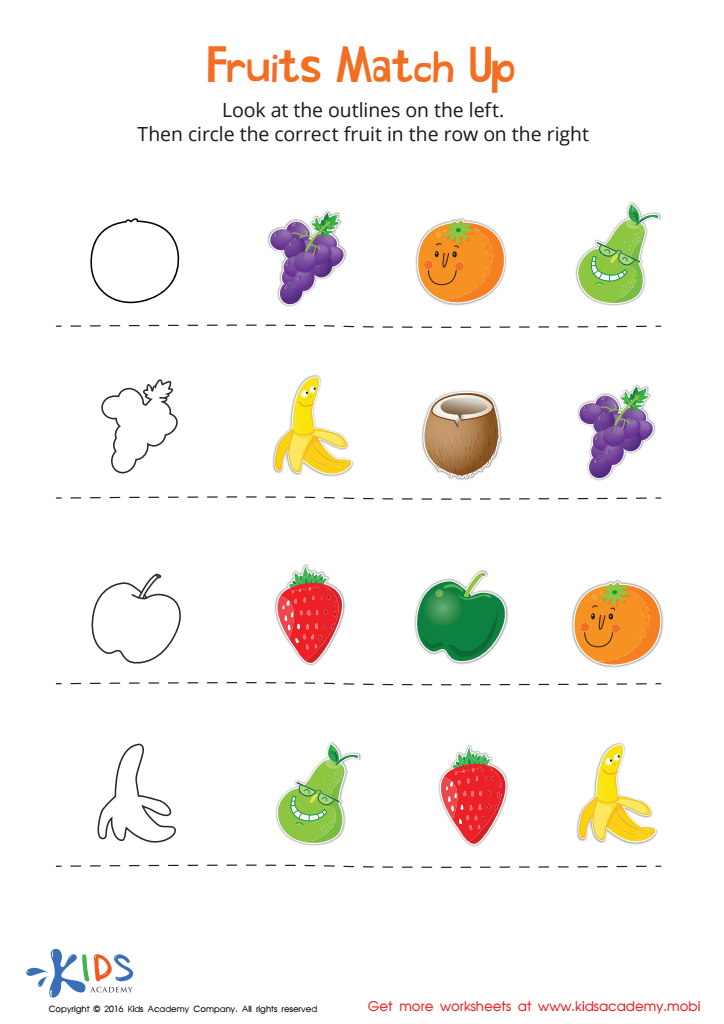
Fruits Match Up Worksheet
 Assign to My Students
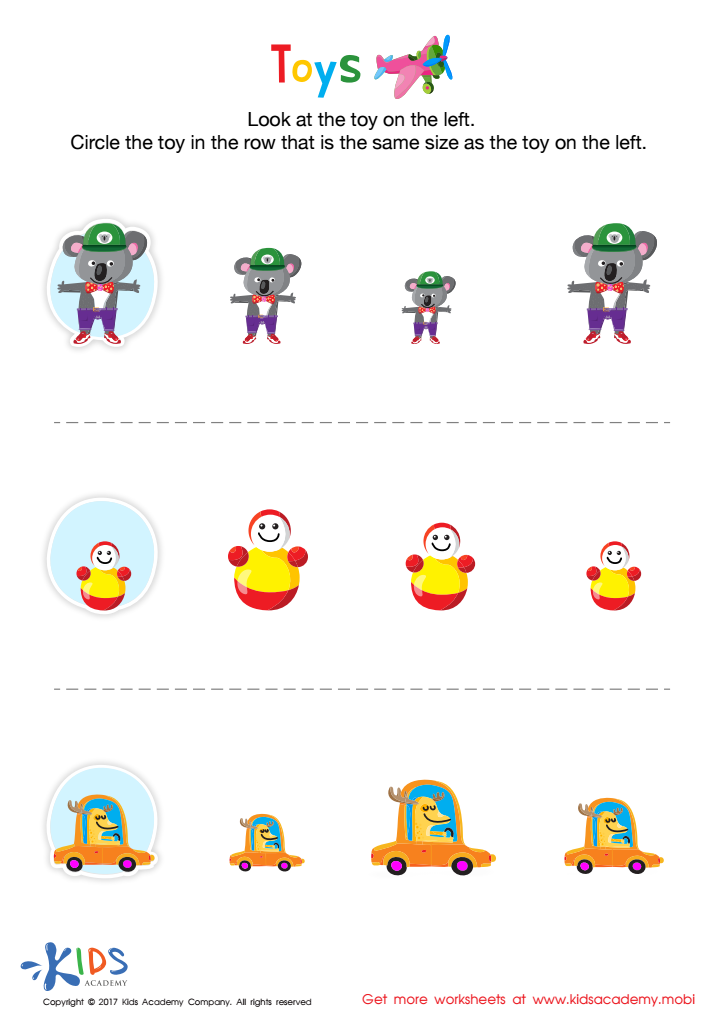
Matching: Classifying Toys by Size Worksheet
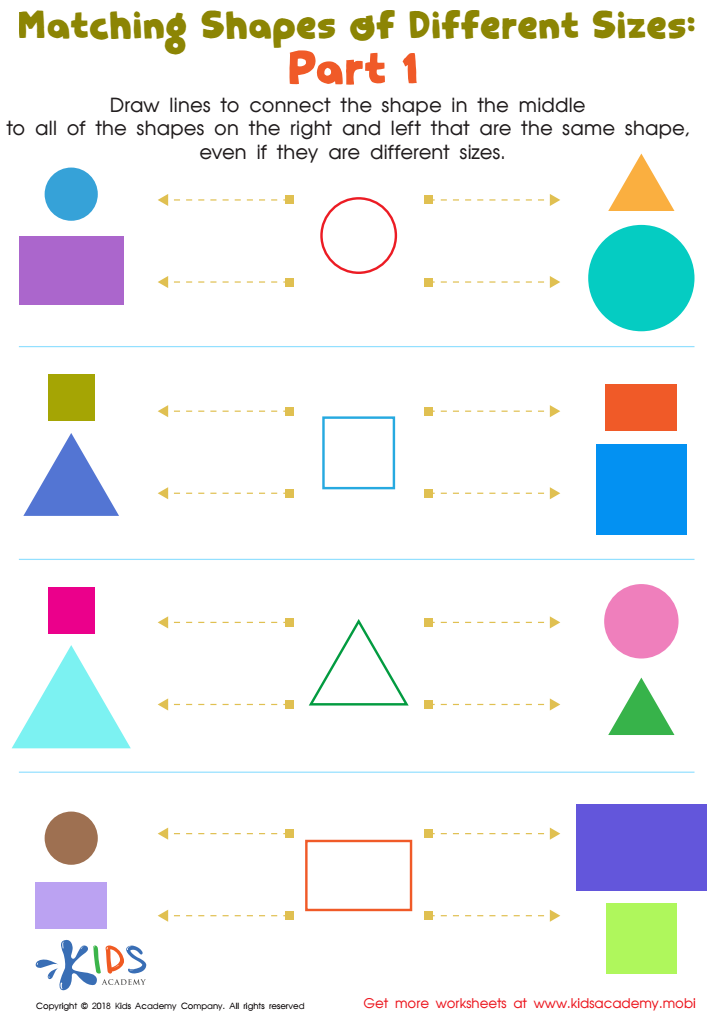
Geometry: part 1 Worksheet
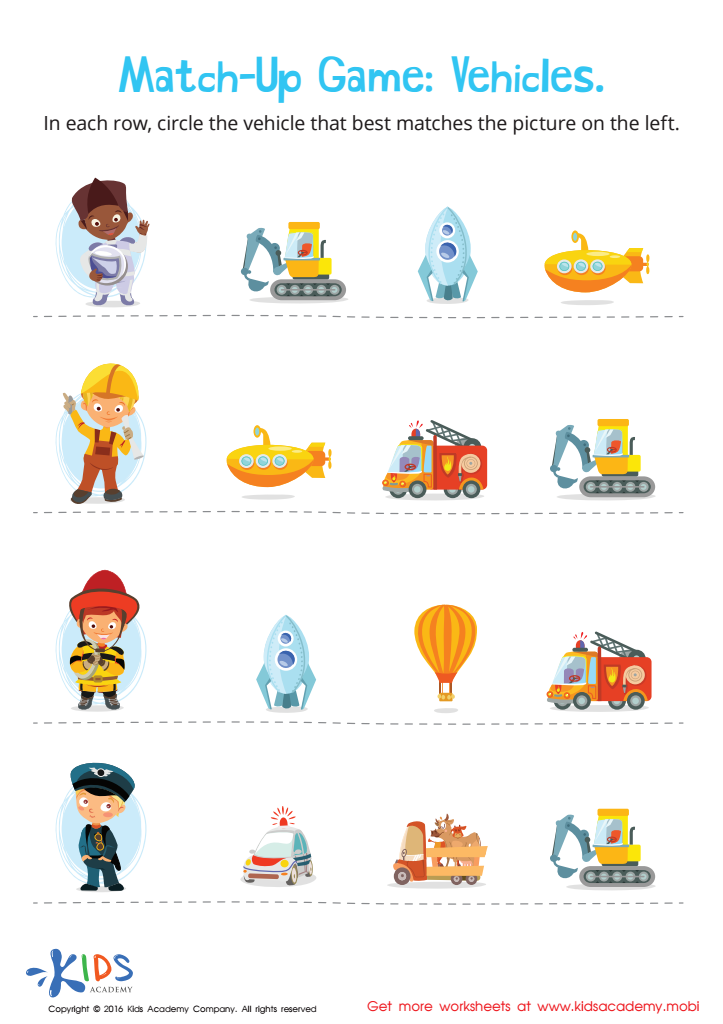
Vehicles Worksheet
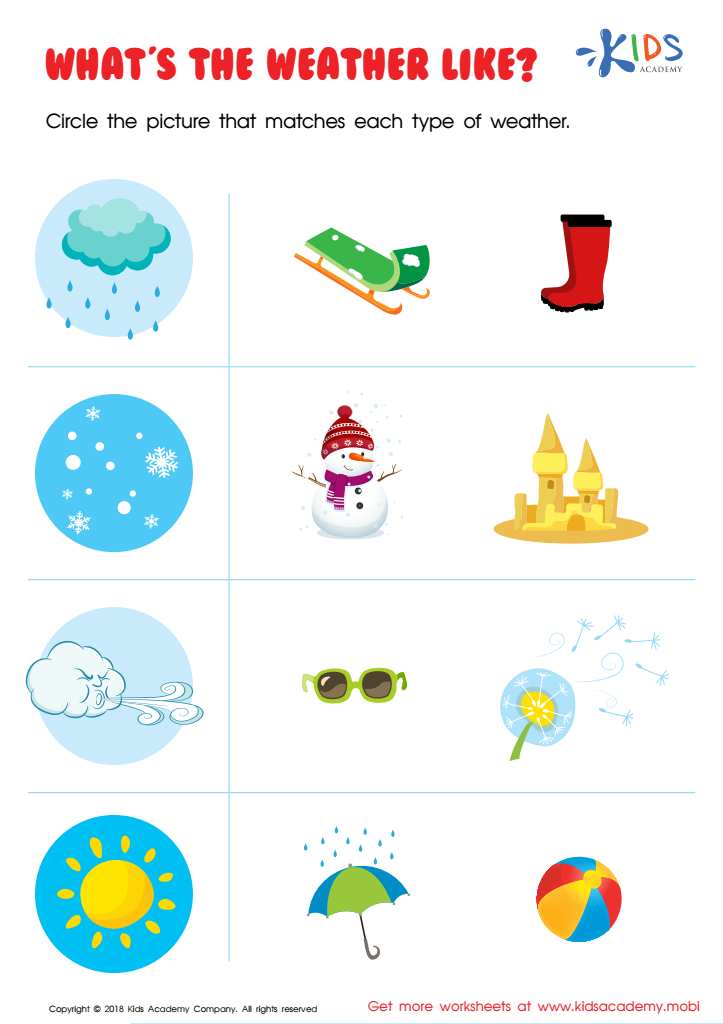
What's the Weather Like? Worksheet
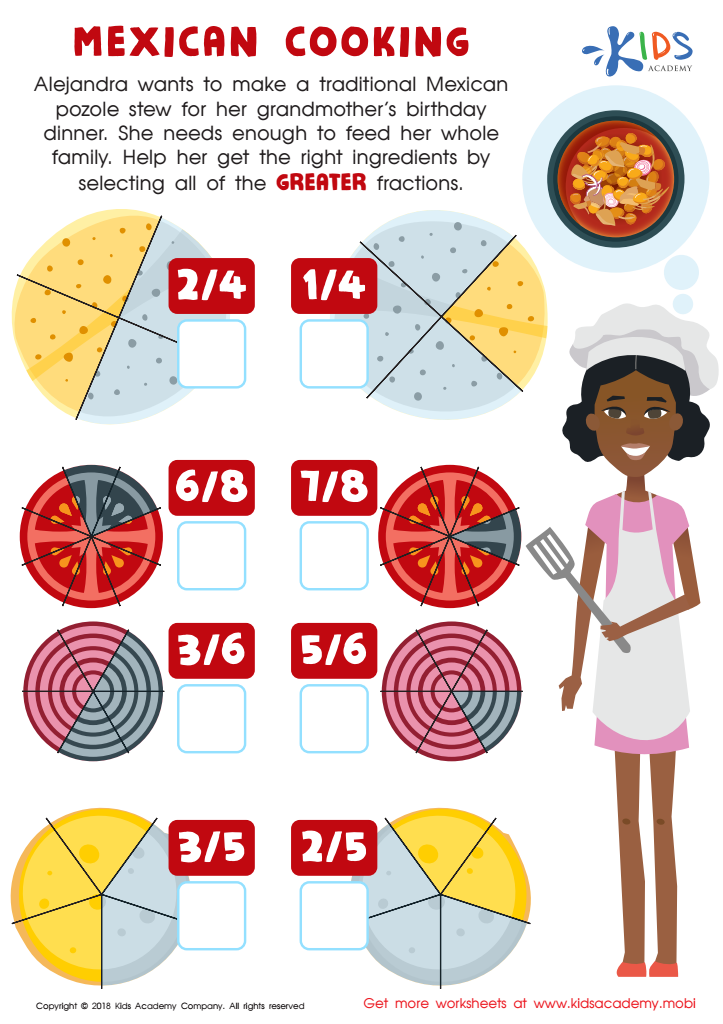
Mexican Cooking Worksheet








Vocabulary building and basic math skills are foundational pillars that set the stage for successful learning in young children aged 3-9. First, vocabulary development is critical because it equips children with the words they need to express their thoughts, ideas, and emotions effectively. A rich vocabulary enhances reading comprehension, fosters better communication skills, and contributes to academic success in subjects across the curriculum. Everyday conversations, storytelling, and reading activities can all significantly expand a child’s vocabulary.
Equally important, basic math skills, often referred to as "normal math," include counting, understanding numbers, simple addition and subtraction, and recognizing shapes and patterns. These skills form the basis of more complex mathematical concepts children will encounter later on. Early proficiency in math encourages logical thinking and problem-solving ability, skills that are not only crucial in academic contexts but also in daily life.
For parents and teachers, integrating vocabulary building and math skills into daily routines can be both straightforward and highly beneficial. Simple activities like counting objects during play, using varied language in regular conversations, reading books, and engaging in fun educational games can make a significant difference. By focusing on these areas, parents and teachers provide children with vital tools that help them navigate both their educational journey and life more broadly.








