Reading comprehension Normal Social Studies Worksheets for Ages 3-9 - Page 3
67 filtered results
-
From - To
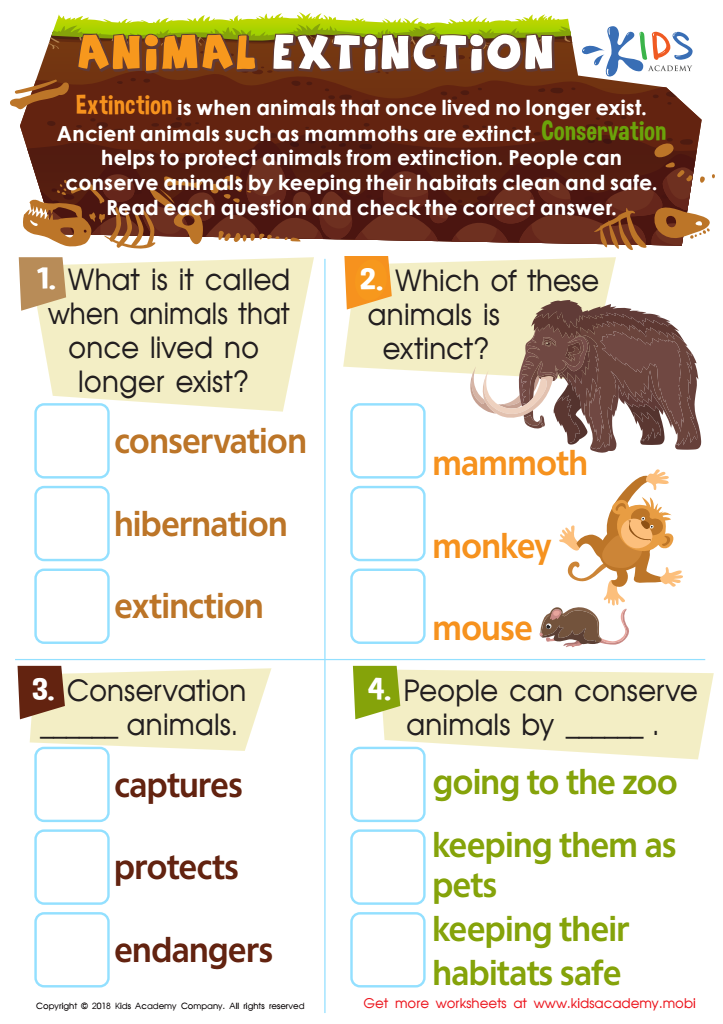
Animal Extinction Worksheet
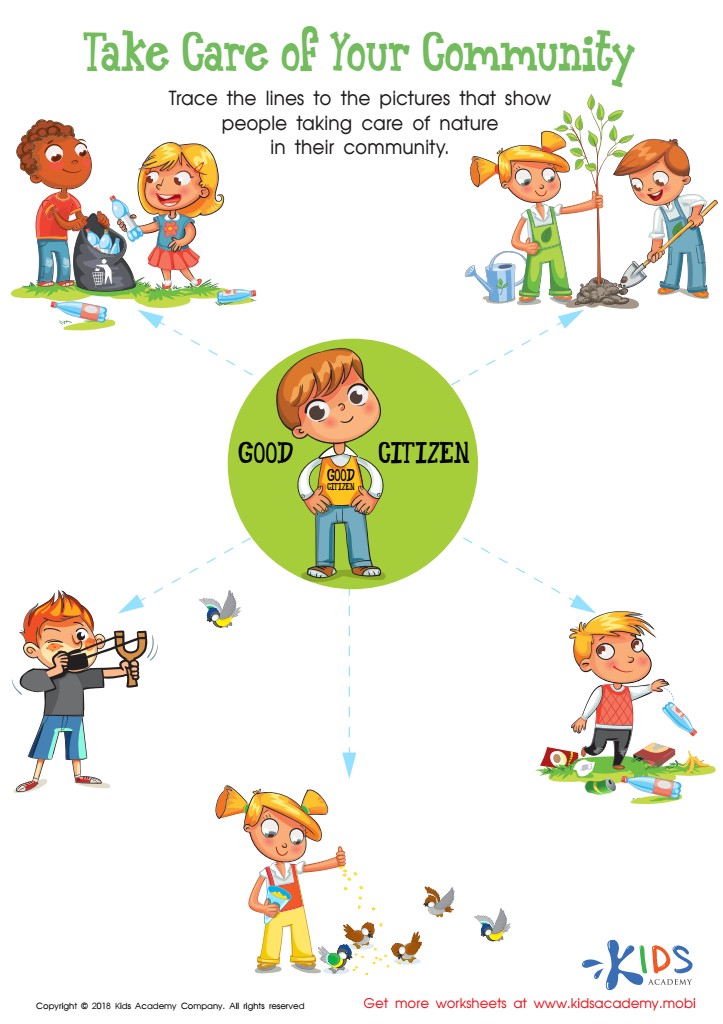
Take Care of your Community Worksheet
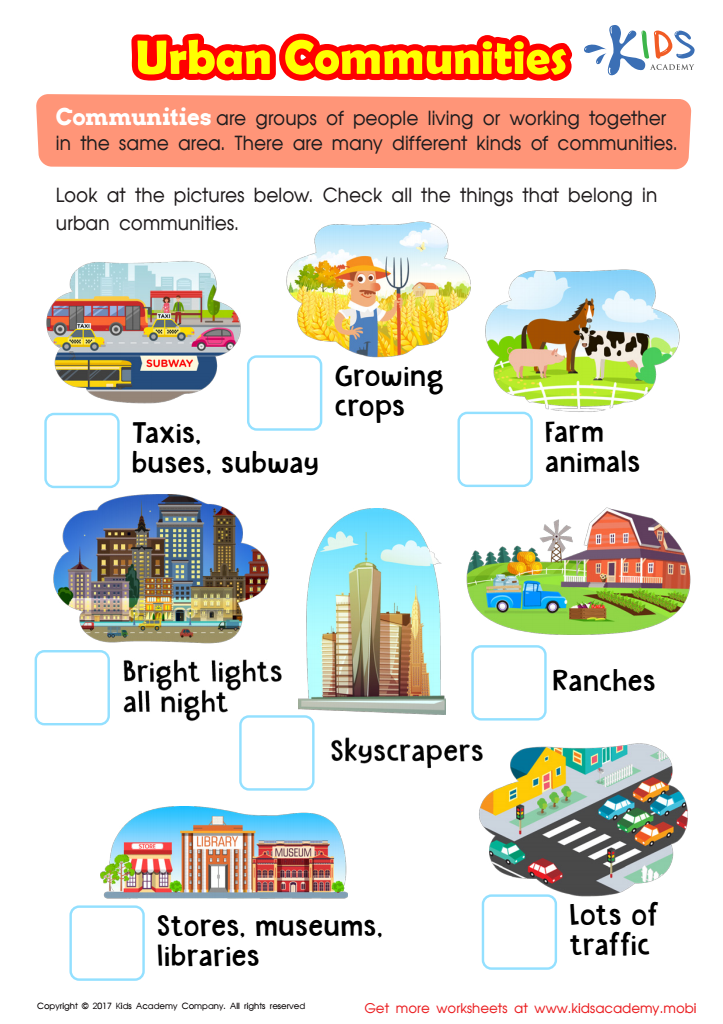
Urban Communities Printable
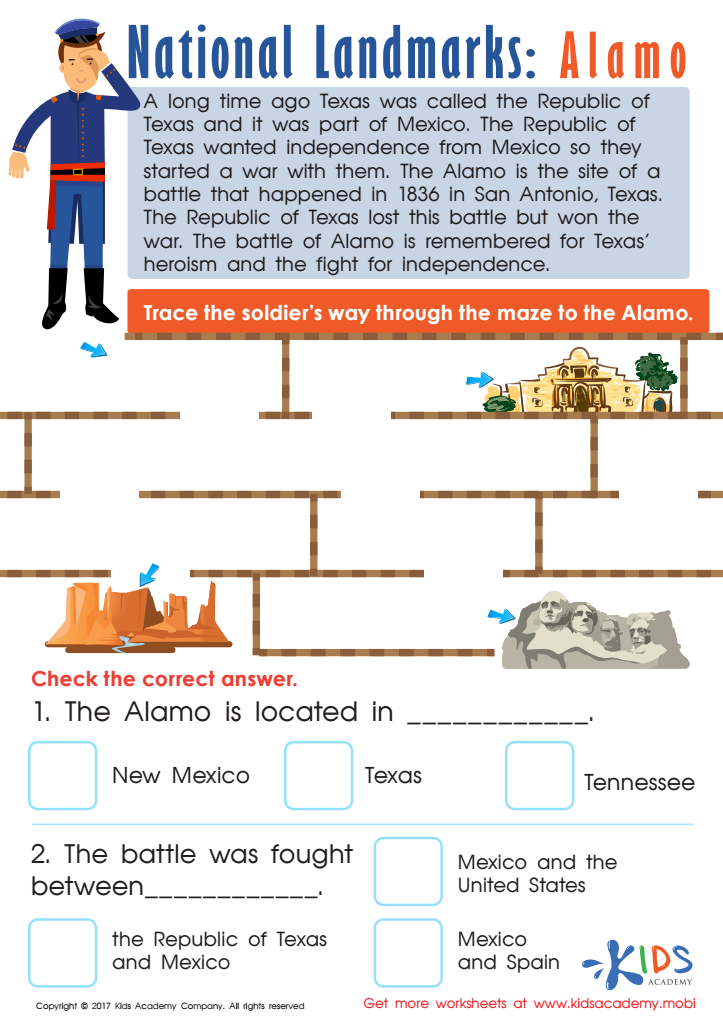
Alamo Printable Worksheet
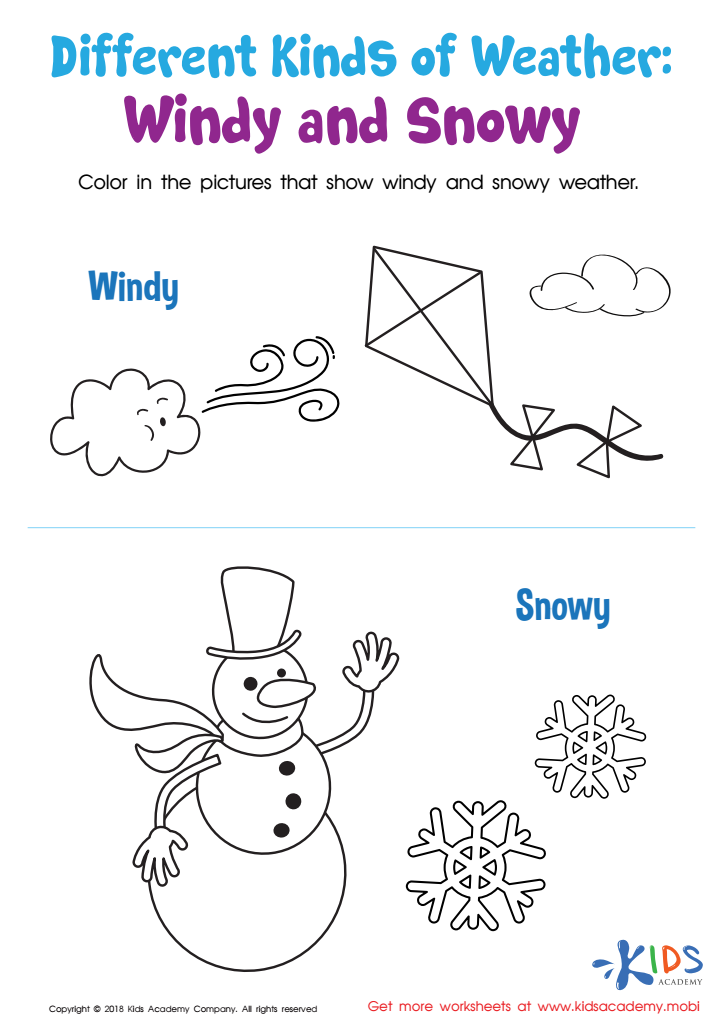
Different Kinds of Weather: Windy and Snowy Worksheet
 Assign to My Students
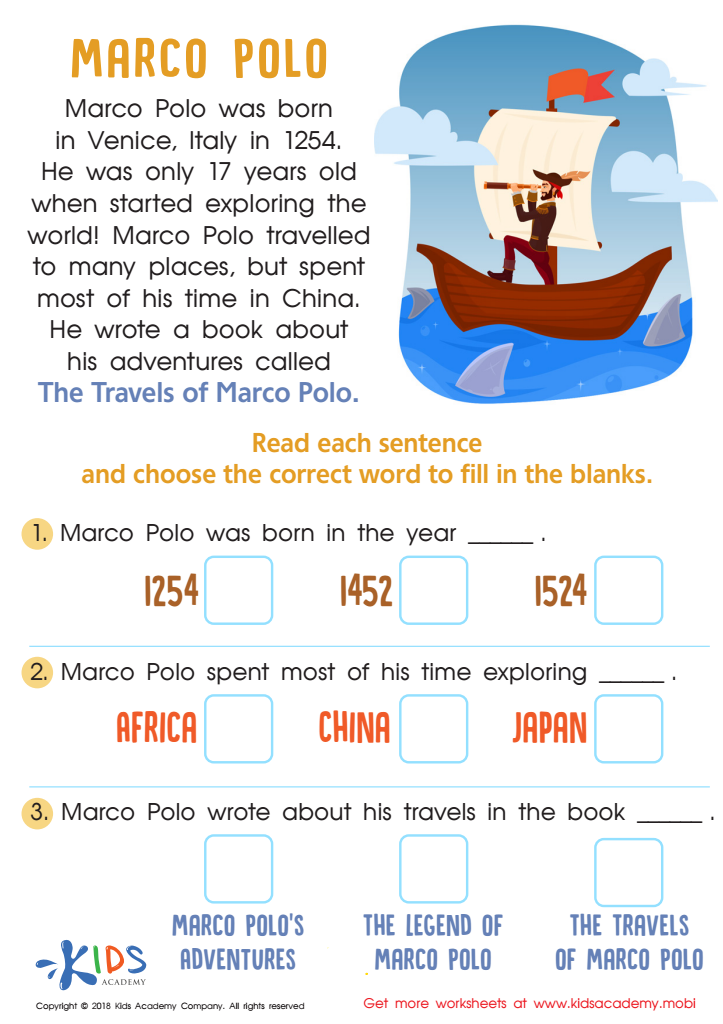
Marco Polo Worksheet
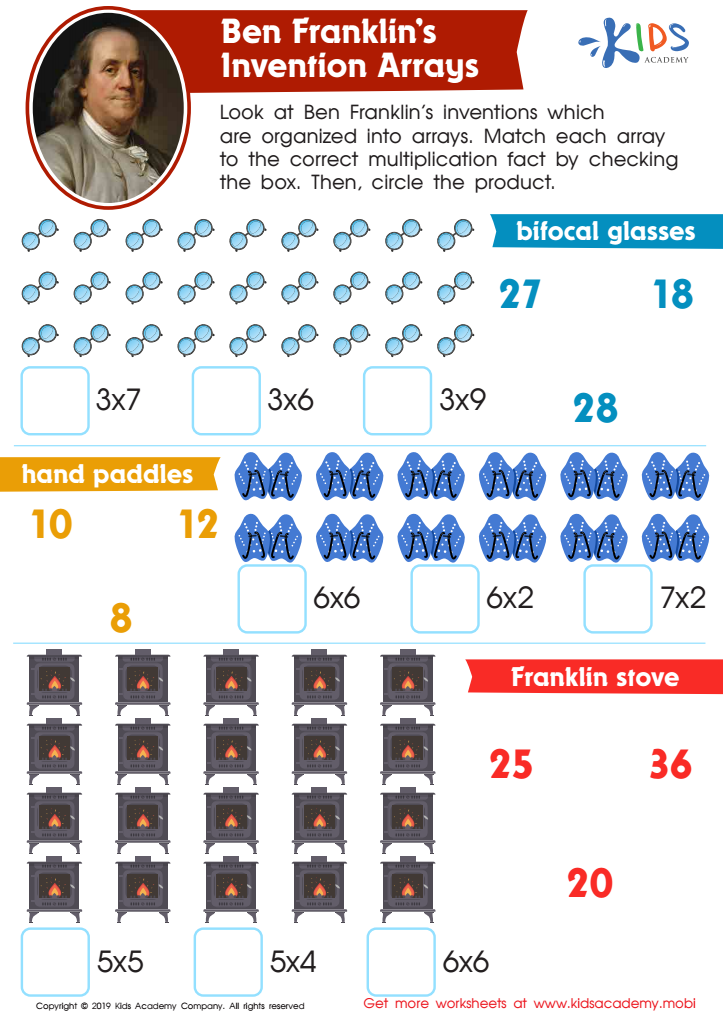
Ben Franklin’s Invention Arrays Worksheet
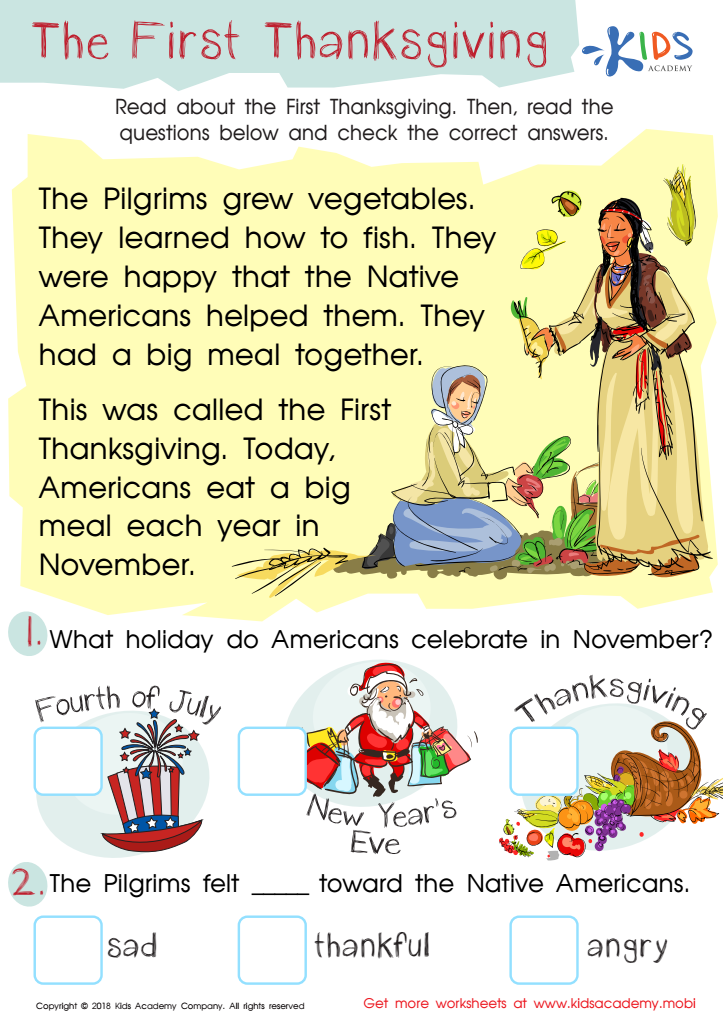
Assessment: First Thanksgiving Worksheet
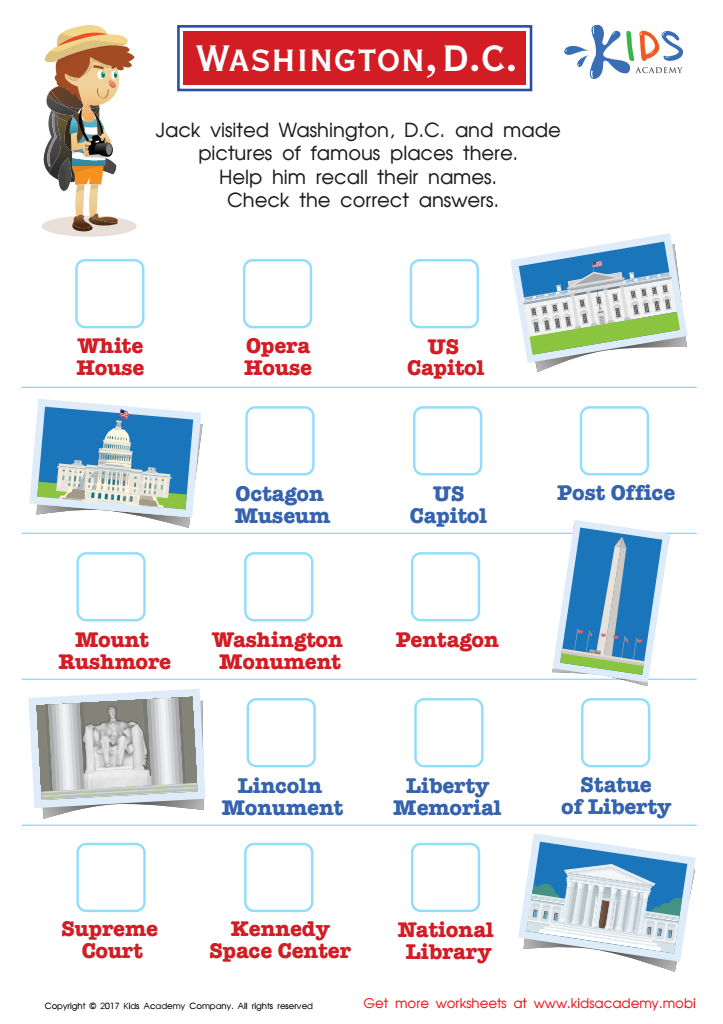
Washington D.C. Printable Worksheet
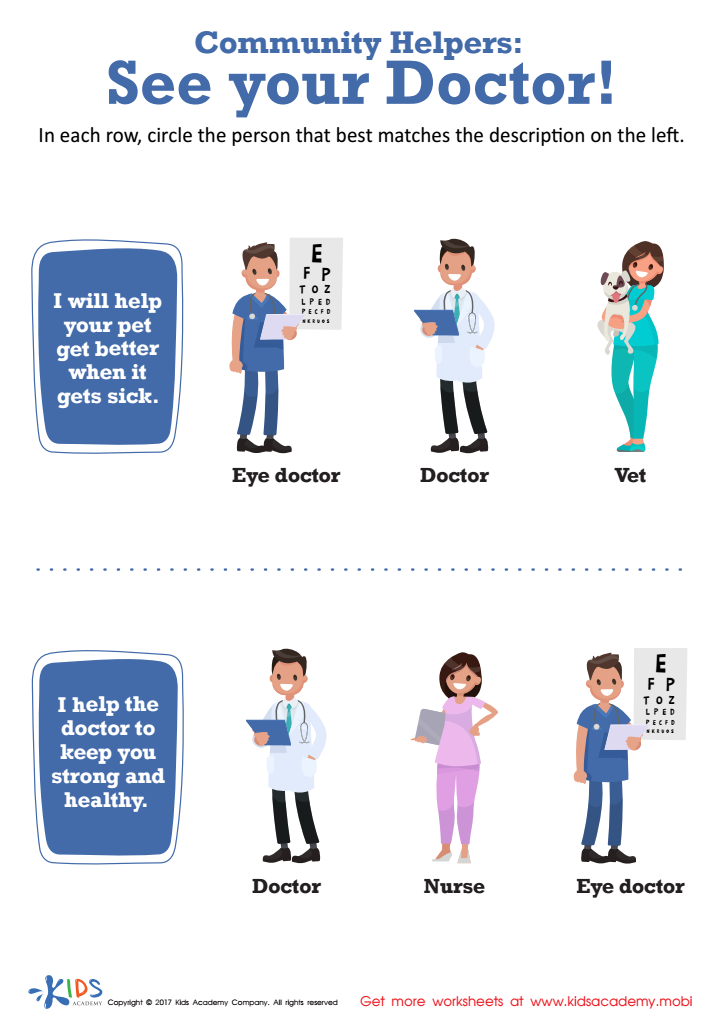
See Your Doctor (Part 2) Printable
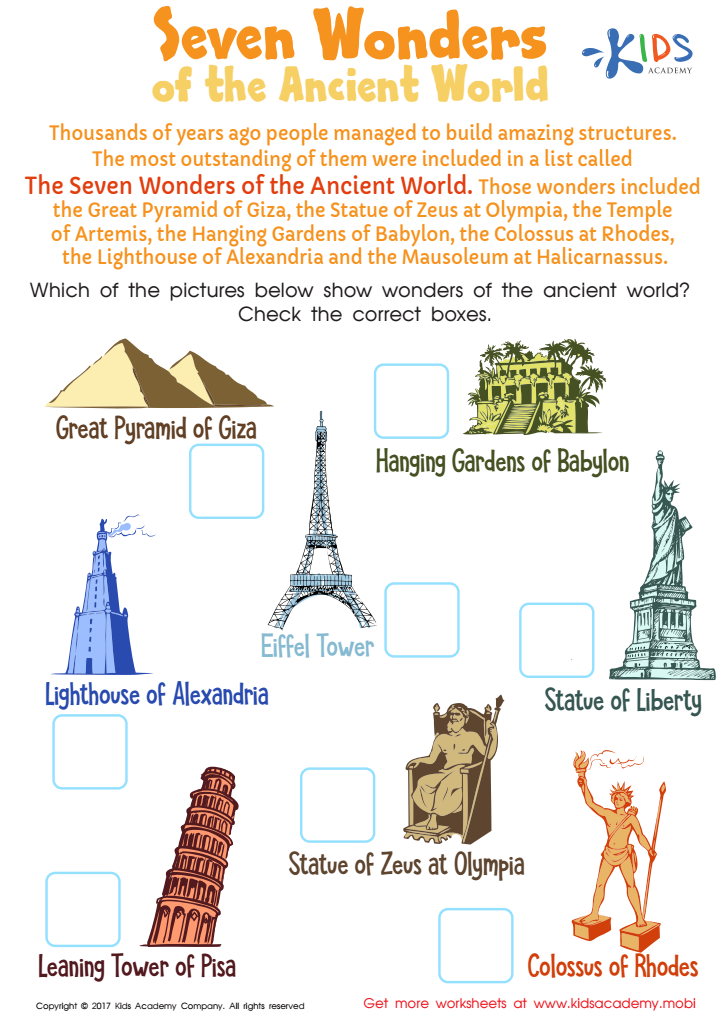
Seven Wonders of the Ancient World Worksheet
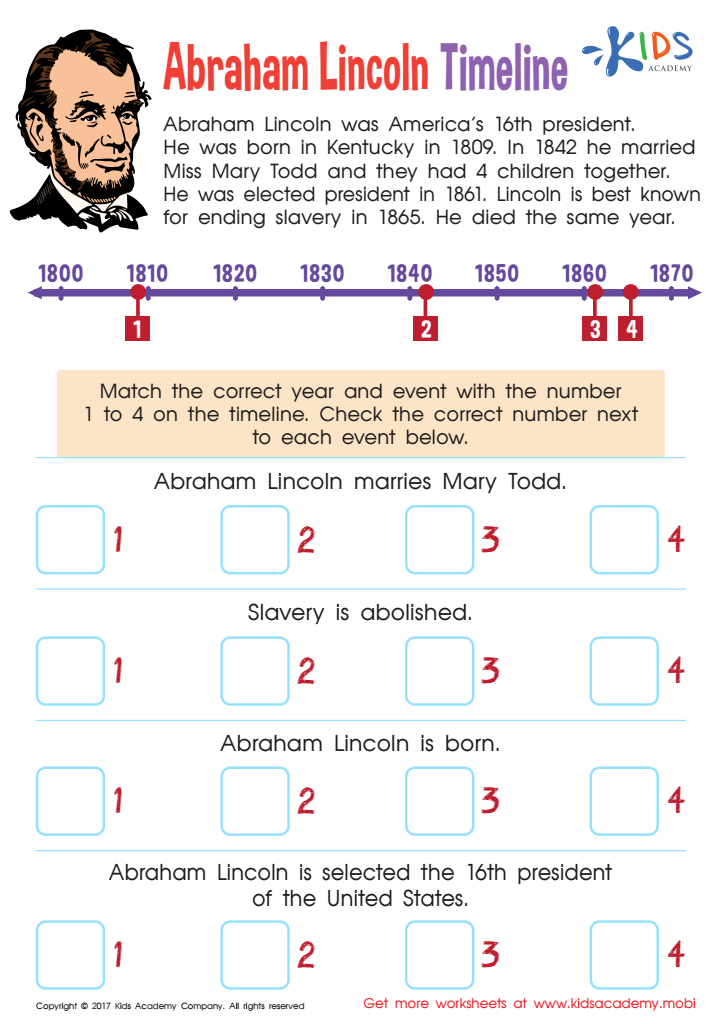
Abraham Lincoln Timeline Worksheet
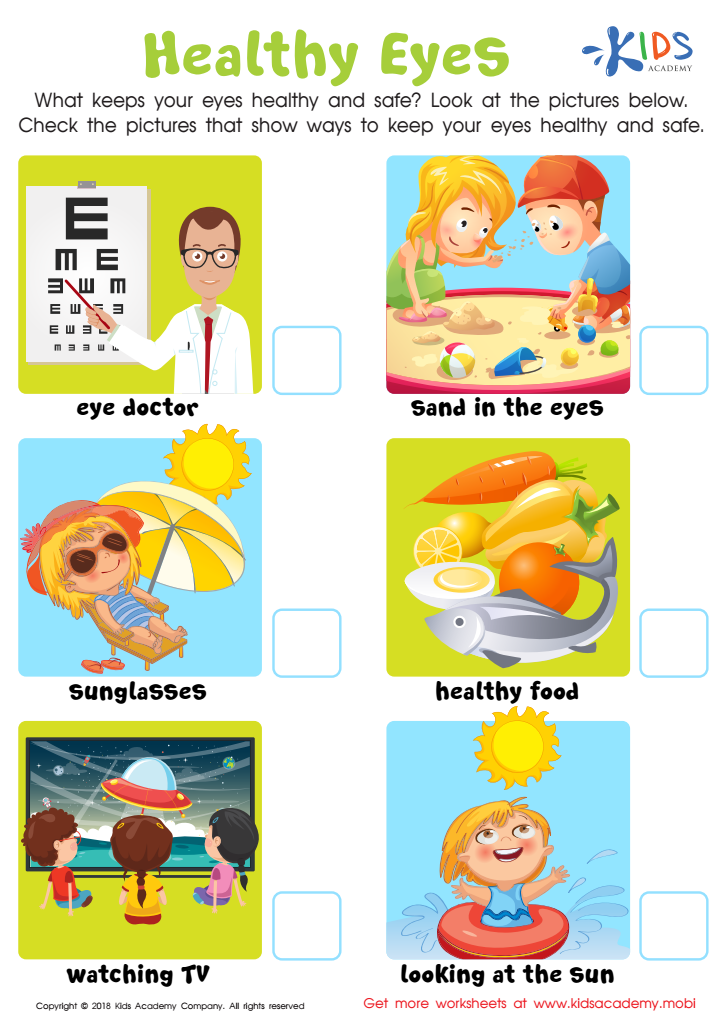
Healthy Eyes Worksheet
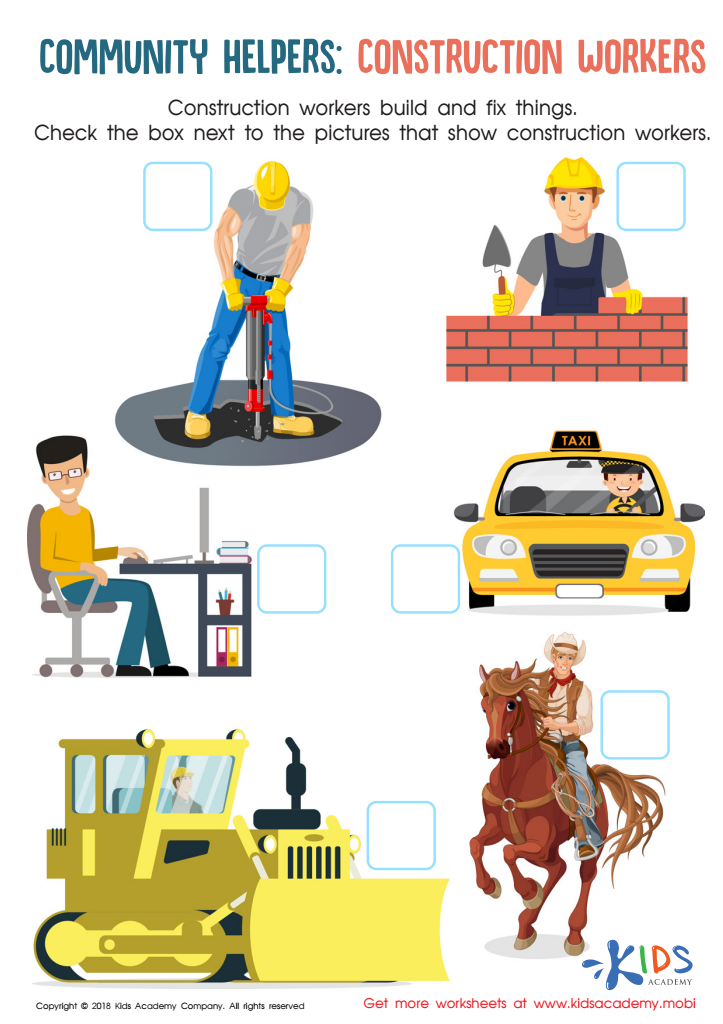
Construction Workers Community Helpers Worksheet
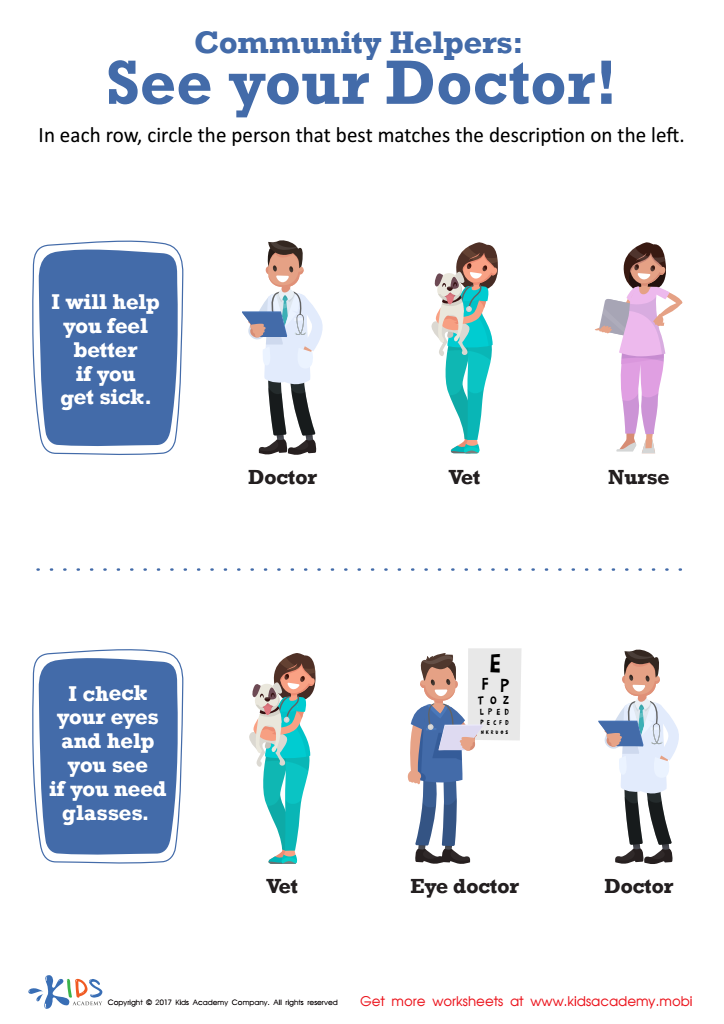
See Your Doctor (Part 1) Printable
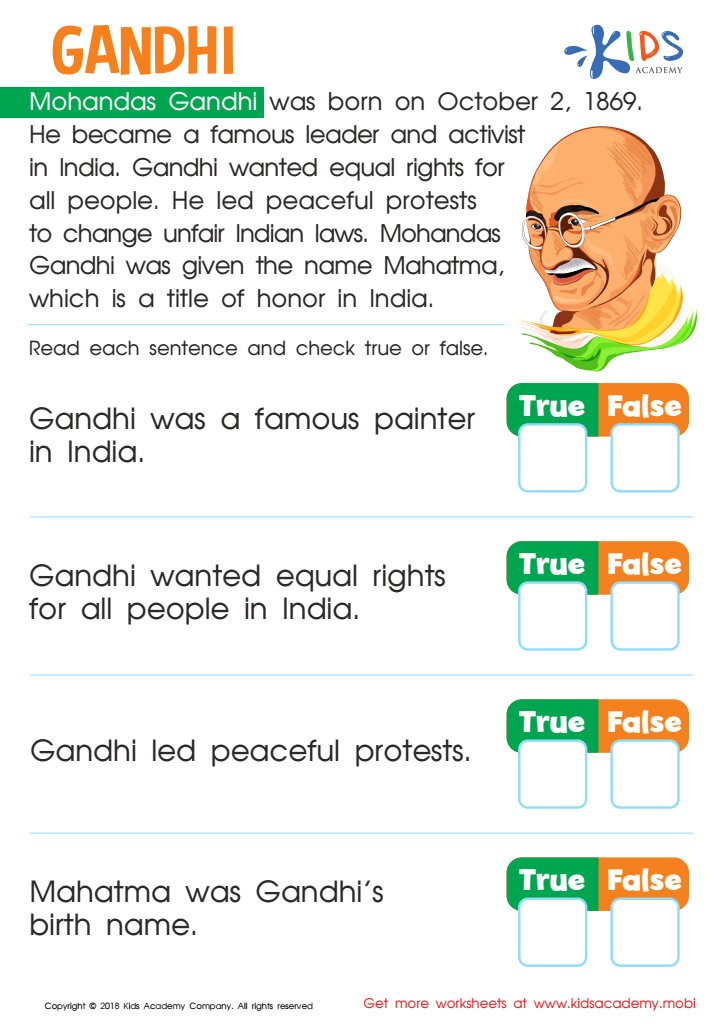
Gandhi Worksheet
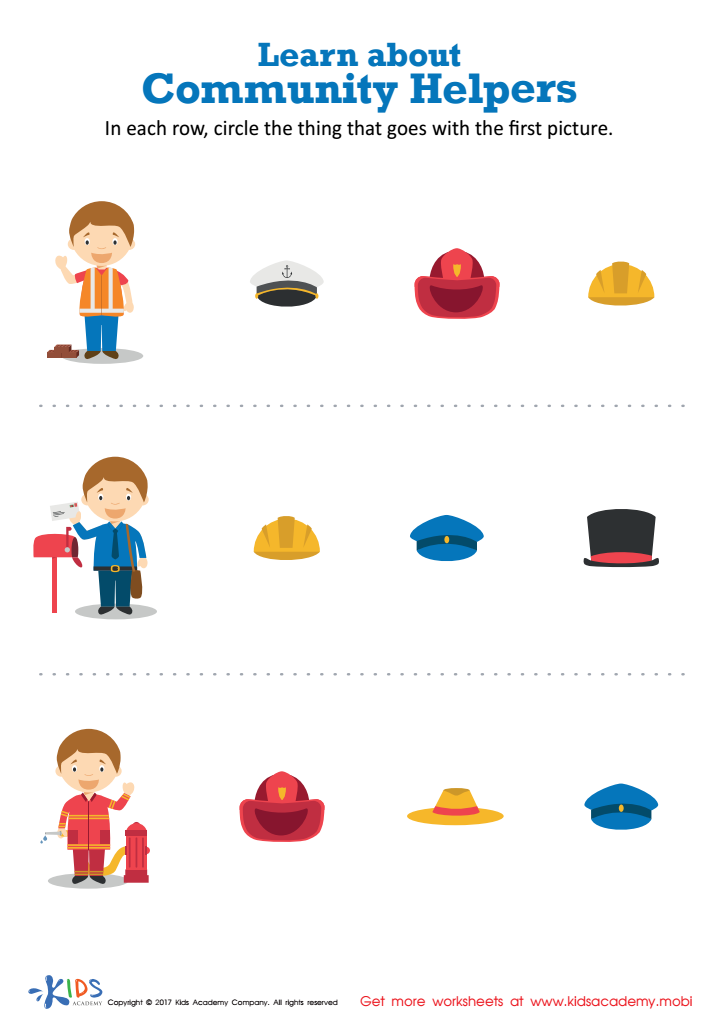
Learn about Community Helpers Printable
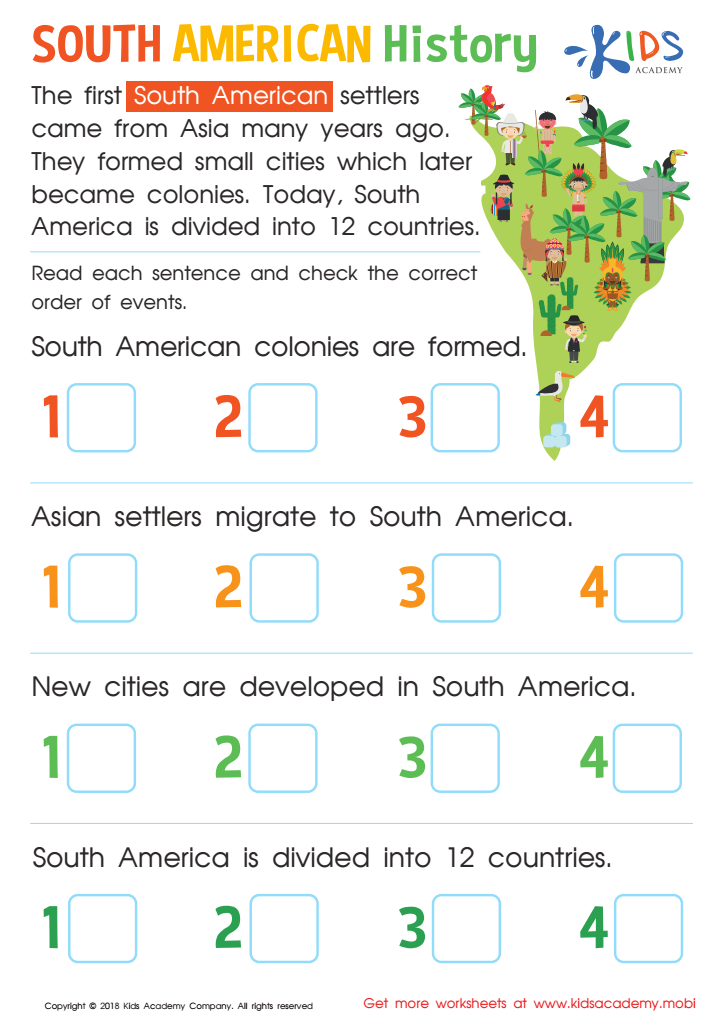
South American History Worksheet




.jpg)

Reading comprehension in early education, particularly in subjects like Social Studies, plays a crucial role in shaping children's cognitive and social development. For parents and teachers, fostering strong reading comprehension skills in children aged 3-9 is essential because it lays the groundwork for critical thinking, vocabulary expansion, and an understanding of societal concepts.
At this age, children are naturally curious and exposed to diverse topics about their community, culture, and history. By enhancing their reading comprehension, educators and parents help children grasp complex social ideas and relate them to their personal experiences. This understanding promotes empathy and awareness, key components for fostering responsible future citizens.
Moreover, solid comprehension skills boost overall academic success. Children who can read and understand non-fiction texts, such as those found in Social Studies, are more likely to perform better across all subjects. Additionally, early exposure to these concepts helps children make connections, drawing from various disciplines to enhance their learning experience.
Ultimately, prioritizing reading comprehension fosters lifelong learning habits, creativity, and the ability to analyze information critically—all essential skills in today’s rapidly changing world. Ensuring that young learners excel in reading comprehension thus empowers them for future academic and social endeavors.