Vocabulary expansion Normal Grammar Worksheets for Ages 3-9 - Page 2
37 filtered results
-
From - To
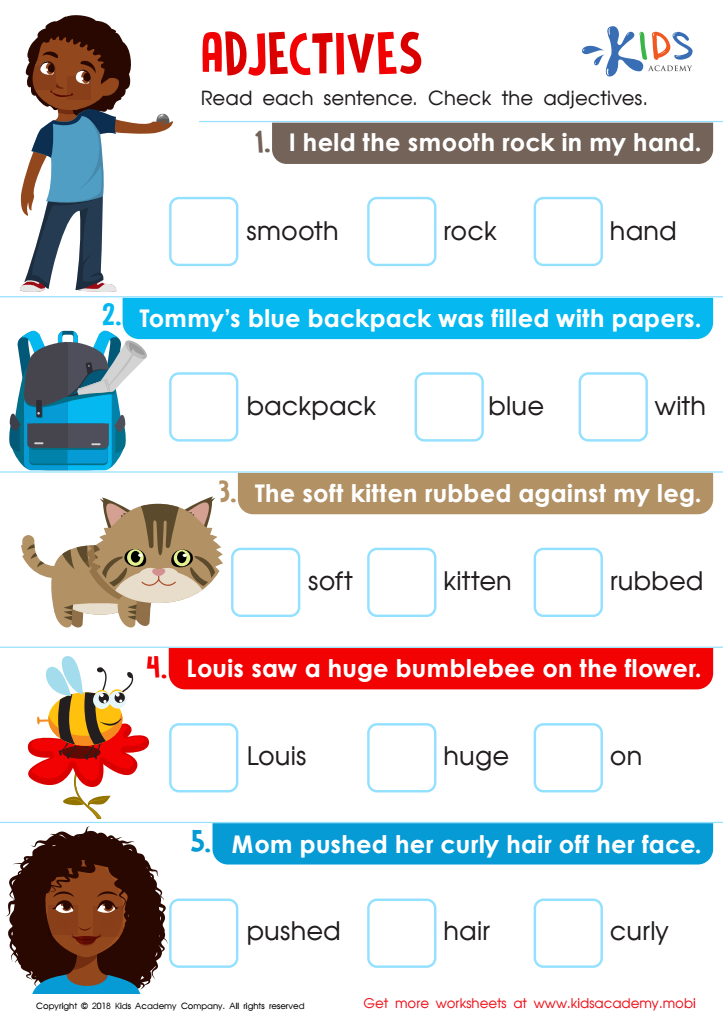
Adjectives Worksheet
 Assign to My Students
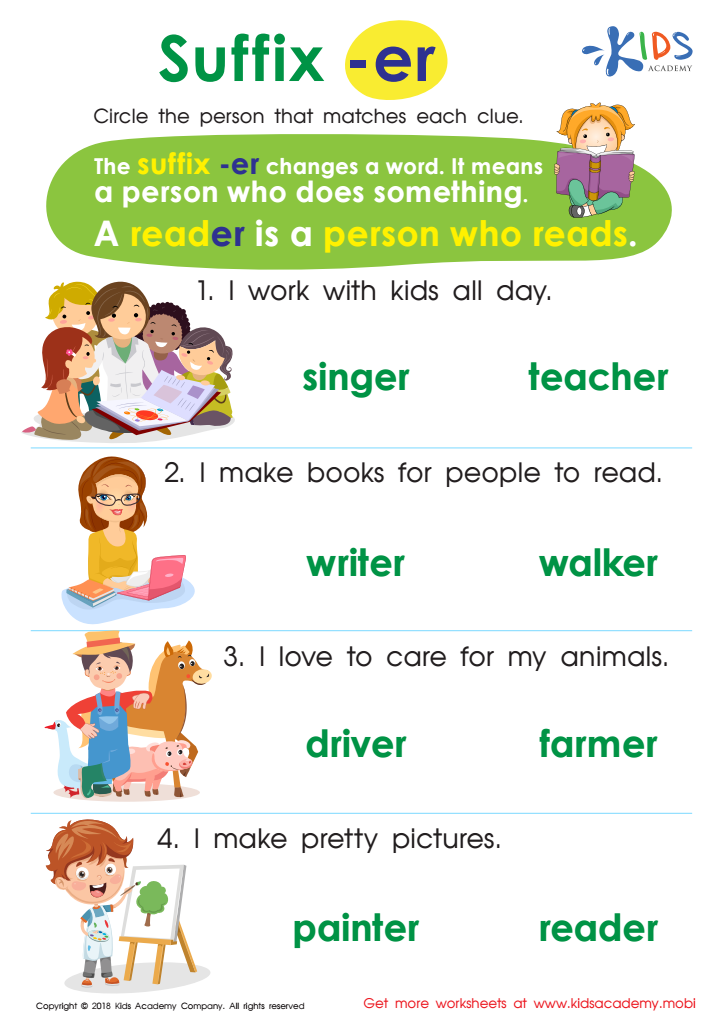
Suffix –er Printable Worksheet
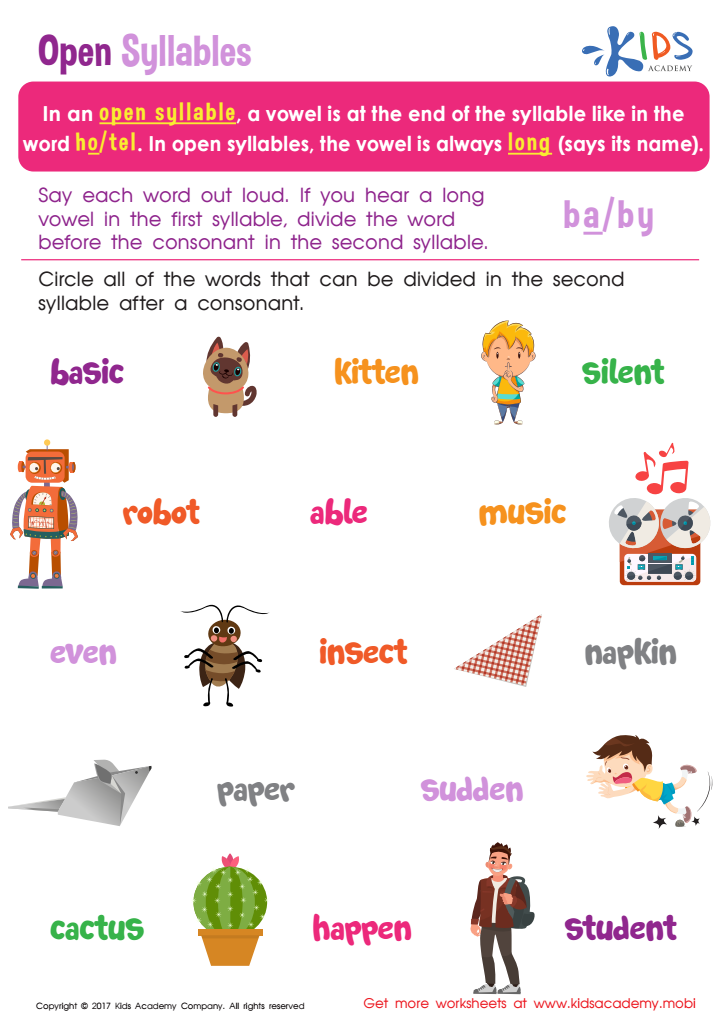
Open Syllable Printable Worksheet
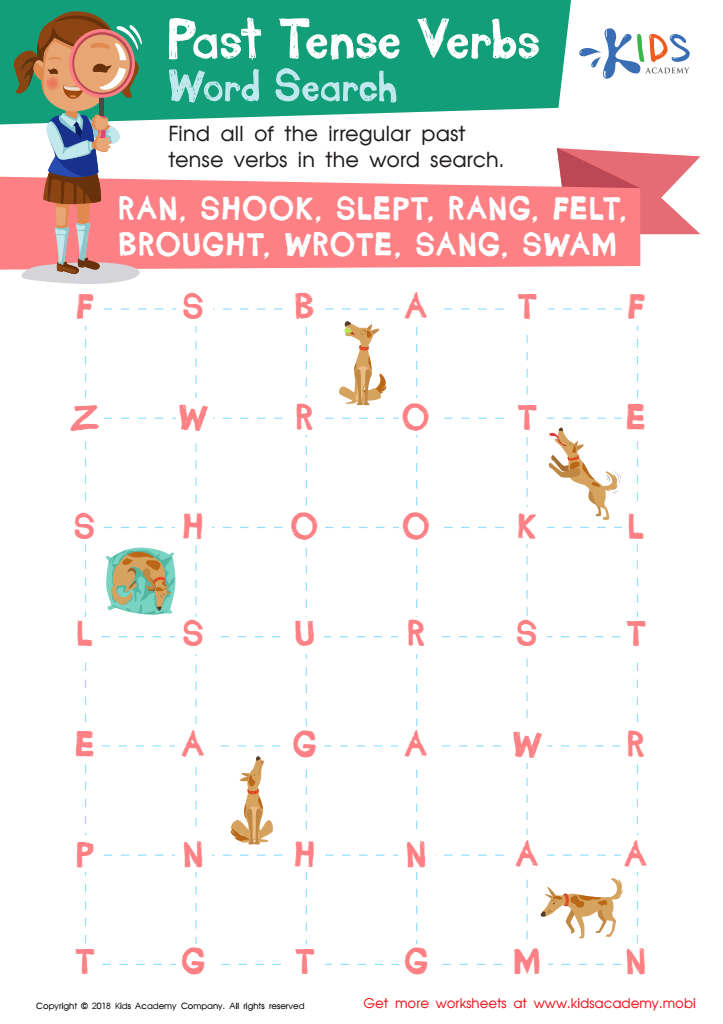
Past Tense Verbs Word Search Worksheet
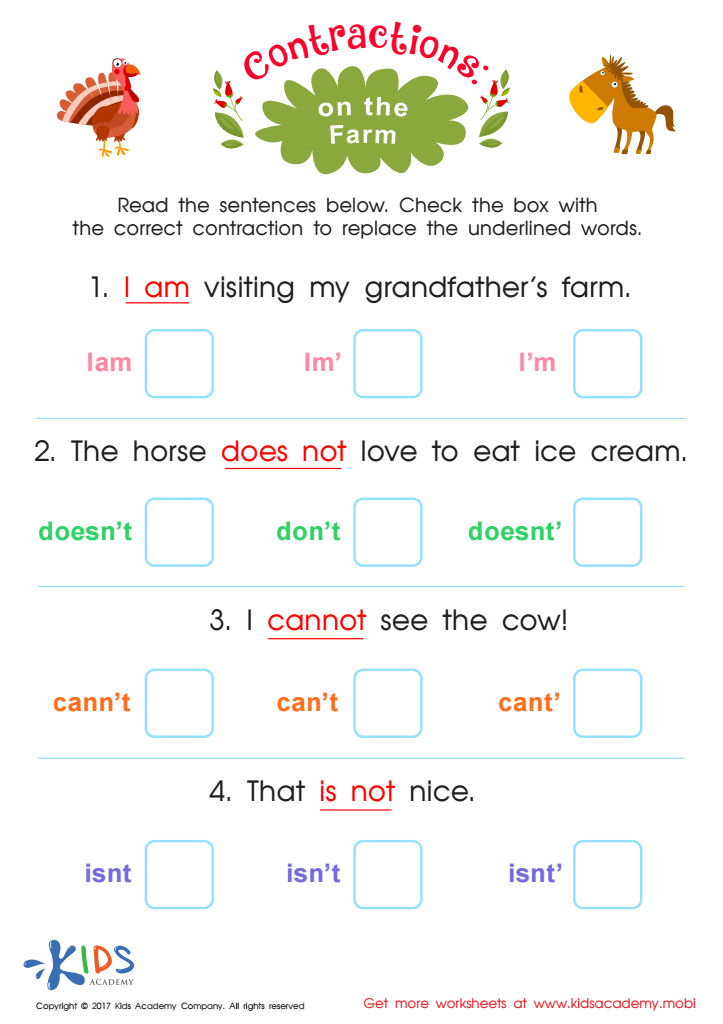
Contractions: On the Farm Printable
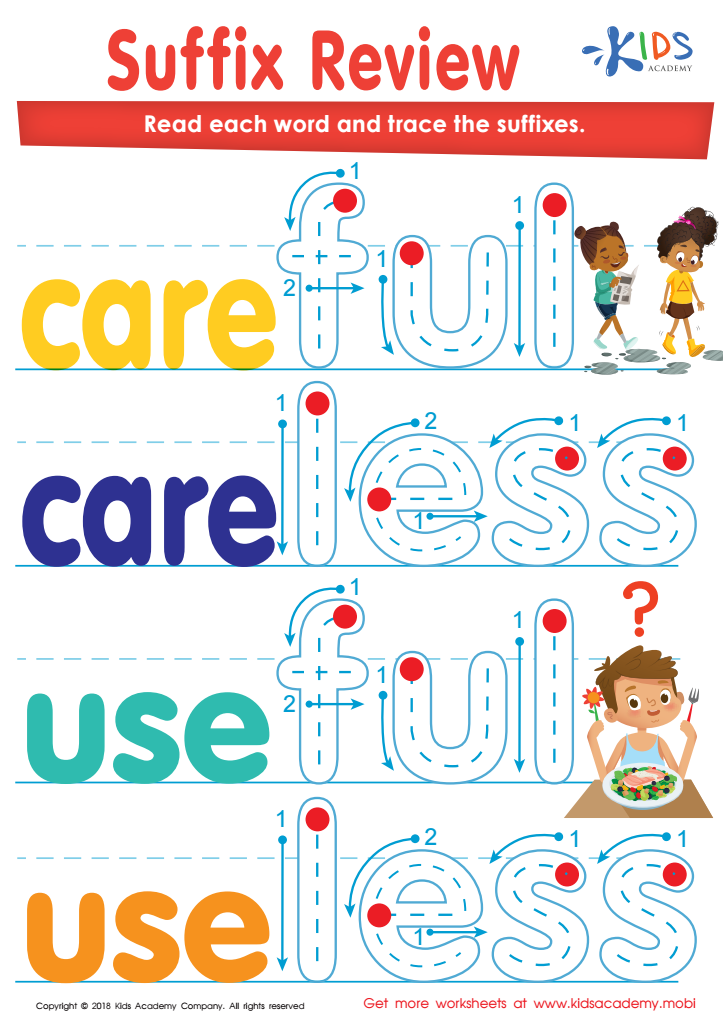
Suffix Review Worksheet
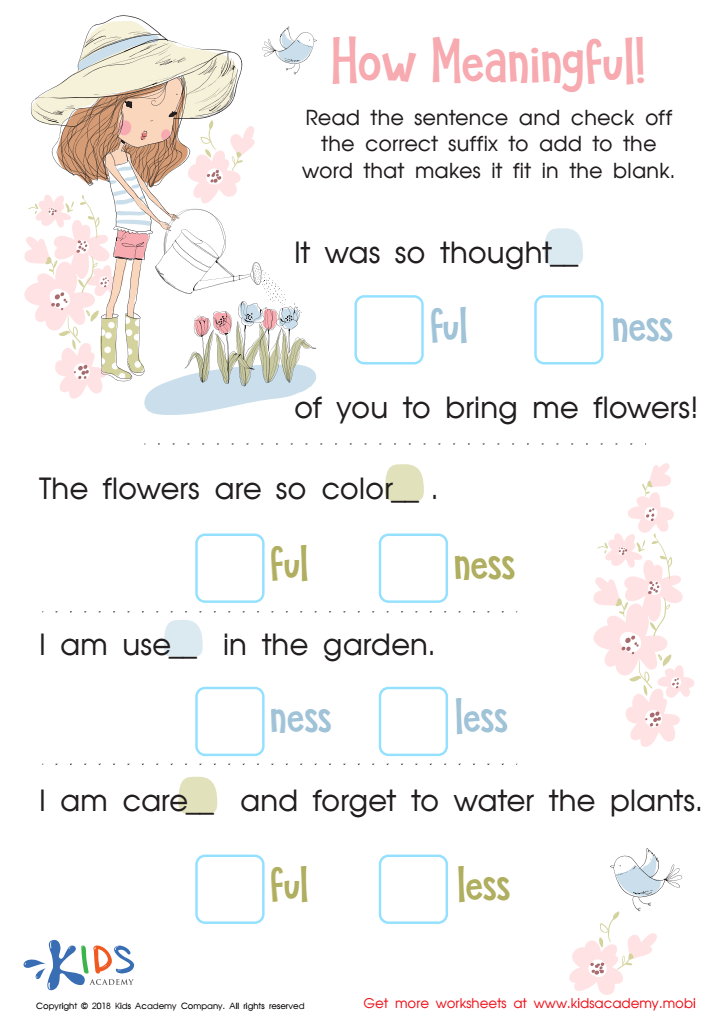
How Meaningful! Worksheet
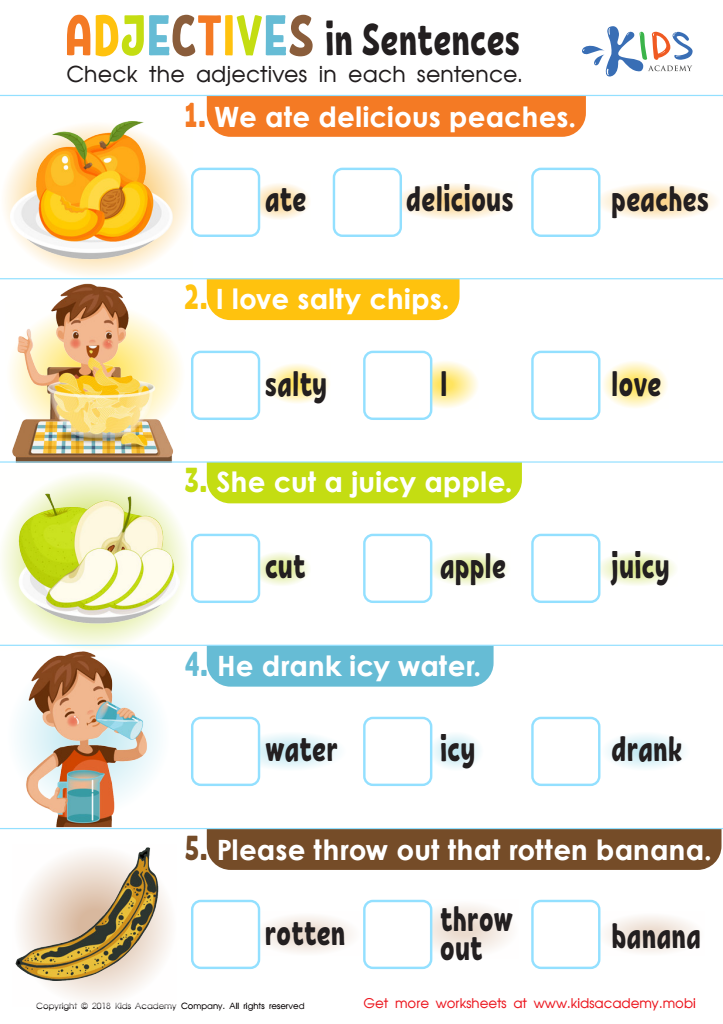
Adjectives in Sentences Worksheet
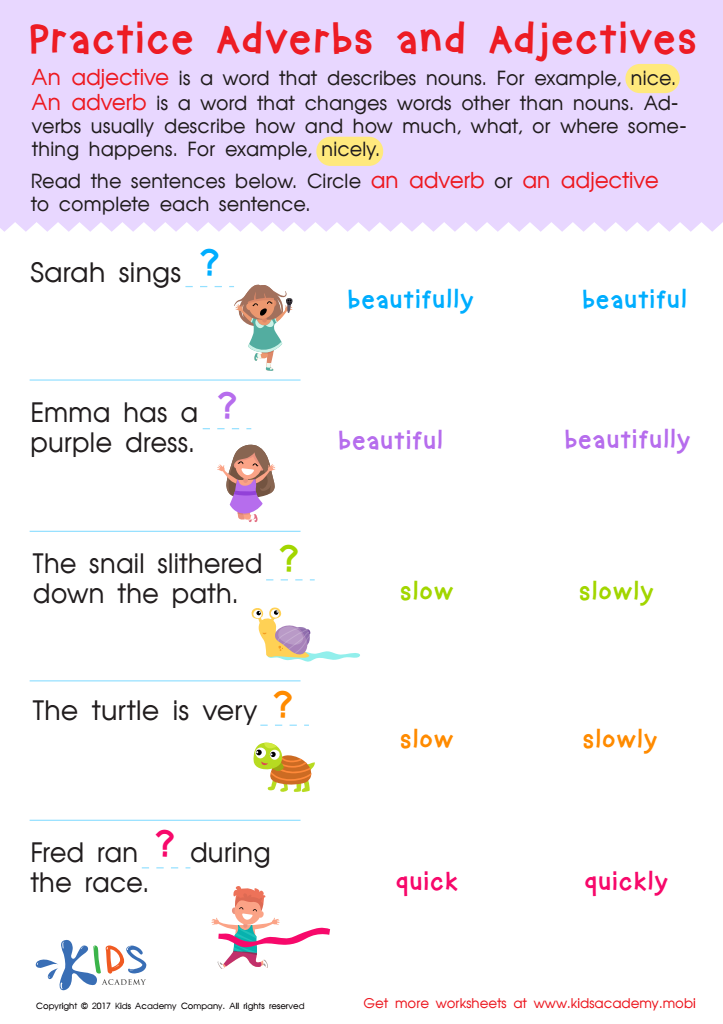
Adverbs and Adjectives Worksheet
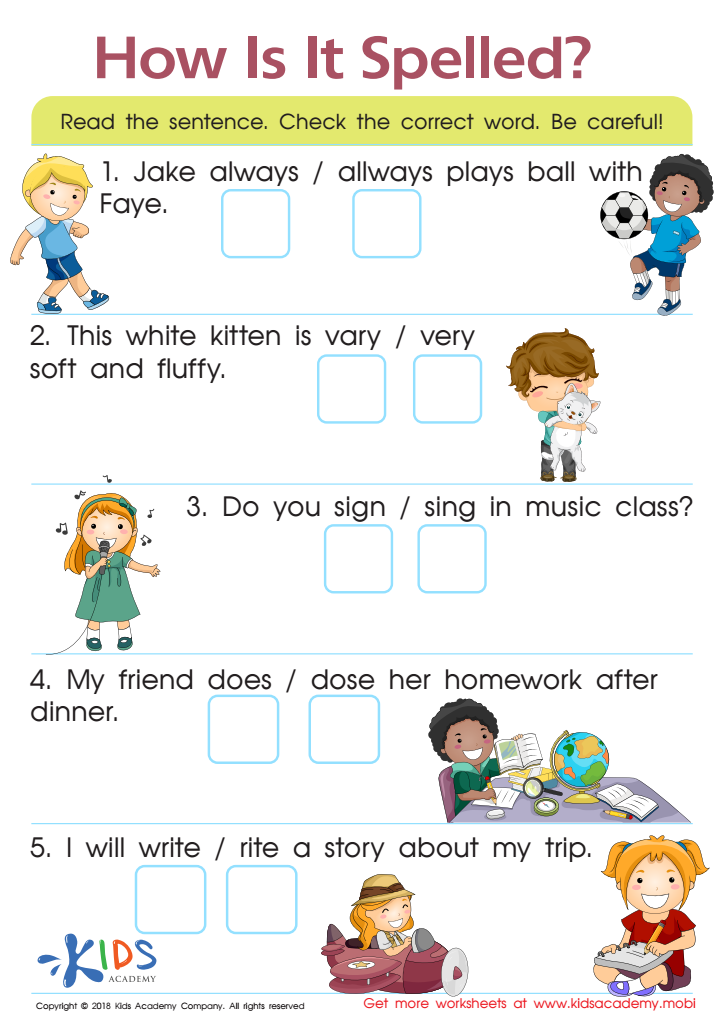
How is it spelled? Worksheet
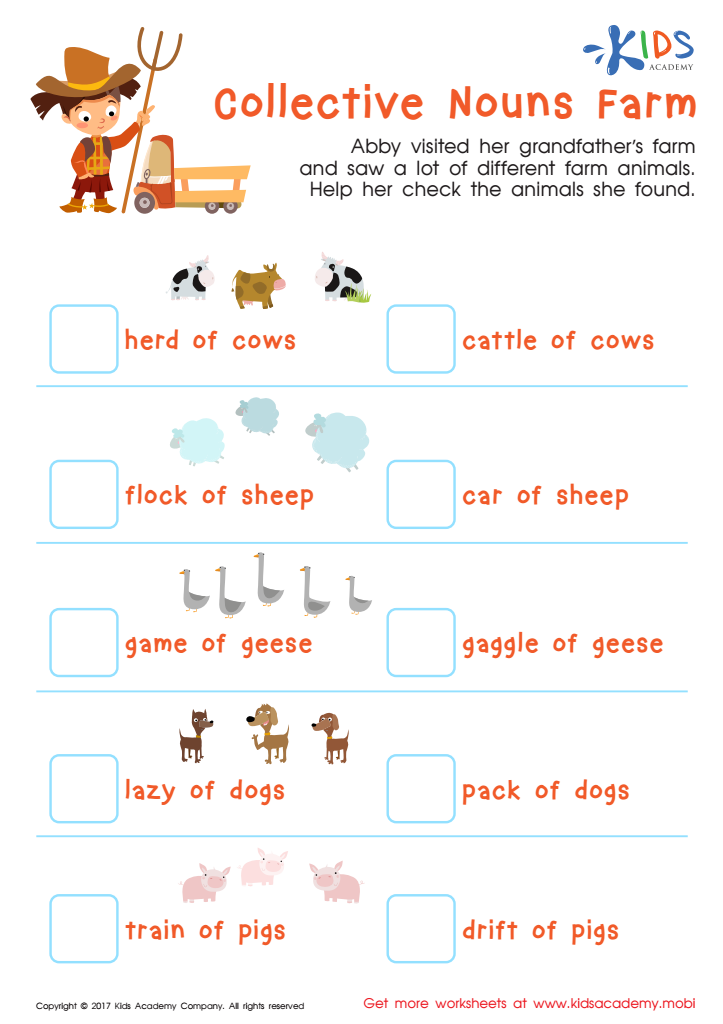
Collective Nouns Worksheet
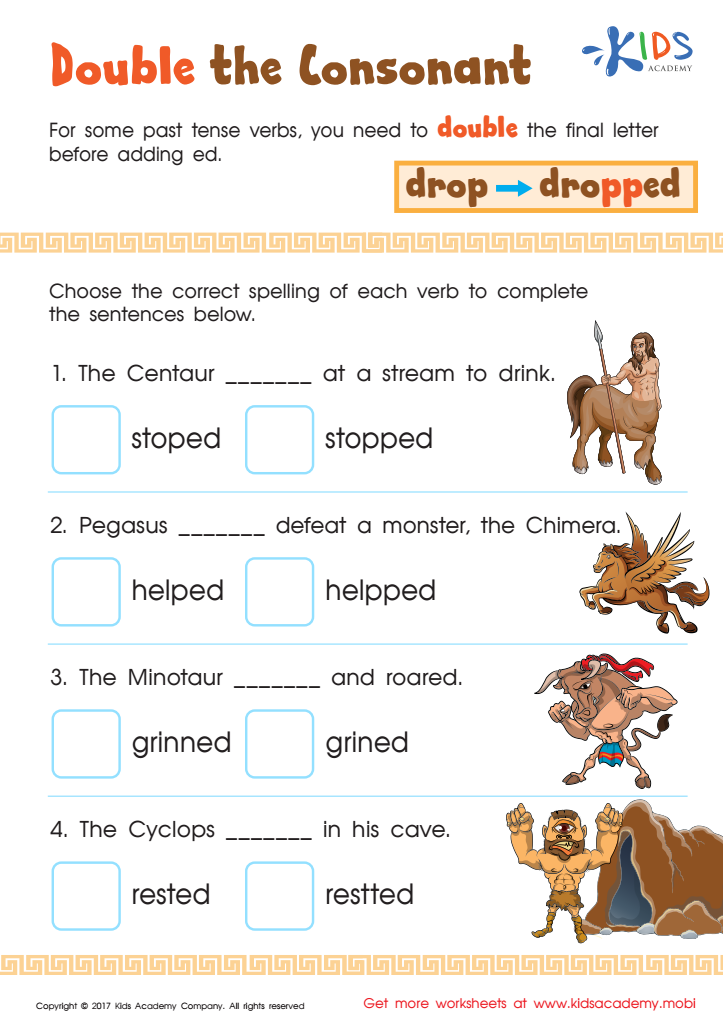
Double Consonant Spelling Worksheet
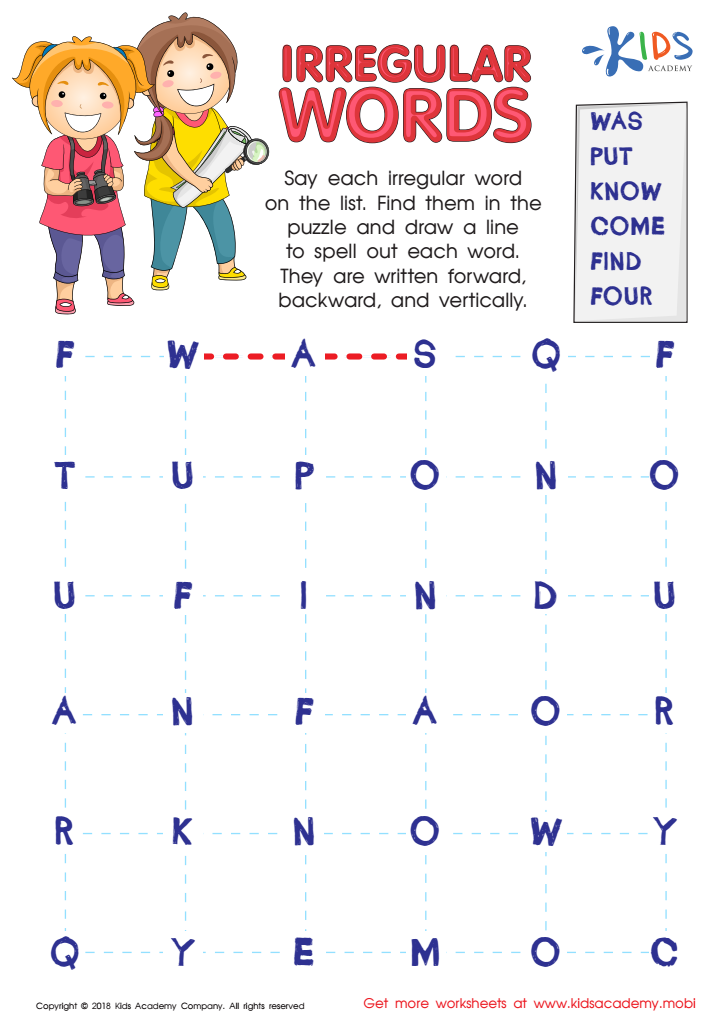
Irregular Words Worksheet







Vocabulary expansion and normal grammar development are crucial for children ages 3-9 because these foundational language skills significantly influence their cognitive, social, and academic growth. First, an enriched vocabulary enhances children's ability to express themselves more clearly and accurately. This leads to better communication skills, enabling them to share their thoughts, feelings, and needs more effectively with peers and adults.
Furthermore, a robust vocabulary is closely linked to reading comprehension, which is essential for academic success. Children who can understand and use a wide range of words are better equipped to grasp the meanings of texts, making it easier for them to learn across all subjects.
Grammar, on the other hand, is vital for constructing coherent and meaningful sentences. Mastery of grammar rules allows children to organize their thoughts logically and understand the structure of the language, which is crucial for both written and verbal communication. Normal grammar development helps prevent misunderstandings and fosters clearer interactions, reducing frustration and promoting social harmony.
Moreover, language skills at this age are predictive of future academic achievements. Children with strong early language skills are more likely to excel in school, making early vocabulary and grammar development an investment in their long-term success.
By prioritizing vocabulary expansion and normal grammar for young children, parents and teachers lay the groundwork for effective communication, academic proficiency, and overall lifelong learning.