Word Recognition Normal Worksheets for 3-Year-Olds
6 filtered results
-
From - To
Discover our engaging Word Recognition Normal Worksheets tailored for 3-year-olds! Designed to support early literacy skills, these worksheets help young learners identify and read basic sight words in a fun, interactive way. Featuring colorful visuals and simple activities, they aim to boost vocabulary and reinforce word recognition. Each worksheet encourages children to practice matching words with images, tracing letters, and completing fun exercises, ensuring educational enjoyment. Perfect for parents and educators alike, these resources promote skill development while nurturing a love for reading. Watch your child's confidence soar as they embark on this exciting learning journey! Access our printable worksheets today!
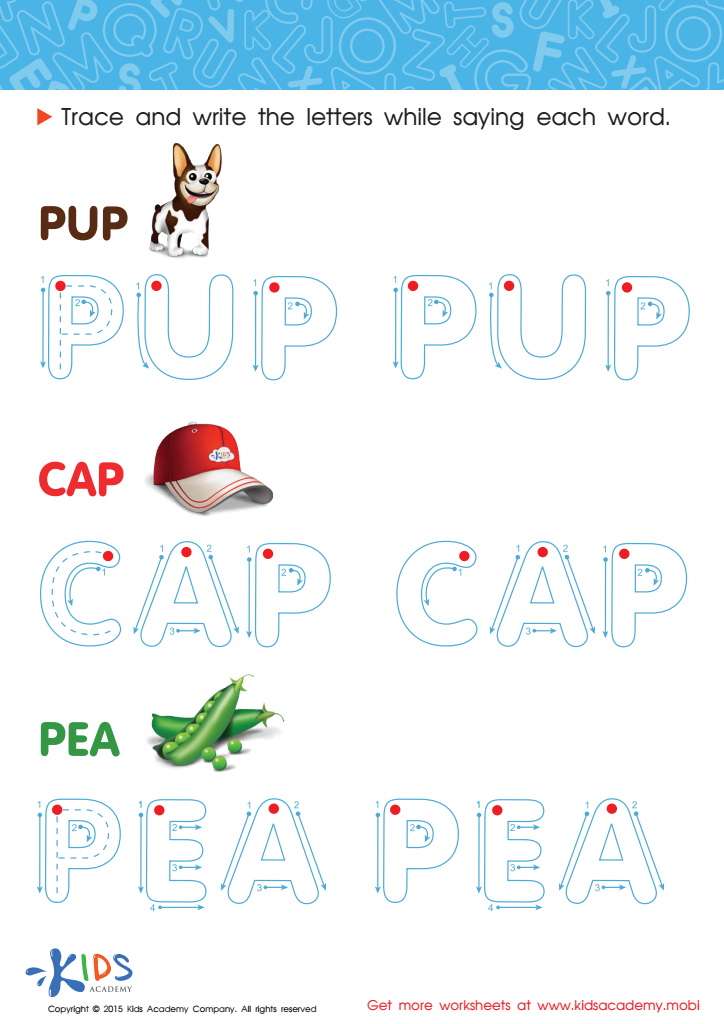
A Pup, a Cap and a Pea Spelling Worksheet
 Assign to My Students
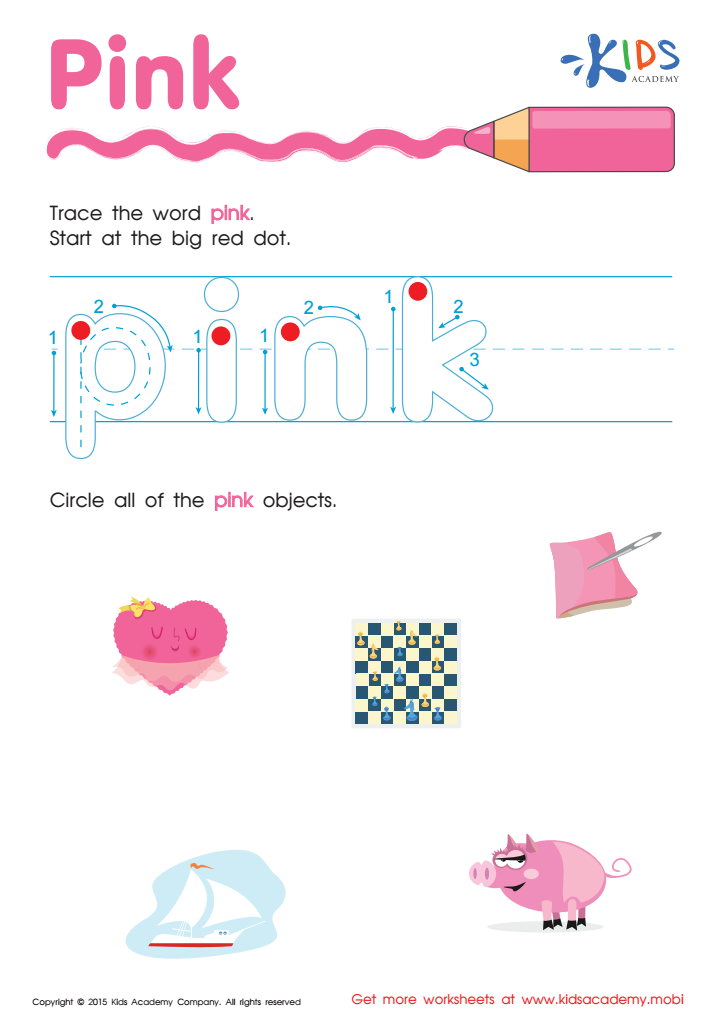
Pink Tracing Color Words Worksheet
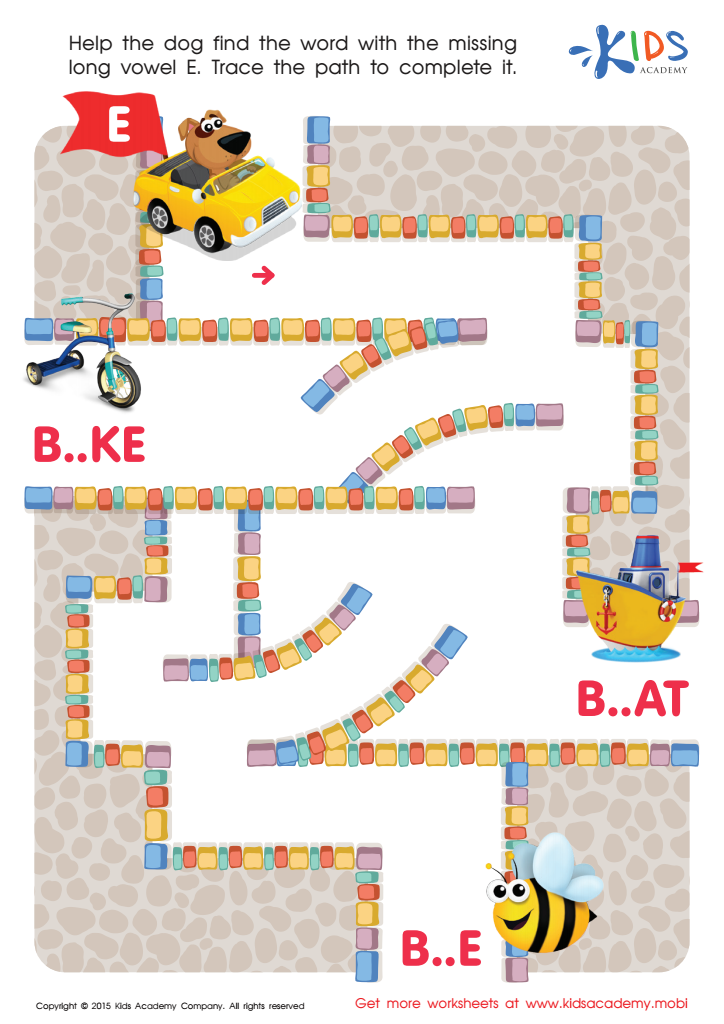
Long Vowel Sound E Worksheet
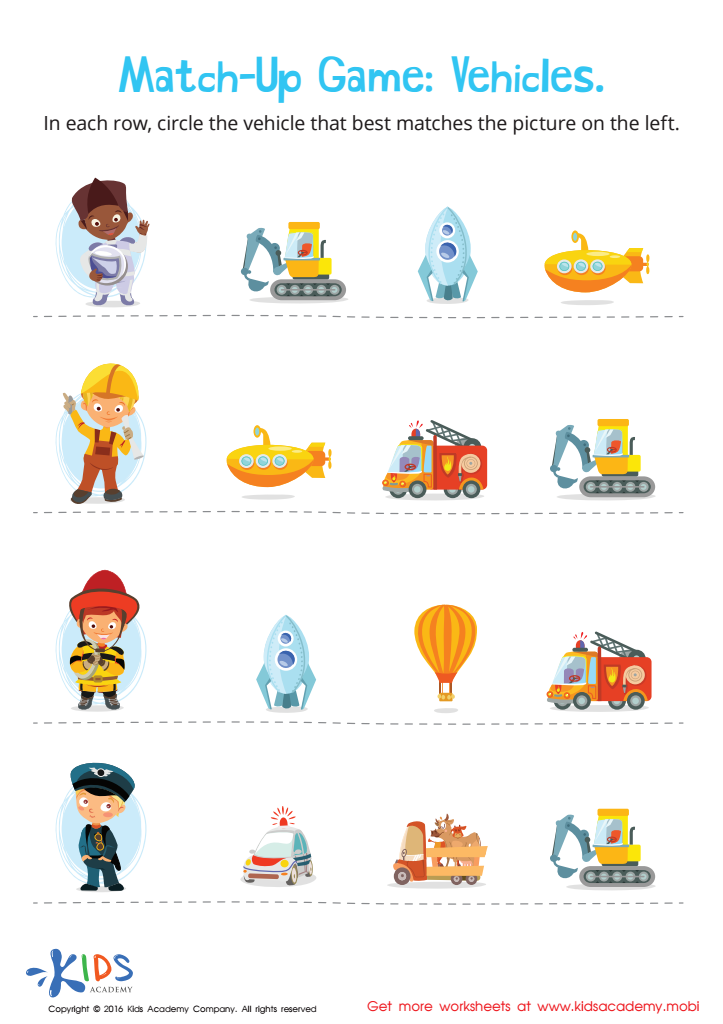
Vehicles Worksheet
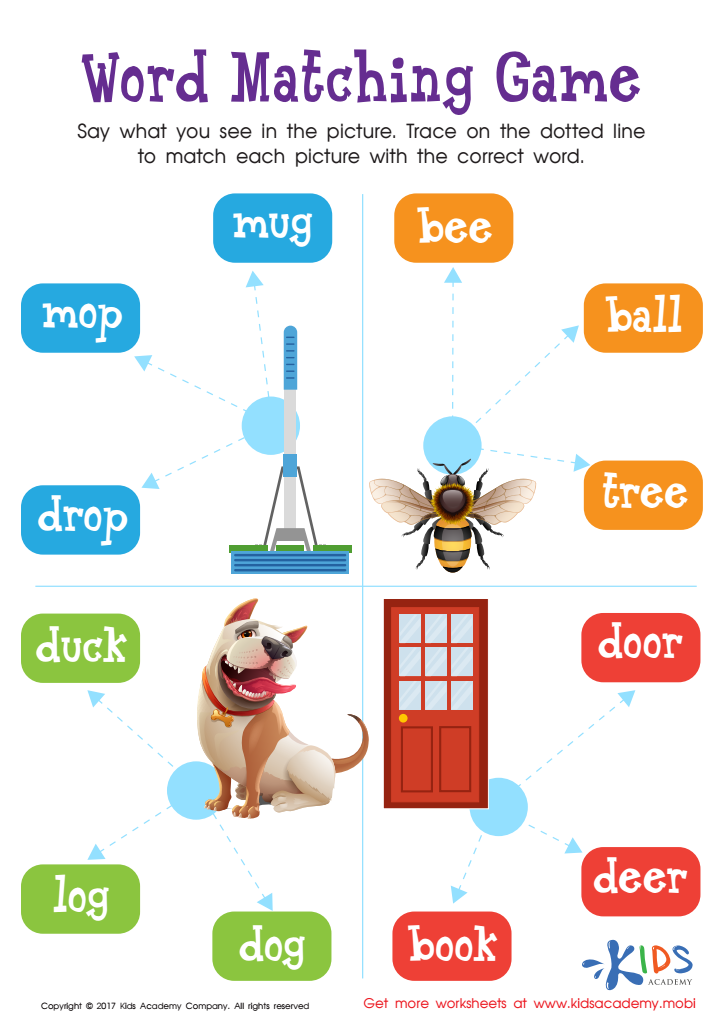
Word Matching Game Worksheet
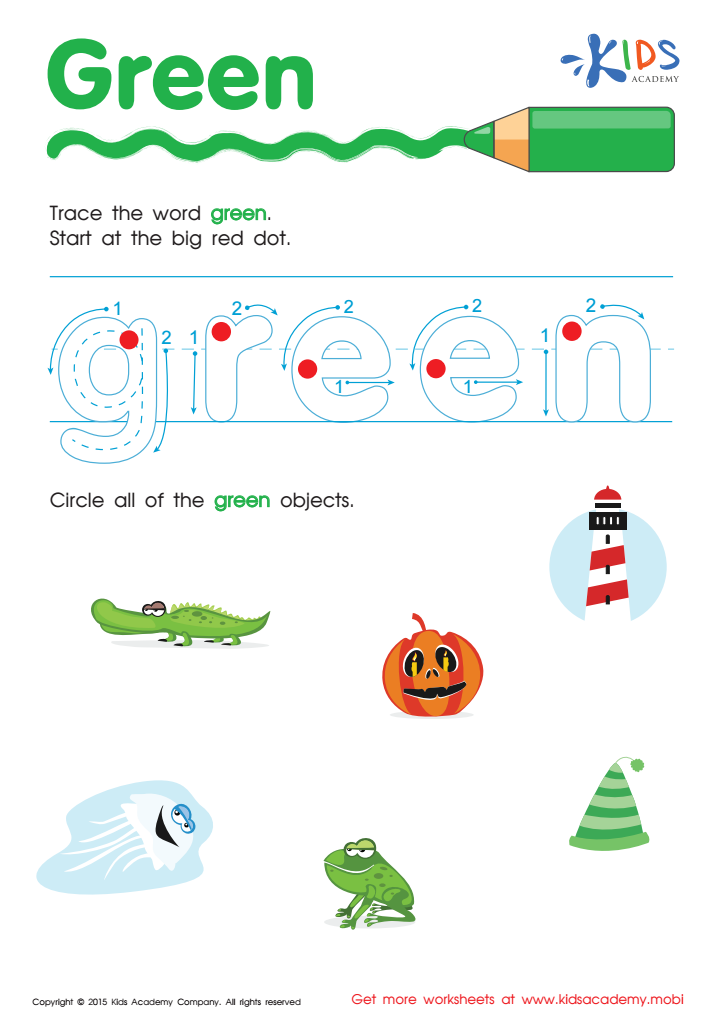
Green Tracing Color Words Worksheet







.jpg)
Word recognition in 3-year-olds is a foundational skill that plays a critical role in early literacy development. At this age, children begin to engage with words visually, helping them understand that written text has meaning. By encouraging word recognition, parents and teachers can enhance vocabulary, comprehension, and communication skills, which are essential for success in reading and writing later on.
Fostering word recognition also aids in cognitive development. When children identify and understand words, they start making connections between language and the world around them. This boosts their confidence and interest in learning, fostering a lifelong love of reading.
Moreover, strong word recognition skills are linked to better academic performance. Children who recognize words early are more likely to become proficient readers, which is crucial during the later stages of their education. Involving parents and teachers in this process turns everyday activities into learning opportunities, whether it’s through storytelling, reading aloud, or using educational games.
In summary, prioritizing word recognition at this early age lays a solid groundwork for language and literacy skills, ensuring that children are better prepared for their educational journey. Parents and teachers who recognize its importance are investing in a child's future success.








