Problem-Solving Skills Normal Geometry Worksheets for 3-Year-Olds
4 filtered results
-
From - To
Discover engaging Problem-Solving Skills Normal Geometry Worksheets specifically designed for 3-year-olds. These worksheets encourage early learners to explore shapes, spatial awareness, and logical thinking through fun and interactive activities. Tailored for young minds, each worksheet promotes creativity while enhancing essential problem-solving skills. Children will enjoy identifying patterns, matching shapes, and solving simple puzzles that lay the foundation for future math success. Perfect for home or classroom use, our colorful and stimulating worksheets make learning geometry enjoyable. Support your child's cognitive development and foster a love for learning with these beautifully crafted resources that captivate and inspire curiosity in young learners!
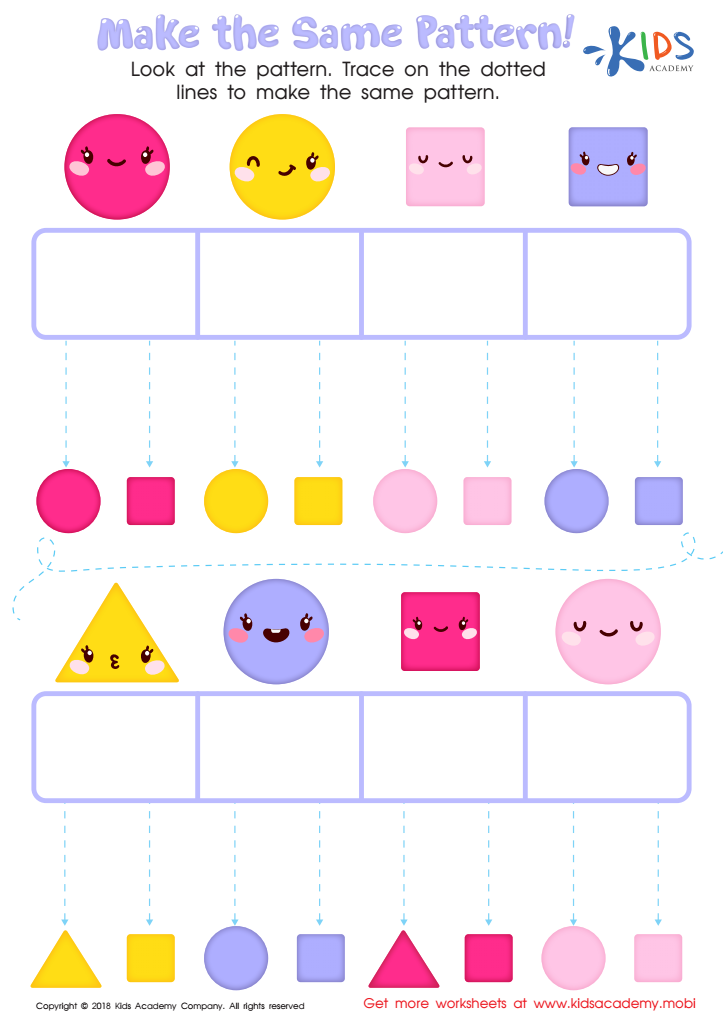
Make the Same Pattern Worksheet
 Assign to My Students











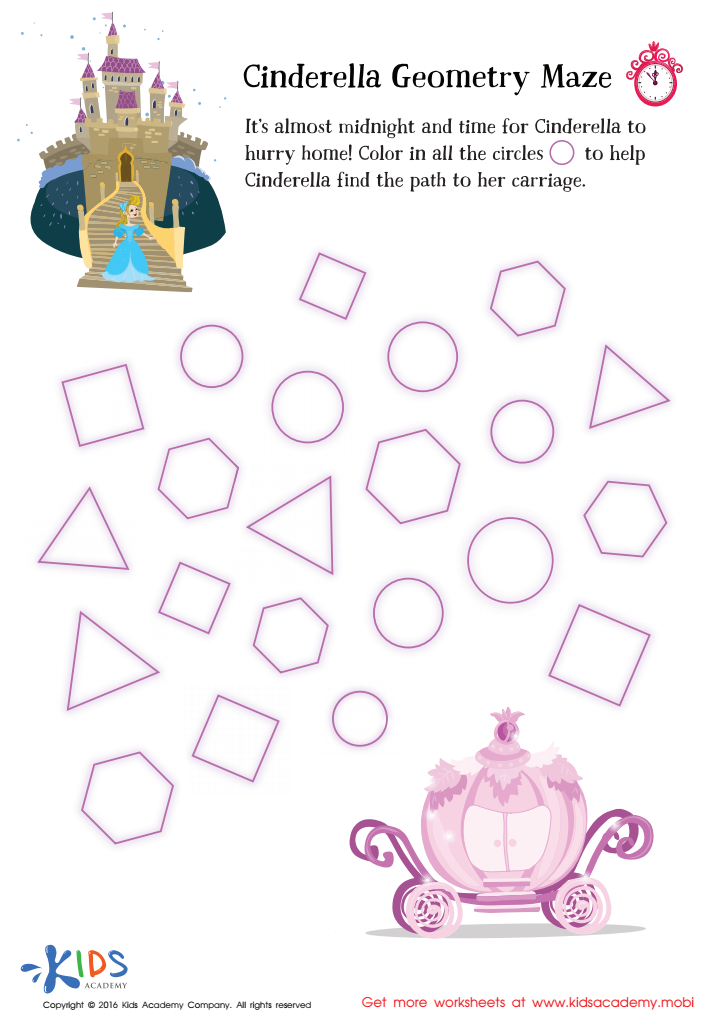
Cinderella Geometry Maze Worksheet
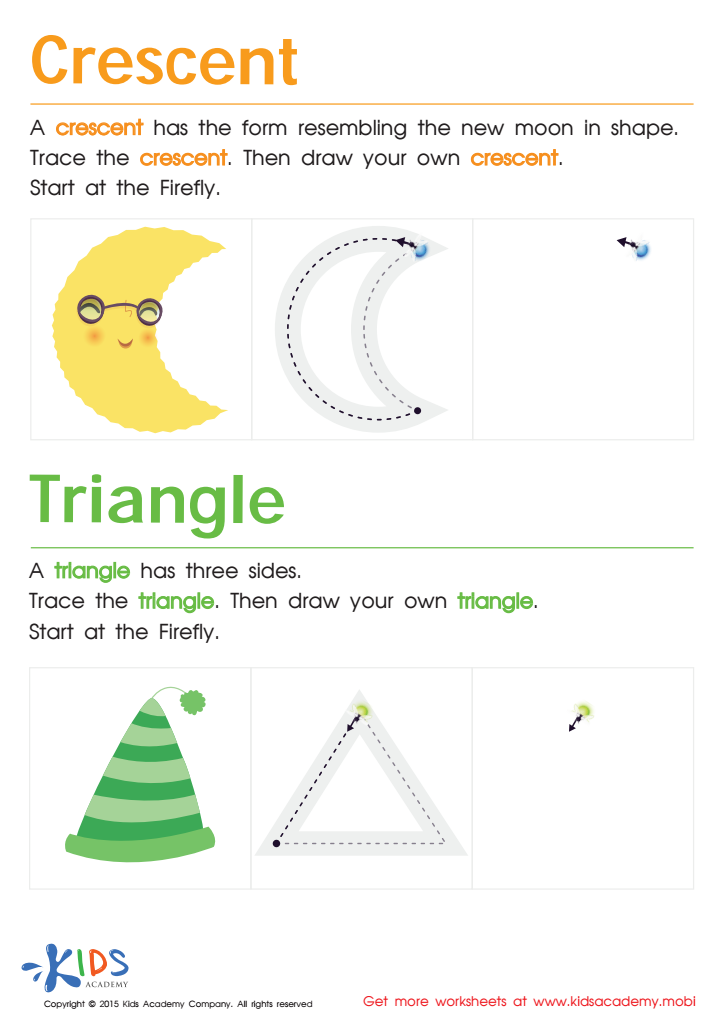
Learning to Draw Crescents And Triangles Worksheet
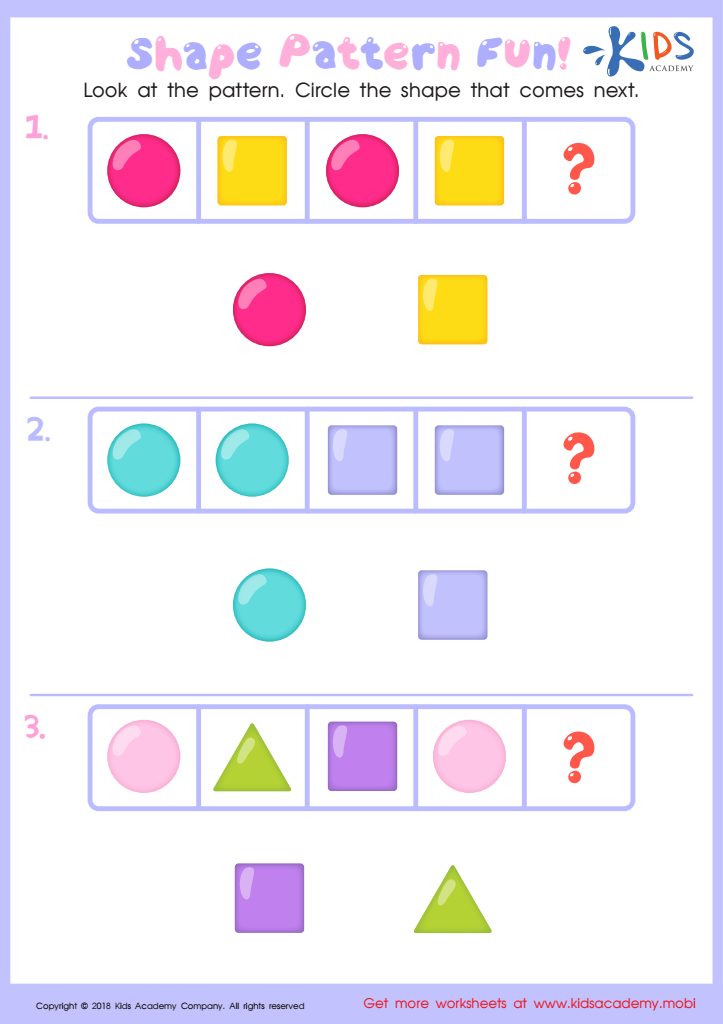
Shape Pattern Fun Worksheet








Problem-solving skills, particularly in the context of normal geometry, are essential for 3-year-olds, and here's why parents and teachers should prioritize them. At this early age, children are naturally curious and eager to explore their surroundings. Introducing geometric concepts helps them understand shapes, spatial relationships, and patterns, which are foundational for later mathematical learning.
Engaging young learners with hands-on activities involving shapes—like building blocks or puzzles—enhances their cognitive development. It not only fosters critical thinking but also encourages creativity as they learn to manipulate and combine shapes in diverse ways. As children solve geometric problems, they develop resilience and perseverance, crucial traits for facing challenges throughout their lives.
Moreover, nurturing these skills in early childhood sets the stage for success in formal education. Research shows that a strong grasp of geometry can lead to improved performance in math as children progress through school. Communicatively, discussing shapes and space offers opportunities for vocabulary enrichment, enhancing language skills alongside mathematical reasoning.
Ultimately, investing in problem-solving skills involving normal geometry provides a solid foundation for holistic development, paving the way for academic achievement and lifelong learning. Parents and teachers play a pivotal role in cultivating this essential part of a child's early education.








