Letter recognition Normal Alphabet Worksheets for Ages 4-5
57 filtered results
-
From - To
Our "Letter Recognition Normal Alphabet Worksheets for Ages 4-5" are crafted to help young learners master alphabet basics. Each engaging worksheet promotes familiarity with both uppercase and lowercase letters through fun activities like matching, coloring, and tracing. Ideal for preschoolers and kindergarteners, these resources support early literacy by reinforcing recognition skills in a playful manner. Perfect for both classroom and home use, our worksheets ensure foundational skills are developed with excitement. Boost your child's confidence in reading with Kids Academy’s trusted, interactive tools designed to make learning enjoyable and effective! Download now for endless educational fun!
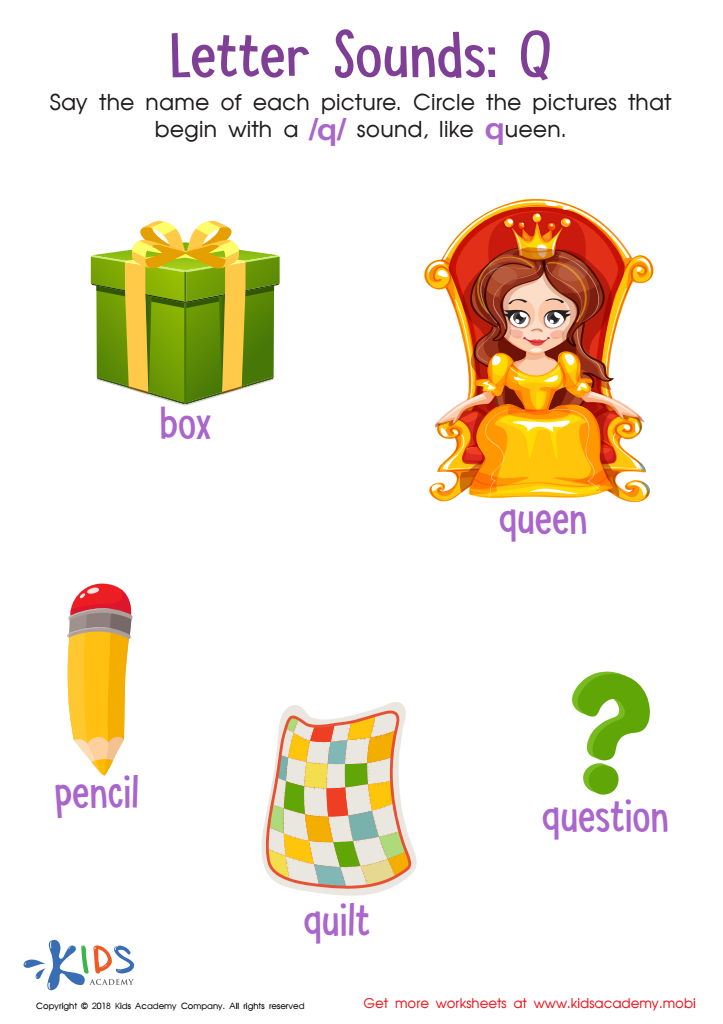
Letter Q Sounds Worksheet
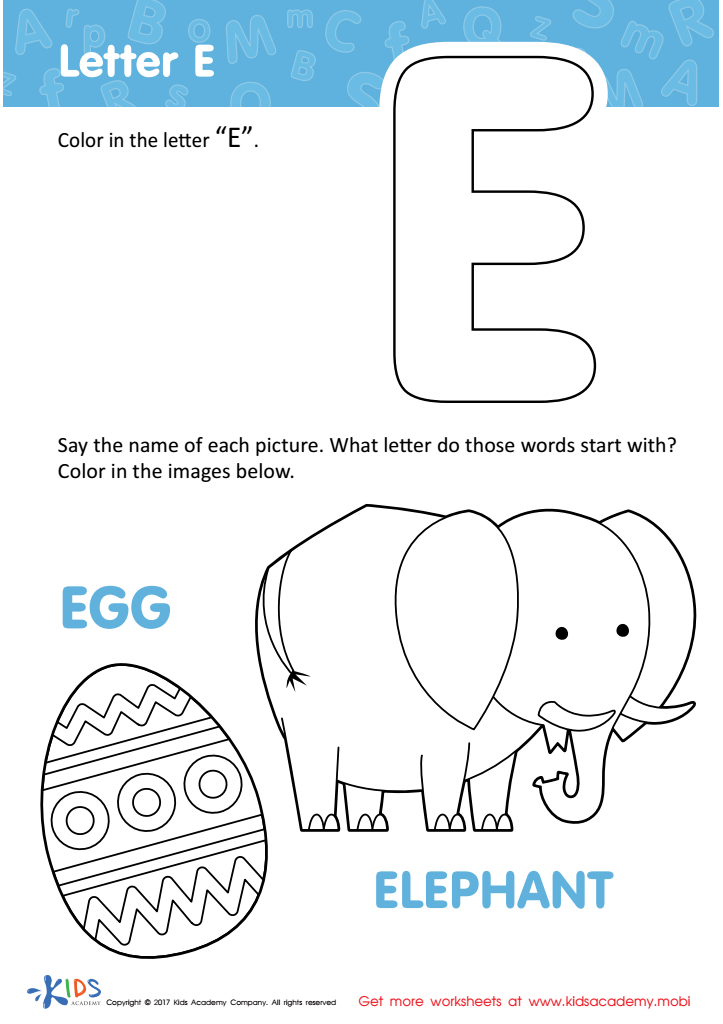
Letter E Coloring Sheet
 Assign to My Students
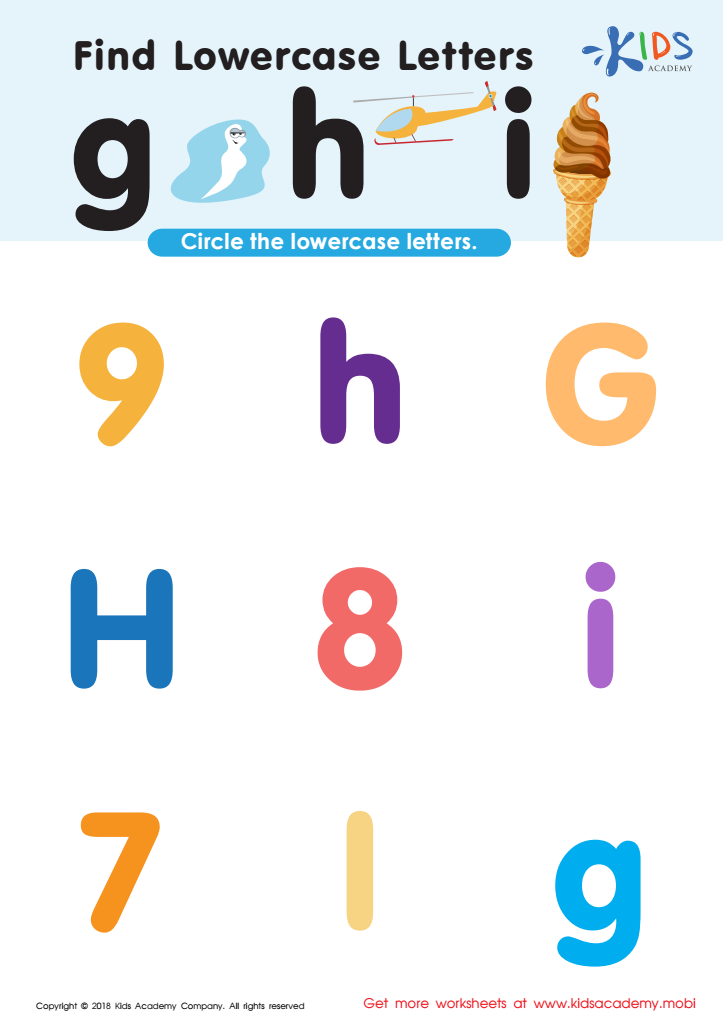
Find Lowercase Letters g h i Worksheet
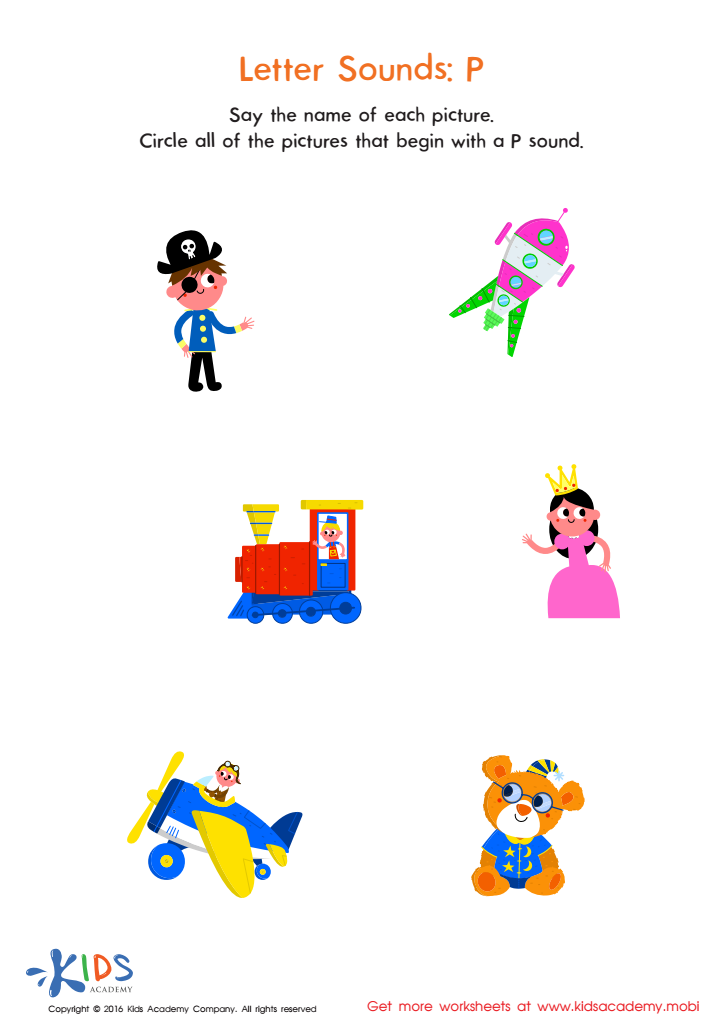
Letter P Sound Worksheet
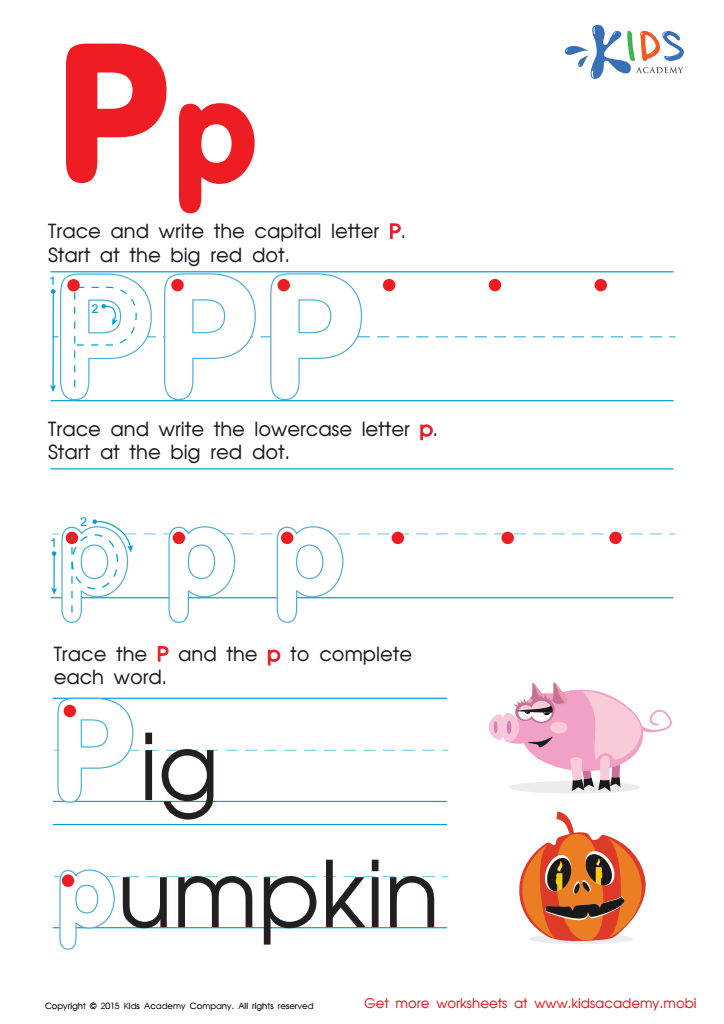
Letter P Tracing Page
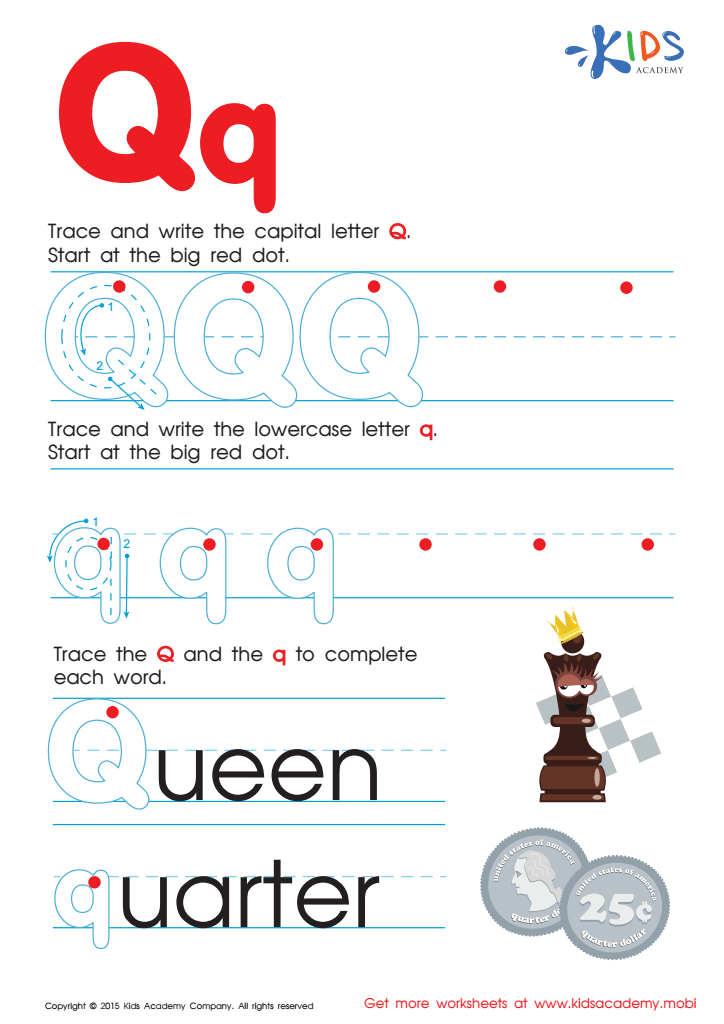
Letter Q Tracing Page
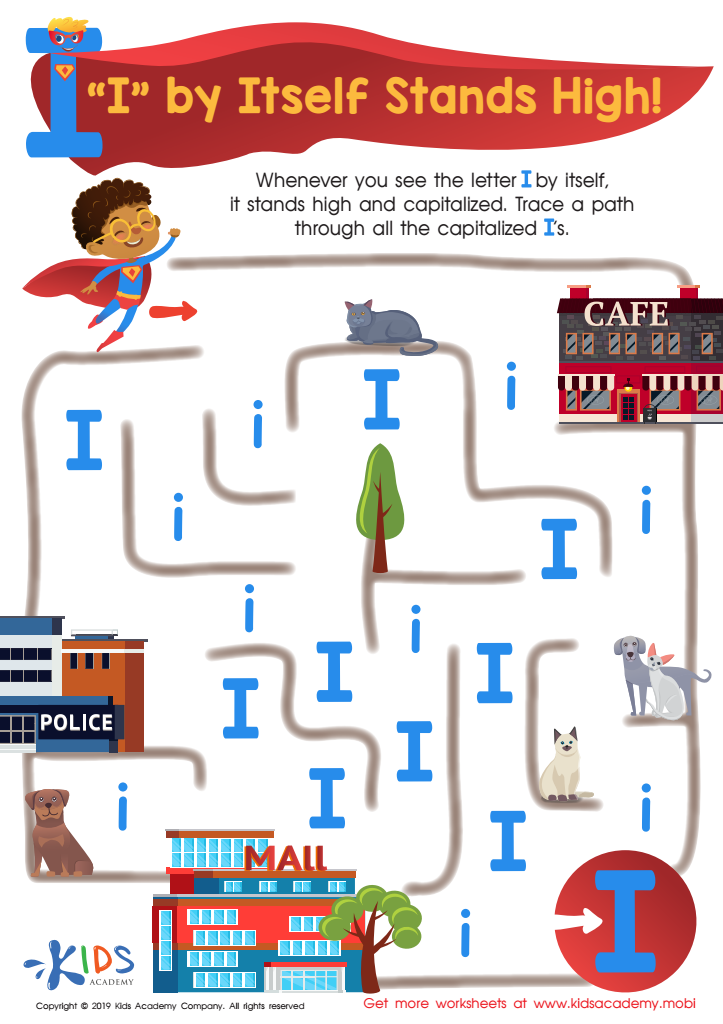
I Stands High Worksheet
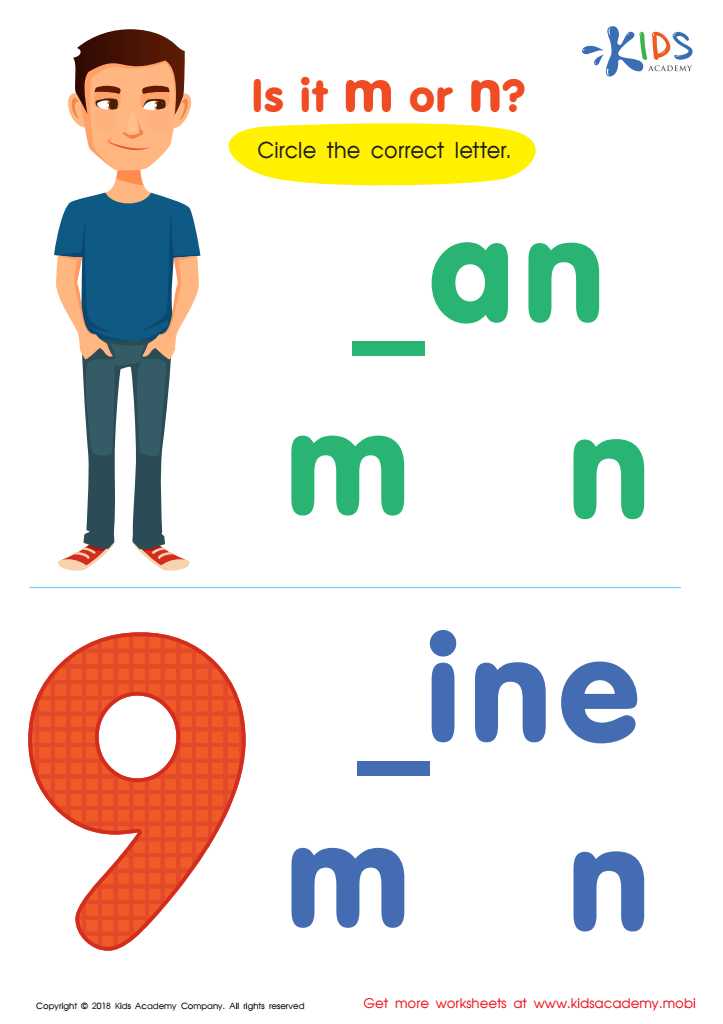
Is It m or n? Worksheet
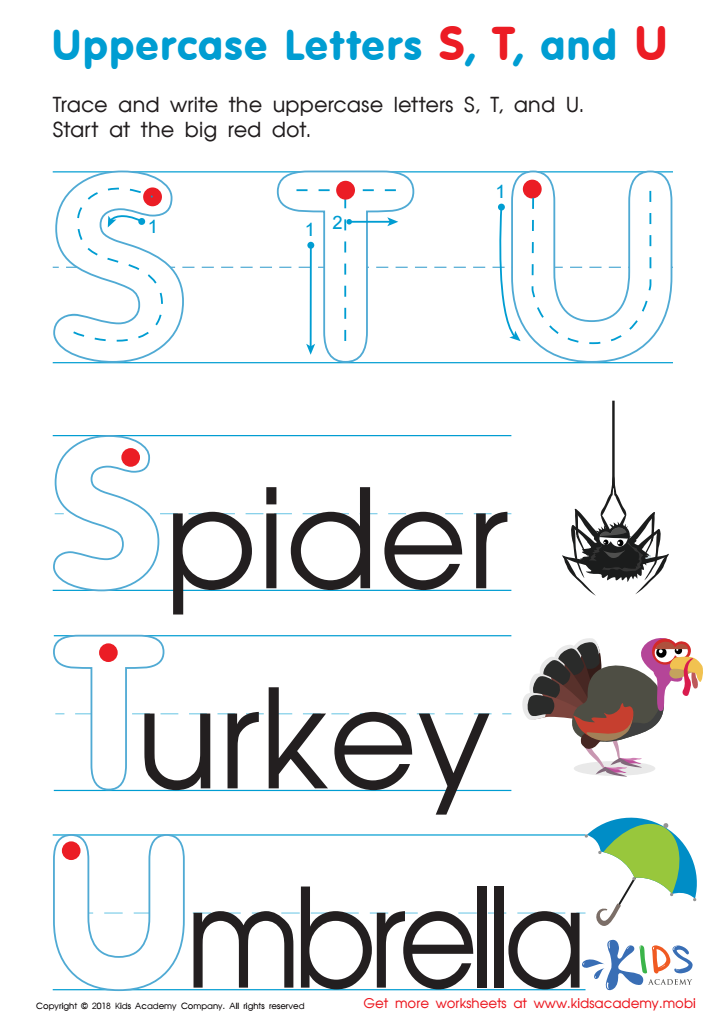
Uppercase Letters S, T, and U Worksheet
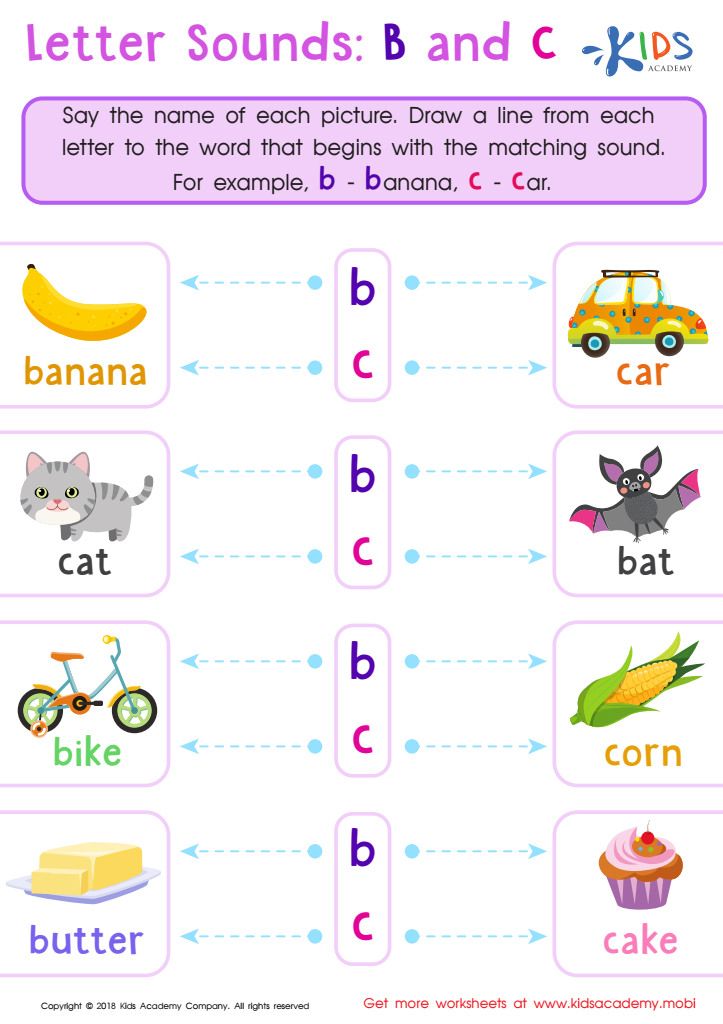
Letter B and C Sounds Worksheet
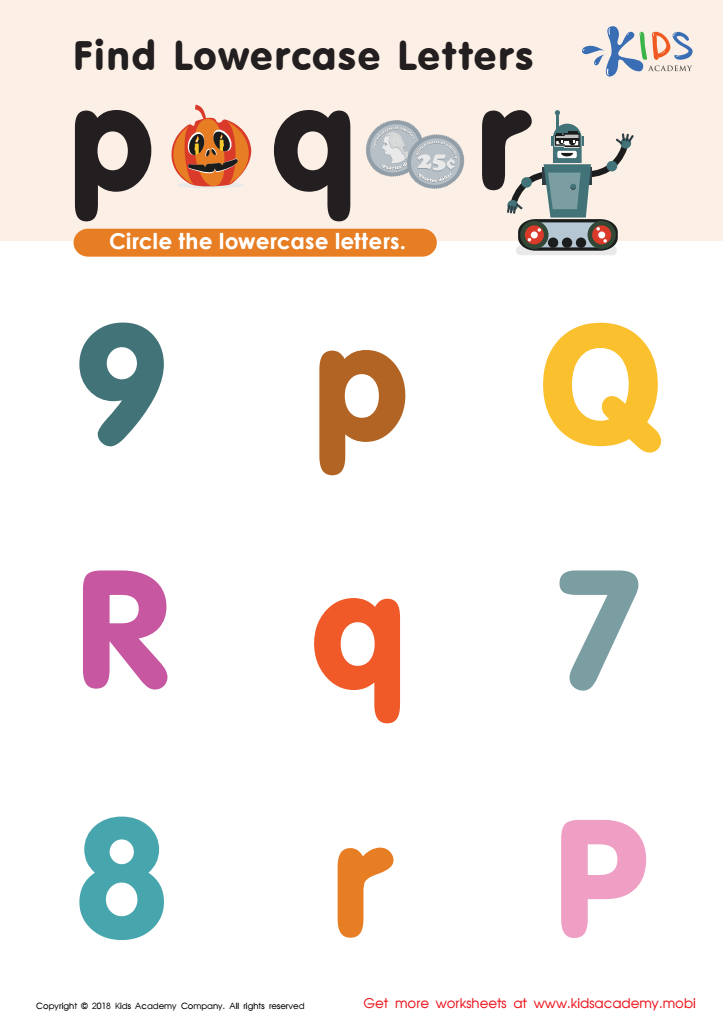
Find lowercase Letters p q r Worksheet
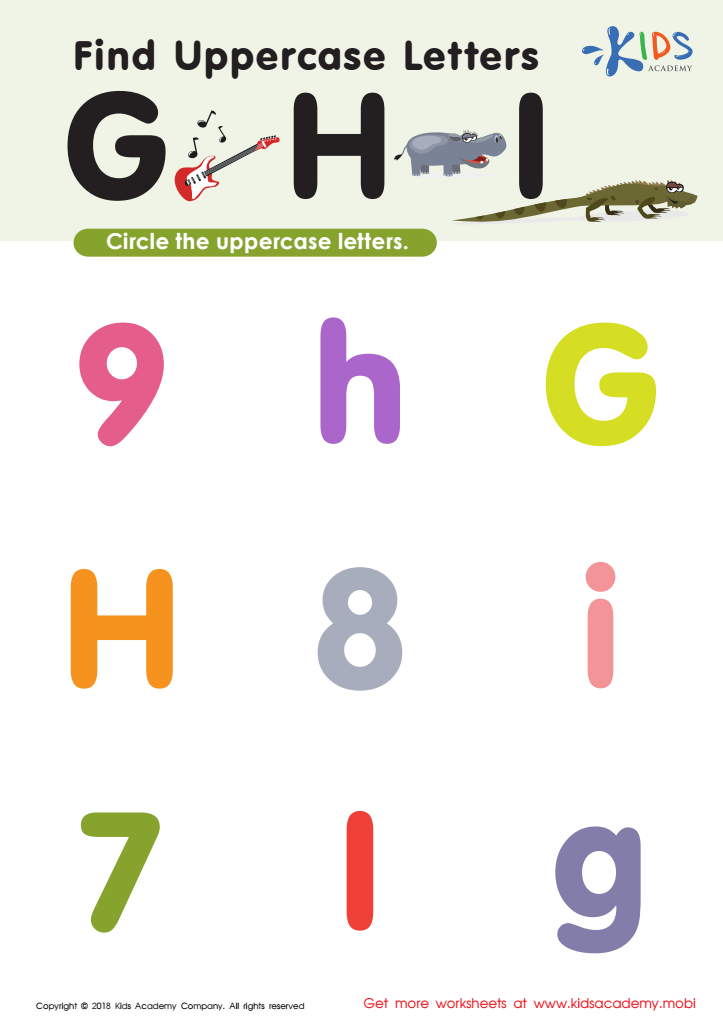
Find Uppercase Letters G, H, and I Worksheet
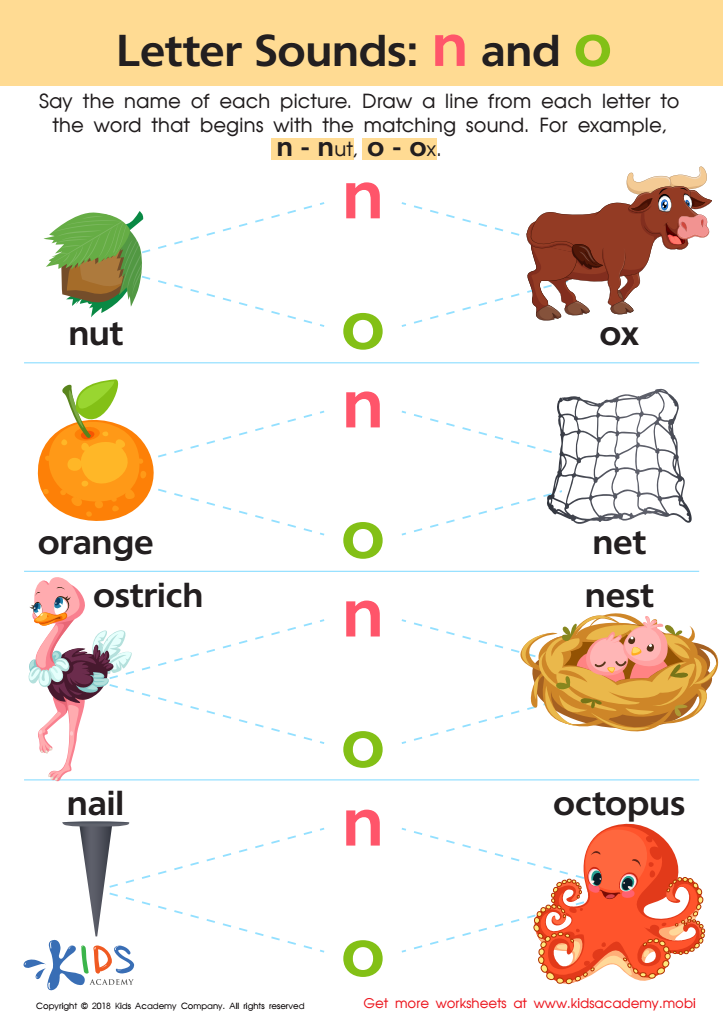
Letter N and O Sounds Worksheet
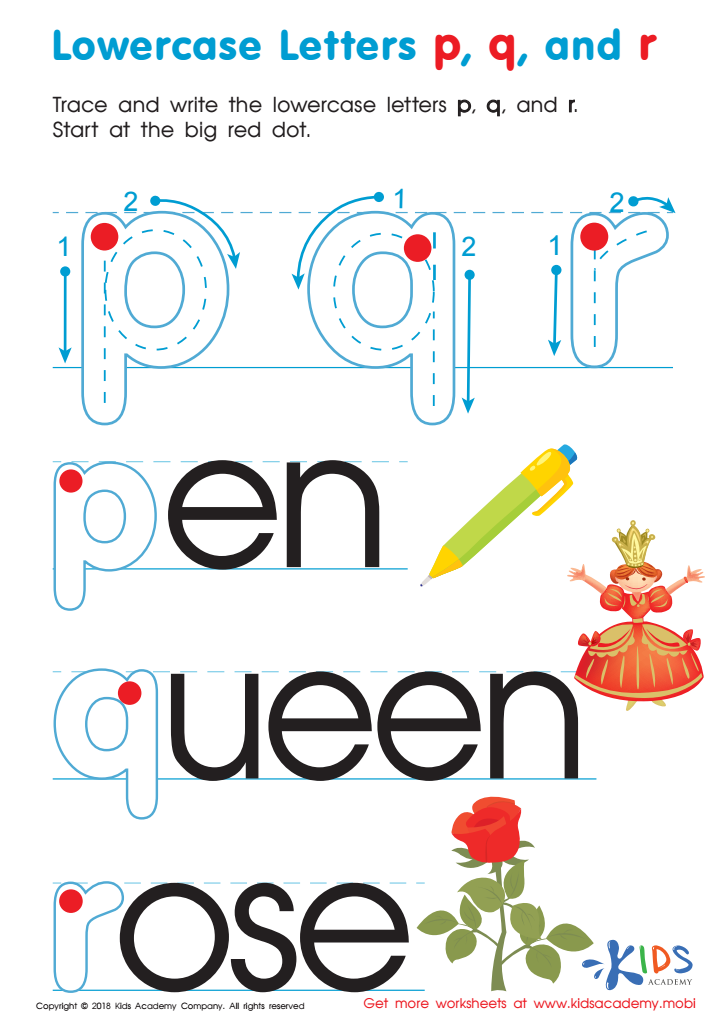
Lowercase Letters p q r Worksheet
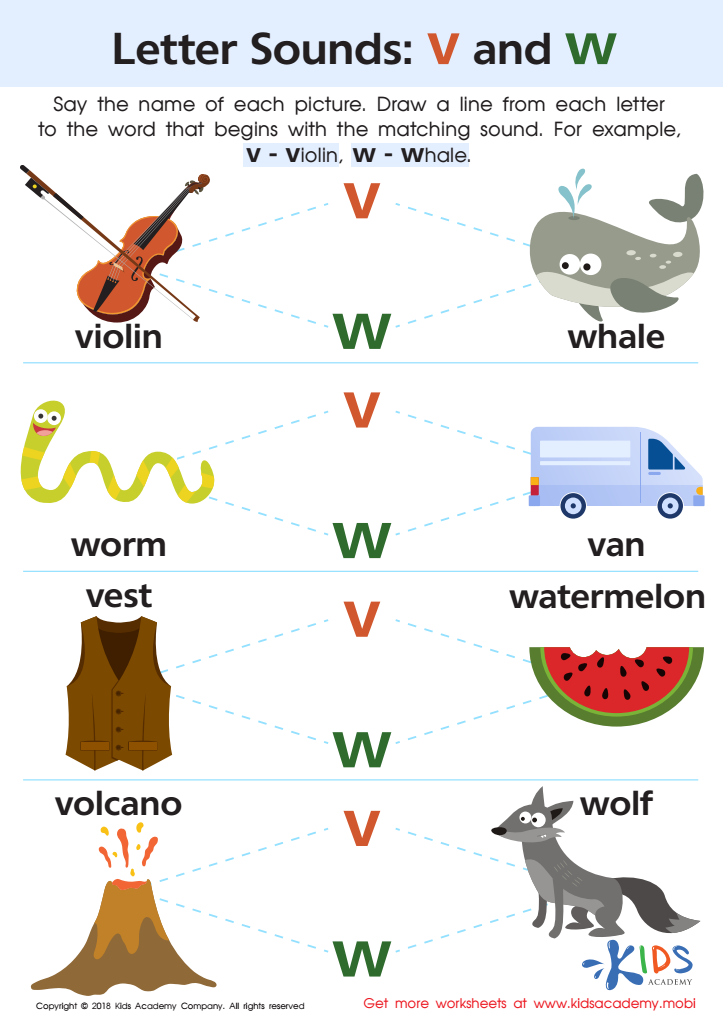
Letter V and W Sounds Worksheet
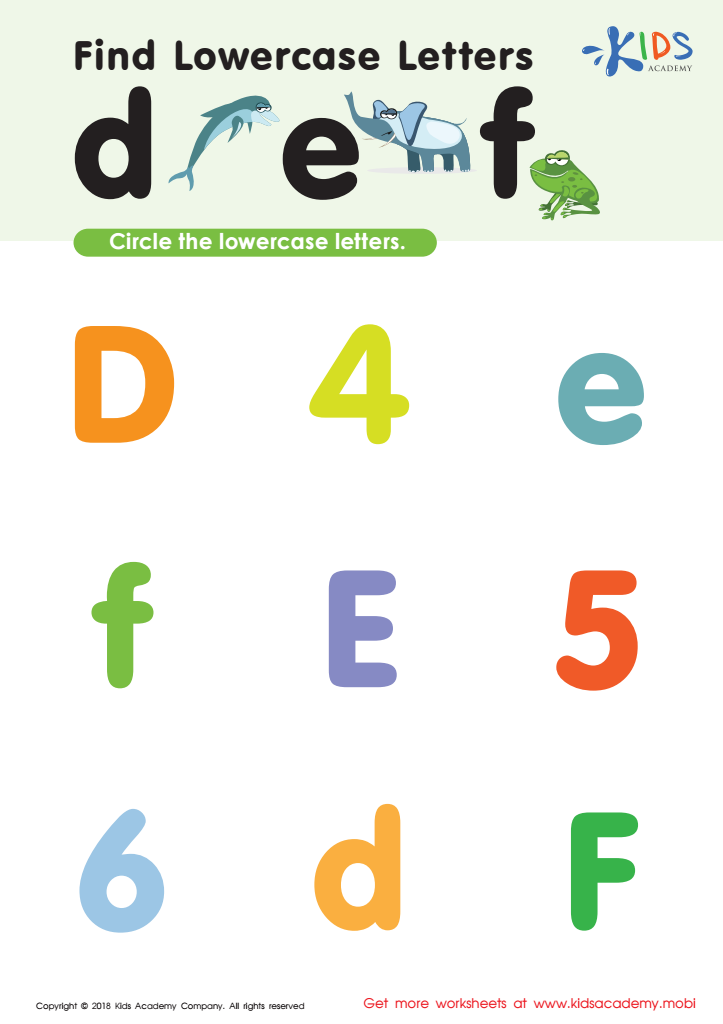
Find Lowercase Letters d e f Worksheet
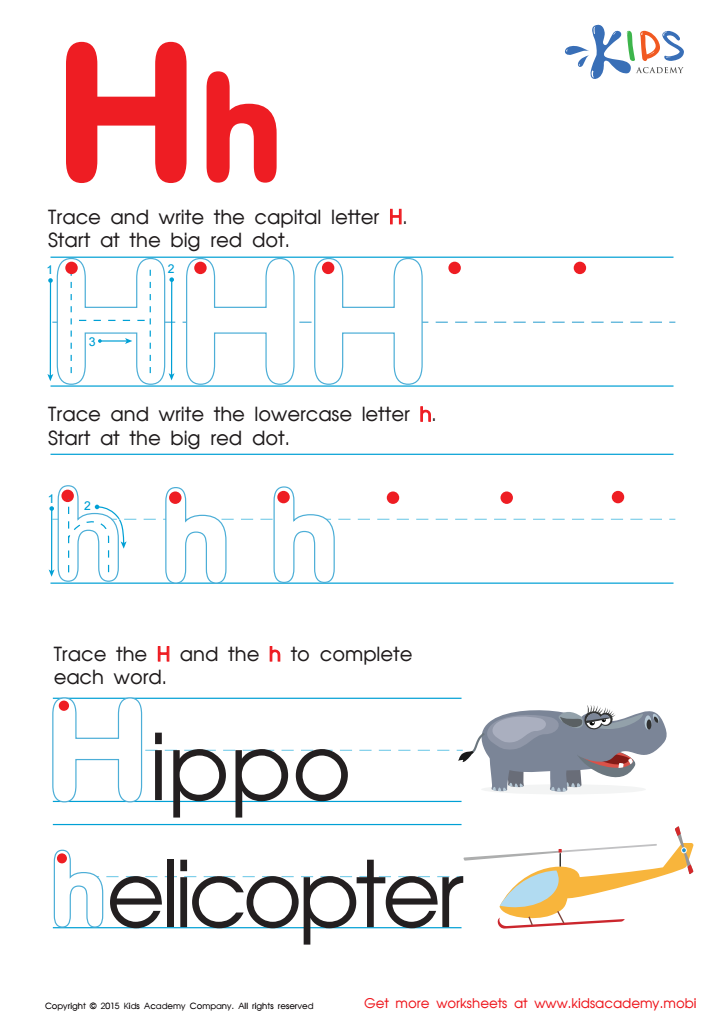
Letter H Tracing Page
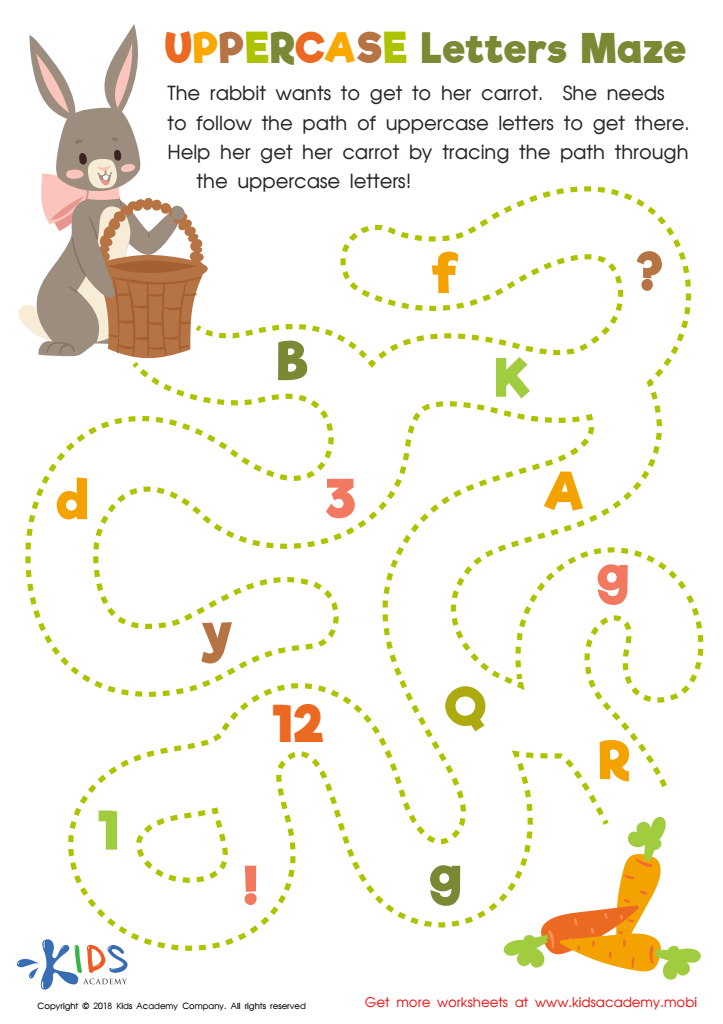
Uppercase Letters Maze Worksheet
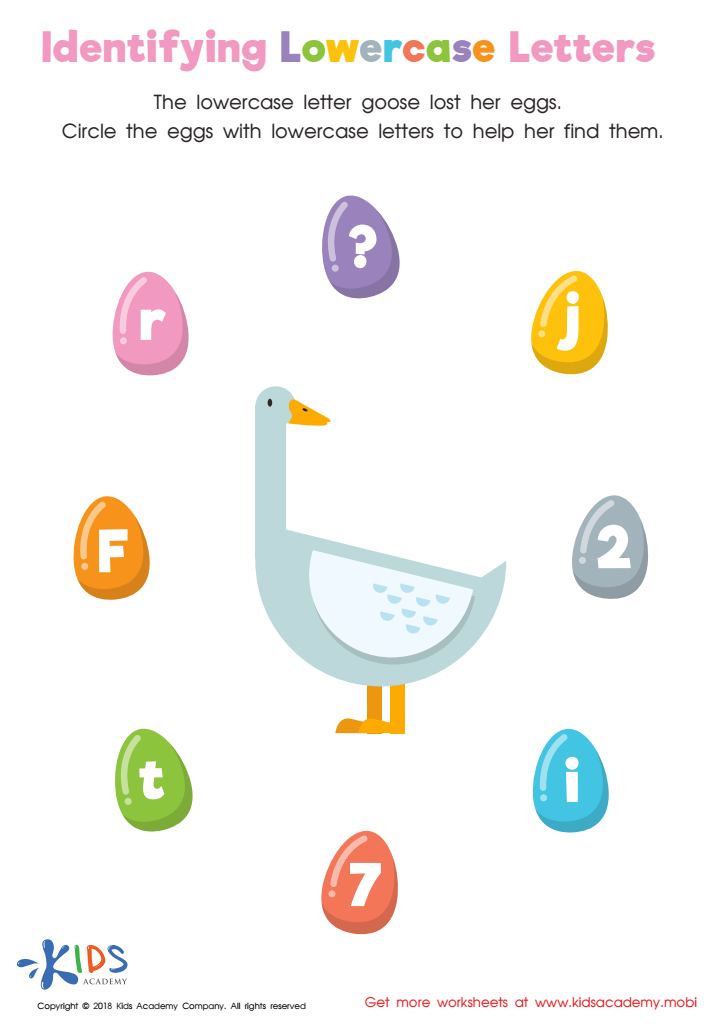
Identifying Lowercase Letters Worksheet
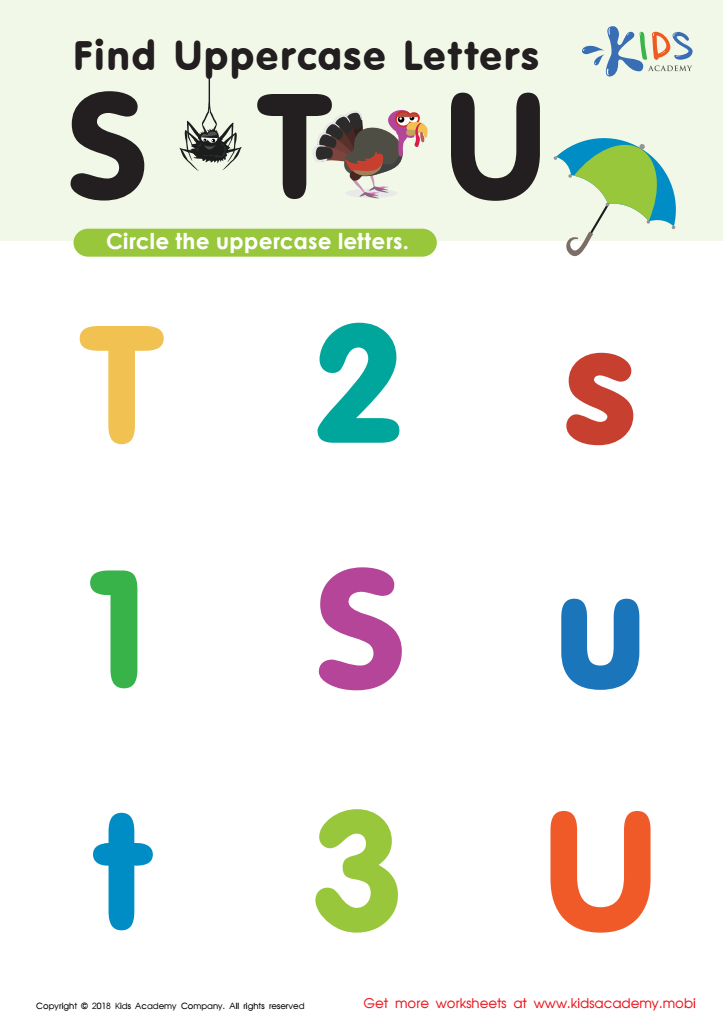
Find Uppercase Letters Worksheet
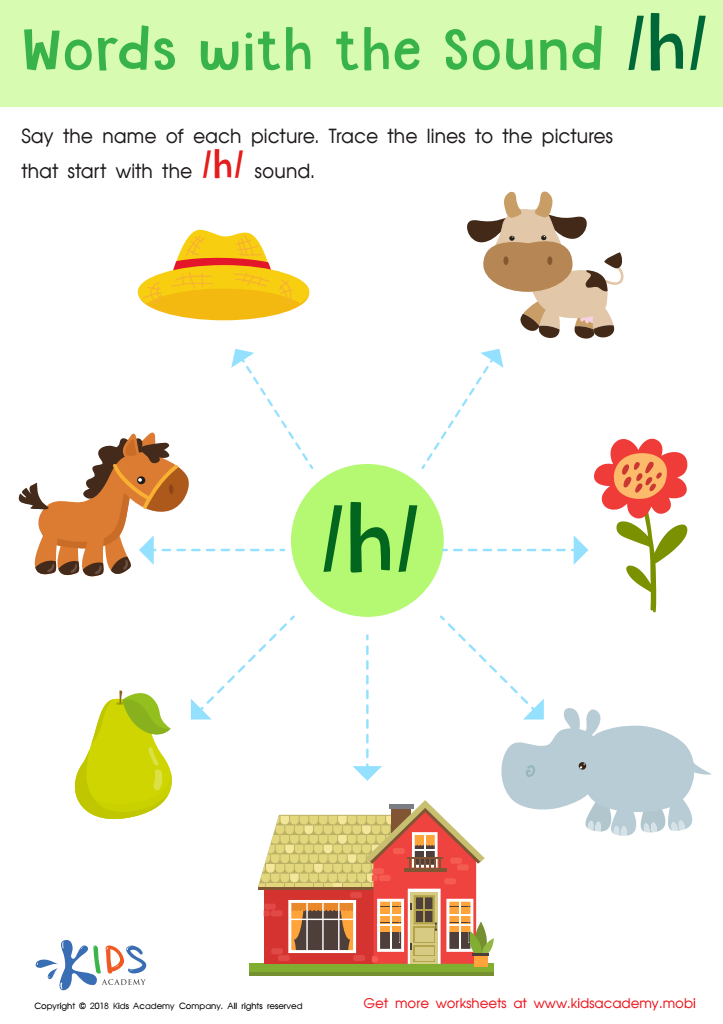
Words with sound h Reading Worksheet
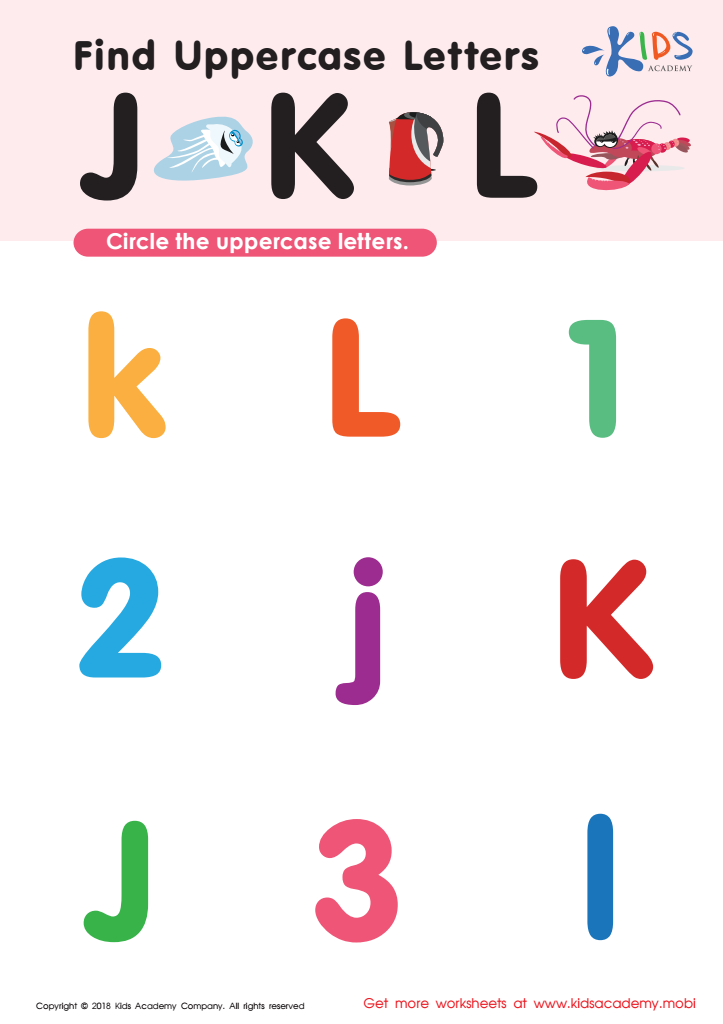
Find Uppercase Letters J, K, and L Worksheet
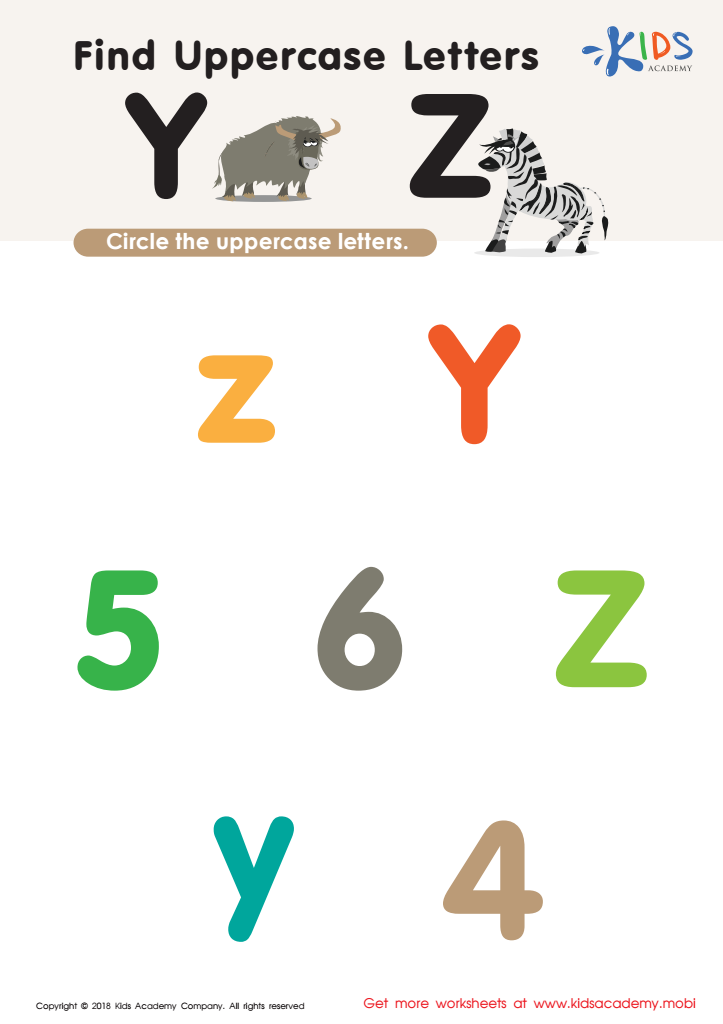
Find Uppercase Letters Y Z Worksheet
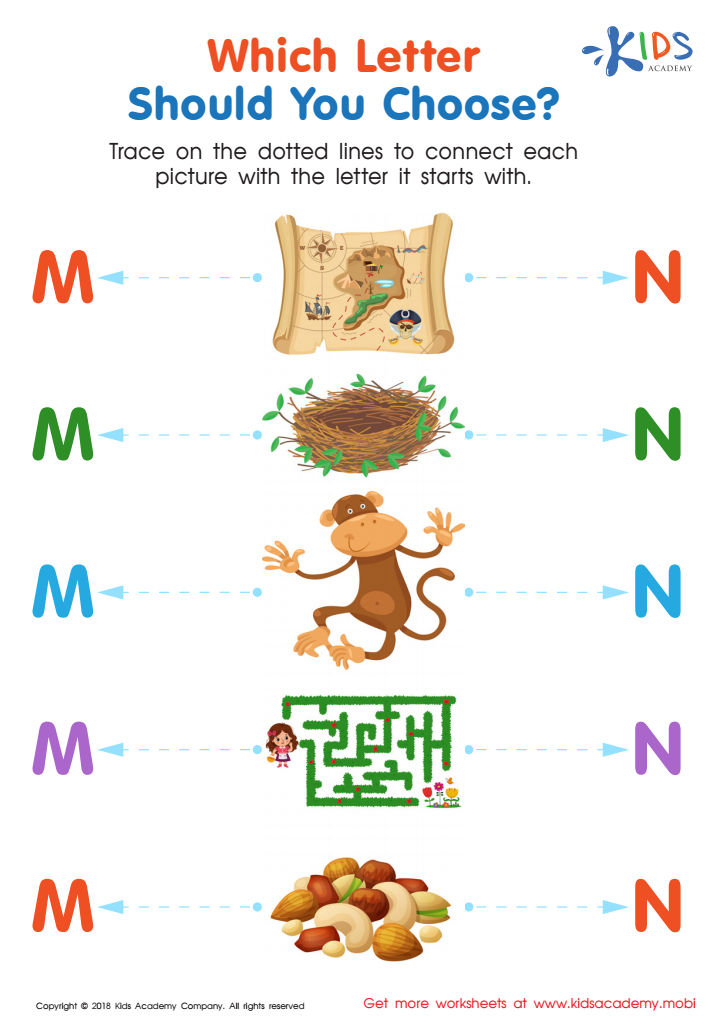
Which Letter Should you Choose? Worksheet


.jpg)





Letter recognition in the normal alphabet for children aged 4-5 is a crucial educational milestone, playing a foundational role in their reading and writing journeys. At this formative age, deciphering the shapes, names, and sounds of letters equips children with essential pre-literacy skills that set the stage for their future academic success.
Parents and teachers should prioritize letter recognition because it directly influences phonemic awareness, where children learn to associate letters with their corresponding sounds. This process is the bedrock of phonics, helping young learners to segment and blend sounds to form words, an indispensable skill for reading fluency. A solid grasp of letter recognition enhances children’s ability to decode words, thus enabling them to tackle early reading materials with greater confidence and joy.
Additionally, letter recognition fosters cognitive development by strengthening visual perception and memory, which are used in various learning activities beyond literacy. It also supports fine motor development through letter-based activities like tracing or writing, which fine-tune hand-eye coordination and dexterity.
Moreover, this foundational skill encourages a love for learning by making reading activities more accessible and enjoyable. Parents and teachers cultivating these skills create a supportive, engaging environment, significantly increasing the likelihood of children developing a lifelong affinity for reading and learning. In essence, investing in proper letter recognition for young children yields significant long-term educational dividends.







