Categorization skills Normal Worksheets for Ages 4-5
16 filtered results
-
From - To
Enhance your child's cognitive development with our "Categorization Skills Normal Worksheets" designed for ages 4-5. These engaging and interactive activities help young learners identify, sort, and categorize various items, promoting essential skills such as critical thinking and organization. Our worksheets are colorful, age-appropriate, and cover a wide range of categories, from animals and shapes to everyday objects. As children work through these fun exercises, they will improve their understanding of relationships between different items while building their vocabulary. Perfect for home or educational settings, these worksheets foster essential skills that lay the foundation for future learning success. Download now!
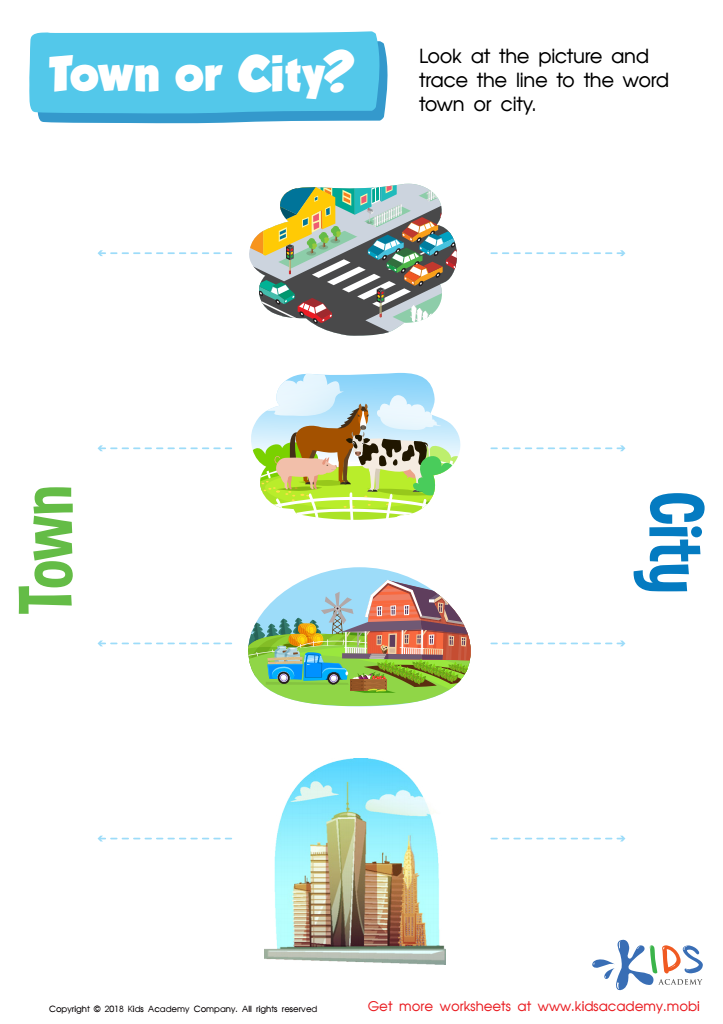
Town or City? Worksheet
 Assign to My Students
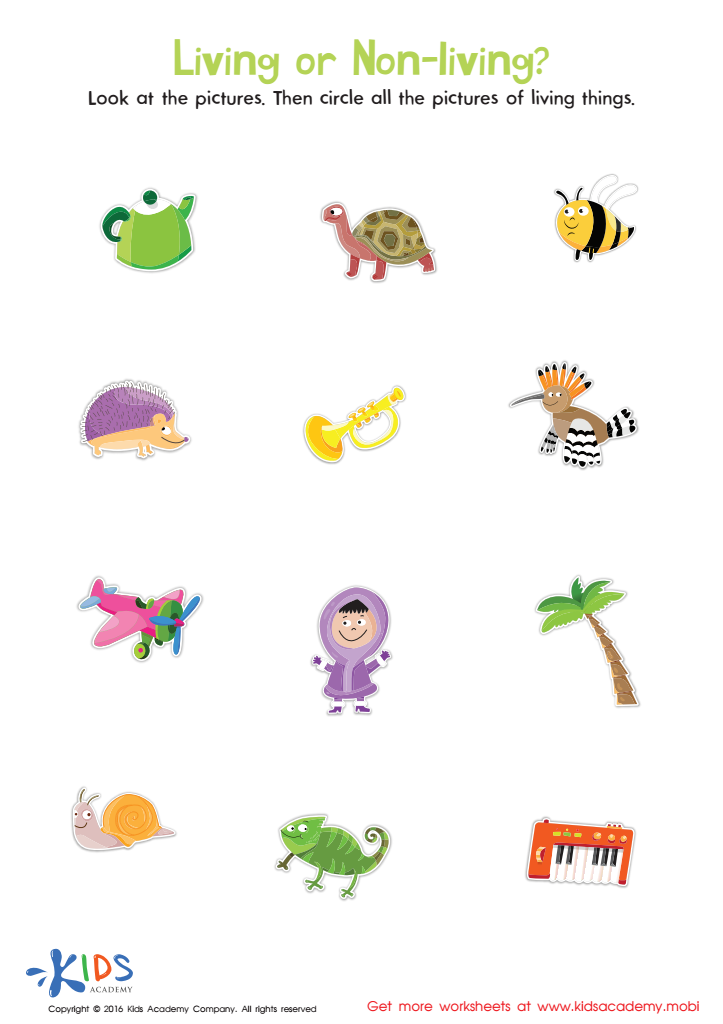
Identifying Living and Non–living Things Sorting Worksheet
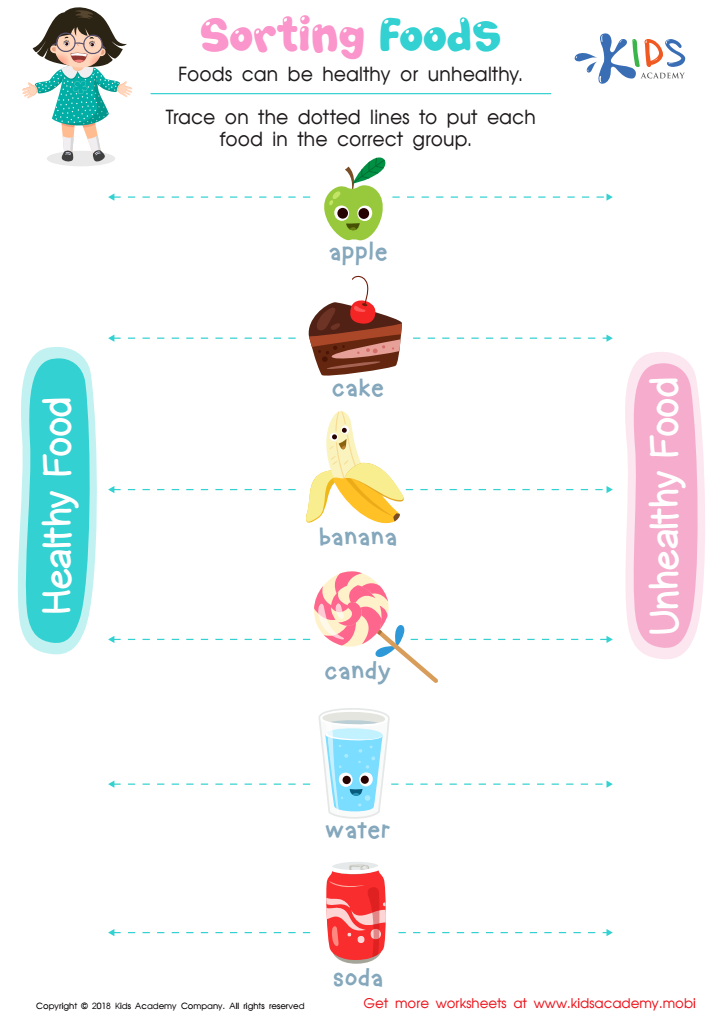
Sorting Food Worksheet
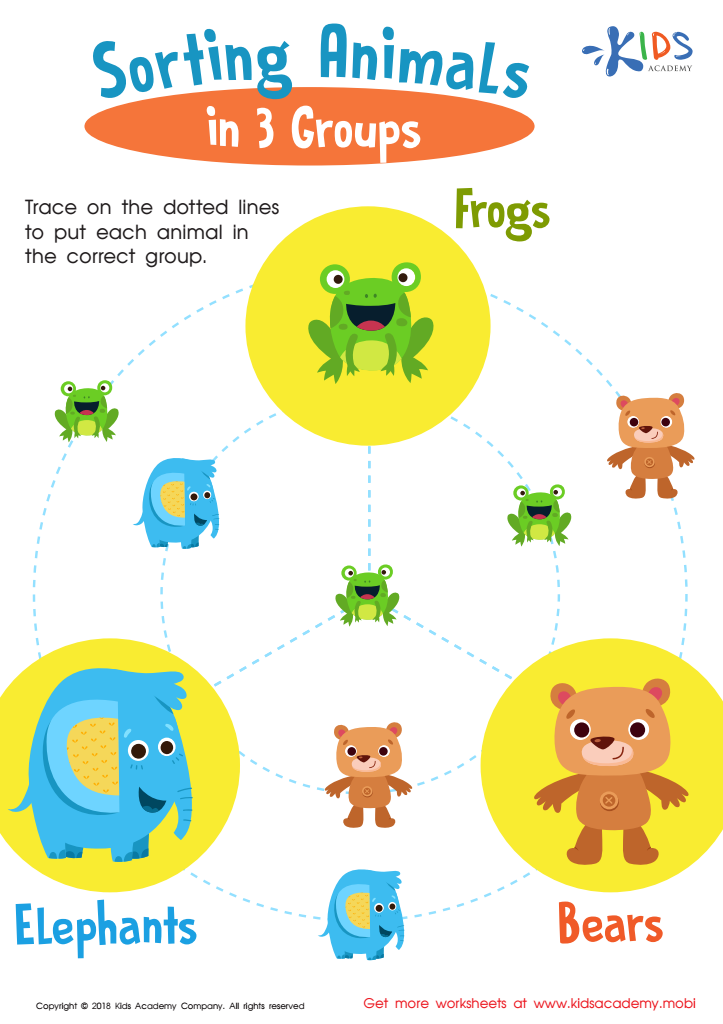
Sorting Animals in 3 Groups Worksheet
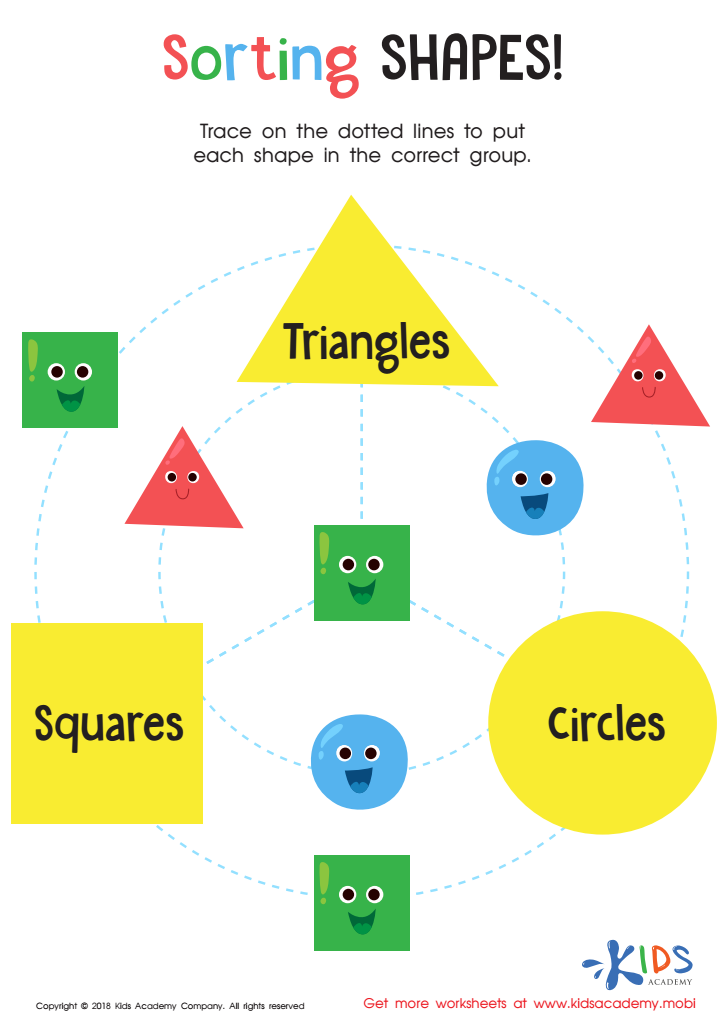
Sorting Shapes - Part 3 Worksheet
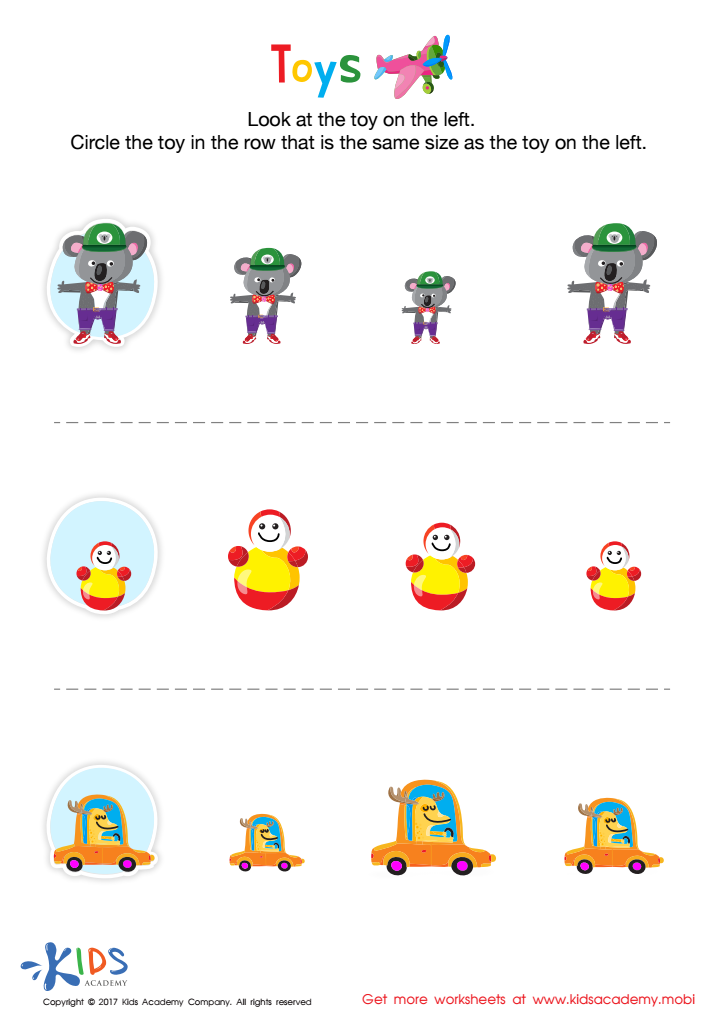
Matching: Classifying Toys by Size Worksheet
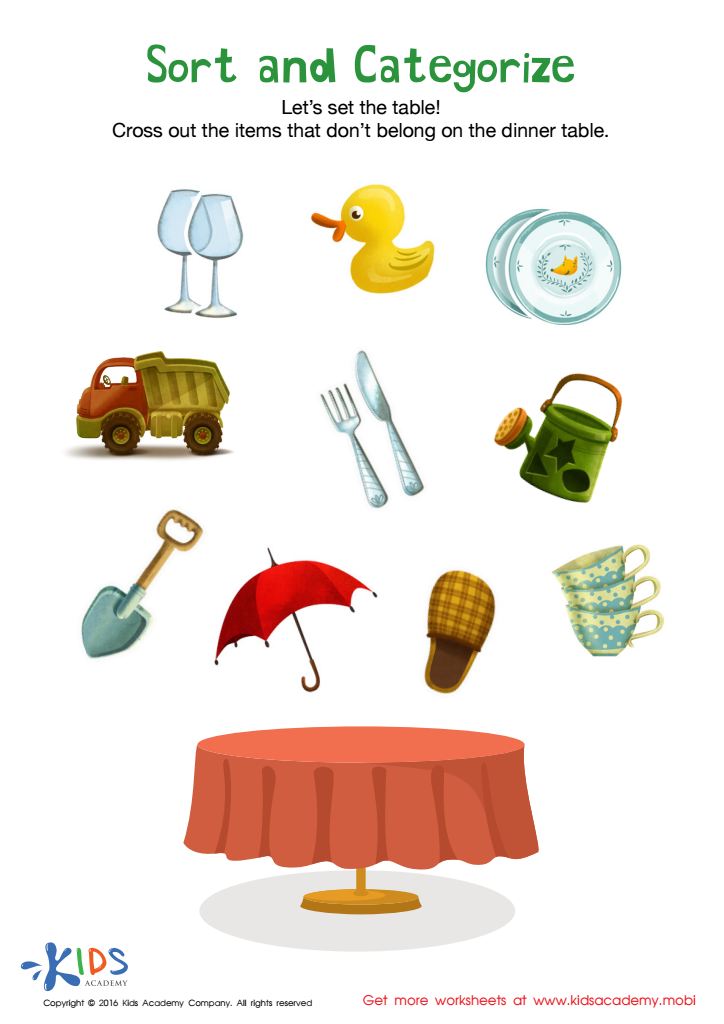
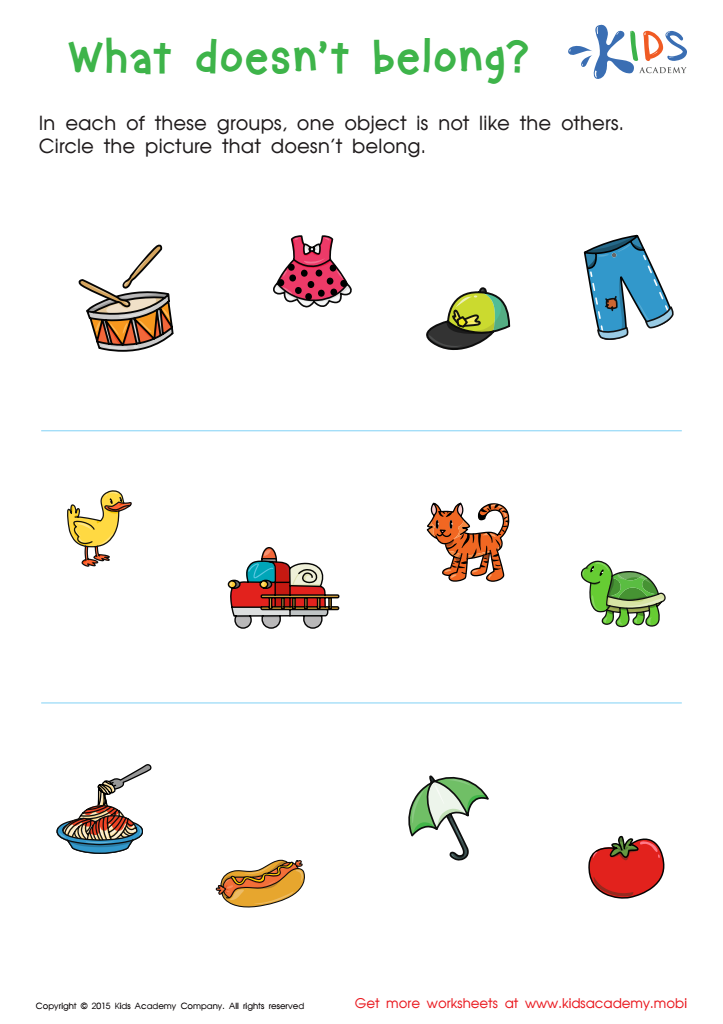
First Words: What Doesn't Belong Worksheet
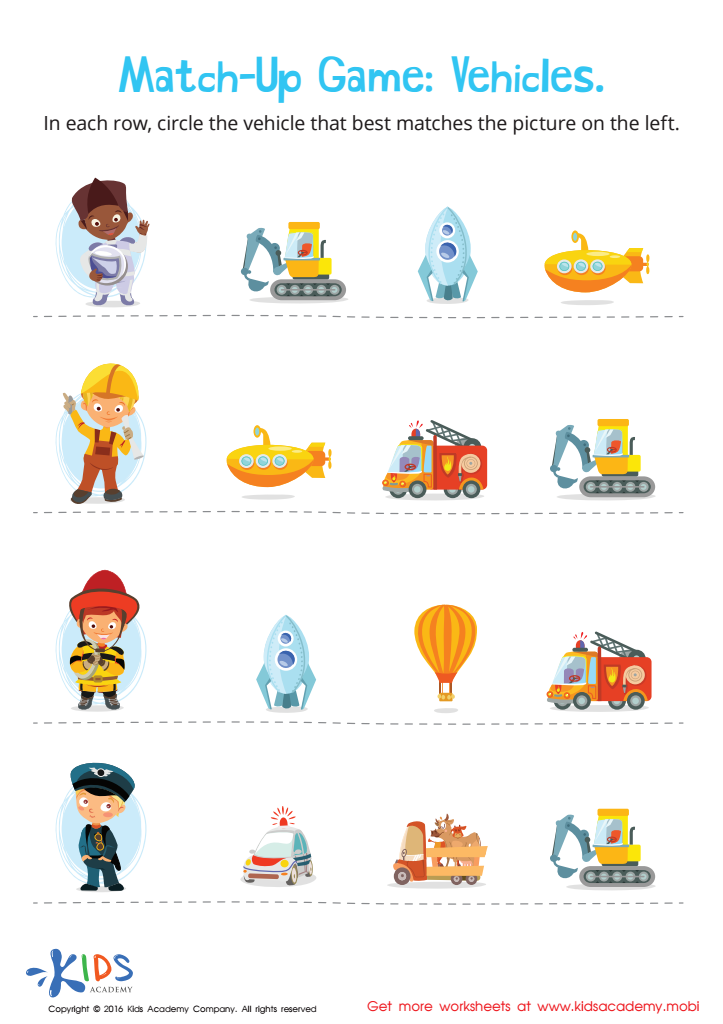
Vehicles Worksheet
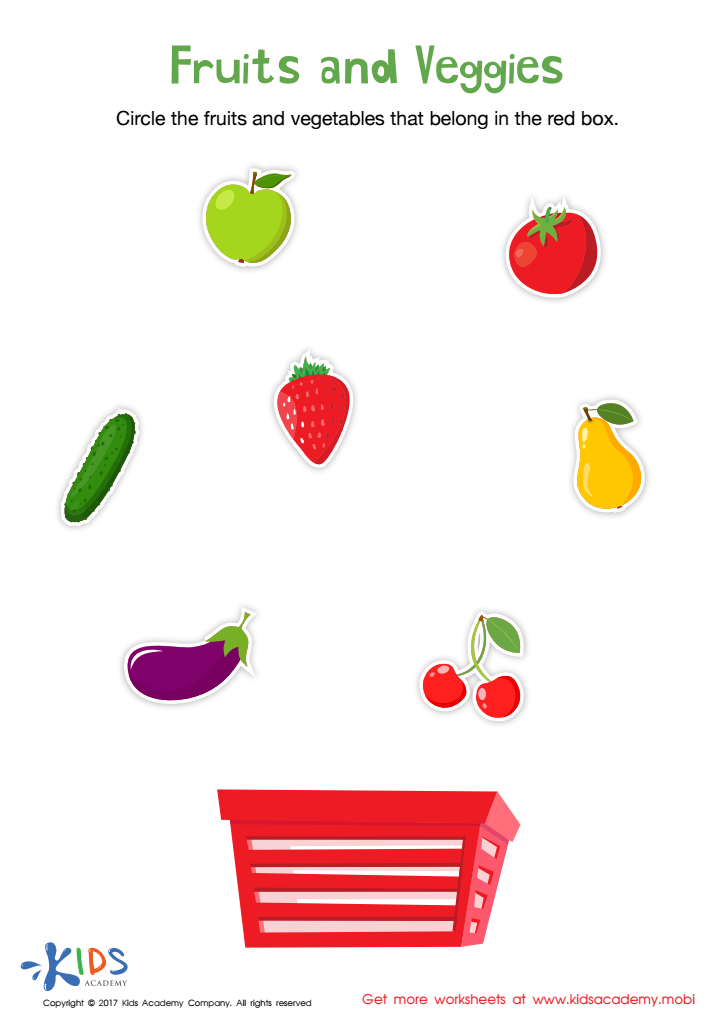
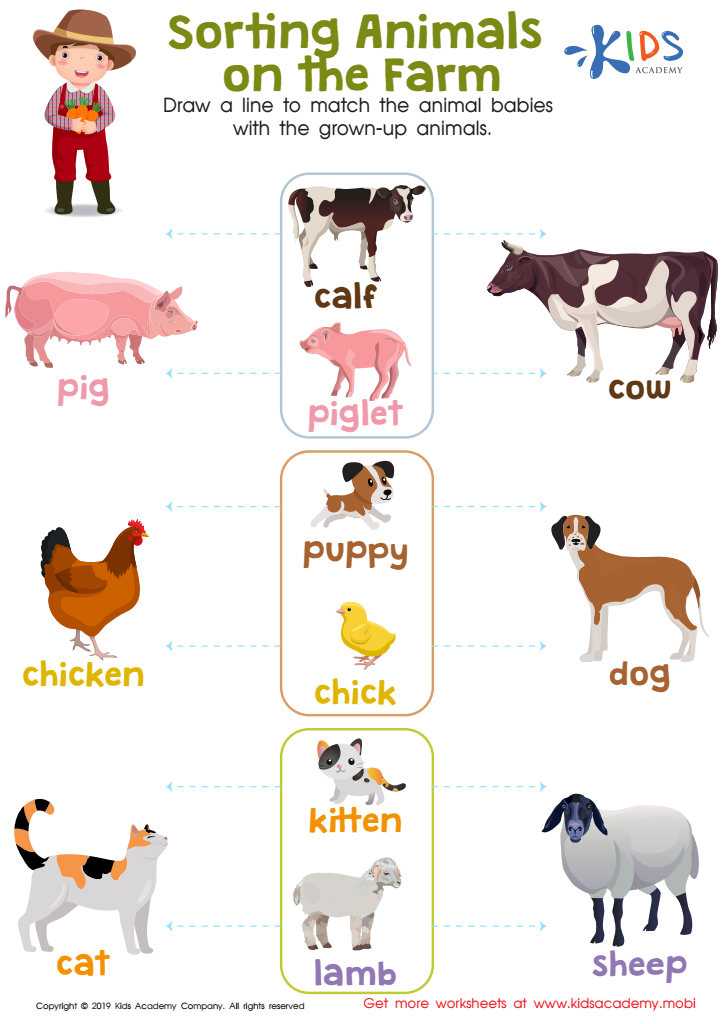
Sorting Animals on the Farm Worksheet
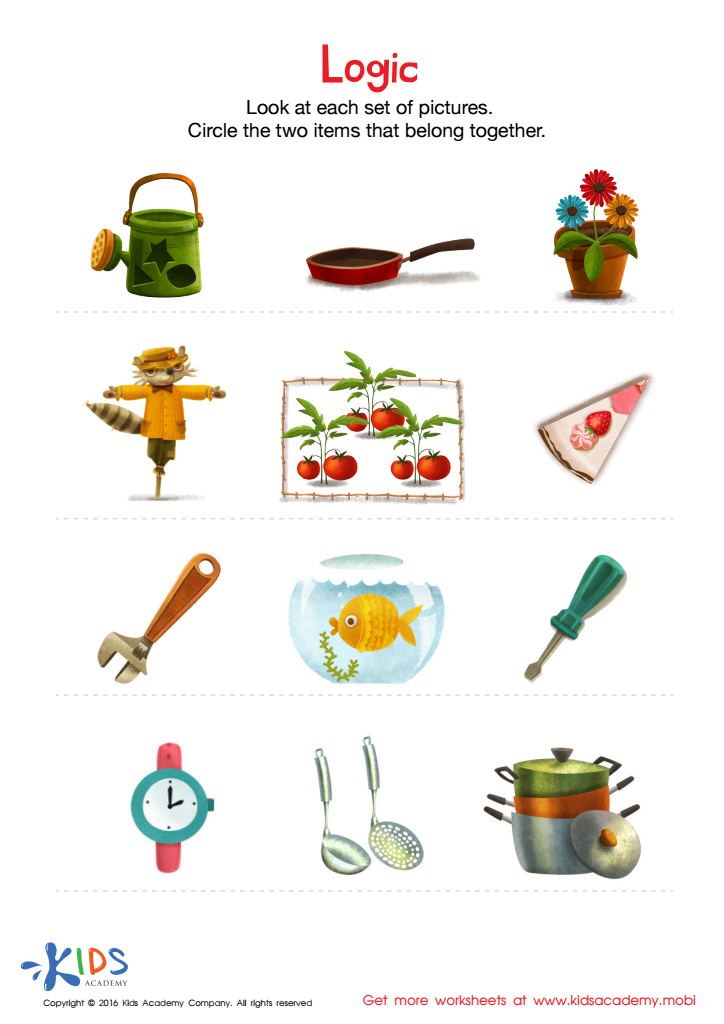
Logic Game Sorting Worksheet
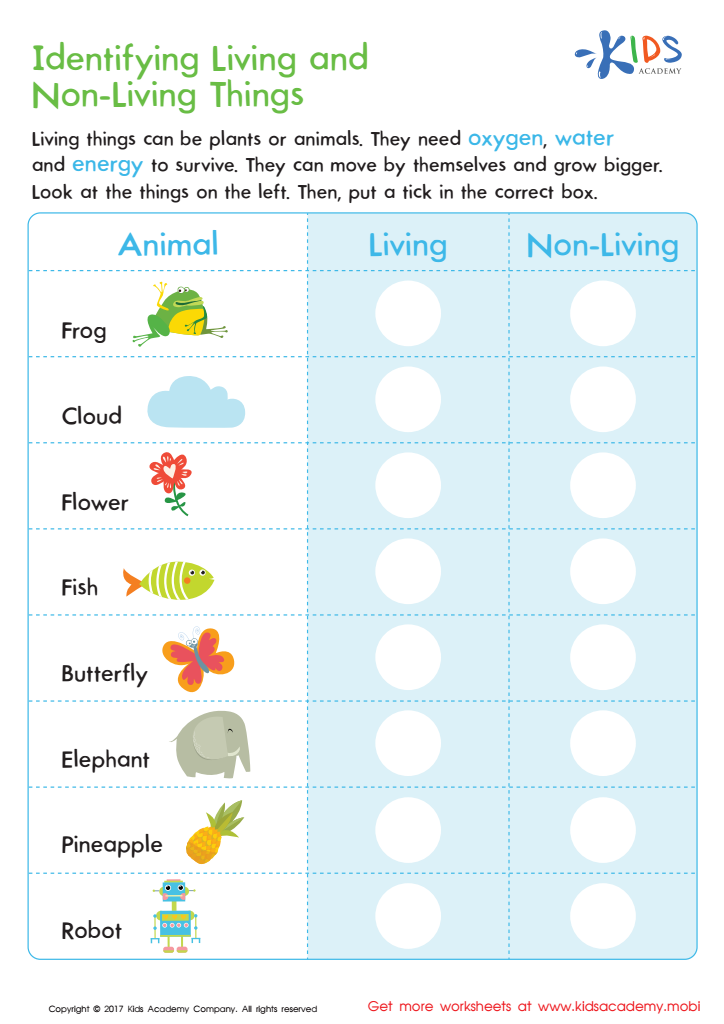
Identifying Living or Non–living Worksheet
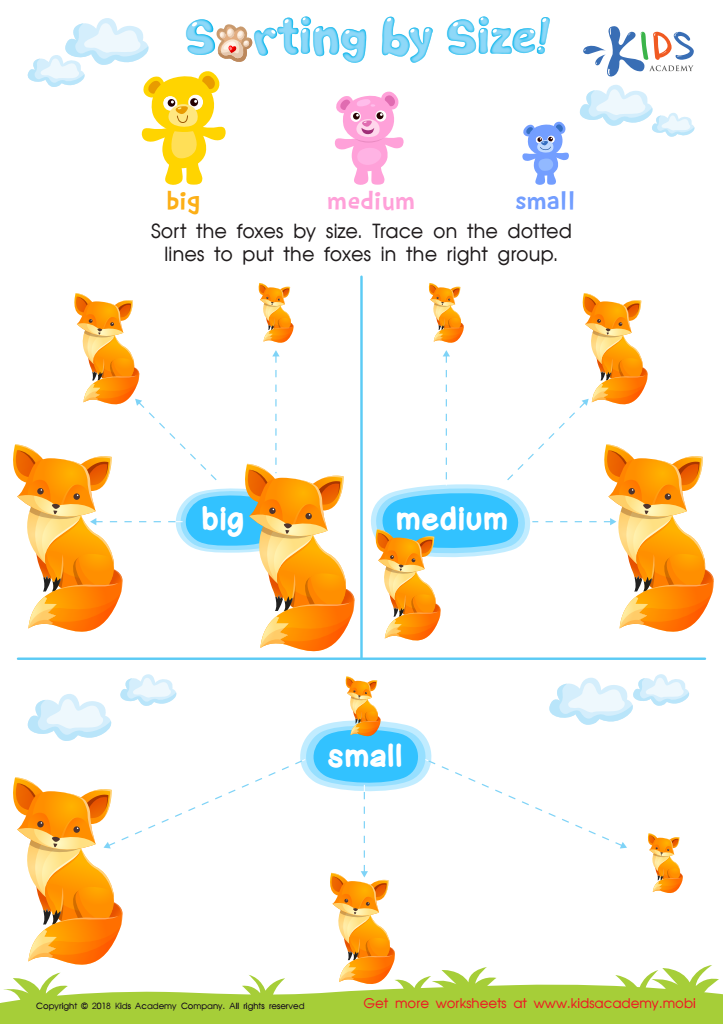
Sorting by Size Worksheet
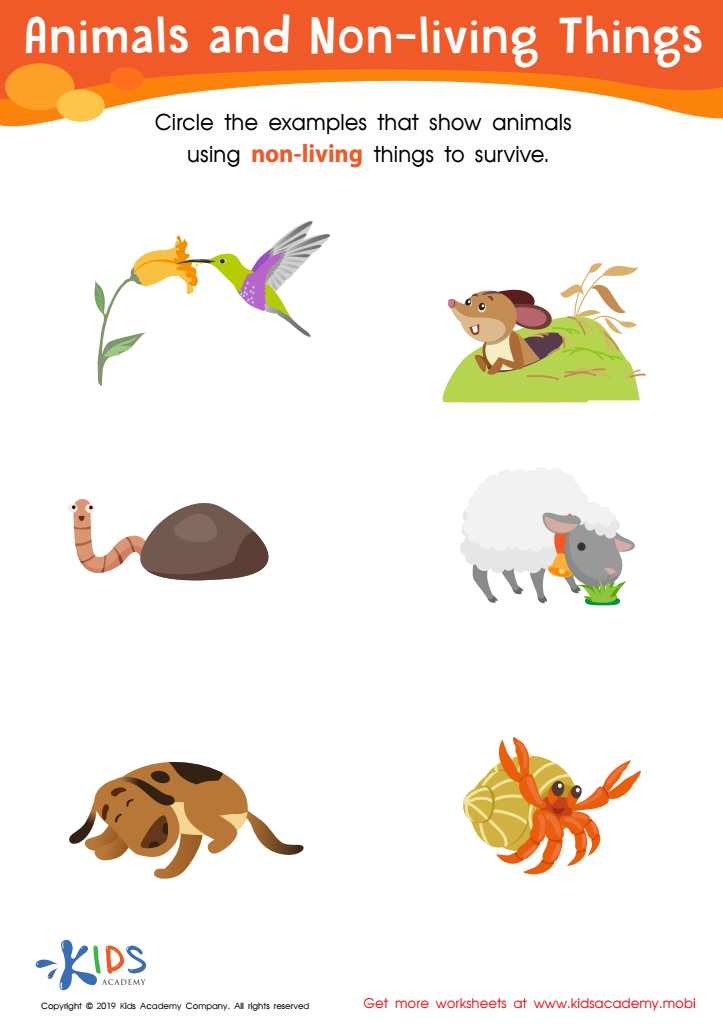
Animals and Non-Living Things Worksheet





Categorization skills are crucial for children aged 4-5 as they lay the foundational framework for cognitive development and learning. At this stage, children begin to understand how to group objects, ideas, and experiences based on shared characteristics. This ability not only enhances their critical thinking but also fosters problem-solving skills that are essential throughout their academic journey.
Engaging in categorization helps children develop vocabulary and language skills by requiring them to articulate the similarities and differences between objects. For instance, grouping fruits versus vegetables or sorting animals by habitat encourages discussions that enrich their language and communication abilities. Additionally, these skills promote organizational abilities, enabling children to process information more effectively, which is vital as they enter more structured learning environments.
Furthermore, understanding categories helps children make sense of complex information and relationships in their world, improving their confidence and independence. Encouraging categorization through play and interactive activities makes learning enjoyable, reinforcing their social and emotional development. Therefore, parents and teachers should prioritize fostering these skills to equip children with the necessary tools for future academic success and lifelong learning.








