Counting skills Normal Worksheets for Ages 4-5
79 filtered results
-
From - To
Unlock your child's potential with our Counting Skills Normal Worksheets for Ages 4-5, designed to make early math fun and engaging. These thoughtfully crafted activities help young learners master basic counting concepts, recognize numbers, and develop essential problem-solving skills. Our worksheets feature colorful illustrations and interactive exercises that capture children's imagination while enhancing their numerical abilities. Perfect for preschool and kindergarten, these resources provide a solid foundation for future math success. Whether used at home or in the classroom, our Counting Skills Normal Worksheets will inspire confidence and a love for learning in every young mathematician.
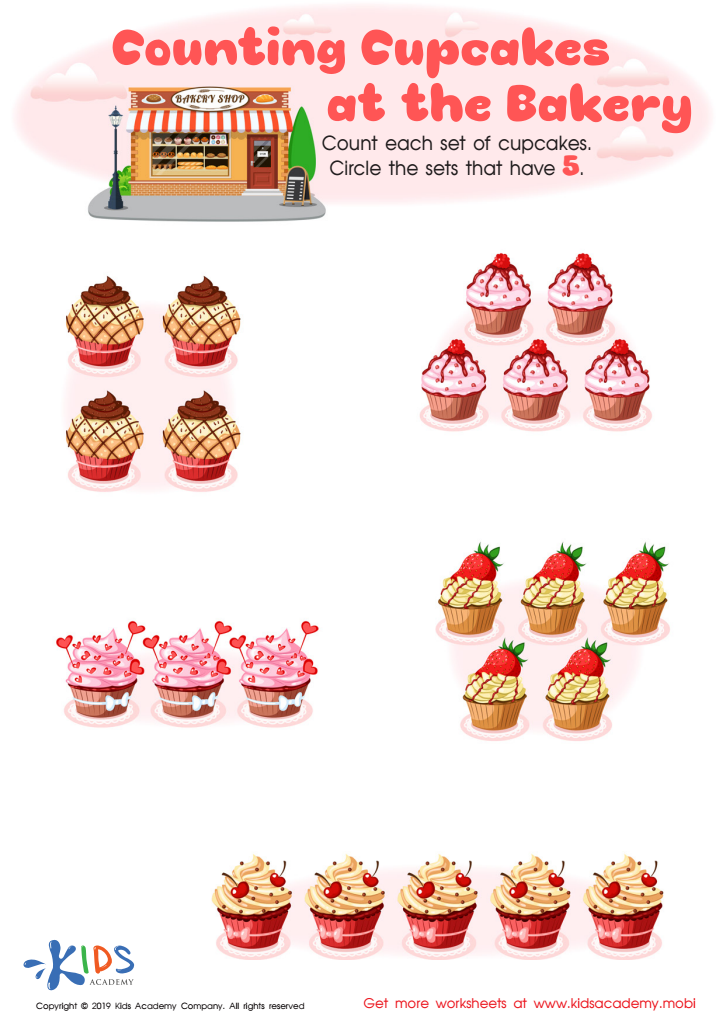
Counting Cupcakes Worksheet
 Assign to My Students
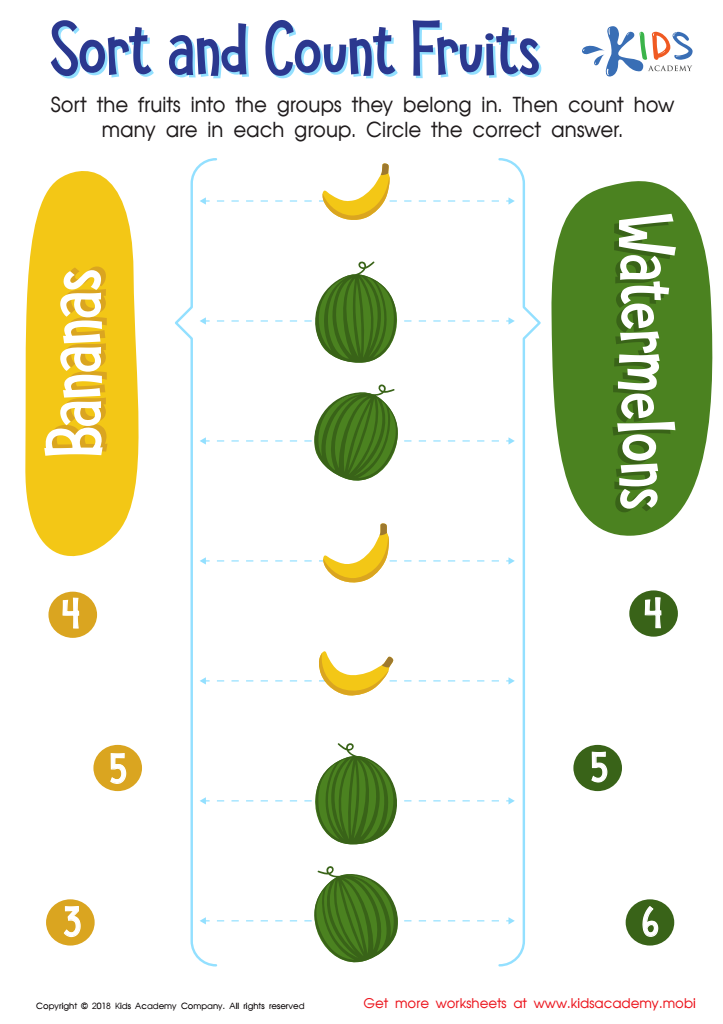
Sort and Count Fruits Worksheet
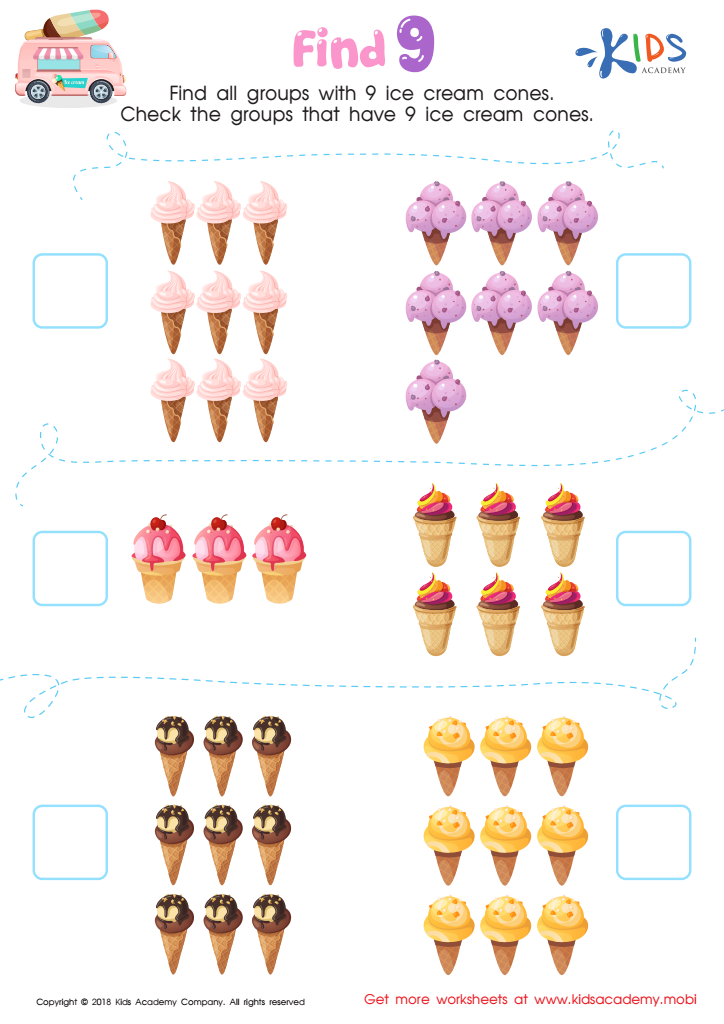
Find 9 Worksheet
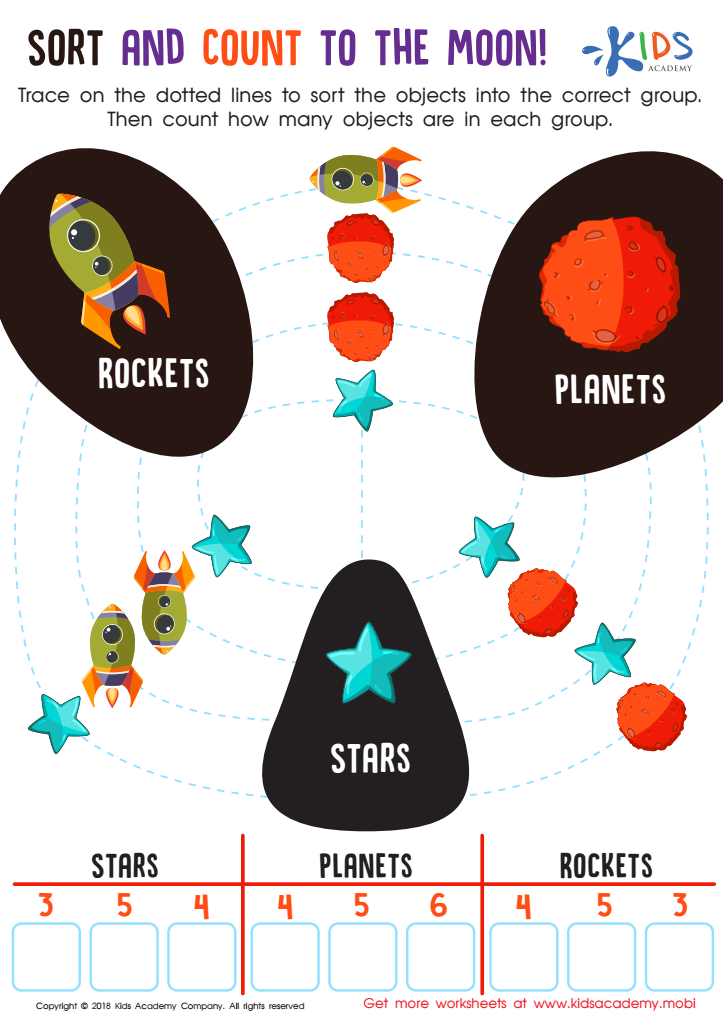
Sort and Count to the Moon Worksheet
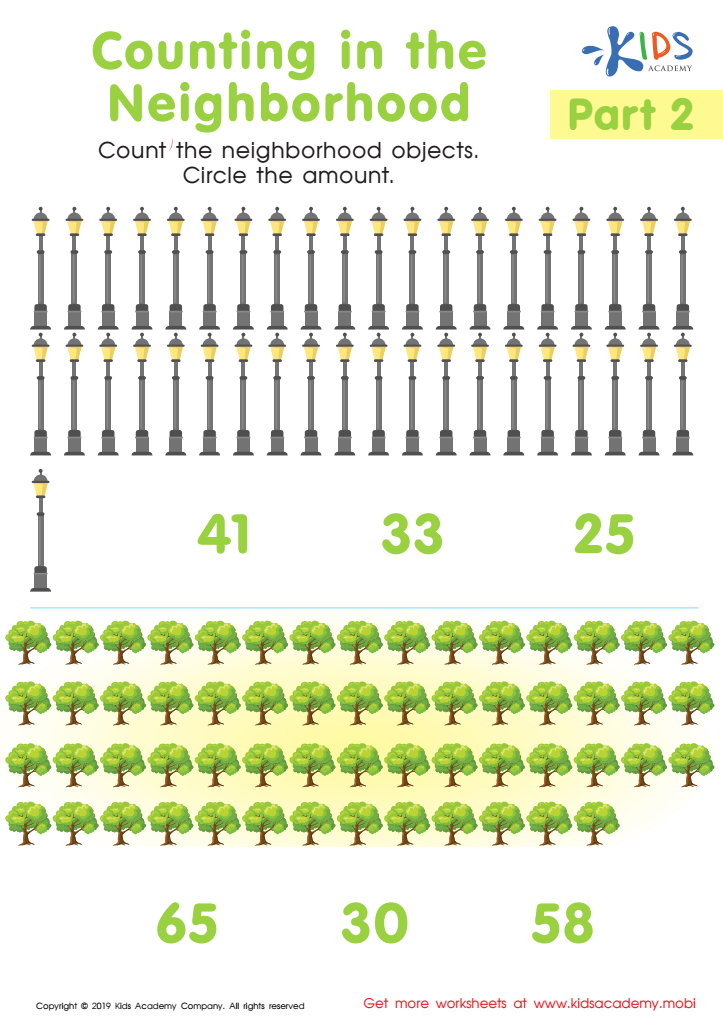
Counting In The Neighborhood Part 2 Worksheet
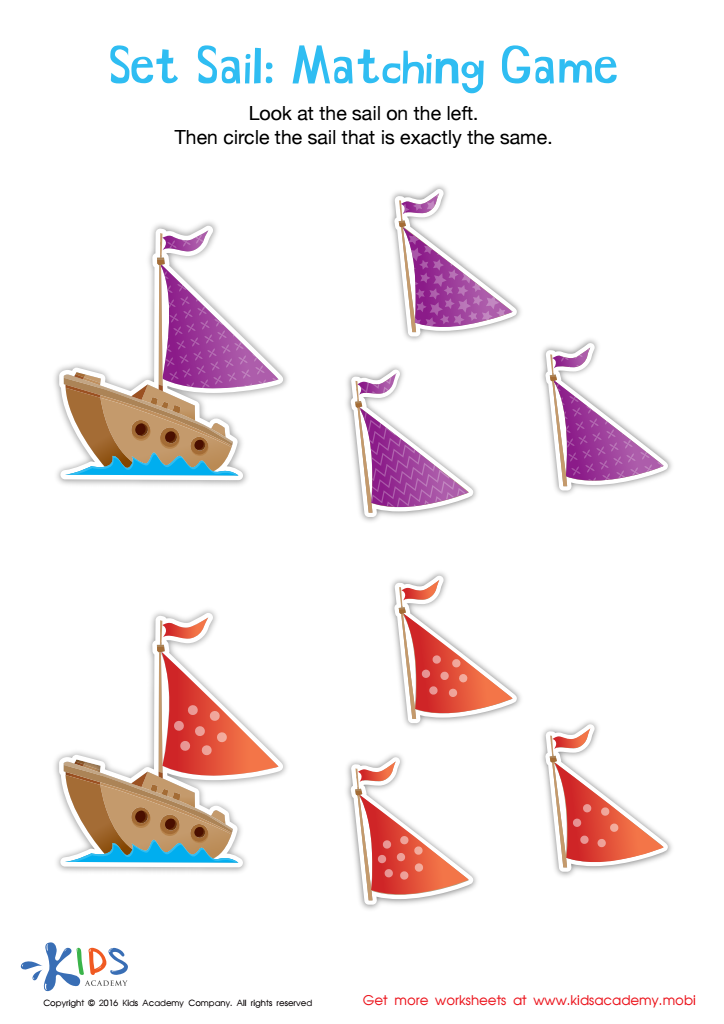
Set Sail Worksheet
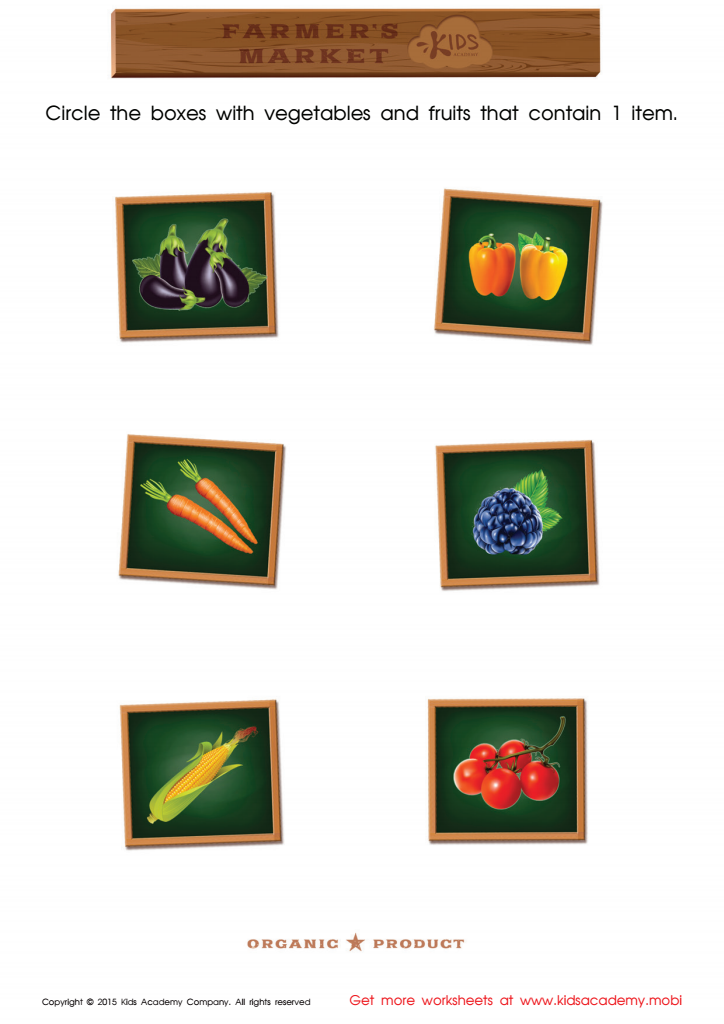
Count and Match Boxes with Vegetables
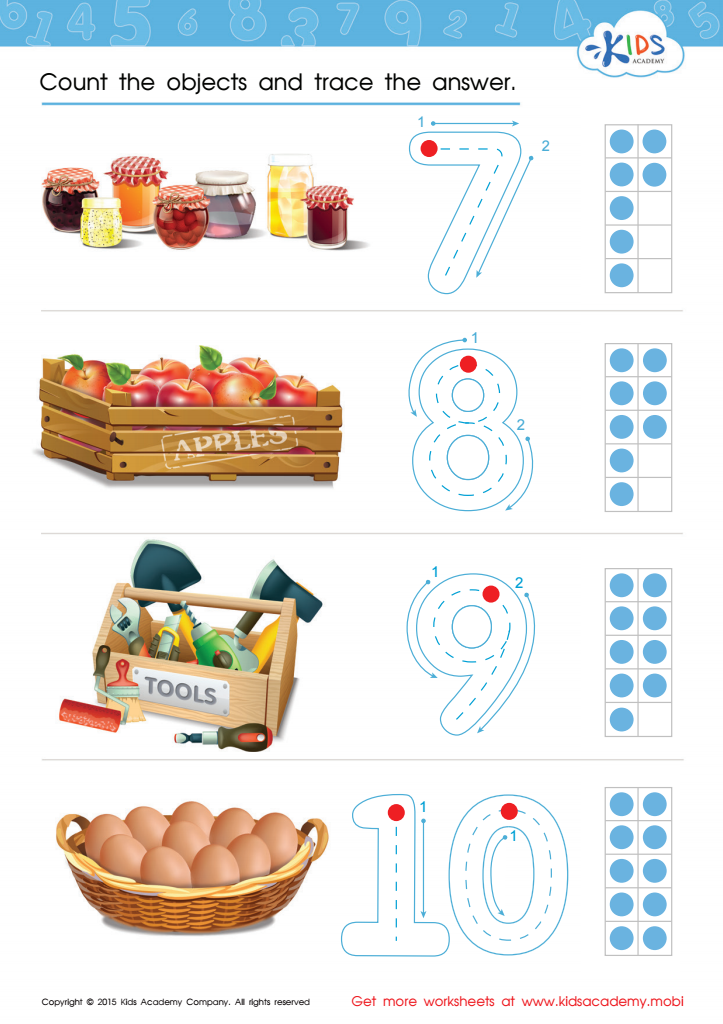
Count and Trace 7 – 10 Worksheet

African Wildlife: Giraffe Worksheet
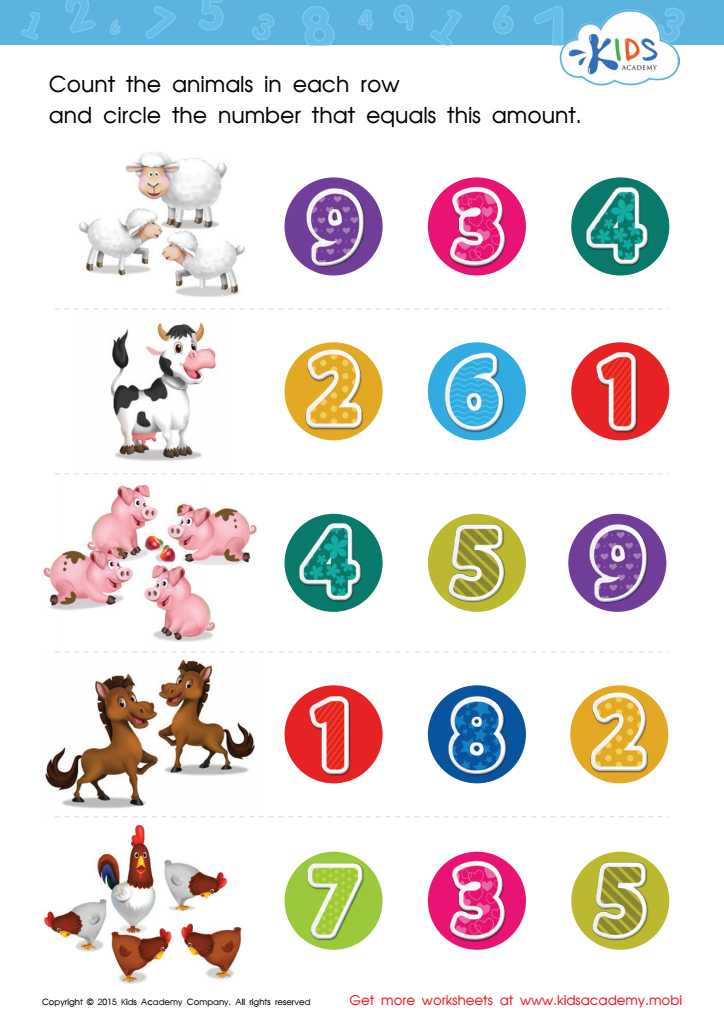
Count and Match 1 – 5 Math Worksheet
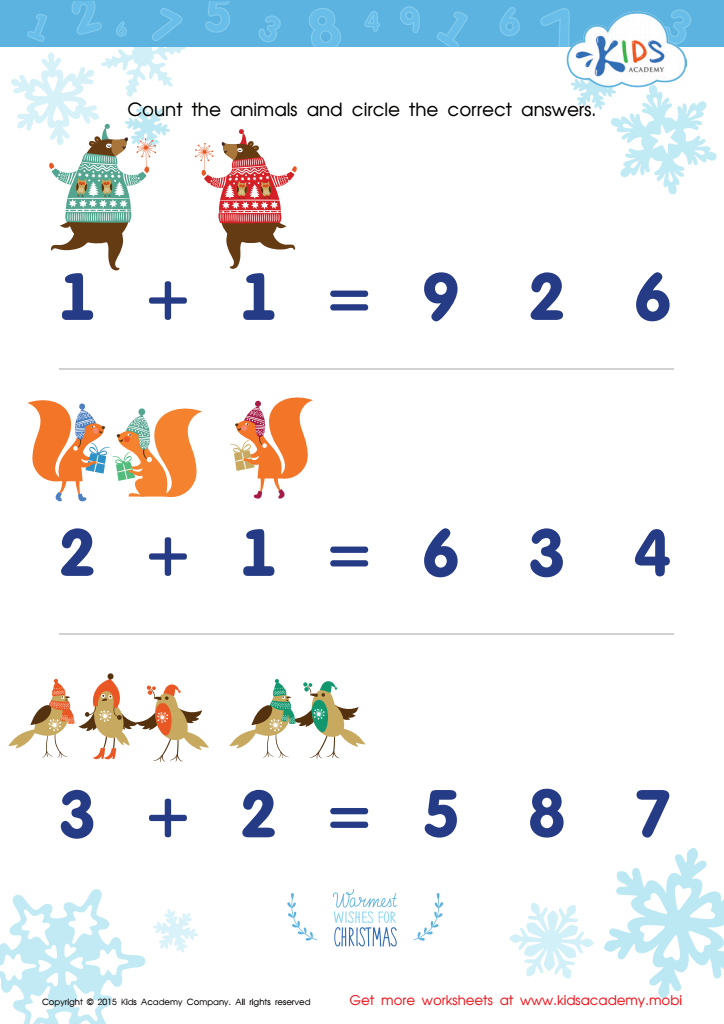
Count Funny Animals Worksheet
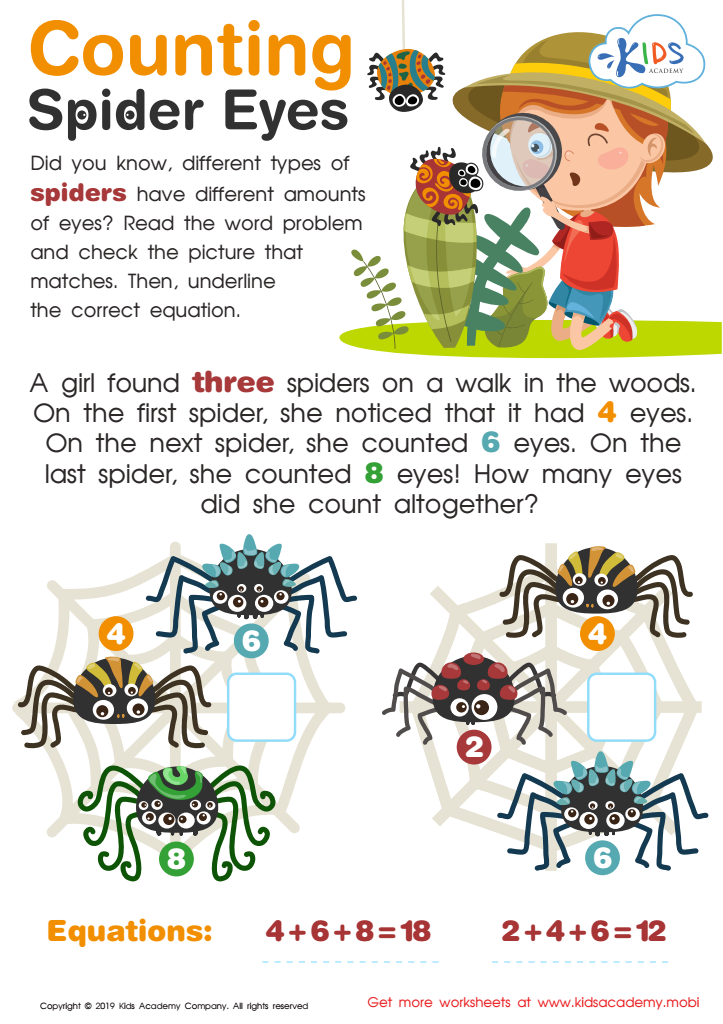
Counting Spider Eyes Worksheet
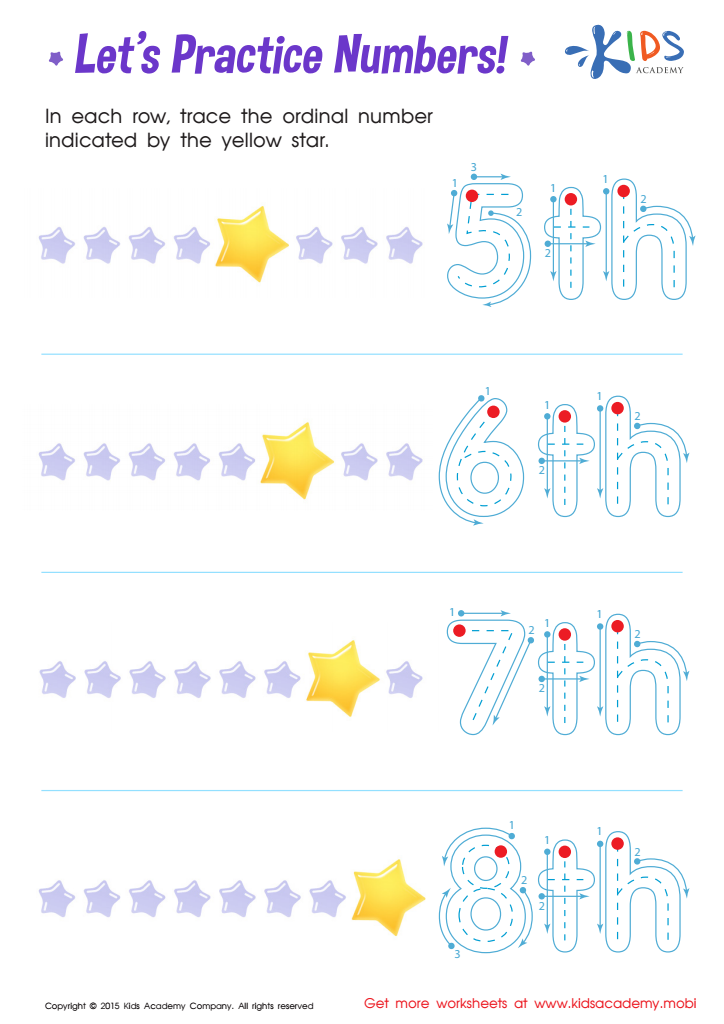
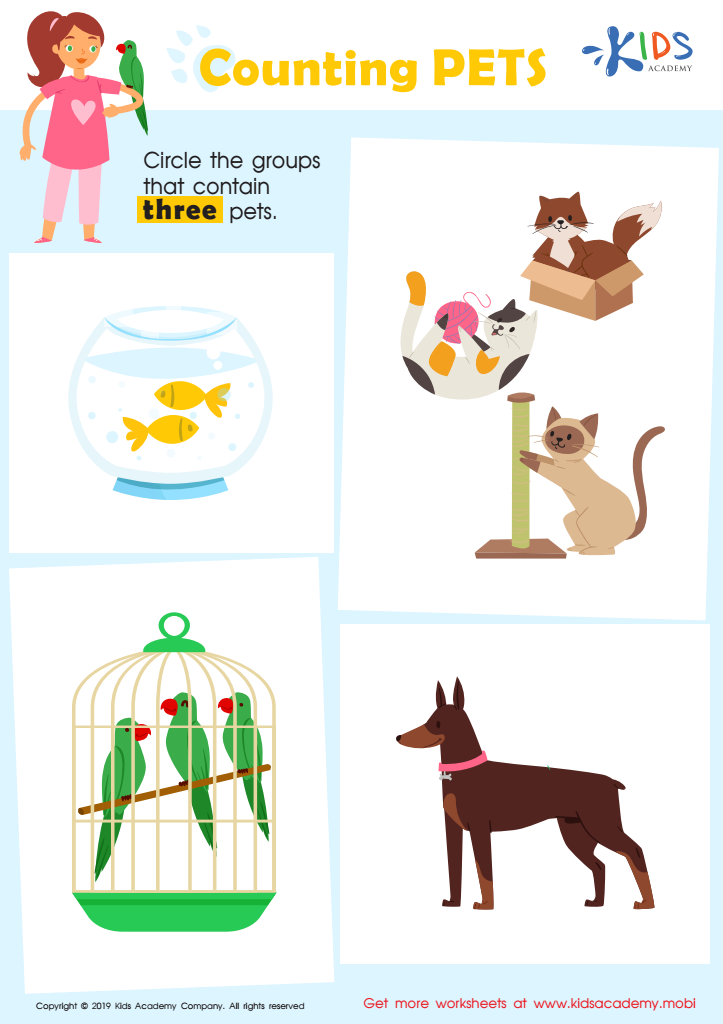
Counting Pets Worksheet
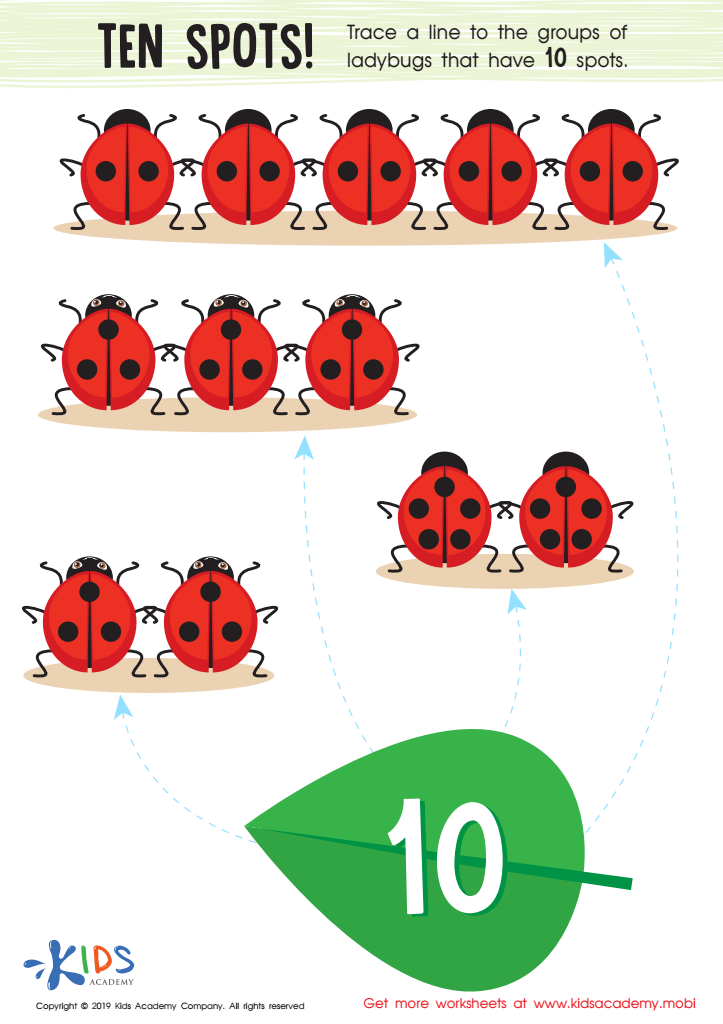
Ten Spots Worksheet
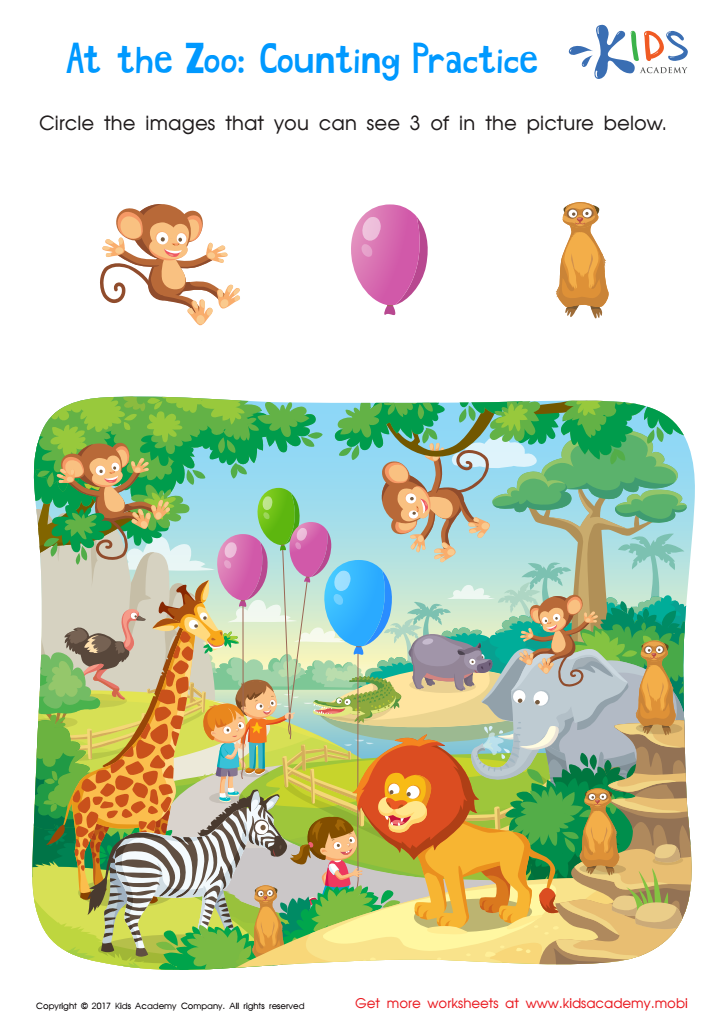
At the Zoo: Counting Practice Worksheet
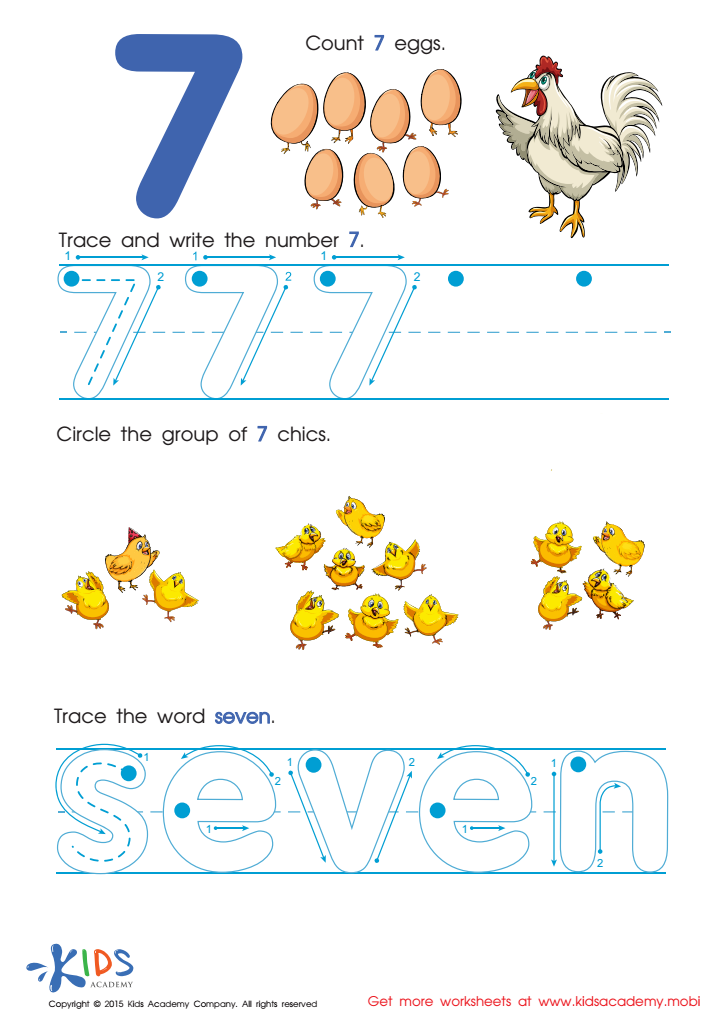
Trace And Write Number 7 with Fun Worksheet
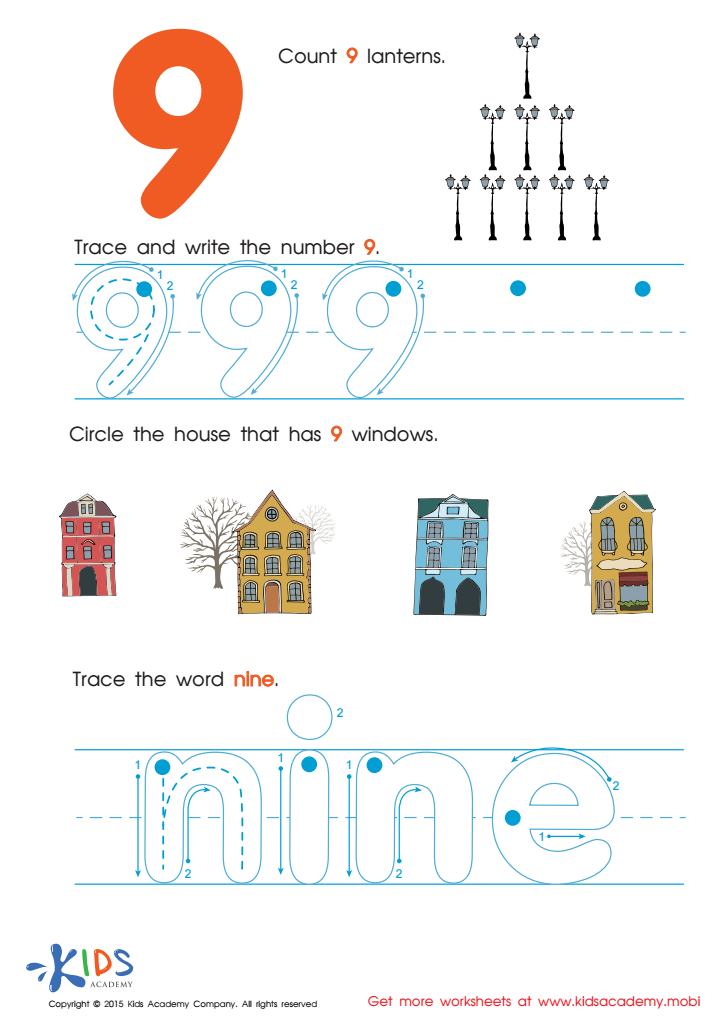
Tracing And Learning to Write Number 9 Worksheet
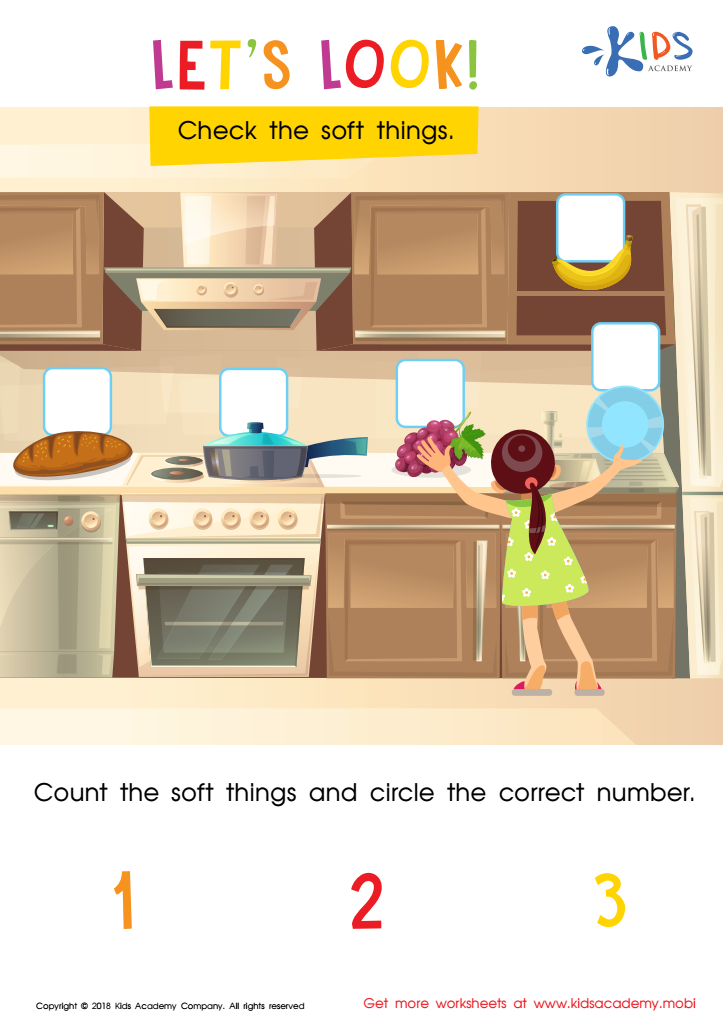
Let's Look! Assessment Worksheet
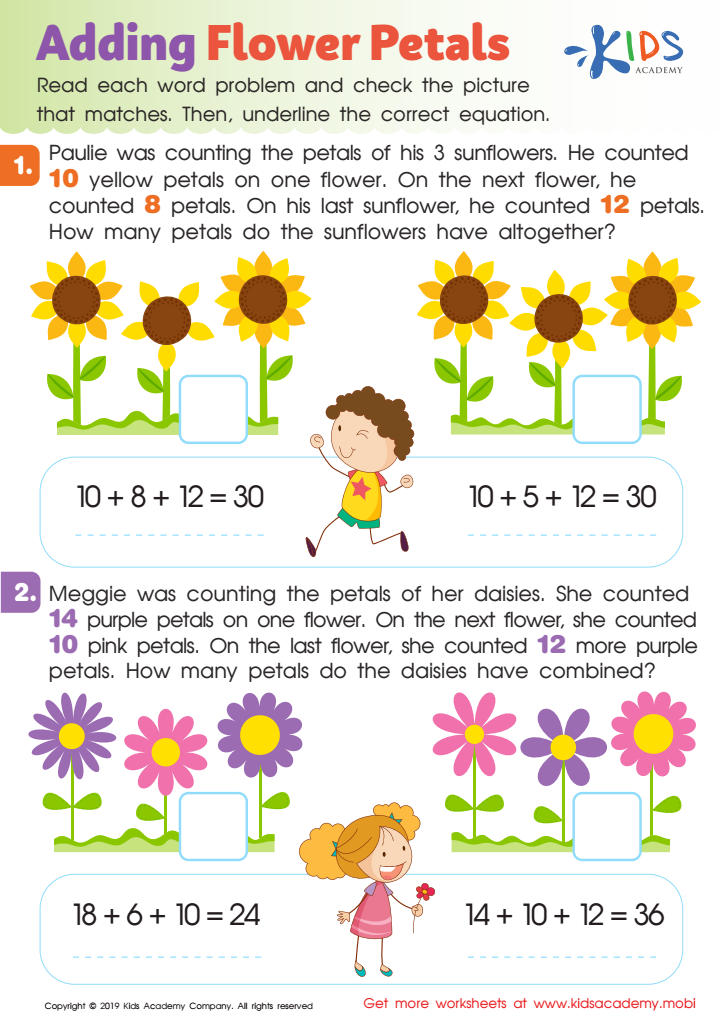
Adding Flower Petals Worksheet
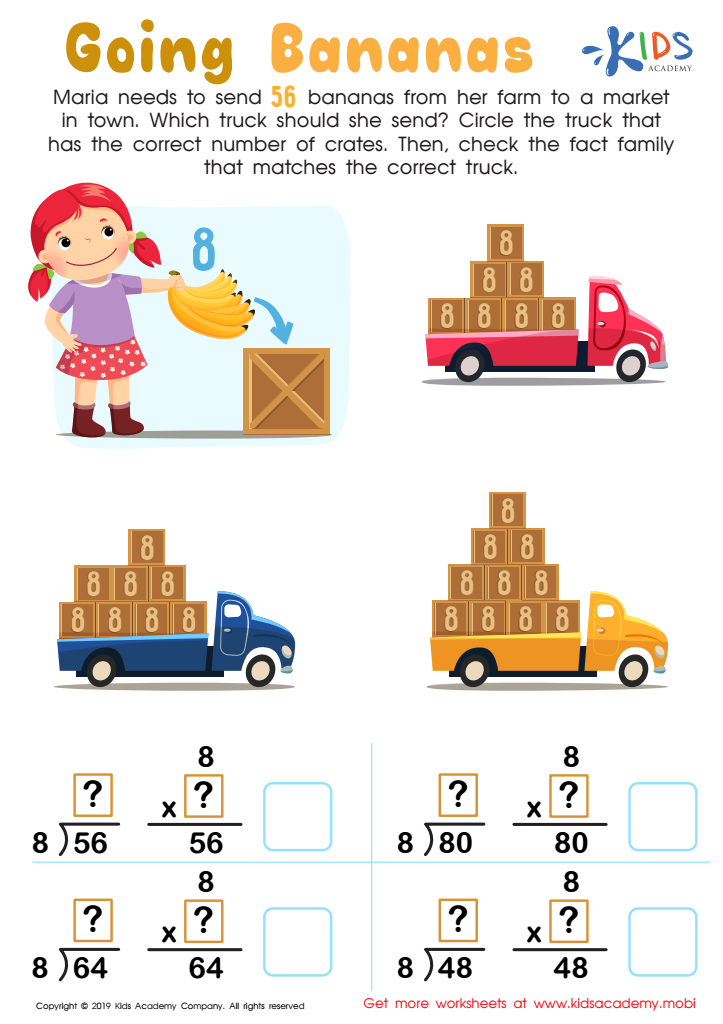
Going Bananas Worksheet
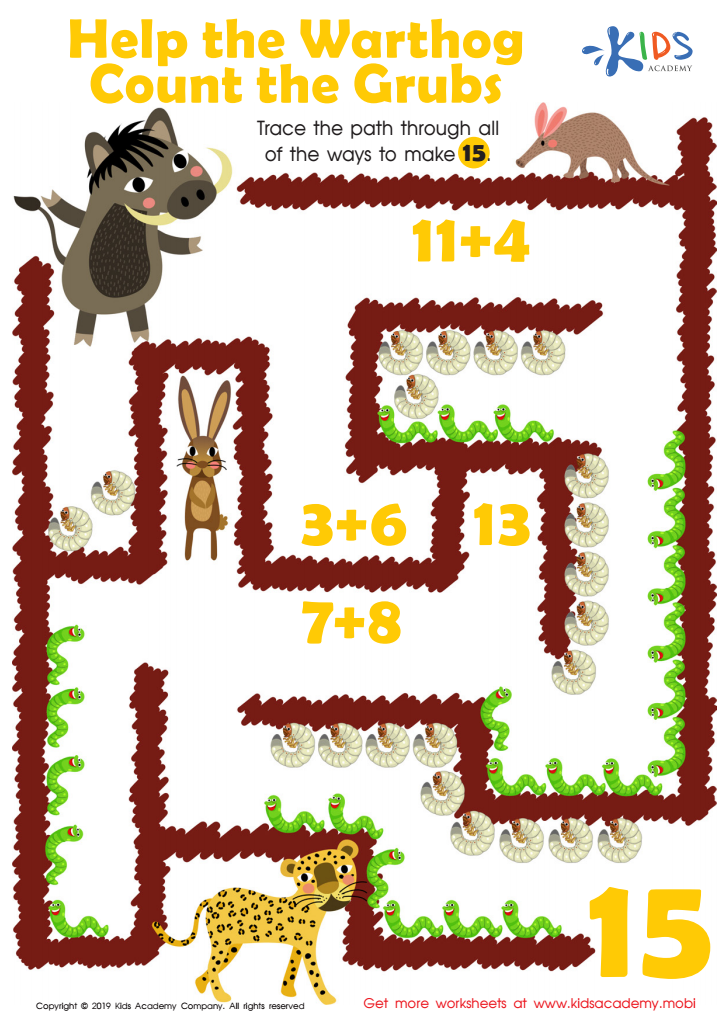
Help the Warthog Count the Grubs Worksheet
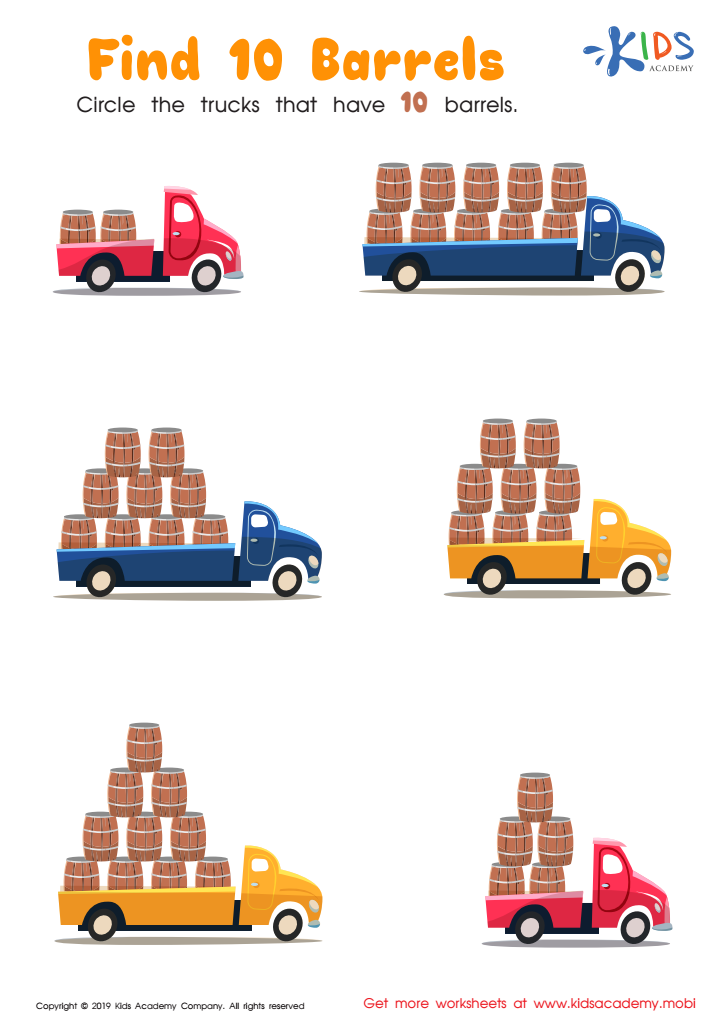
Find 10 Barrels Worksheet





.jpg)


Counting skills in children aged 4-5 are essential for building a strong foundation in mathematics and overall cognitive development. At this crucial developmental stage, kids are learning to understand and relate to numbers in a way that will set the stage for all future mathematical learning. When parents and teachers prioritize counting skills, they help children develop number sense, which is the ability to recognize numbers, understand their value, and use them in a variety of contexts. This early number familiarity facilitates smoother transitions into more complex arithmetic concepts such as addition, subtraction, and problem-solving.
Moreover, counting skills enhance children's ability to sequence, an important cognitive skill that translates into understanding order and patterns, crucial not just in math, but also in reading and daily routines. When children count accurately aloud or physically with objects, they practice key skills like one-to-one correspondence, the principle that each number corresponds to one object. This reinforces the meaning behind counting and number relationships. Encouraging these skills at an early age can enhance attention spans and improve fine motor skills as children learn to manipulate objects.
In summary, mastering counting skills between ages 4-5 equips children with critical cognitive tools for academic success and contributes significantly to their overall intellectual growth.








