Pattern recognition Normal Worksheets for Ages 4-5
10 filtered results
-
From - To
Discover our engaging Pattern Recognition Normal Worksheets designed for children aged 4-5! These worksheets help young learners develop essential cognitive skills by encouraging them to identify and complete patterns through fun and interactive activities. With bright visuals and age-appropriate tasks, children will enhance their critical thinking while enjoying the learning process. Our resources support early education by promoting observational skills and logical reasoning, setting a strong foundation for future academic success. Perfect for home or classroom use, these worksheets ensure that your child masters pattern recognition in a safe and stimulating environment. Start exploring the world of patterns today!
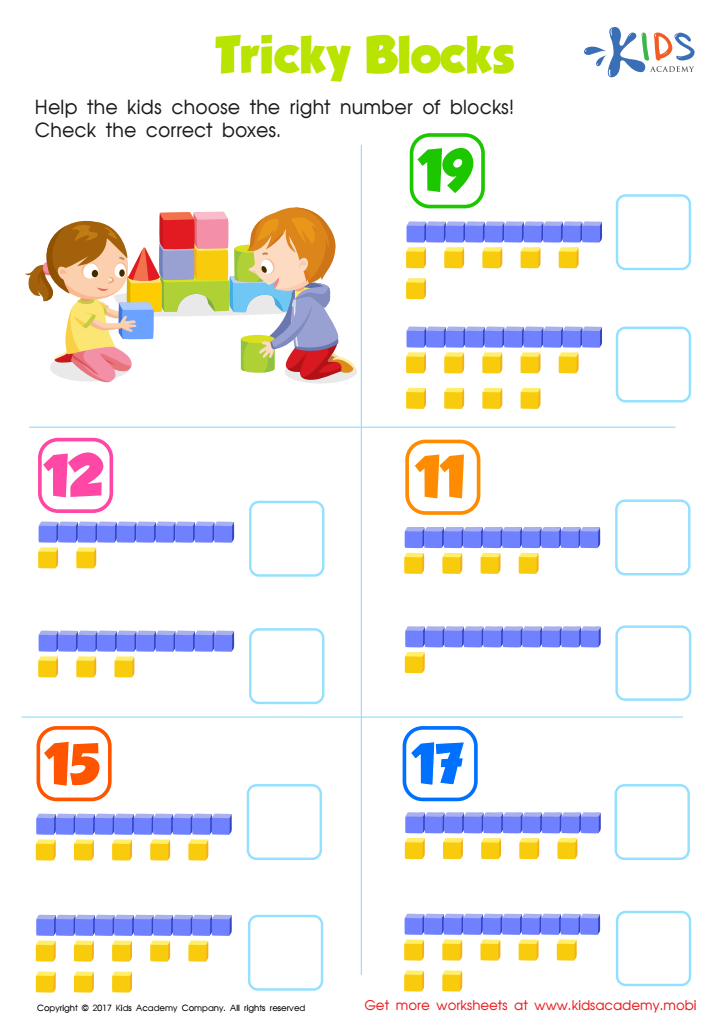
Tricky Blocks Worksheet
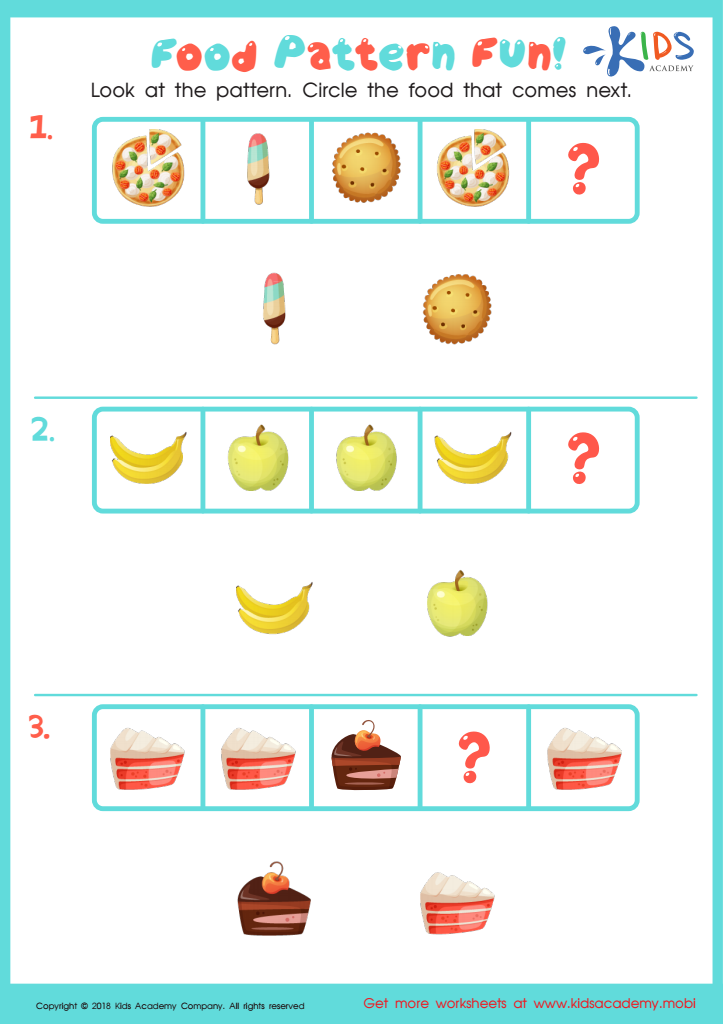
Food Pattern Fun Worksheet
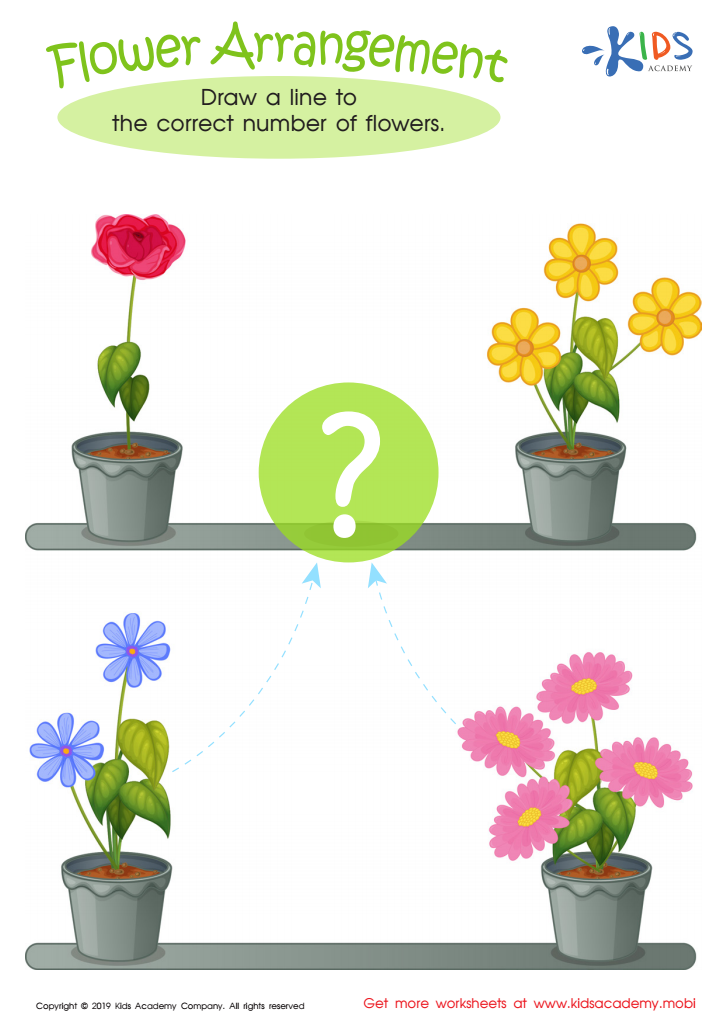
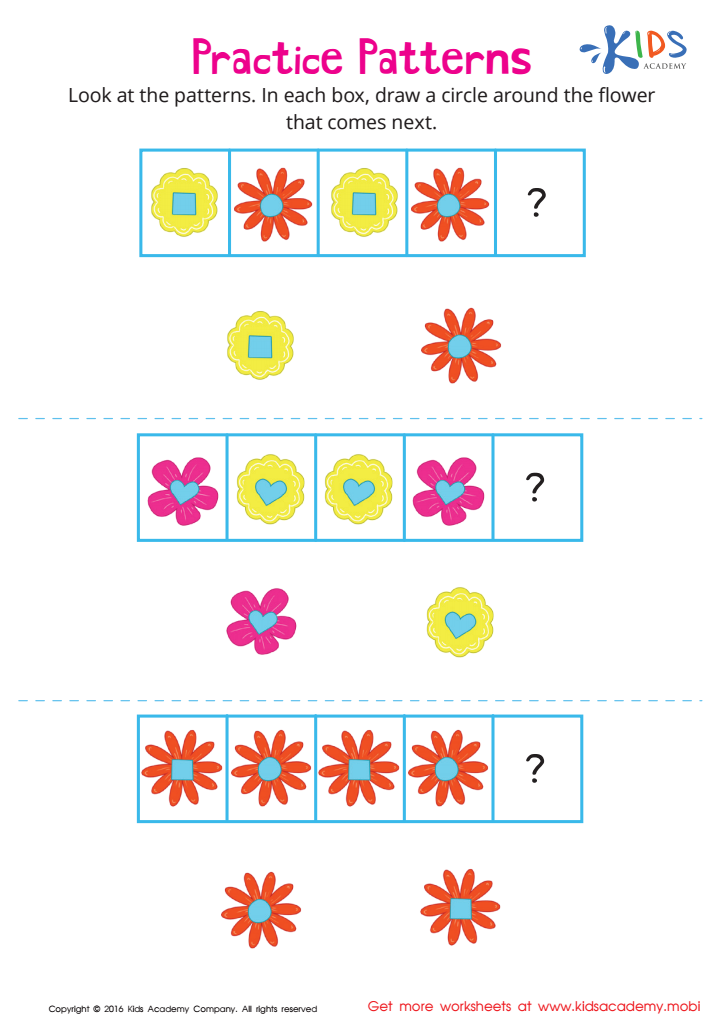
Flower Arrangement Worksheet
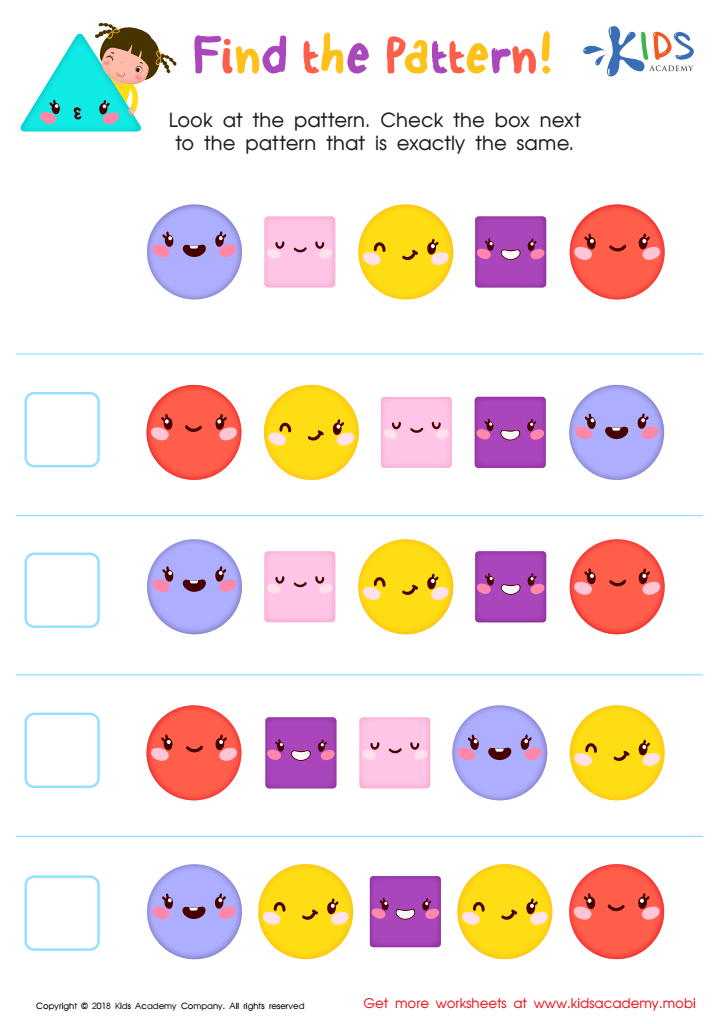
Find the Pattern Worksheet
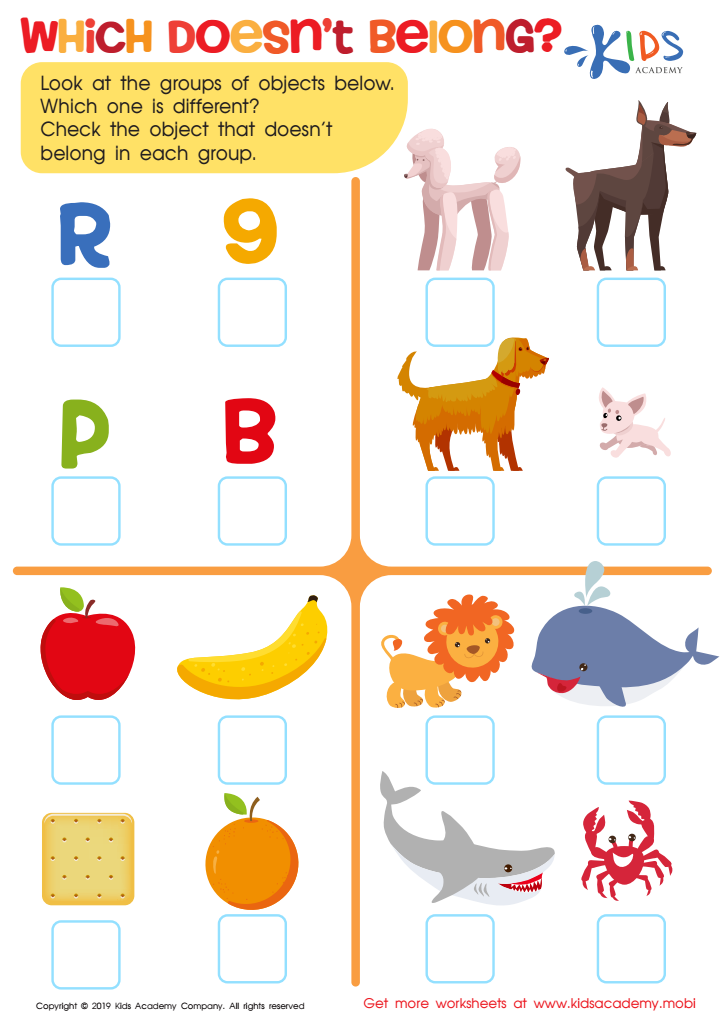
Which Doesn't Belong? Worksheet
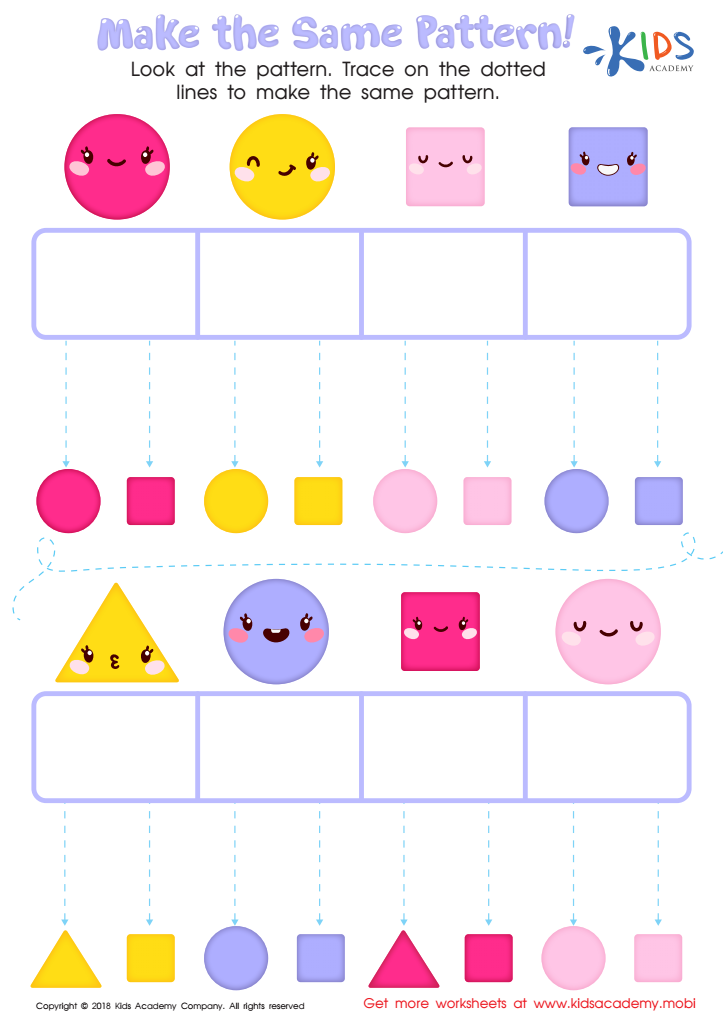
Make the Same Pattern Worksheet
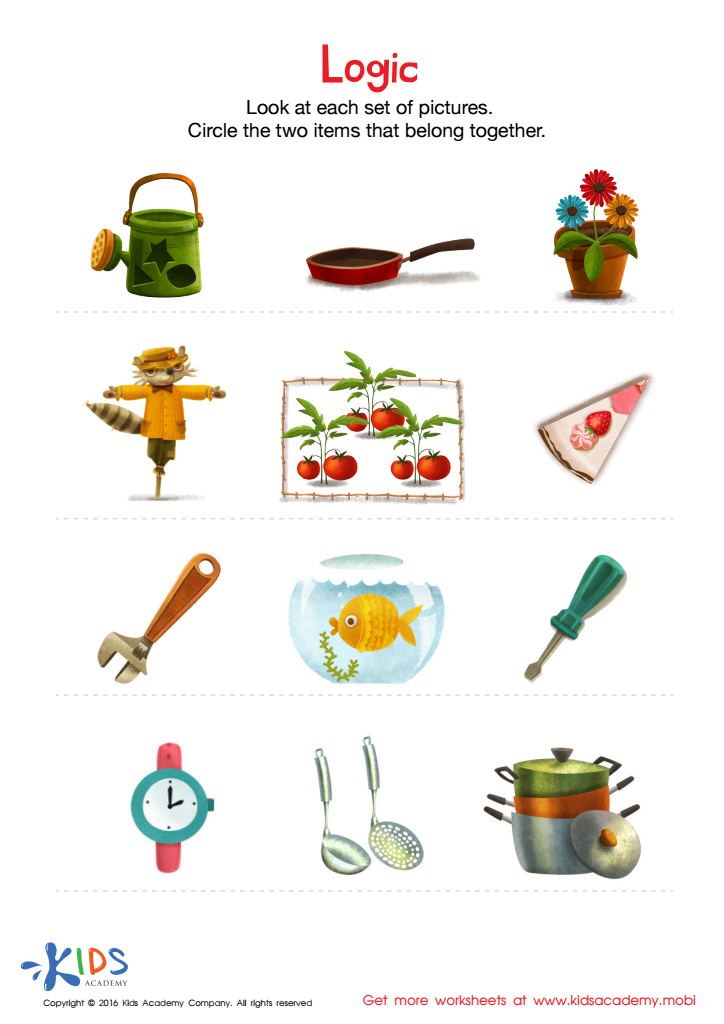
Logic Game Sorting Worksheet
Christmas: Christmas Tree Printable
 Assign to My Students
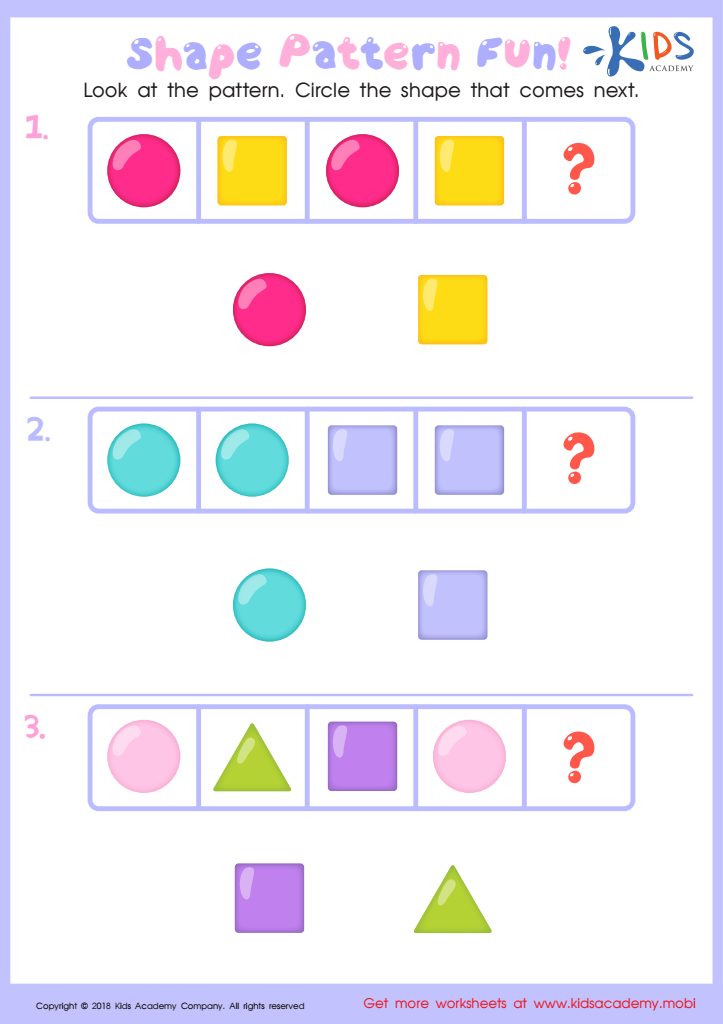
Shape Pattern Fun Worksheet


.jpg)




.jpg)
Pattern recognition is a fundamental skill that significantly influences early childhood development for children ages 4 to 5. Parents and teachers should care about this skill because it serves as a foundation for various learning domains, including mathematics, language, and problem-solving.
At this age, children start to identify, create, and predict patterns in different contexts, such as shapes, colors, numbers, and sounds. Developing pattern recognition promotes critical thinking and cognitive abilities, enhancing a child’s ability to make connections between concepts. For instance, recognizing patterns in numbers lays the groundwork for understanding math operations in later years, while identifying sequences in stories improves literacy skills.
Moreover, pattern recognition fosters creativity and imagination. It encourages children to explore and experiment, fueling curiosity about the world around them. Engaging in activities that involve patterns also supports fine motor skills and hand-eye coordination, critical aspects of physical development.
Finally, cognitive skills learned through pattern recognition can benefit emotional and social development. Children become familiar with routines, which promote a sense of security and confidence in their ability to navigate the world. Therefore, parents and teachers should prioritize pattern recognition activities to nurture holistic growth in young learners.








