Problem-Solving Skills Normal Geometry Worksheets for Ages 4-5
6 filtered results
-
From - To
Introduce your little learners to the world of shapes with our Problem-Solving Skills Normal Geometry Worksheets designed for ages 4-5. These engaging worksheets focus on developing essential geometry skills through a variety of fun activities. Kids will enhance their understanding of shapes, improve their critical thinking, and build a solid foundation in problem-solving. Perfect for preschool and early kindergarten students, our colorful, age-appropriate worksheets make learning exciting and effective. Whether at home or in the classroom, give your child the tools they need for math success. Explore our collection and watch their confidence soar!
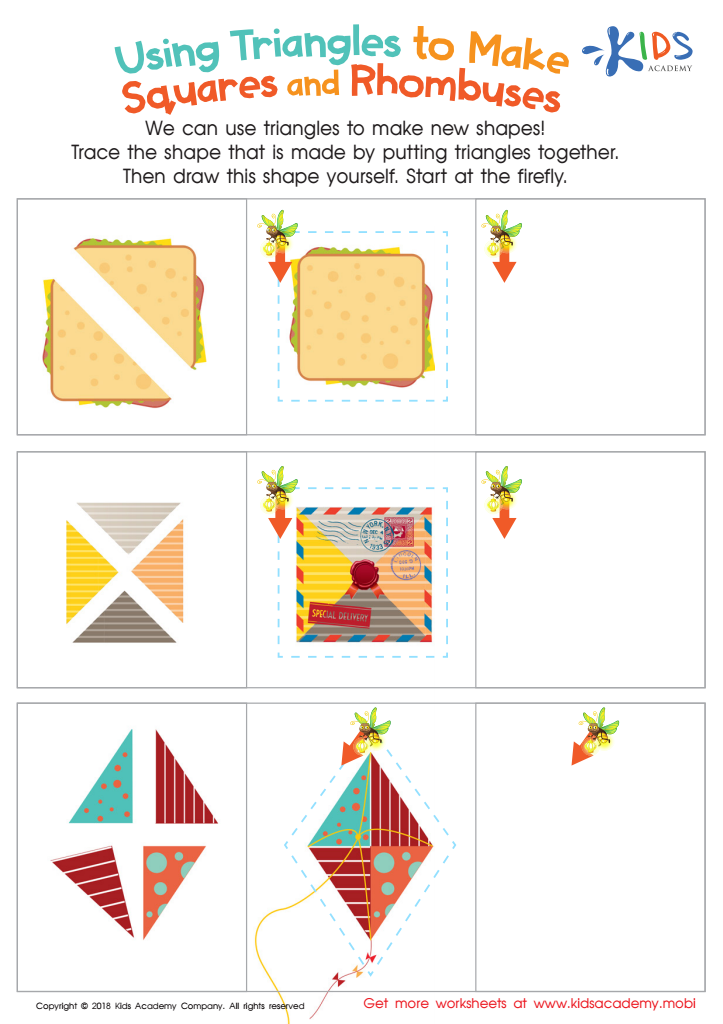
Using Triangles to Make Squares and Rhombuses Worksheet
 Assign to My Students











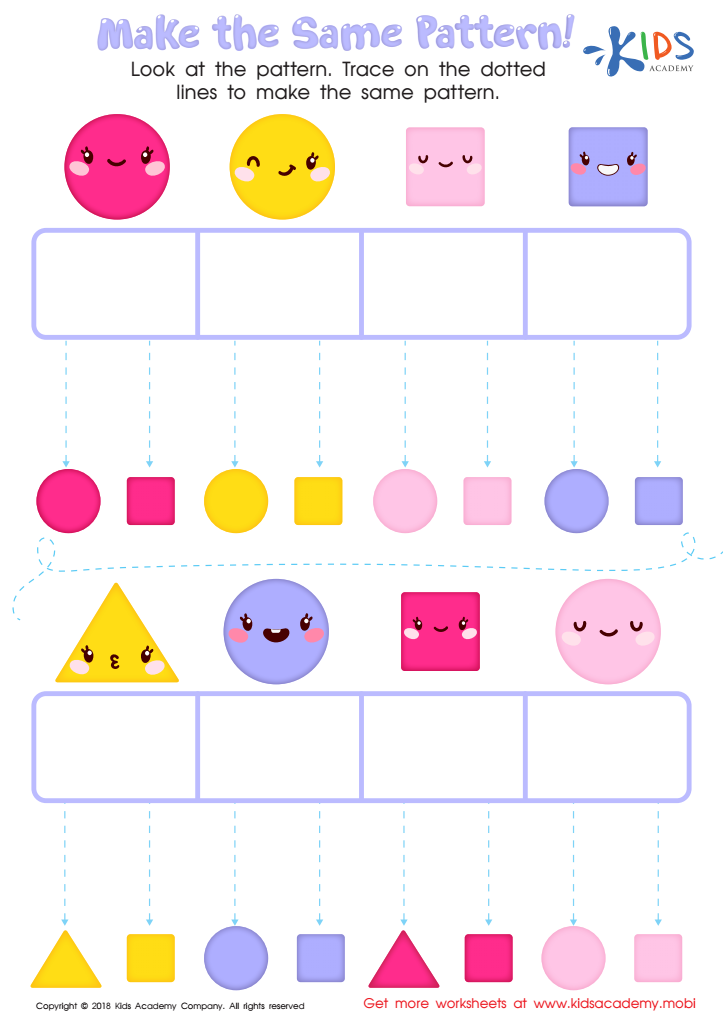
Make the Same Pattern Worksheet
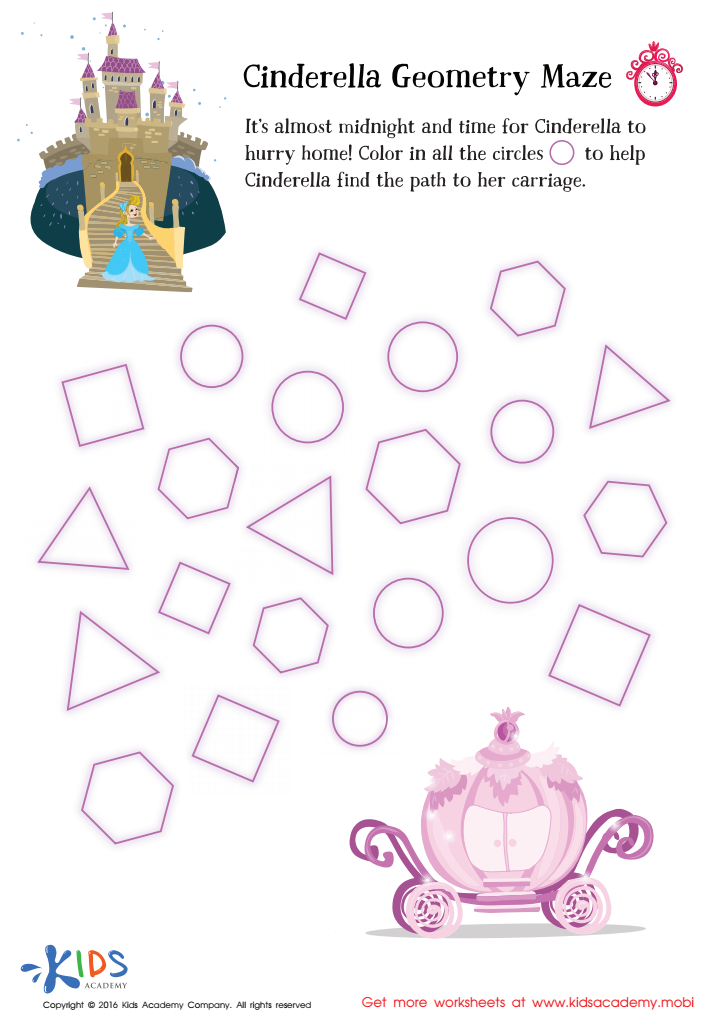
Cinderella Geometry Maze Worksheet
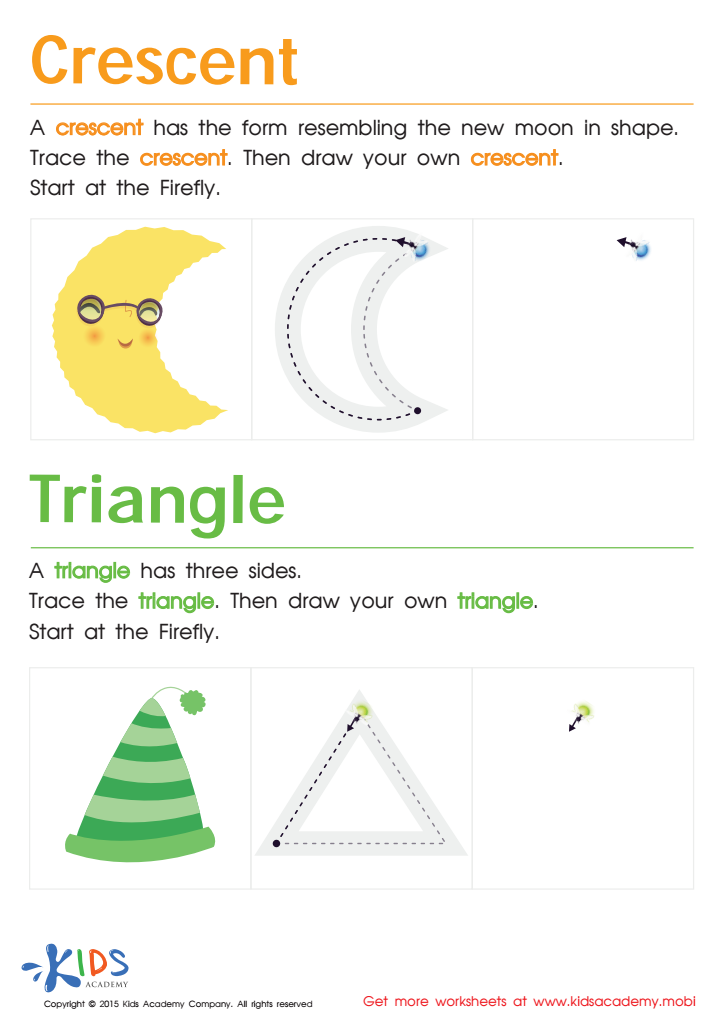
Learning to Draw Crescents And Triangles Worksheet
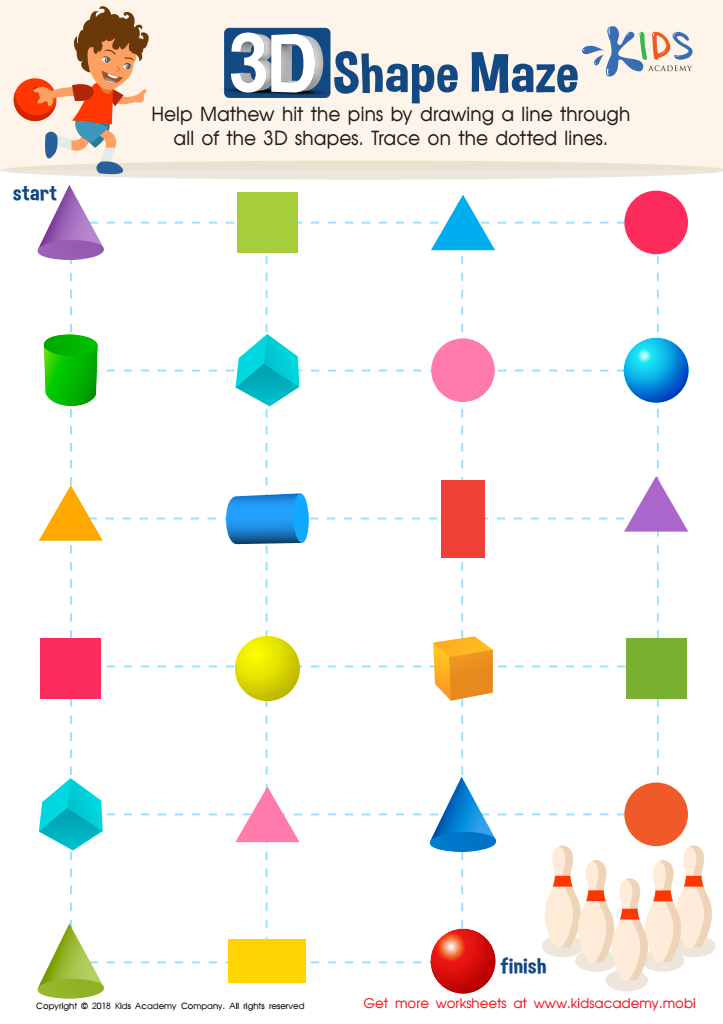
Shapes Maze Geometry Worksheet
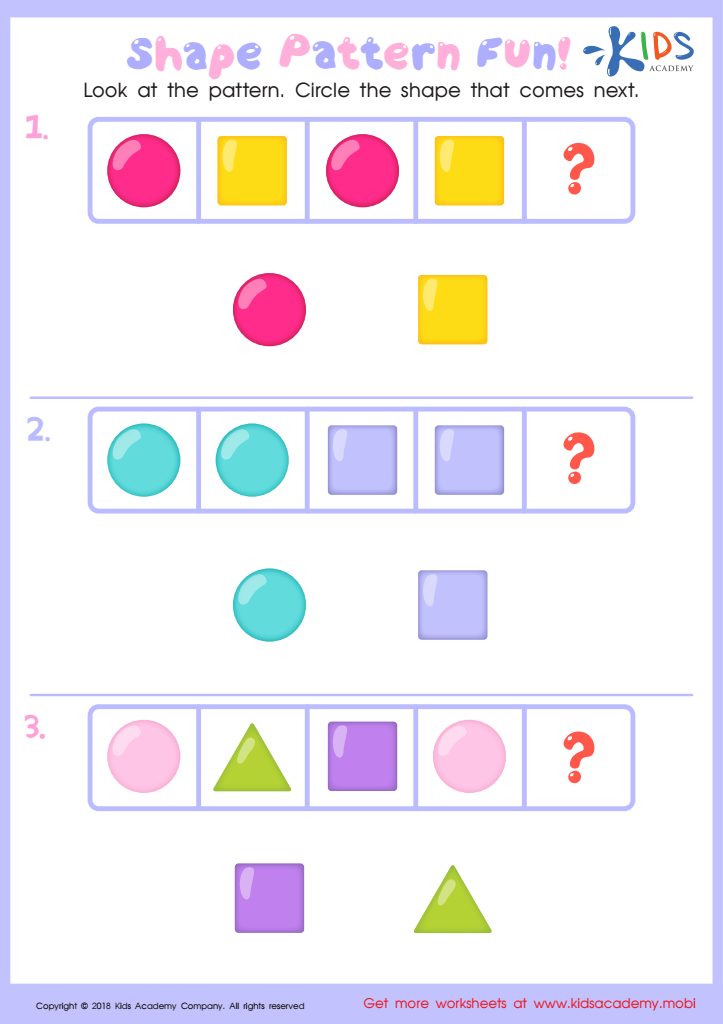
Shape Pattern Fun Worksheet








Encouraging problem-solving skills through basic geometry at ages 4-5 forms a crucial cornerstone for a child's cognitive, social, and emotional development. At this young age, children are particularly receptive and curious, making it an ideal time to introduce concepts that stimulate their minds and build essential skills for future learning.
Geometry, involving shapes, sizes, patterns, and spatial understanding, connects perceptual explorations with logical thinking. Identifying and evaluating shapes, such as circles, squares, and triangles, cultivates a sense of order and spatial awareness. Engaging in problem-solving activities nurtures decision-making abilities and promotes perseverance in finding solutions.
By learning to recognize and manipulate shapes, children enhance their abilities in critical thinking and analytical reasoning, alongside improving fine motor skills through physical manipulation, such as cutting shapes or puzzle assembly. Listening, collaborating, and communicating ideas during these activities foster social skills and cooperative problem-solving.
Moreover, instilling a confidence-building “I can solve this” attitude at an early age can bolster self-esteem and resilience. Empowering children with problem-solving abilities linked to geometry enriches their readiness for advanced mathematics and broader academic endeavors. Thus, parents and teachers embracing geometry not only serves as an academic foundation but also an essential tool for comprehensive early childhood development.








