Visual perception Normal Math Worksheets for Ages 4-5
13 filtered results
-
From - To
Discover our engaging Visual Perception Normal Math Worksheets designed for children aged 4-5. These printable resources are crafted to enhance your child's visual skills, essential for early math learning. Through colorful illustrations and interactive exercises, young learners will improve their ability to understand shapes, patterns, and spatial relationships. Each worksheet is aligned with developmental milestones, offering a fun way to strengthen visual recognition and problem-solving skills. Ideal for parents and educators, these worksheets can be used at home or in the classroom to support and enrich early math education. Empower your child's math journey with our thoughtfully designed materials!
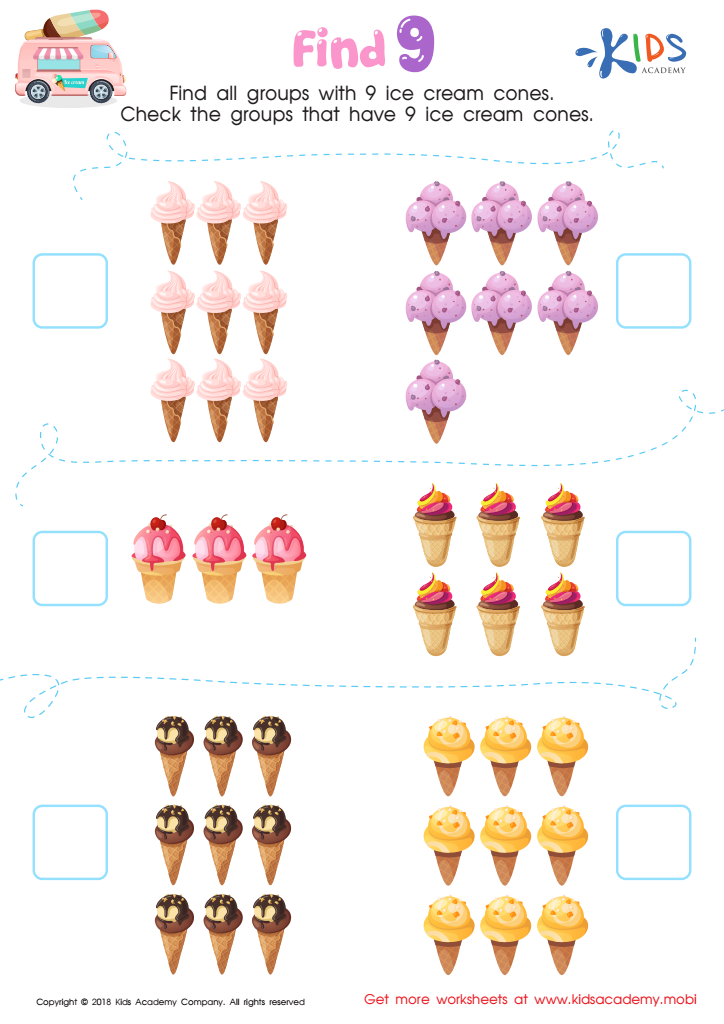
Find 9 Worksheet
 Assign to My Students
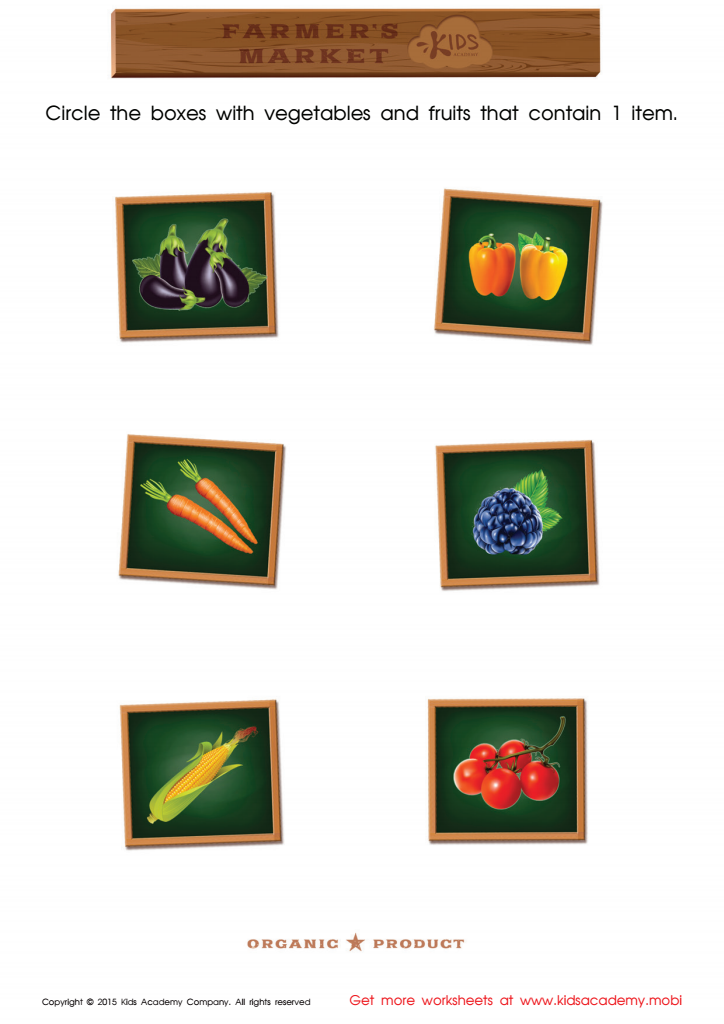
Count and Match Boxes with Vegetables
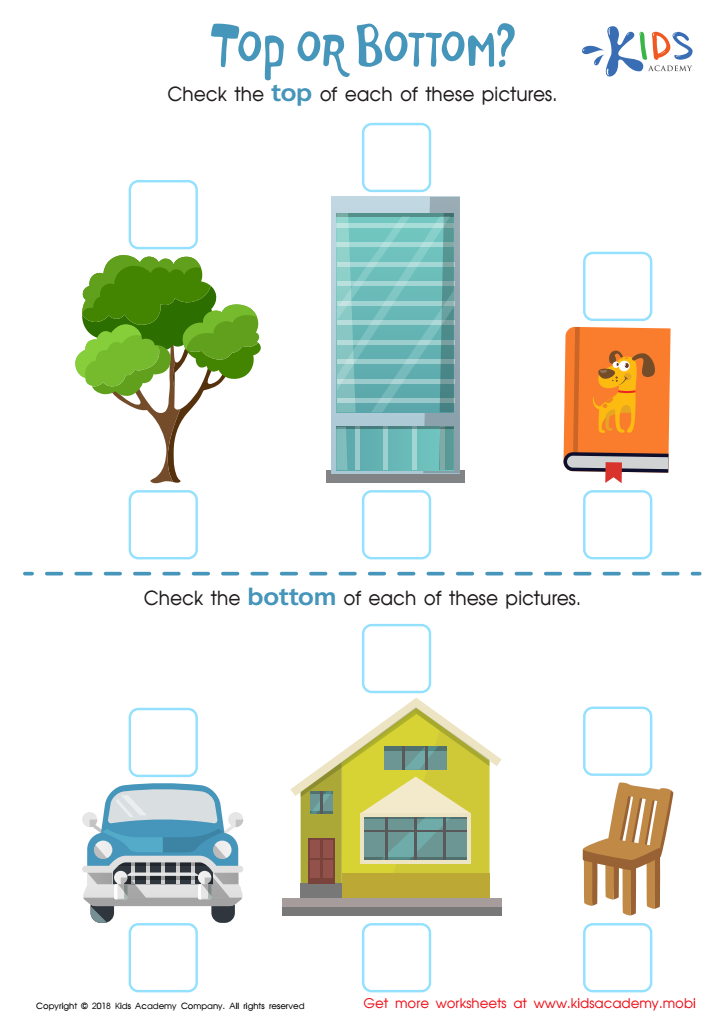
Top or Bottom Worksheet
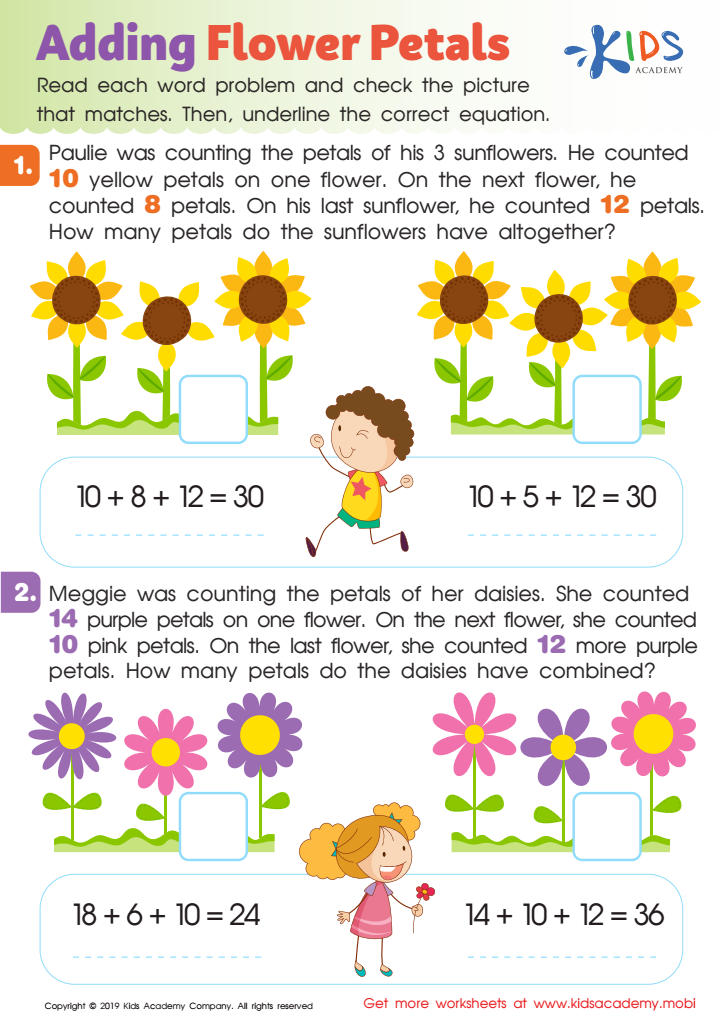
Adding Flower Petals Worksheet
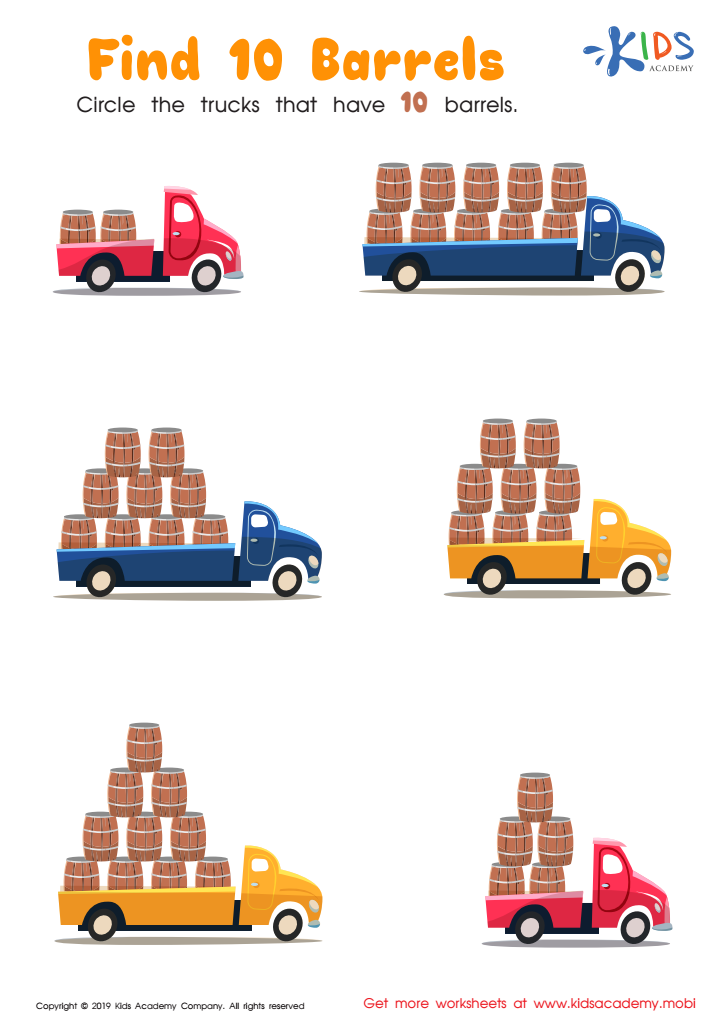
Find 10 Barrels Worksheet
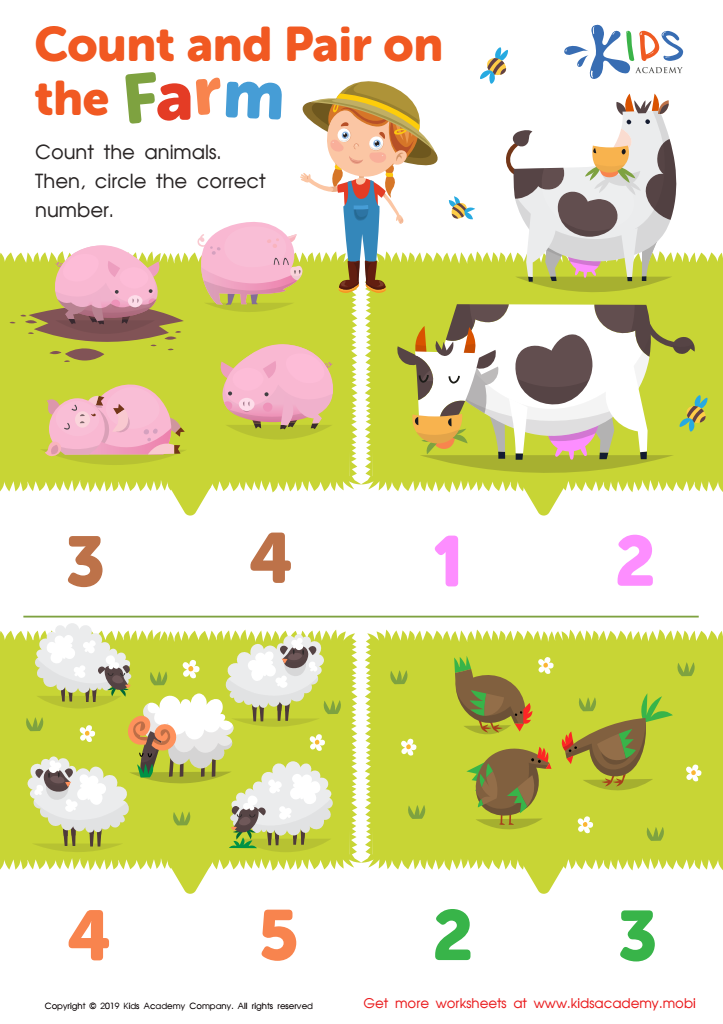
Count and Pair on the Farm Worksheet
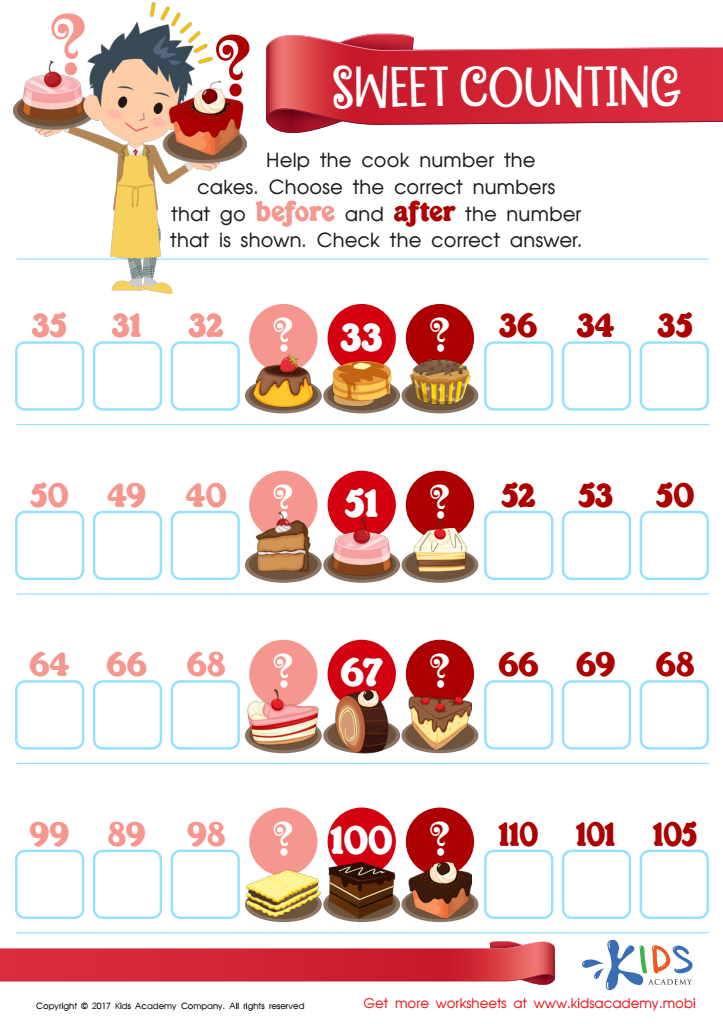
Sweet Counting - Part 1 Worksheet
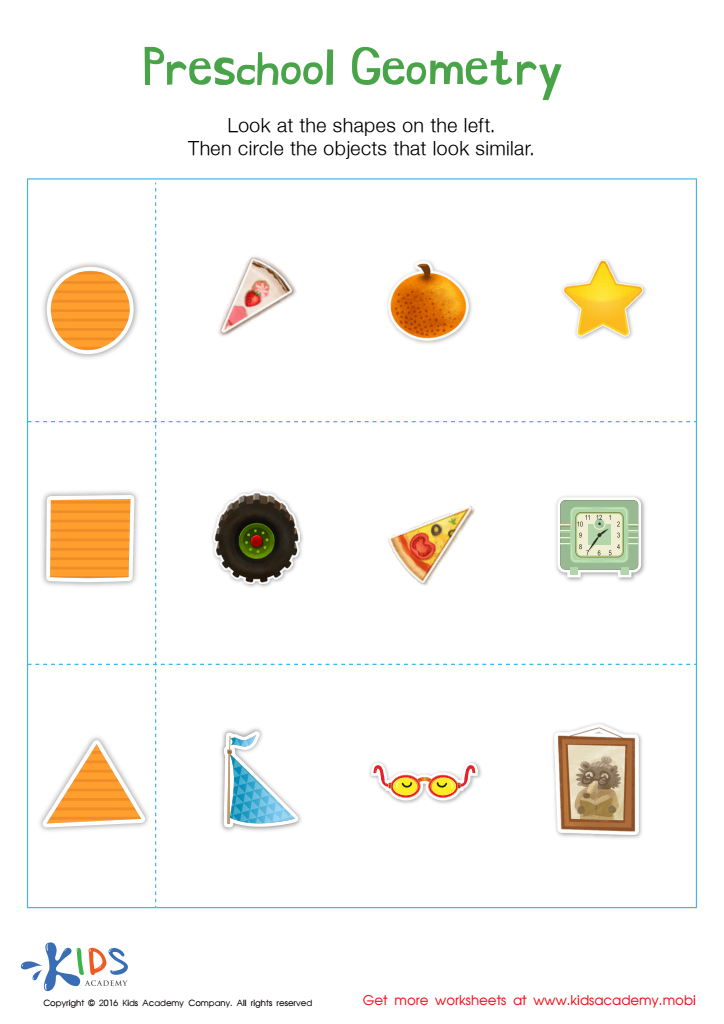
Preschool Geometry Match Up Worksheet
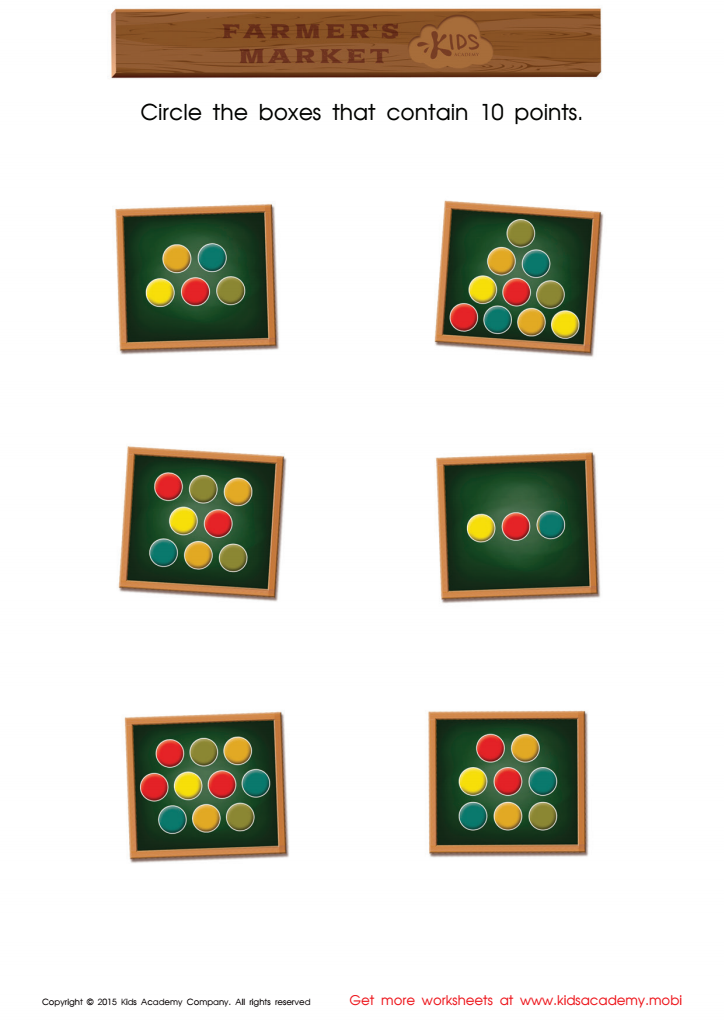
Count and Match Points 10 Math Worksheet
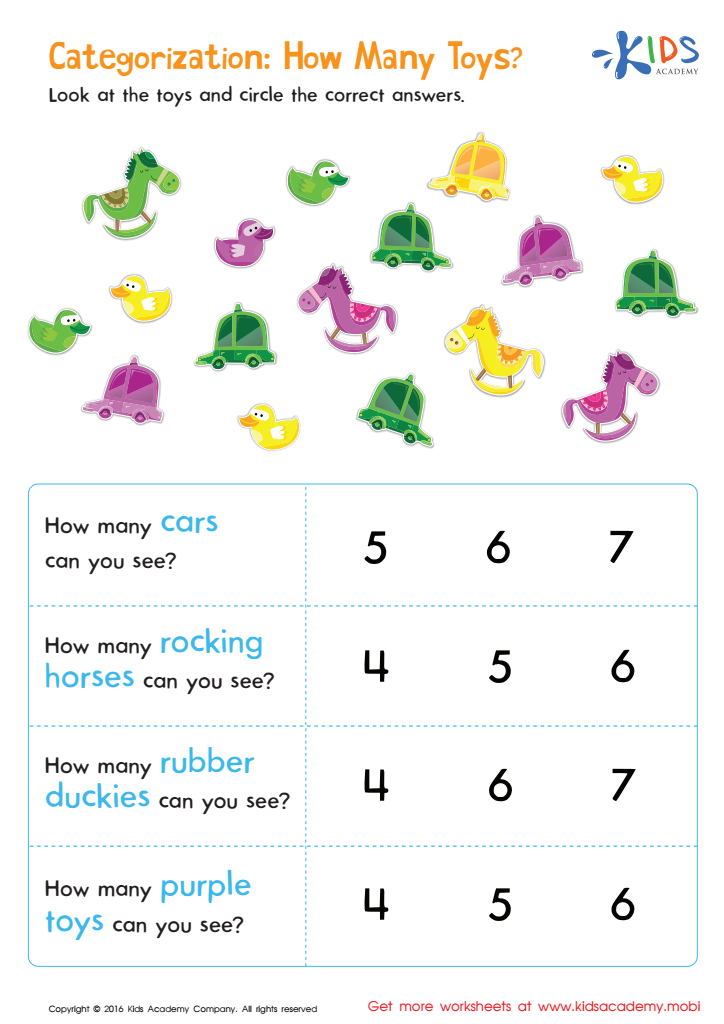
Classifying Toys by Type and Color Sorting Worksheet
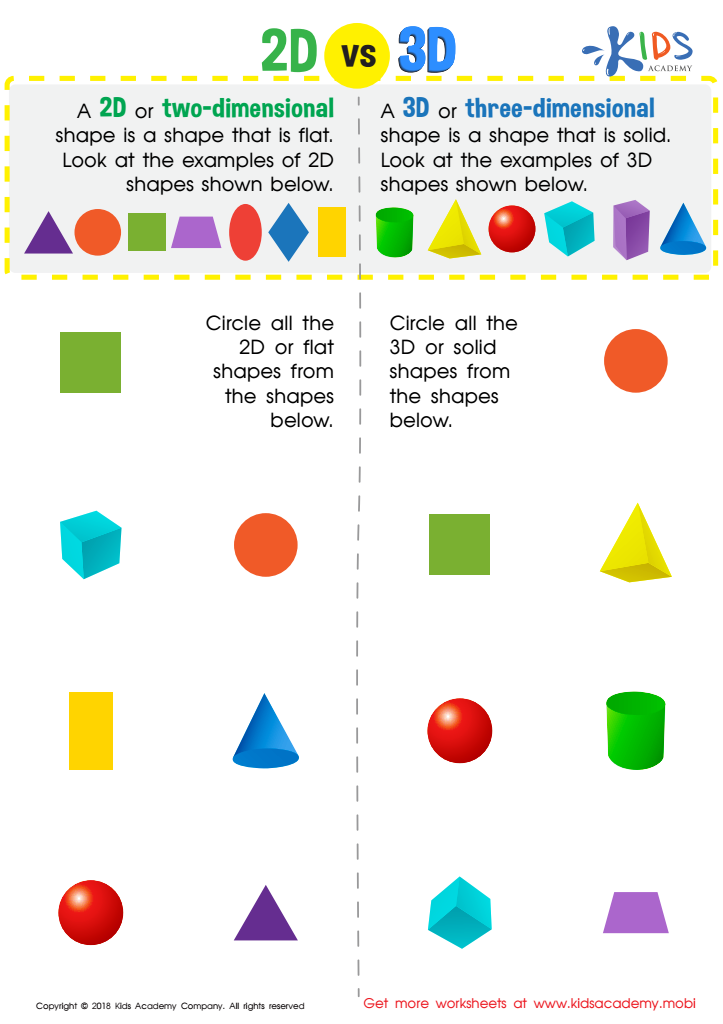
2D vs 3D Shapes Worksheet
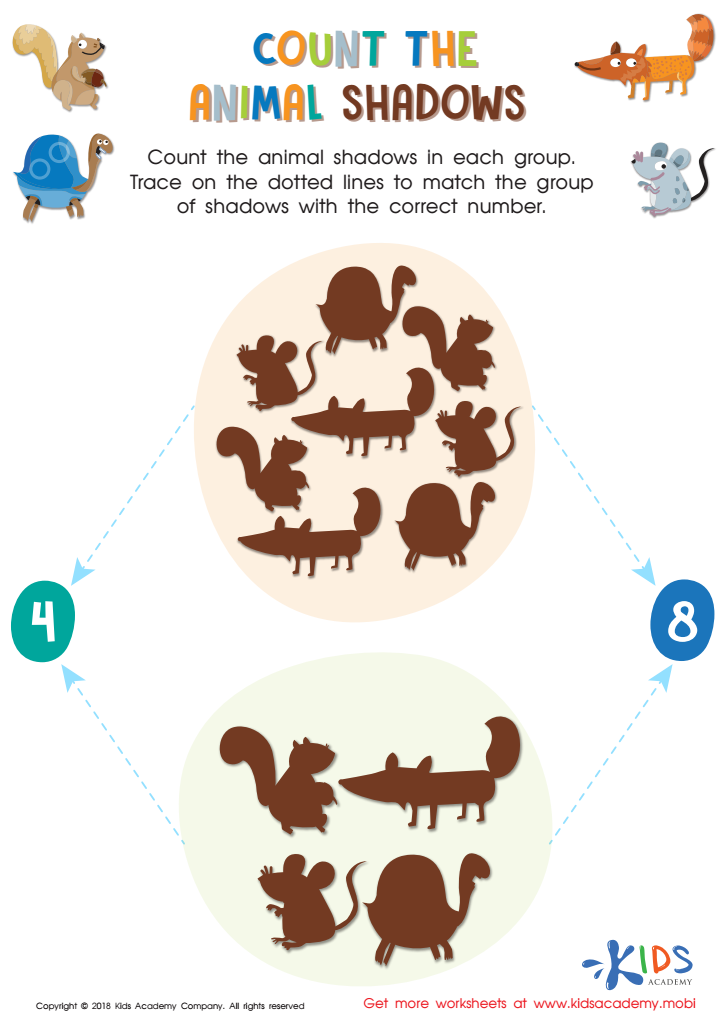
Count the Animal Shadows Worksheet

Count and Match Vegetables 1 – 5 Math Worksheet





.jpg)


Visual perception is a crucial skill that significantly affects early math learning for children aged 4-5. At this developmental stage, children begin to grasp fundamental math concepts, making a strong foundation essential. Visual perception refers to the ability to interpret, analyze, and respond to visual stimuli. It encompasses skills such as recognizing shapes, understanding spatial relationships, and discerning patterns—all vital for mathematical understandings.
Parents and teachers should care about these skills because they enable young learners to engage with numbers, shapes, and space meaningfully. For example, recognizing different shapes and sizes helps children understand geometry, while pattern recognition is fundamental to operations like addition and subtraction. Furthermore, strong visual perception skills aid in developing critical thinking and problem-solving abilities.
Early intervention in visual perception can mitigate future learning difficulties, laying the groundwork for academic success. Fostering these skills through playful activities such as puzzles, building blocks, and interactive games can make learning enjoyable for children. By prioritizing visual perception in early math education, parents and teachers can help children build confidence and enthusiasm for math, paving the way for future exploration and mastery of more complex mathematical concepts.








