Critical Thinking Normal Science Worksheets for Ages 4-5
7 filtered results
-
From - To
Nurture young minds with our "Critical Thinking Normal Science Worksheets" designed for ages 4-5. These engaging, age-appropriate printables foster foundational critical thinking skills through fun and interactive science activities. Children will explore basic scientific concepts, enhancing cognitive development and encouraging curiosity. Ideal for early learners, these worksheets support hands-on learning experiences that make science both educational and entertaining. Perfect for classroom use or at-home enrichment, empower your child’s critical thinking and problem-solving skills today with Kids Academy’s trusted resources. Boost their love for learning and scientific discovery with these expertly crafted worksheets.
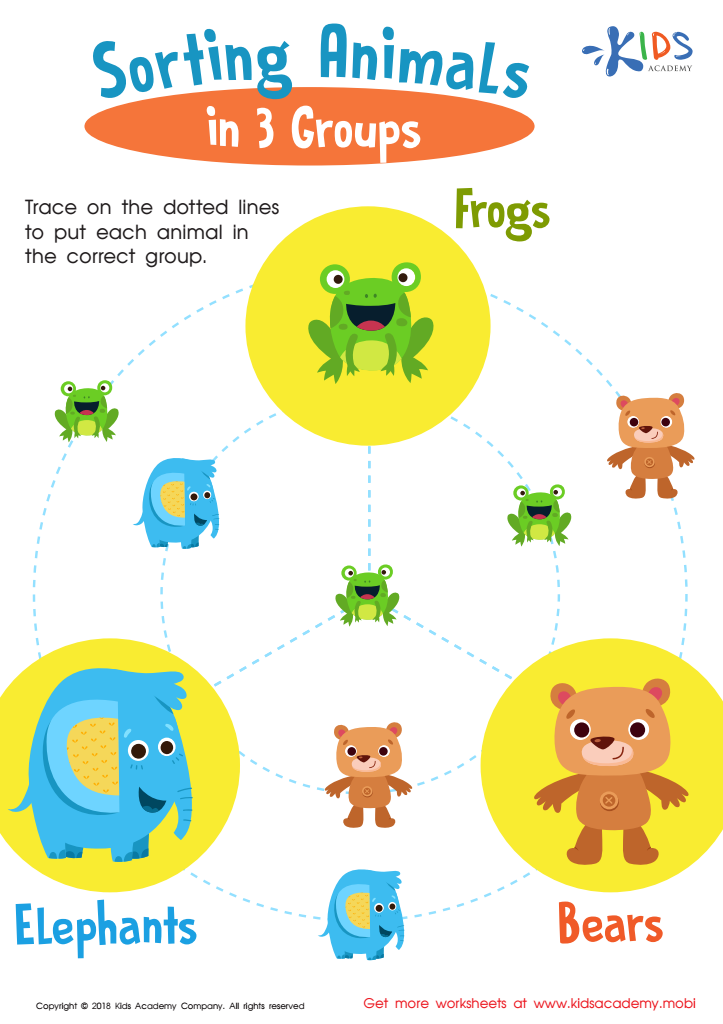
Sorting Animals in 3 Groups Worksheet
 Assign to My Students
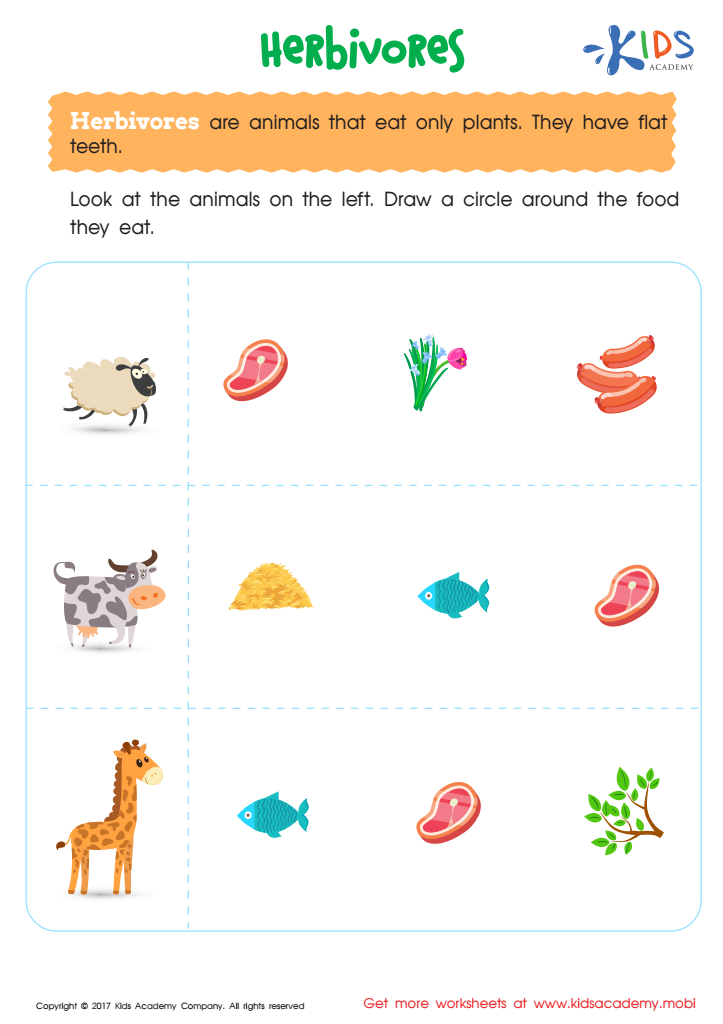
Herbivores Printable
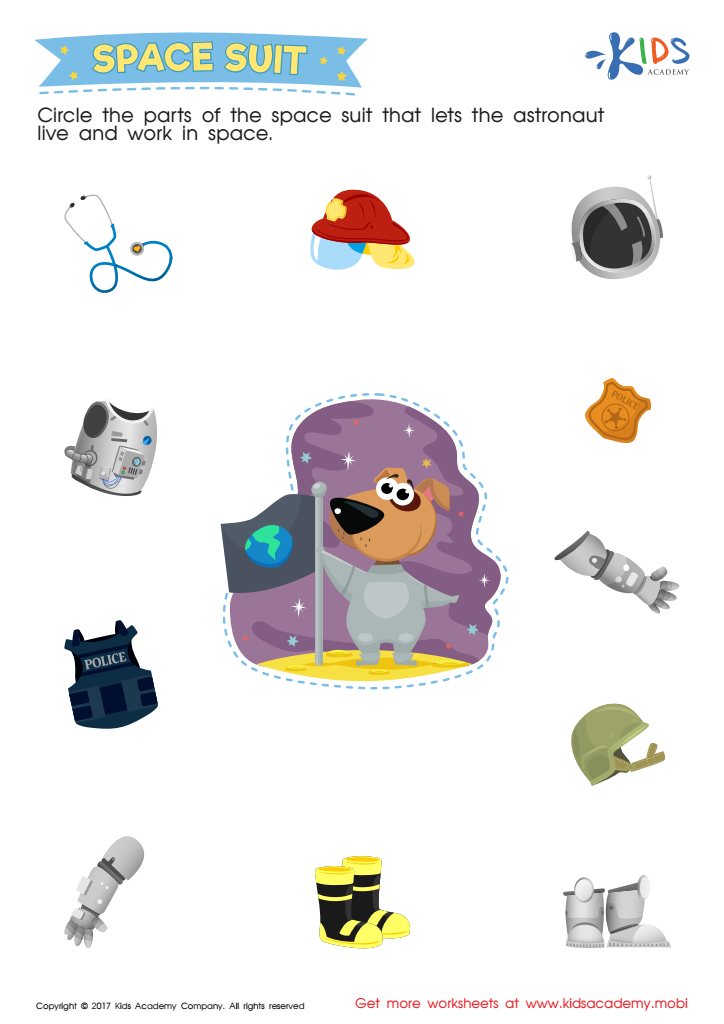
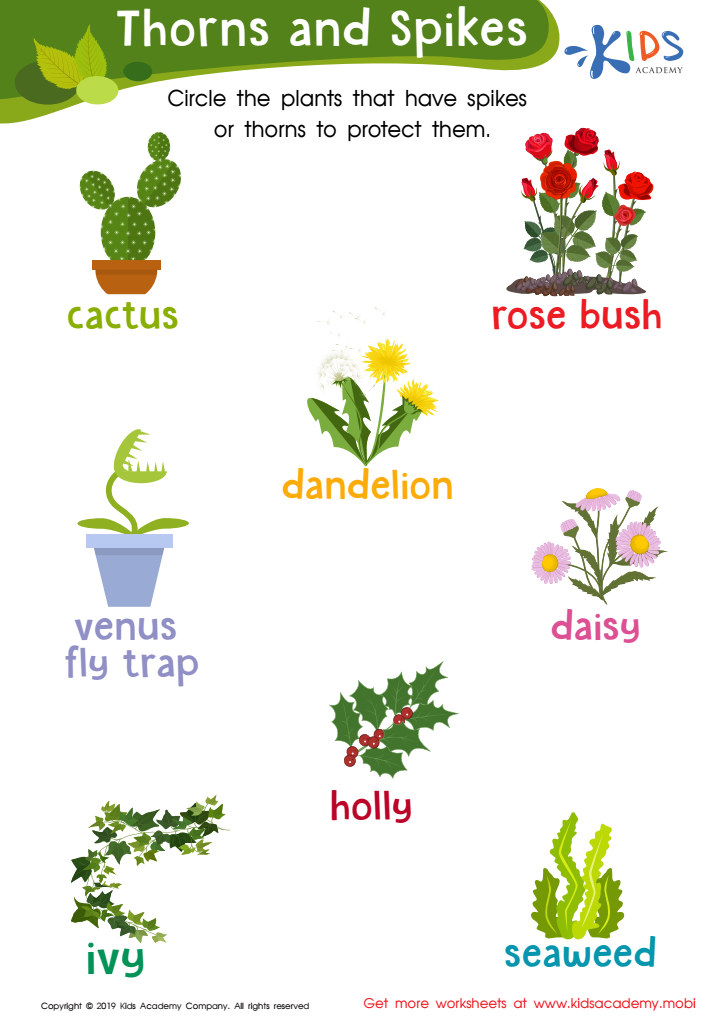
Thorns and Spikes Worksheet
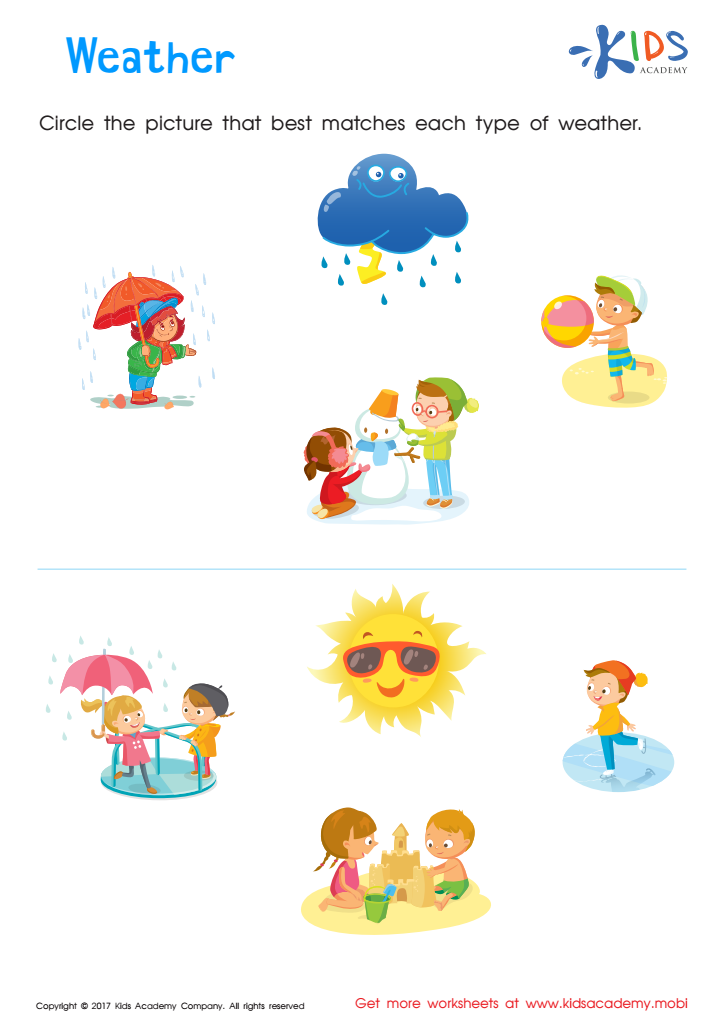
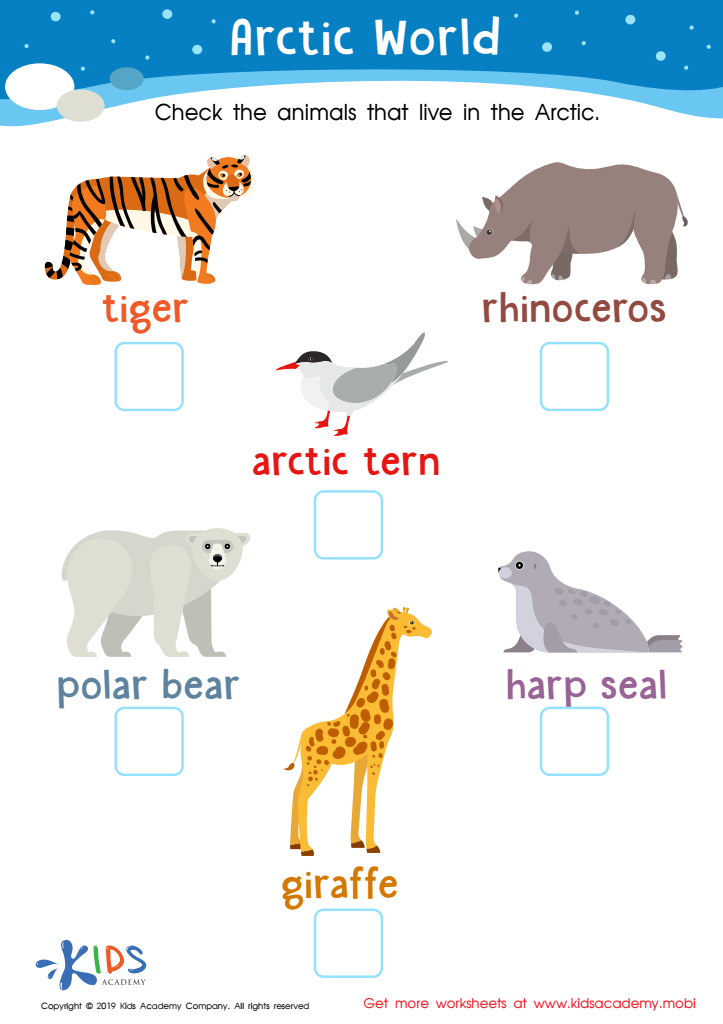
Arctic World Worksheet
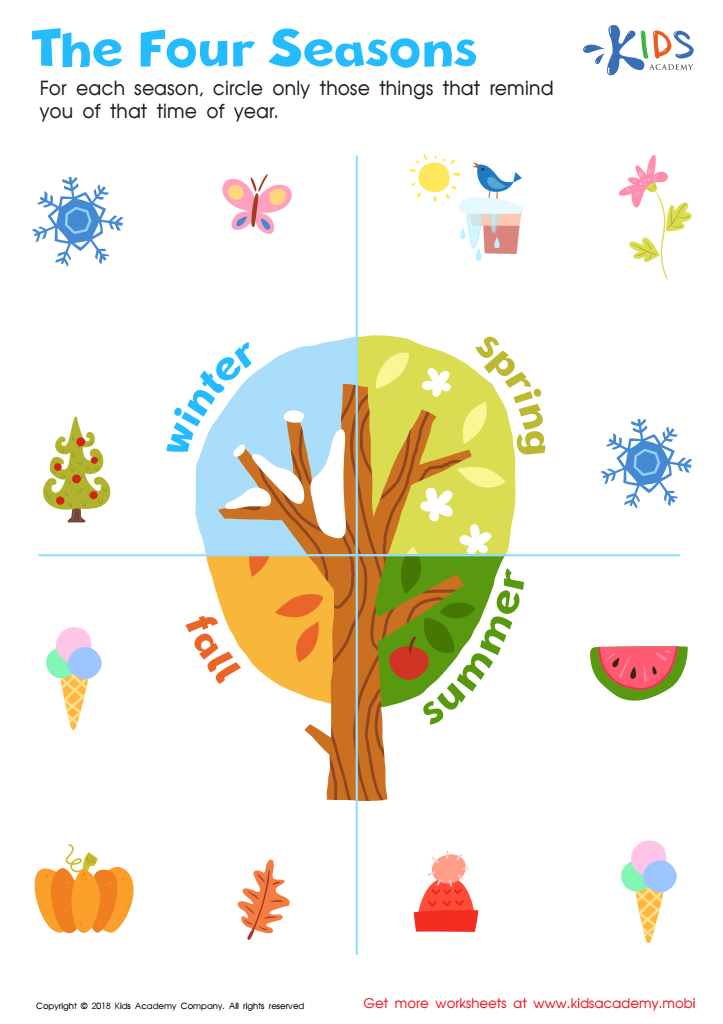
The Four Seasons Worksheet








Parents and teachers should prioritize Critical Thinking in early childhood education, especially through what is known as Normal Science, as it forms the foundation for lifelong learning and problem-solving abilities. For children ages 4-5, this is a crucial period for cognitive development where they are naturally curious and eager to explore the world around them. Introducing critical thinking at this stage helps them develop the skills to ask questions, analyze information, and make informed decisions.
Normal Science refers to the structured exploration of the natural world, encouraging children to observe, experiment, and draw conclusions about everyday phenomena. By engaging in activities such as observing plant growth, experimenting with water and sand, or understanding the basic concept of floating and sinking, children learn to think like little scientists. These activities promote curiosity and encourage children to ask "why" and "how" questions, fostering a deeper understanding of their environment.
Enhanced critical thinking skills also contribute to better academic performance in later years, as children become adept at understanding and tackling complex problems. Additionally, it nurtures children's resilience and adaptability, equipping them with the tools to navigate uncertainties confidently. Therefore, cultivating a foundation in critical thinking and Normal Science for young learners significantly impacts their overall intellectual and personal development.







