Handwriting practice Normal Worksheets for Ages 4-6 - Page 2
60 filtered results
-
From - To
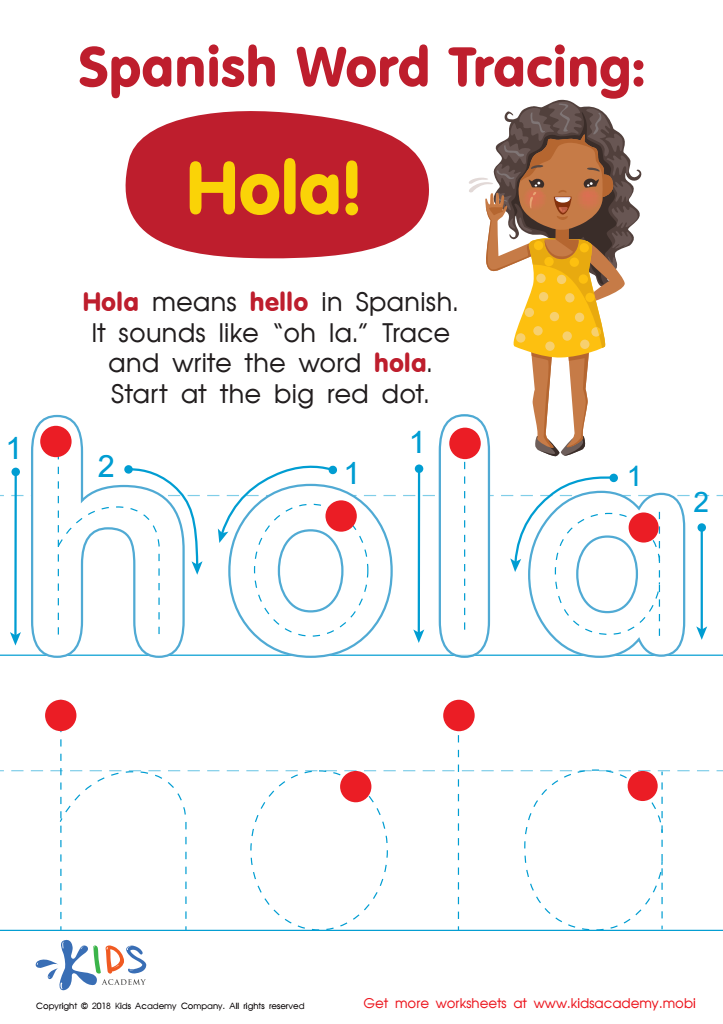
Spanish Word Tracing: Hola Worksheet
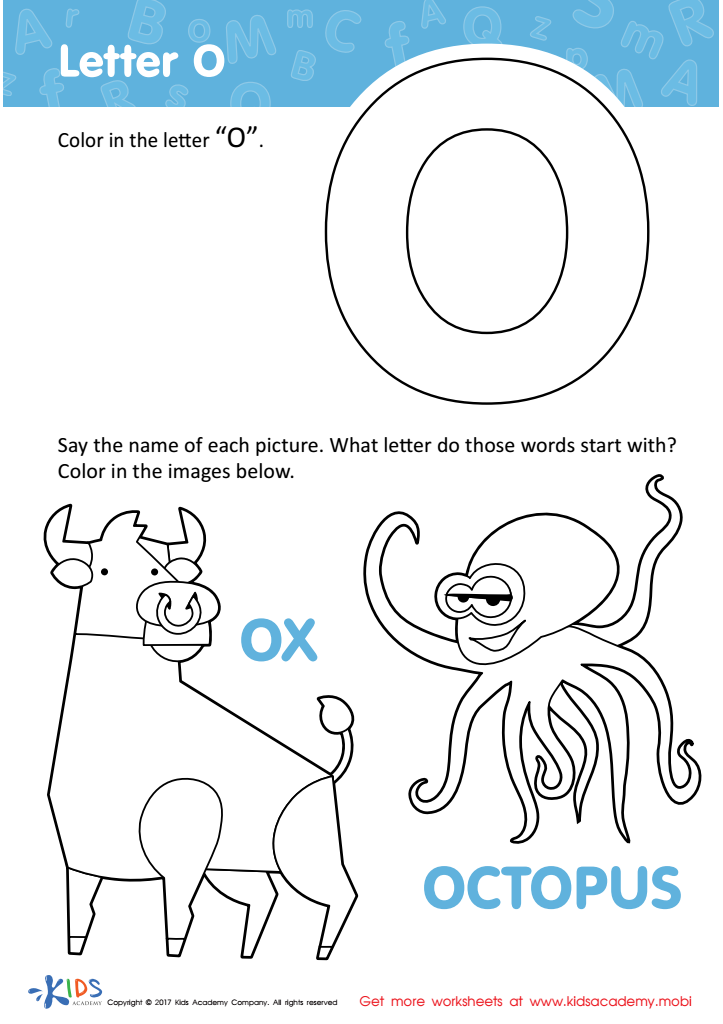
Letter O Coloring Sheet
 Assign to My Students
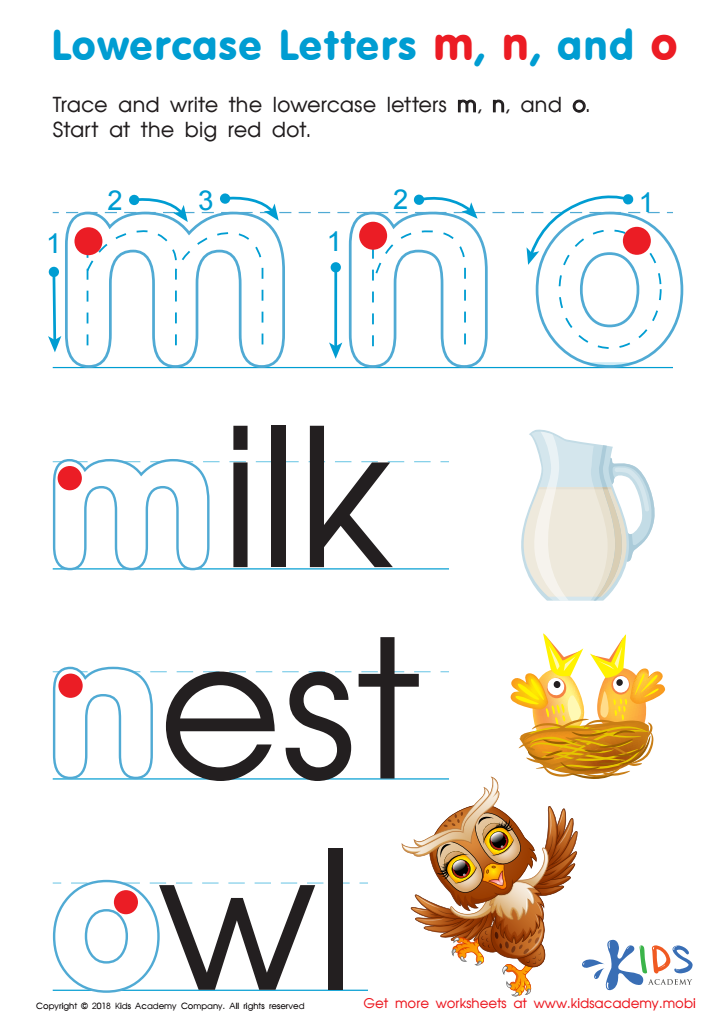
Lowercase Letters m n o Worksheet
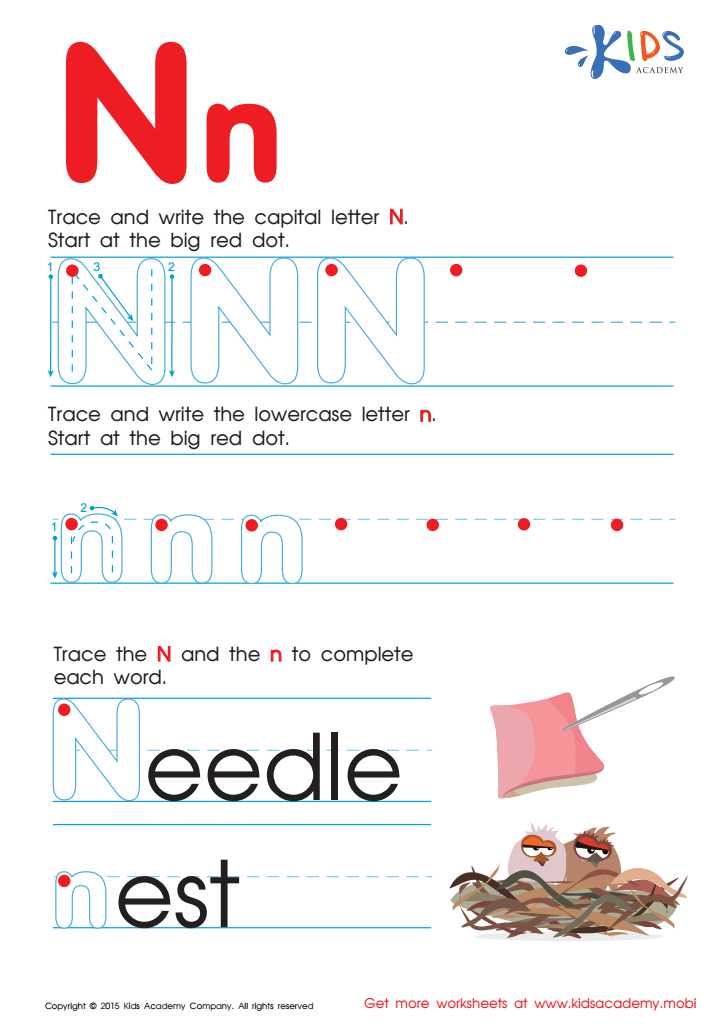
Letter N Tracing Page
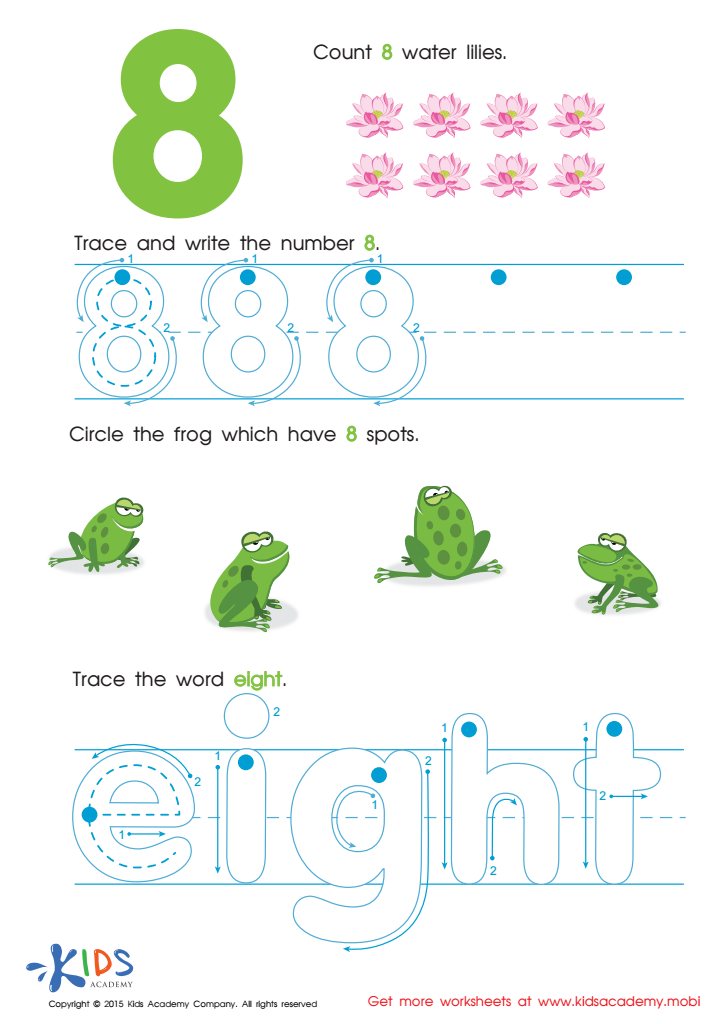
Learn Number 8 Easily Worksheet
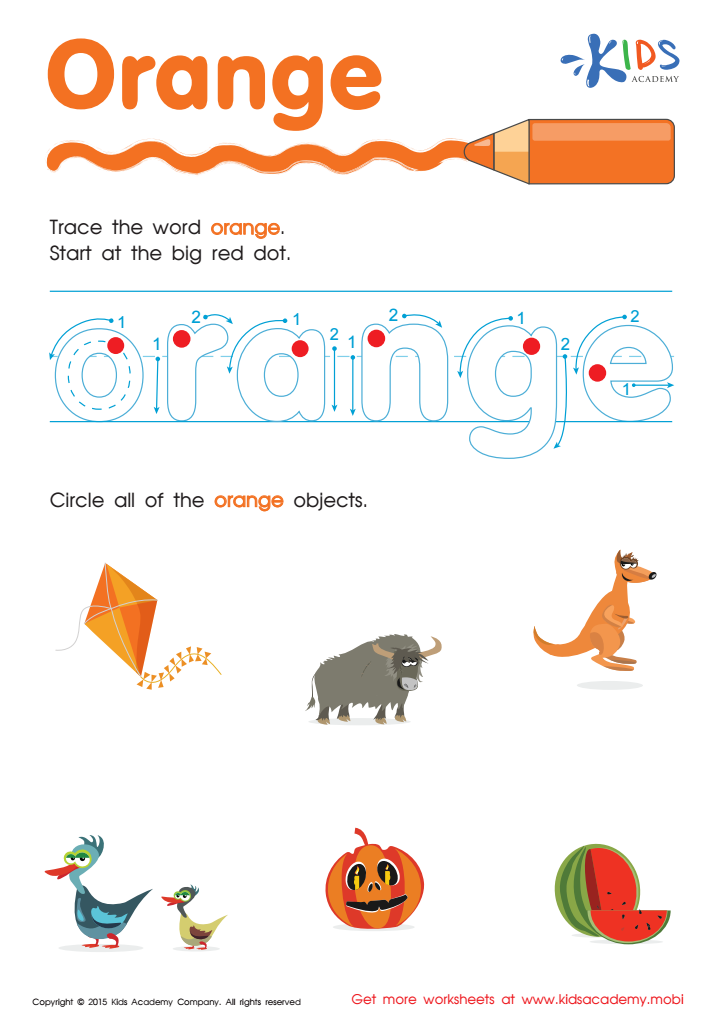
Orange Tracing Color Words Worksheet
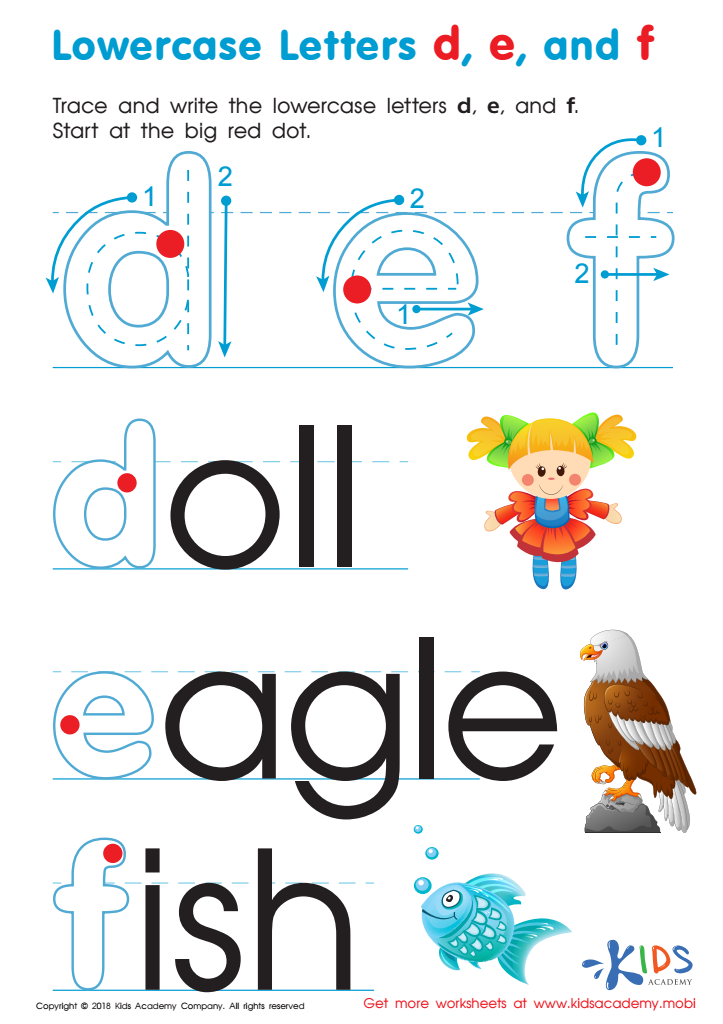
Lowercase Letters d e f Worksheet
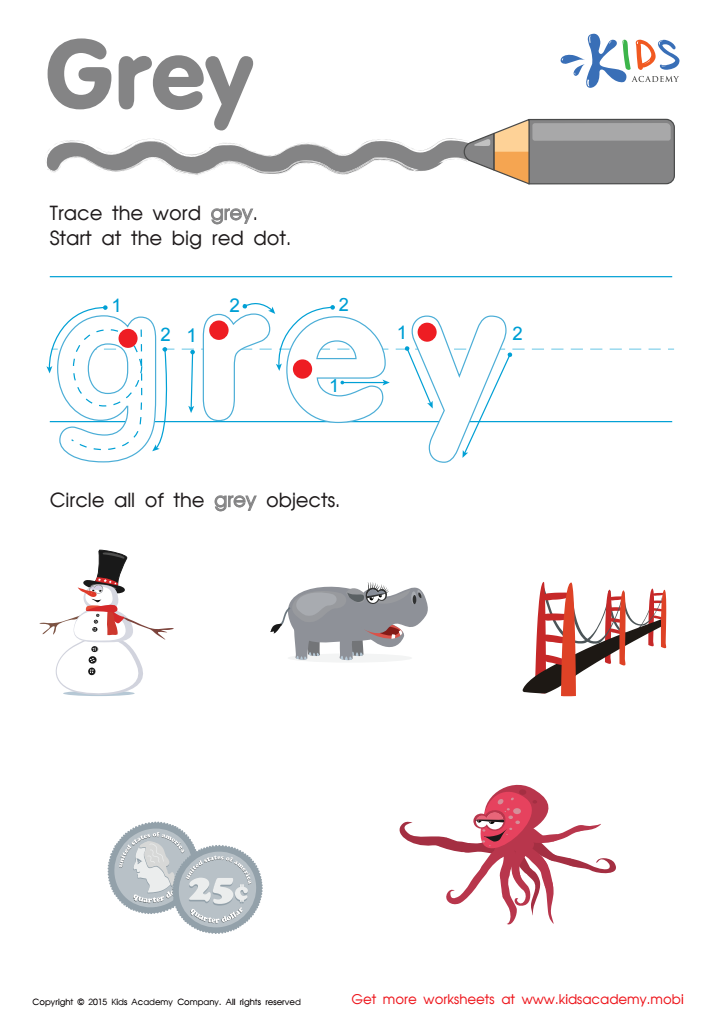
Grey Tracing Color Words Worksheet
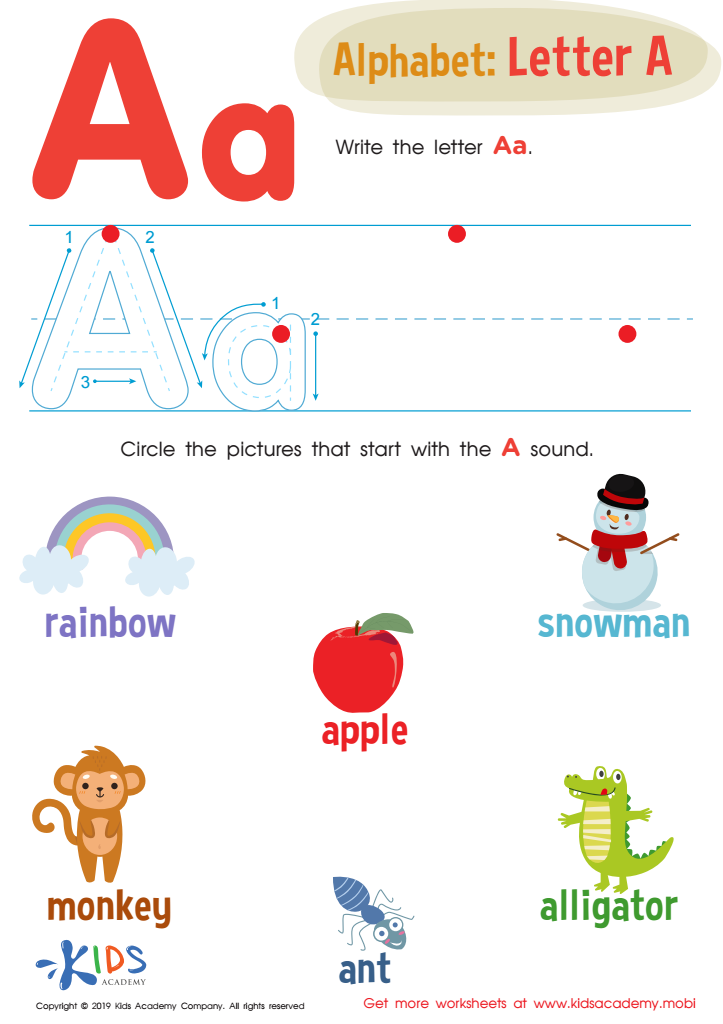
Letter A Tracing Worksheet
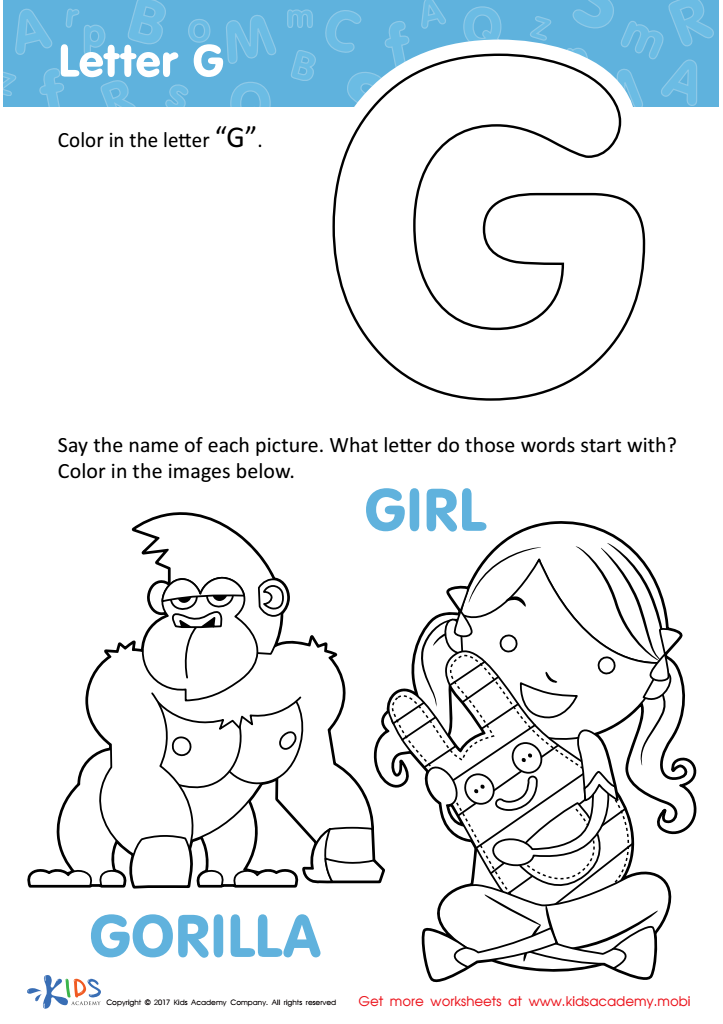
Letter G Coloring Sheet
Assign to My Students
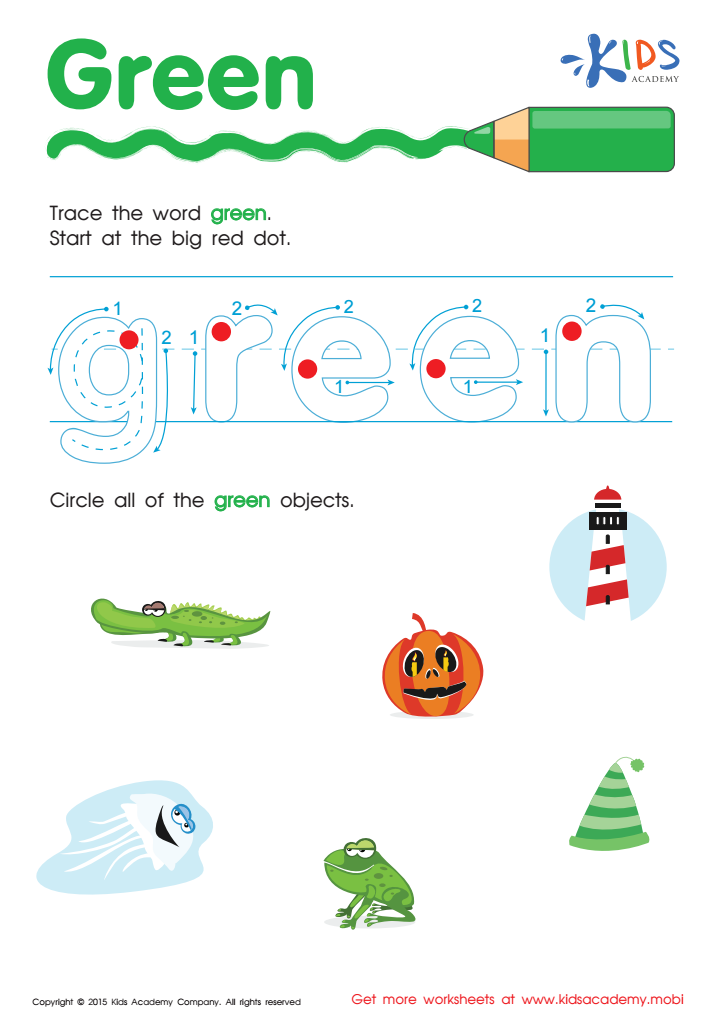
Green Tracing Color Words Worksheet
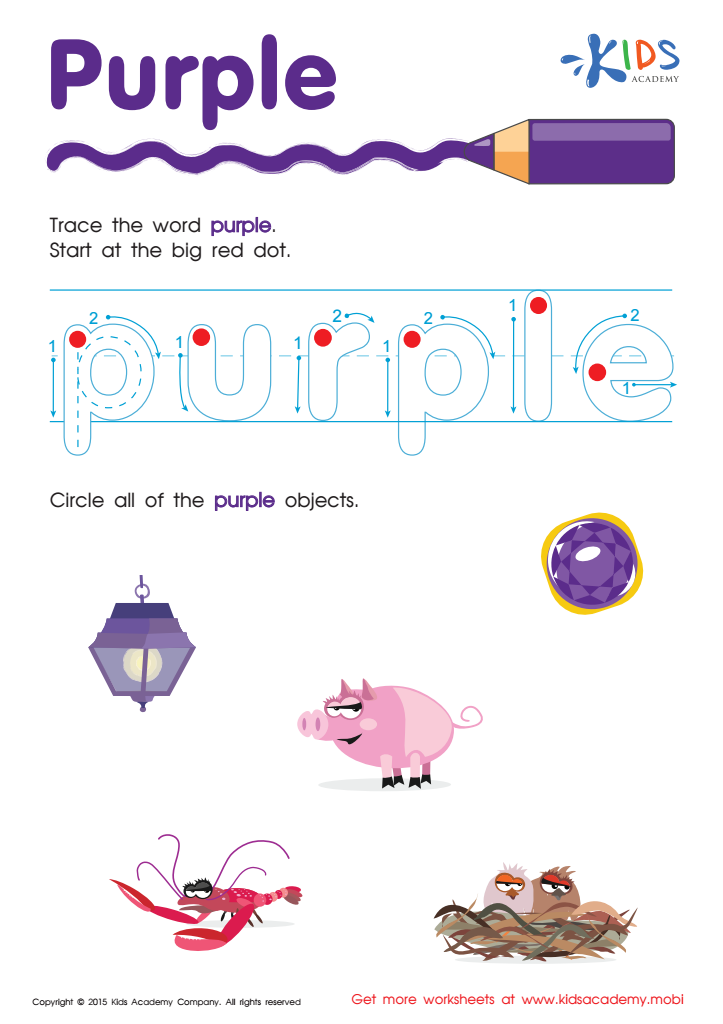
Purple Tracing Color Words Worksheet
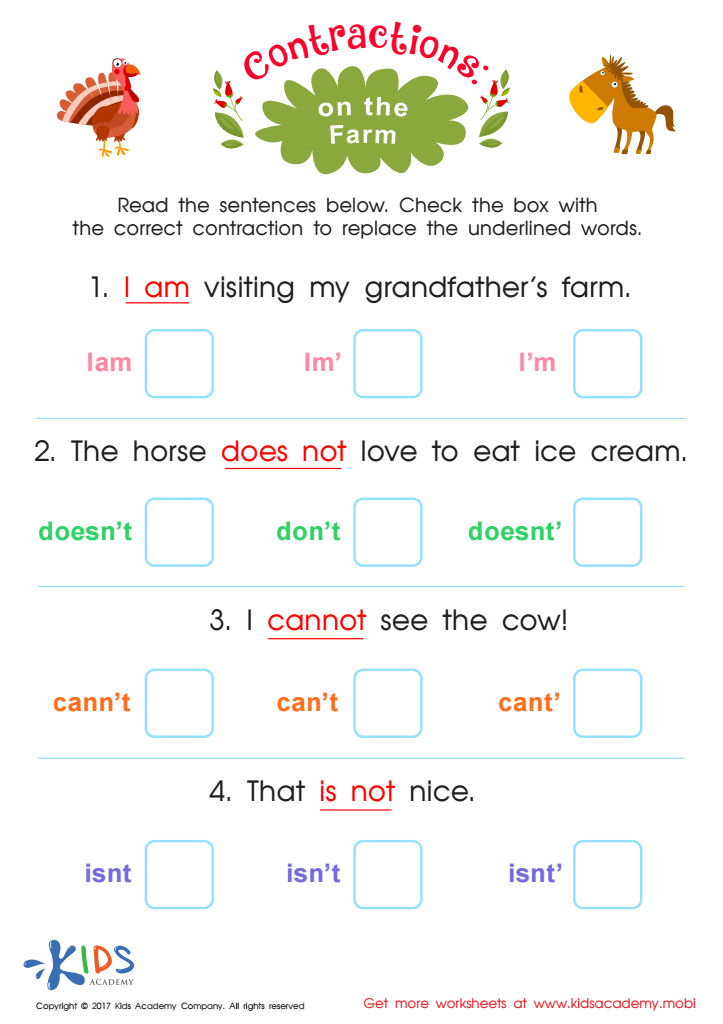
Contractions: On the Farm Printable
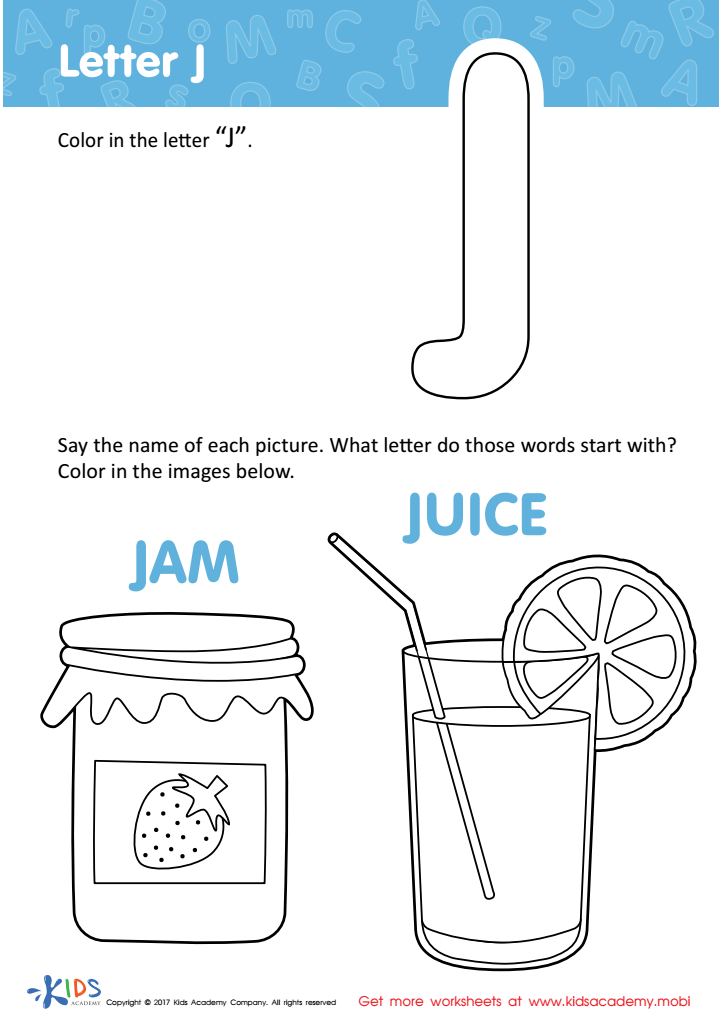
Letter J Coloring Sheet
Assign to My Students
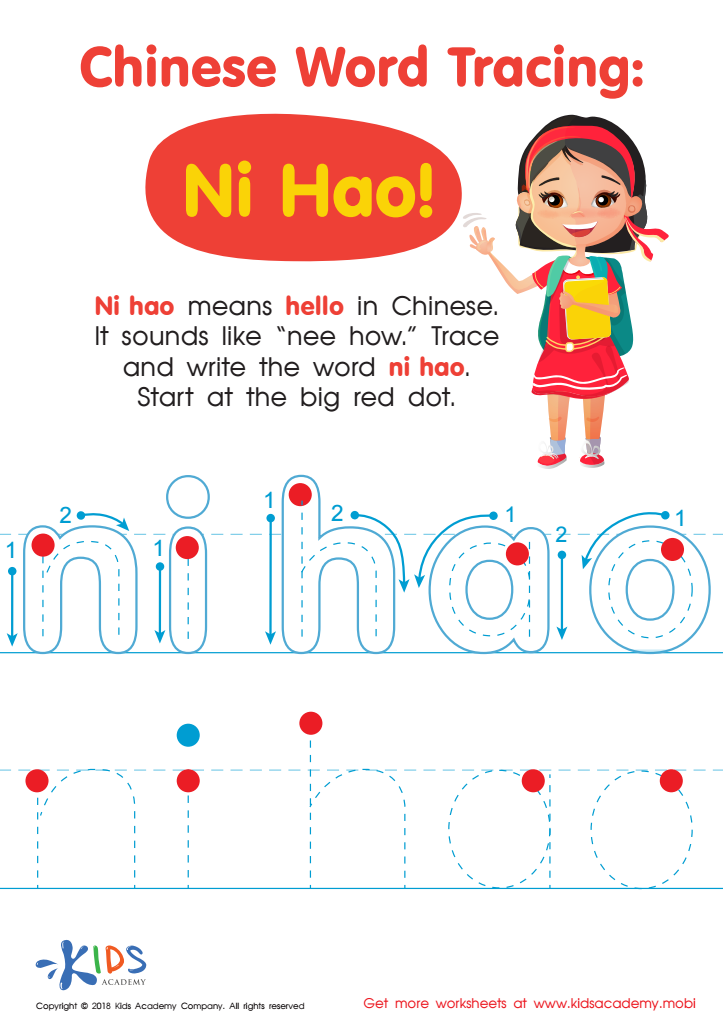
Chinese Word Tracing: Ni Hao Worksheet
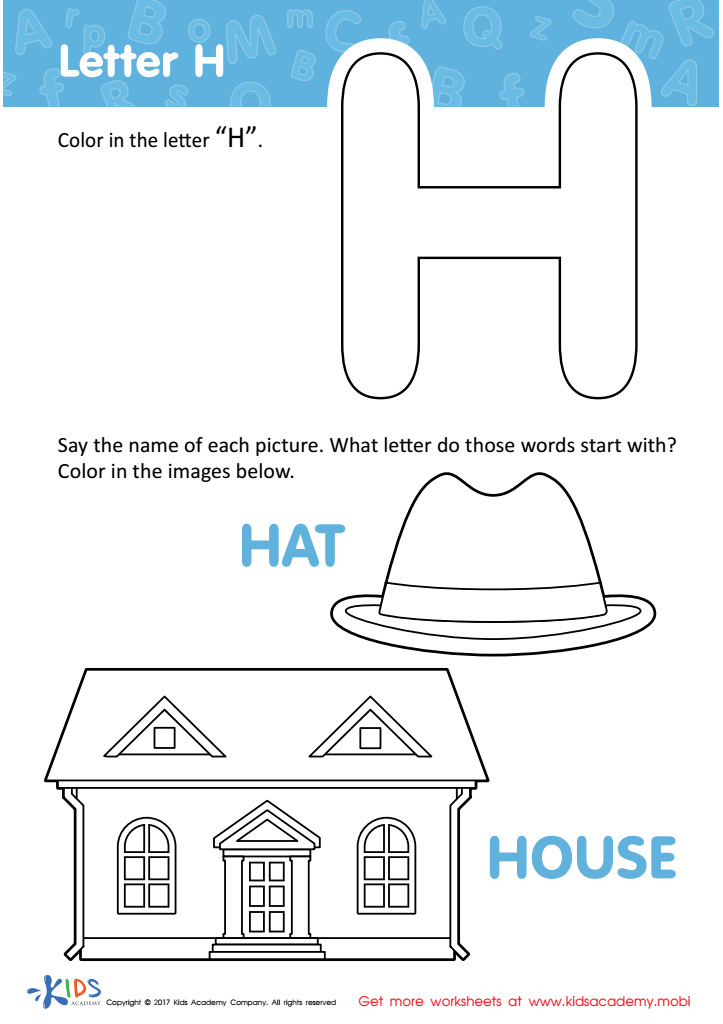
Letter H Coloring Sheet
Assign to My Students
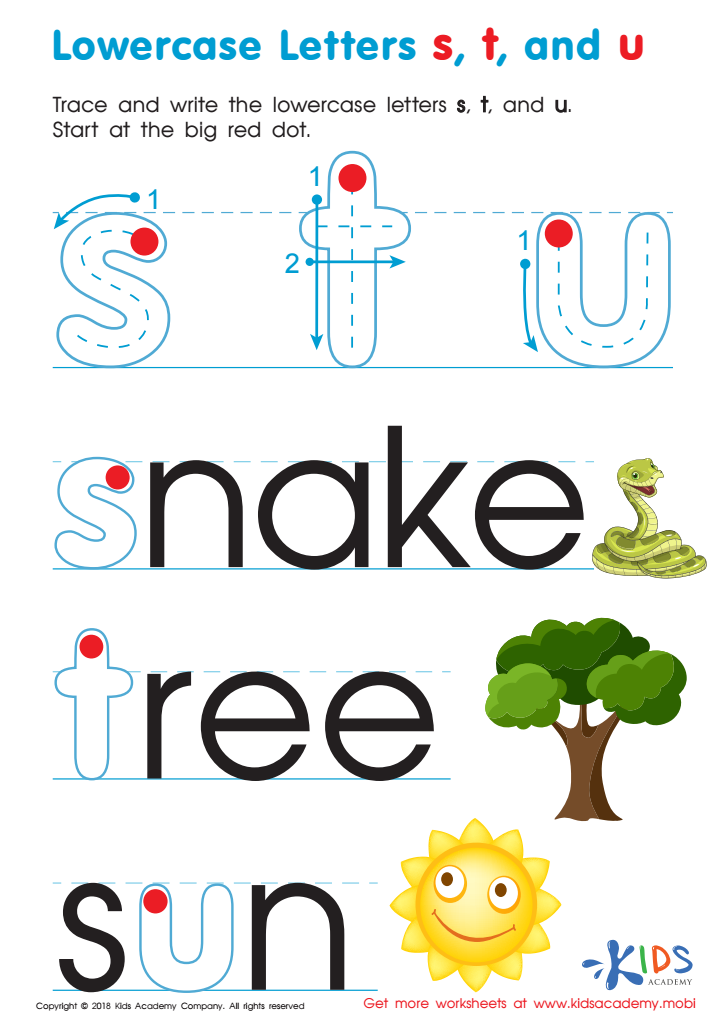
Lowercase Letters s t u Worksheet
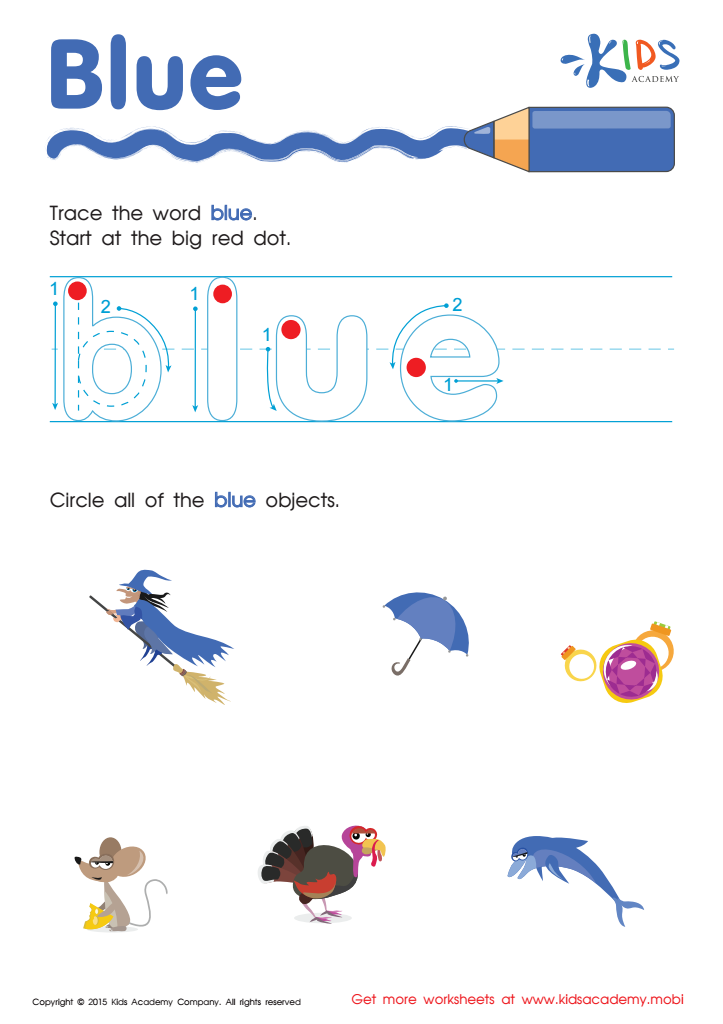
Blue Tracing Color Words Printable
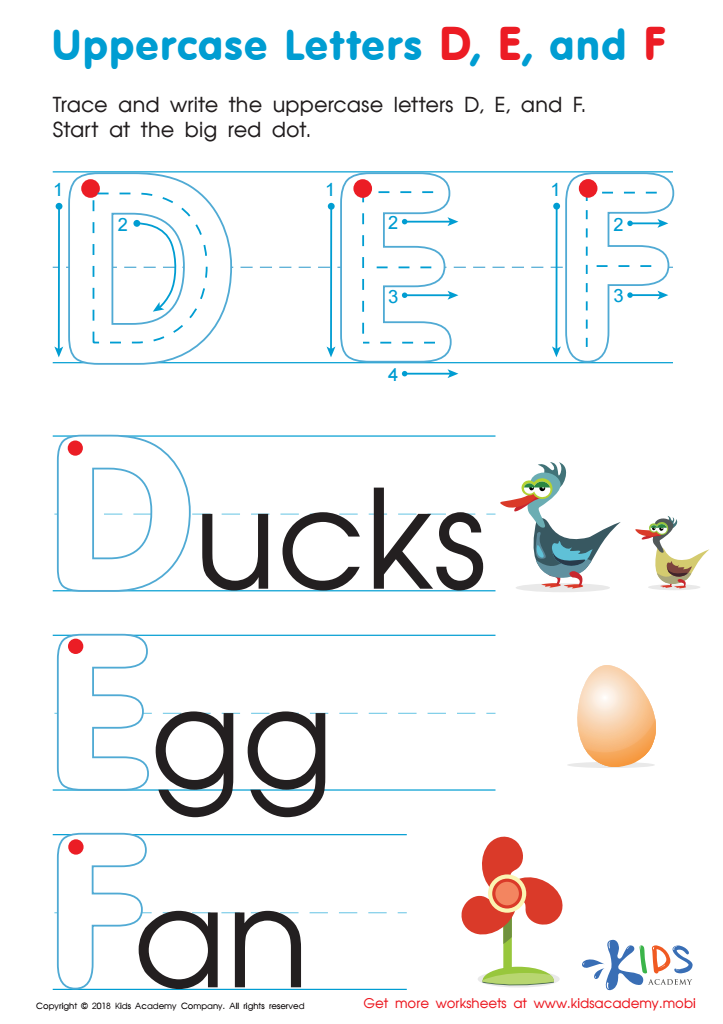
Uppercase Letters D, E, and F Worksheet
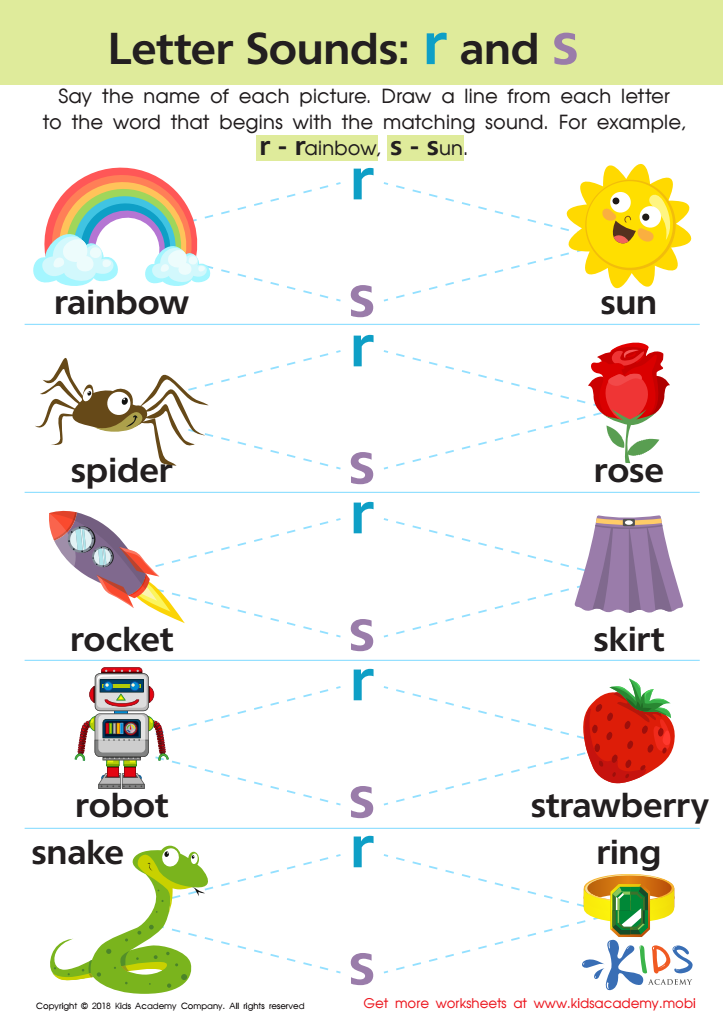
Letter R and S Sounds Worksheet

Brown Tracing Color Words Worksheet
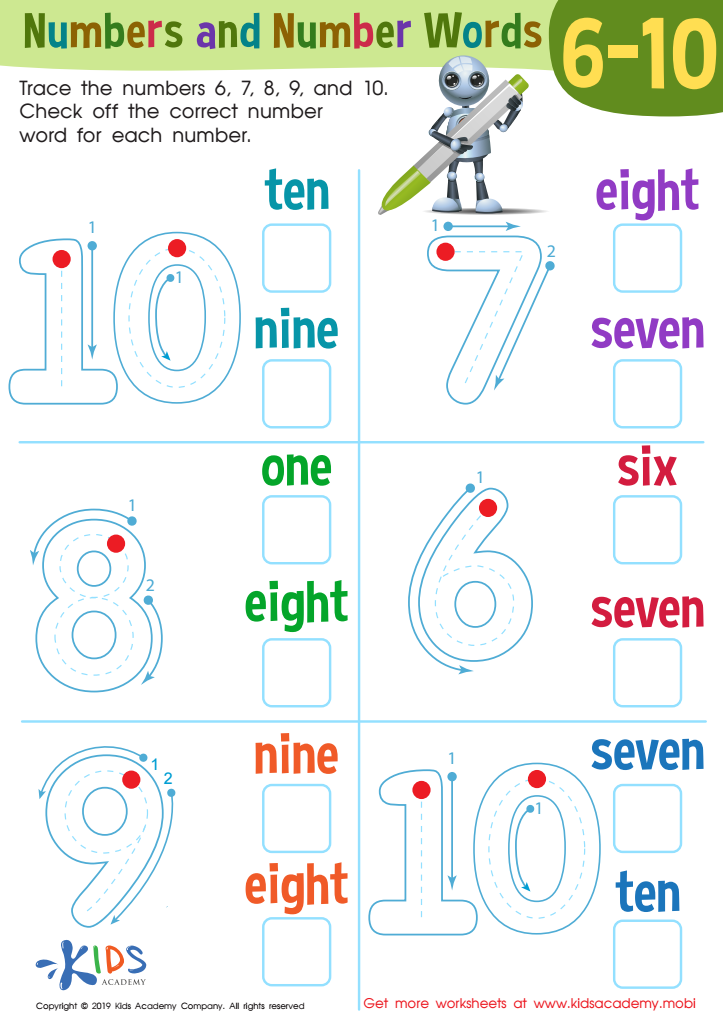
Numbers and Number Words 6–1 Worksheet
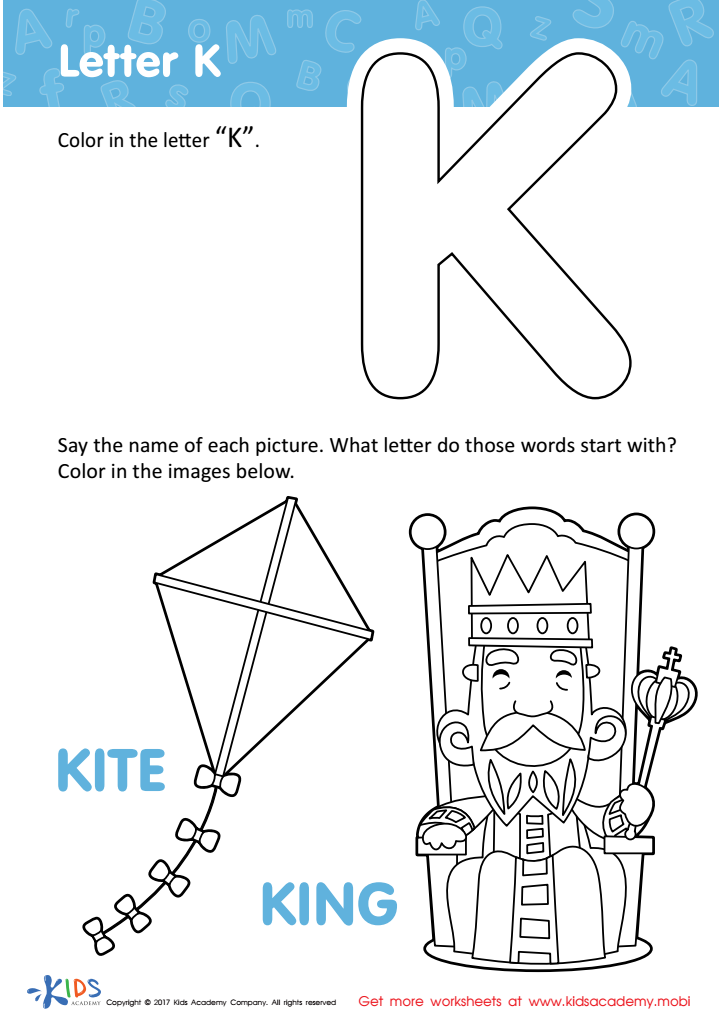
Letter K Coloring Sheet
Assign to My Students
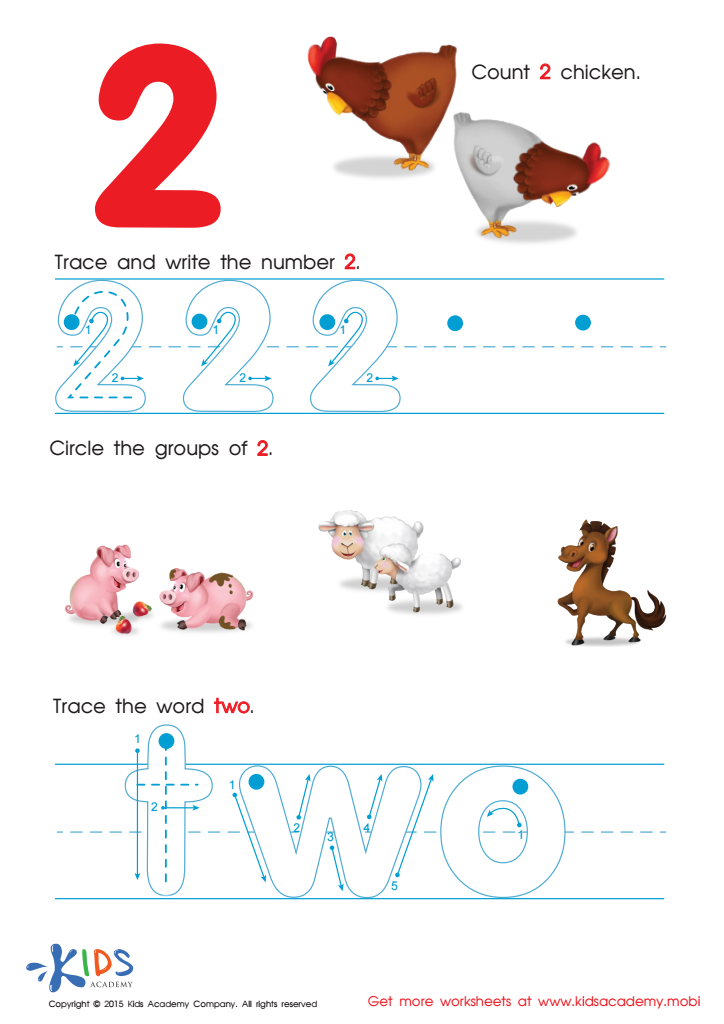
Learn to Write the Number 2 Worksheet







Handwriting practice for children aged 4-6 is essential for several reasons. Firstly, it plays a crucial role in developing fine motor skills. At this age, children are still refining their hand-eye coordination and dexterity; effectively learning to hold and move a pencil enhances these vital skills. Secondly, handwriting fosters cognitive development. The act of writing helps children connect sounds with letters, aiding in literacy as they begin to read and write. This connection lays the foundation for language acquisition and communication skills.
Furthermore, handwriting practice contributes to building a child's self-esteem and confidence. As they witness their improvement and learn to express themselves through writing, they gain a sense of achievement. Additionally, legible handwriting can positively affect academic performance. In the early grades, clear presentation can make a significant difference in how their work is received by teachers and peers.
Lastly, handwriting promotes focus and concentration. Engaging in the task requires children to pay attention, which benefits their overall learning experience. Overall, consistent handwriting practice during these formative years not only equips children with practical skills but also supports their emotional and cognitive well-being, making it essential for parents and teachers to prioritize this activity.








