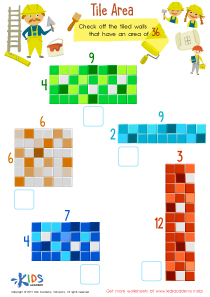
Categorization skills Normal Matching Worksheets for Ages 4-6
6 filtered results
-
From - To
Enhance your child's categorization skills with our Normal Matching Worksheets designed specifically for ages 4-6. These engaging worksheets help young learners identify and group similar objects, fostering critical thinking and organization. Each worksheet encourages kids to match items based on attributes like color, shape, and size, making learning fun and interactive. Perfect for homeschooling or classroom use, these worksheets add an exciting visual element to essential early math skills. Watch your child's confidence soar as they explore, categorize, and connect with the world around them. Browse our collection now and support your child's developmental milestones with enjoyable and educational resources!
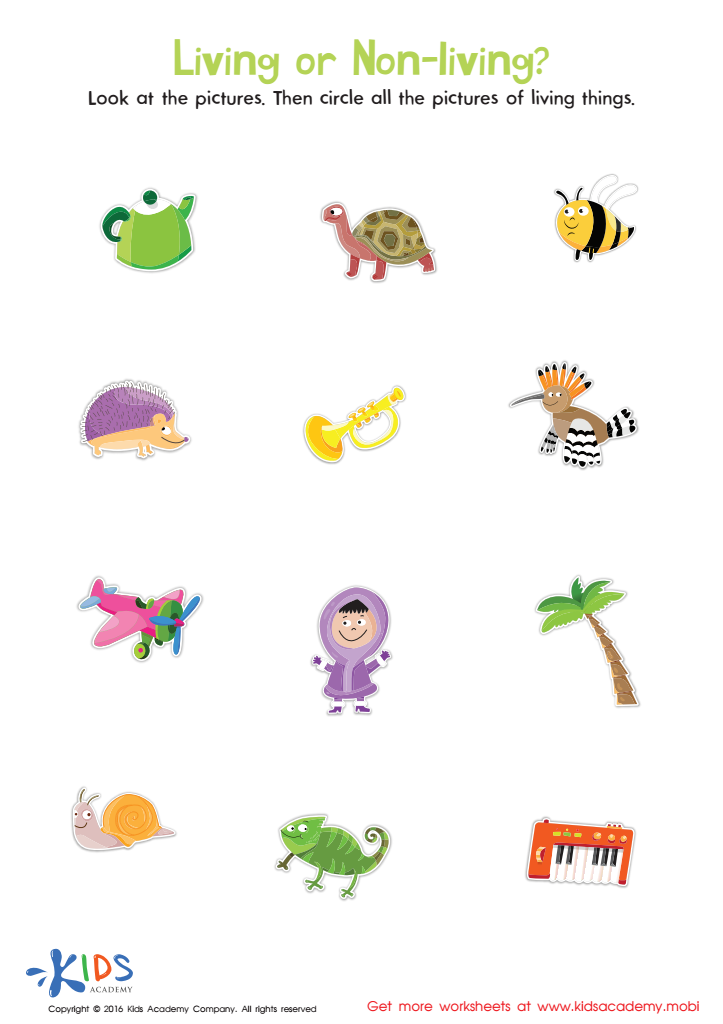
Identifying Living and Non–living Things Sorting Worksheet
 Assign to My Students
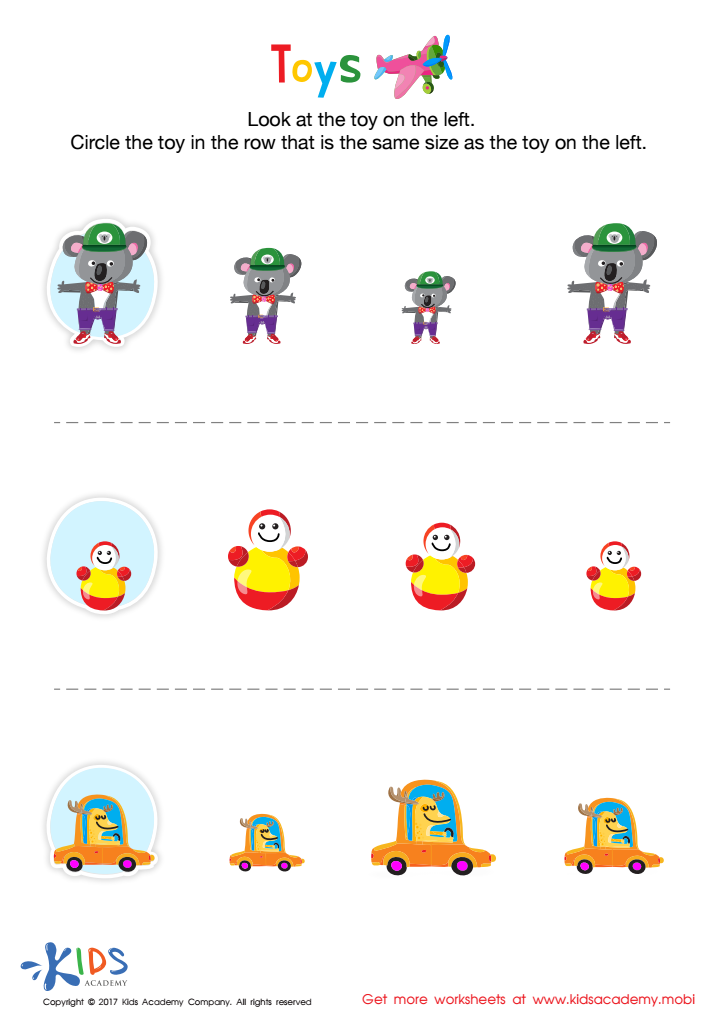
Matching: Classifying Toys by Size Worksheet
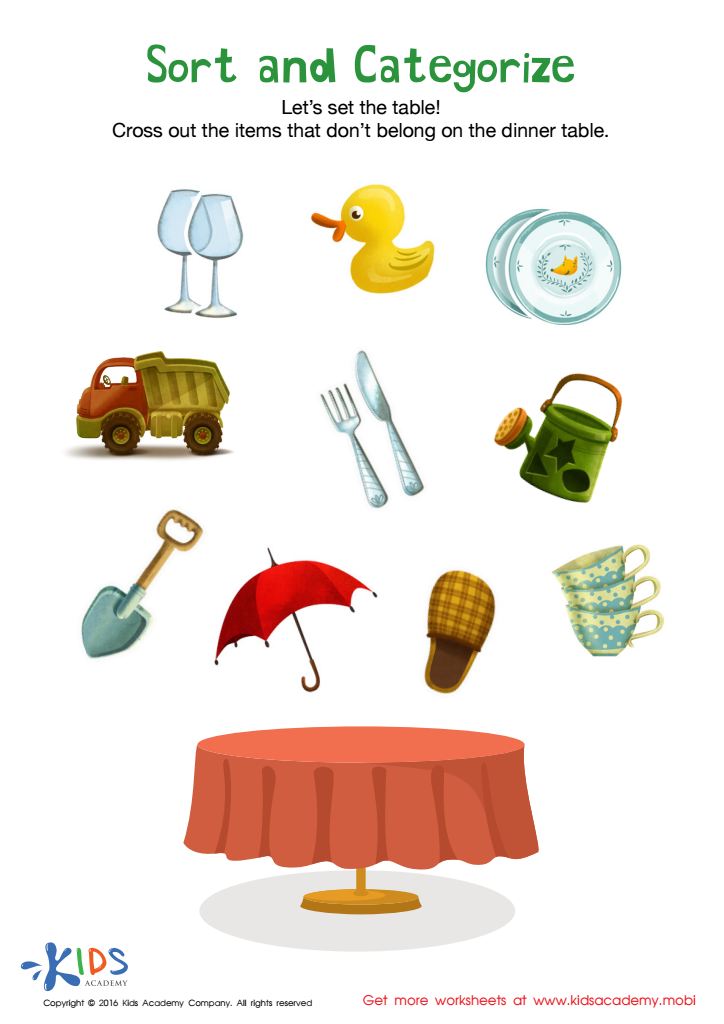
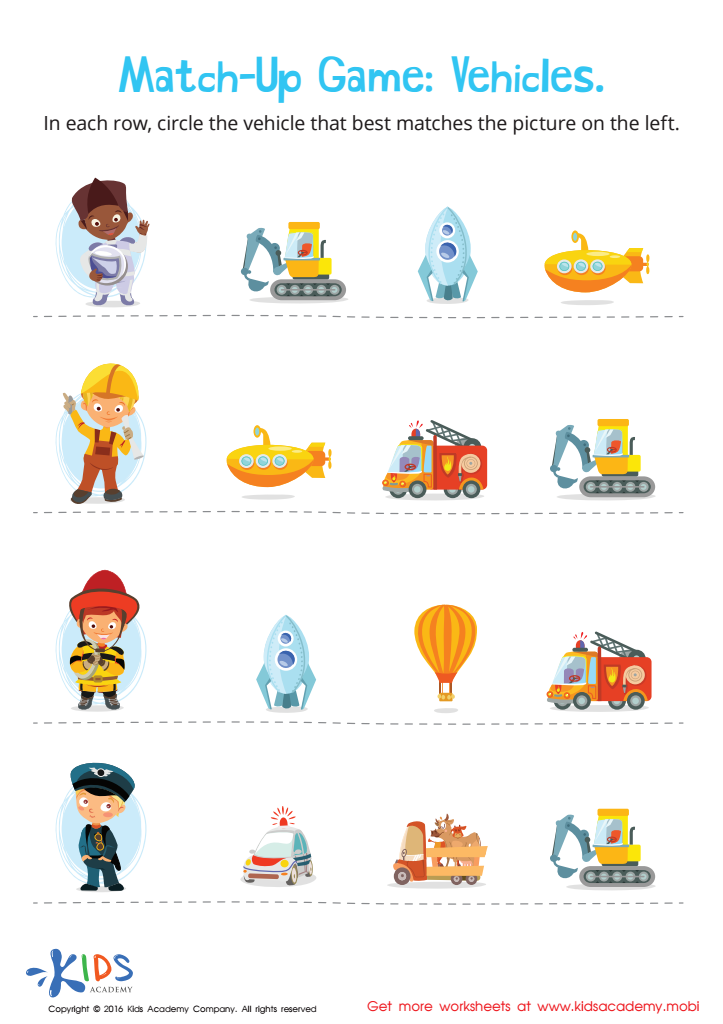
Vehicles Worksheet
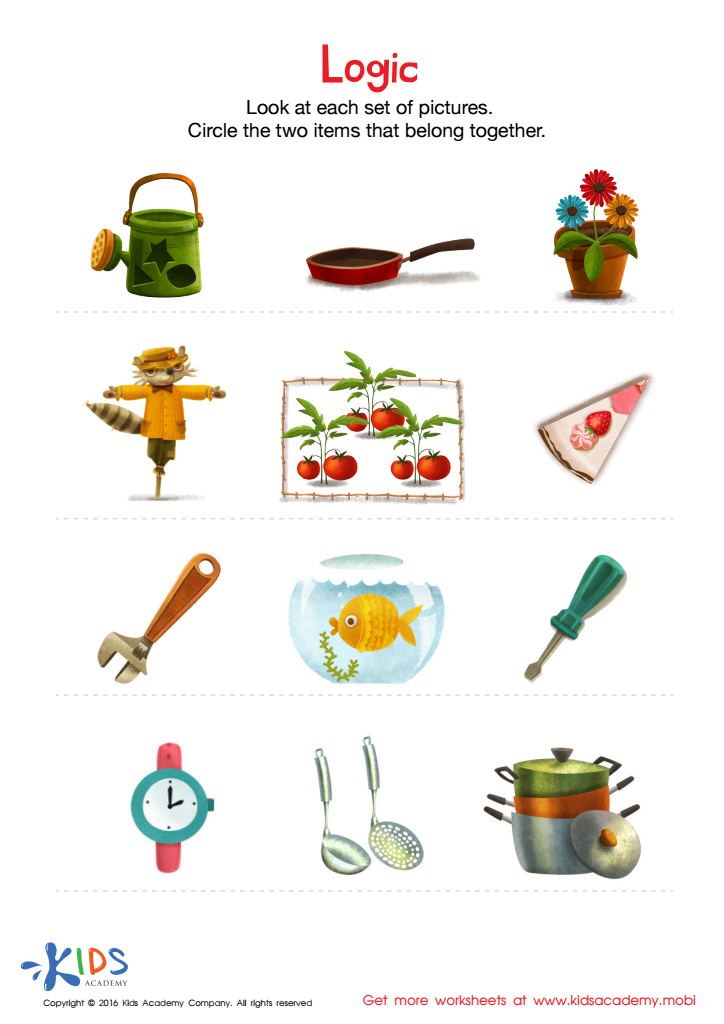
Logic Game Sorting Worksheet








Categorization skills, particularly normal matching, are crucial for children aged 4-6 as they lay the foundation for cognitive development and learning capabilities. During this cognitive phase, children begin to understand how objects and concepts share common characteristics, fostering critical thinking and problem-solving abilities. Normal matching involves identifying similarities and differences among items, which enhances their observational skills and attention to detail.
Parents and teachers should care about these skills because they significantly influence academic readiness. Mastery of categorization helps children make connections across various subjects, enabling them to understand concepts in math, science, and literacy more effectively. For instance, recognizing shapes and colors can aid in mathematics, while categorizing animals can enhance reading comprehension.
Moreover, normal matching promotes social skills. Children learn to identify patterns and relationships, crucial for forming friendships and working collaboratively. When children can categorize and match effectively, they better navigate their environments, ultimately boosting confidence and independence.
By fostering categorization skills early, parents and teachers play a vital role in equipping children with essential tools for lifelong learning and social interaction. Working collaboratively, they can create supportive environments that promote exploration and discovery, nurturing inquisitive minds ready for future academic challenges.