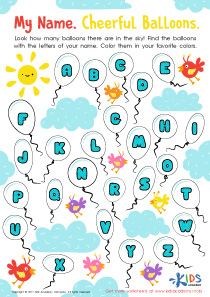
Normal ABC Order Worksheets for Ages 4-7
16 filtered results
-
From - To
Discover an array of engaging "Normal ABC Order Worksheets for Ages 4-7" perfect for young learners to master alphabetical order! Designed for preschoolers and early elementary children, these printable worksheets make learning fun and interactive. Through vibrant, colorful exercises, kids enhance their letter recognition and sequencing skills, crucial for early reading development. Each activity is meticulously crafted to capture attention and promote independent learning. Ideal for parents and teachers, these worksheets provide a fantastic educational resource to reinforce foundational alphabet knowledge and ensure your child excels in their early literacy journey. Explore and inspire with Kids Academy today!
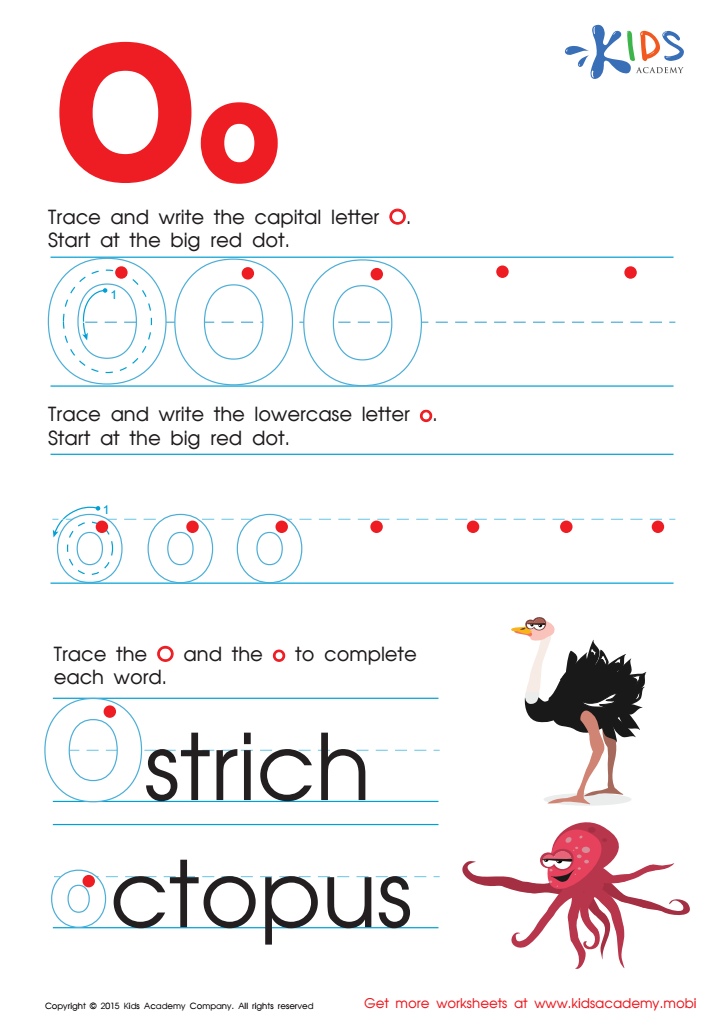
Letter O Tracing Page
 Assign to My Students






Letter P Tracing Page
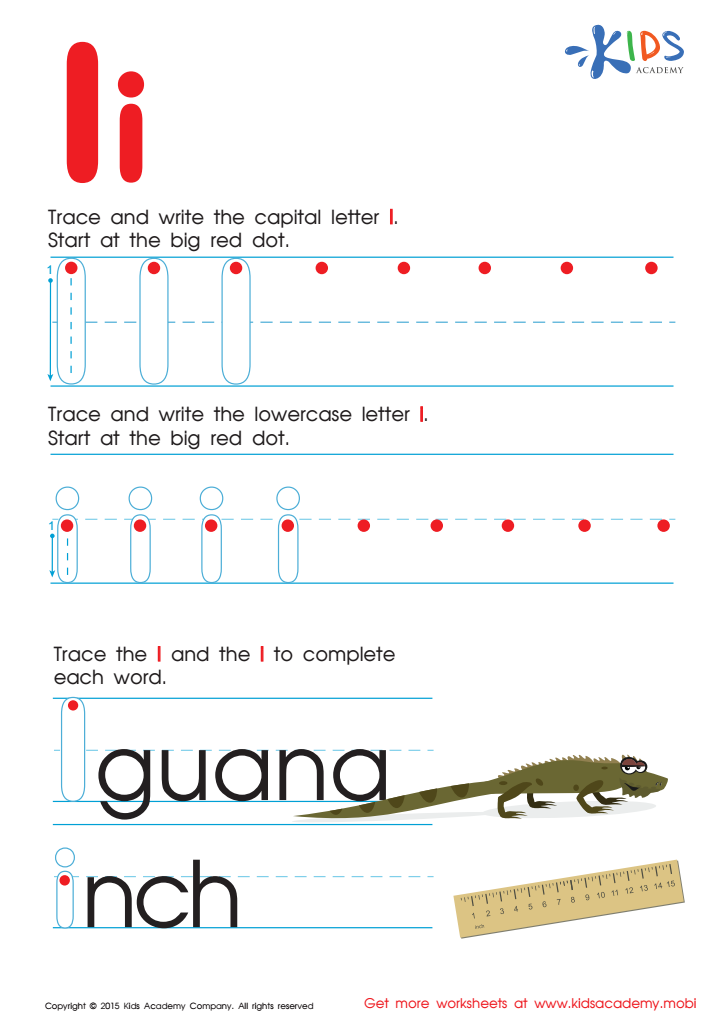
Letter I Tracing Page
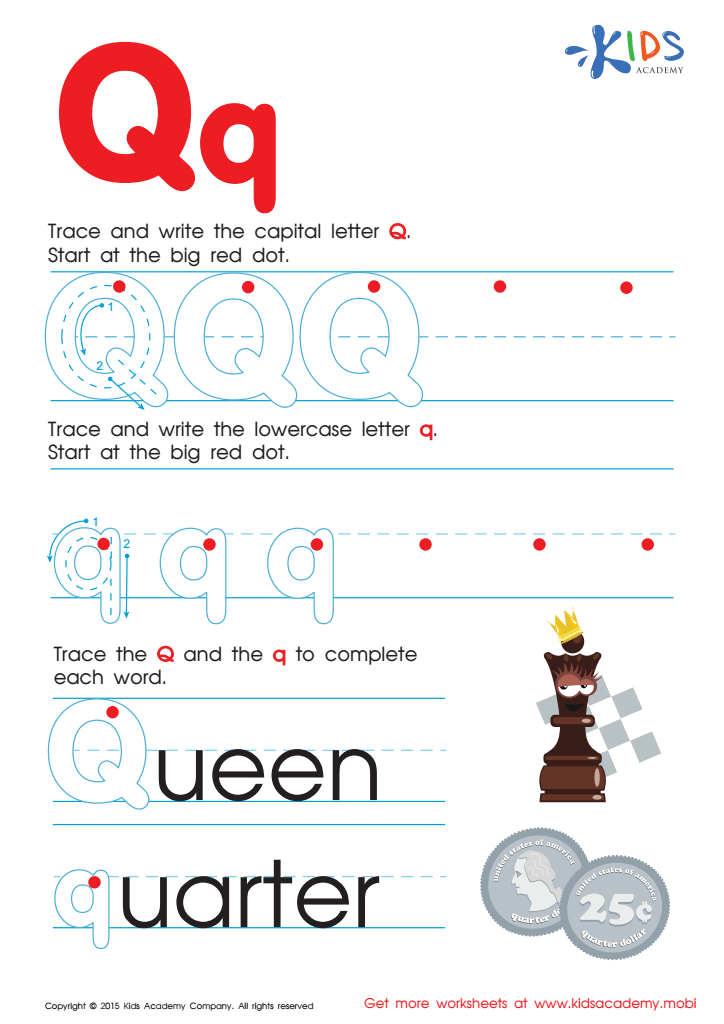
Letter Q Tracing Page

Letter H Tracing Page
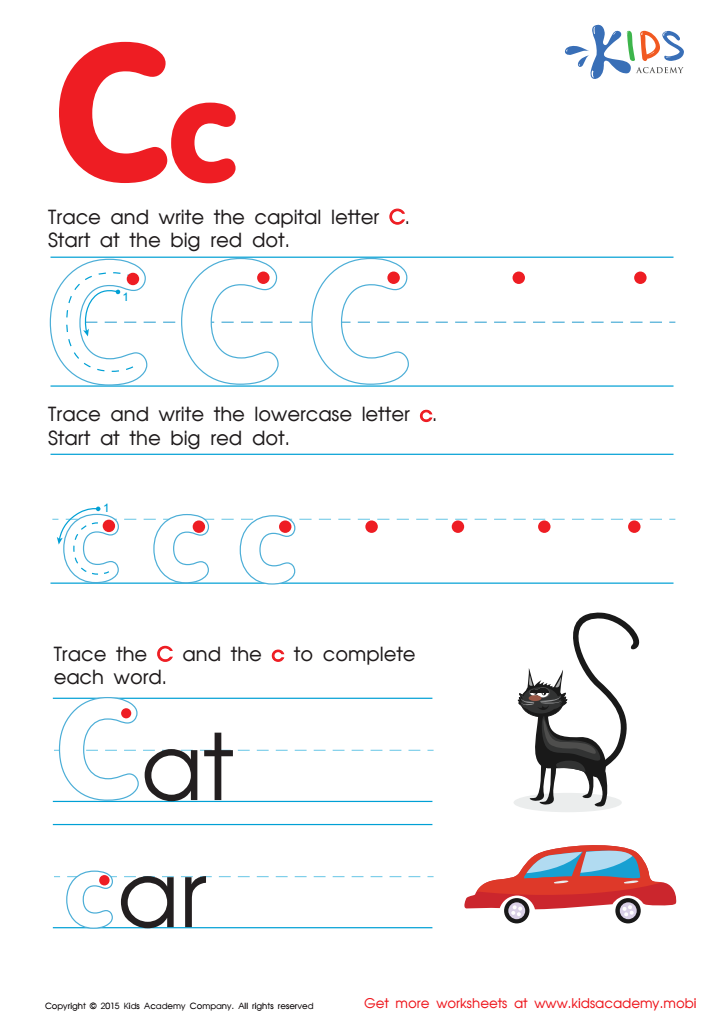
Letter C Tracing Page
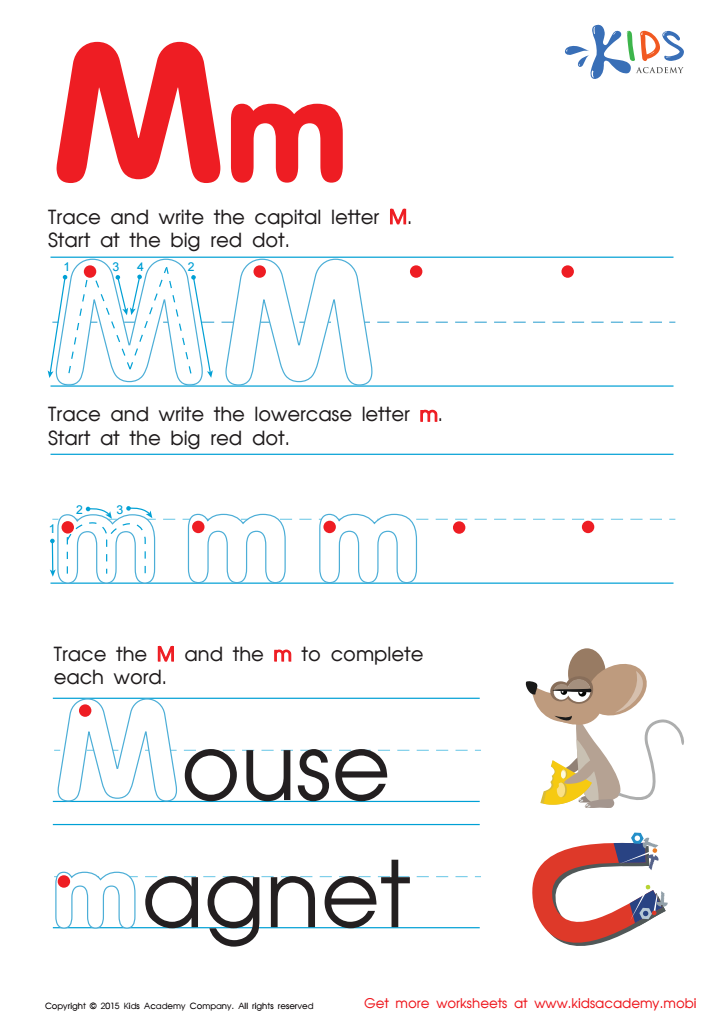
Letter M Tracing Page
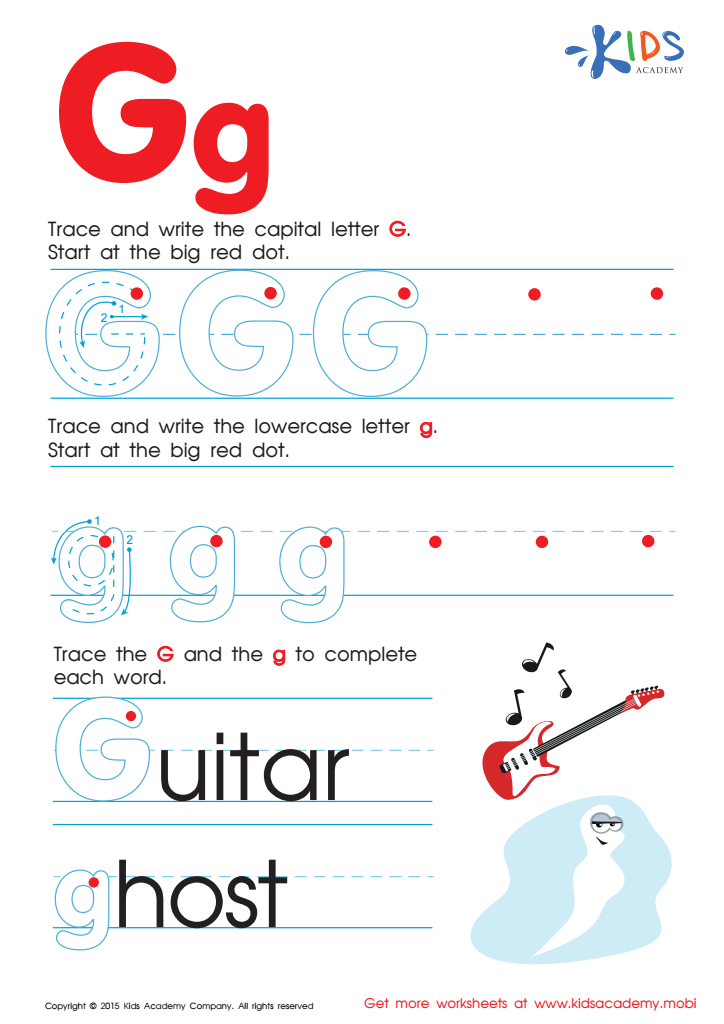
Letter G Tracing Page
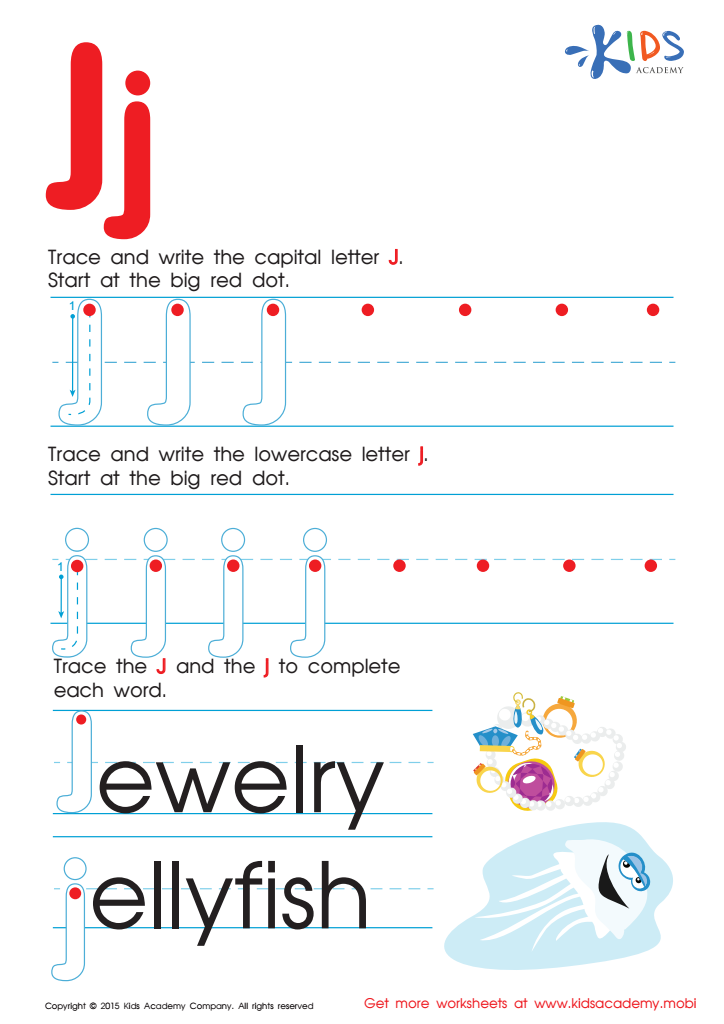
Letter J Tracing Page
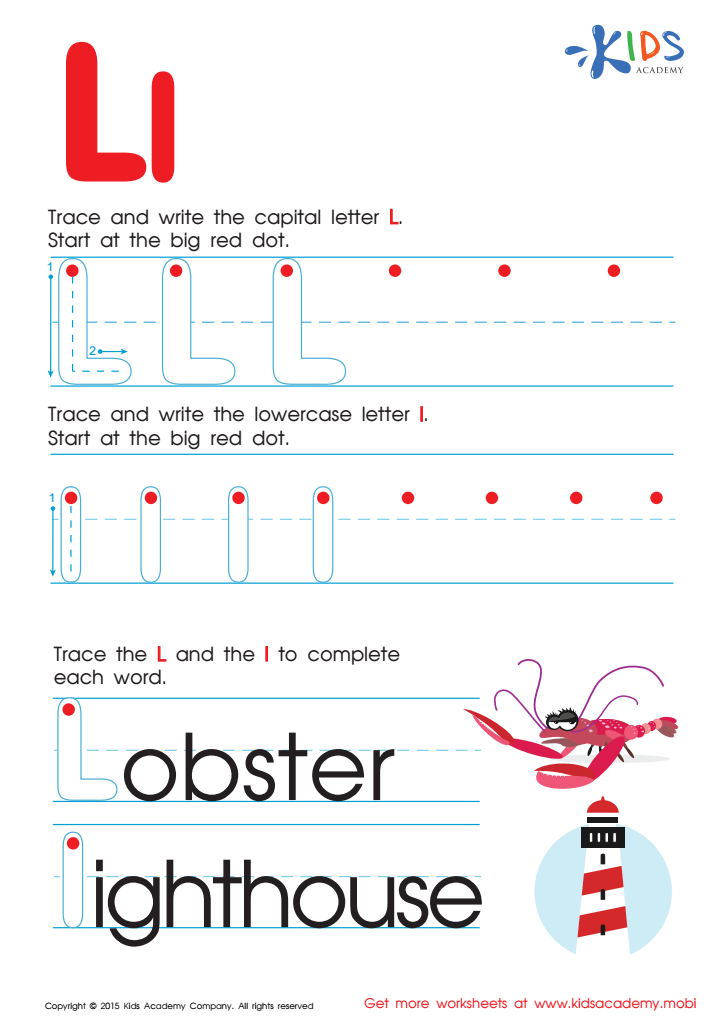
Letter L Tracing Page
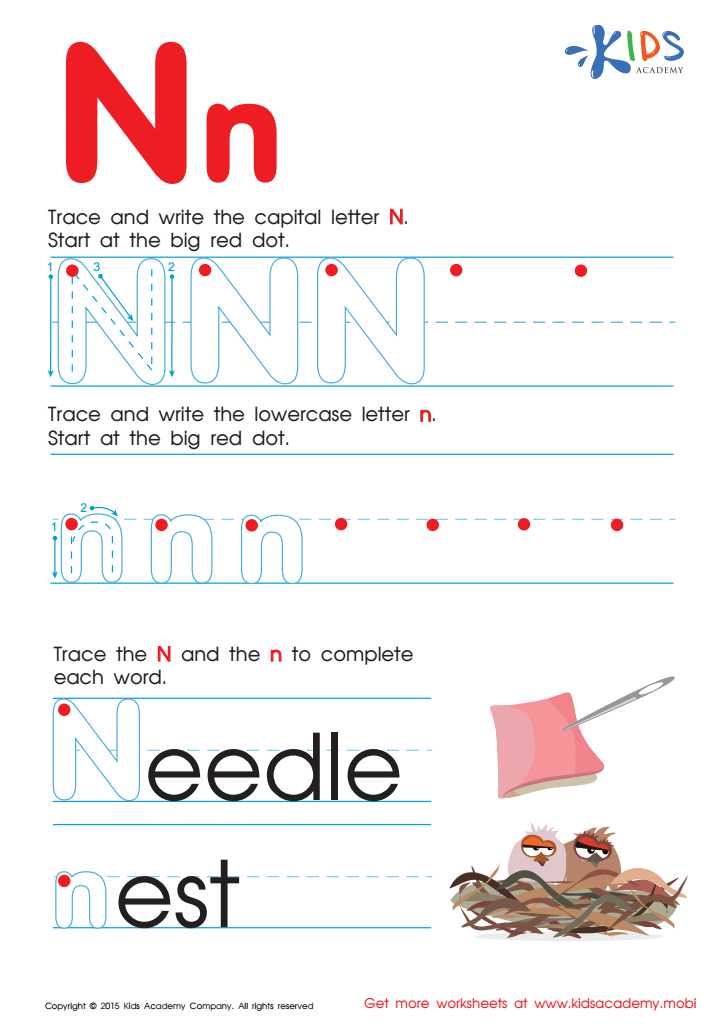
Letter N Tracing Page
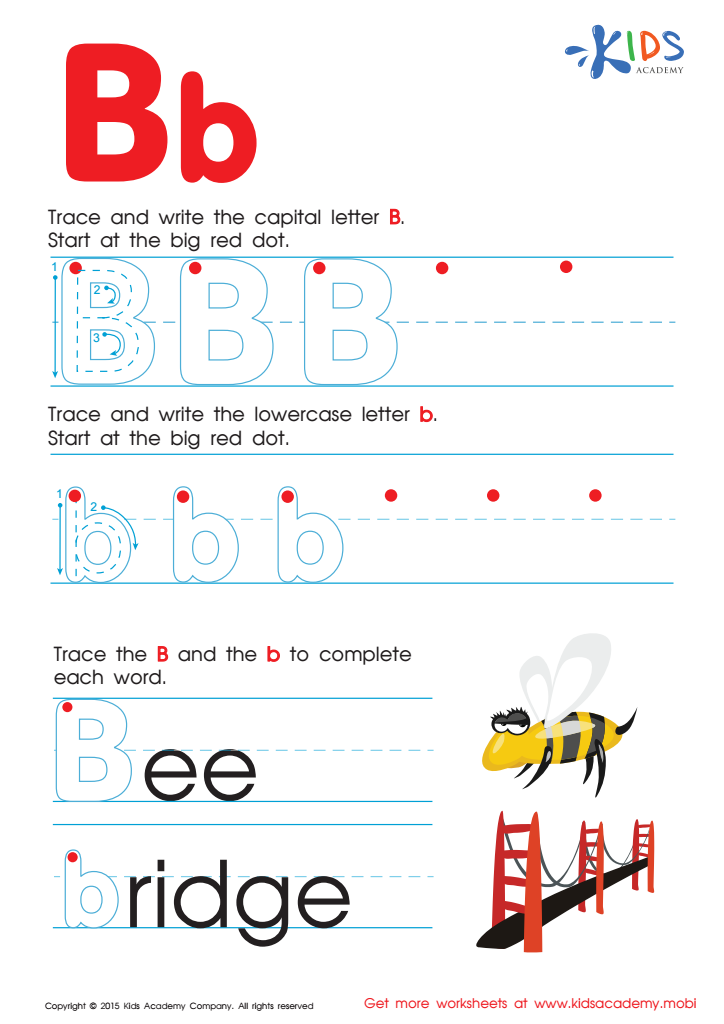
Letter B Tracing Page
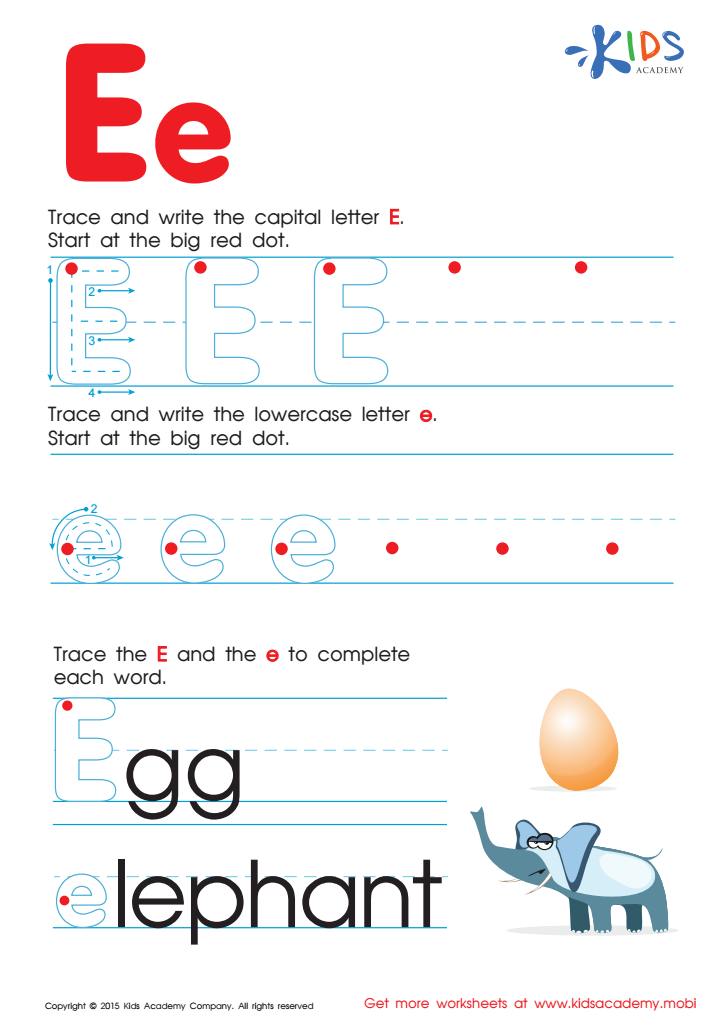
Letter E Tracing Page
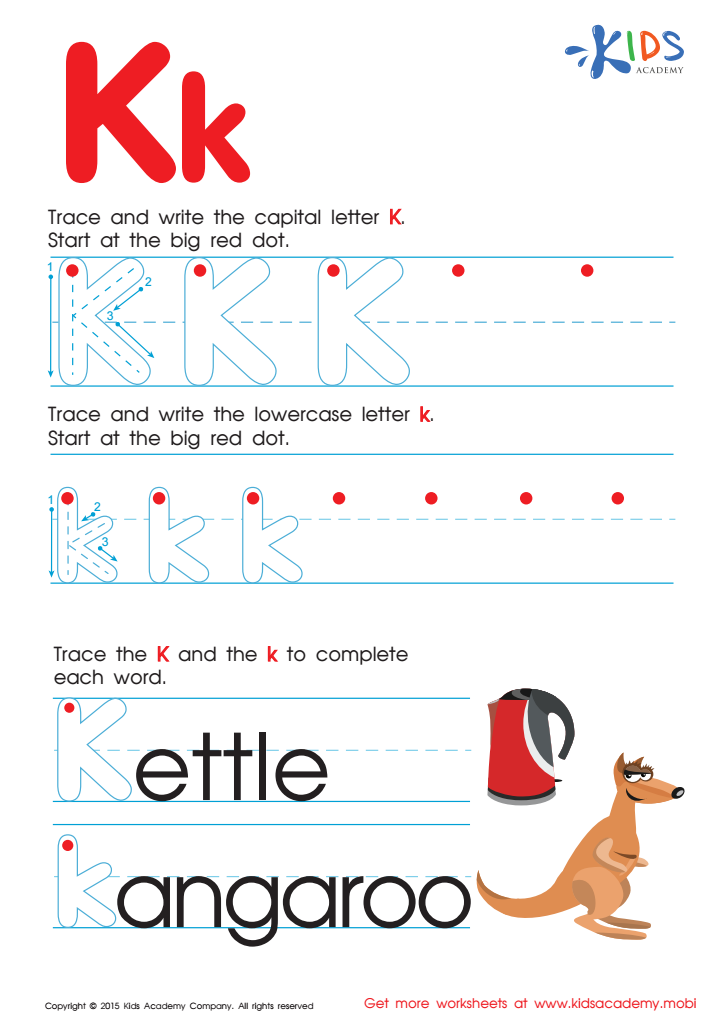
Letter K Tracing Page
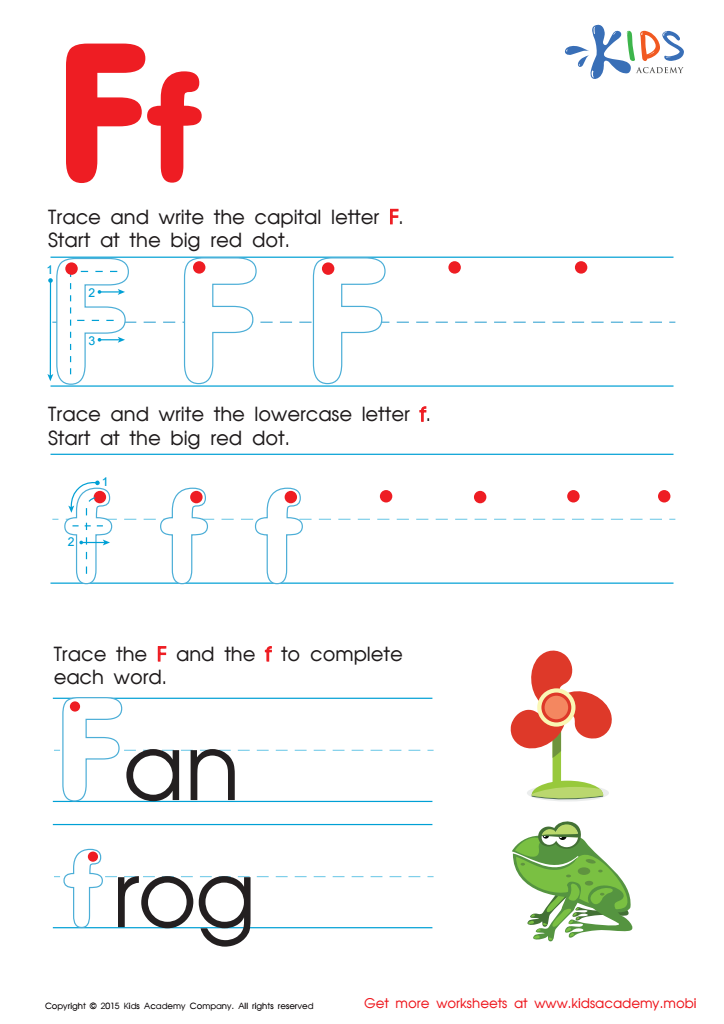
Letter F Tracing Page

Letter D Tracing Page







Understanding and practicing Normal ABC Order is quite significant for children aged 4-7 for several foundational reasons. At this early educational stage, children are developing their cognitive skills rapidly, and learning to sort and recognize items in sequence is a key step in this growth.
First, knowing the alphabet in order is essential for literacy. Many literacy activities, such as spelling, reading, and organizing words, rely on a strong grasp of ABC order. For instance, using dictionaries or enjoying alphabetically-organized classroom materials becomes easier for kids when they know the sequence.
Secondly, alphabetizing involves more than just memorization; it enhances their understanding of categorization and organization. These are critical thinking skills that children can apply later in more complex subjects such as math and science.
Teaching ABC order also provides an early introduction to learning routines, which aids in behavioral development. It instills patience and attention to detail when children align characters in the correct order.
Additionally, this practice instills a sense of confidence and independence. When children are adept at following or setting alphabetic order, they often feel more competent and self-assured in their academic tasks.
By investing attention in this fundamental skill, parents and teachers support a child’s comprehensive educational development and pave the way for future academic achievements.