Cognitive Development Normal Worksheets for Ages 4-7
61 filtered results
-
From - To
Our Cognitive Development Normal Worksheets for Ages 4-7 are designed to boost young learners' critical thinking and problem-solving abilities. These engaging and educational worksheets cover essential topics such as patterns, sequencing, and memory skills. Each sheet features interactive activities that make learning fun and effective, helping children develop cognitive skills at their own pace. Perfect for both classroom and home use, our worksheets support the building blocks of learning needed for future success. Visit Kids Academy to explore a variety of worksheets tailored to the developmental needs of children aged 4-7, guiding them towards academic growth and confidence.

Cargo Matchup: Hundreds Worksheet
 Assign to My Students

Rhymes in Poems Worksheet

Count and Match Boxes with Vegetables
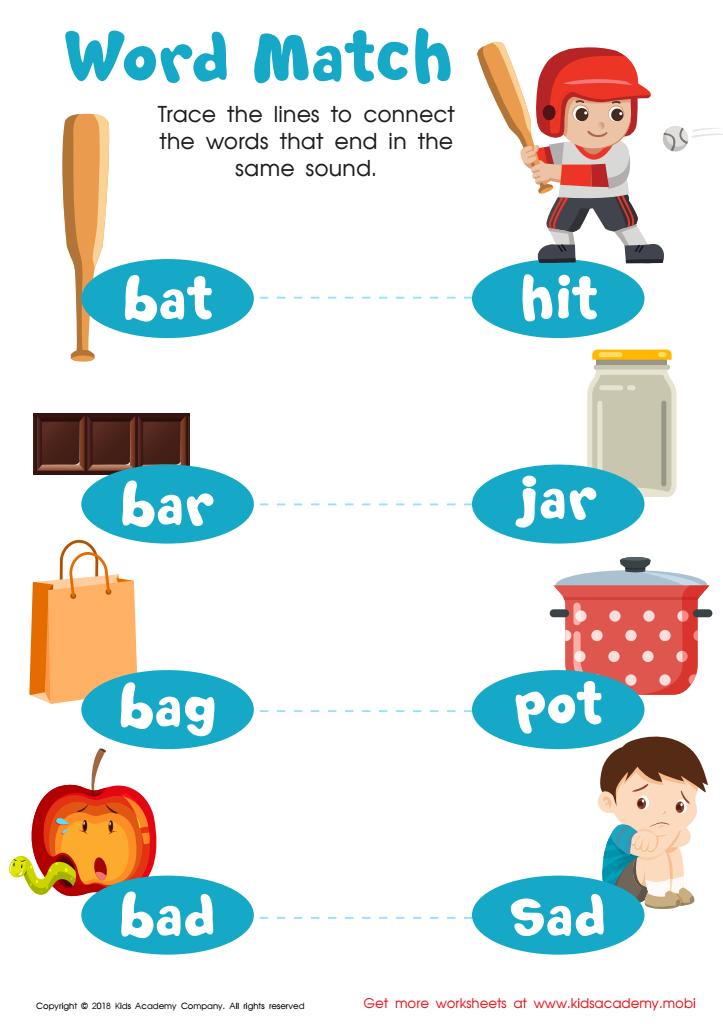
Word Match Reading Worksheet

Trash Sorting Worksheet
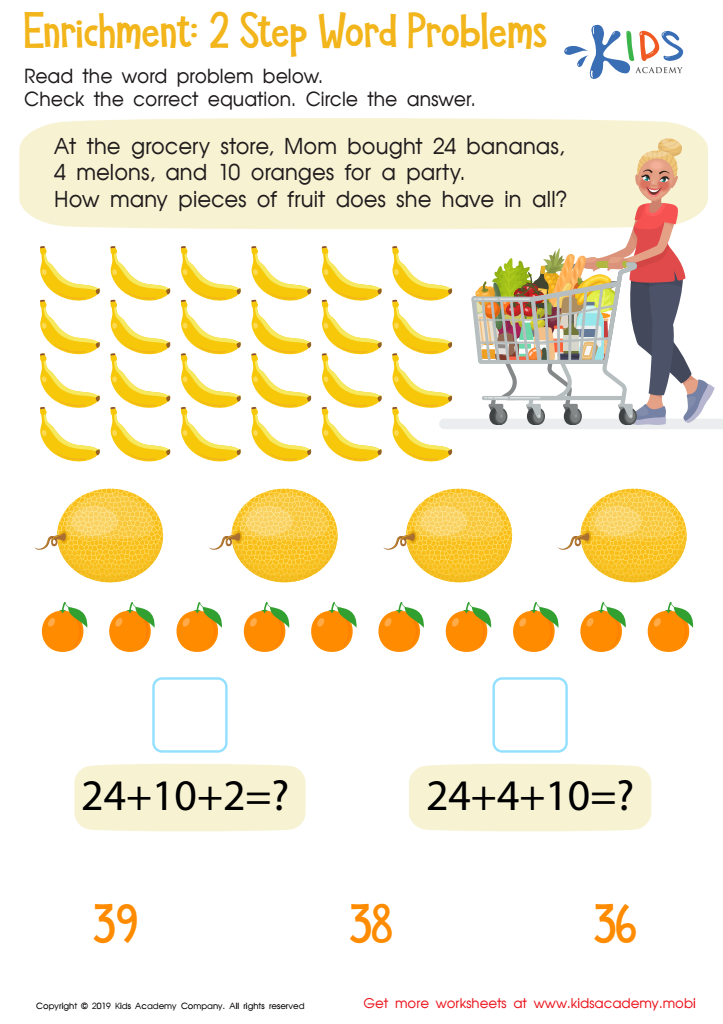
Enrichment -2 Step Word Problems Worksheet

Counting Forward On the Farm Worksheet
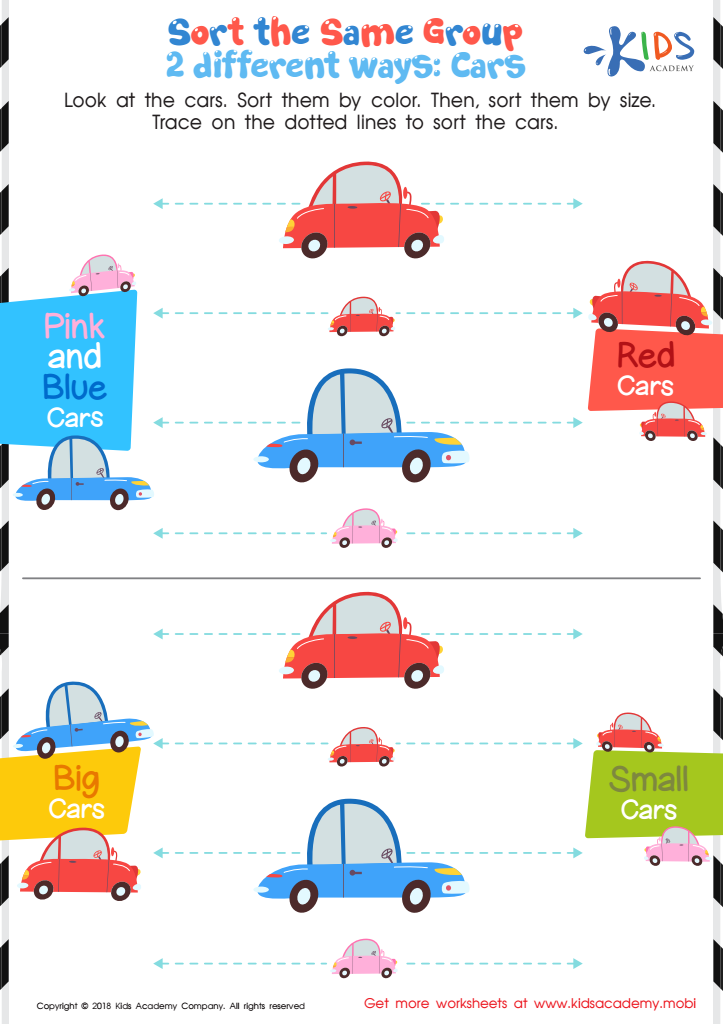
Sort the Same Group 2 Different Ways: Cars Worksheet

Young and Adult Plants Worksheet
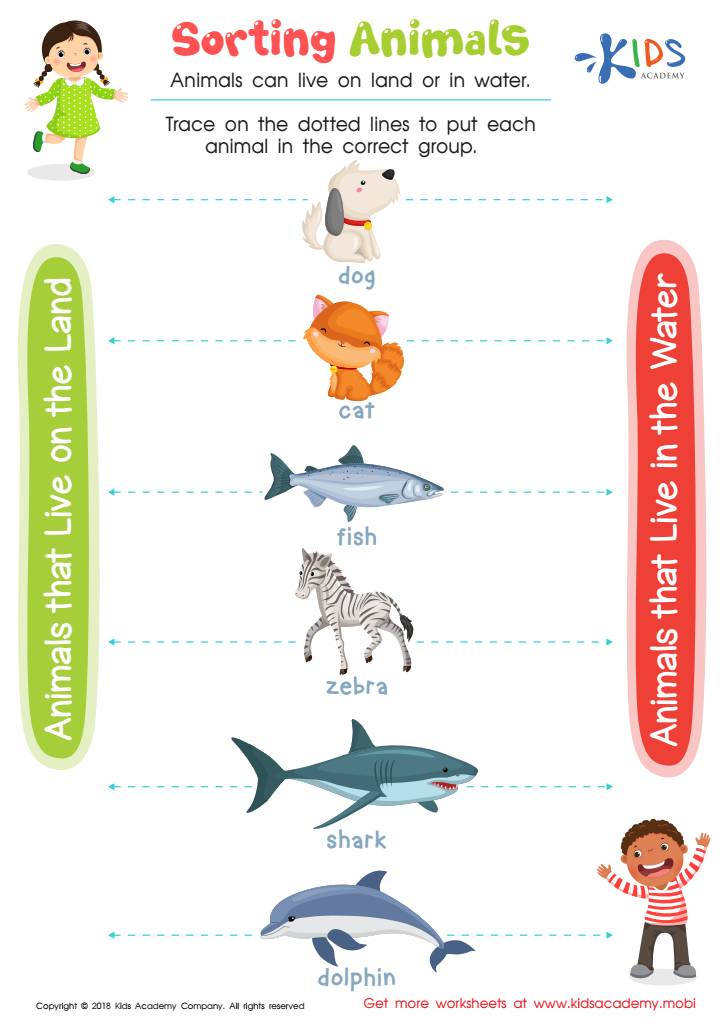
Sorting Animals Worksheet
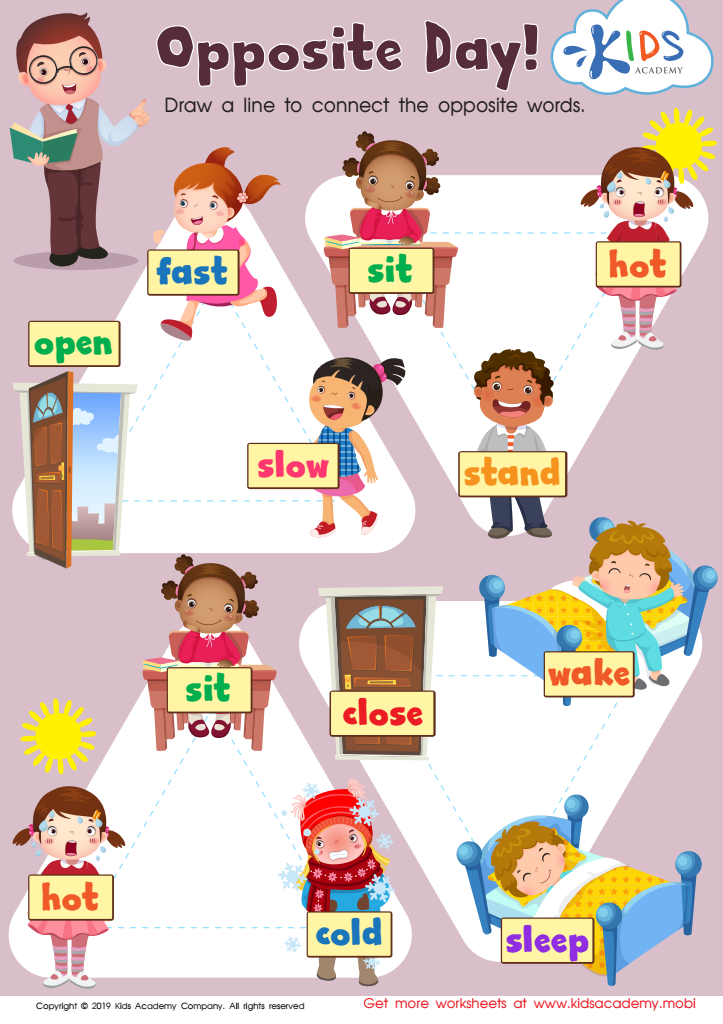
Opposite Day Worksheet

Trace And Write Number 7 with Fun Worksheet
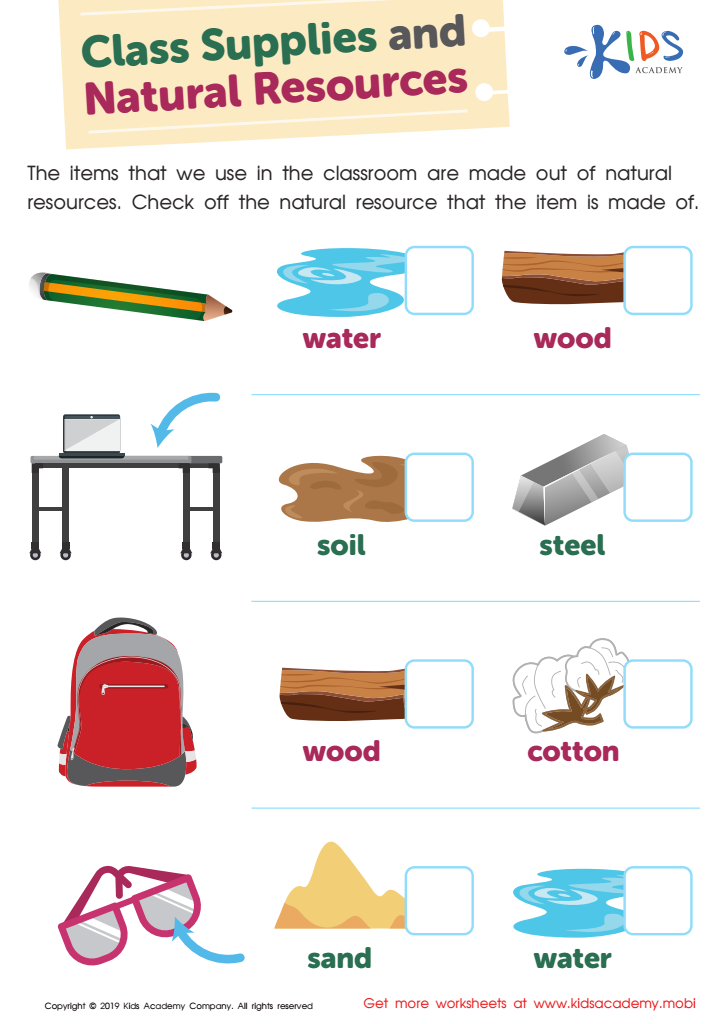
Class Supplies and Natural Resources Worksheet

Let's Look! Assessment Worksheet
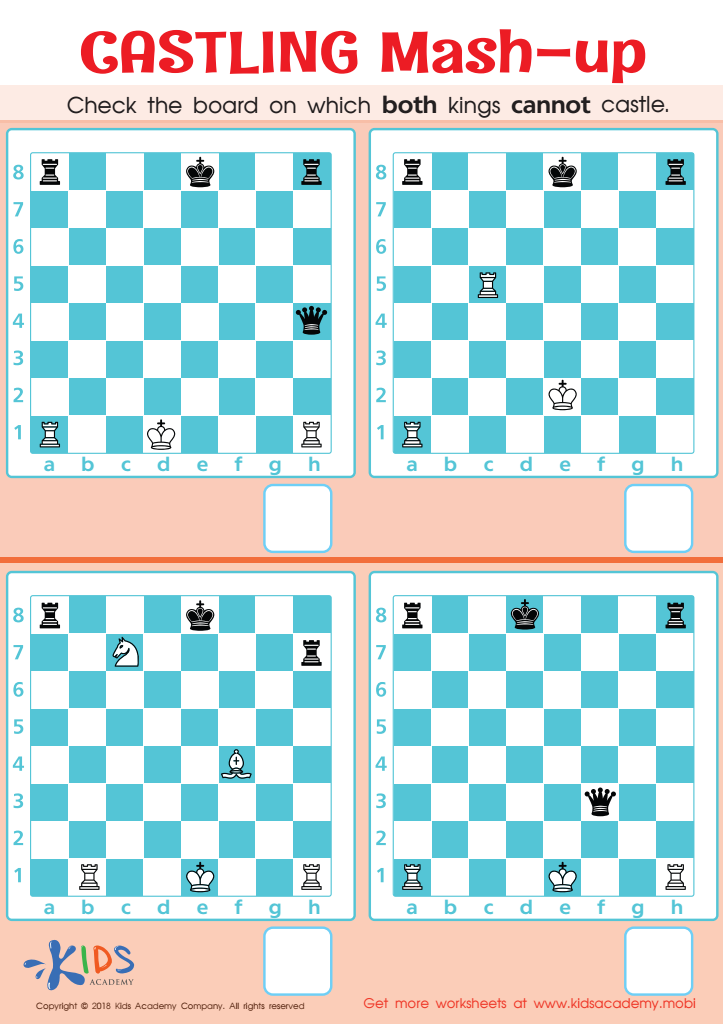
Castling Mash–up Worksheet

Fruits Match Up Worksheet
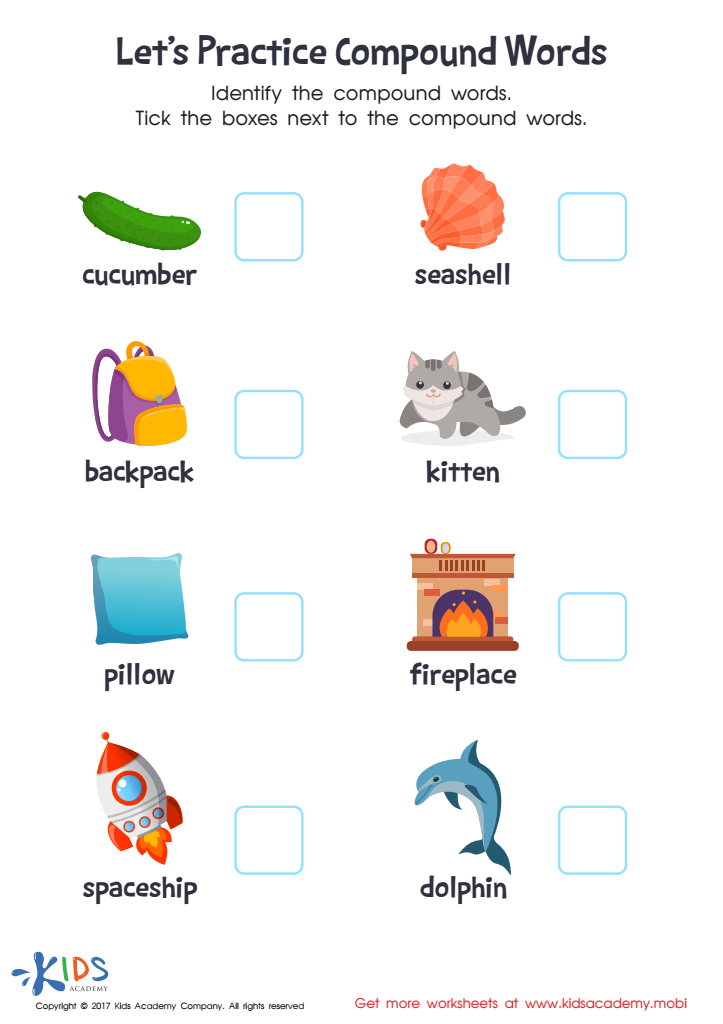
Let's Practice Compound Words Word Structure Worksheet

Washing Our Hands Worksheet
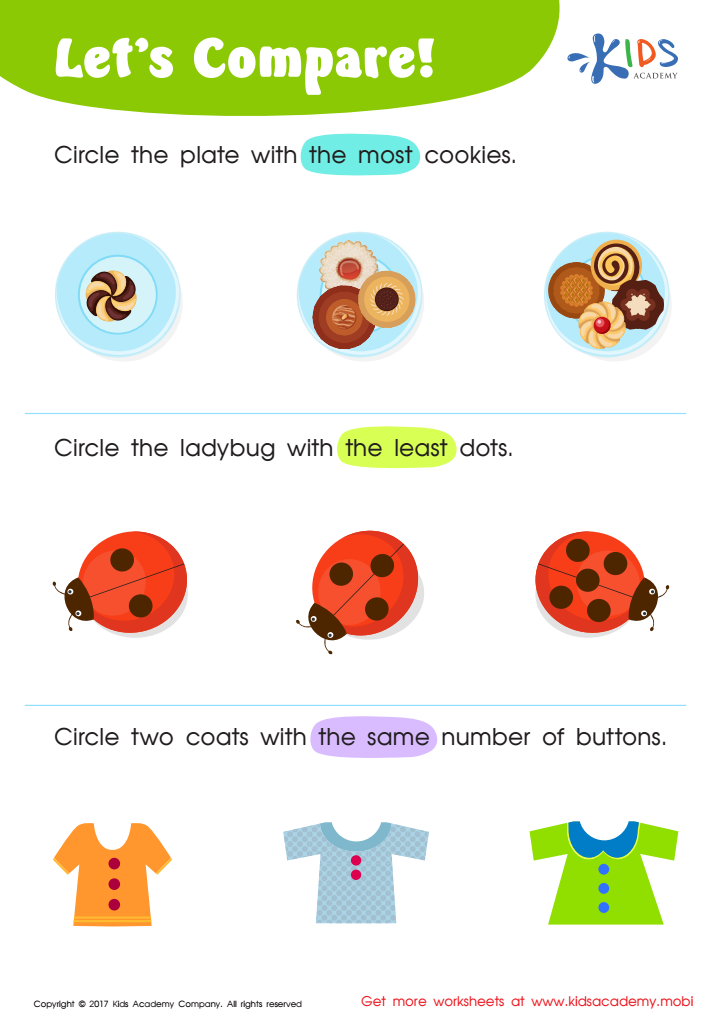
Matching: Classifying Toys by Size Worksheet

City Workers Community Helpers Worksheet
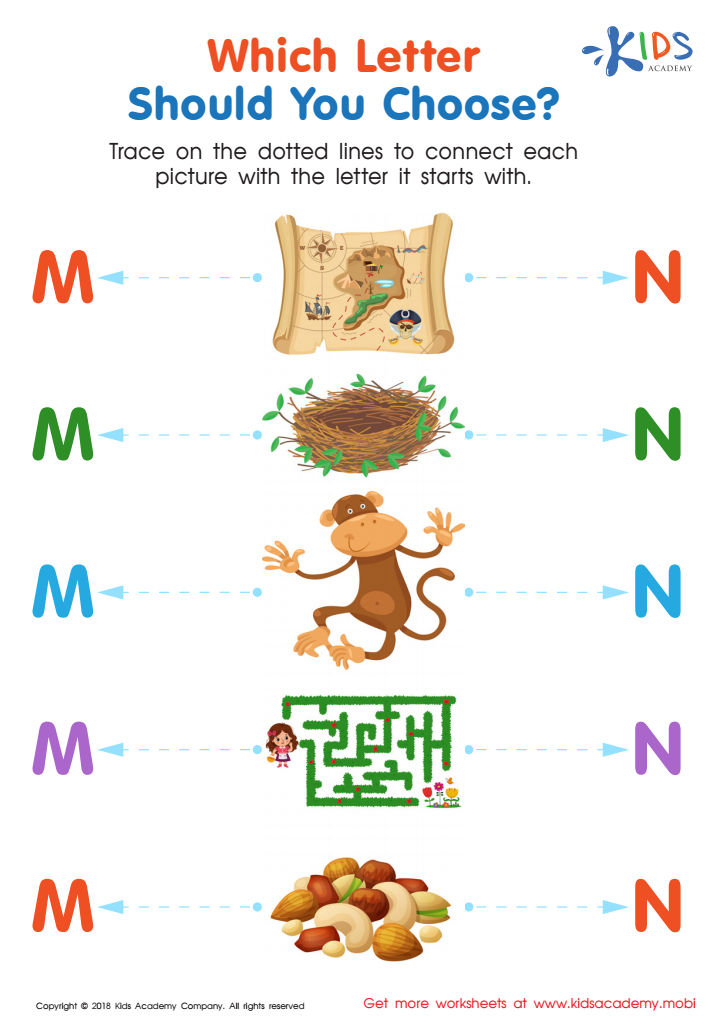
Which Letter Should you Choose? Worksheet

Count and Pair on the Farm Worksheet

Practicing to Draw Circles And Squares Printable

Will It Make a Shadow? Worksheet






Understanding and supporting cognitive development in children ages 4-7 is crucial for parents and teachers because it lays the foundation for future learning and personal growth. During this formative period, children undergo significant changes in their thinking, problem-solving, memory, and language abilities. Cognitive development in these years helps children transition from simple, concrete understanding to more complex and abstract thinking.
By paying attention to cognitive development, parents and teachers can identify and nurture critical milestones such as symbolic thought, problem-solving skills, and memory retention. Activities that promote these skills smartly prepare children for academic success and can foster a lifelong love of learning. For instance, engaging in storytelling, puzzles, and games enhances creativity, logical reasoning, and memory – essential skills in every academic area.
Furthermore, being aware of cognitive development norms helps in early identification of potential developmental delays. This early recognition allows for timely interventions, offering support where needed, therefore reducing or eliminating challenges before they become significant barriers in education later on.
Simply put, nurturing cognitive development from ages 4-7 provides children not only with the skills they need for school but also with essential tools for navigating the complexities of daily life and making informed decisions. Hence, it is a responsibility that should not be overlooked.








