Handwriting practice Normal Worksheets for Ages 4-7 - Page 3
63 filtered results
-
From - To
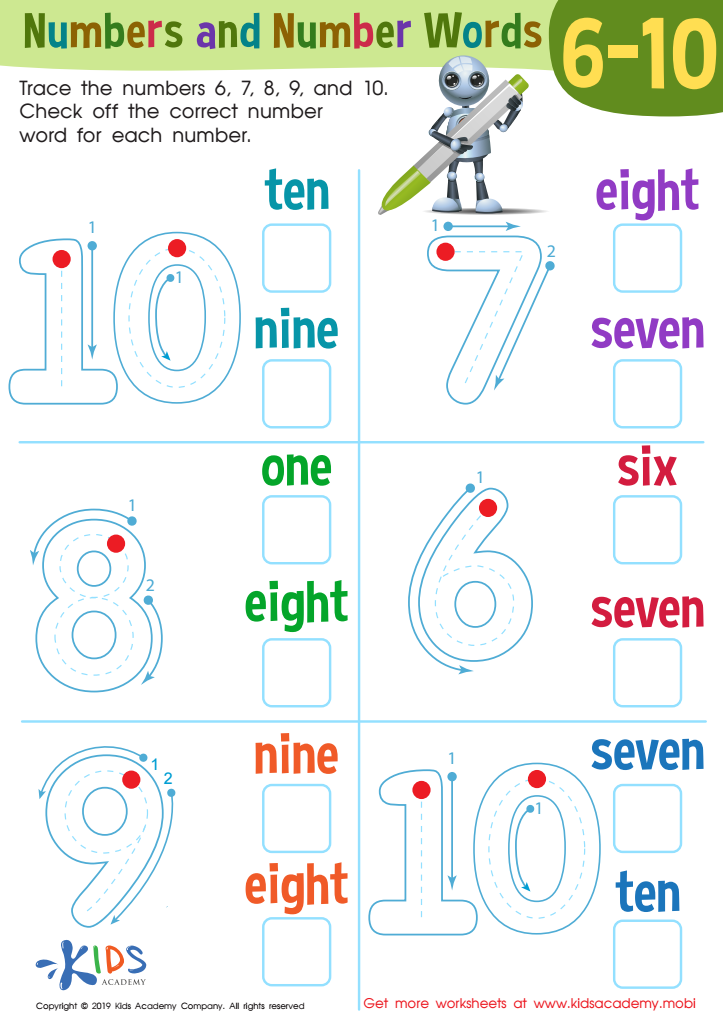
Numbers and Number Words 6–1 Worksheet
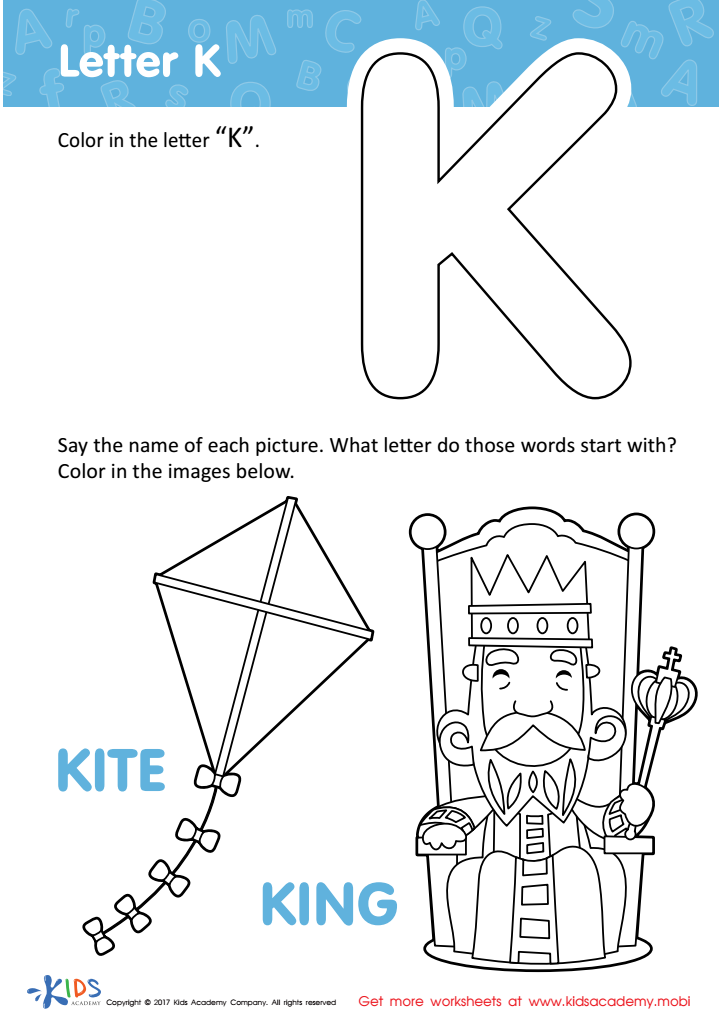
Letter K Coloring Sheet
 Assign to My Students
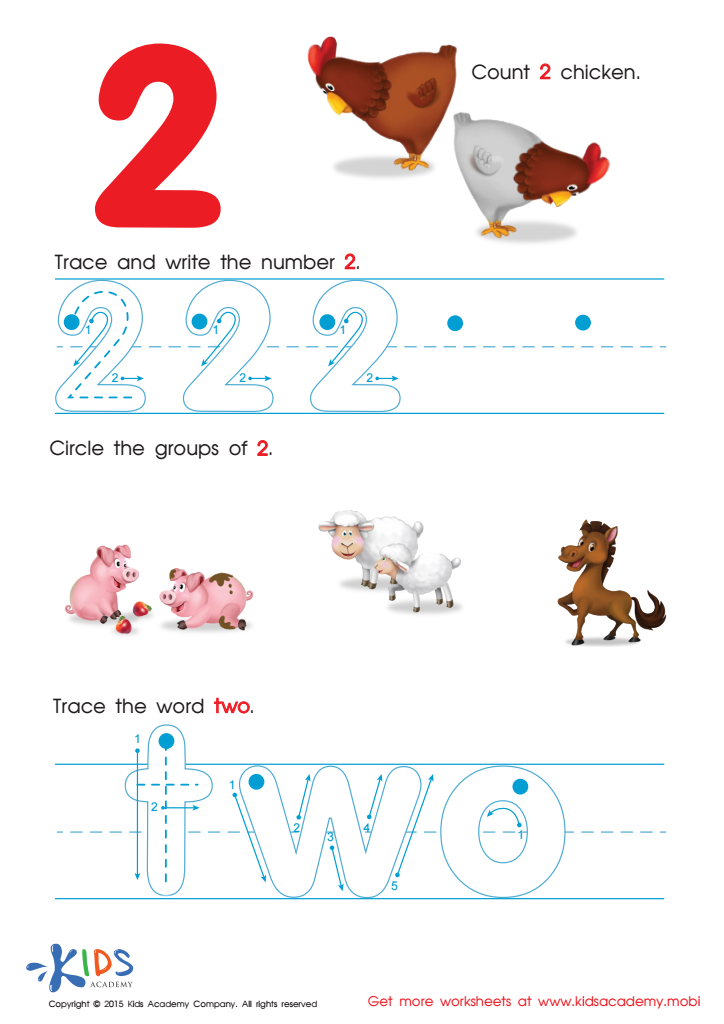
Learn to Write the Number 2 Worksheet
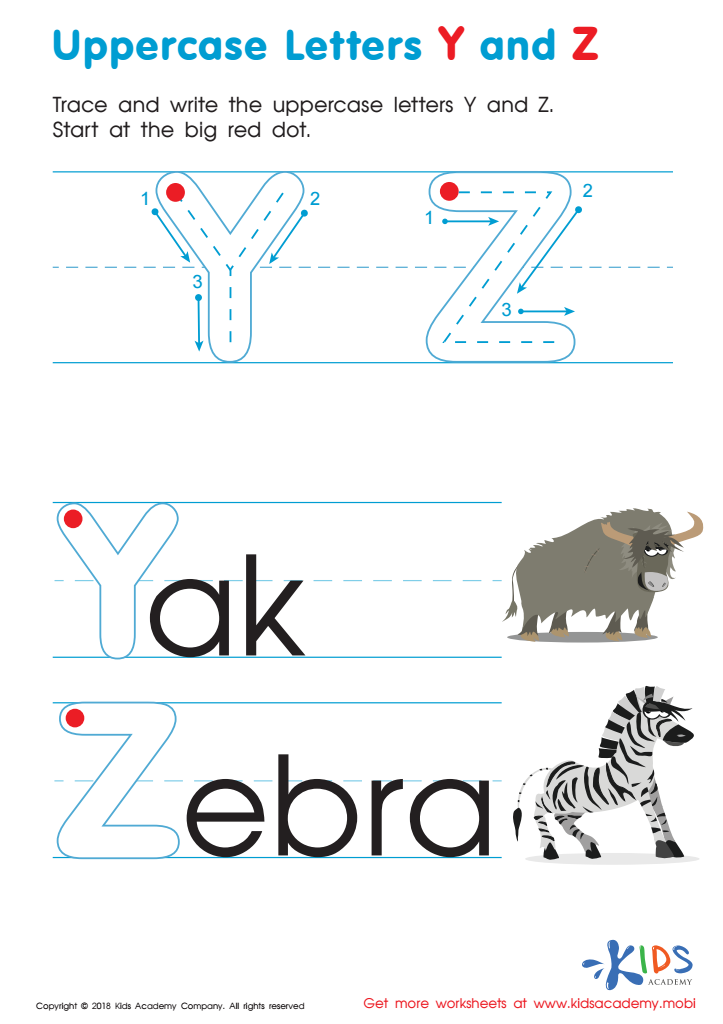
Uppercase Letters Y Z Worksheet
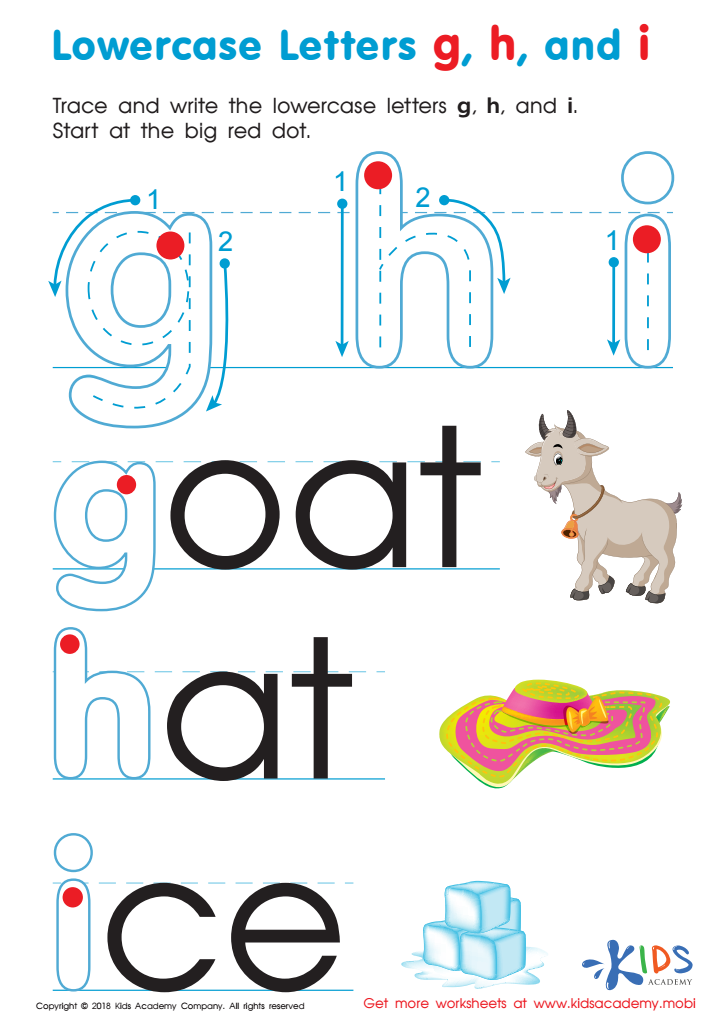
Lowercase Letters g h i Worksheet
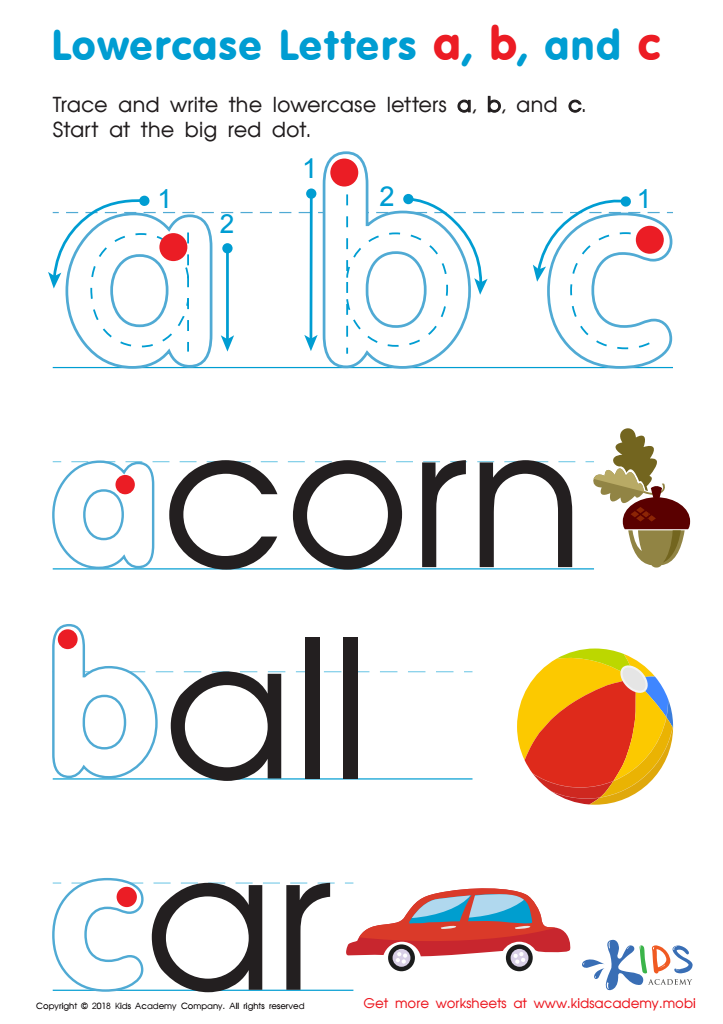
Lowercase Letters a b c Worksheet
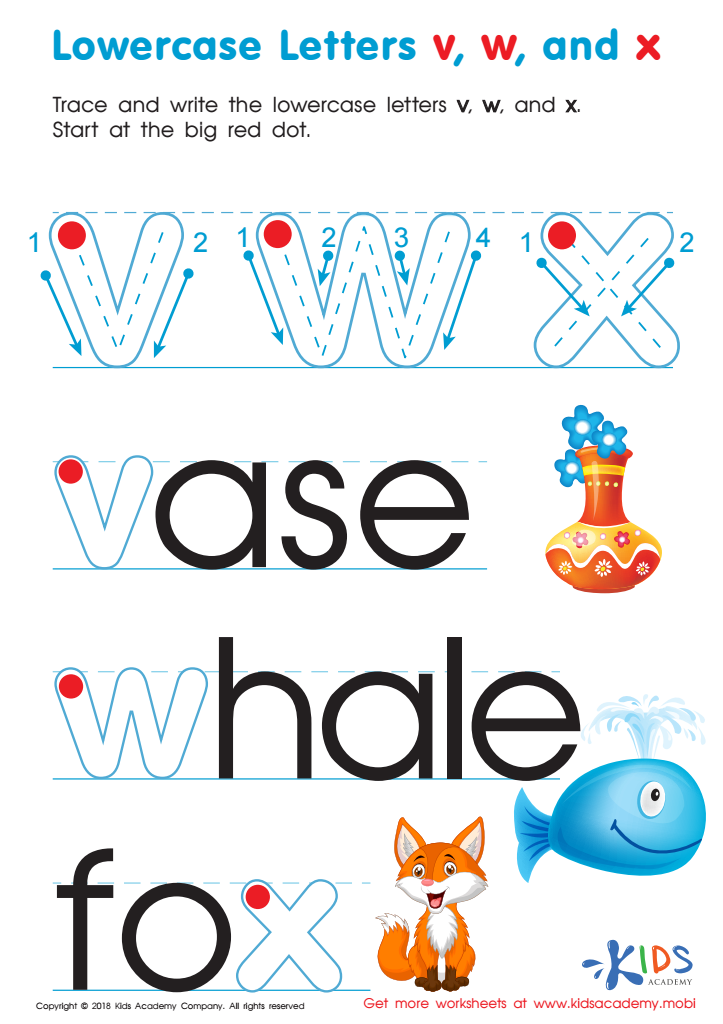
Lowercase Letters v w x Worksheet
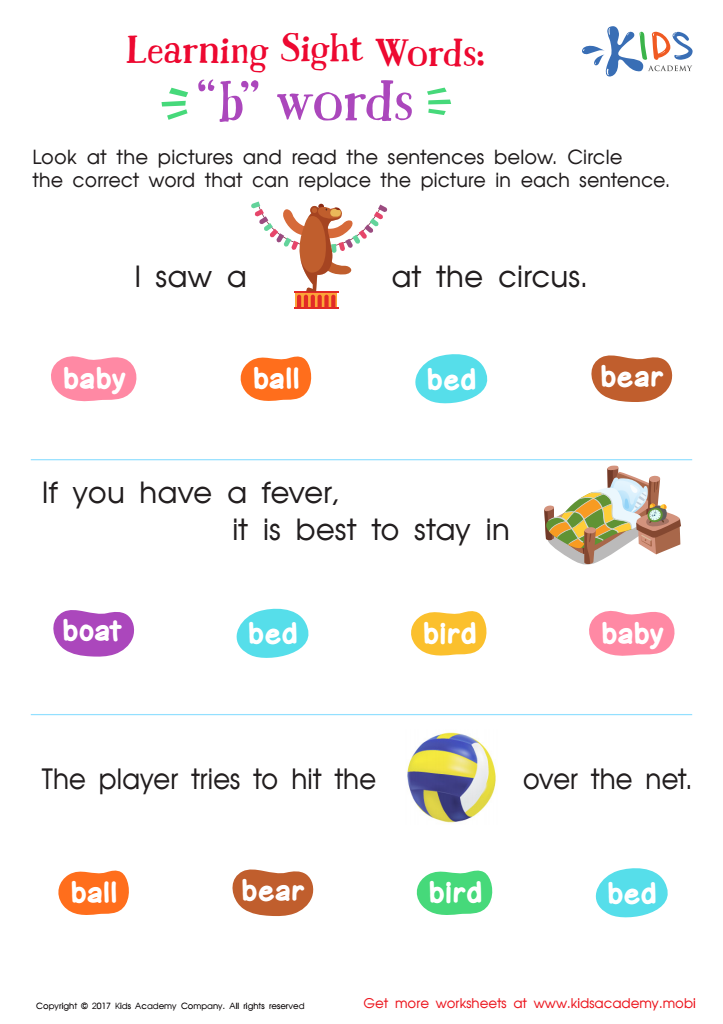
"B" Words Printable Sight Words Worksheet
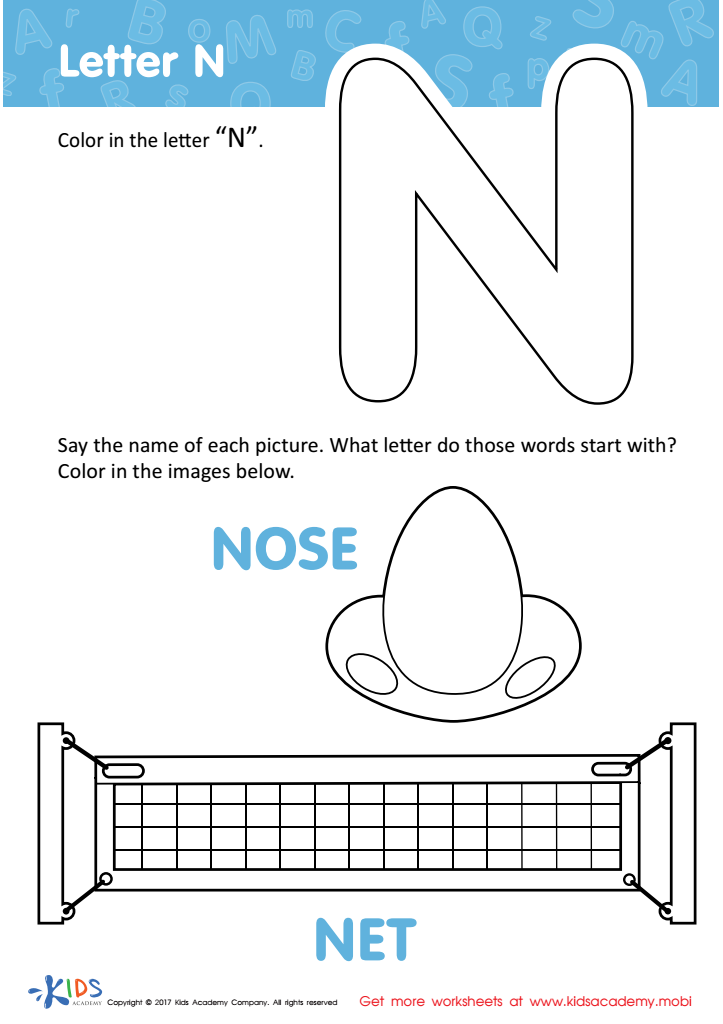
Letter N Coloring Sheet
Assign to My Students
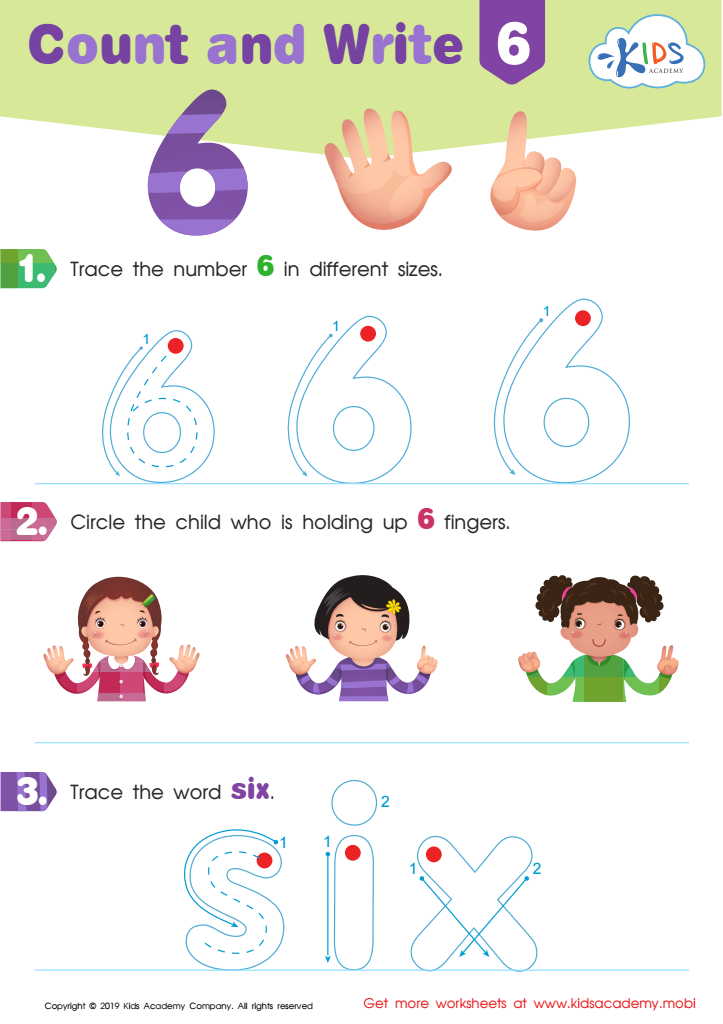
Count and Write 6 Worksheet
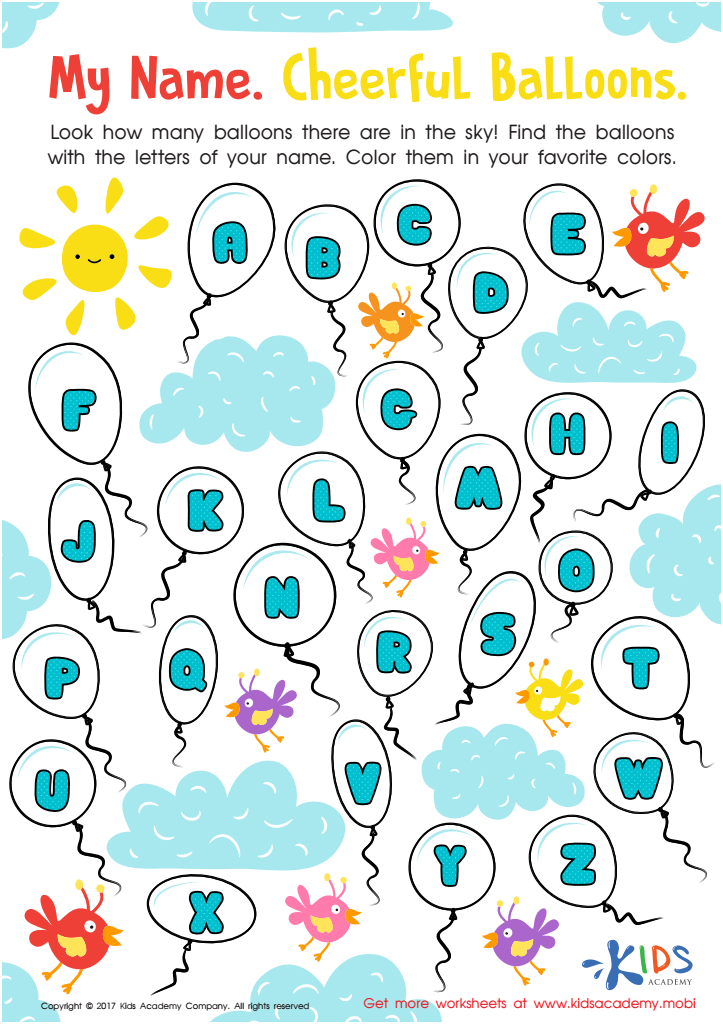
My Name: Cheerful Balloons Worksheet
Assign to My Students
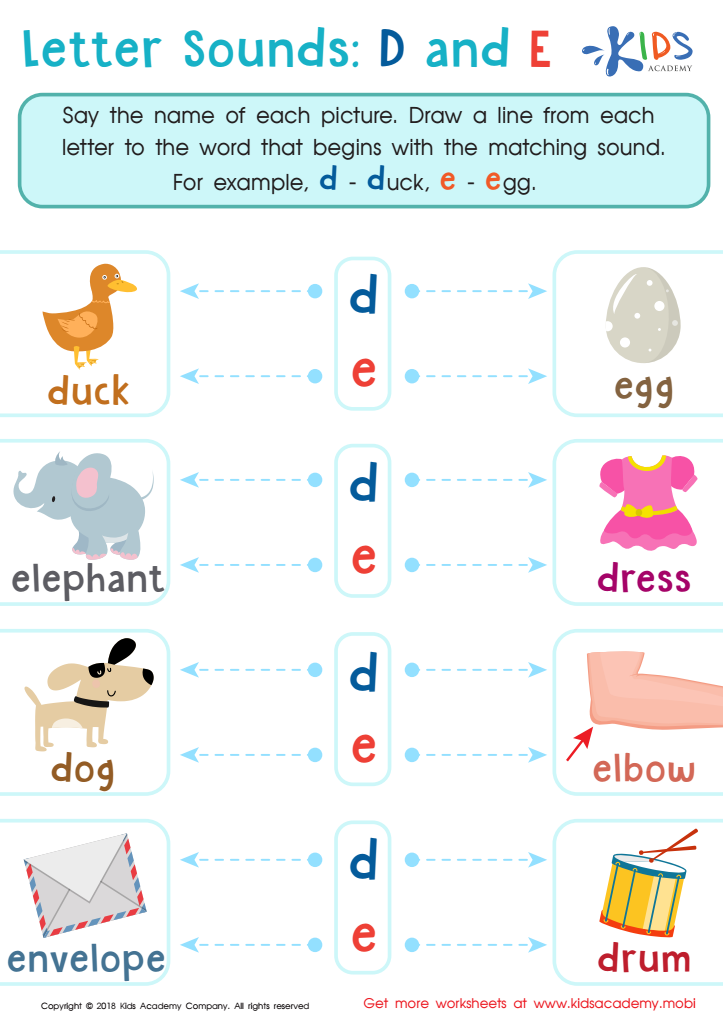
Letter D and E Sounds Worksheet
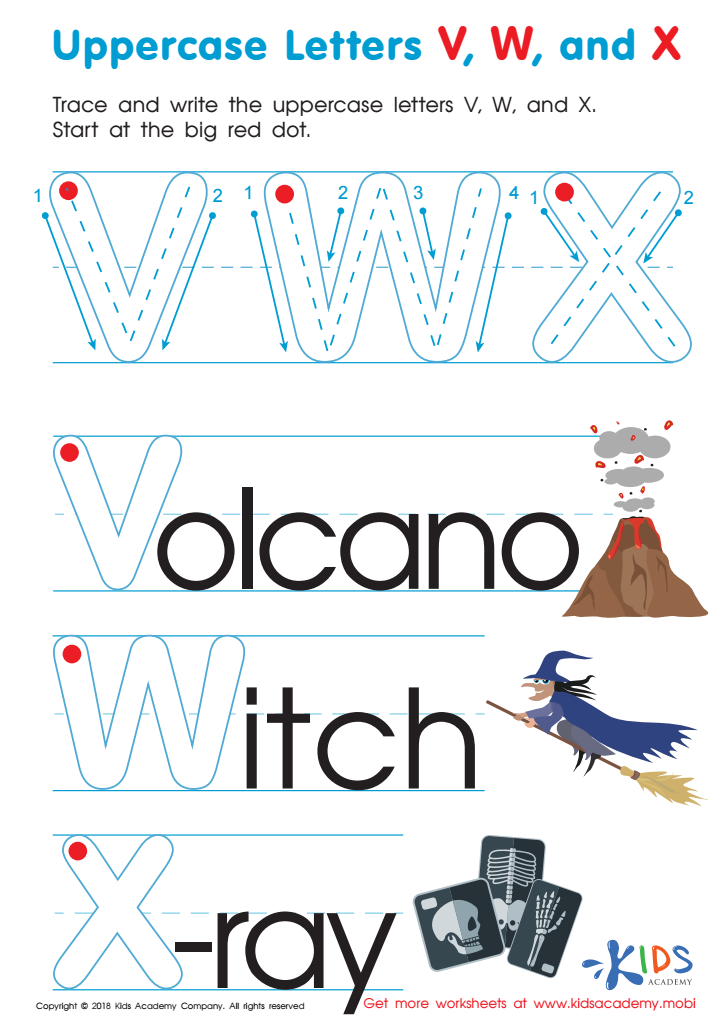
Uppercase Letters V, W, and X Worksheet
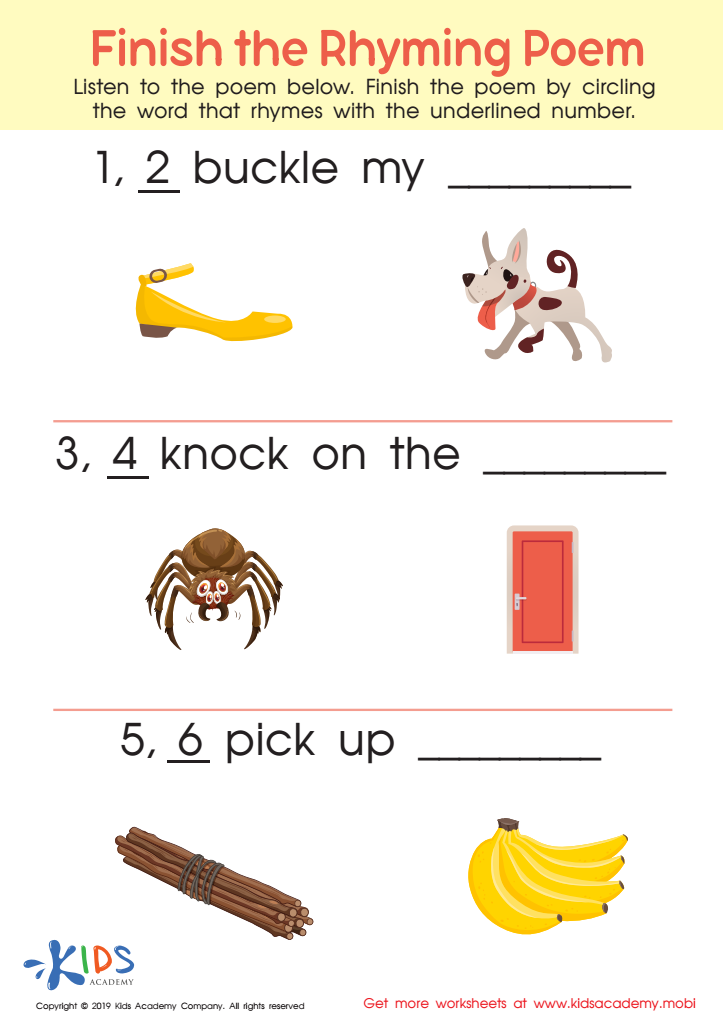
Finish Rhyming Poem Worksheet
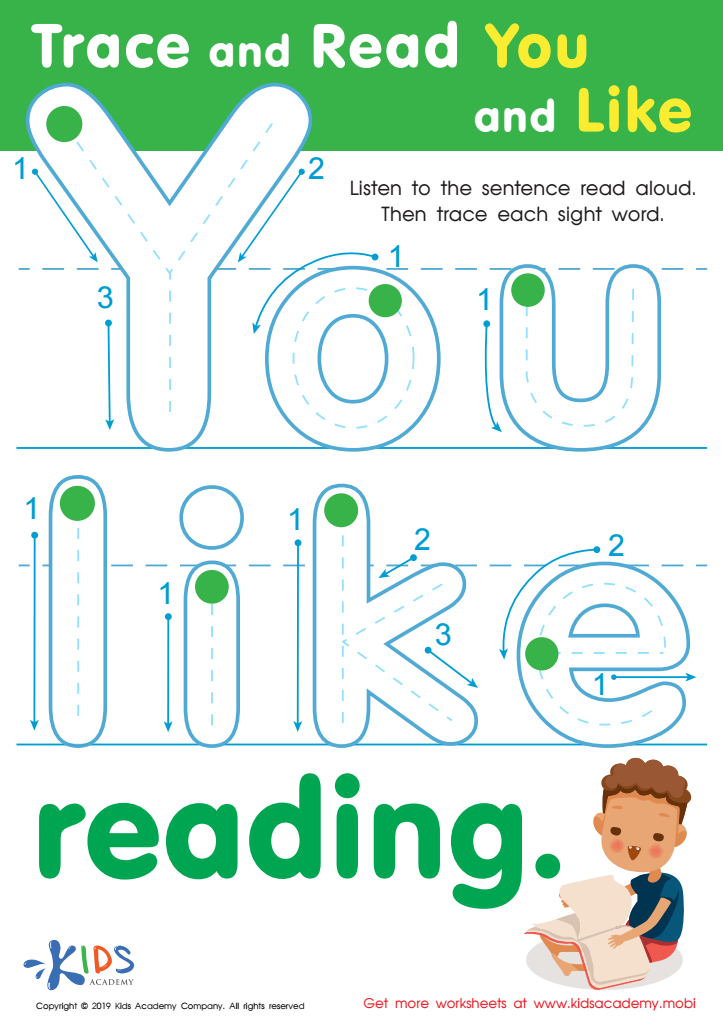
Trace Read You Like Worksheet








Handwriting practice is crucial for children ages 4-7 as it forms a fundamental aspect of their early education and development. During these formative years, the development of fine motor skills is paramount. Engaging in handwriting practice helps to control and coordinate the small muscles in the hands and fingers, which not only impacts their writing but also everyday skills such as buttoning, tying shoelaces, and using utensils.
Cognitively, handwriting exercises play a pivotal role in learning and memory retention. The process of forming letters aids in the recognition of shapes and patterns, enhancing visual-spatial skills that are essential in subjects like mathematics and reading. Additionally, handwriting supports spelling and reading comprehension by reinforcing the connection between letters and sounds.
For teachers, consistent handwriting practice in the classroom can discern individual student needs, assist in diagnosing learning difficulties, and foster orderly writing habits which carry into later educational experiences. For parents, supporting handwriting practice at home provides an opportunity to engage in their child’s learning journey, encourage discipline, and bolster self-esteem by celebrating their progress.
Moreover, the ability to write legibly and confidently is a lifelong skill, beneficial beyond academia into personal and professional realms. Encouraging regular practice affirms the intertwined progression of physical, cognitive, and emotional development in children.








