Fine Motor Skills Normal 2D Shapes Worksheets for Ages 4-7
5 filtered results
-
From - To
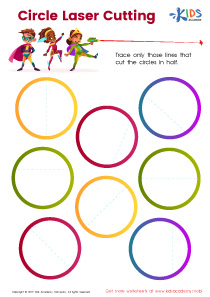
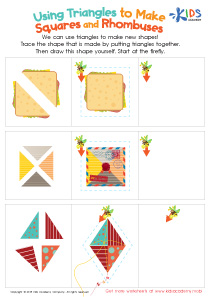
Enhance your child's fine motor skills with our engaging 2D shapes worksheets tailored for ages 4-7. These interactive resources are designed to promote skill development through a fun and educational approach. Featuring various 2D shapes, each worksheet encourages children to trace, draw, and engage with shapes, improving their hand-eye coordination and dexterity. Ideal for preschoolers and early learners, these worksheets not only make learning shapes exciting but also lay the foundation for essential skills in writing and creativity. Download now and watch your little ones flourish as they explore the world of 2D shapes while honing their fine motor abilities!
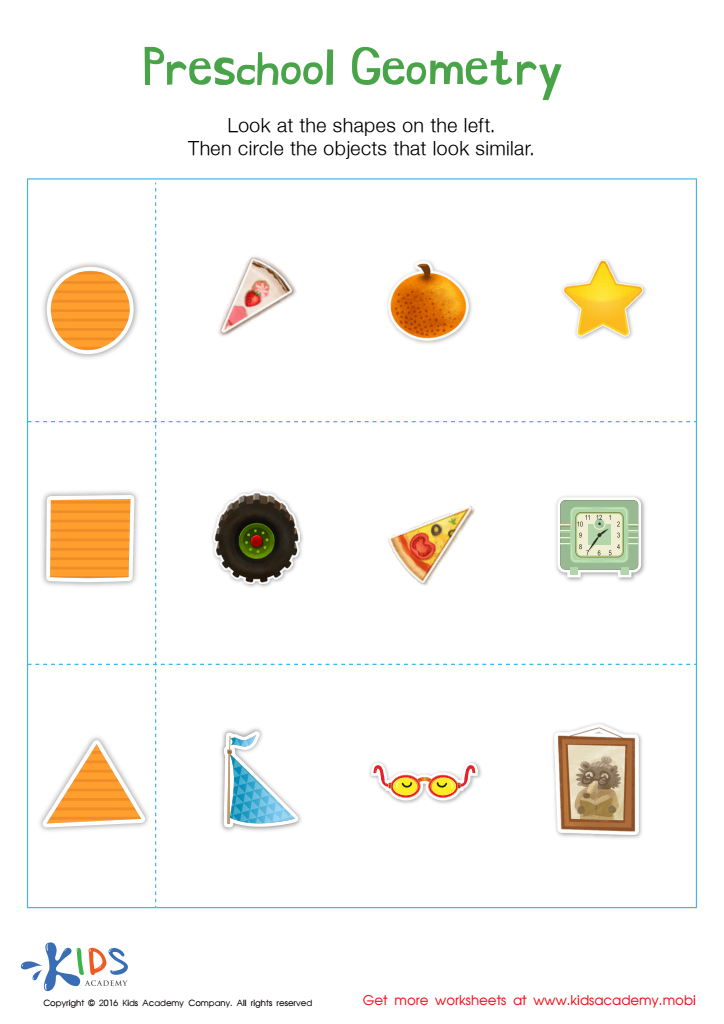
Preschool Geometry Match Up Worksheet
 Assign to My Students










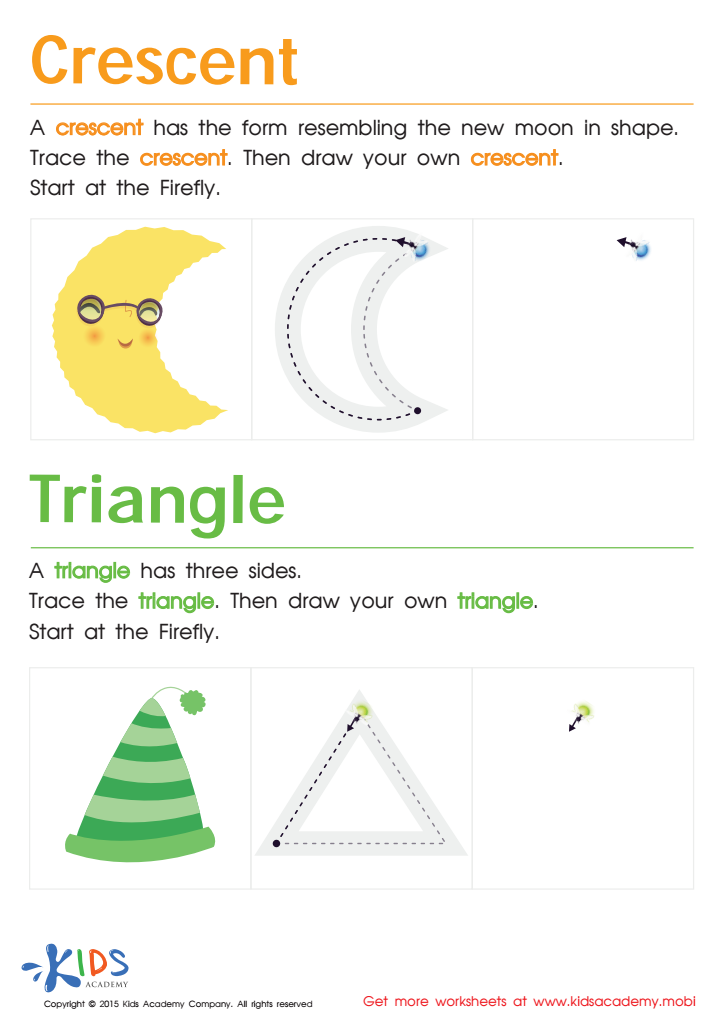
Learning to Draw Crescents And Triangles Worksheet
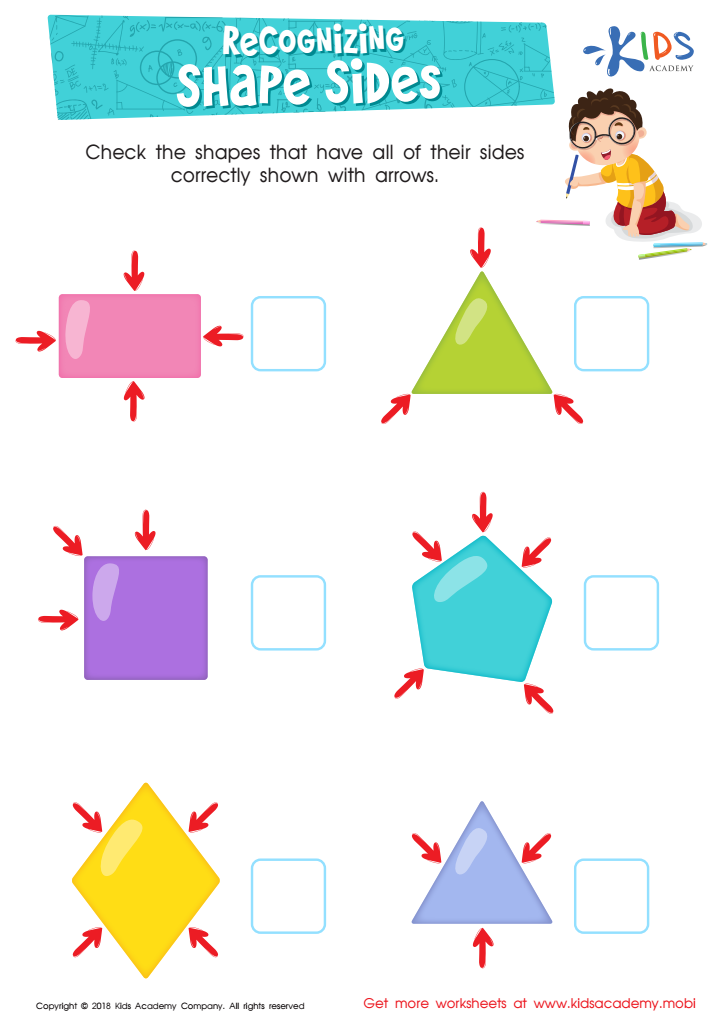
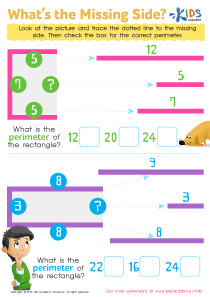
Recognizing Shape Sides Worksheet
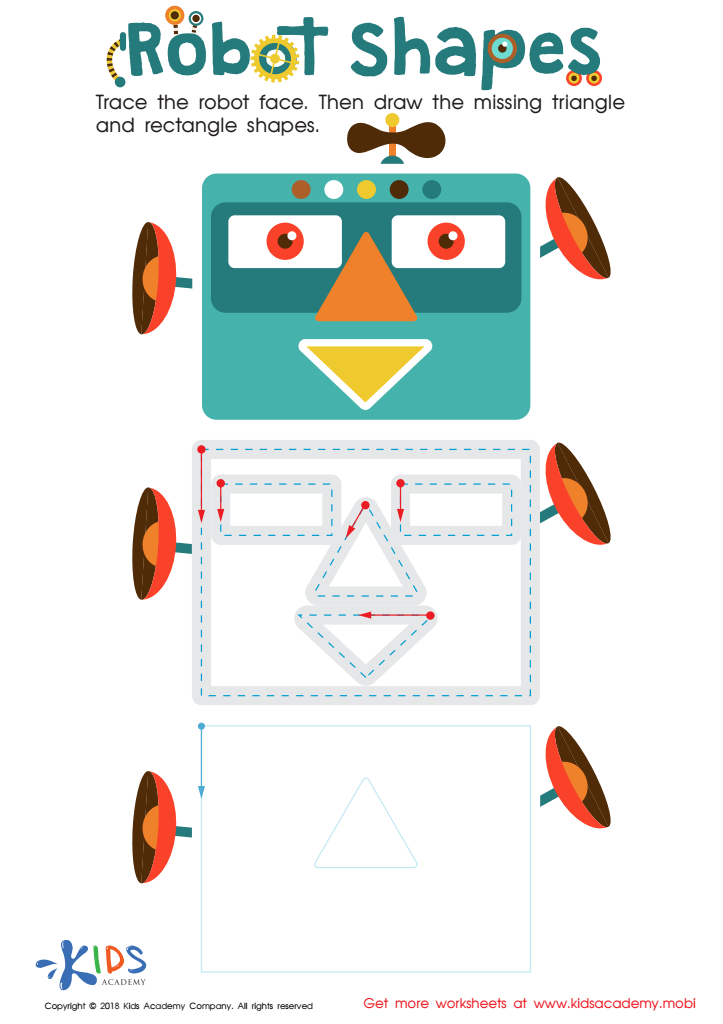
Robot Shapes Worksheet
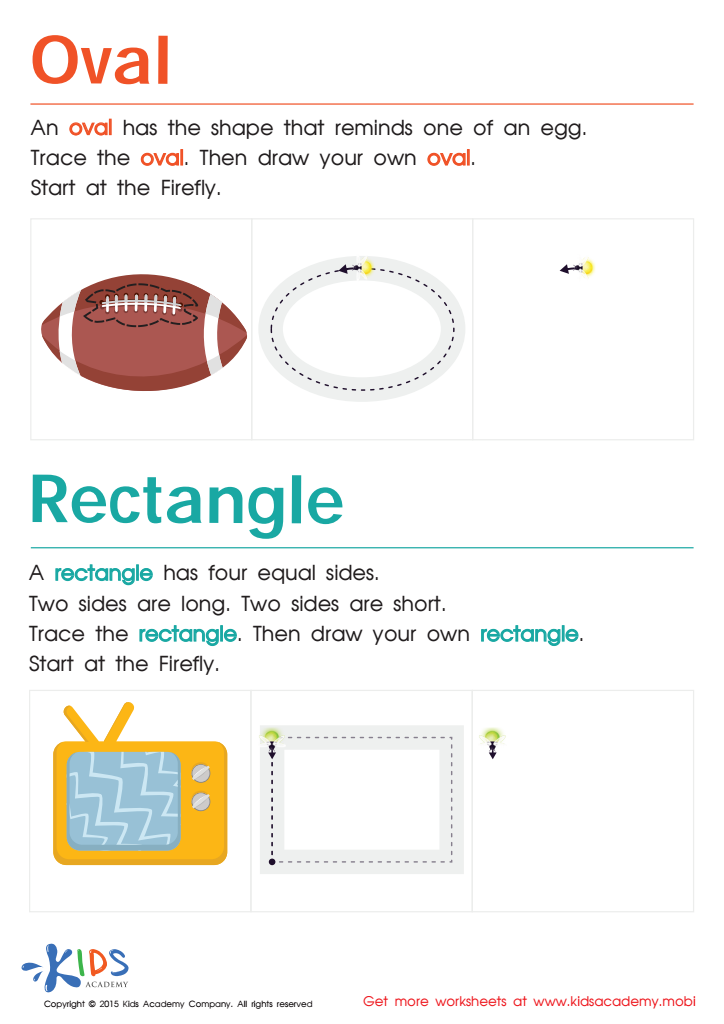
Easy Drawing of Ovals And Rectangles Worksheet








Fine motor skills and understanding 2D shapes are crucial developmental milestones for children aged 4-7. Parents and teachers should prioritize these skills as they lay the foundation for a child's future academic success and everyday life.
Fine motor skills involve the coordination of small muscles in the hands and fingers, enhancing a child’s ability to perform daily tasks like writing, tying shoelaces, and using utensils. For young children, mastering these skills boosts confidence and independence, fostering a positive attitude toward learning and self-care.
Simultaneously, recognizing and manipulating 2D shapes supports cognitive development. It aids in understanding spatial relationships, critical for math concepts and geometry later on. Interaction with shapes also encourages problem-solving, creativity, and pattern recognition, crucial in early childhood education.
Additionally, incorporating activities that develop both fine motor skills and shape recognition can enhance learning experiences. Craft projects, puzzles, and games improve dexterity while reinforcing shape knowledge seamlessly.
Ultimately, enhancing fine motor skills and shape recognition not only prepares children for academic challenges but also promotes social interactions and functional independence. Parents and teachers play an integral role in nurturing these essential abilities, ensuring children thrive both in and out of the classroom.