Categorization skills Normal Matching Worksheets for Ages 4-7
6 filtered results
-
From - To
Unlock your child's potential with our Categorization Skills Normal Matching Worksheets designed specifically for ages 4-7! These engaging and interactive worksheets help young learners develop essential skills by matching items based on colors, shapes, and themes. Ideal for both classroom and home use, these worksheets promote cognitive development, encourage critical thinking, and enhance fine motor skills. Fill your child's learning journey with fun while teaching them to identify similarities and differences. With colorful illustrations and age-appropriate challenges, our Categorization Skills Normal Matching Worksheets make learning a delightful experience as children explore various categories while gaining confidence in their abilities!
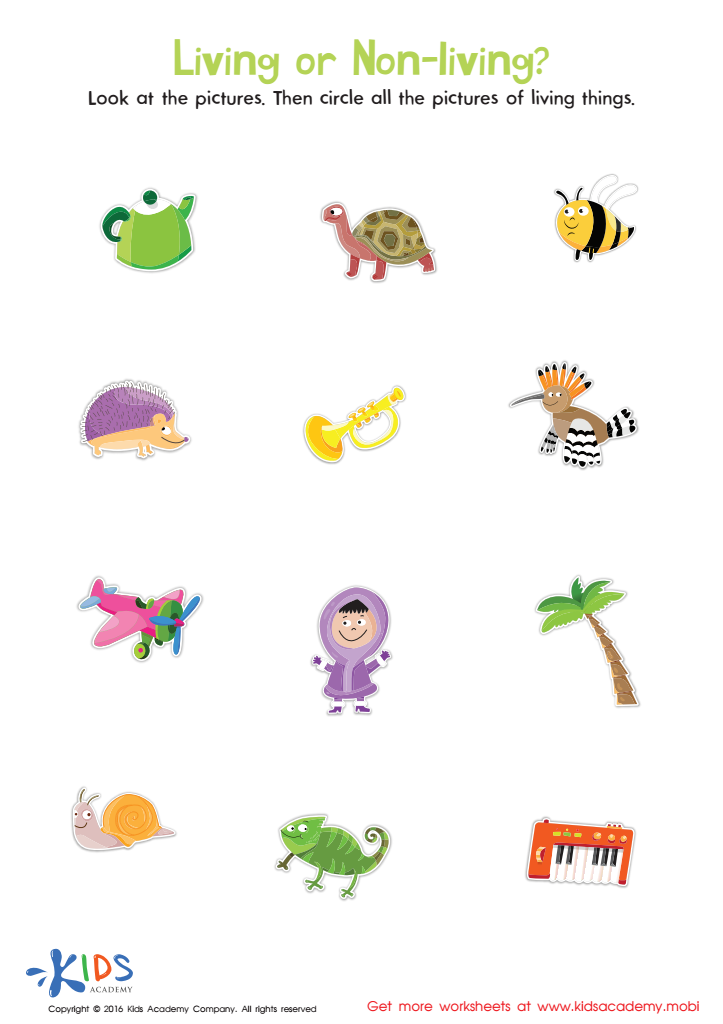
Identifying Living and Non–living Things Sorting Worksheet
 Assign to My Students
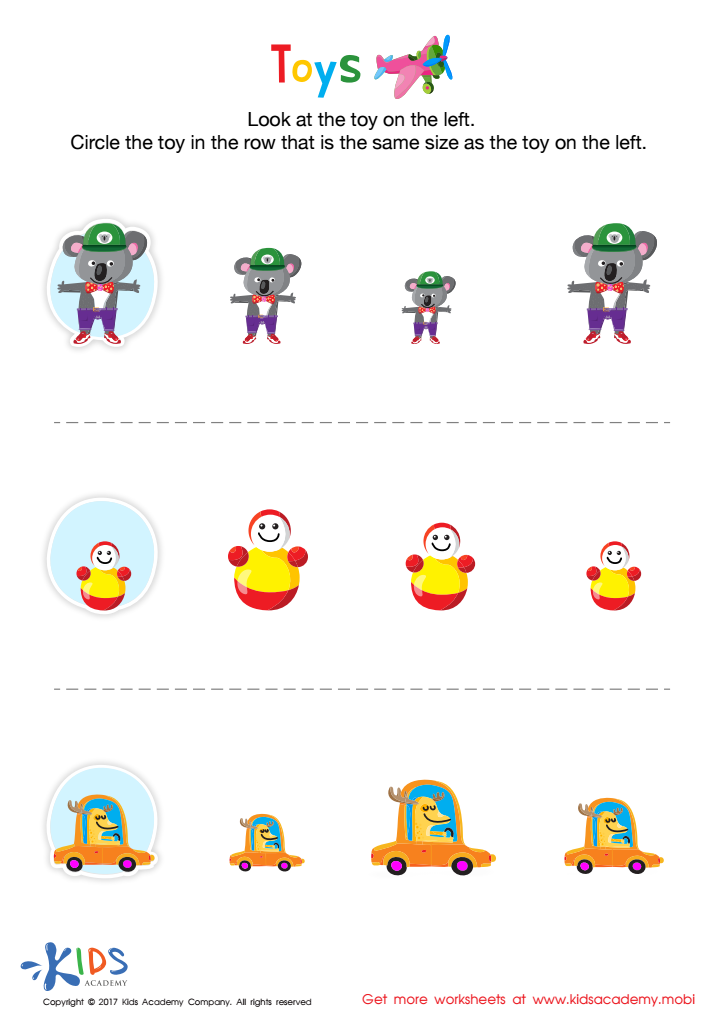
Matching: Classifying Toys by Size Worksheet
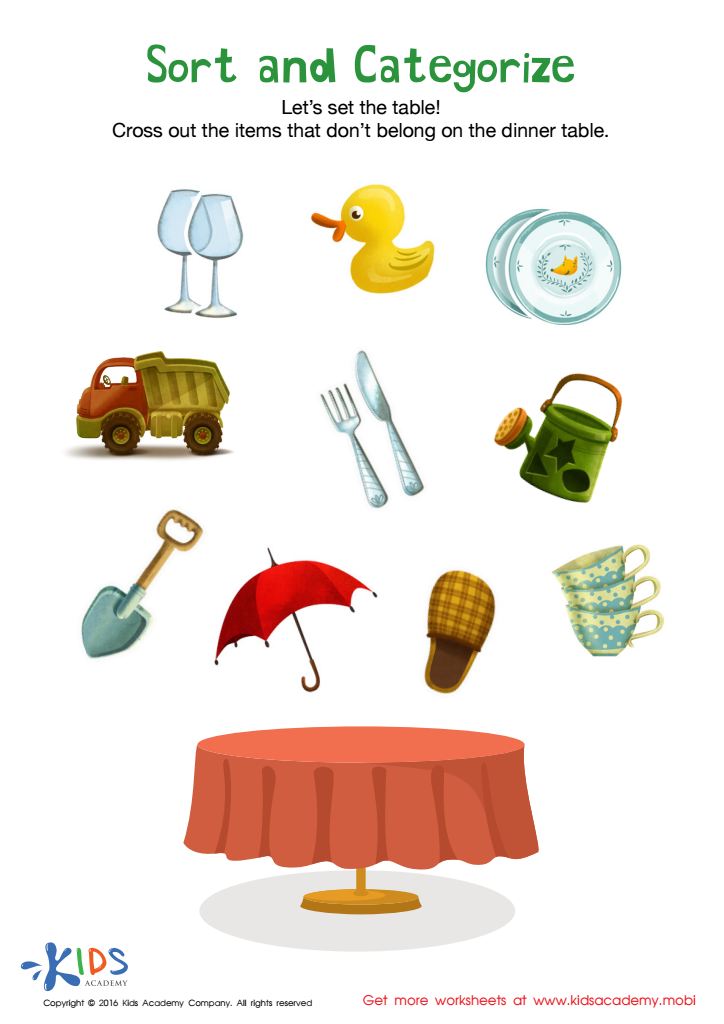
Vehicles Worksheet
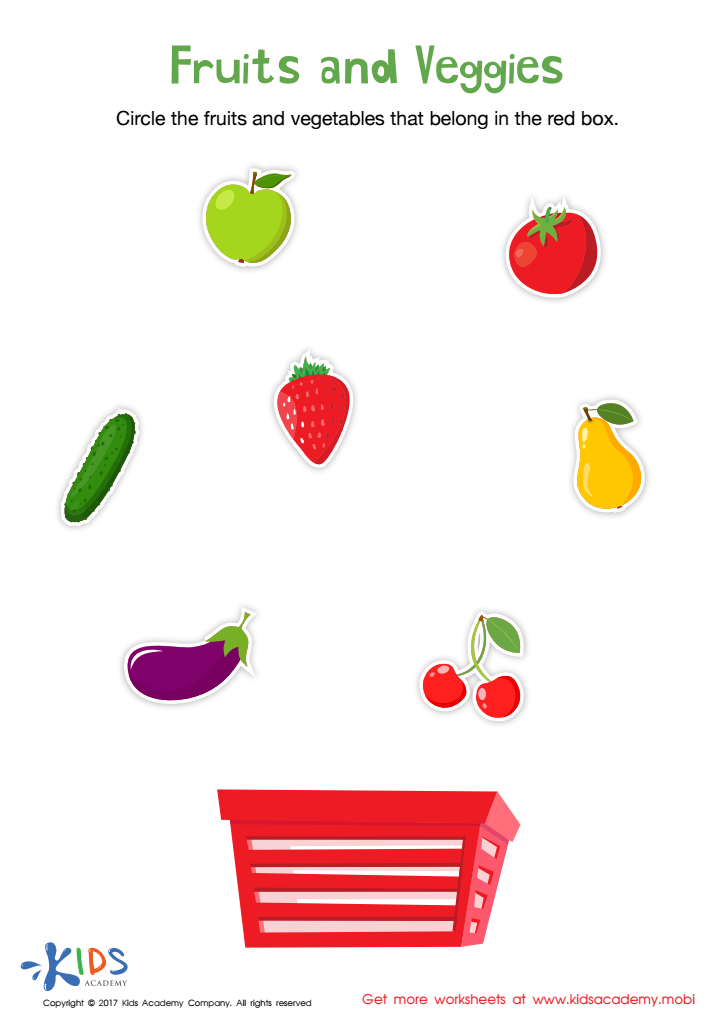
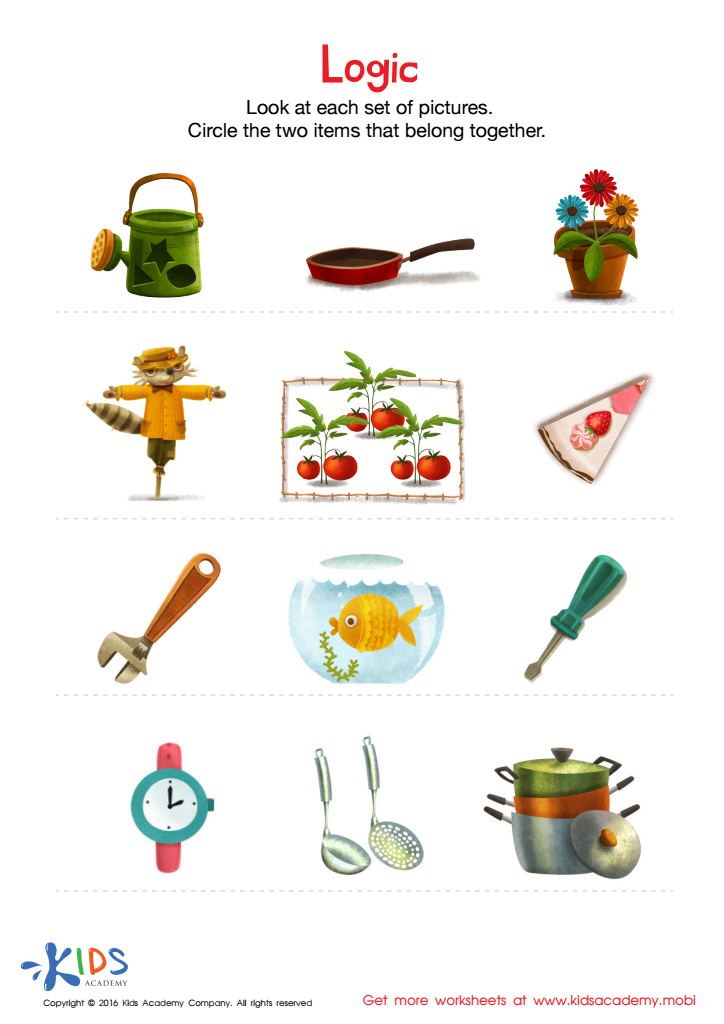
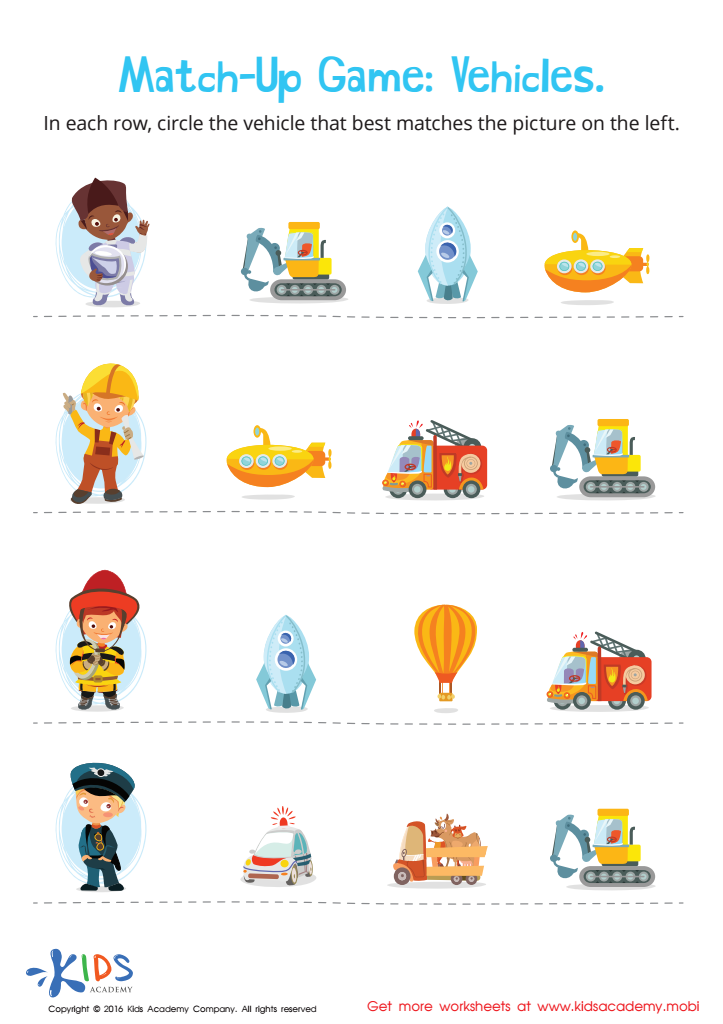
Logic Game Sorting Worksheet








Categorization skills, especially normal matching, are crucial for children aged 4-7 as they lay the foundation for cognitive development and learning. At this stage, children are beginning to grasp relationships between objects and ideas, which enhances their abilities to organize information effectively. Developing categorization skills allows children to sort and classify items based on similarities and differences, fostering critical thinking and problem-solving abilities.
When parents or teachers emphasize normal matching, they support children in making connections between concepts, which enhances vocabulary and comprehension. For instance, when children match colors, shapes, or sizes, they learn to identify attributes and extend their understanding of the world around them. This skill also aids in the development of logical reasoning, essential for later mathematical abilities and other academic subjects.
Incorporating normal matching activities into daily routines can build a child’s confidence and creativity. Objects, animals, and even emotions can be categorized, prompting meaningful discussions and enriching interactions. Ultimately, parents and teachers who recognize the importance of these skills are actively contributing to a child’s overall development, ensuring they are equipped for more complex learning tasks in the years to come. This foundational skill is not just academic—it's integral to the holistic growth of a child.








