Normal Place Value Worksheets for Ages 4-7 - Page 2
37 filtered results
-
From - To
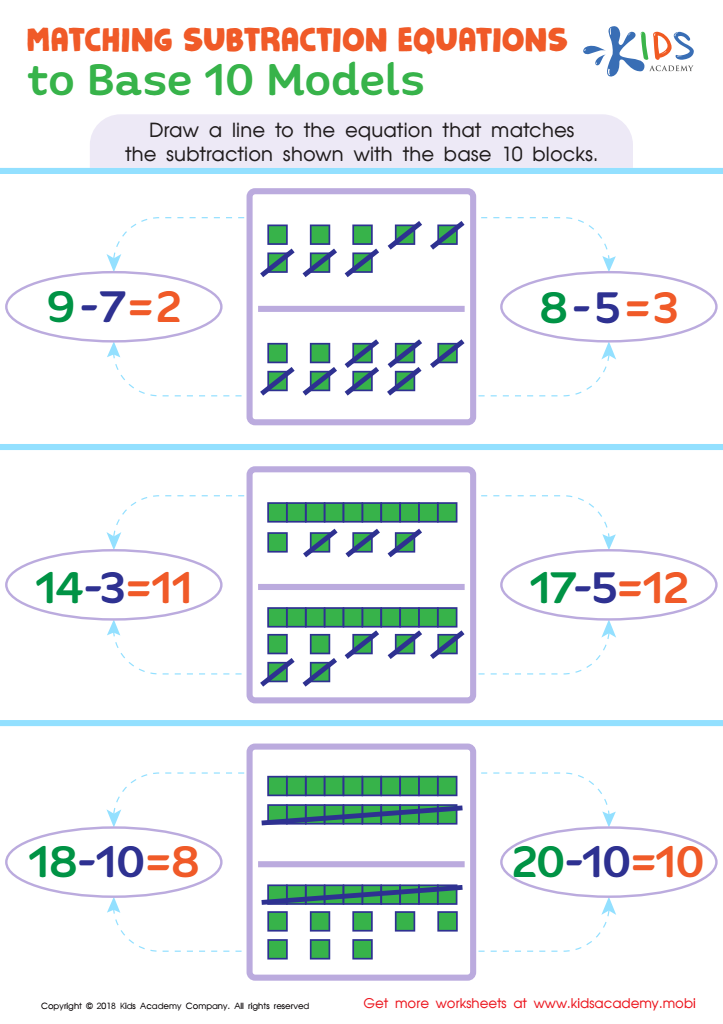
Matching Subtraction Equations To Base 10 Models Worksheet
 Assign to My Students
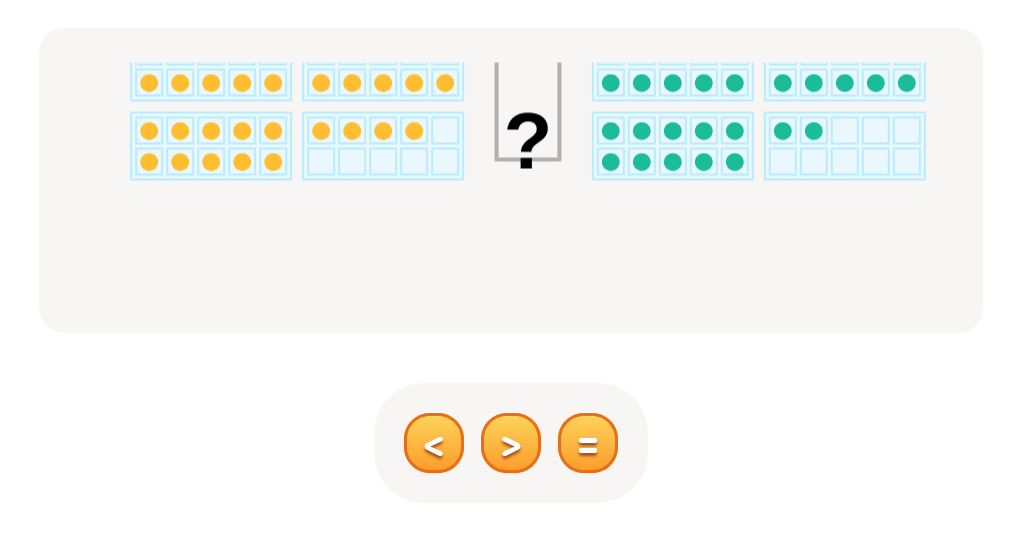

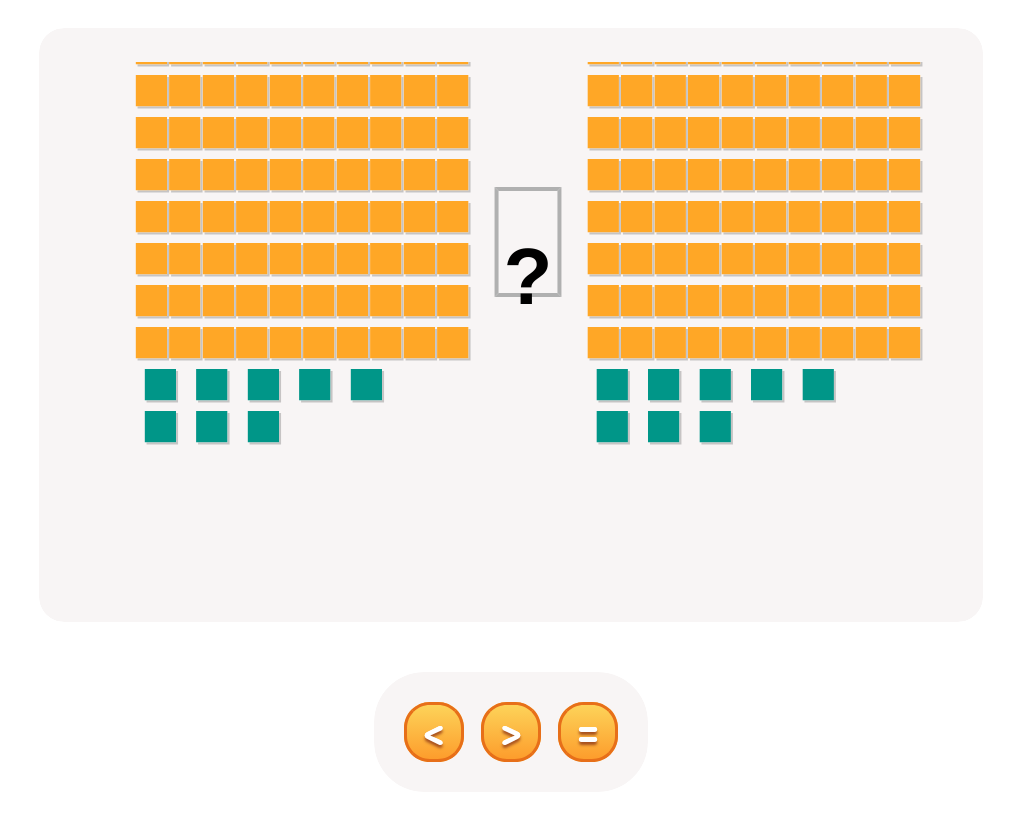
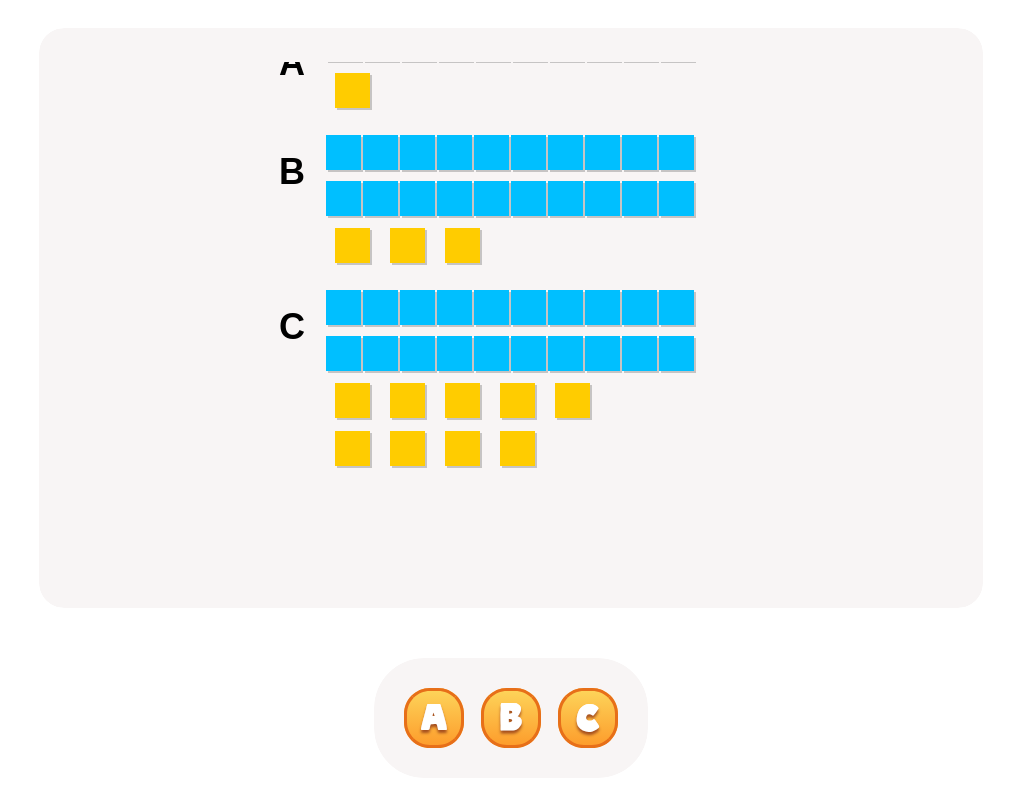
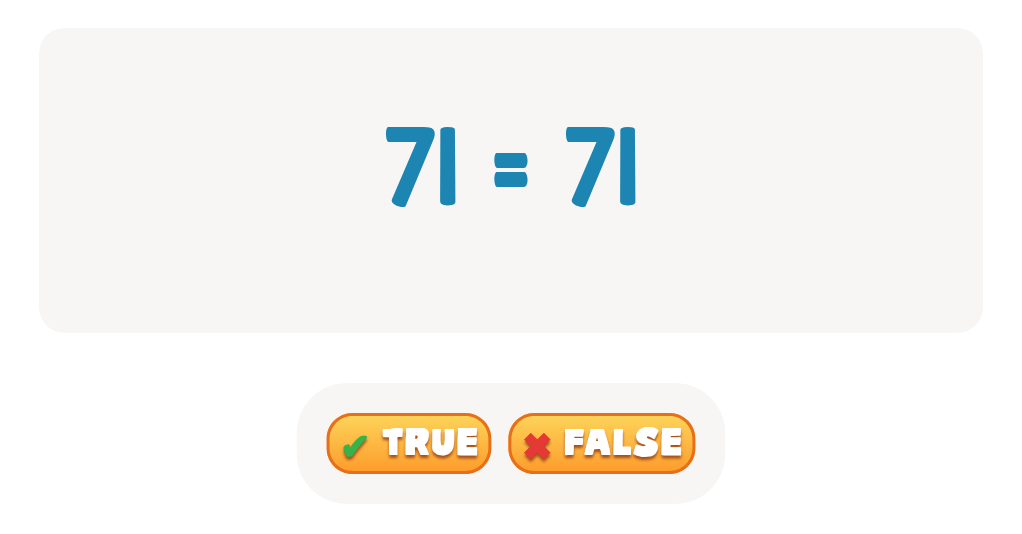
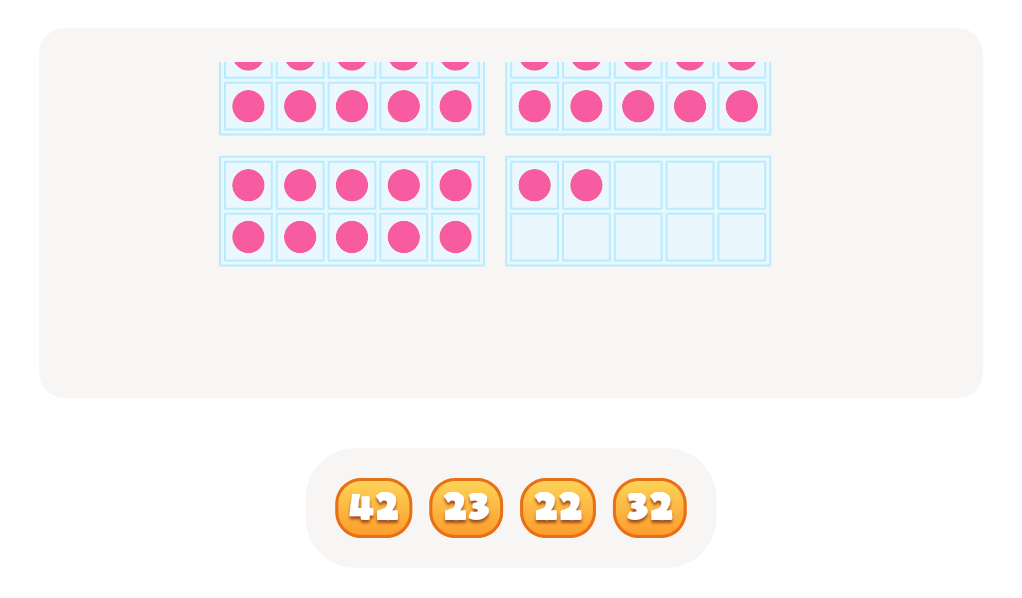
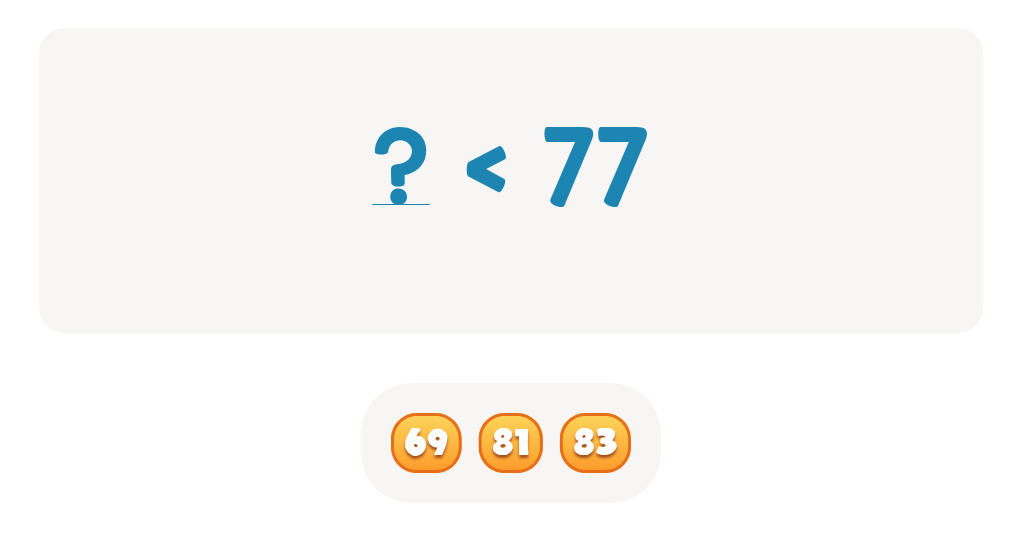
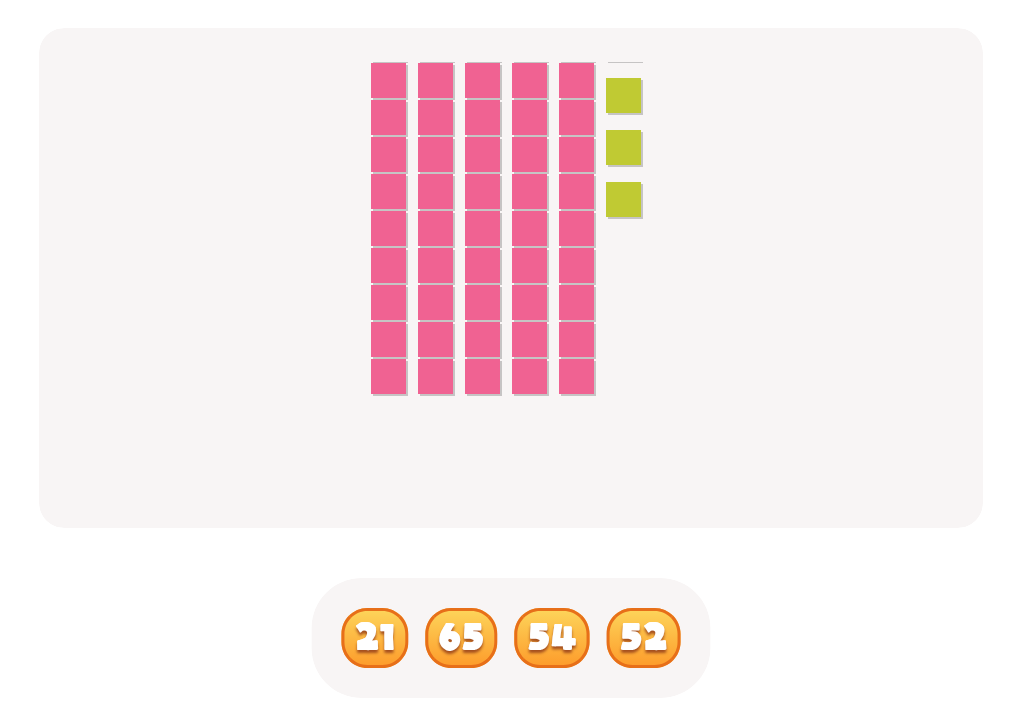
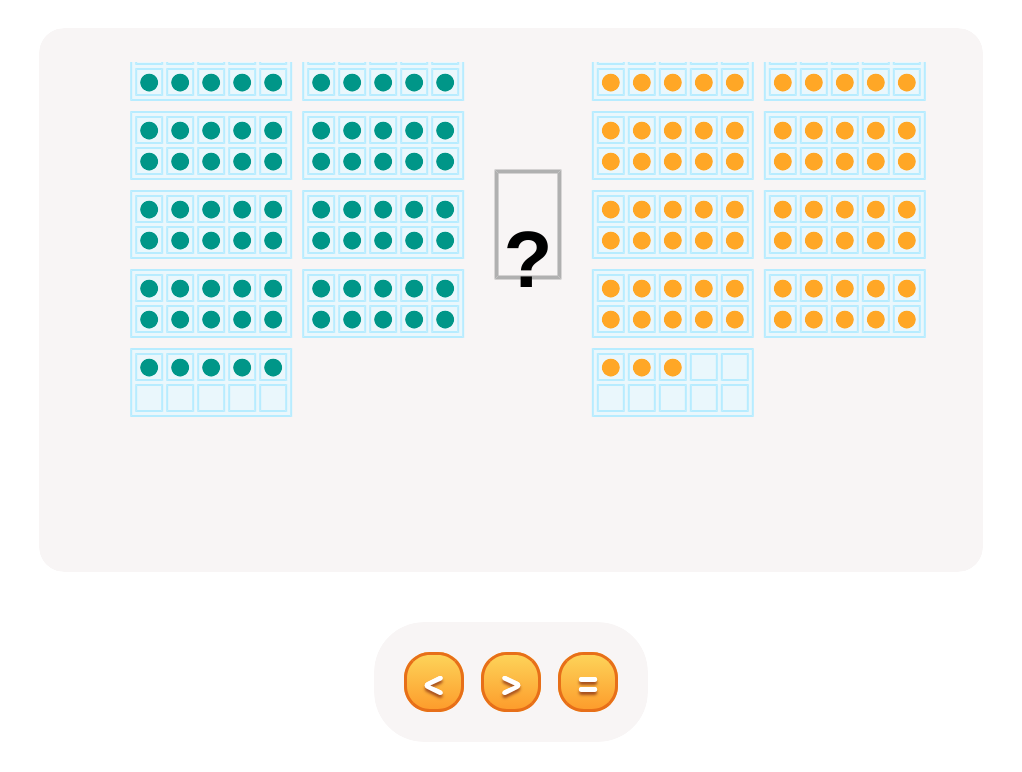
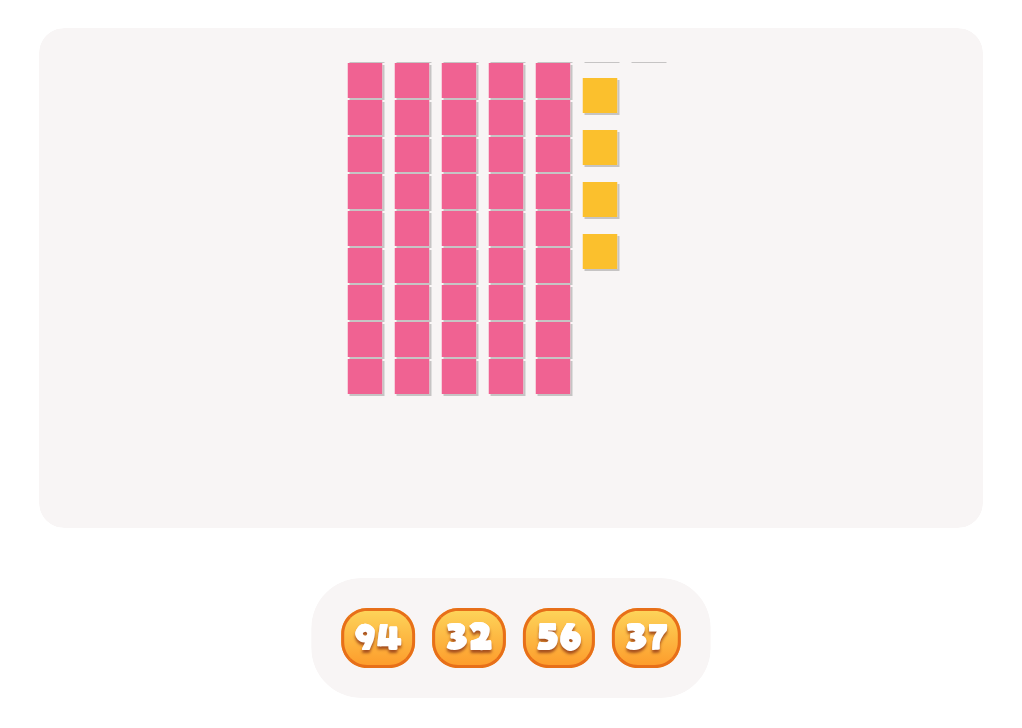
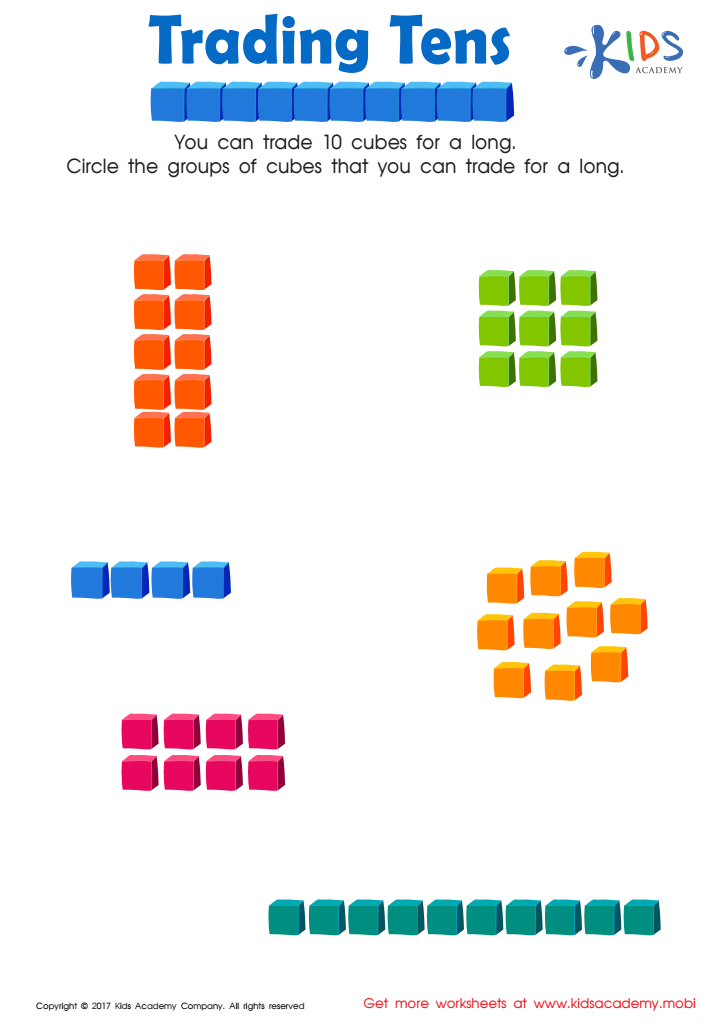
Trading Tens Worksheet
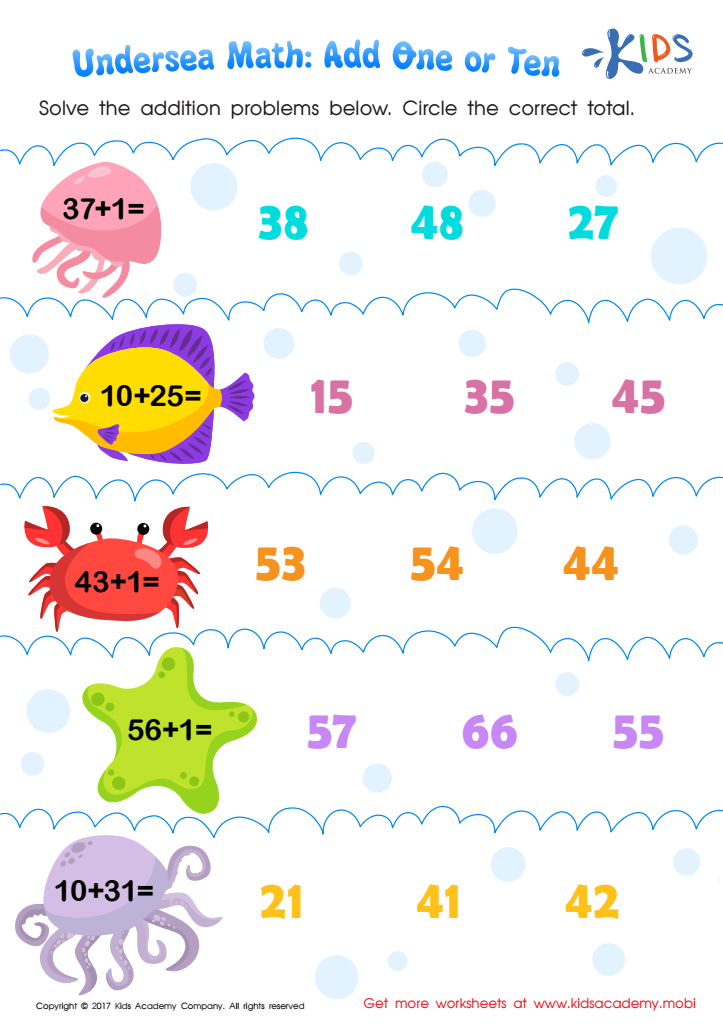
Undersea Math Worksheet
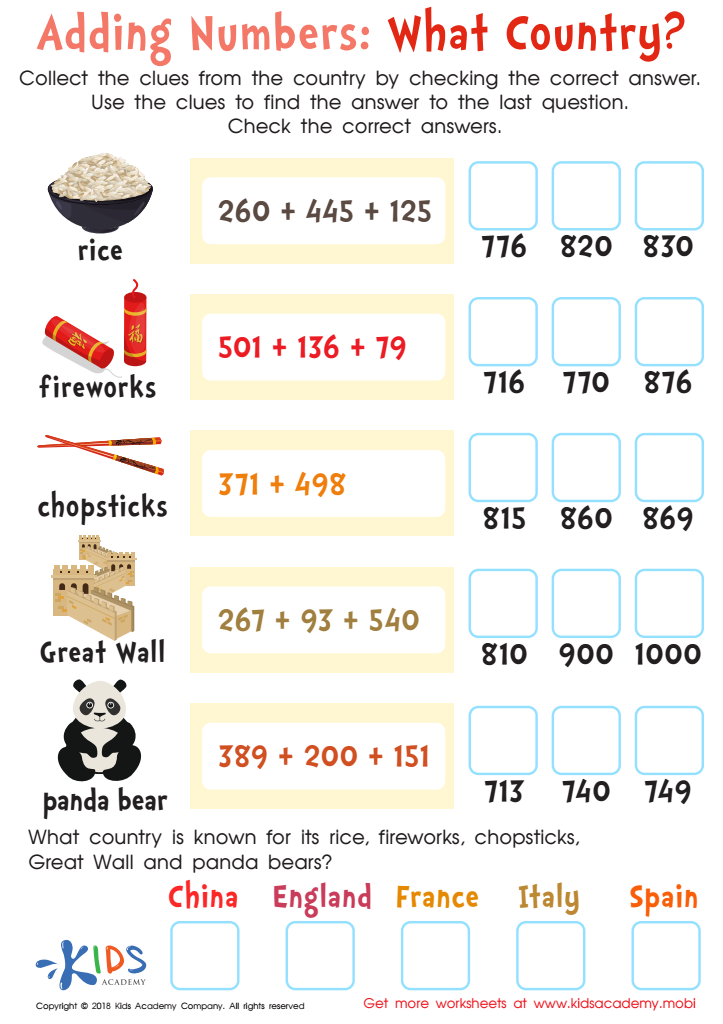
Adding Numbers: What Country Worksheet
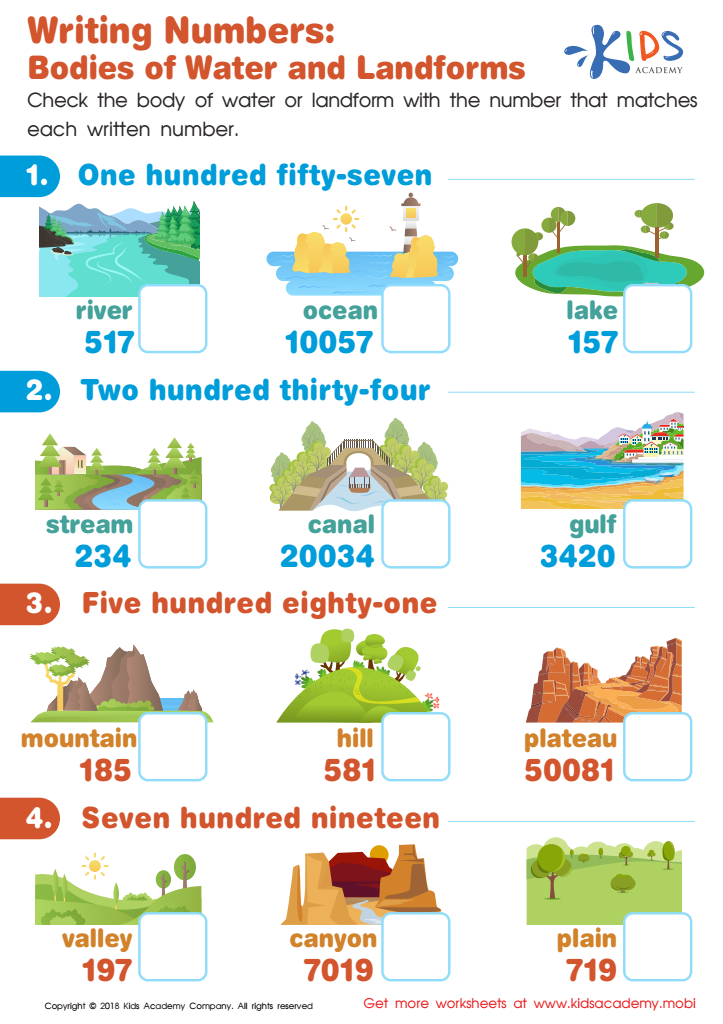
Bodies of Water and Landforms Writing Numbers Worksheet
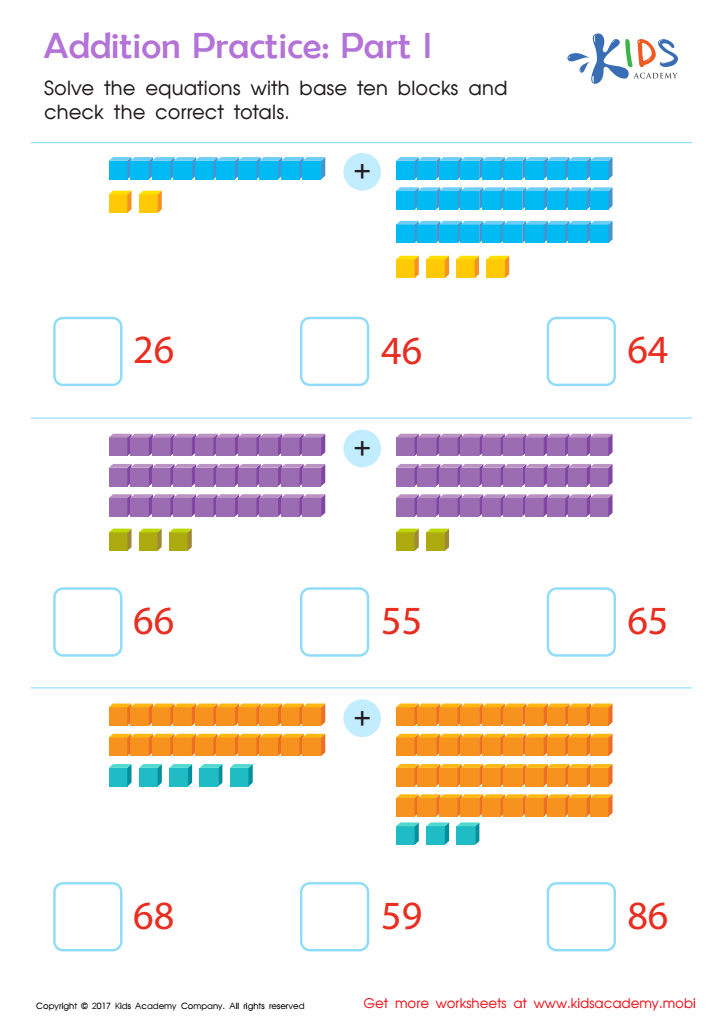
Addition Practice Sheet: Part 1
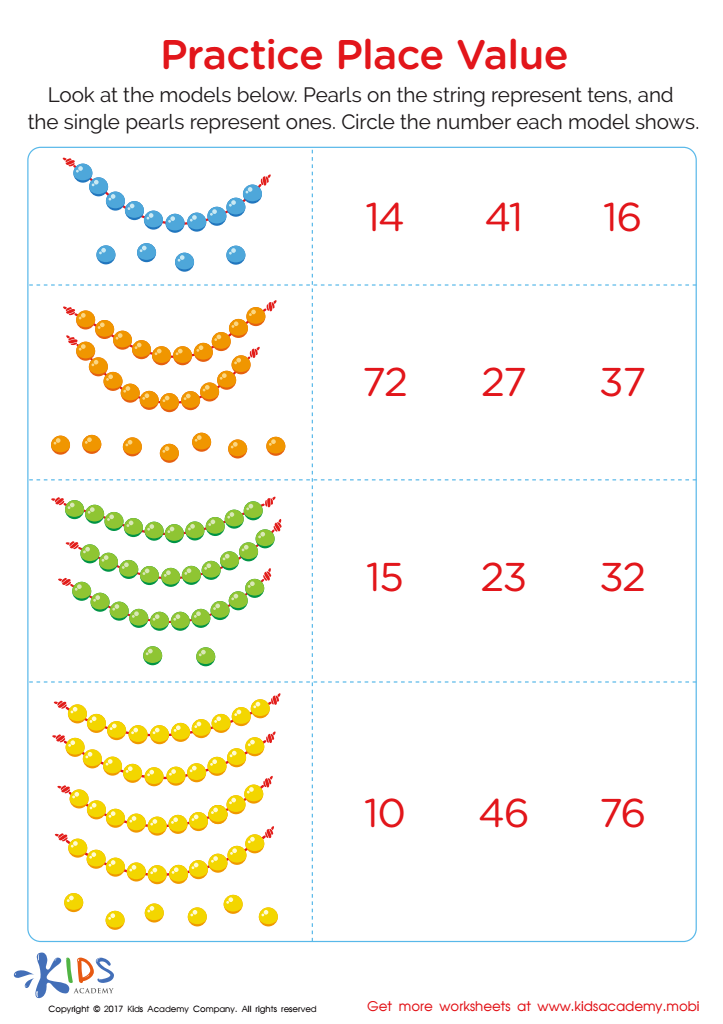
Practice Place Value Printable
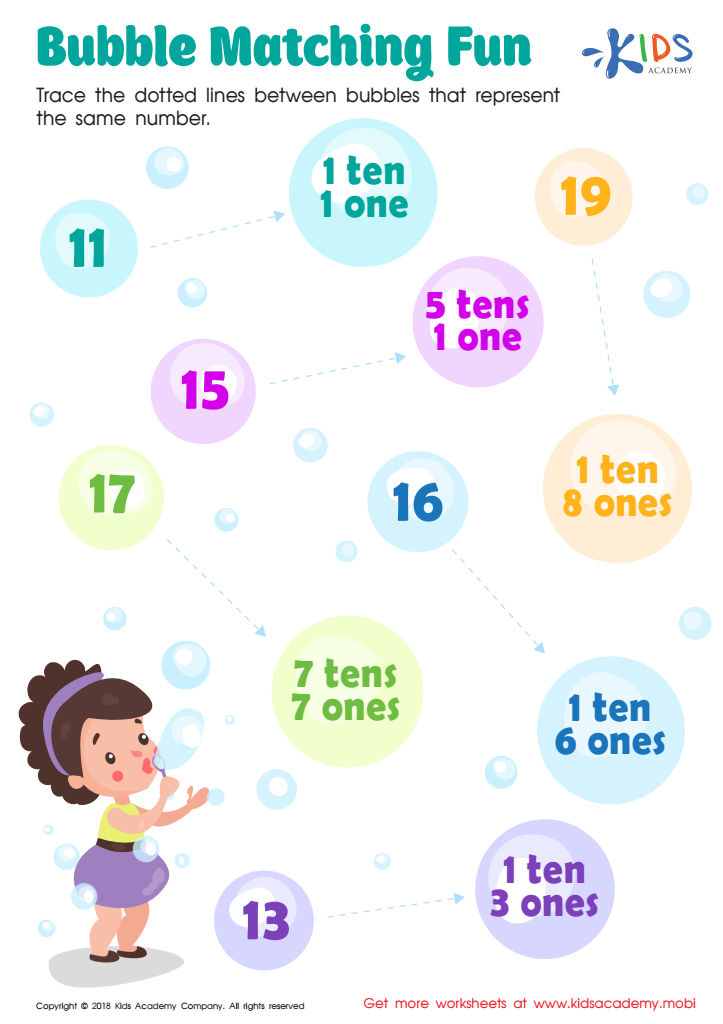
Bubble Matching Fun Worksheet
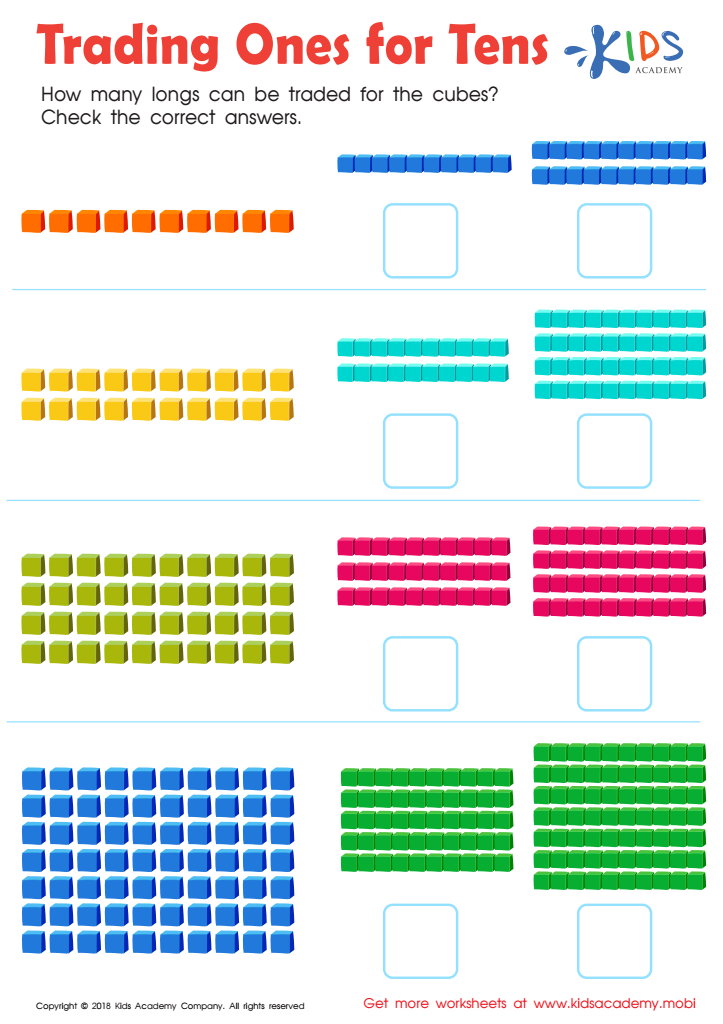
Trading Ones for Tens Worksheet: Part 2
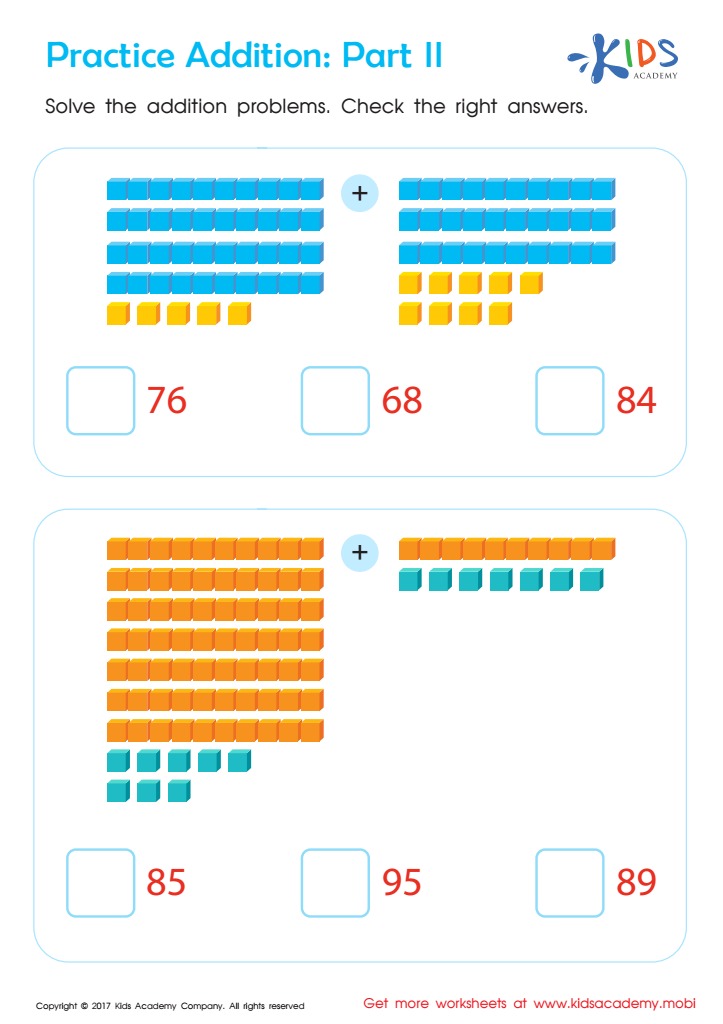
Practice Addition: Part 2 Worksheet
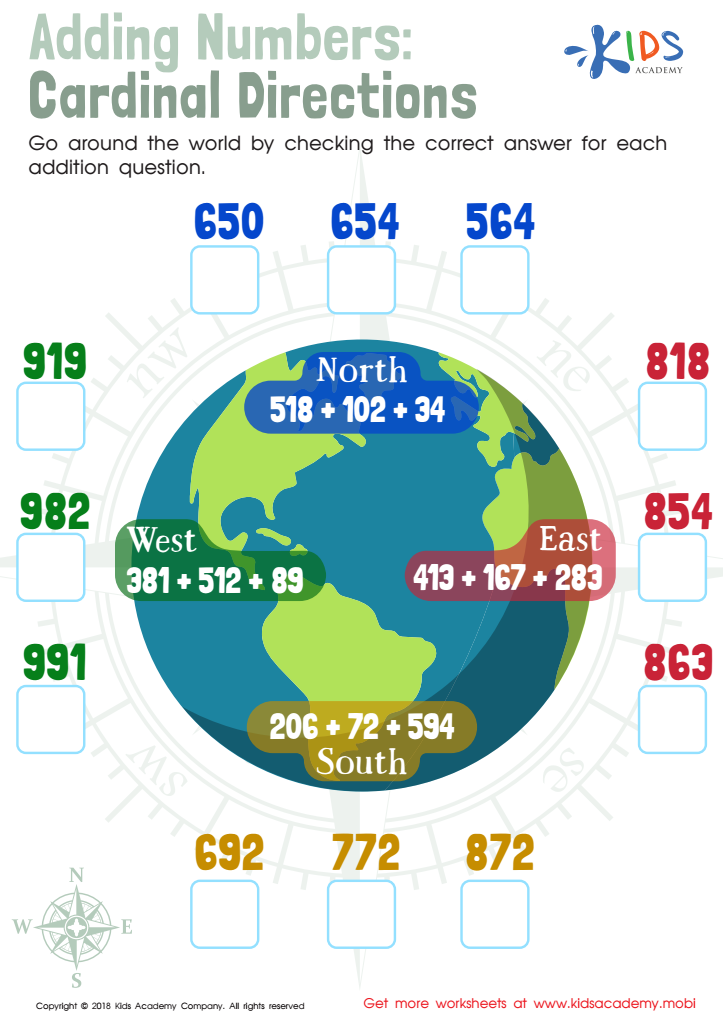
Adding Numbers: Cardinal Directions Worksheet
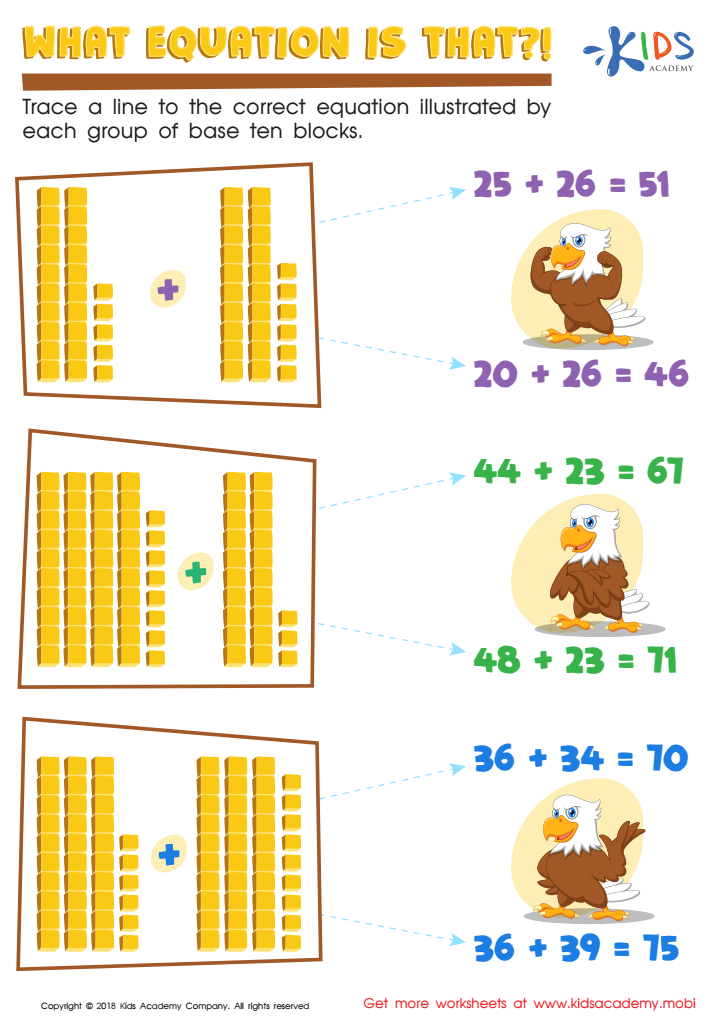
What Equation Is That? Worksheet
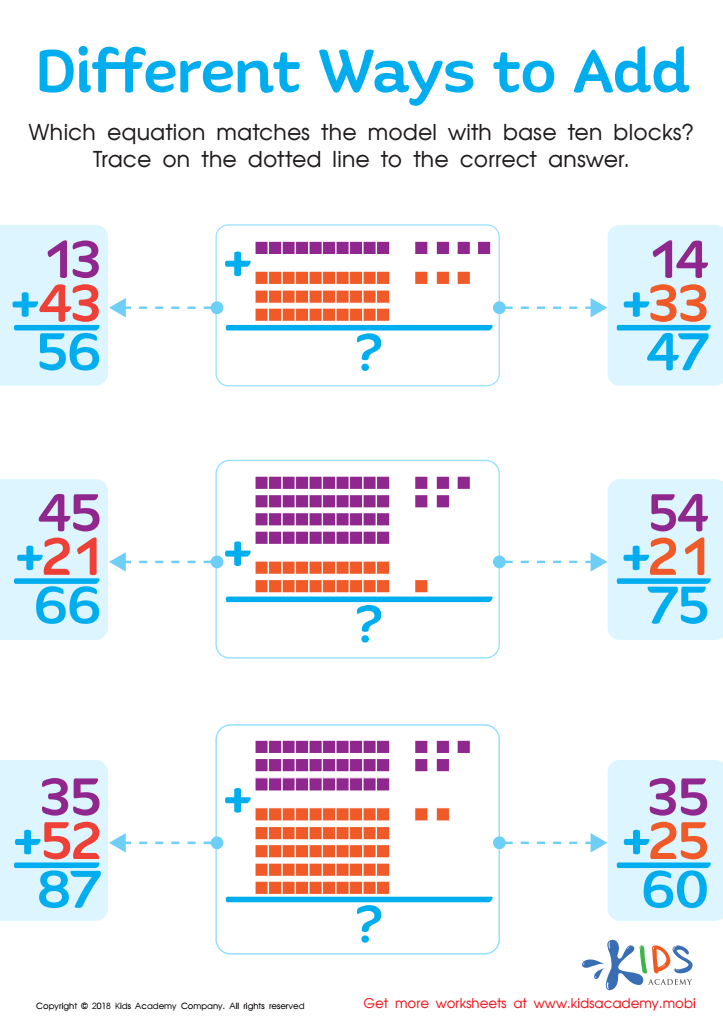
Different Ways to Add Worksheet






Understanding place value is a fundamental concept in early mathematics education, particularly for children aged 4-7. Parents and teachers should care deeply about this foundation as it is crucial for developing a mathematical mindset that will support future learning.
Place value helps children understand the significance of digits based on their position within a number, establishing a clear distinction between numbers such as 10 and 1. This understanding promotes numerical literacy, enabling students to read, write, and compare numbers confidently. Knowledge of place value lays the groundwork for more advanced mathematical operations, including addition, subtraction, and eventually multiplication and division.
Moreover, a solid grasp of place value enhances problem-solving skills, as children learn to break down larger numbers into manageable parts, fostering critical thinking. Engaging with this concept through hands-on activities—like using base-ten blocks or visual aids—encourages active participation and makes learning enjoyable.
By nurturing this understanding early on, parents and teachers help children develop a positive attitude toward math, ensuring they feel capable and confident embarking on more complex mathematical challenges in later grades. Ultimately, a focus on place value contributes to a well-rounded education and sets children on a trajectory for academic success.