Critical Thinking Normal Reading Comprehension Worksheets for Ages 4-7
33 filtered results
-
From - To
Explore our engaging Critical Thinking Normal Reading Comprehension Worksheets designed for children aged 4-7! These worksheets not only enhance reading skills but also nurture essential critical thinking abilities. Each activity encourages young learners to analyze, infer, and draw conclusions while enjoying age-appropriate texts. Our resources align with early education standards, making them perfect for home or classroom use. Foster curiosity and creativity as your child interacts with fun stories and thought-provoking questions. Download these specially crafted worksheets to help your child become a confident reader and a critical thinker, preparing them for future academic success!
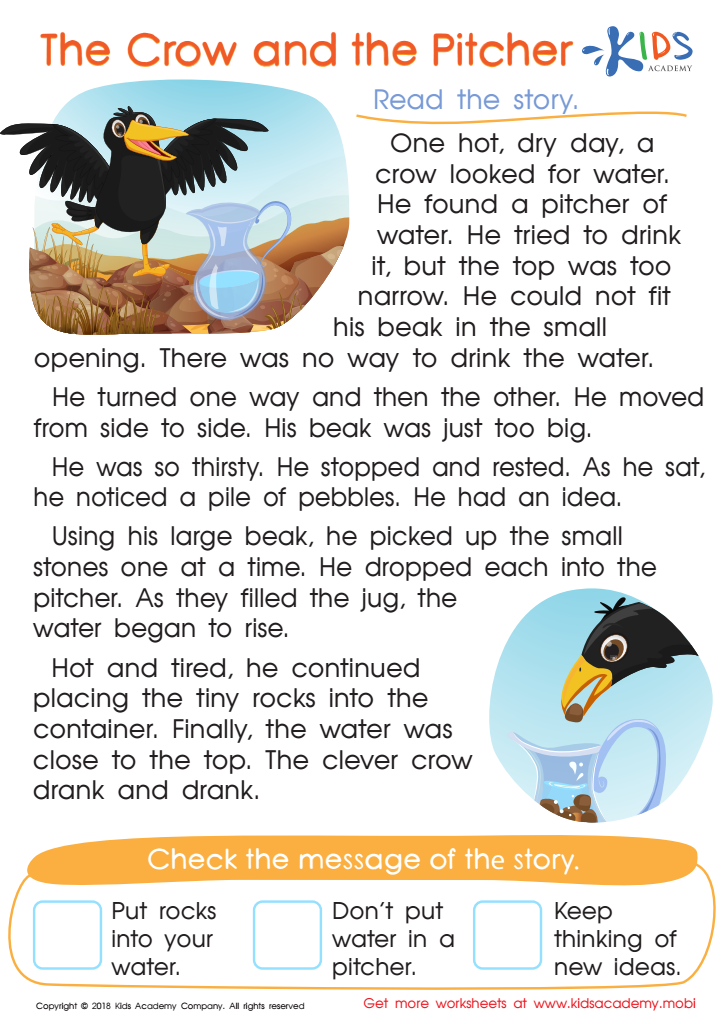
The Crow and the Pitcher Worksheet
 Assign to My Students
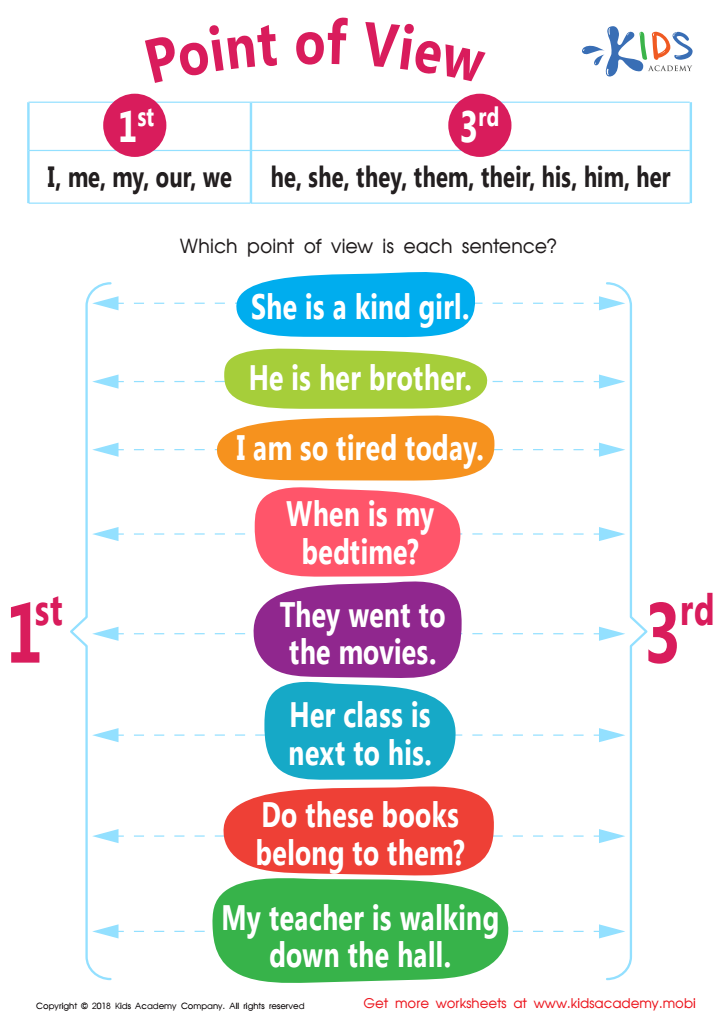
Point of View Worksheet
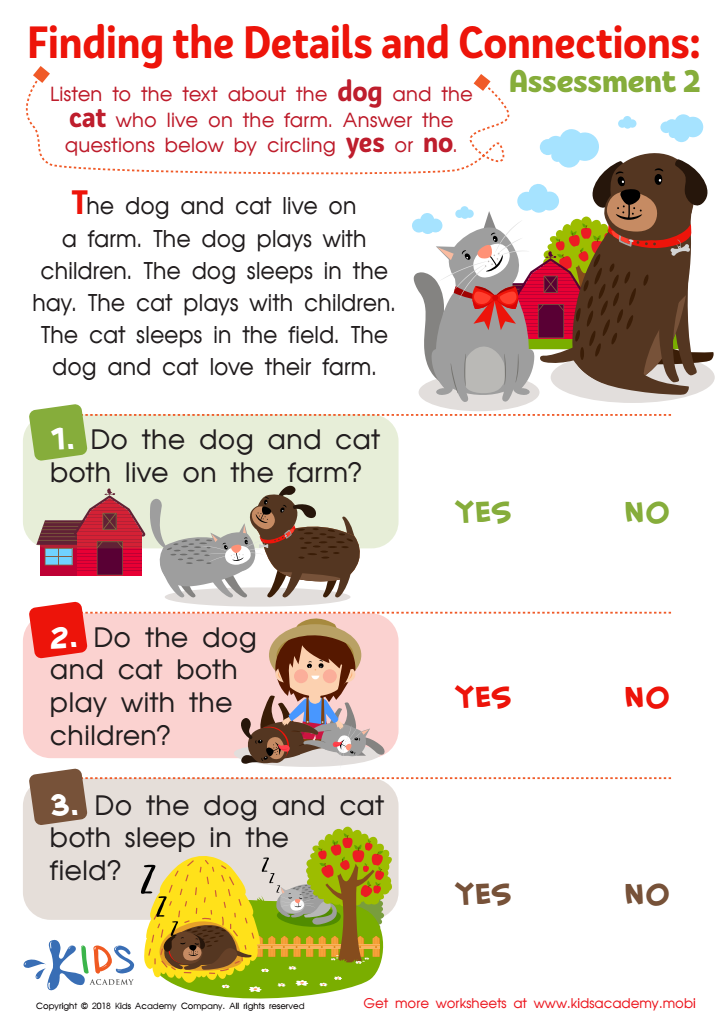
Finding the Details and Connections: Assessment 2 Worksheet
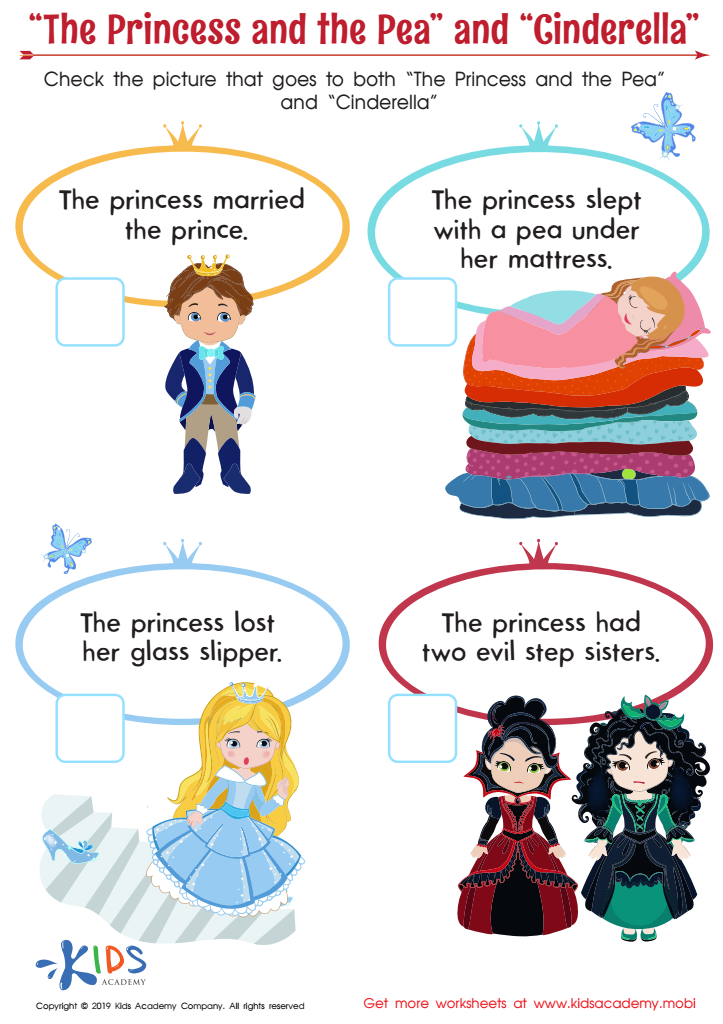
“The Princess and the Pea” and “Cinderella” Worksheet
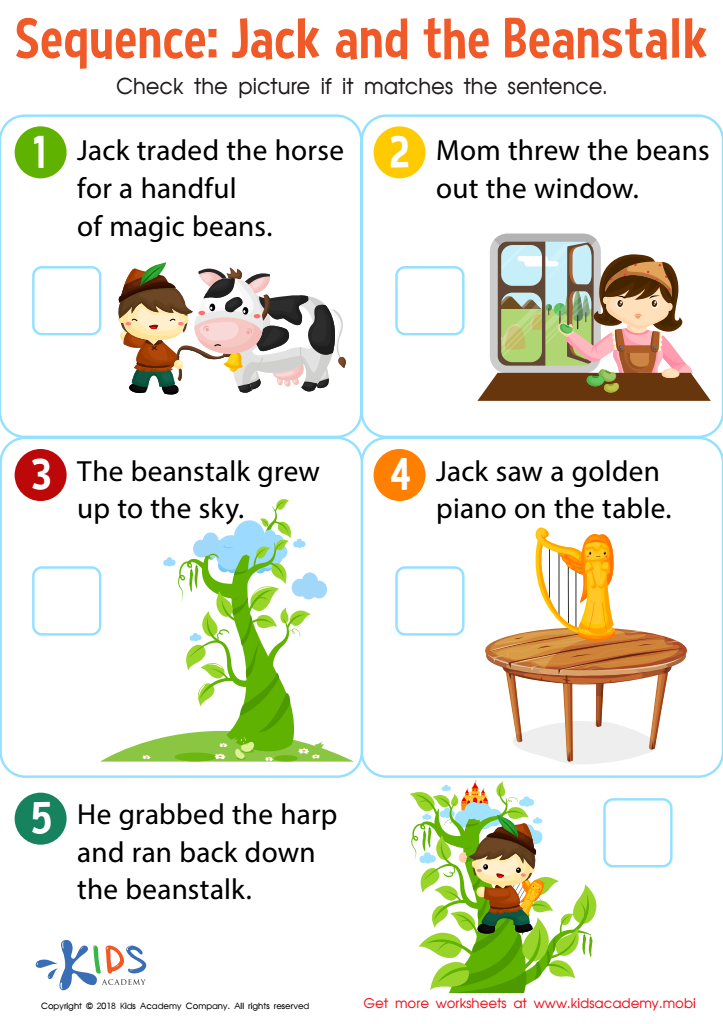
Sequence: Jack and The Beanstalk Worksheet
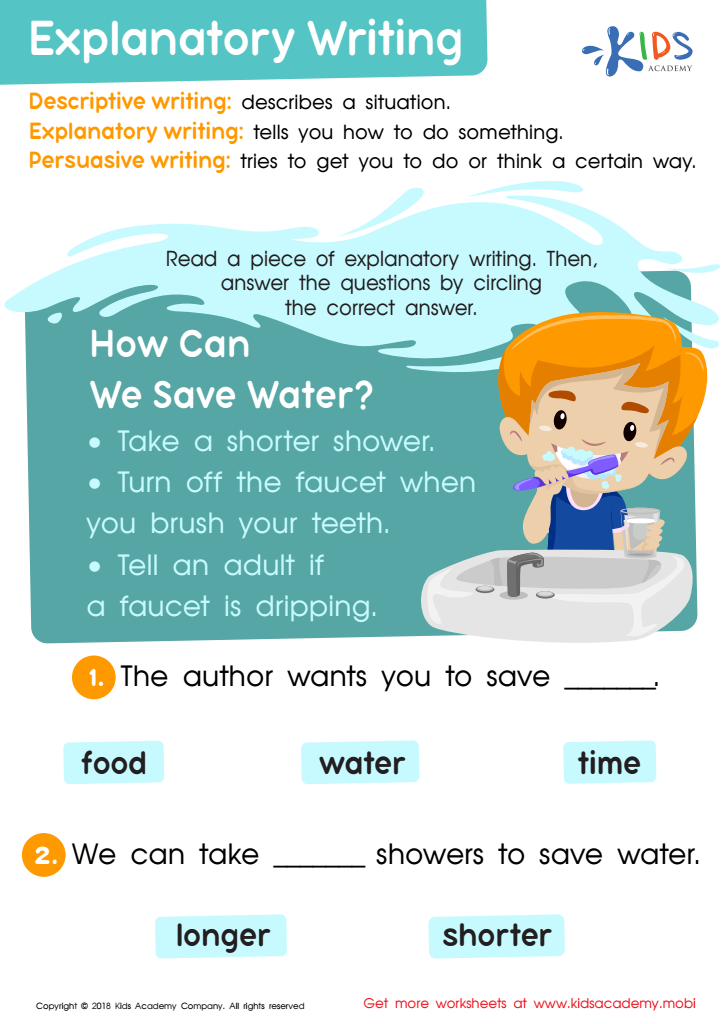
Explanatory Writing Worksheet
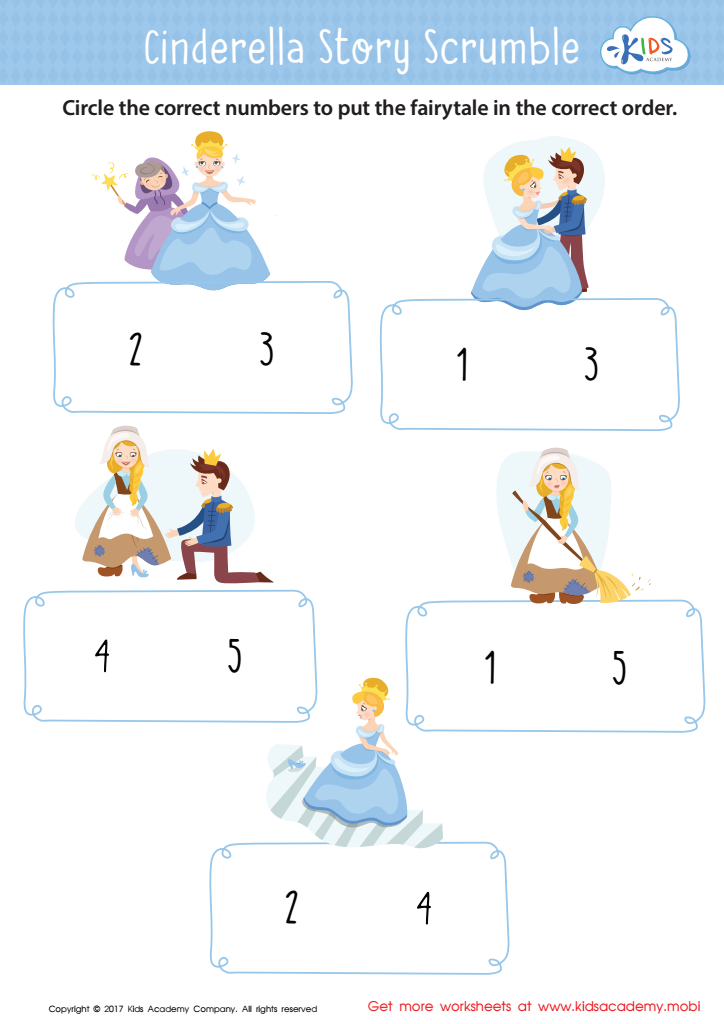
Cinderella Story Sequencing Worksheet
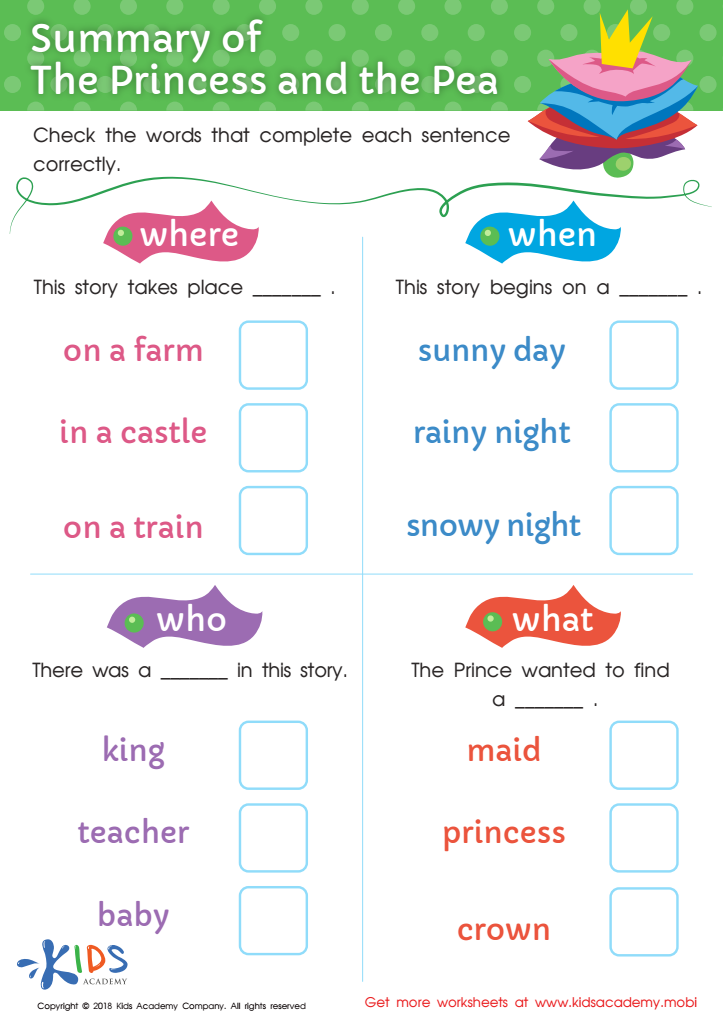
The Summary of the Princess and the Pea Worksheet
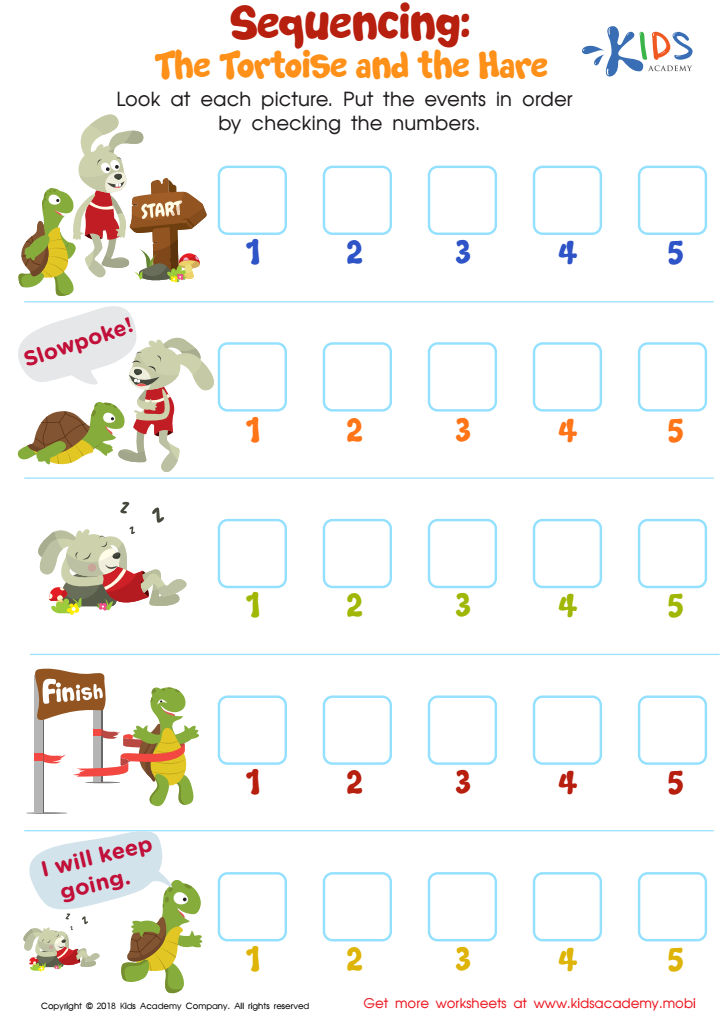
Sequencing: The Tortoise and the Hare Worksheet
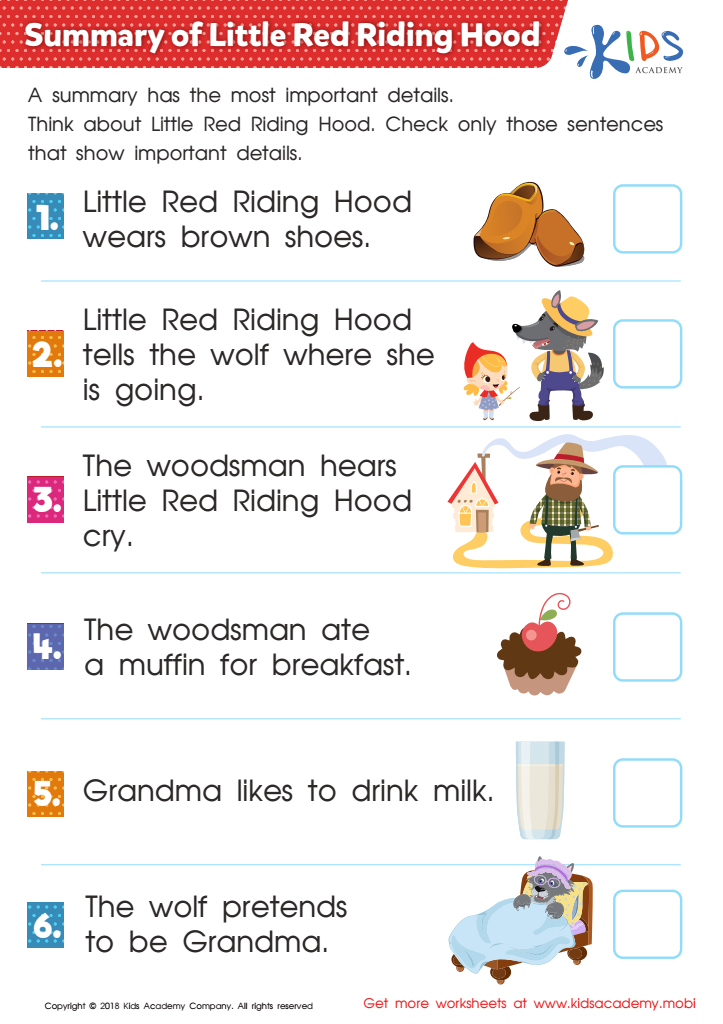
Summary of Little Red Riding Hood Worksheet
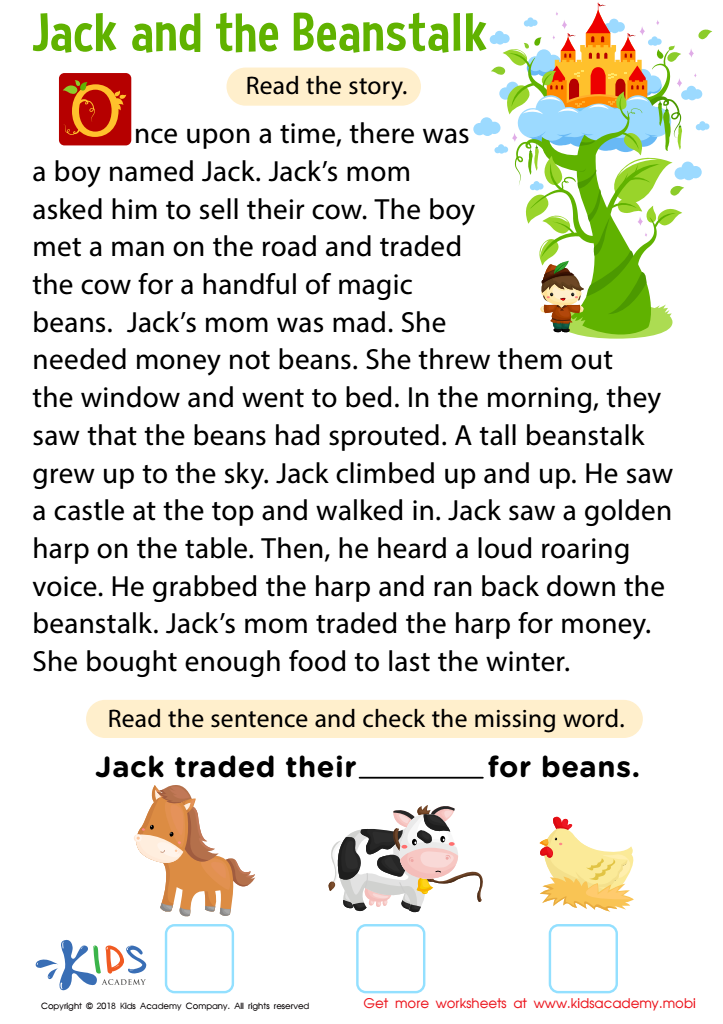
Jack and Beanstalk Worksheet
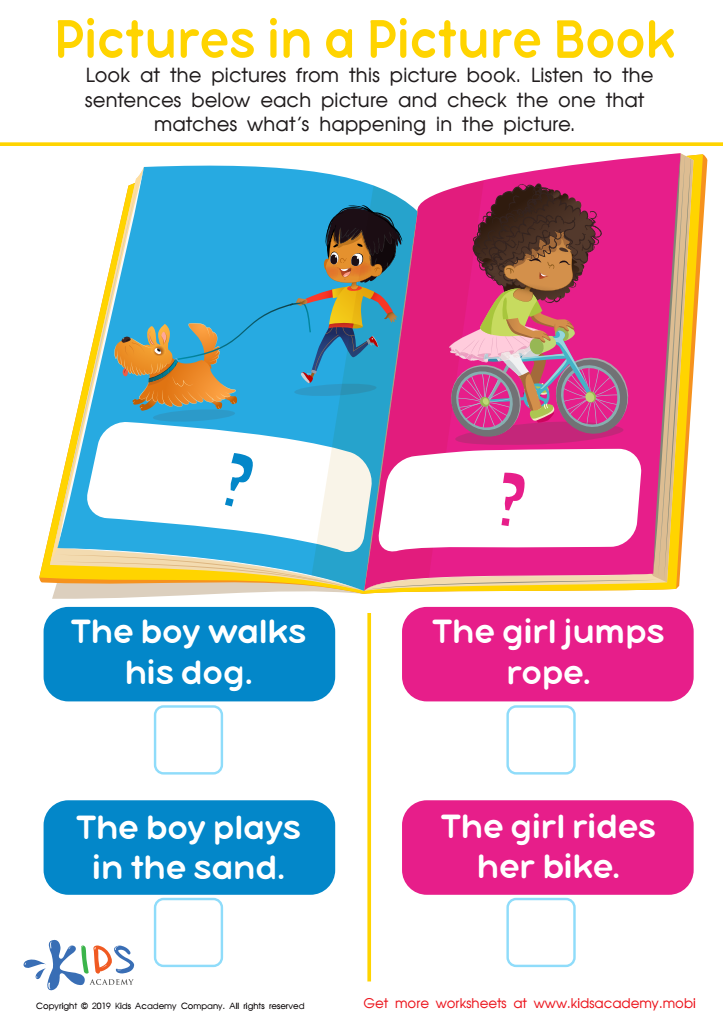
Picture in Books Worksheet
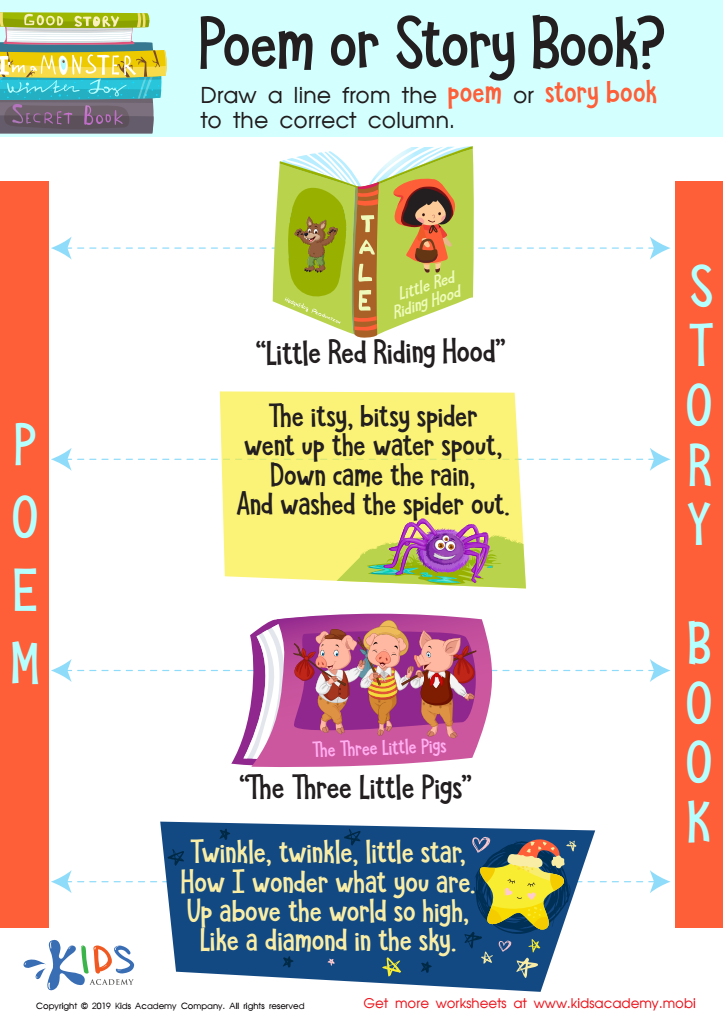
Poem or Story Book? Worksheet
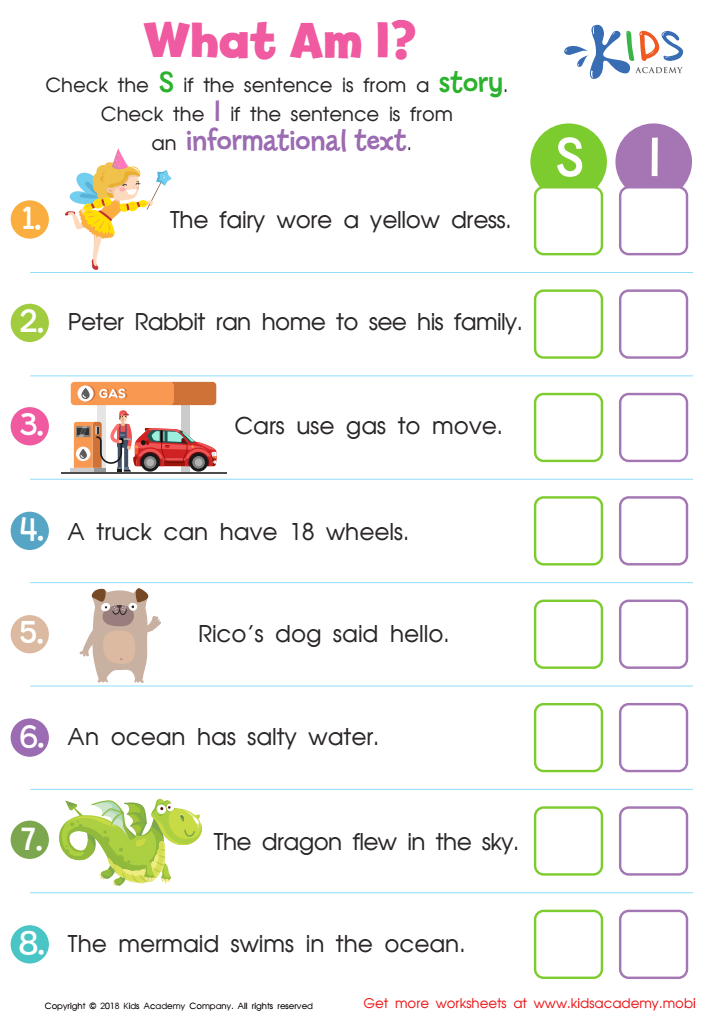
What Am I? Worksheet
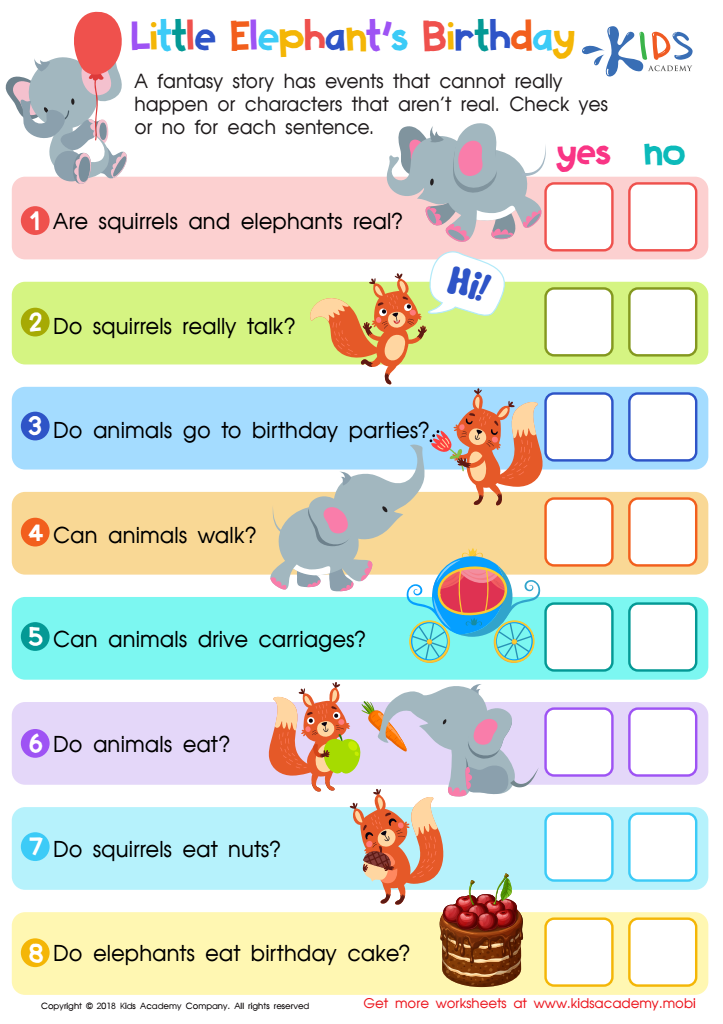
Little Elephant's Birthday Worksheet
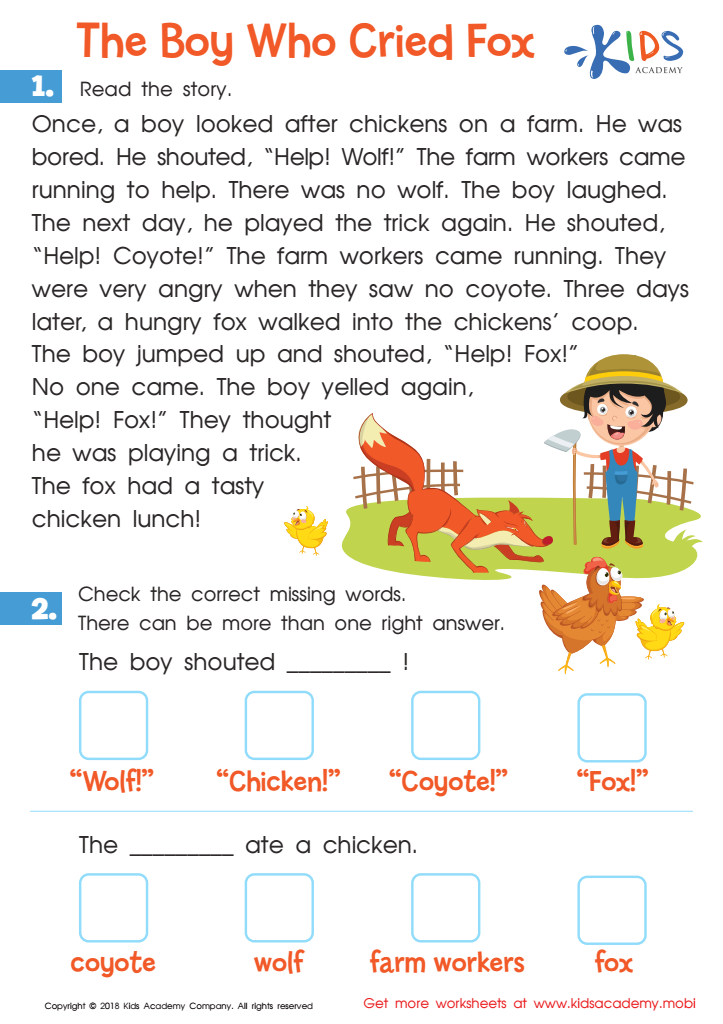
The Boy Who Cried Fox Worksheet
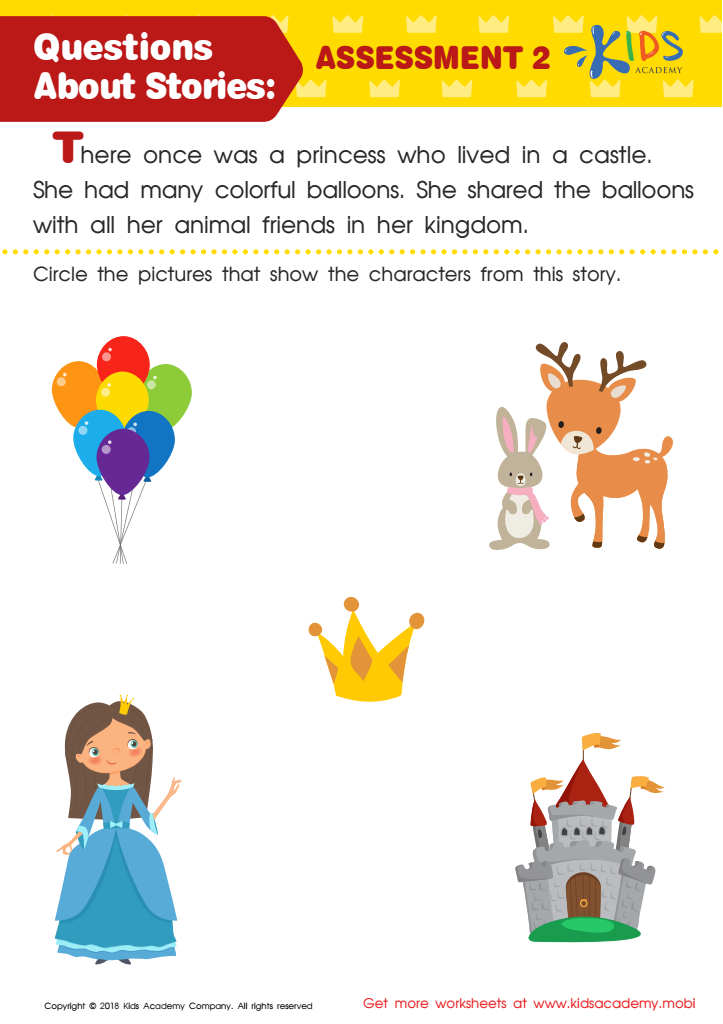
Questions About Stories: Assessment 2 Worksheet
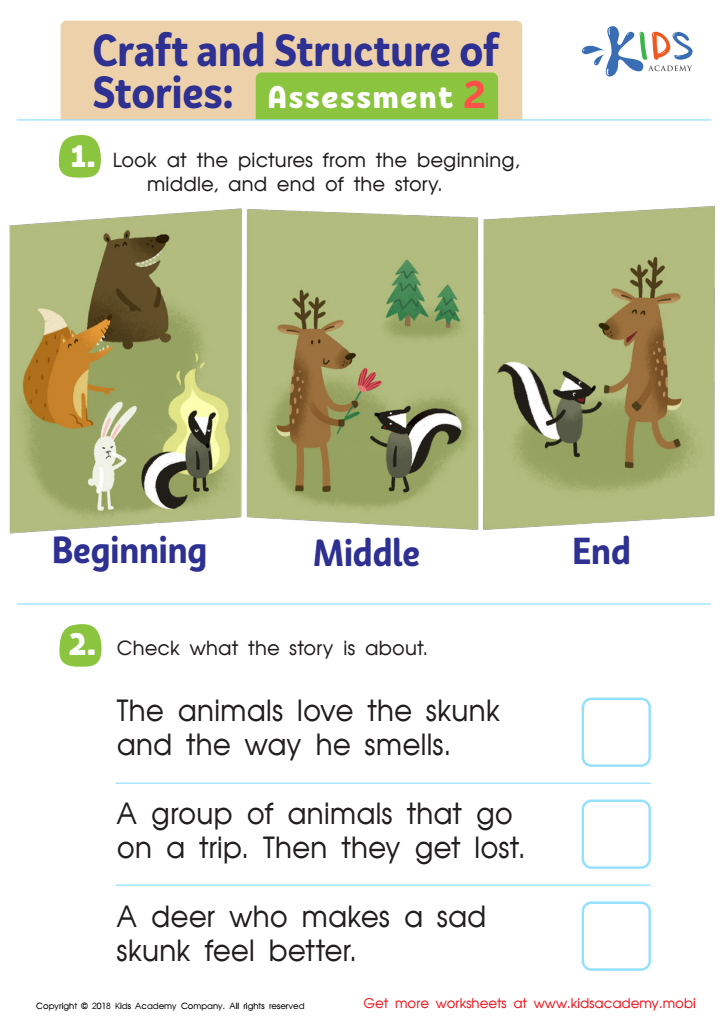
Craft and Structure of Stories: Assessment 2 Worksheet
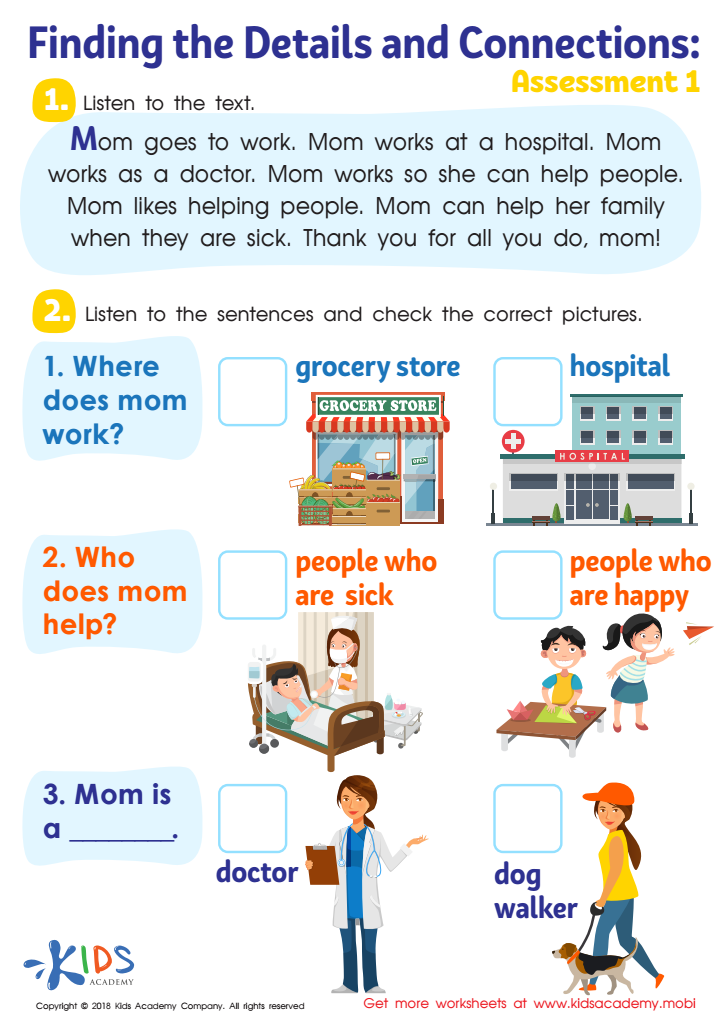
Finding the Details and Connections: Assessment 1 Worksheet
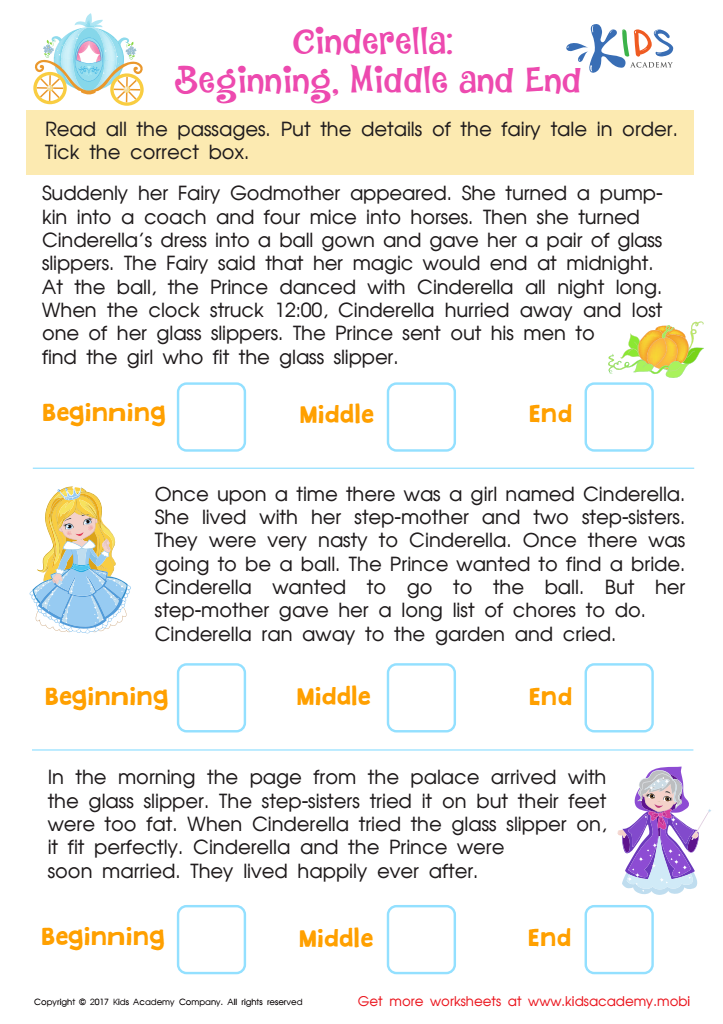
Cinderella: Beginning, Middle and End Worksheet
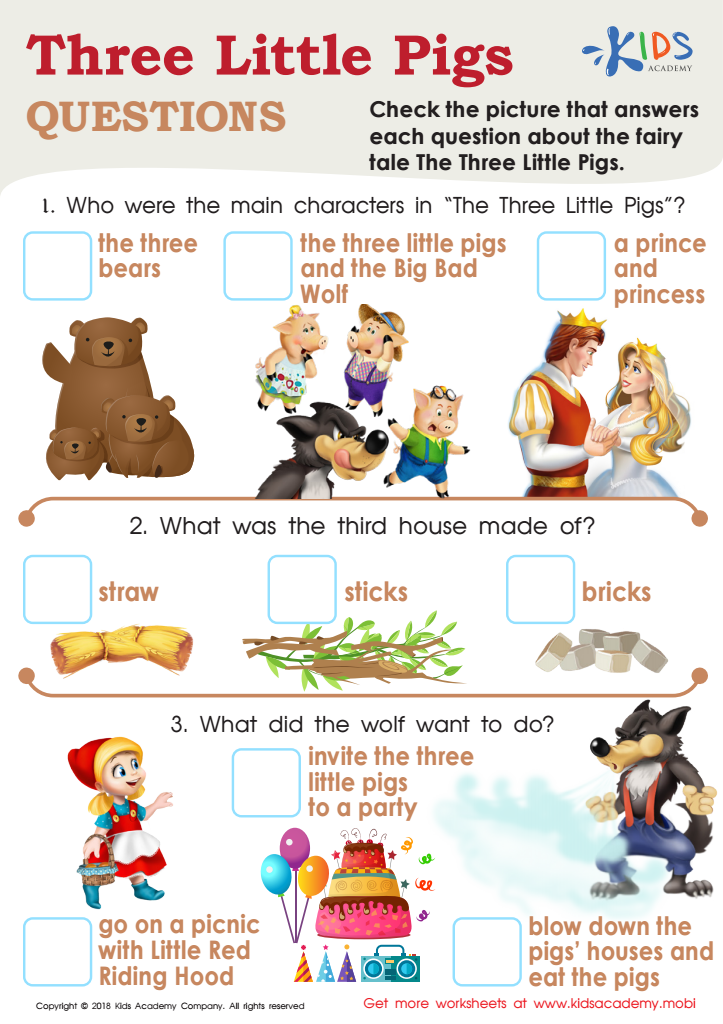
Three Little Pigs Questions Worksheet
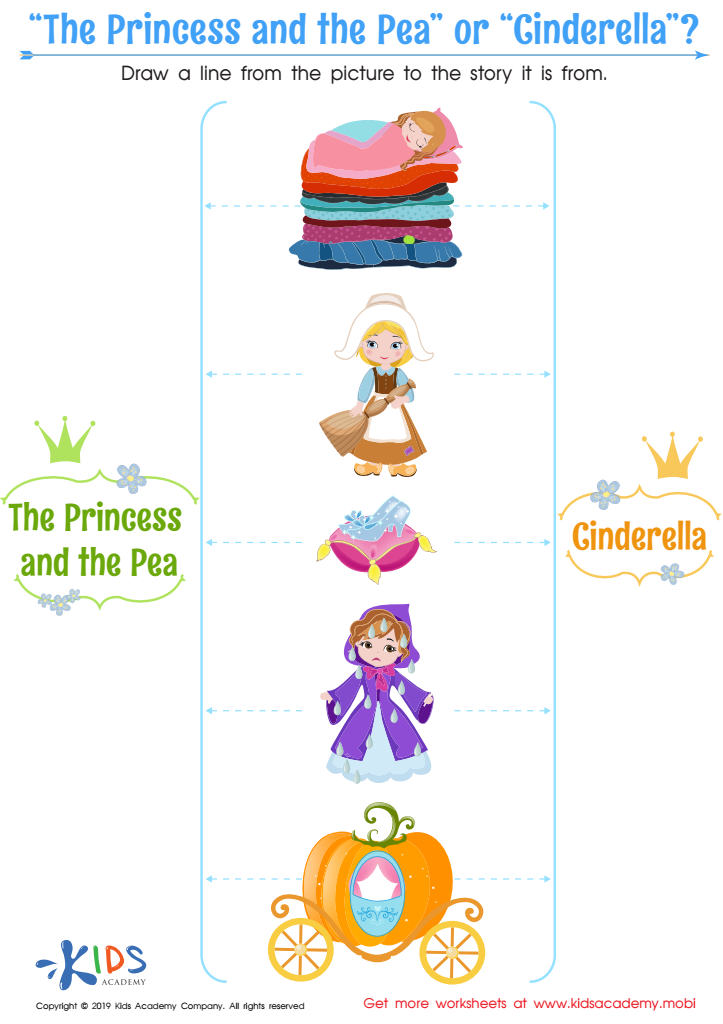
“The Princess and the Pea” or “Cinderella” Worksheet
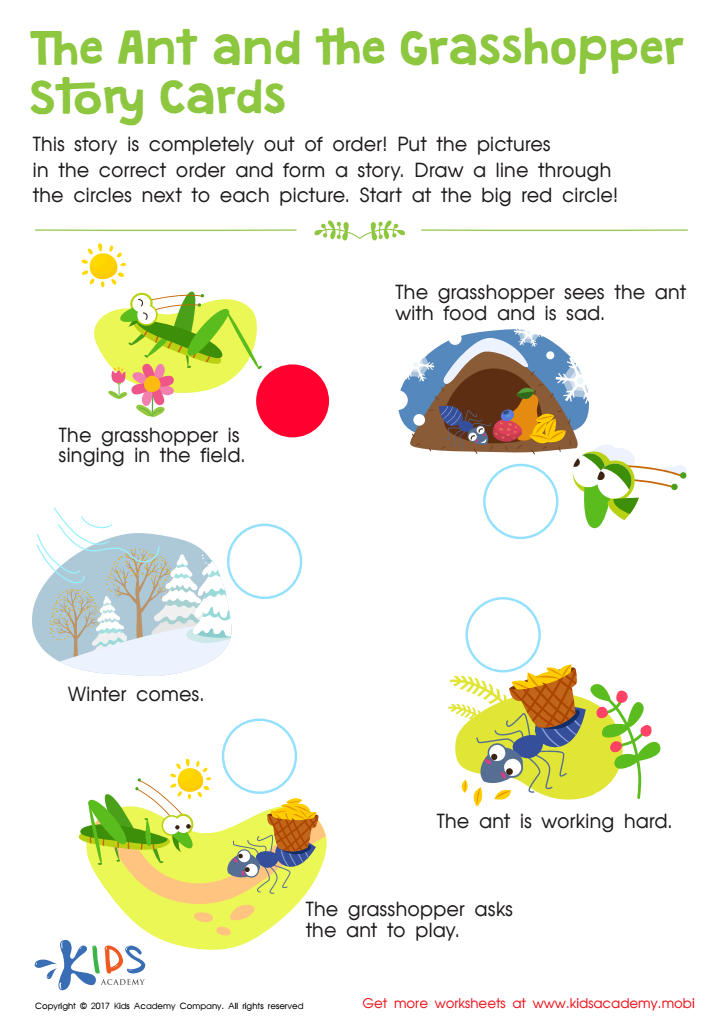
The Ant and The Grasshopper Worksheet
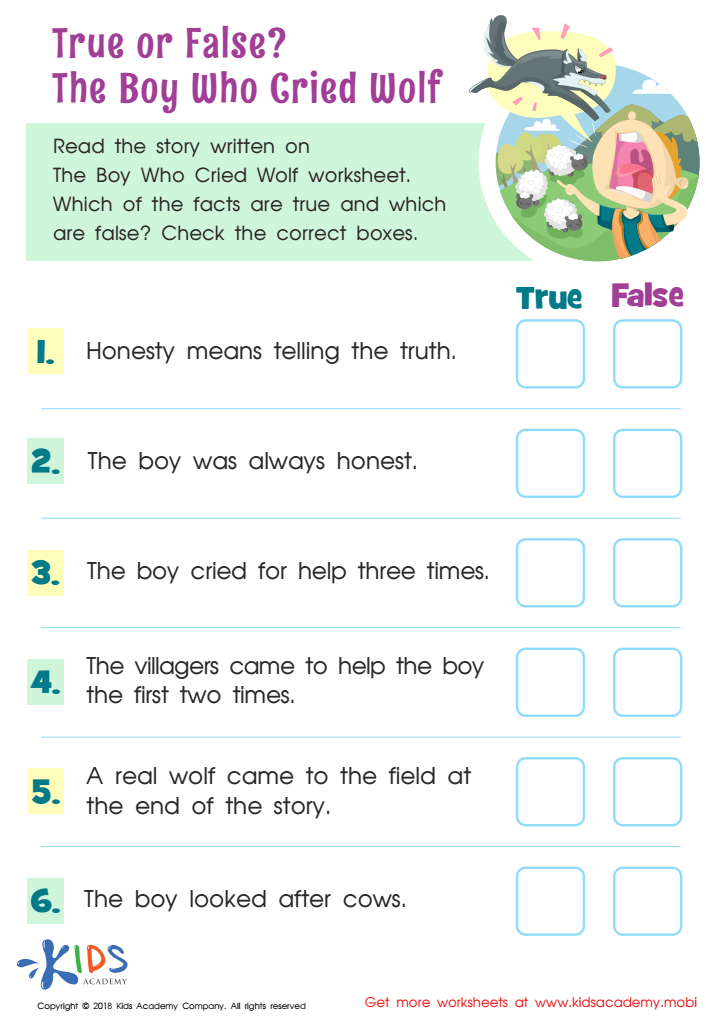
True or False? The Boy Who Cried Wolf Worksheet








Critical thinking and reading comprehension are essential skills for children ages 4 to 7, establishing a strong foundation for lifelong learning. During these formative years, children encounter a wealth of information; developing critical thinking skills allows them to analyze, question, and draw conclusions, leading to a deeper understanding of what they read. Parents and teachers play a crucial role in fostering these skills.
When children learn to critique stories, interpret characters, and understand motifs, they not only grasp the text but also relate it to their own experiences. This connection enhances comprehension, making reading a more enjoyable and meaningful activity. Engaging children in discussions about stories helps them articulate their thoughts, encouraging expressive language use and boosting confidence.
Moreover, in today's rapidly evolving world, the ability to think critically enables children to evaluate information effectively, distinguishing between fact and opinion. This skill is essential for navigating various aspects of life, from academics to social interactions.
Ultimately, nurturing critical thinking and reading comprehension enhances children's creativity, problem-solving skills, and emotional intelligence, providing them with tools they need to succeed in school and beyond. Therefore, parents and teachers should prioritize these foundational skills to empower the next generation.








