Vocabulary expansion Normal Alphabet Worksheets for Ages 4-8 - Page 2
44 filtered results
-
From - To

Long and Short U Worksheet
 Assign to My Students
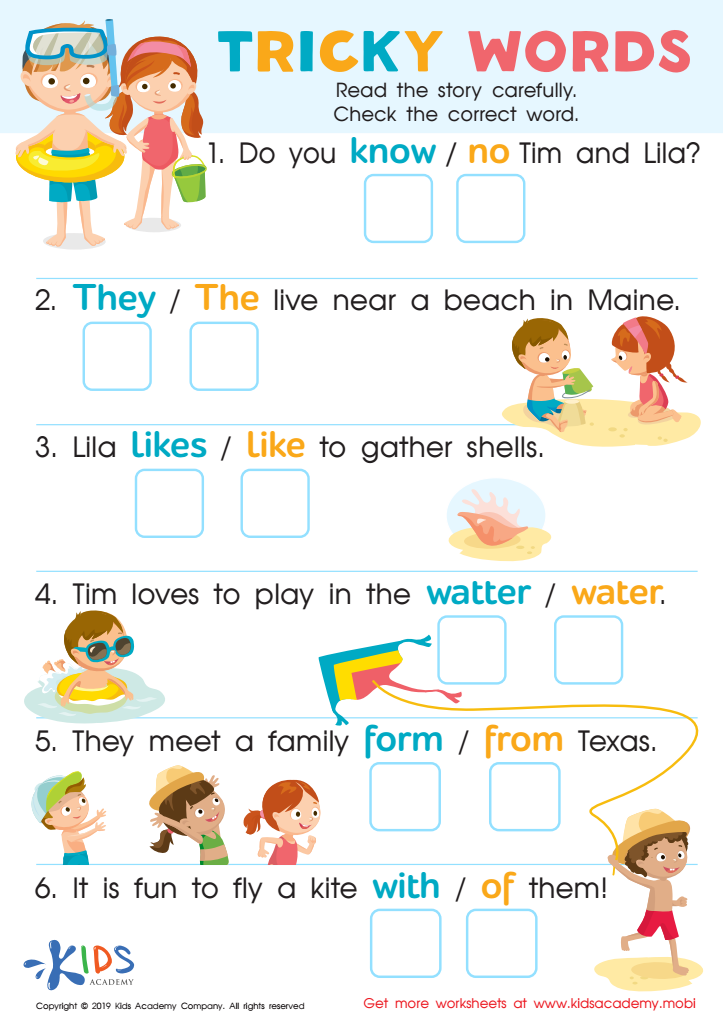
Tricky Words Worksheet
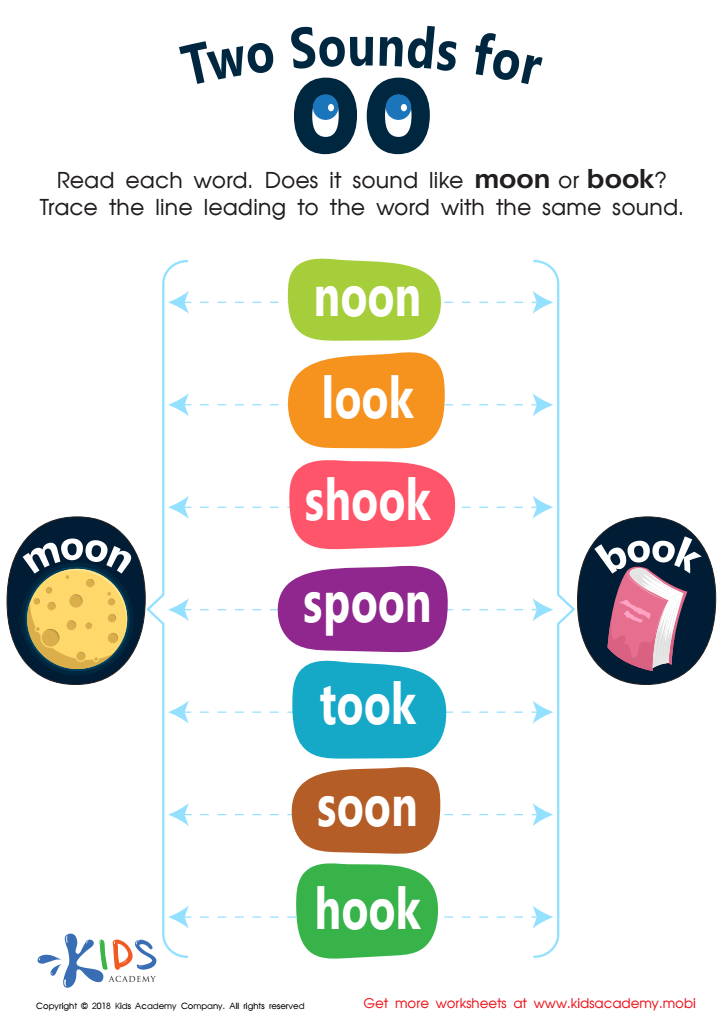
Two Sounds for OO Worksheet
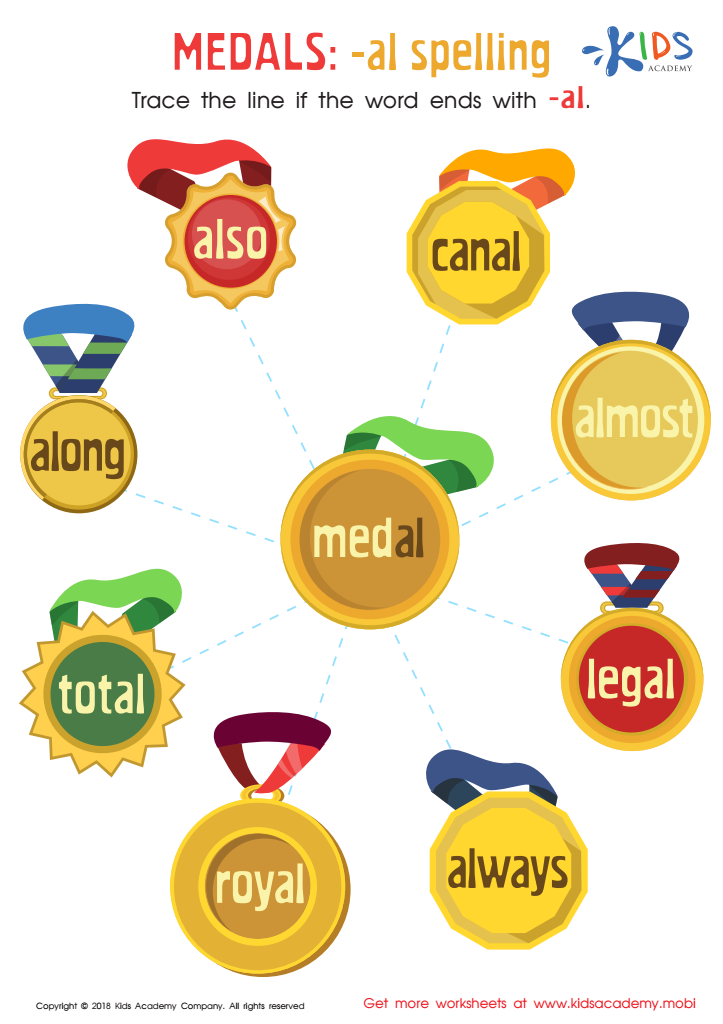
Medals: Al Spelling Worksheet
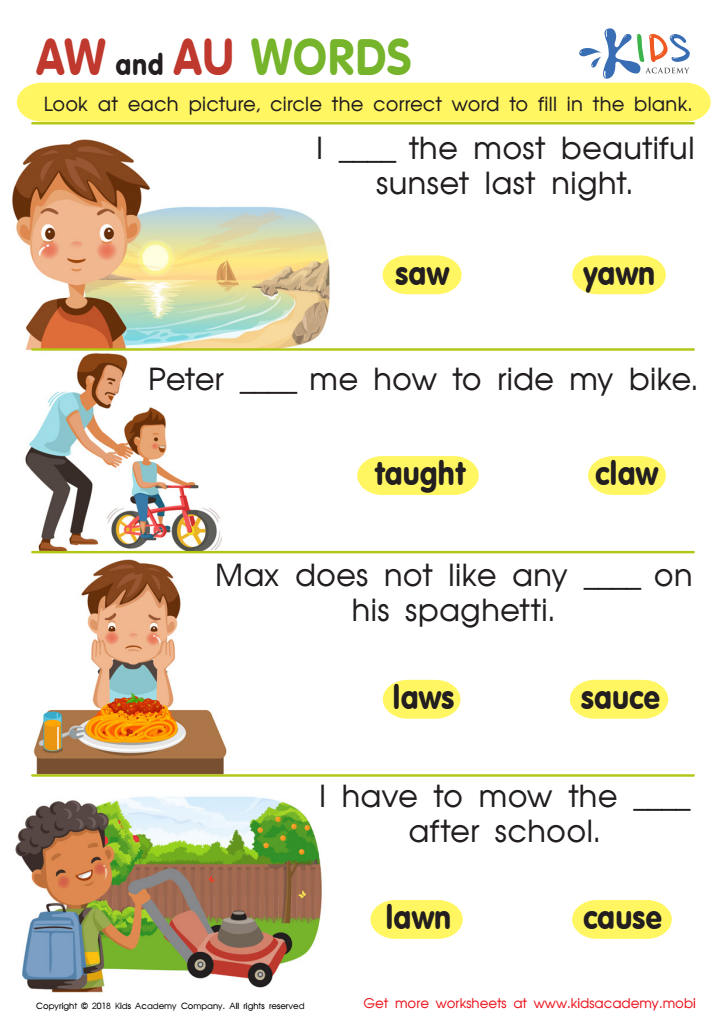
Reading: AW and AU Words Worksheet
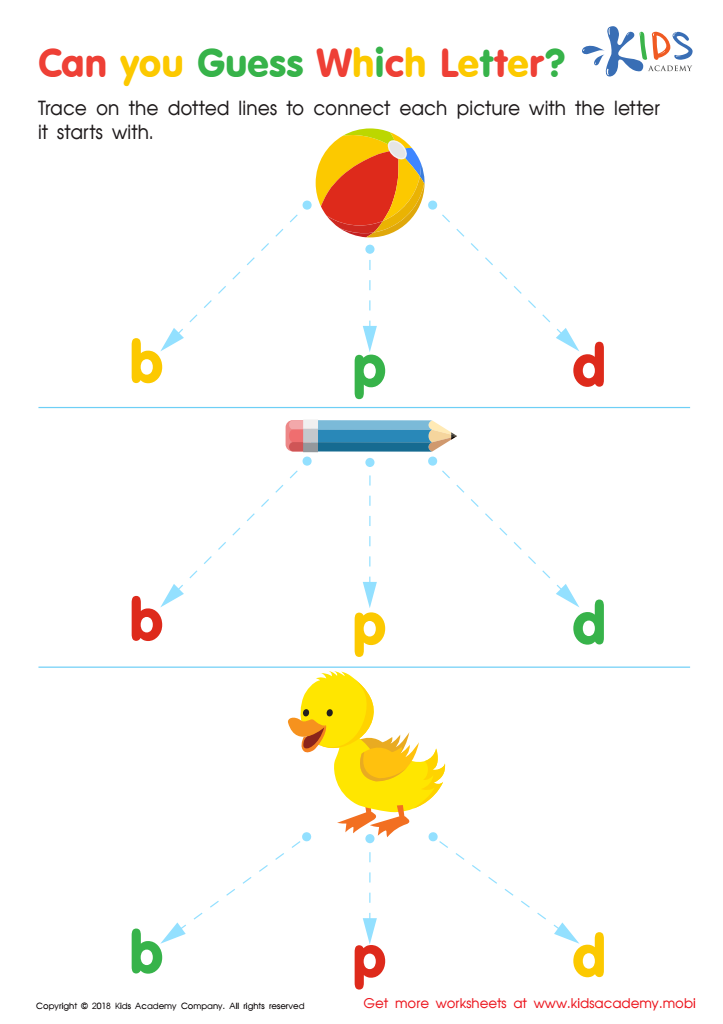
Can you Guess Which Letter? Worksheet
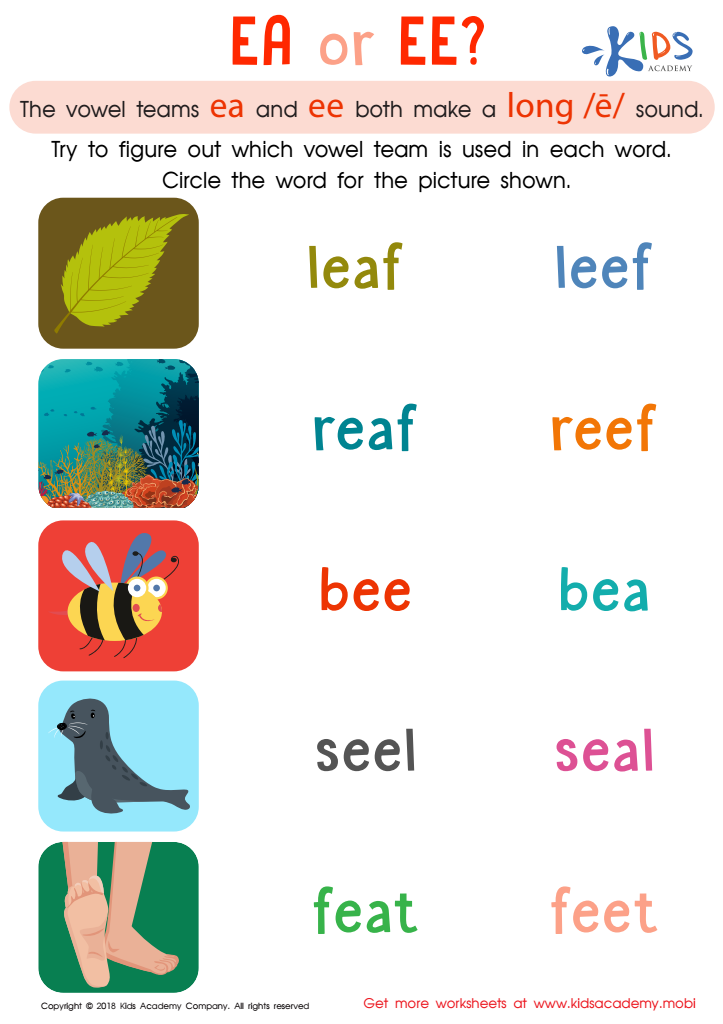
Reading: EA and EE Worksheet
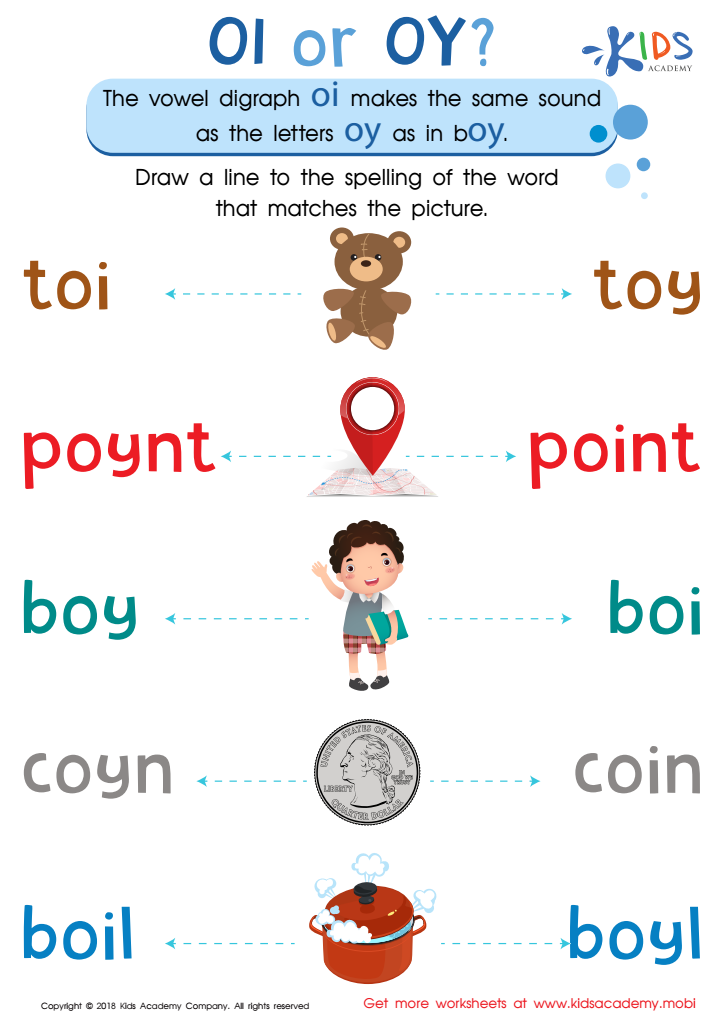
Reading: OI and OY Worksheet
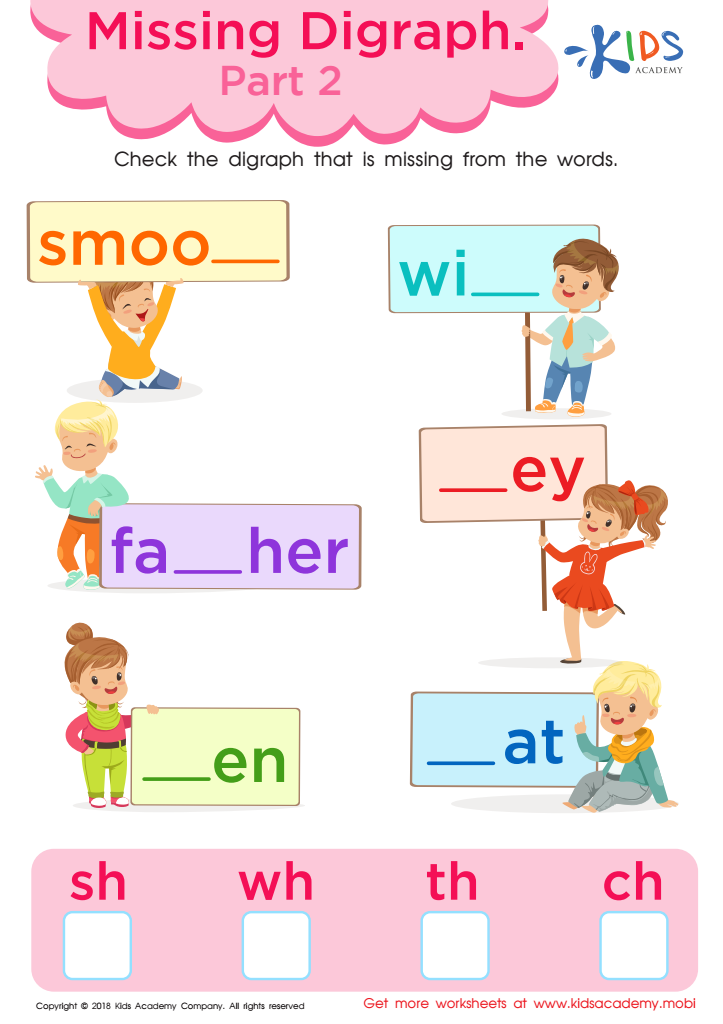
Missing Digraph: Part 2 Worksheet
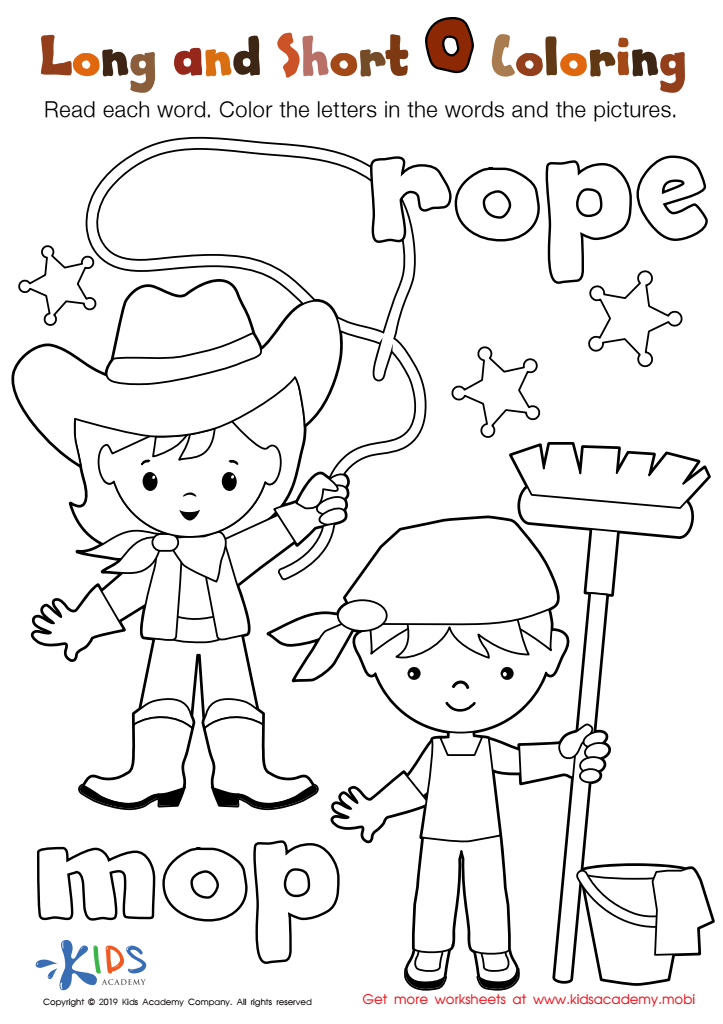
Long and Short O Worksheet
Assign to My Students
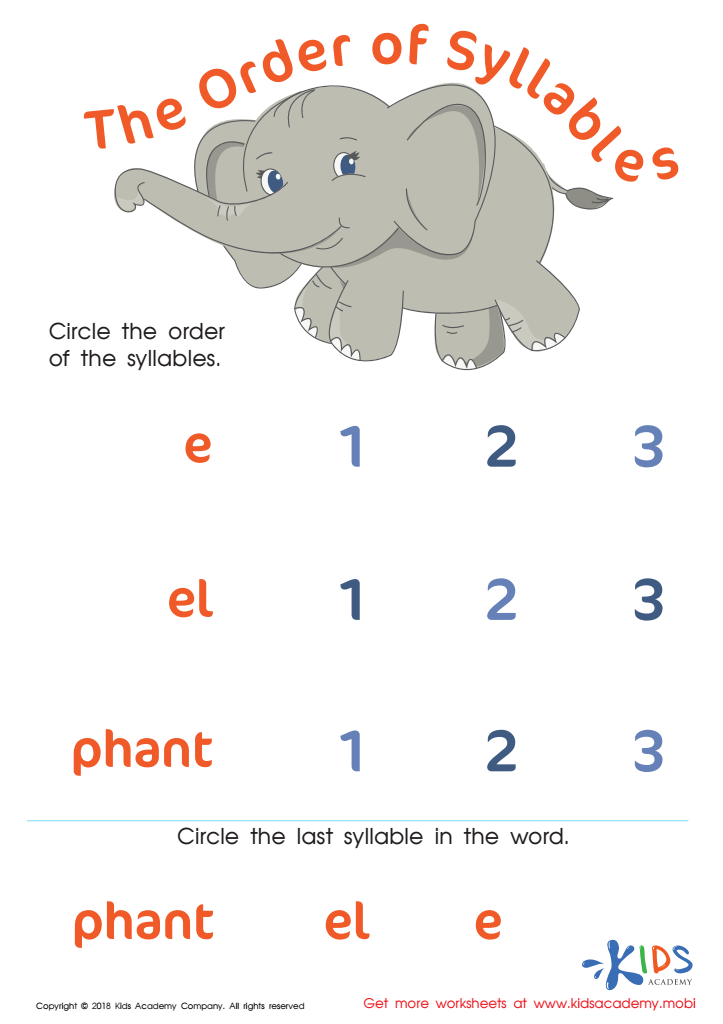
The Order of Syllables Worksheet
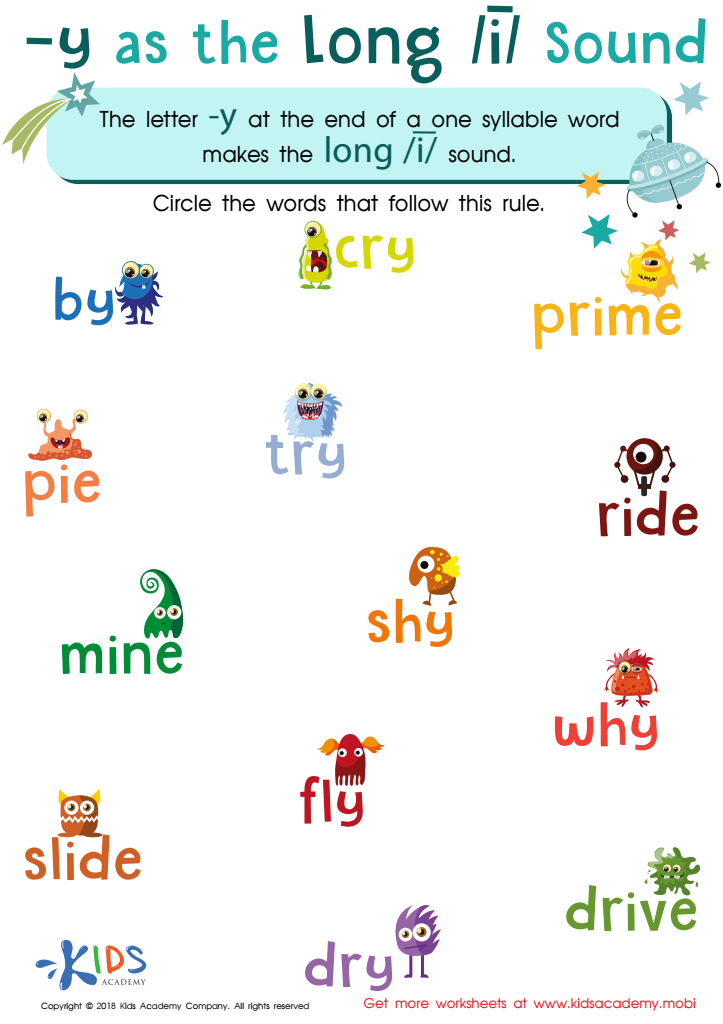
Reading: Y as Long I Worksheet
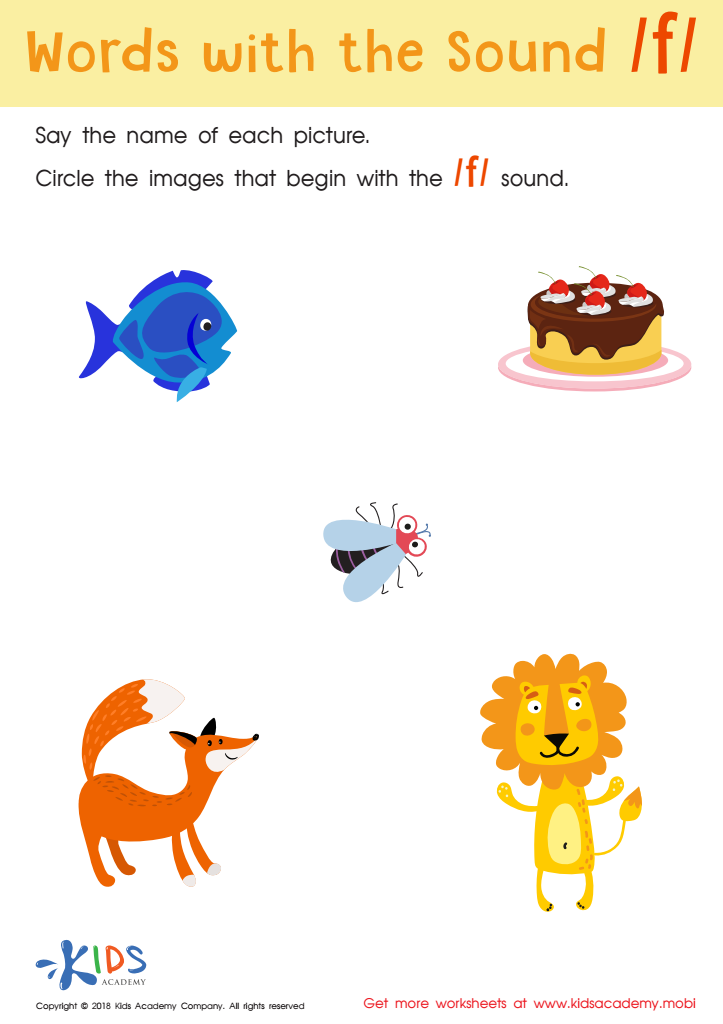
Words with sound f Reading Worksheet
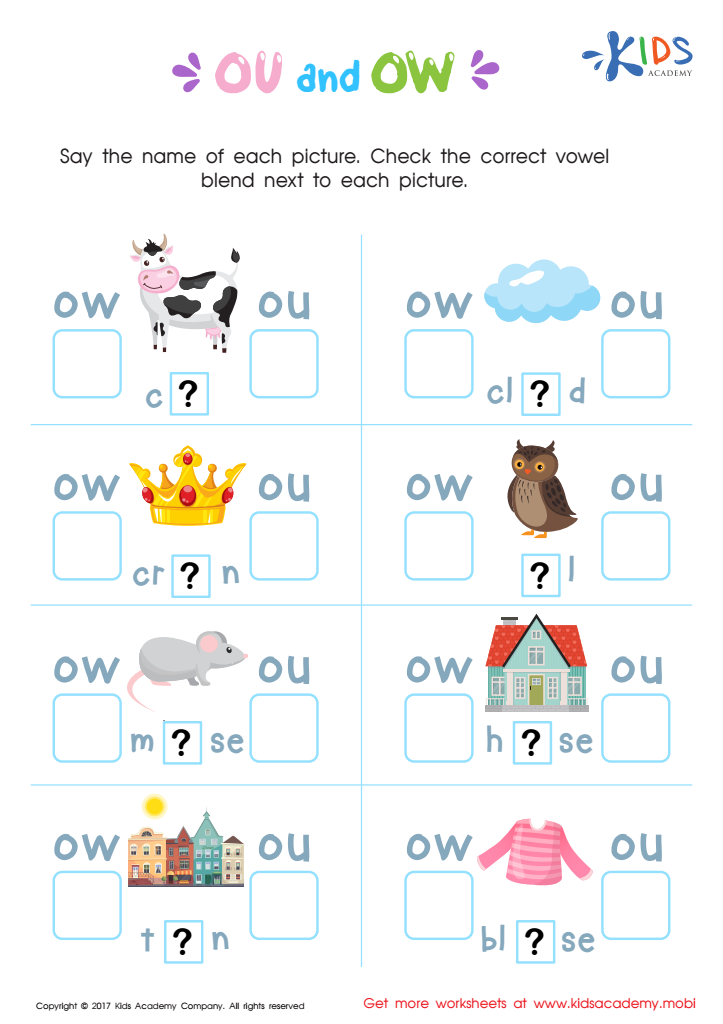
OU and OW Words Worksheet
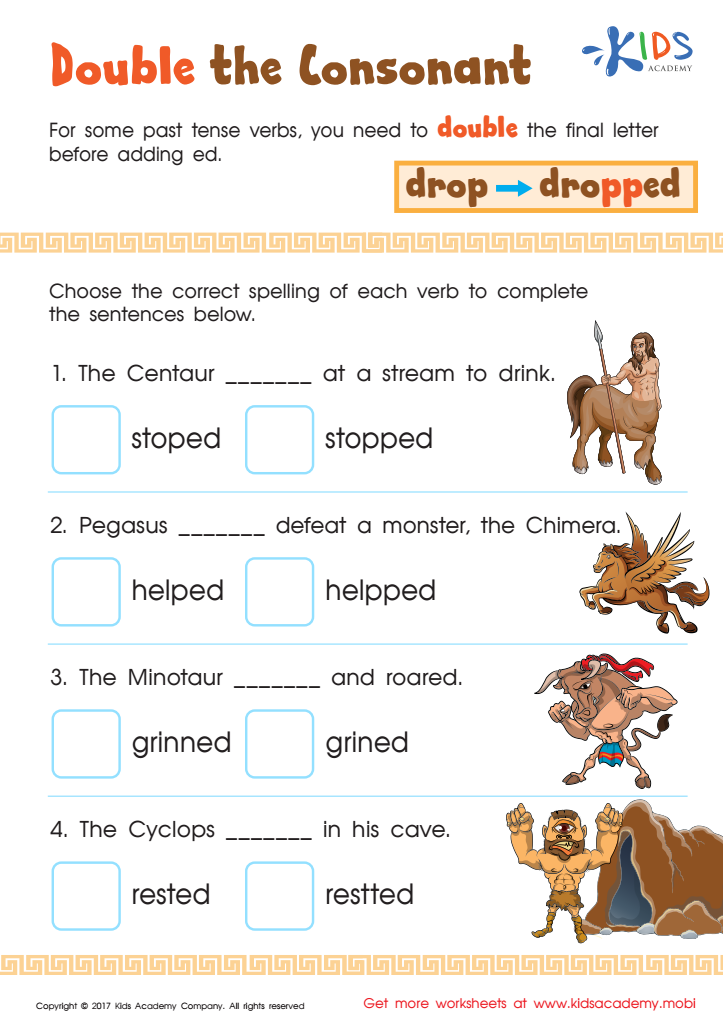
Double Consonant Spelling Worksheet
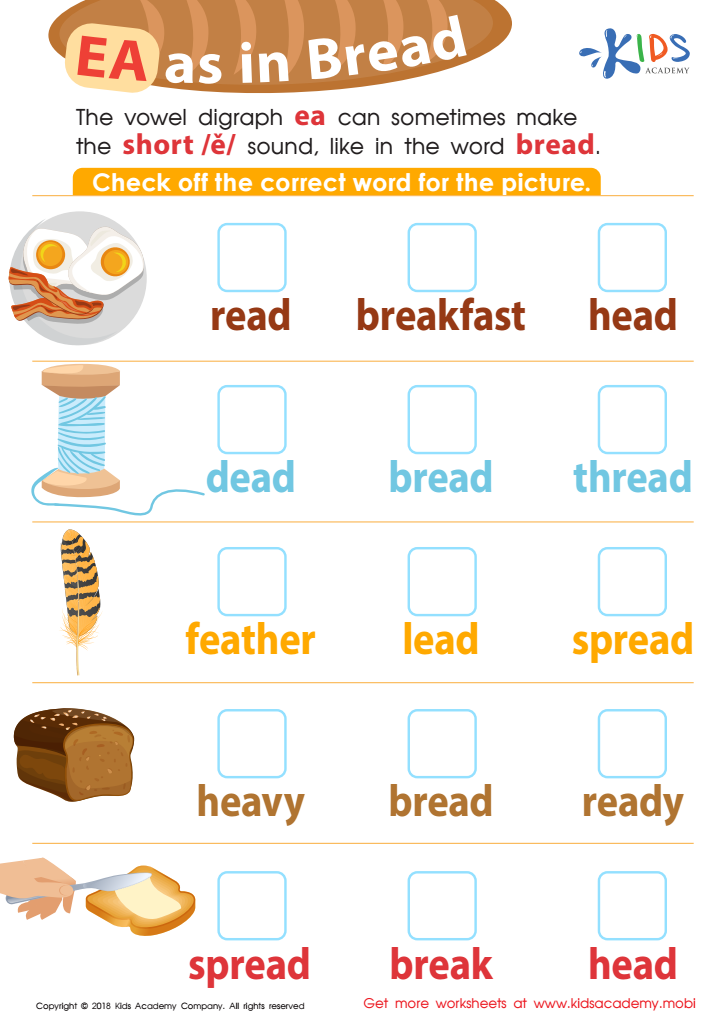
Reading: EA as in Bread Worksheet
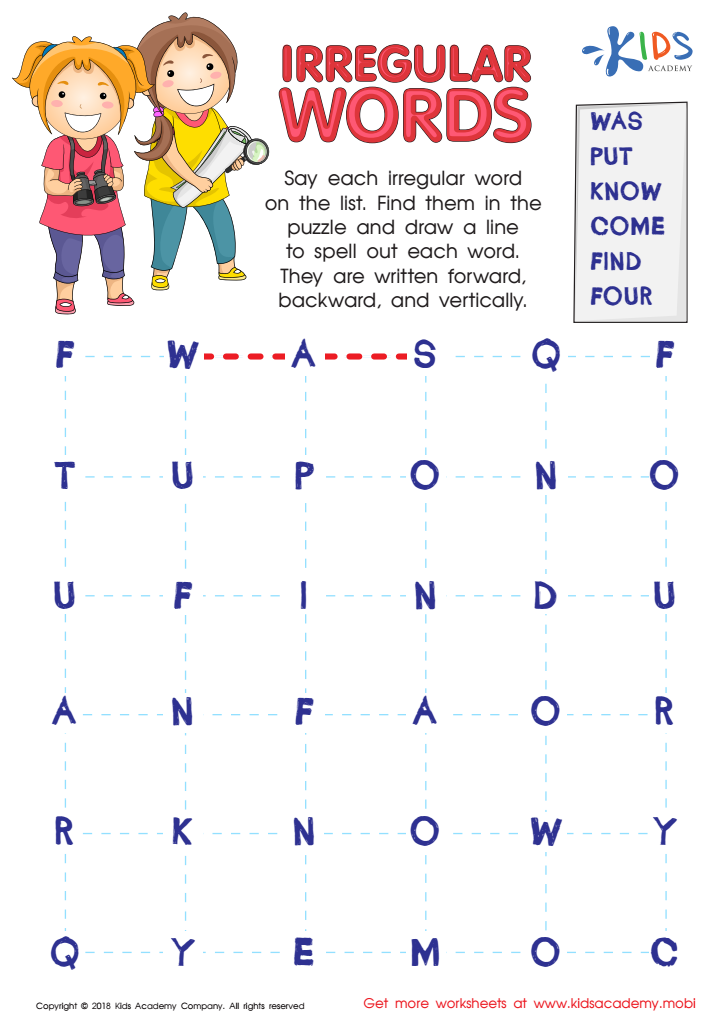
Irregular Words Worksheet
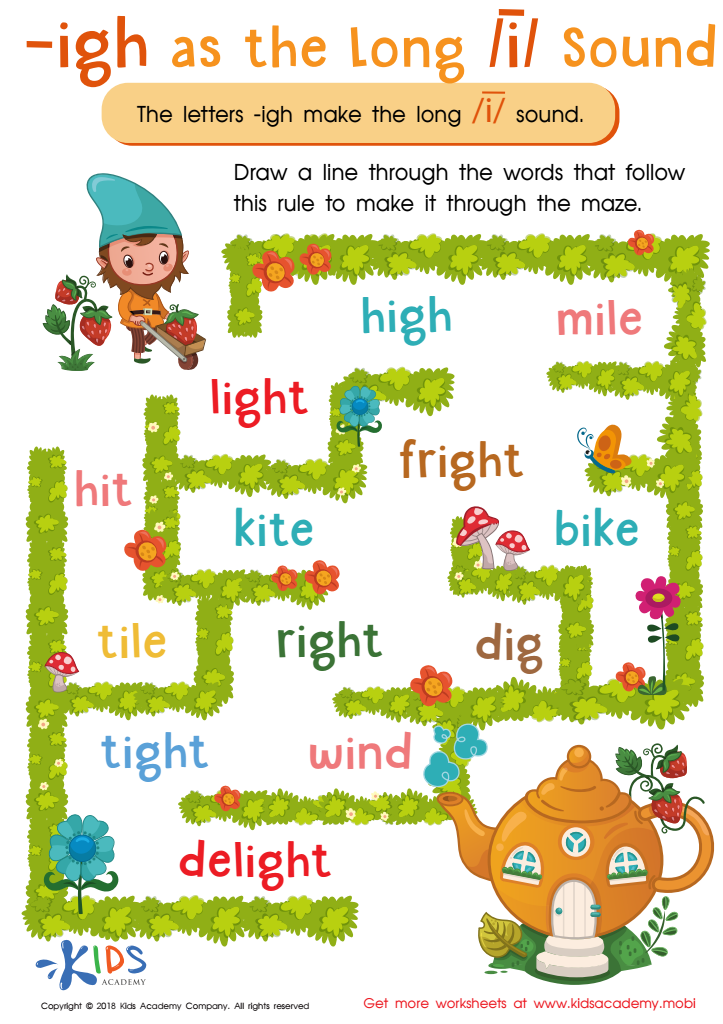
Reading: IGH as Long I Worksheet
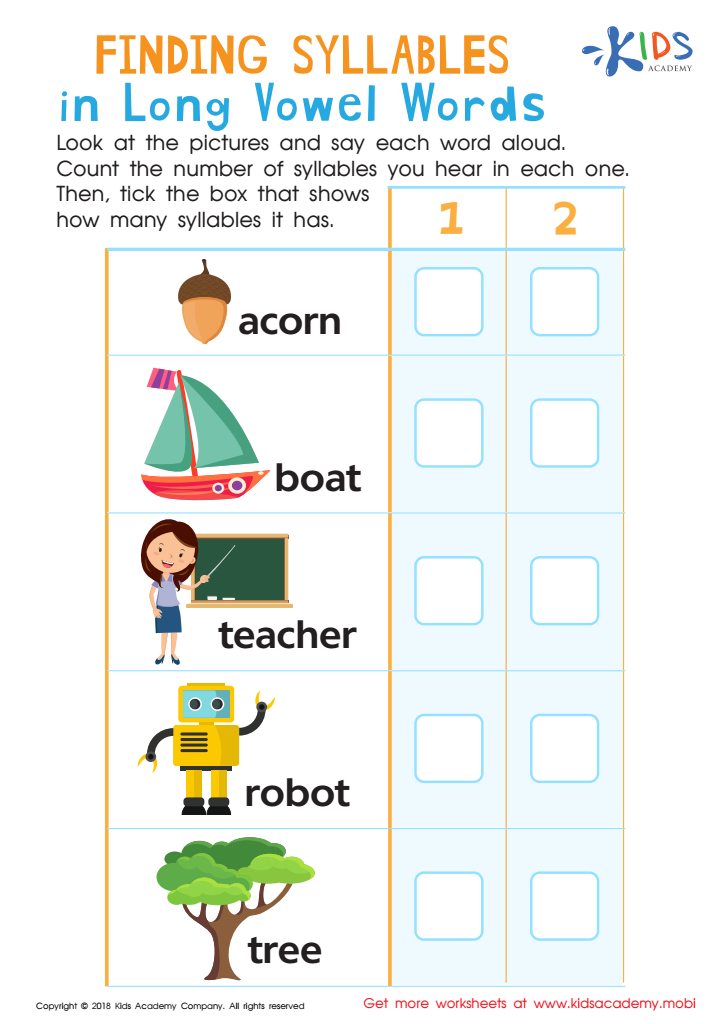
Finding Syllables in Long Vowel Words Worksheet
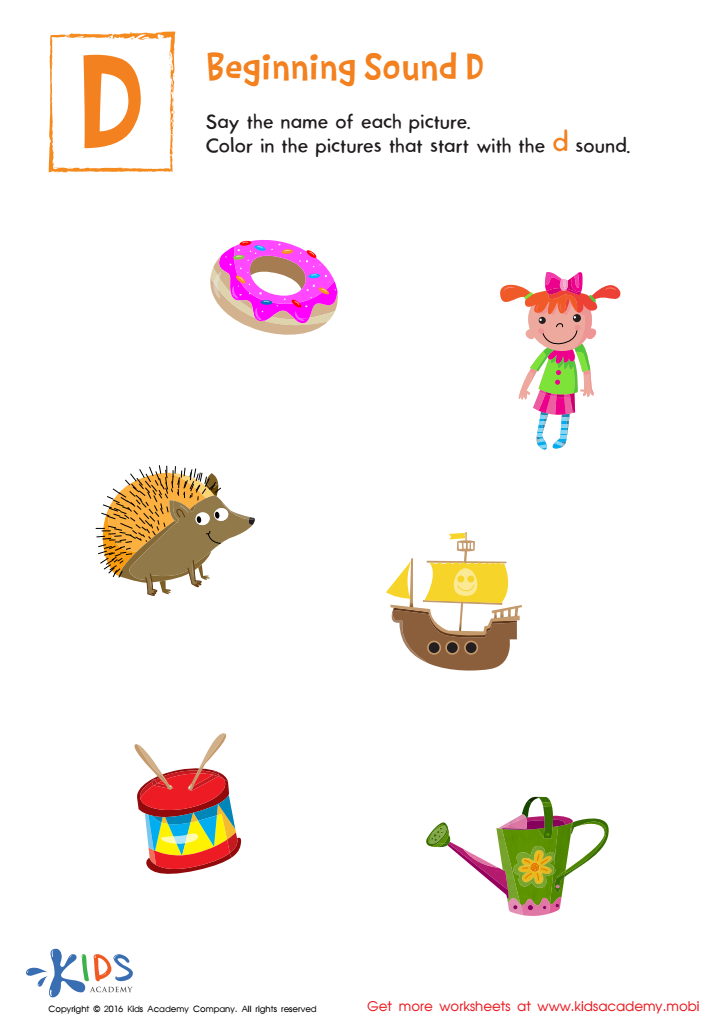
Beginning Sound D Worksheet







Vocabulary expansion during early childhood, specifically for ages 4-8, is critical in fostering robust language development and forming a strong foundation for future academic success. Children who have a richer vocabulary are better equipped to understand and engage with new concepts, both in and out of the classroom setting. This simple yet versatile foundational tool helps bridge the gap between spoken and written language.
Utilizing tools like a 'Normal Alphabet' engages young learners with letters and words in a systematic manner. When children familiarize themselves with the alphabet early, they can more easily decode words and become proficient readers. This fundamental skill aids in their comprehension and expression, two key components of effective communication. Moreover, early vocabulary building has been linked to higher academic performance across subjects, from literacy to mathematics.
Additionally, expanding vocabulary in these formative years not only bolsters academic abilities but also enhances social skills. A well-developed vocabulary allows children to better articulate thoughts, emotions, and experiences, facilitating smoother interpersonal relationships and boosting confidence.
Finally, these formative educational practices set lifelong learning patterns, encouraging curiosity and a love for reading. By focusing on vocabulary expansion through the normal alphabet at this crucial developmental stage, parents and teachers are investing in their child's holistic growth, cognitive development, and success in future academics and life endeavors.







