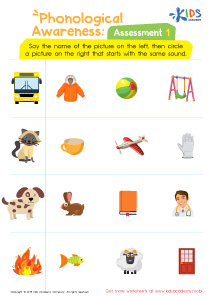
Normal Three Letter Words Phonics Worksheets for Ages 4-8
5 filtered results
-
From - To
Explore our engaging "Normal Three Letter Words Phonics Worksheets" designed for children ages 4-8! These worksheets provide fun, interactive activities that help young learners master essential phonics skills through three-letter word recognition and formation. Each worksheet features vibrant illustrations and clear instructions, making learning enjoyable and effective. Ideal for parents and educators, these resources foster early reading development, enhance vocabulary, and build confidence in young readers. With a variety of exercises like matching, filling in the blanks, and word sorting, children will strengthen their phonics knowledge while having fun! Start their reading journey today with our easy-to-use phonics worksheets!
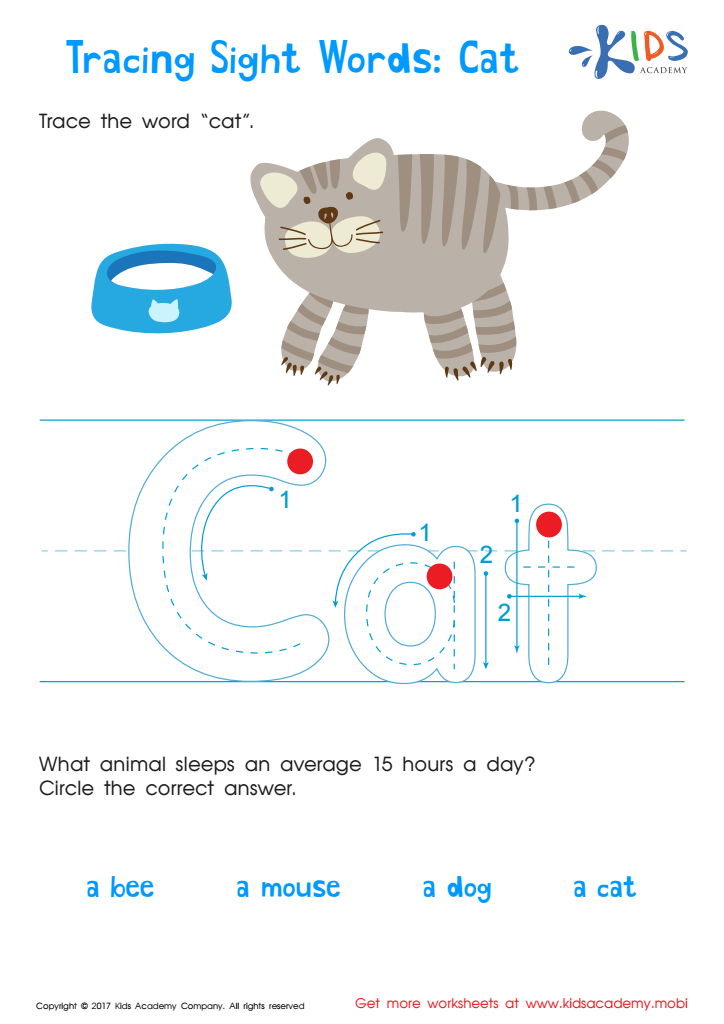
Cat Printable Sight Words Worksheet
 Assign to My Students
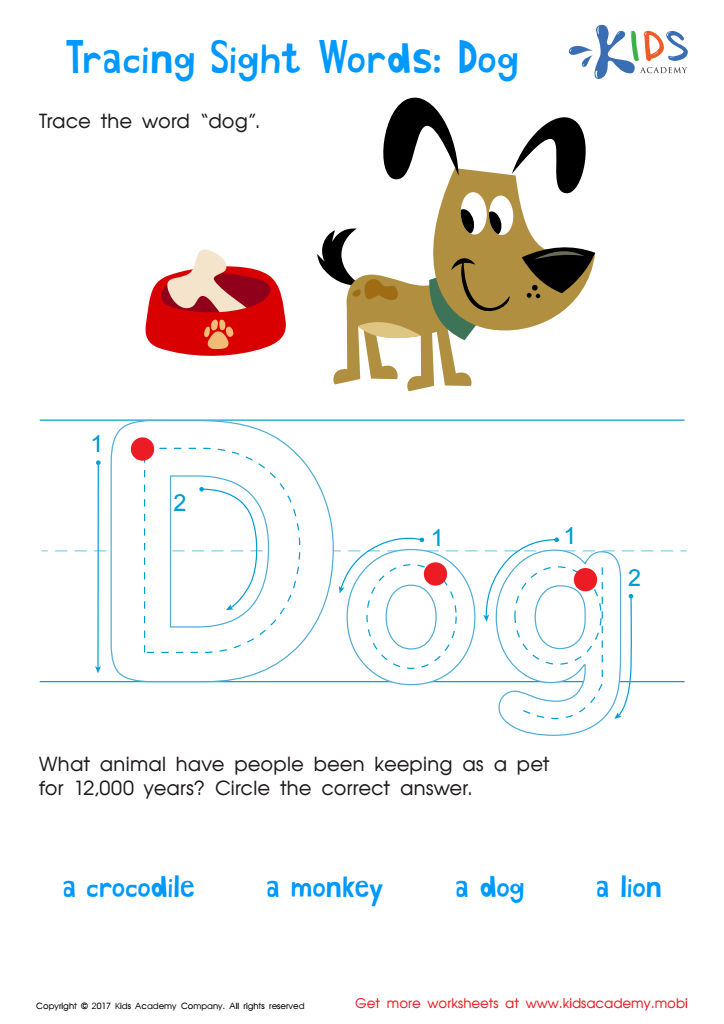
Dog Worksheet Sight Words Worksheet
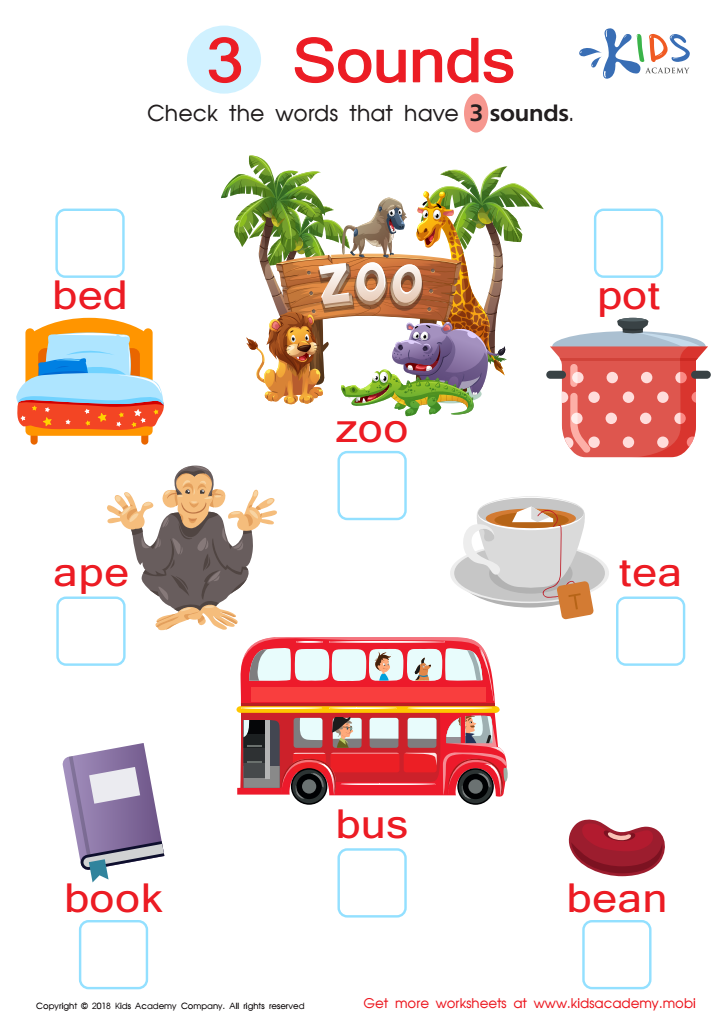
3 Sounds Worksheet
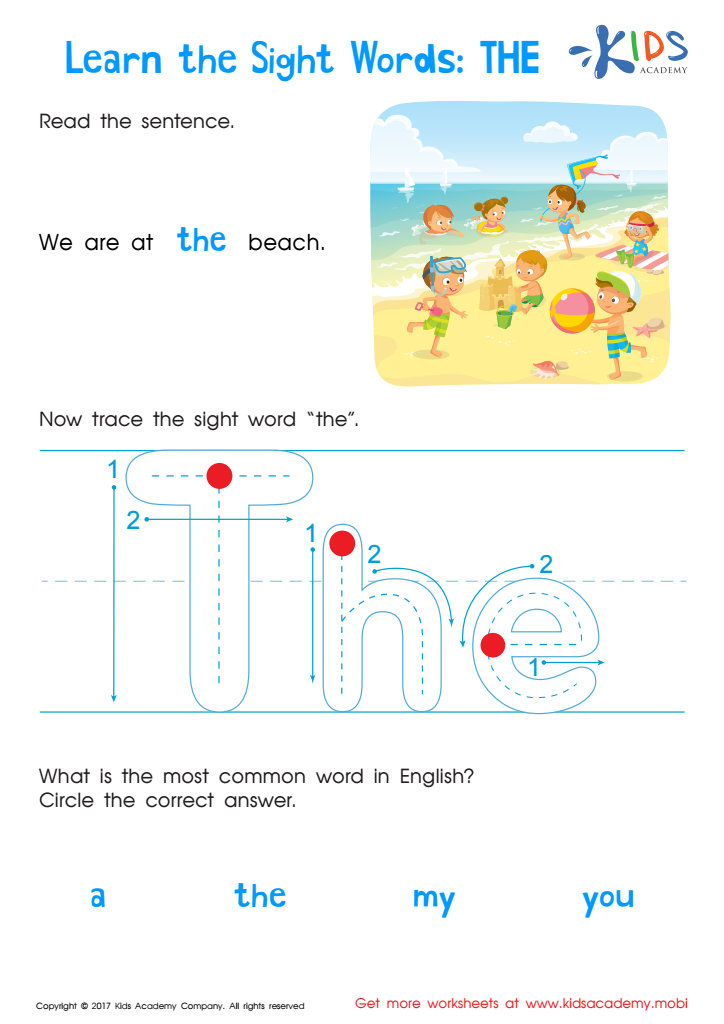
Sight Words: The Worksheet
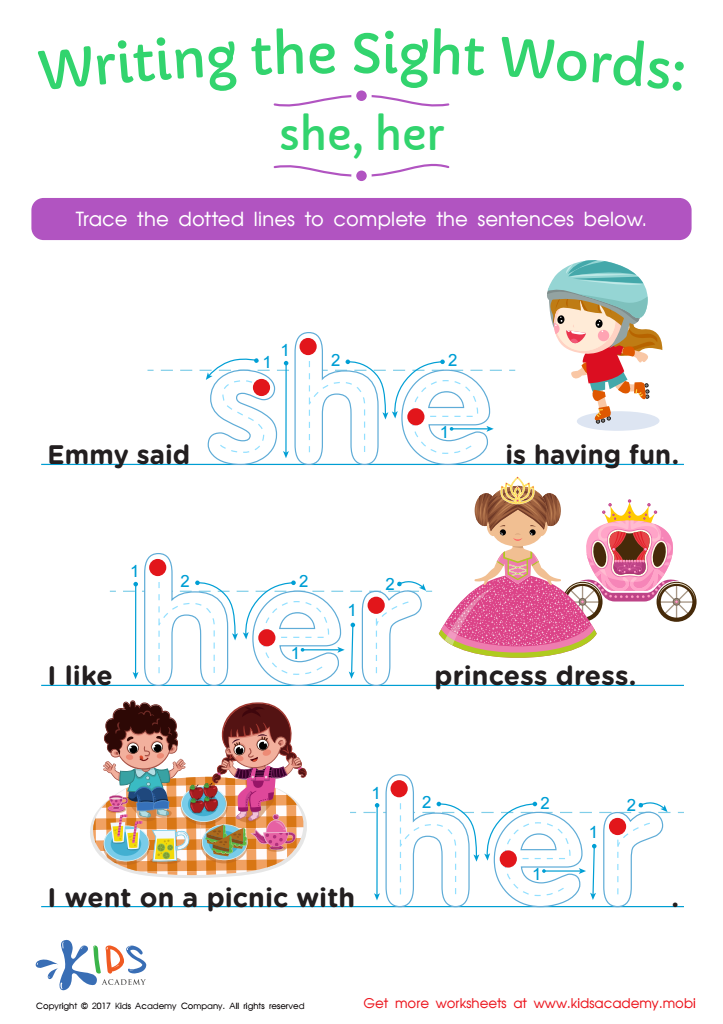
She, Her Printable Sight Words Worksheet




Normal three-letter words phonics play a critical role in early literacy development for children ages 4-8. At this stage, children are particularly receptive to learning sounds and patterns, which are foundational for reading and writing. Understanding and mastering these simple three-letter words—like "cat," "hat," or "dog"—is essential as they form the building blocks of language.
Phonics helps children connect sounds to letters, making it easier for them to decode words. As they gain confidence in reading these phonetic words, they can tackle more complex vocabulary over time. This boosts their self-esteem and fosters a genuine love for reading.
Additionally, strong phonics skills contribute to better comprehension, enhancing overall academic performance in subjects that require reading.
For parents and teachers, promoting phonics not only aids in immediate reading skills but also equips children with strategies to navigate language independently. Supporting children in this phase can reduce the likelihood of reading difficulties later on, ensuring they are well-prepared for future educational challenges. By fostering a robust foundation in phonics, we empower children to succeed both in their academic journeys and lifelong communication skills, ultimately helping them to thrive in an increasingly literate world.