Improving critical thinking Normal Worksheets for Ages 4-8
5 filtered results
-
From - To
Enhance your child's critical thinking skills with our engaging Normal Worksheets designed specifically for ages 4-8. These thoughtfully crafted activities promote problem-solving, logical reasoning, and creativity in young learners. Parents and educators alike will find a rich variety of exercises that challenge children to think critically while having fun. From puzzles to interactive tasks, each worksheet is tailored to support early cognitive development in an enjoyable manner. Encourage your child's curiosity and mental agility today—download our free printable worksheets and watch your little ones flourish as they develop essential skills that lay the foundation for lifelong learning!
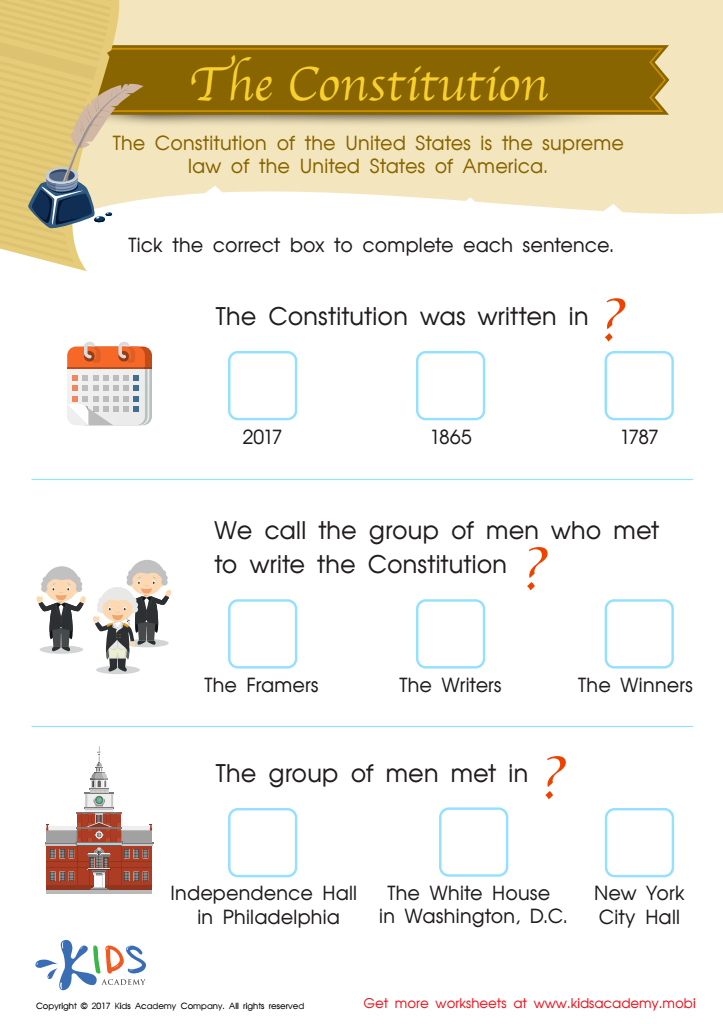
The Constitution Worksheet
 Assign to My Students
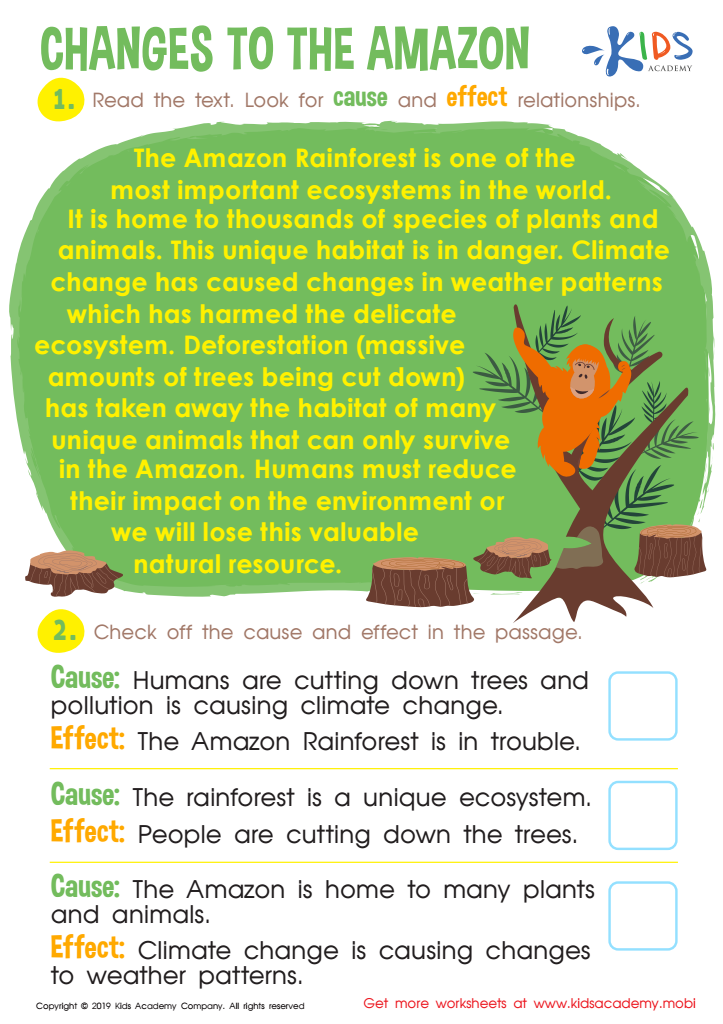
Changes to the Amazon Worksheet
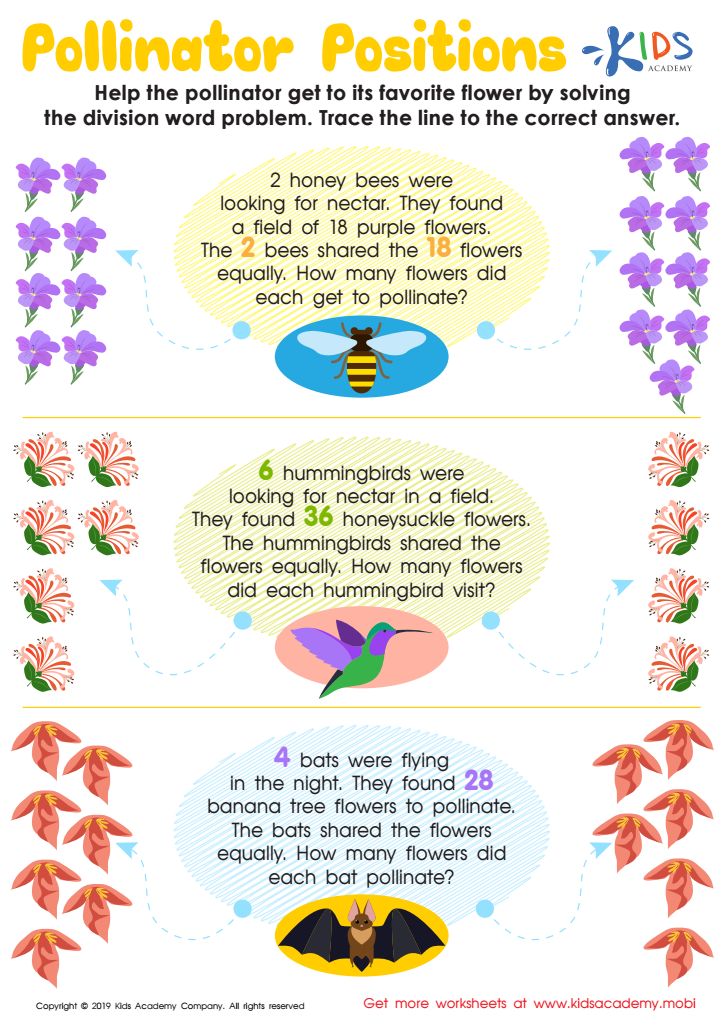
Pollinator Positions Worksheet
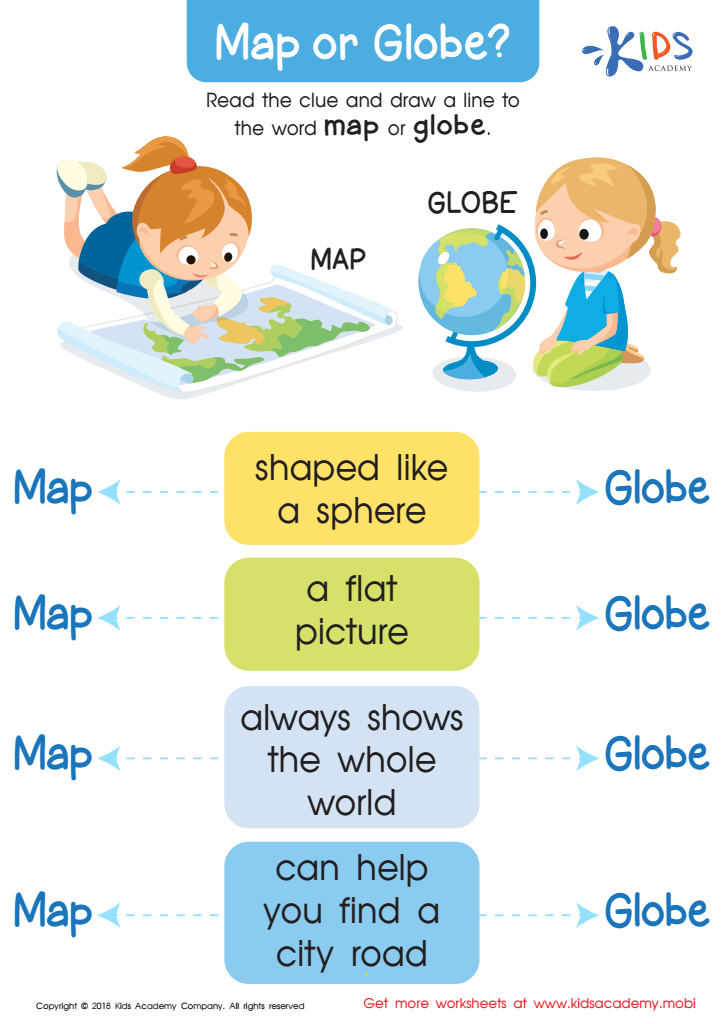
Map or Globe? Worksheet
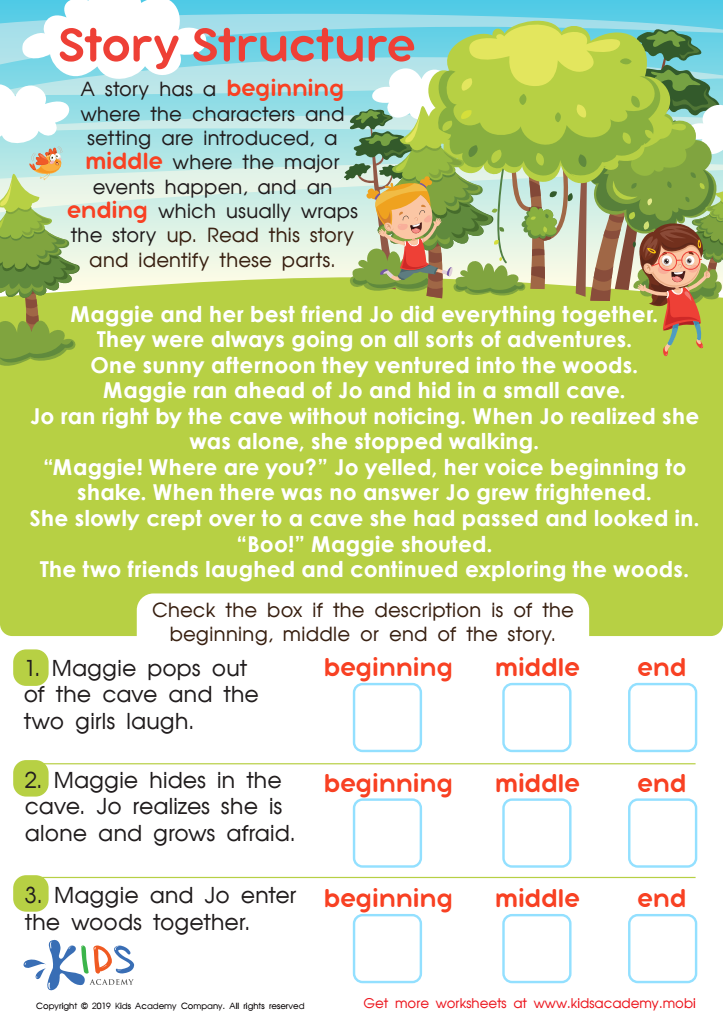
Story Structure Worksheet







Improving critical thinking in children aged 4-8 is vital for their overall development and future success. At this stage, children's cognitive abilities are rapidly evolving, and fostering critical thinking equips them with essential skills to analyze, evaluate, and solve problems effectively. By nurturing these skills early on, parents and teachers can help children develop curiosity, creativity, and independence, enabling them to ask questions, seek explanations, and form their own opinions.
Moreover, critical thinking supports academic success across subjects. Children who can think critically are better equipped to understand and engage with complex concepts, improve their reading comprehension, and perform well in math and science. This foundation leads to lifelong learning and adaptability, which are crucial in an ever-changing world.
Additionally, critical thinking enhances social skills and emotional intelligence by encouraging empathy and perspective-taking. It helps children navigate relationships and make informed decisions, contributing to their overall well-being.
In summary, investing time and effort into developing critical thinking in early childhood leads to well-rounded individuals prepared to tackle challenges in school and life. By prioritizing these skills, parents and teachers play a pivotal role in shaping the next generation of thoughtful, competent citizens.








