Learning about ecosystems Normal Worksheets for Ages 4-8
3 filtered results
-
From - To
Explore the wonders of nature with our "Learning about Ecosystems" worksheets, specially designed for ages 4-8. These engaging and colorful printable activities help young learners understand different ecosystems, their inhabitants, and the relationships between plants and animals. Through fun exercises, puzzles, and quizzes, children develop critical thinking and observation skills. Ideal for classroom reinforcement or homeschool adventures, our worksheets make learning about forests, deserts, oceans, and more both educational and enjoyable. Inspire a love for science and nature while building a strong foundation in environmental awareness with our expertly crafted resources.
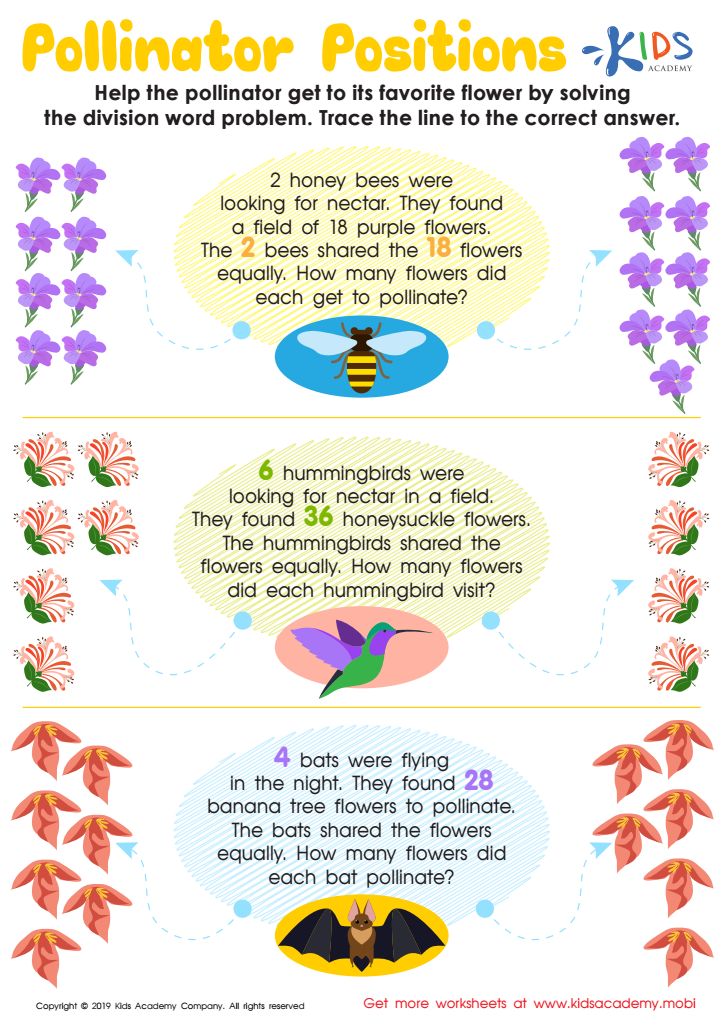
Pollinator Positions Worksheet
 Assign to My Students
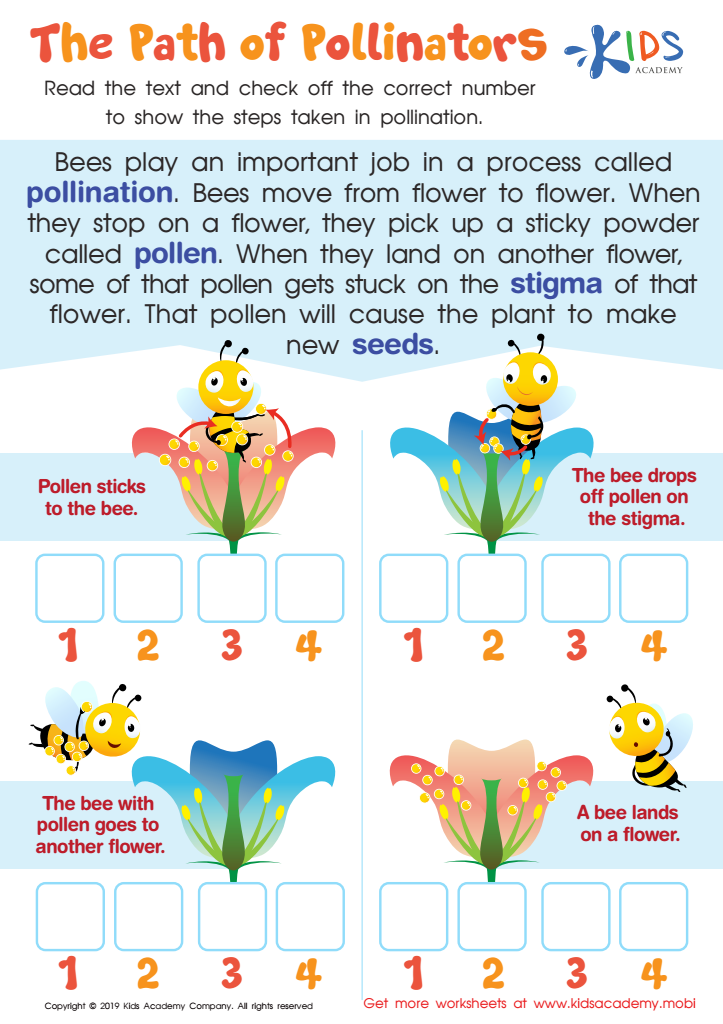
The Path of Pollinators Worksheet
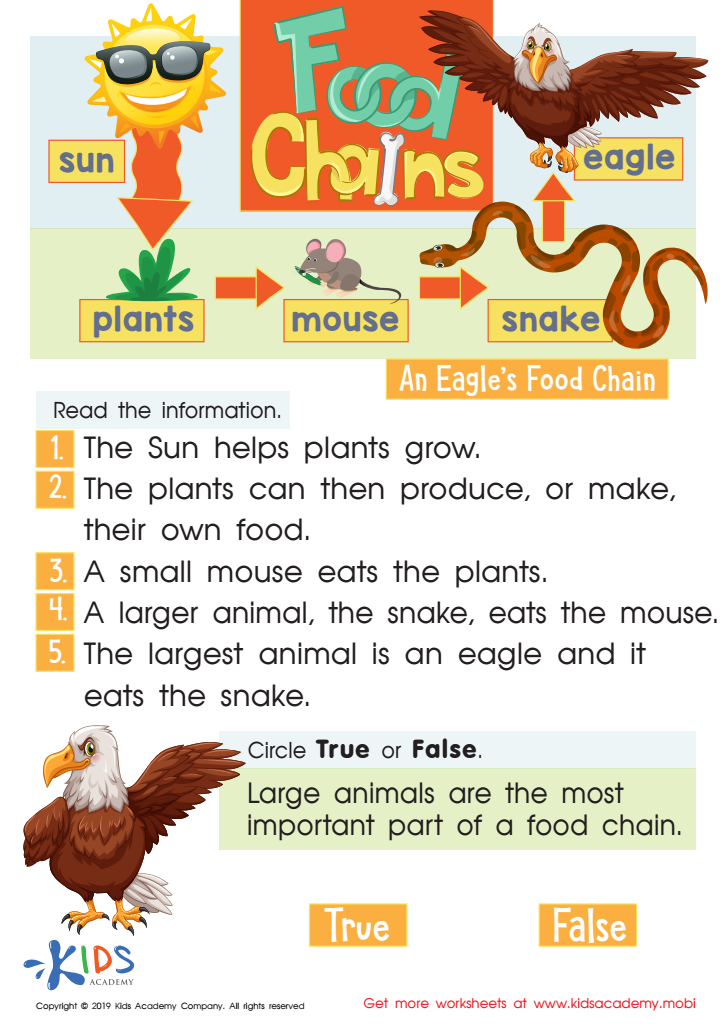
Food Chains Worksheet





.jpg)

Learning about ecosystems is important for children ages 4-8 as it lays the foundation for environmental stewardship, critical thinking, and understanding interconnectedness. At this impressionable age, kids are naturally curious about the world around them. By introducing them to ecosystems, we nurture this curiosity and help them develop an appreciation for nature. Understanding ecosystems involves recognizing how different plants, animals, and non-living elements interact in a balanced environment. This knowledge fosters early environmental awareness and a sense of responsibility toward protecting our planet.
Additionally, learning about ecosystems encourages critical thinking. Children learn about cause and effect by observing how changing one part of the ecosystem affects the whole. This kind of thinking helps develop problem-solving skills and logical reasoning, which are crucial for academic and lifelong success.
Moreover, teaching young children about ecosystems supports greater empathy and respect for living things, helping them grow into compassionate and knowledgeable individuals. By making ecological concepts fun and accessible, parents and teachers can inspire an ongoing interest in science and nature. Ultimately, fostering a strong environmental ethic at an early age can translate into more conscientious and informed adults, capable of making decisions that benefit both their communities and the broader world.








