Sound recognition Normal Worksheets for Ages 4-8
13 filtered results
-
From - To
Welcome to our Sound Recognition Worksheets for Ages 4-8! Designed to enhance auditory skills, these engaging worksheets help young learners identify and differentiate various sounds. Our activities focus on recognizing familiar sounds from everyday life, including animal noises, environmental sounds, and musical notes. Each worksheet is age-appropriate, featuring colorful illustrations and simple instructions to keep kids motivated and entertained. Perfect for parents and educators, our sound recognition exercises support early literacy and listening skills, laying a strong foundation for future learning. Boost your child's confidence and comprehension with our fun and educational resources - ideal for home or classroom use!
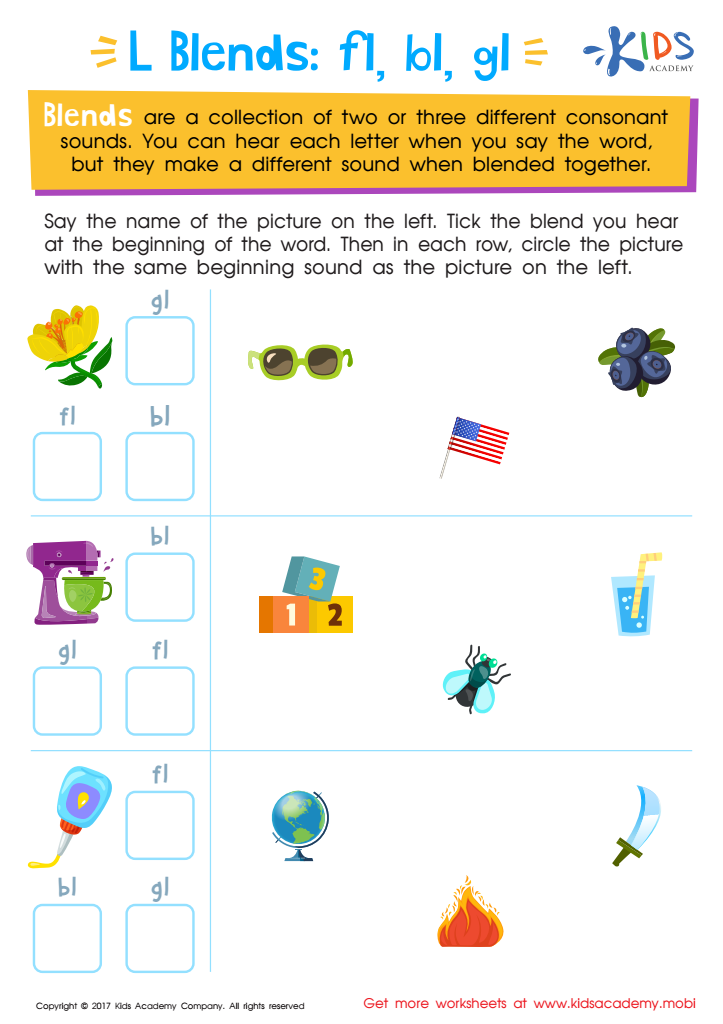
Blending Consonants: "Fl", "Bl" and "Gl" Printable
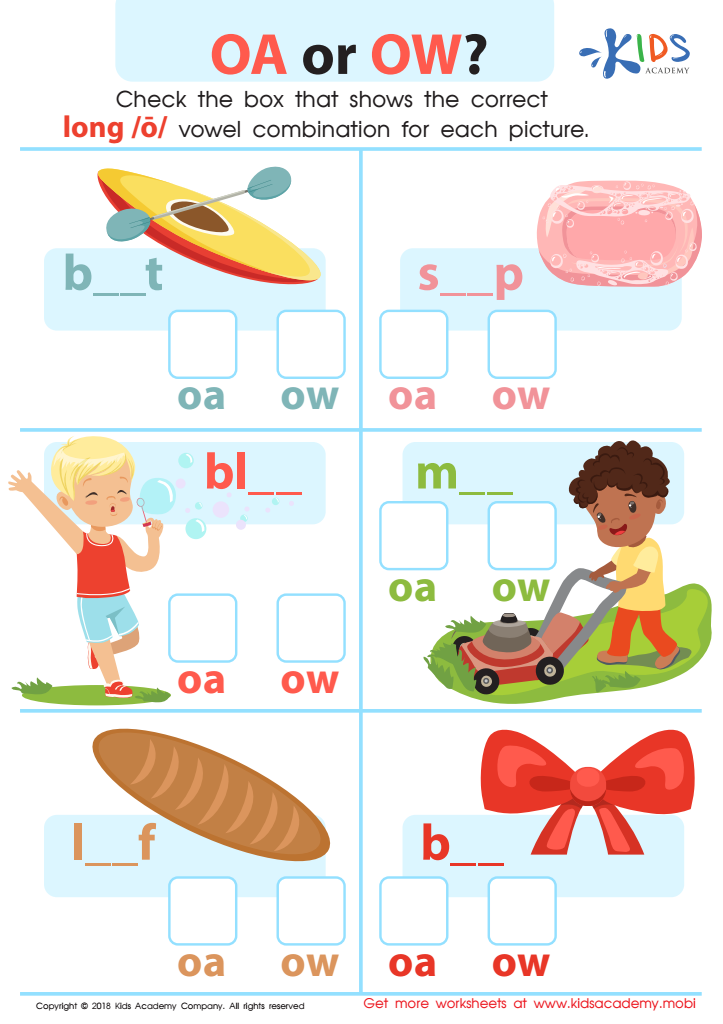
Reading: OA or OW Worksheet
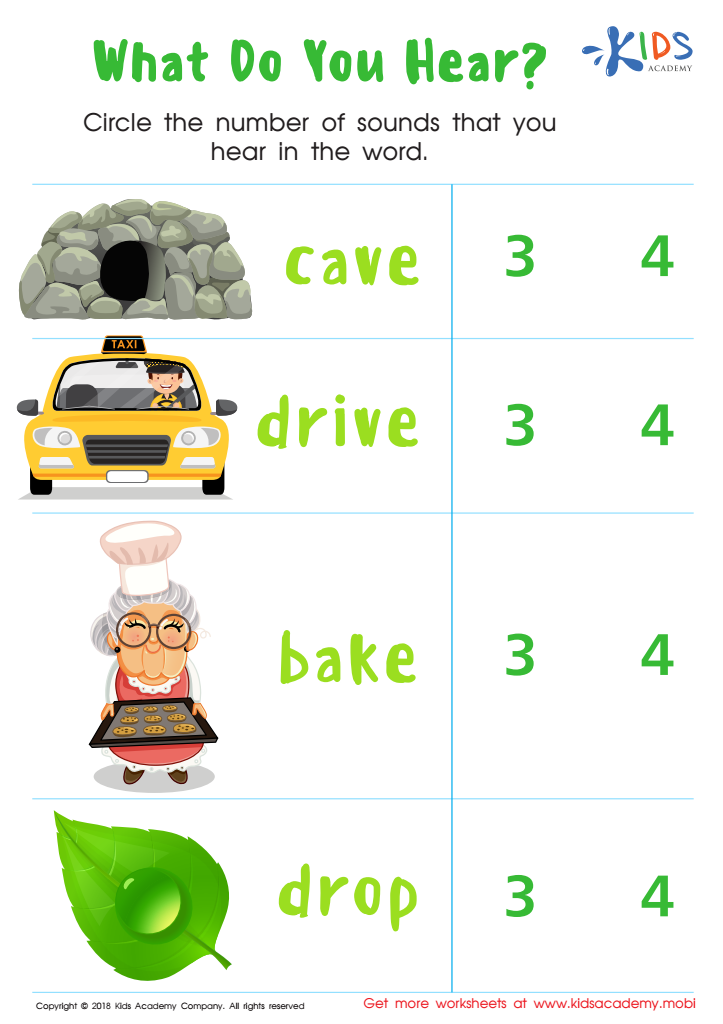
What Do You Hear? Worksheet
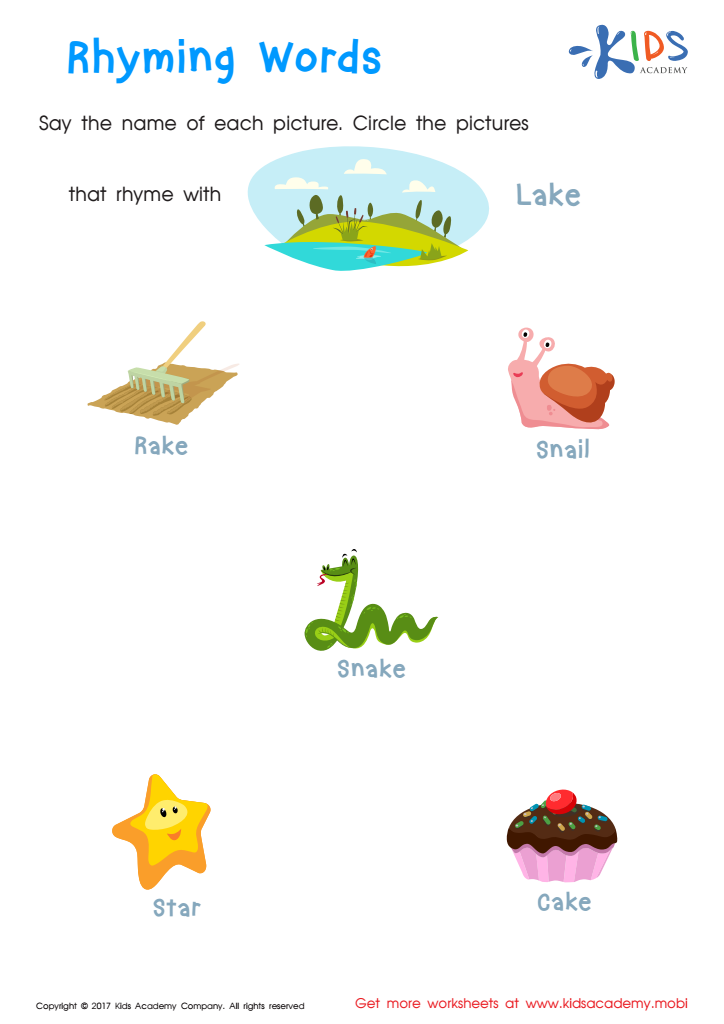
Rhyming Words Rhyming Worksheet
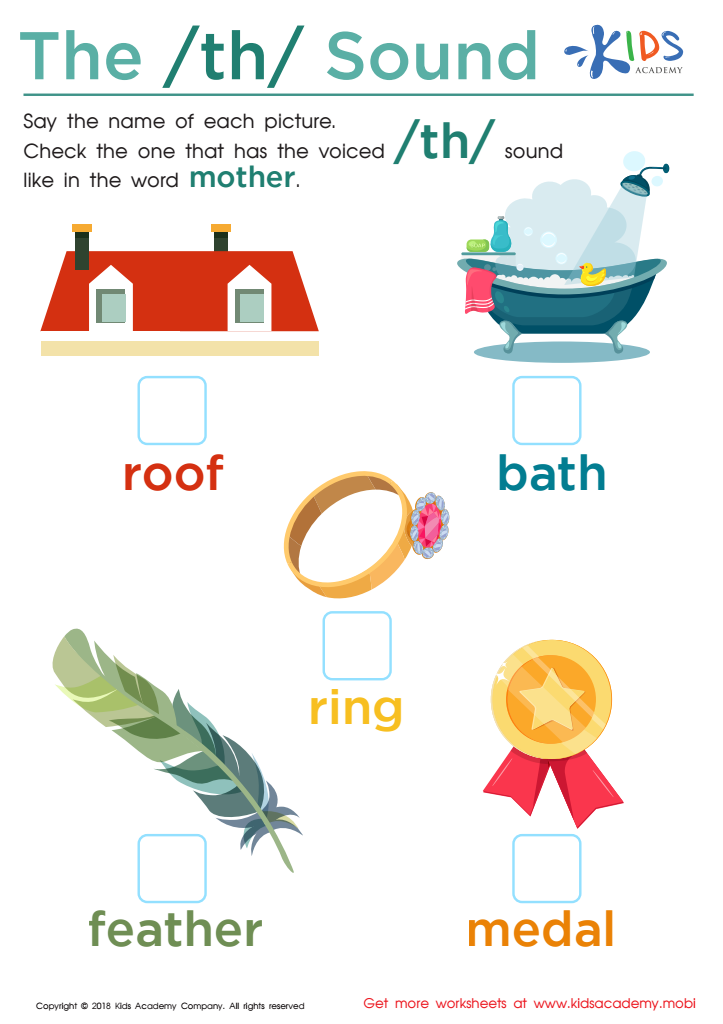
The /th/ Sound Worksheet
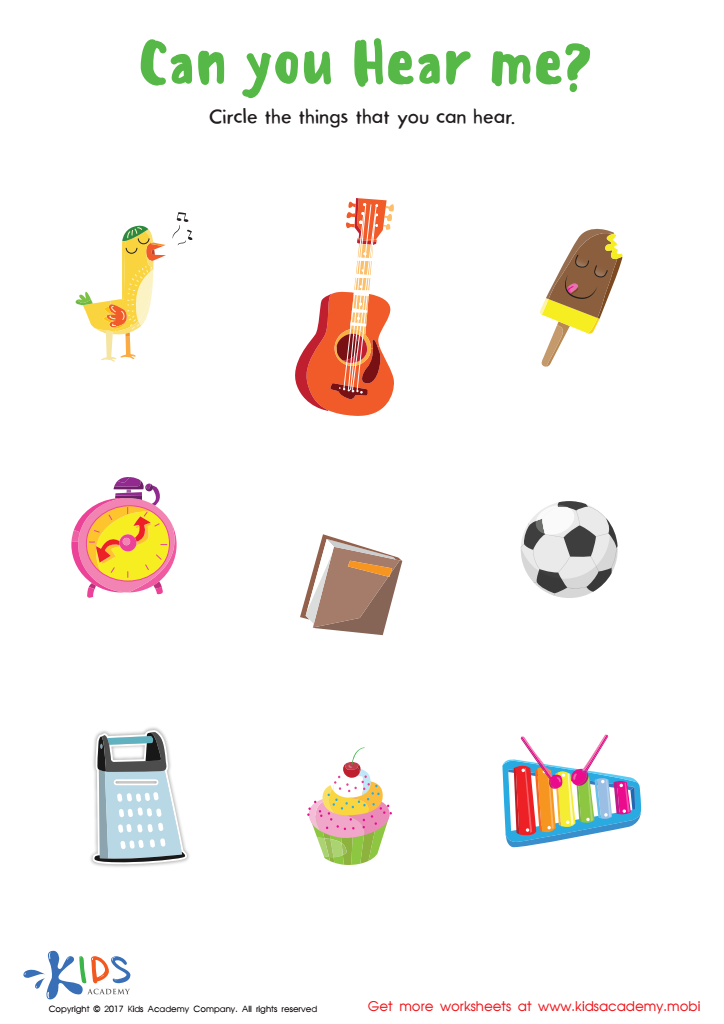
Can You Hear Me Worksheet

Long and Short U Worksheet
 Assign to My Students
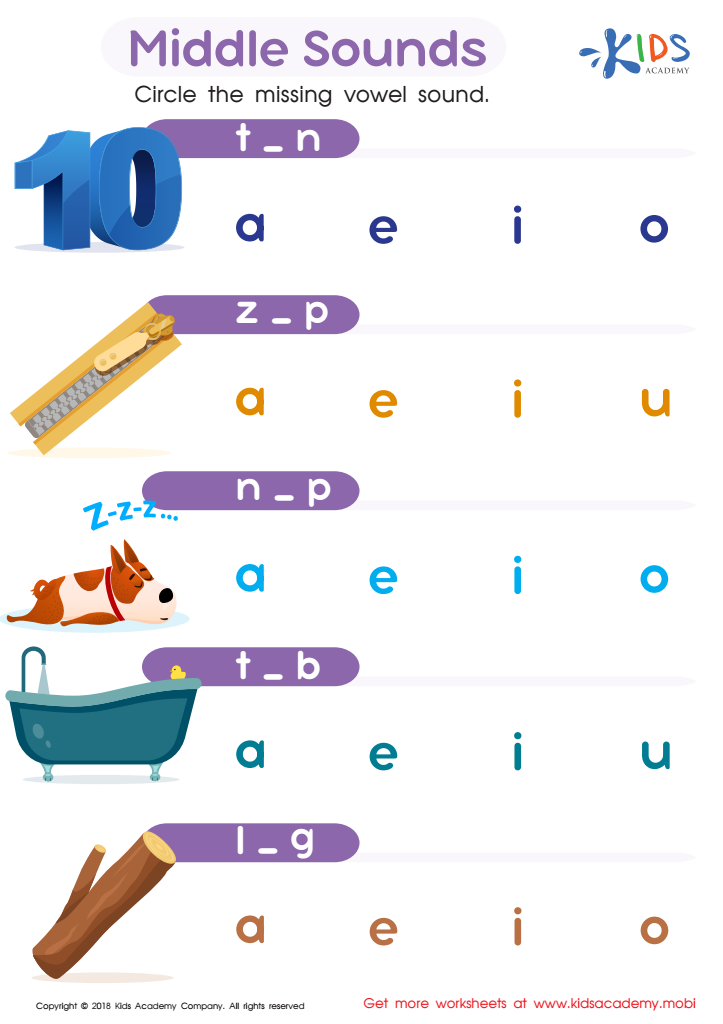
Middle Sounds Worksheet
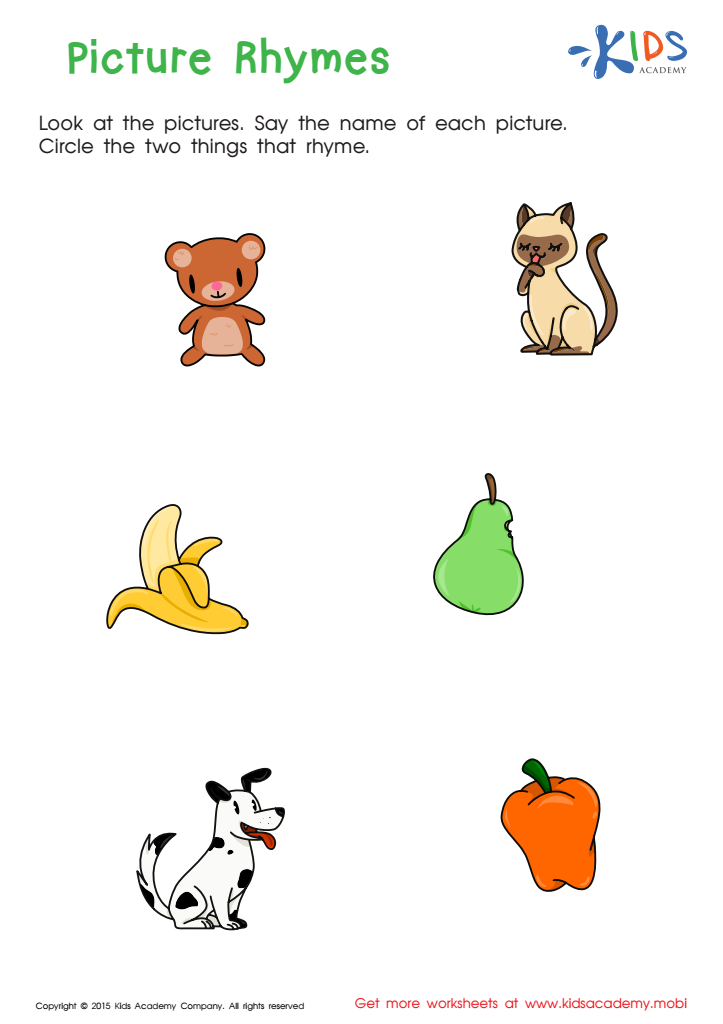
First Words: Picture Rhymes Worksheet
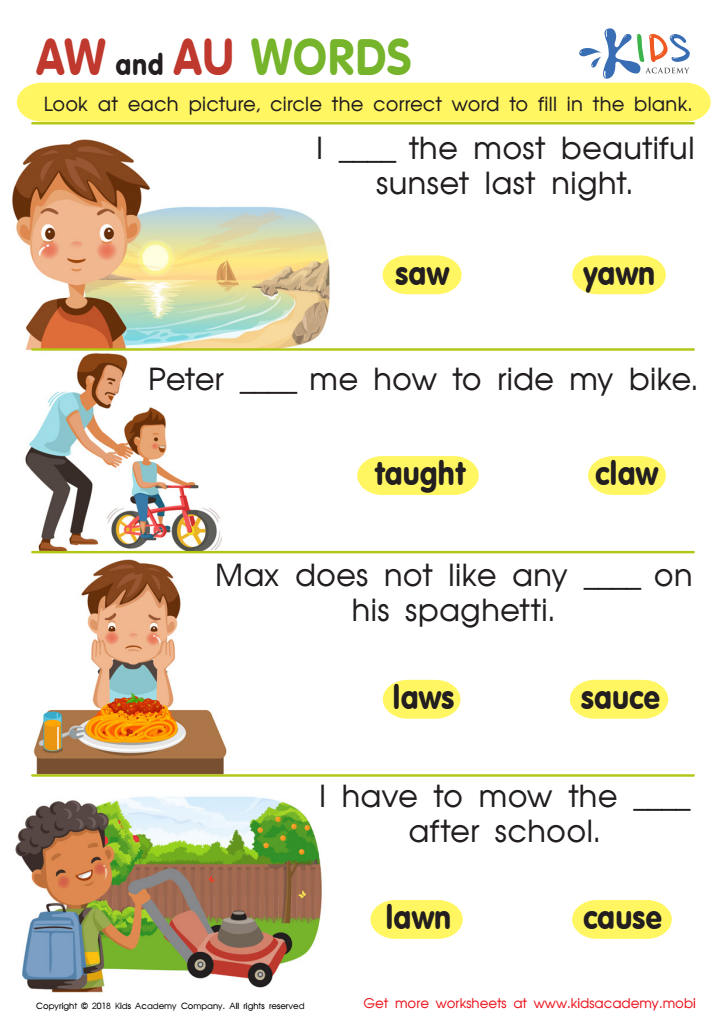
Reading: AW and AU Words Worksheet
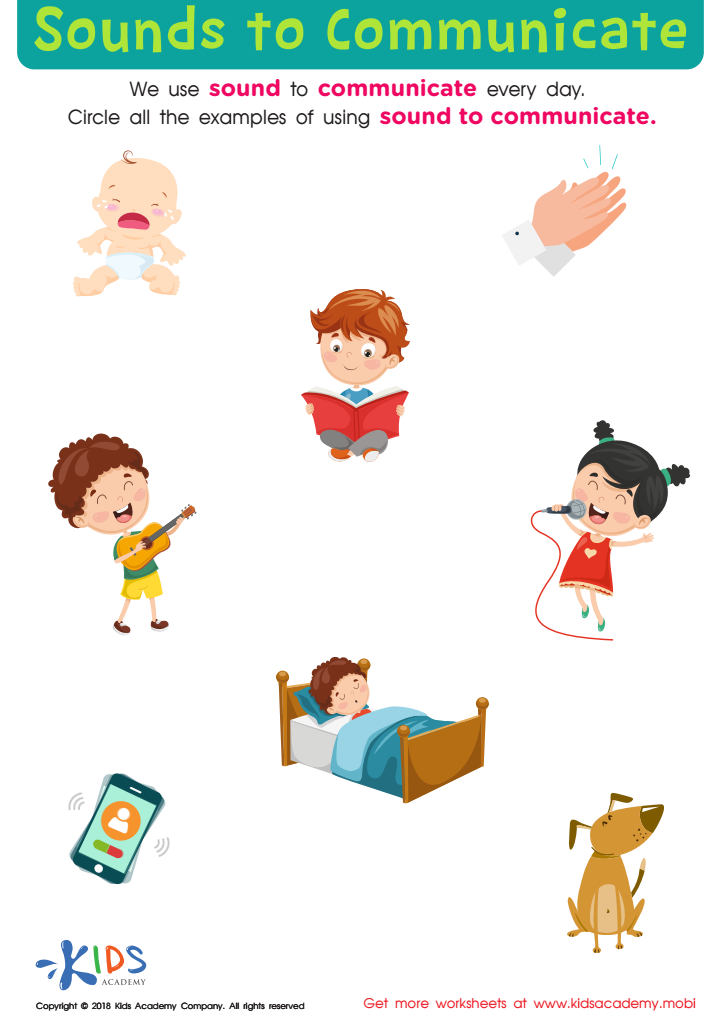
Sounds to Communicate Worksheet
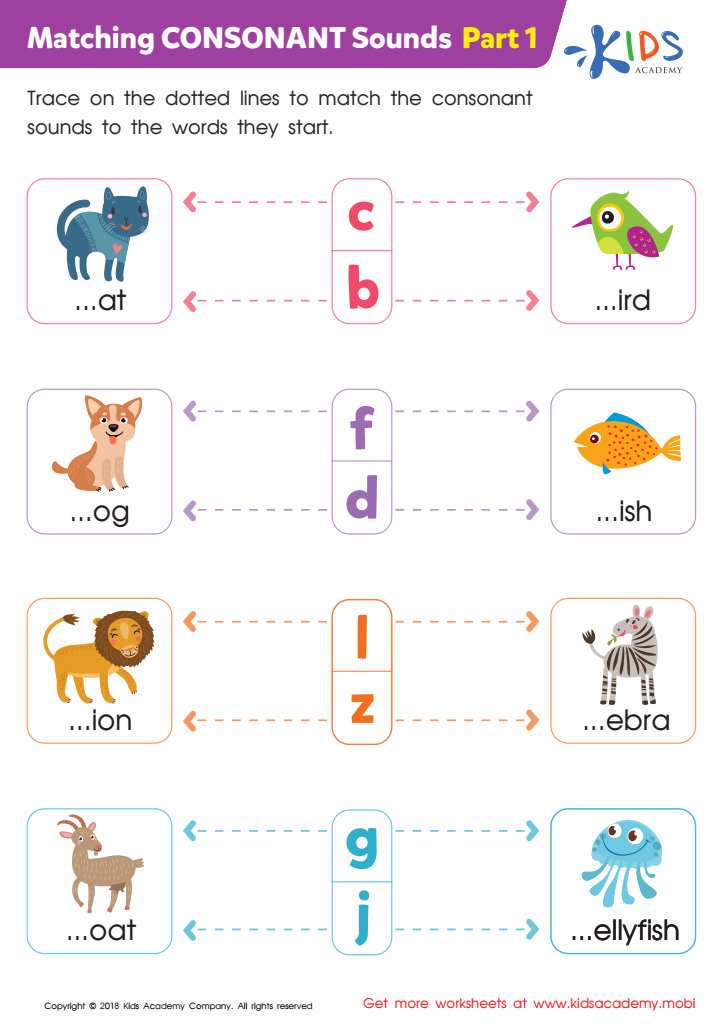
Matching Consonant Sounds: Part 1 Worksheet
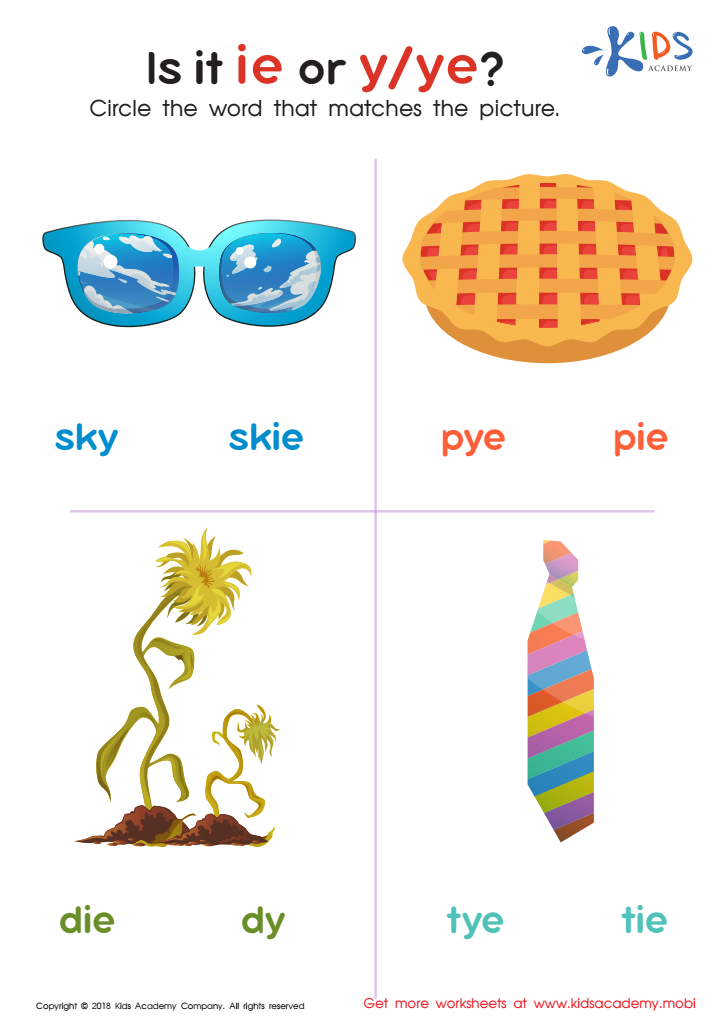
Is It IE or Y/Ye? Worksheet








Sound recognition is a crucial skill for children aged 4-8, laying the foundation for both language and literacy development. During these formative years, children begin to process and differentiate sounds, which is essential for effective communication. Parents and teachers should prioritize sound recognition because it fosters phonemic awareness — the ability to hear, identify, and manipulate individual sounds in spoken words. This skill is directly linked to reading success, as it helps children decode words and is fundamental for their overall literacy journey.
Moreover, proficient sound recognition enhances auditory processing, which aids in following instructions and engaging in conversations. As children learn to distinguish between different sounds, they build vocabulary and improve their listening skills, which are essential for classroom participation and social interactions. Early exposure to sound recognition activities, such as rhyming games or sound matching, not only makes the learning process enjoyable but also cultivates a love for language.
In addition, strong sound recognition abilities can lead to better academic performance and increase children's confidence in their communication skills. Therefore, by focusing on sound recognition, parents and teachers invest in their children's future success both academically and socially.








