Understanding fractions Normal Fractions Worksheets for Ages 4-8
8 filtered results
-
From - To
Discover our "Understanding Fractions Normal Fractions Worksheets" designed specifically for children aged 4-8! These engaging worksheets introduce young learners to the fascinating world of fractions through fun and interactive activities. Designed with vibrant visuals, our resources help kids grasp fundamental concepts such as identifying parts of a whole, comparing fractions, and recognizing simple fraction forms. With step-by-step guidance and varied exercises, students will build their confidence and skills in mathematics. These worksheets are perfect for classroom use or at-home learning, ensuring that your child develops a solid foundation in fractions while having fun. Start their mathematical journey today!
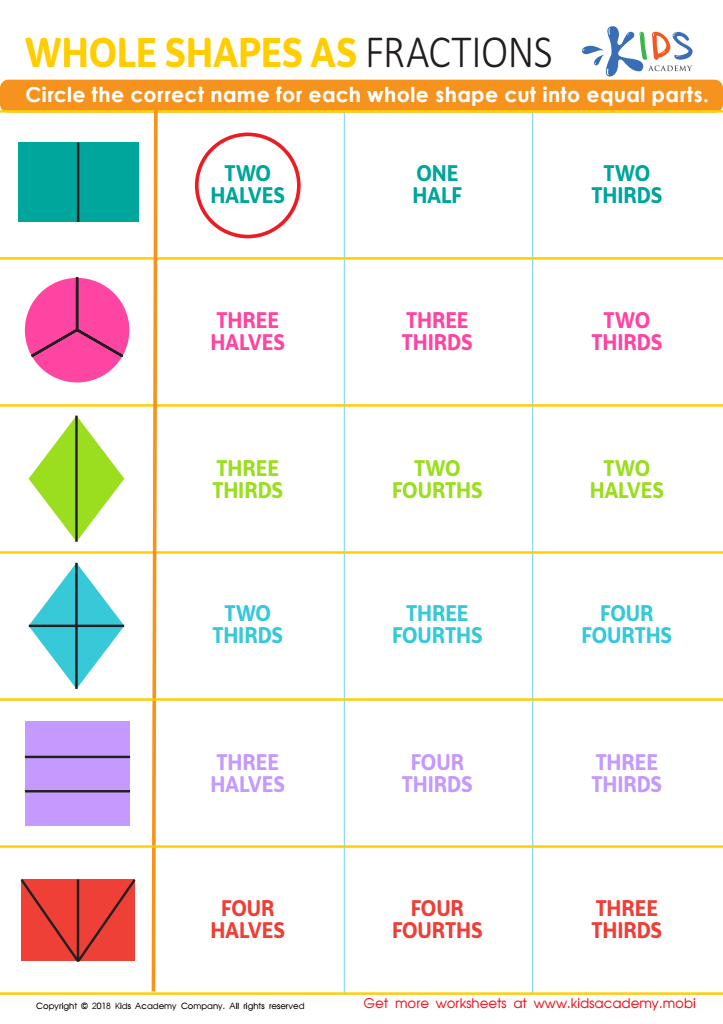
Whole Shapes as Fractions Worksheet
 Assign to My Students
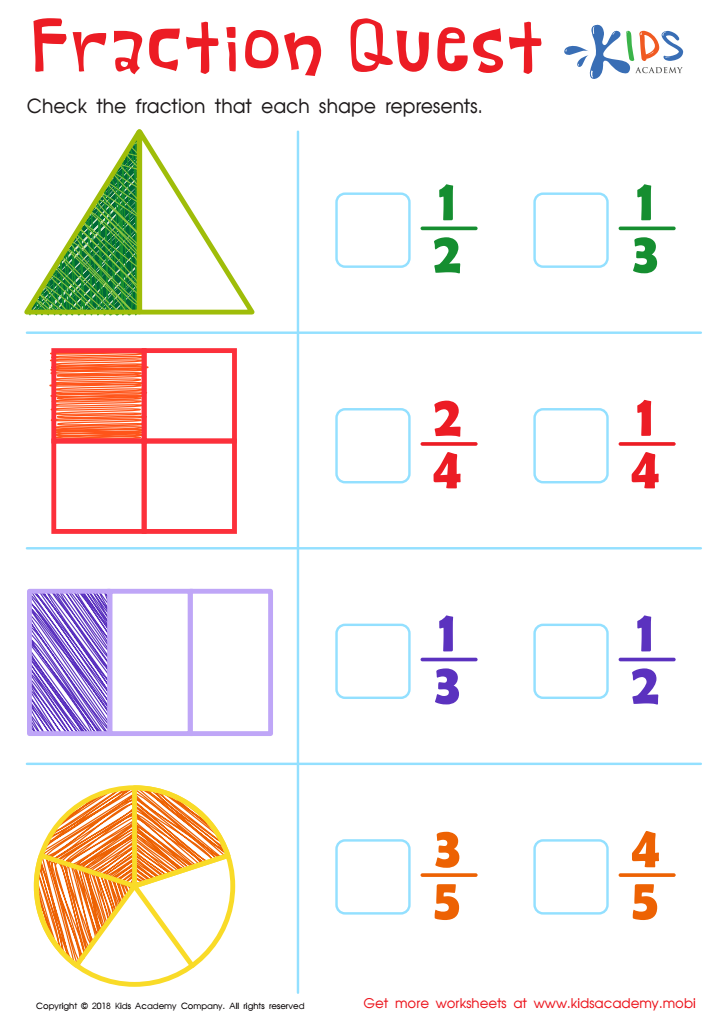
Fraction Quest Worksheet
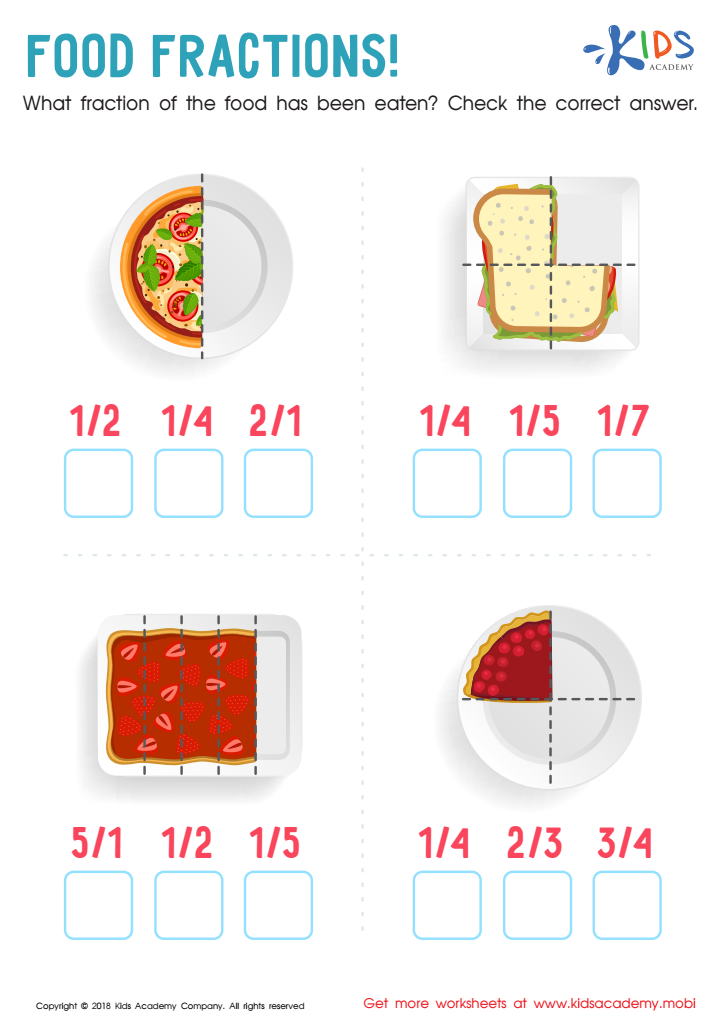
Food Fractions Worksheet
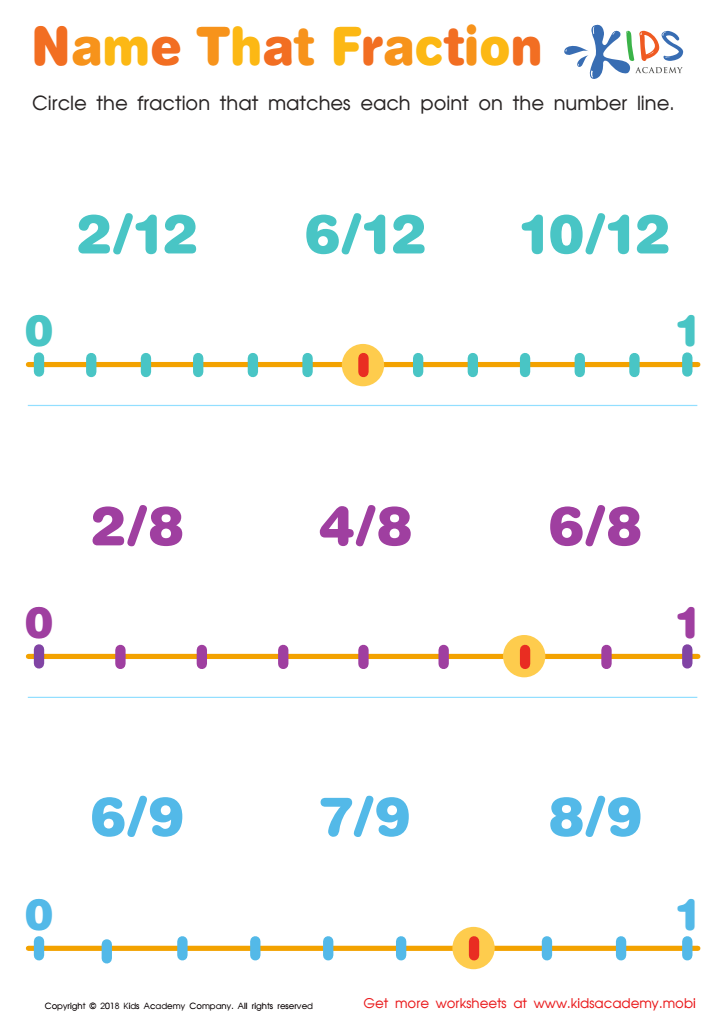
Name That Fraction Worksheet
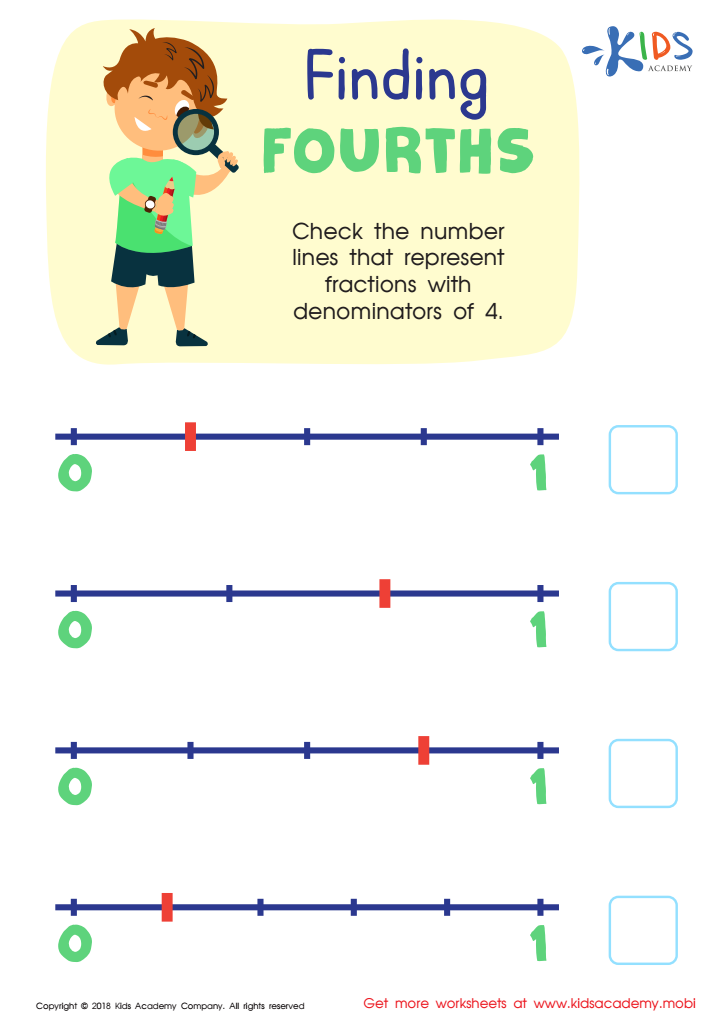
Finding Fourths Worksheet
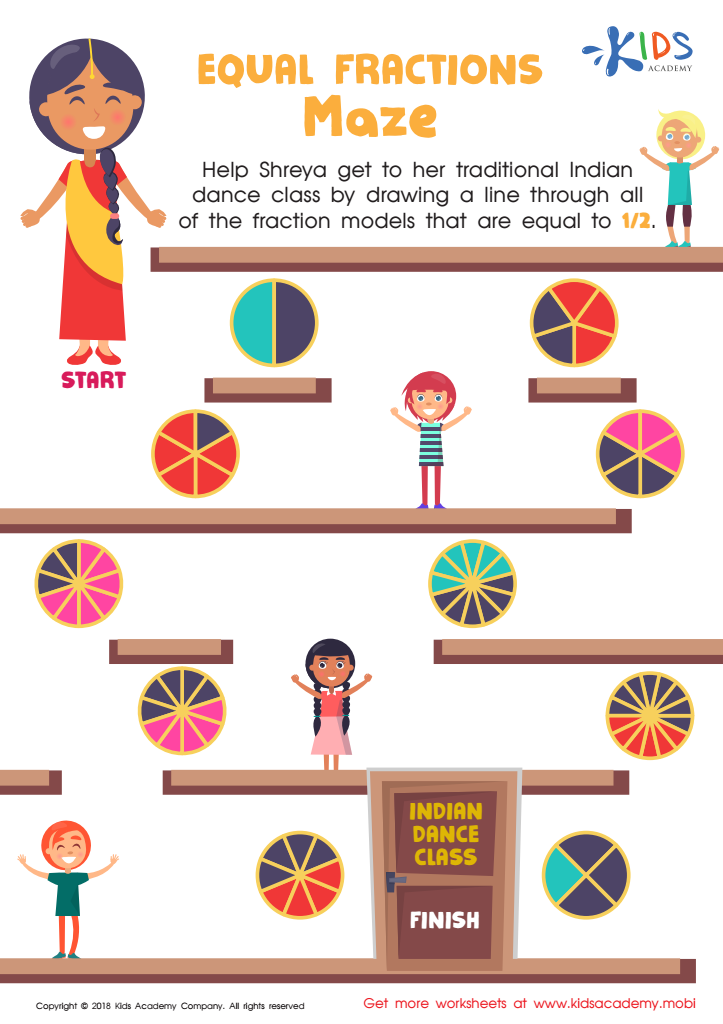
Equal Fractions Maze Worksheet
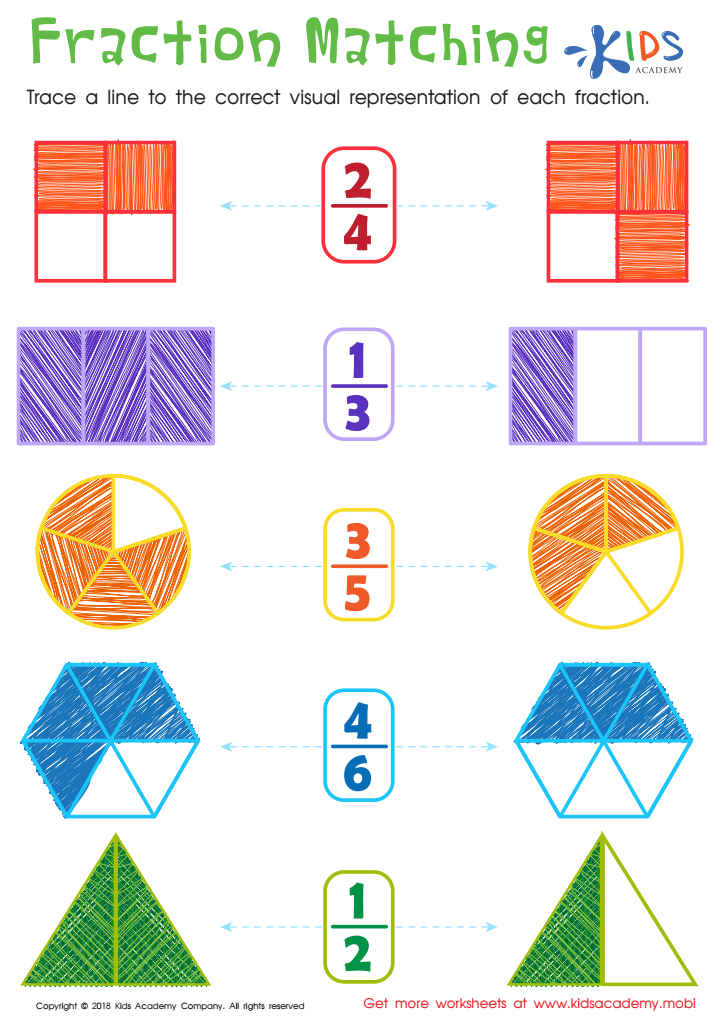
Fraction Matching Worksheet
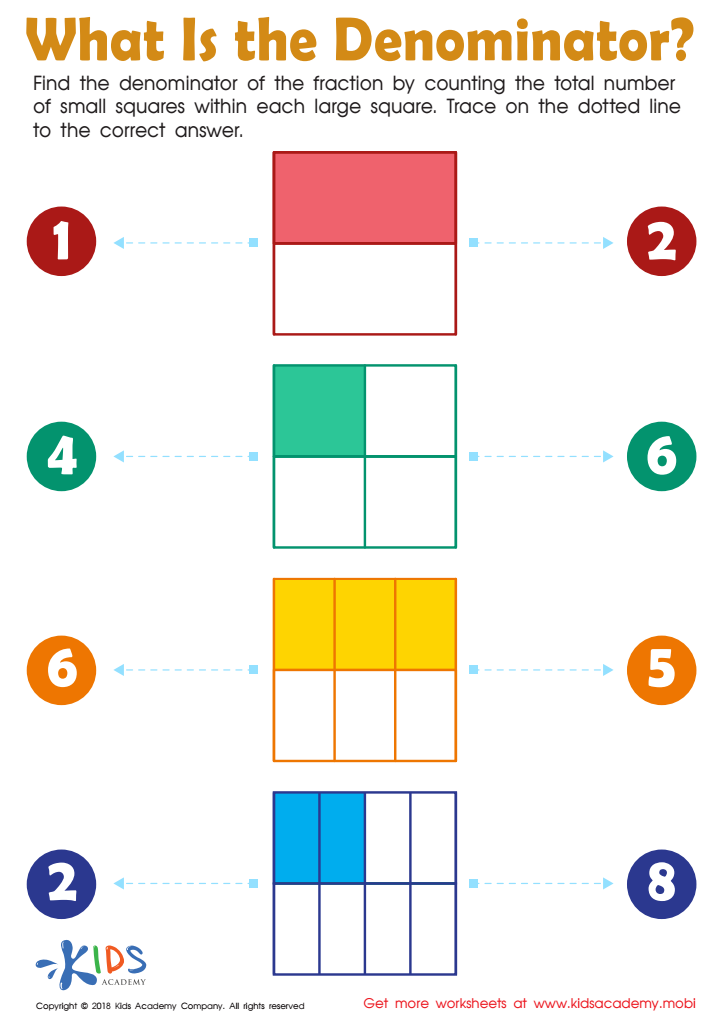
What Is the Denominator? Worksheet






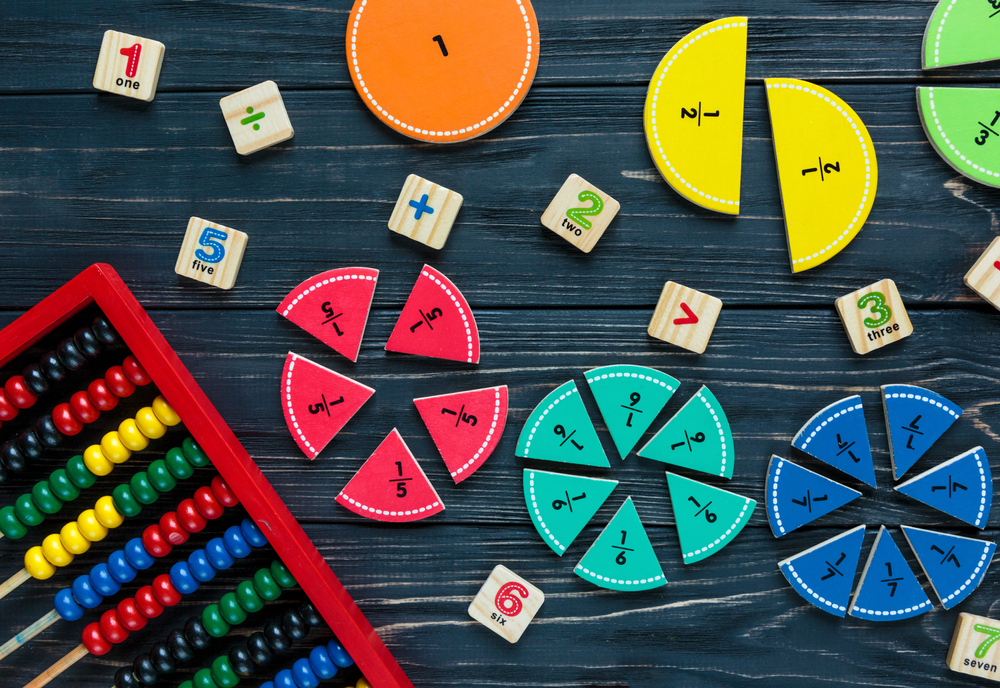

Understanding fractions is a fundamental skill that sets the stage for mathematical development in early learners, particularly for children aged 4-8. At this stage, kids are beginning to grasp abstract concepts, making it an ideal time to introduce fractions in a tangible way. Teaching normal fractions—like halves, quarters, and thirds—helps students develop number sense, which is crucial for future mathematical proficiency.
Fractions are omnipresent in daily life, from sharing food to measuring ingredients in cooking, creating a strong foundation for real-world applications. When parents and teachers engage children with fraction-related activities and discussions, they cultivate critical thinking and problem-solving skills. This understanding promotes not only mathematical reasoning but also enhances cognitive development and concentration.
Moreover, early fraction education fosters a POSITIVE attitude toward math. Encountering fractions can be intimidating later in life, but introducing them at a young age demystifies the concept and builds confidence. Additionally, it provides opportunities for collaborative learning experiences, whether through games, art, or cooking, encouraging social skills and teamwork.
In sum, nurturing an understanding of fractions equips children with essential skills for their academic journeys and everyday life, making it a crucial concern for parents and teachers alike.








