
Enhancing critical thinking Normal Numbers Worksheets for Ages 4-8
5 filtered results
Difficulty Level
Grade
Age
-
From - To
Subject
Activity
Standards
Welcome to our "Enhancing Critical Thinking Normal Numbers Worksheets" page for children aged 4-8! Here, young learners engage with vibrant and creative activities designed to boost their mathematical reasoning and problem-solving skills. Our worksheets focus on normal numbers, allowing kids to explore numerical concepts through fun exercises that challenge their critical thinking abilities. Each worksheet is age-appropriate and aligns with educational standards, ensuring effective learning through play. Foster your child’s confidence in math while nurturing analytical skills necessary for future success. Download these engaging worksheets today and help pave the way for their educational journey!
Favorites
With answer key
Interactive
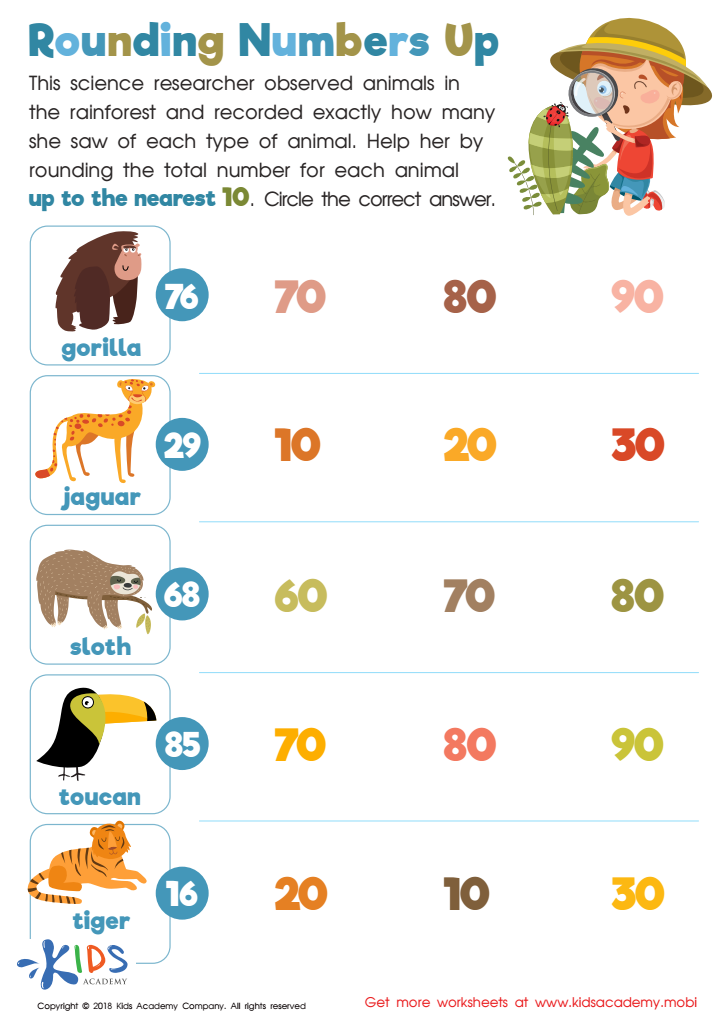
Rounding Numbers Up Worksheet
Does your child want to be a science researcher? If so, they share something in common with the person in this worksheet. She observed rainforest animals and counted them. Your child can help by rounding the totals to the nearest 10 and circling the correct answer for each type.
 Assign to My Students
Rounding Numbers Up Worksheet
Worksheet
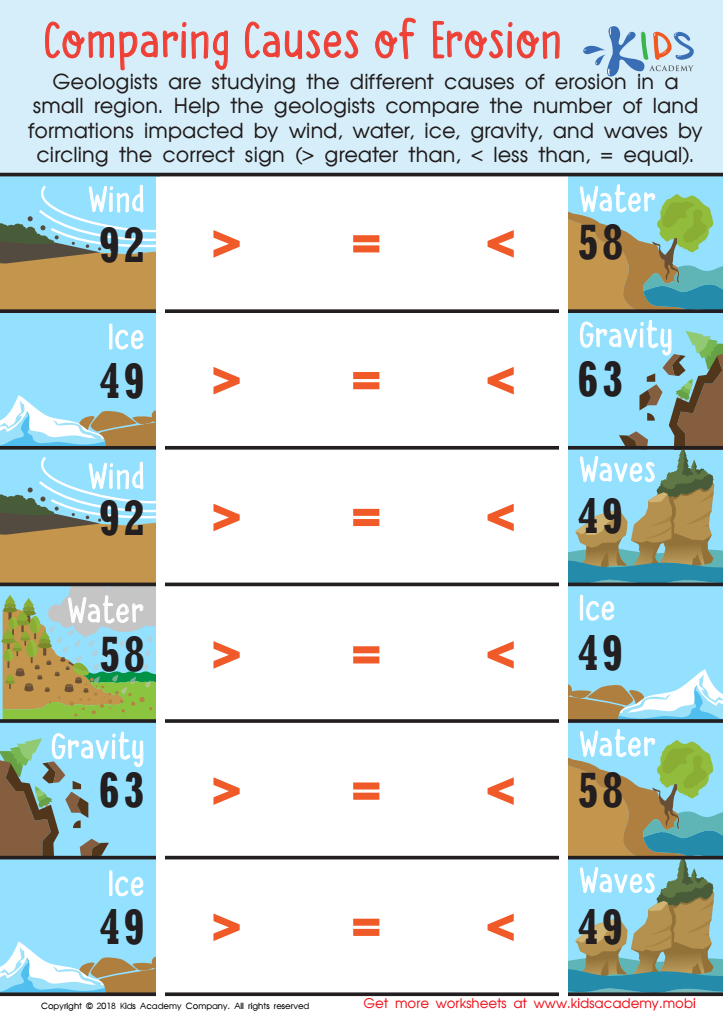
Comparing Causes of Erosion Worksheet
This free PDF worksheet combines science, number sense and comparing numbers to teach kids about the causes of erosion. They'll compare numbers related to ice, wind, water, gravity and waves and decide if each cause is greater, less than or equal to another. It's an interdisciplinary and meaningful way to learn that kids will enjoy.
Comparing Causes of Erosion Worksheet
Worksheet
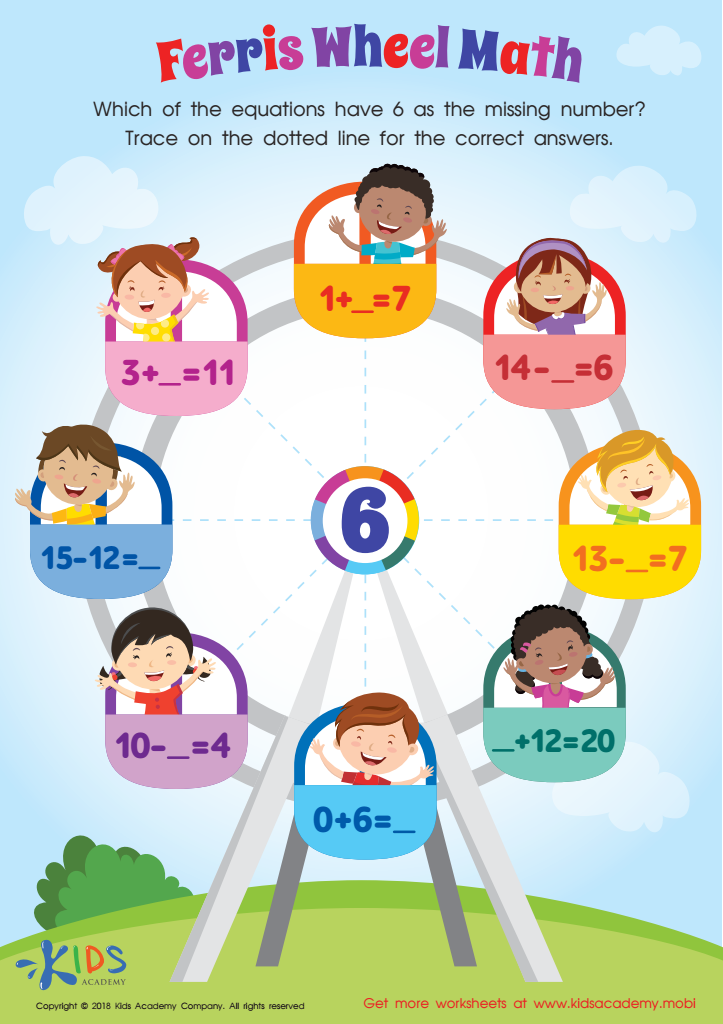
Missing Number: Ferris Wheel Math Worksheet
Hop on the Ferris wheel and solve the equations in the baskets! If the missing number is 6, draw a line from the basket to the middle of the wheel. Kids Academy's addition worksheet will not only help practice pre-algebra but also keep kids entertained with its vibrant illustrations. So, go round and round and have fun with math!
Missing Number: Ferris Wheel Math Worksheet
Worksheet
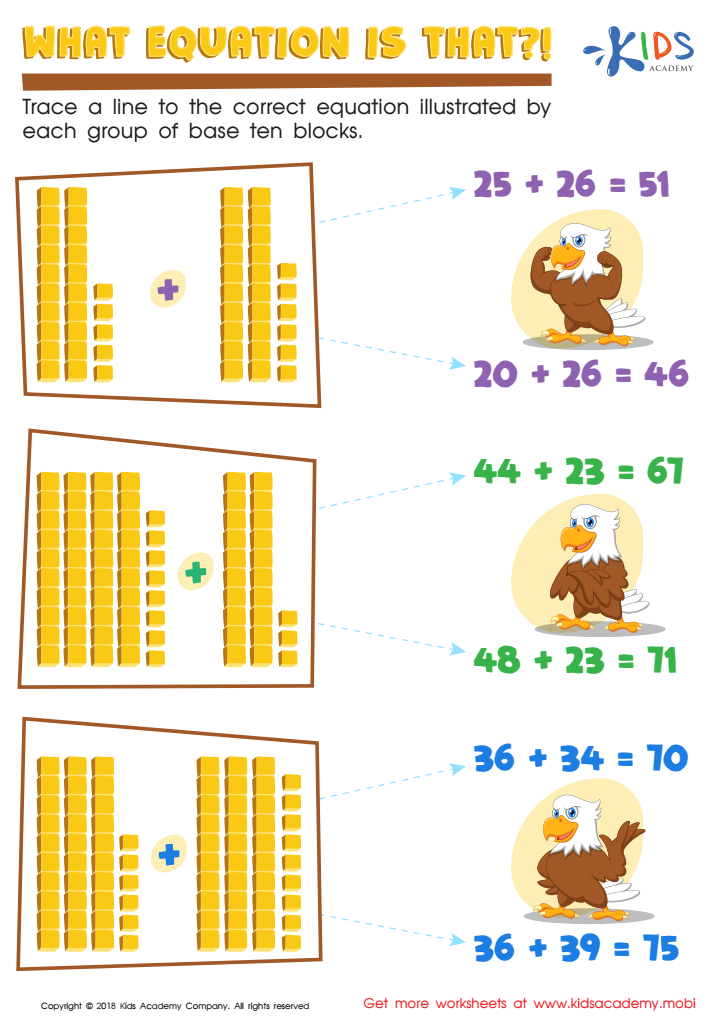
What Equation Is That? Worksheet
Have your students practice counting with base ten blocks. This will help them with math struggles. Homework and worksheets will help them improve; ask them to trace lines to the correct equation on a tracing sheet. Guide them as they count the blocks and trace the lines.
What Equation Is That? Worksheet
Worksheet
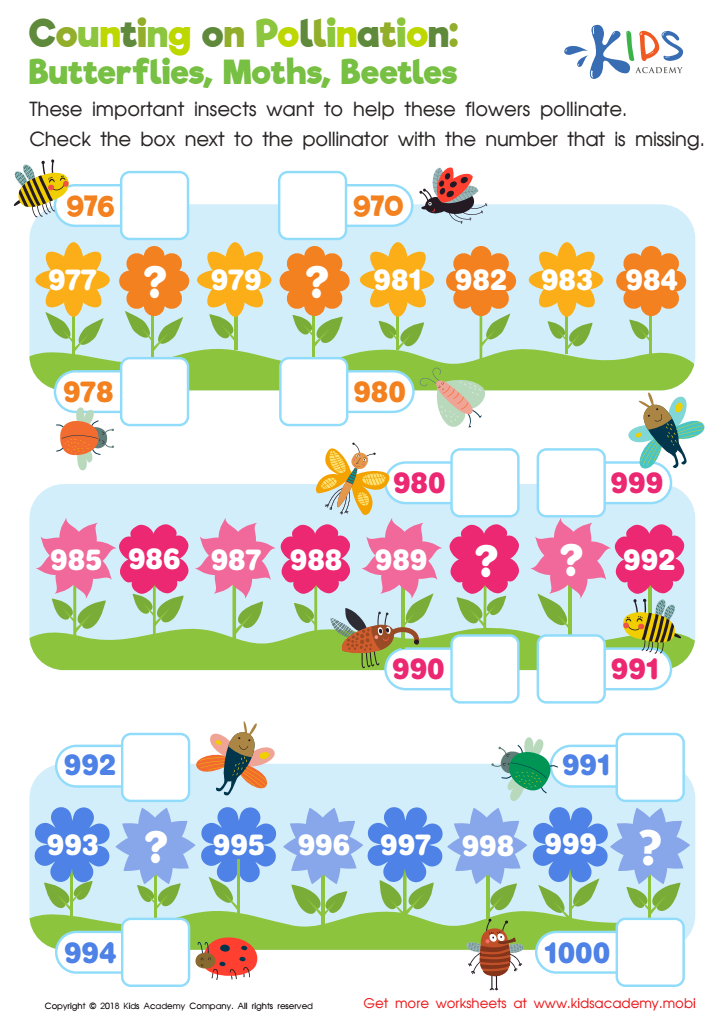
Counting on Pollination: Butterflies, Moths, Beetles Worksheet
A number line can help boost computation accuracy and efficiency. It can also be used with more advanced numbers. Help your child practice by having them identify missing numbers in sequences. This fun worksheet lets them help the pollinators in the process, as they strengthen their number sense.
Counting on Pollination: Butterflies, Moths, Beetles Worksheet
Worksheet
Learning Skills
Join Kids Academy for Free
Who is primarily going to use this learning content?


.jpg)
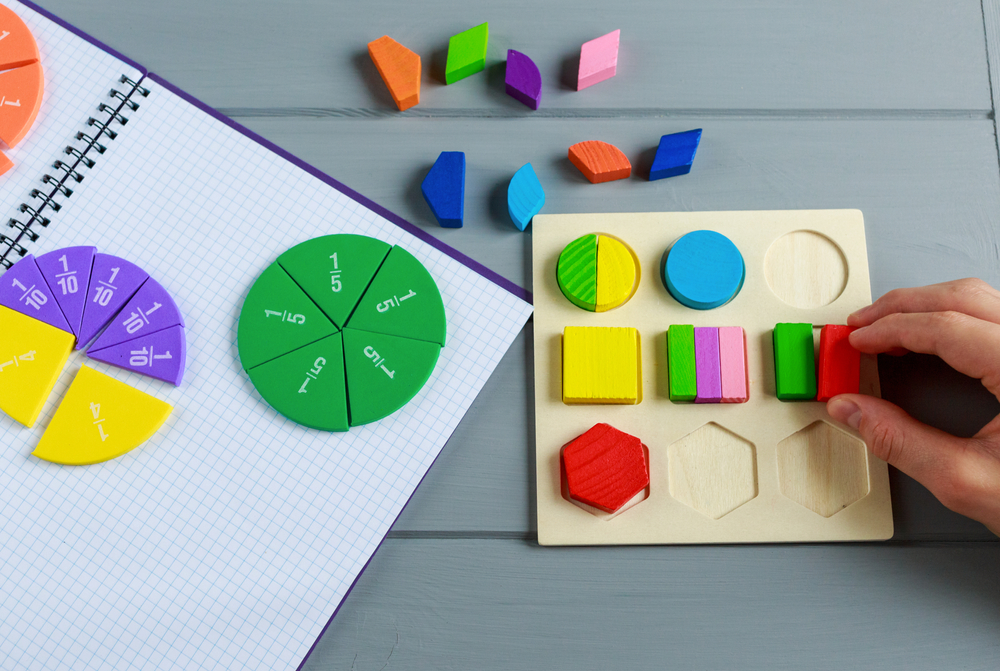
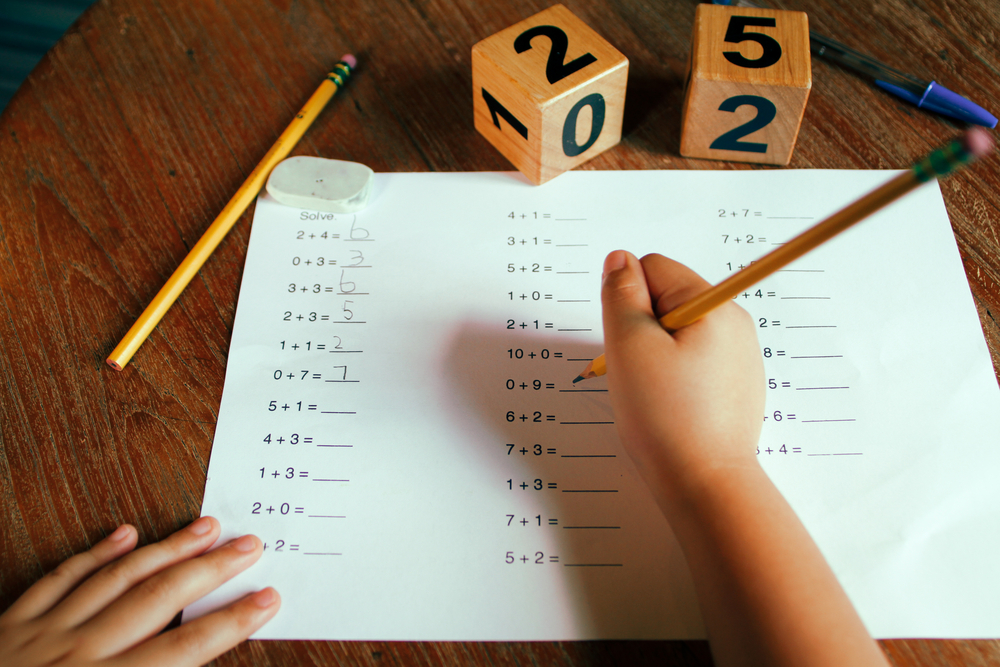


Enhancing critical thinking in young children, especially regarding normal numbers, is vital for their cognitive and academic growth. For ages 4-8, engaging with mathematical concepts, including numbers, helps develop problem-solving skills that extend beyond mathematics. Critical thinking encourages children to analyze situations, make connections, and approach challenges with creativity.
When parents and teachers foster these skills, they create a foundation for lifelong learning. Understanding numbers is not limited to basic arithmetic; it also involves recognizing patterns, making comparisons, and developing logic. These abilities support later academic success in subjects such as math, science, and even literacy, where analytical skills are crucial.
Moreover, critical thinking nurtures a child's confidence and curiosity, motivating them to ask questions and explore various solutions. When caregivers model and encourage this level of thinking, they emphasize the importance of reasoning and judgment, preparing children to tackle real-world problems.
In a rapidly evolving world, where skills like adaptability, decision-making, and independent thinking are essential, equipping children with solid foundations in critical thinking and numerical understanding is a purposeful investment in their future. Ultimately, enhancing these skills promotes not just academic achievement but also personal and social growth.








