Animal recognition Normal Math Worksheets for Ages 4-8
7 filtered results
-
From - To
Discover our engaging "Animal Recognition Normal Math Worksheets for Ages 4-8"! Tailored to boost early learners' math skills, these fun and educational printables combine numeracy with captivating animal themes. Perfect for ages 4-8, these worksheets include activities designed to enhance counting, number recognition, basic addition and subtraction, and shape matching, all while recognizing beloved animals. Ideal for home or classroom use, these thoughtfully crafted worksheets foster a love for learning and make mastering math a thrilling adventure. Support your child's educational journey with our delightful, animal-themed math worksheets!
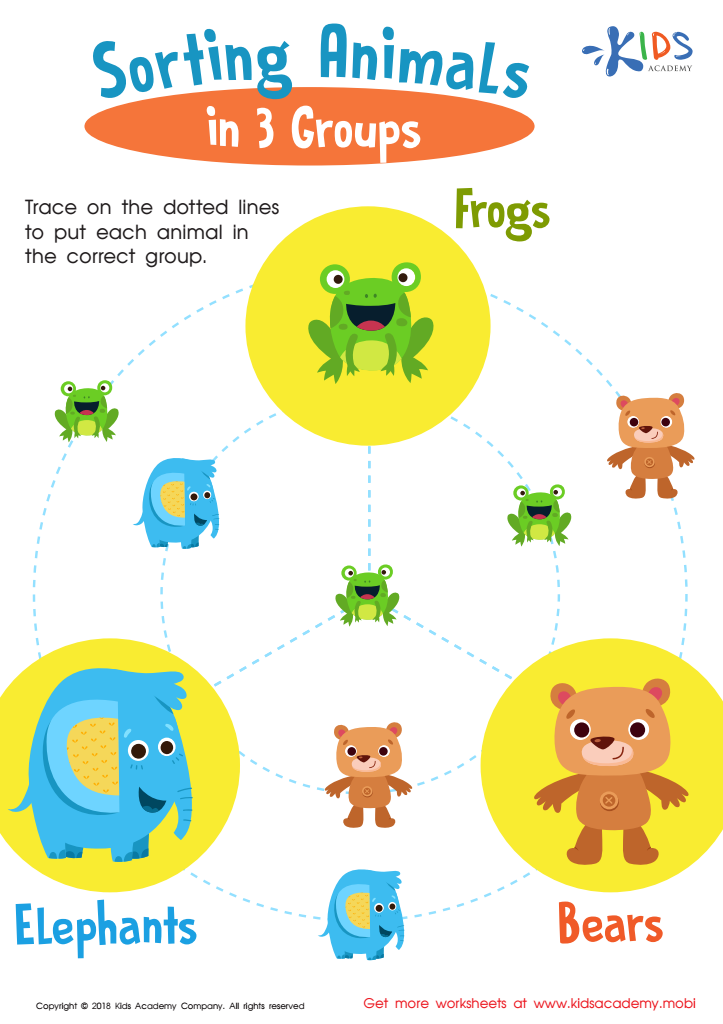
Sorting Animals in 3 Groups Worksheet
 Assign to My Students
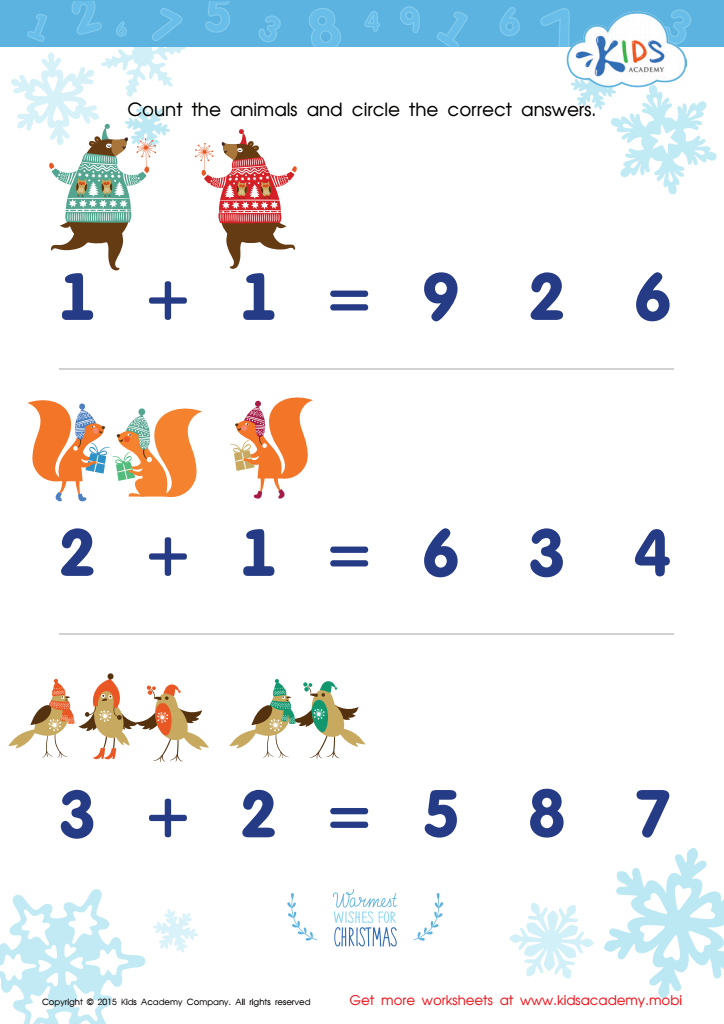
Count Funny Animals Worksheet
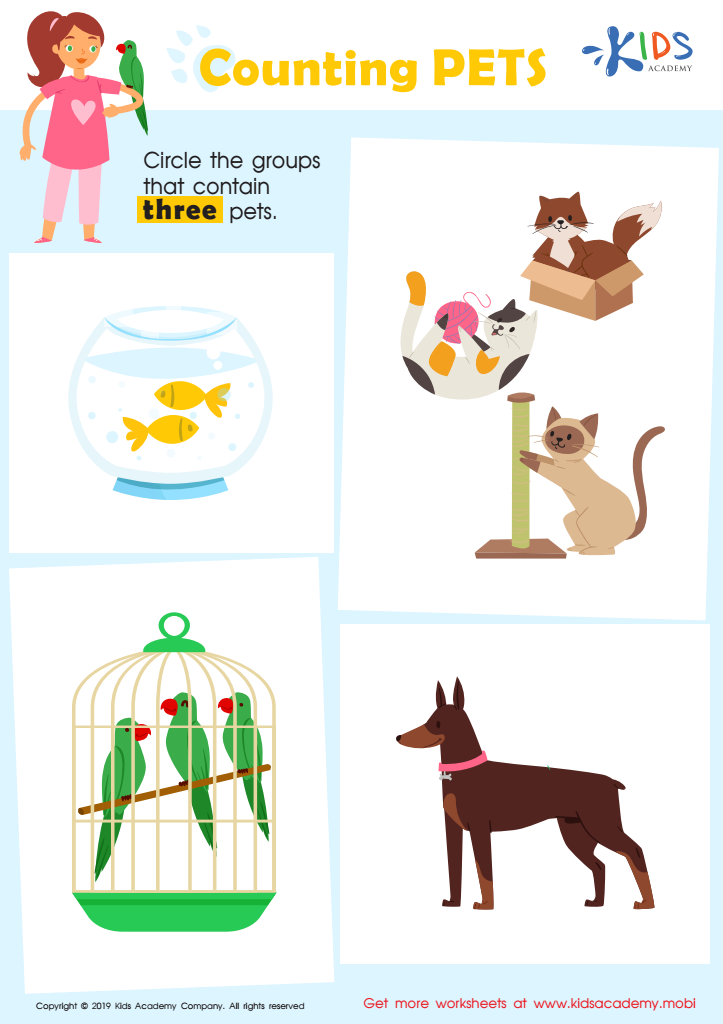
Counting Pets Worksheet
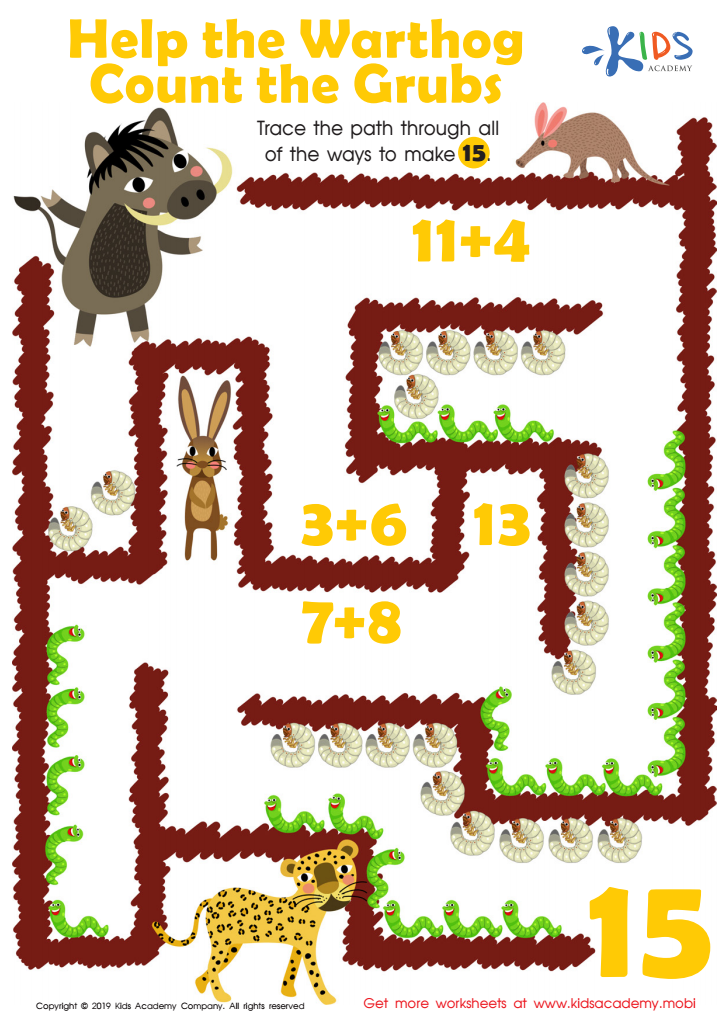
Help the Warthog Count the Grubs Worksheet
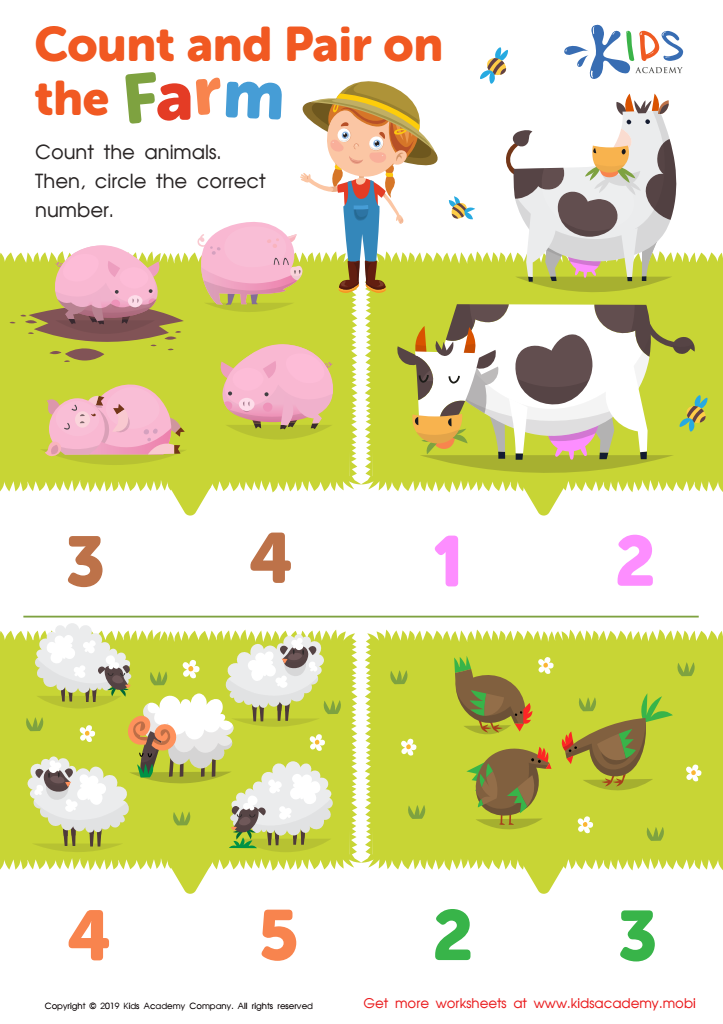
Count and Pair on the Farm Worksheet
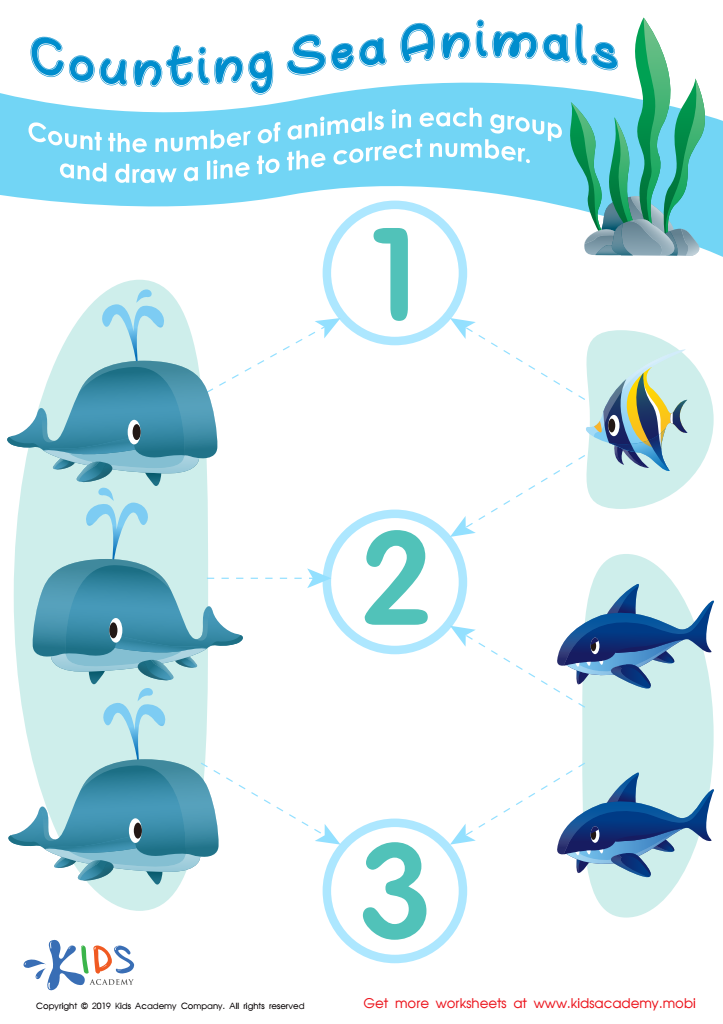
Counting Sea Animals Worksheet
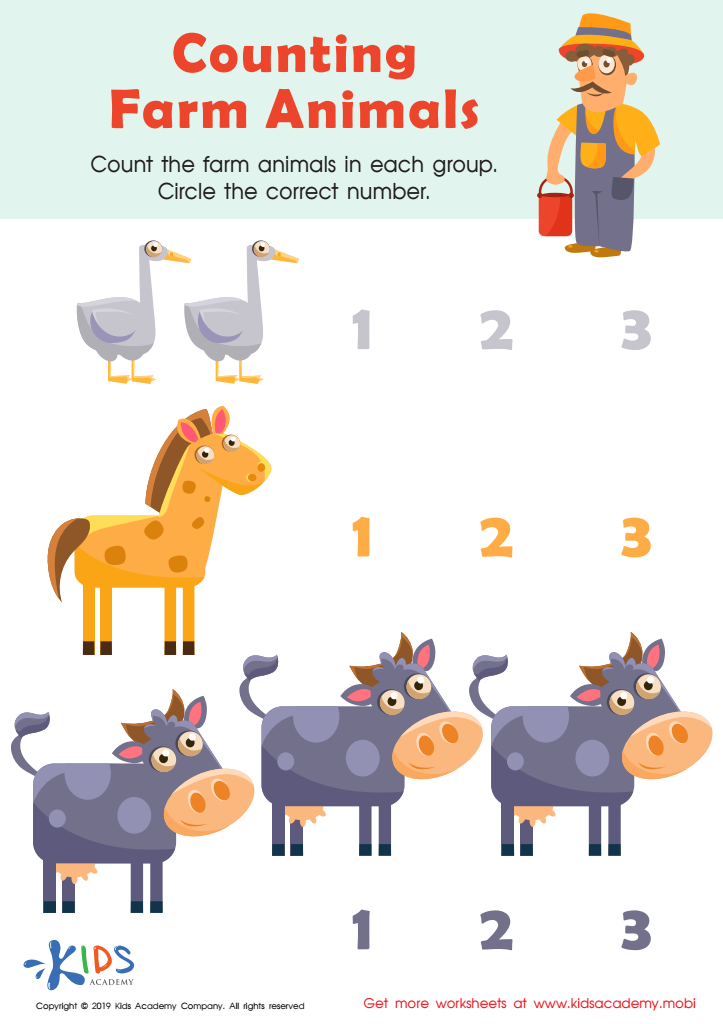
Counting Farm Animals Worksheet








Animal recognition, paired with basic math skills, is a foundational aspect of early childhood education that can significantly benefit children ages 4-8. Firstly, recognizing and identifying animals helps children build cognitive skills and increases their general knowledge about the world. It can foster curiosity and a sense of connection to nature, which is vital for emotional and social development.
Integrating animal recognition with normal math exercises enriches learning by adding an element of fun and relevance. For instance, counting animals or sorting them by types, sizes, or habitats strengthens numerical and categorization abilities, making abstract concepts more concrete. These activities also support fine motor skills when children engage in hands-on tasks like coloring or cutting out animal shapes.
Moreover, using animals in math problems and games can enhance memory retention and attention span, as children are likely to find these themes engaging. It offers an opportunity for experiential learning, where kids understand math in real-world contexts rather than in isolation, stimulating both logical and creative thinking.
From a parent or teacher's perspective, these integrated learning experiences make it easier to observe a child’s progress in a dynamic way. They not only make learning enjoyable but also meet educational milestones more effectively, preparing young learners for future academic challenges.








