Matching skills Normal Math Worksheets for Ages 4-8
9 filtered results
-
From - To
Enhance your child's foundational math skills with our extensive collection of Matching Skills Normal Math Worksheets, designed specifically for ages 4-8. These engaging worksheets provide a fun and interactive way for young learners to build critical thinking and problem-solving abilities. Through activities like matching numbers, shapes, and patterns, children will improve their visual perception and cognitive skills. Perfect for both classroom and home use, these printable worksheets cater to different skill levels, ensuring that young mathematicians stay motivated and challenged. Help your child develop a strong math foundation with our curated selection of age-appropriate matching activities.
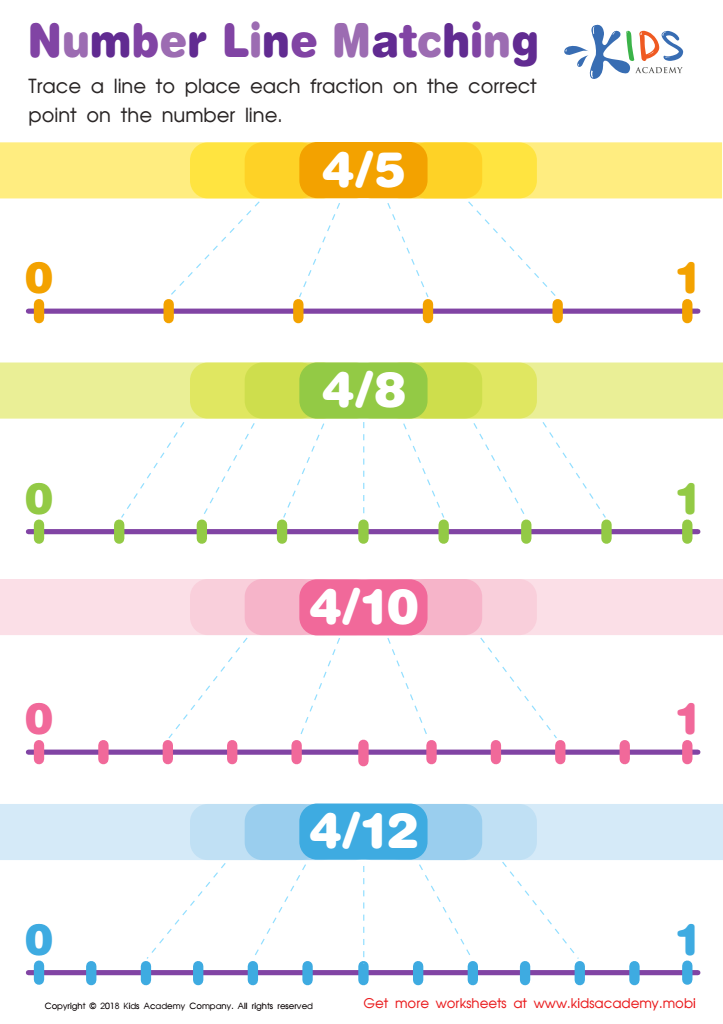
Number Line Matching Worksheet
 Assign to My Students
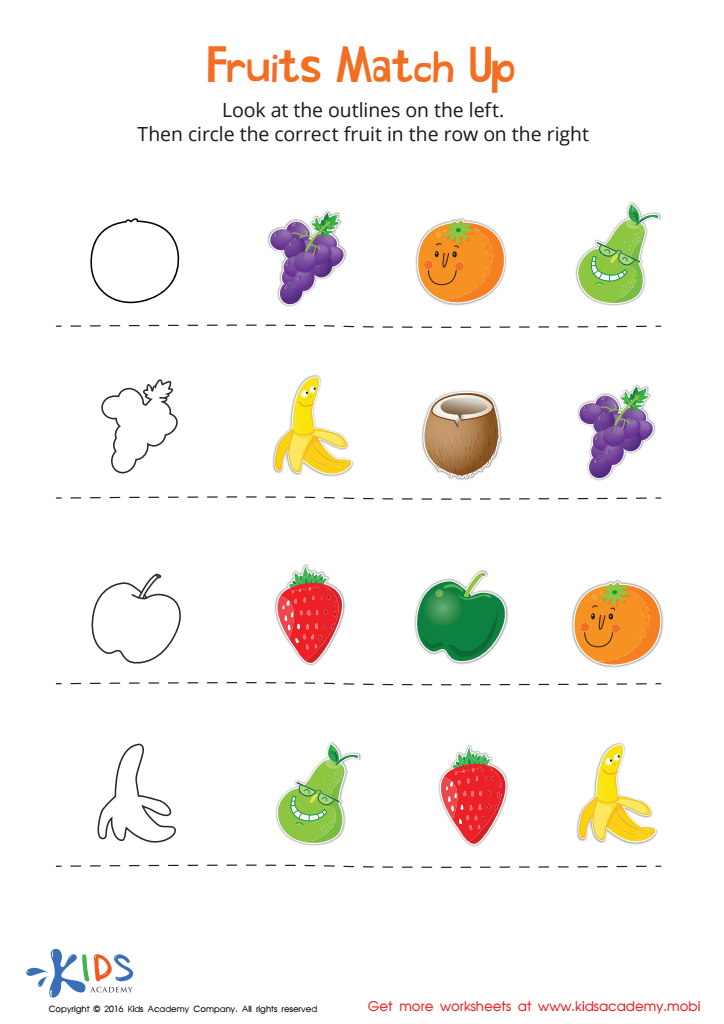
Fruits Match Up Worksheet
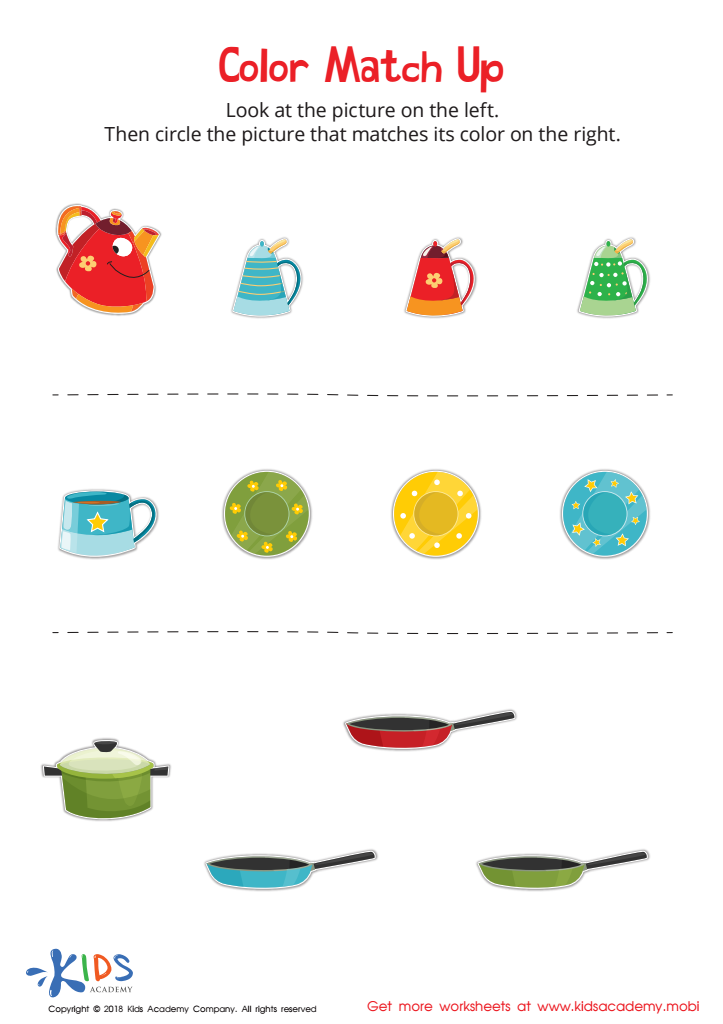
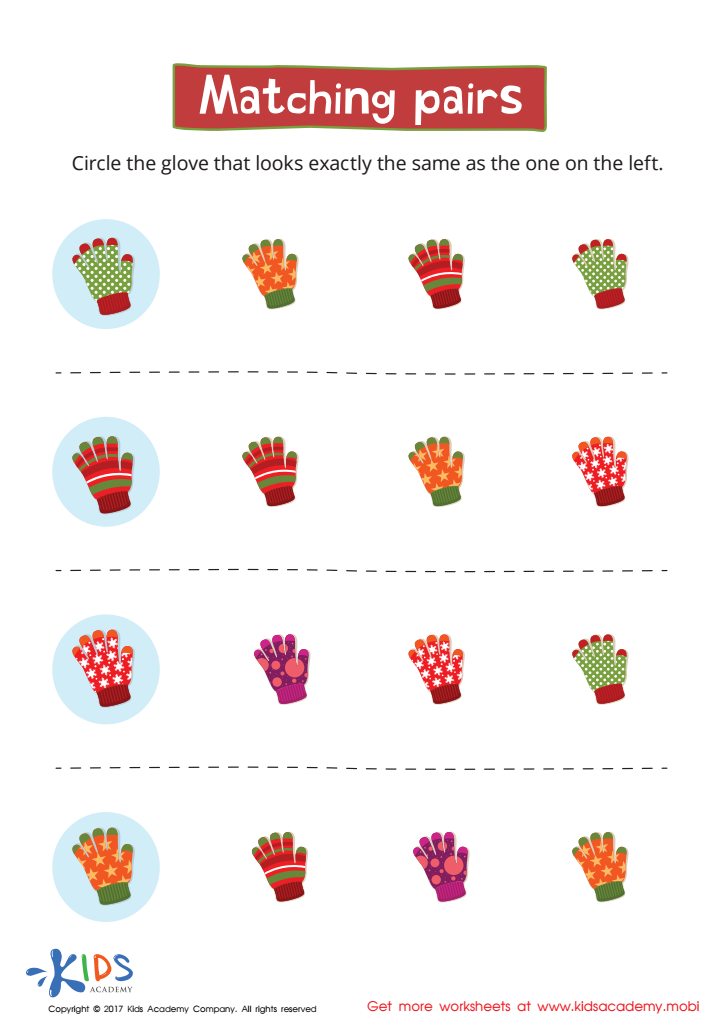
Matching: Matching Pairs Worksheet
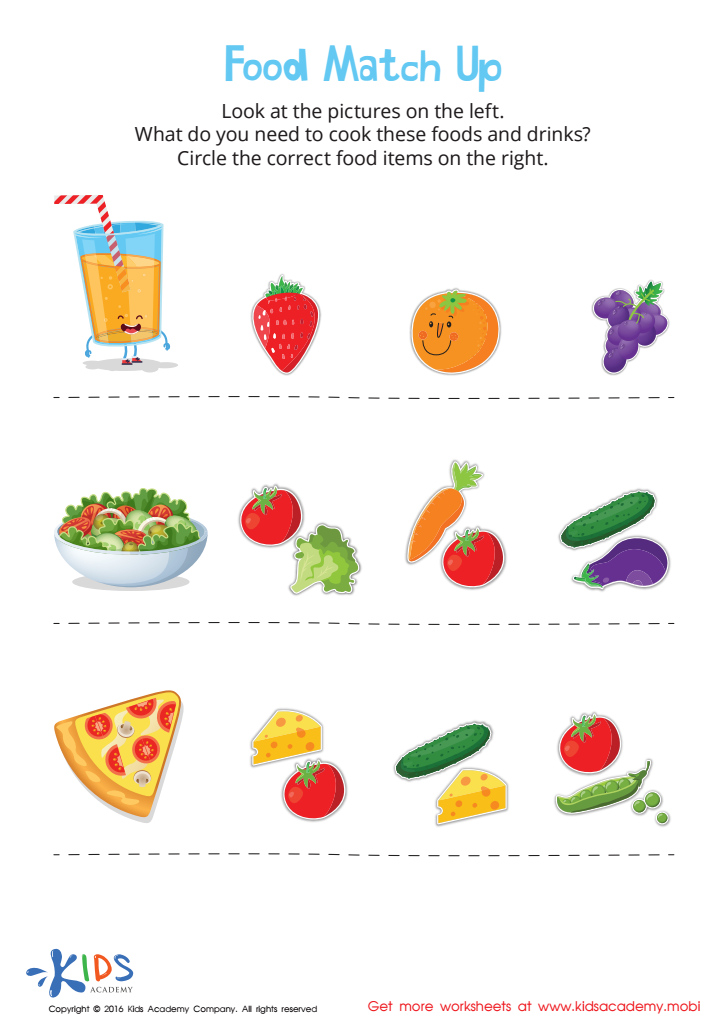
Food Match Up Worksheet
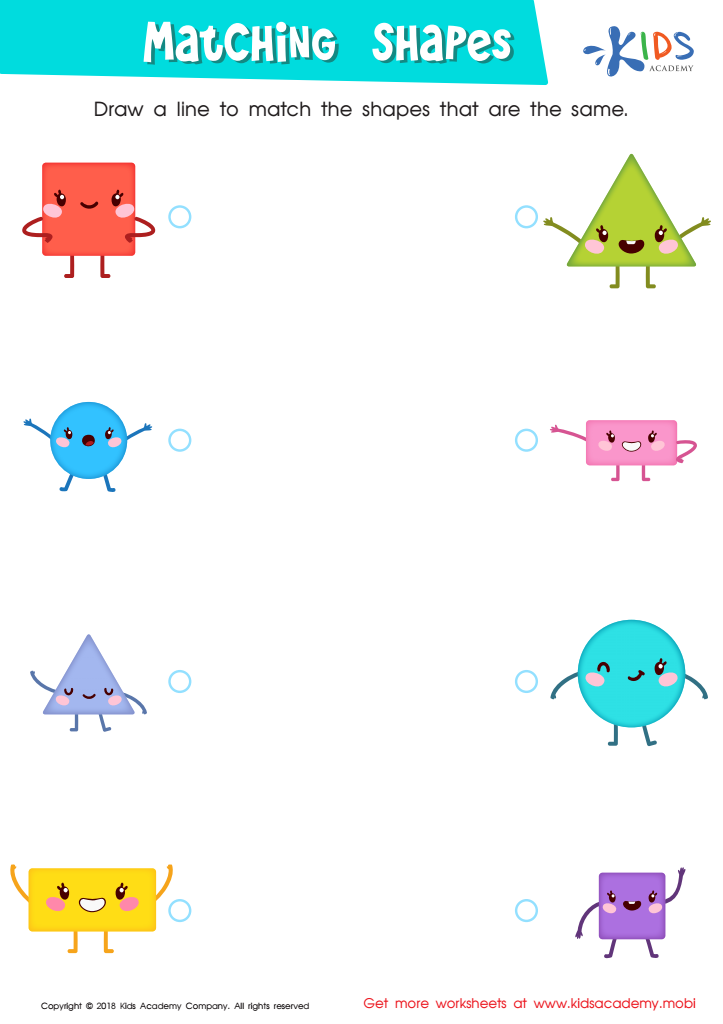
Matching Shapes Worksheet
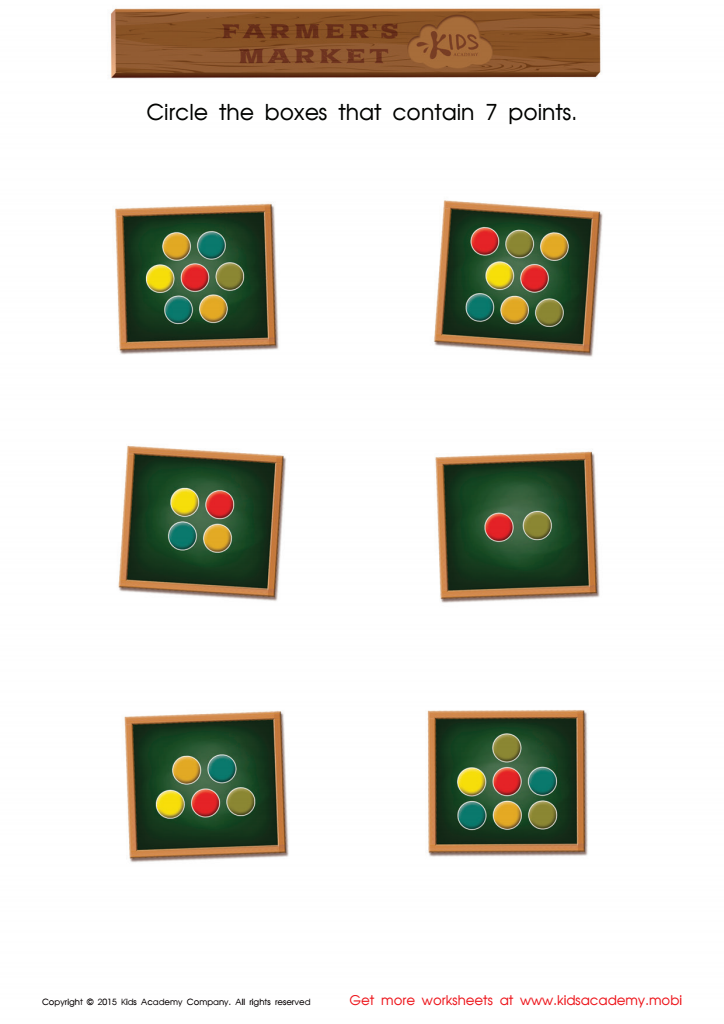
Count and Match Points 7 Math Worksheet
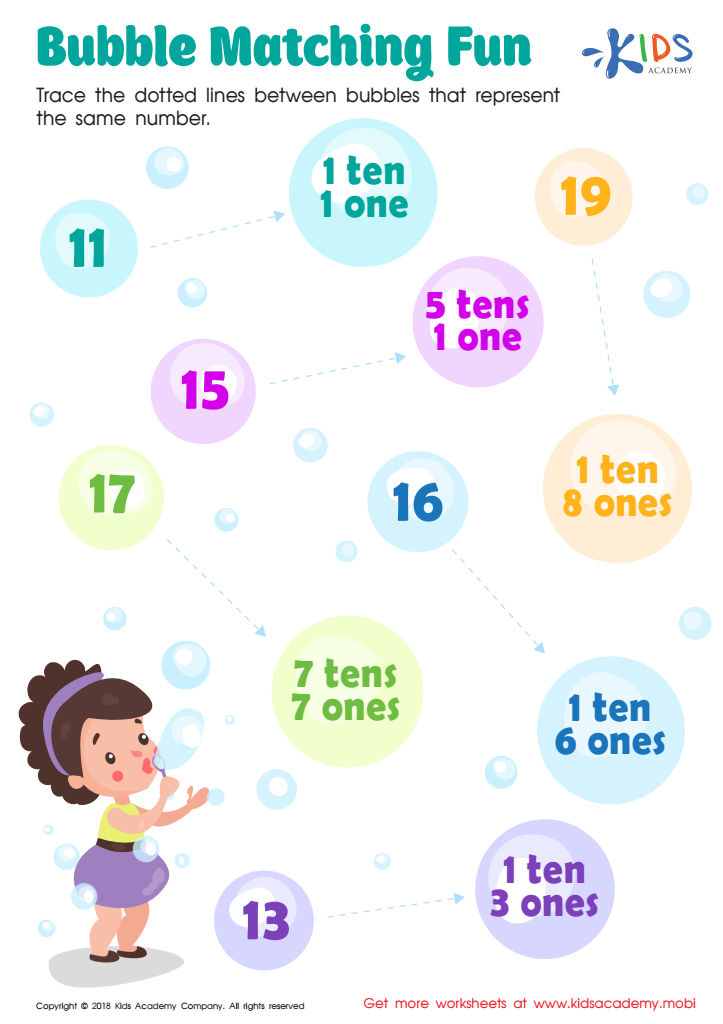
Bubble Matching Fun Worksheet
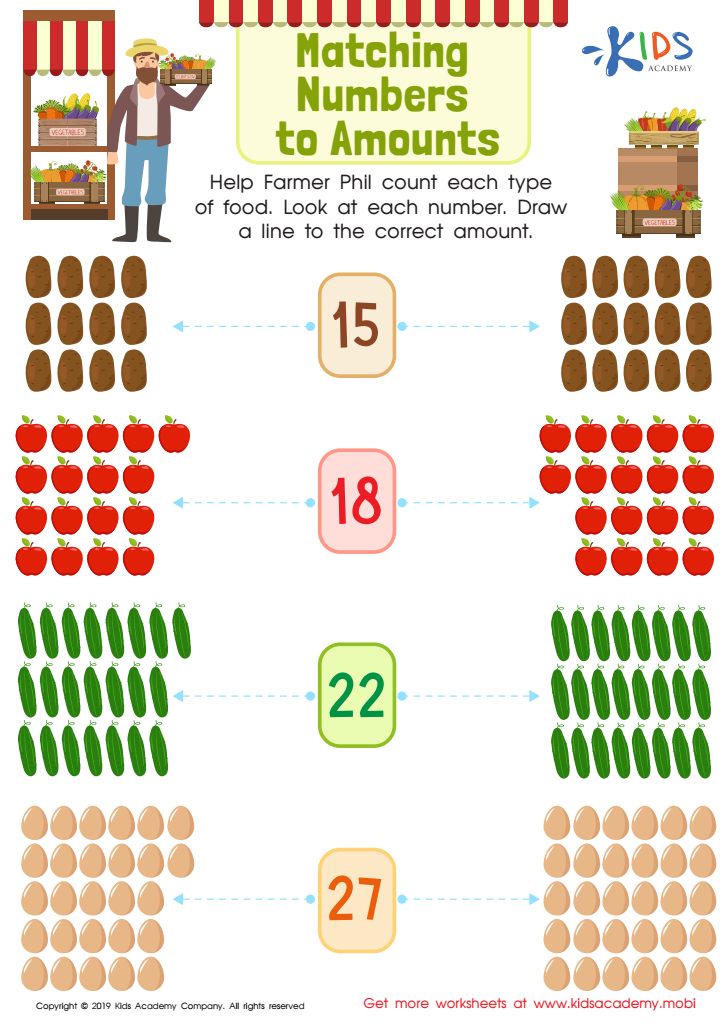
Matching Numbers to Amounts Worksheet







Parents and teachers play a crucial role in early childhood education, and one fundamental area they should focus on is matching skills in normal math for children aged 4 to 8. Developing matching skills is integral to early math literacy and carries over into various aspects of a child’s cognitive, social, and emotional development. By matching objects, numbers, or patterns, children learn to recognize similarities and differences, a foundational cognitive skill in logical thinking and problem-solving.
Matching activities enhance children's ability to categorize items, fostering their understanding of relationships, which is essential in more complex mathematical concepts such as addition, subtraction, and geometry. This early exposure to sorting and pairing helps them grasp basic numerical relationships and spatial awareness, easing future transitions to more challenging math topics. Furthermore, engaging in matching tasks can improve focus, attention to detail, and memory skills.
On a social and emotional level, success in these small tasks builds confidence and a positive attitude toward learning and problem-solving. Interactive matching games also provide opportunities for collaborative play, promoting teamwork and communication skills. Therefore, nurturing matching skills in math for young children lays a vital foundation for academic success and overall cognitive and social development.








