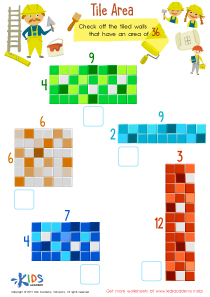
Logical thinking Normal Matching Worksheets for Ages 4-8
3 filtered results
-
From - To
Introduce young learners to the fascinating world of logical thinking with our Normal Matching Worksheets, designed specifically for ages 4-8. These engaging worksheets help children sharpen their cognitive skills by matching items, patterns, and sequences. As they progress, kids will enjoy connecting images and concepts while developing their problem-solving abilities. Ideal for homeschooling or classroom activities, our fun and educational worksheets align with fundamental early learning standards, making them perfect tools to build a strong foundation in logical reasoning. Watch your child's confidence grow as they master key skills in a playful and interactive way. Get started today!
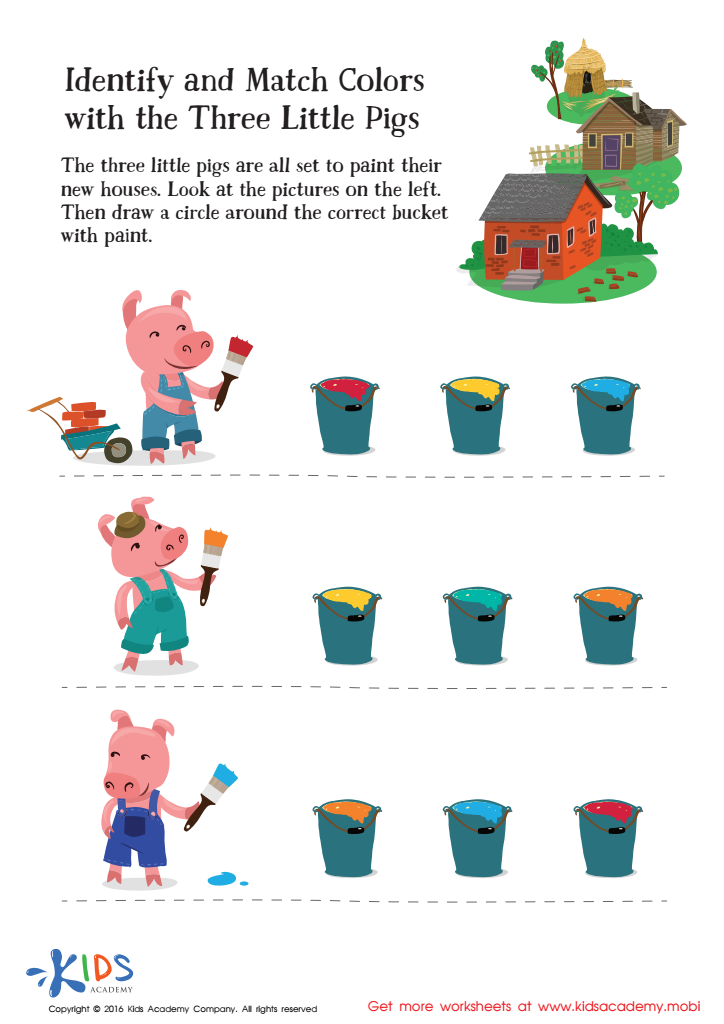
Fairy Tale Worksheet: Identify and Match Colors with Three Little Pigs
 Assign to My Students
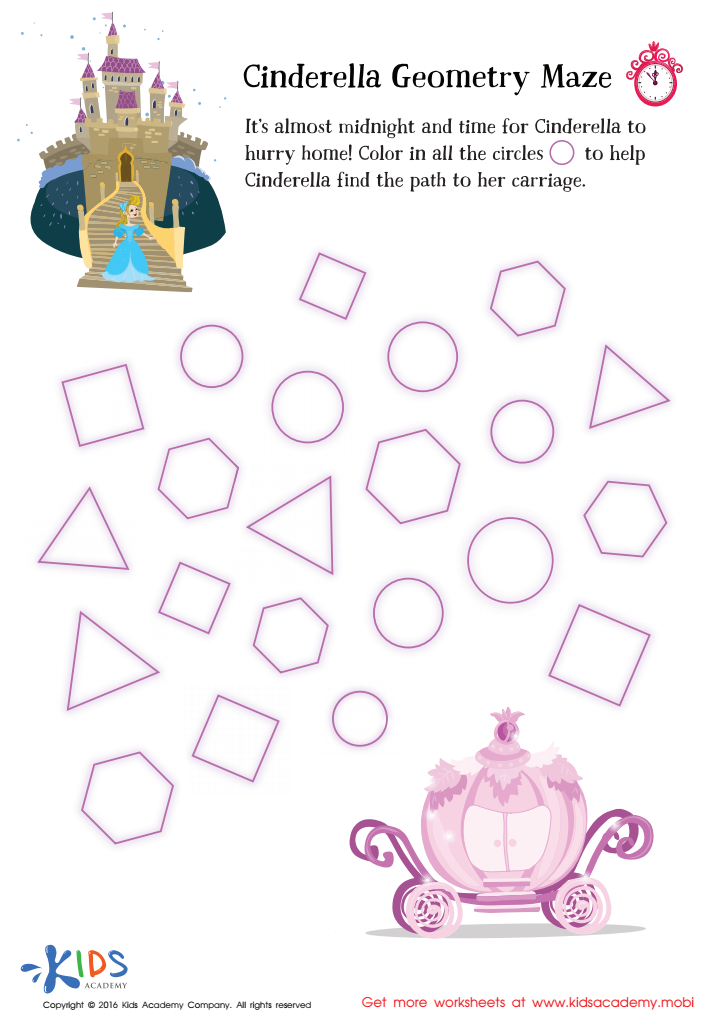
Cinderella Geometry Maze Worksheet
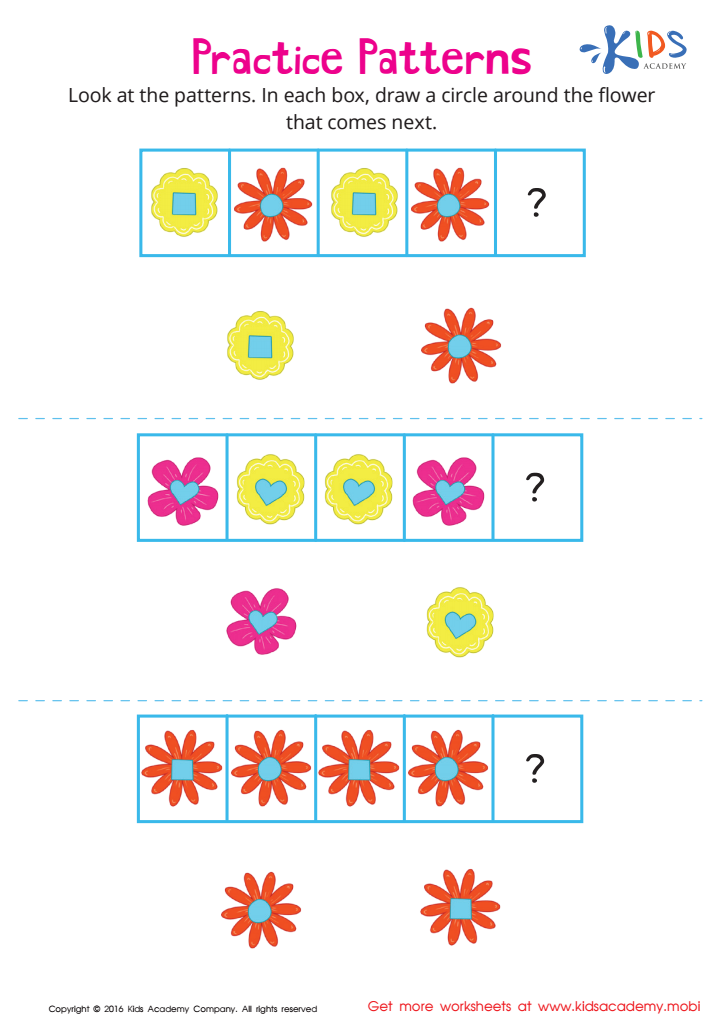








Parents and teachers should prioritize logical thinking and normal matching activities for children aged 4-8 because these cognitive skills are foundational for future learning and problem-solving abilities. At this developmental stage, children's brains are rapidly growing, and engaging them in logical thinking tasks such as sorting, sequencing, and pattern recognition helps establish neural pathways crucial for critical thinking and decision-making.
Logical thinking teaches children how to understand relationships and correlations, which are vital for academic subjects like math and science. For instance, matching activities bolster number recognition, spatial awareness, and geometric skills, which are essential as they move toward more complex concepts.
Furthermore, developing these skills nurtures children's confidence and fosters independence. When children solve matching puzzles or identify patterns on their own, they learn perseverance and boost their self-esteem. This period also helps in enhancing their language skills as they articulate their thought processes and outcomes.
Socially, engaging in logical activities teaches cooperation and communication when done in group settings. Kids learn to discuss strategies, share ideas, and work towards common goals, fostering social-emotional development. Overall, integrating logical thinking and matching activities into early childhood education supports comprehensive cognitive development, preparing them not just for school, but for life's varied challenges.