Vocabulary expansion Normal Reading Worksheets for Ages 4-8 - Page 3
59 filtered results
-
From - To
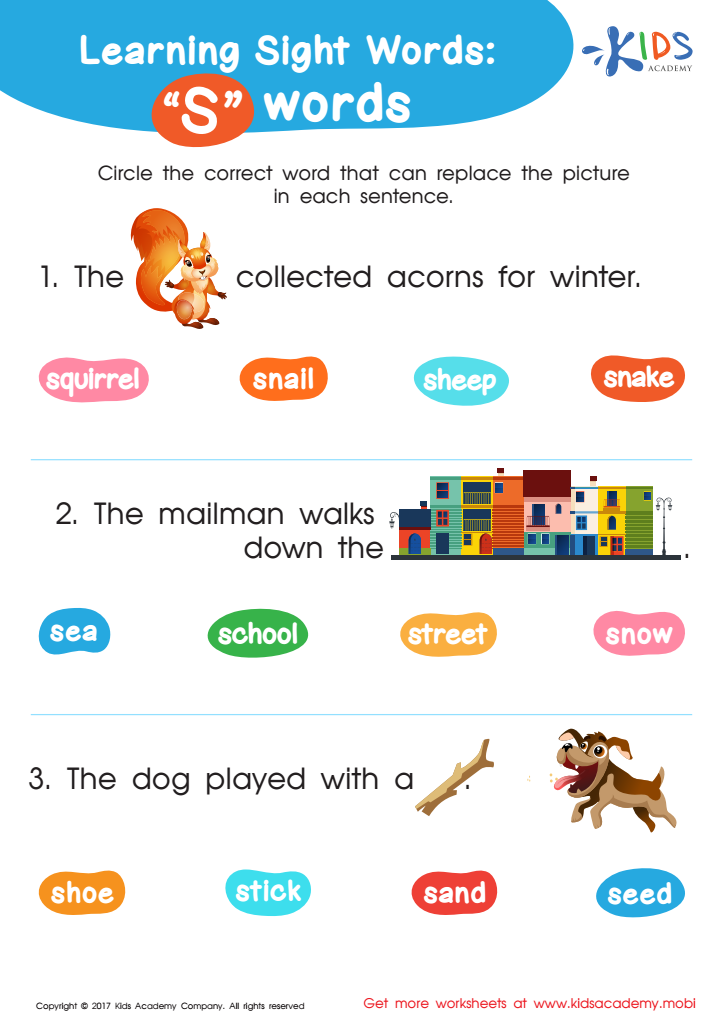
S Words Sight Words Worksheet
 Assign to My Students
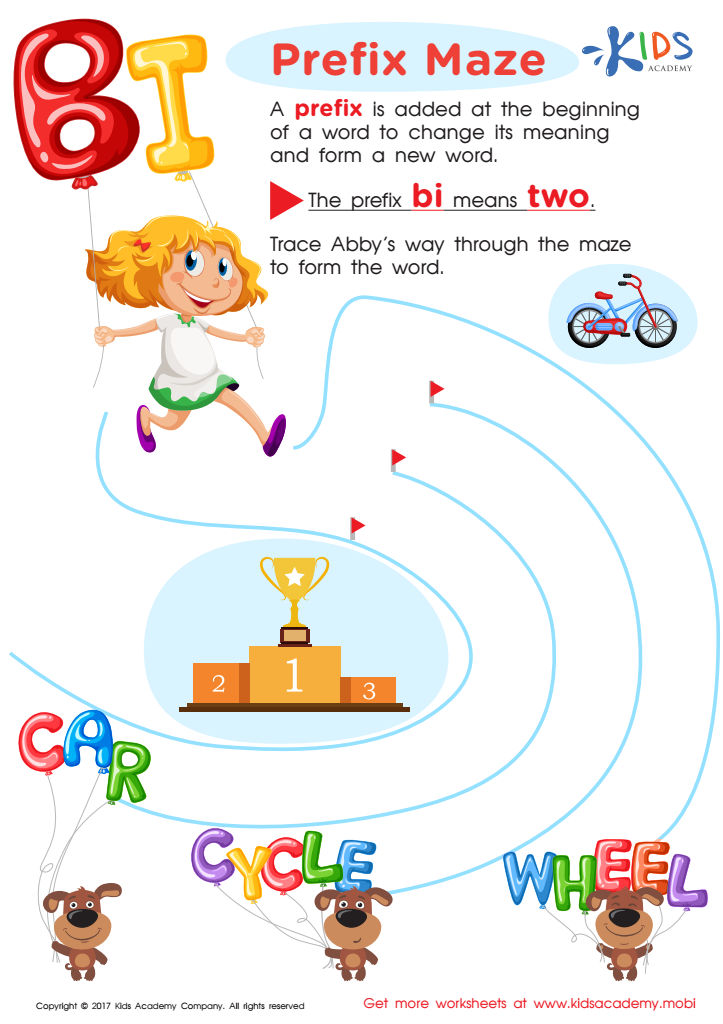
Prefix Bi Words Worksheet
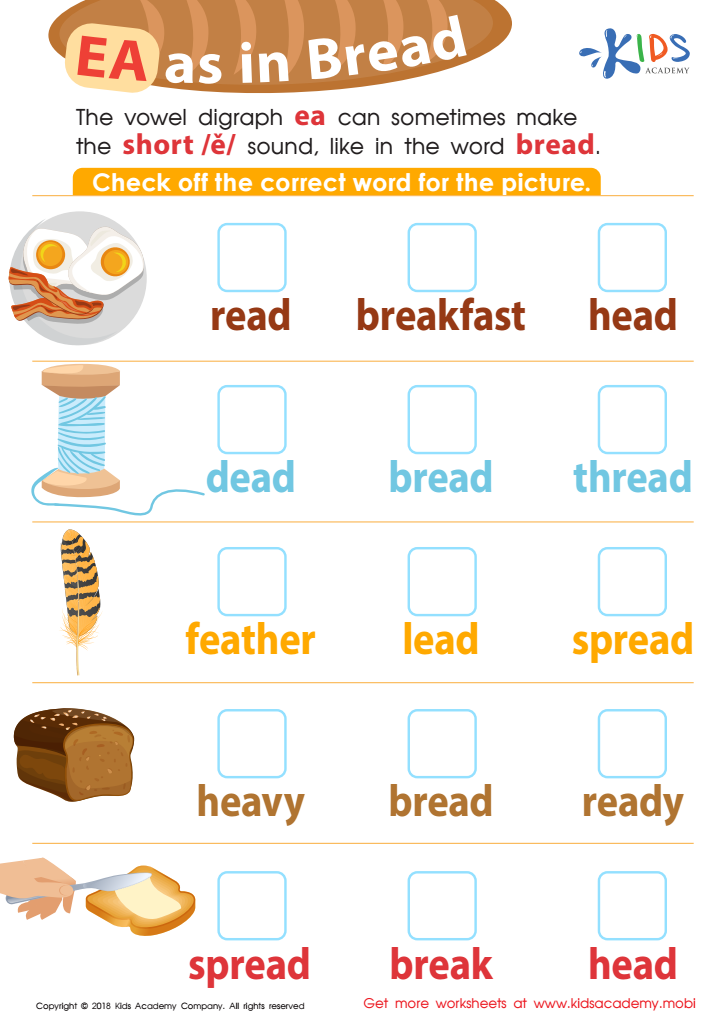
Reading: EA as in Bread Worksheet
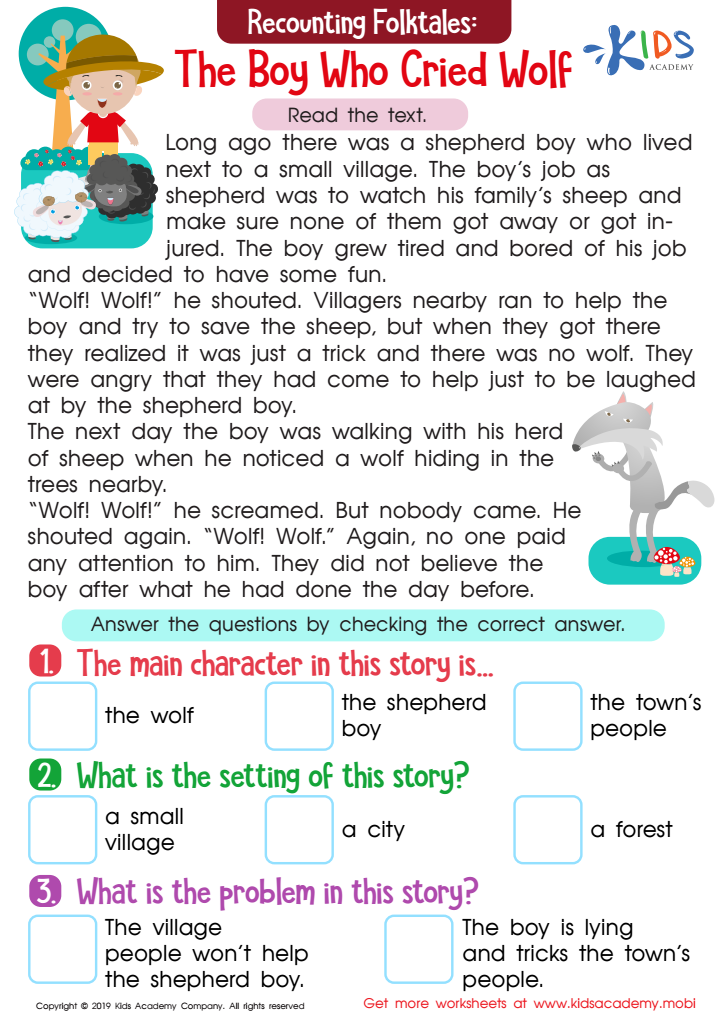
The Boy Who Cried Wolf Part 1 Worksheet
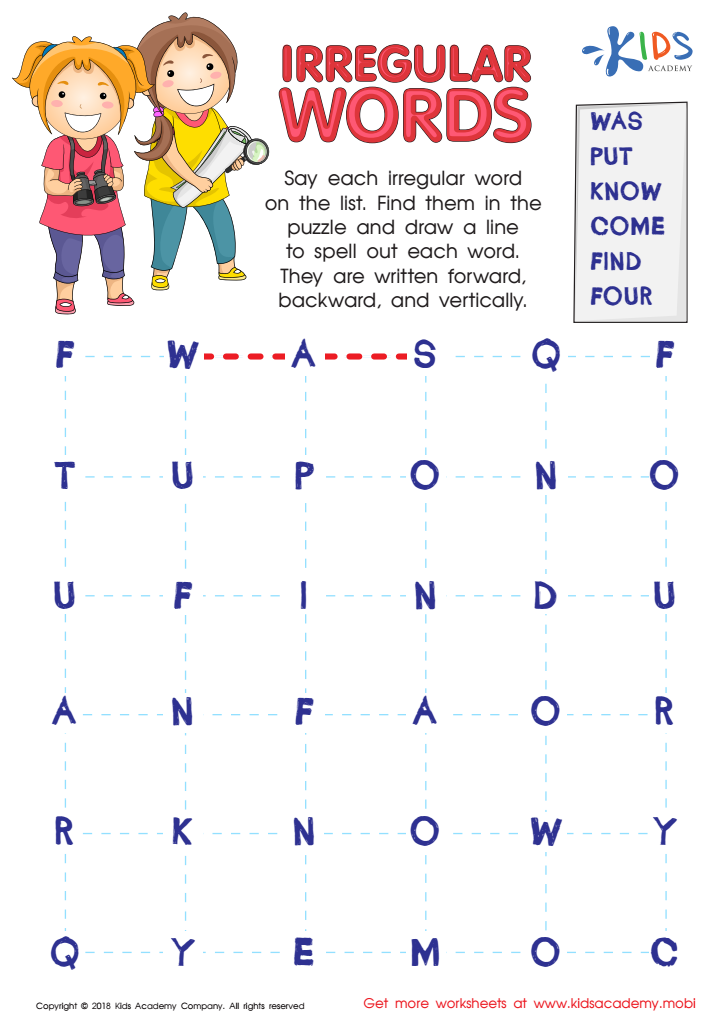
Irregular Words Worksheet
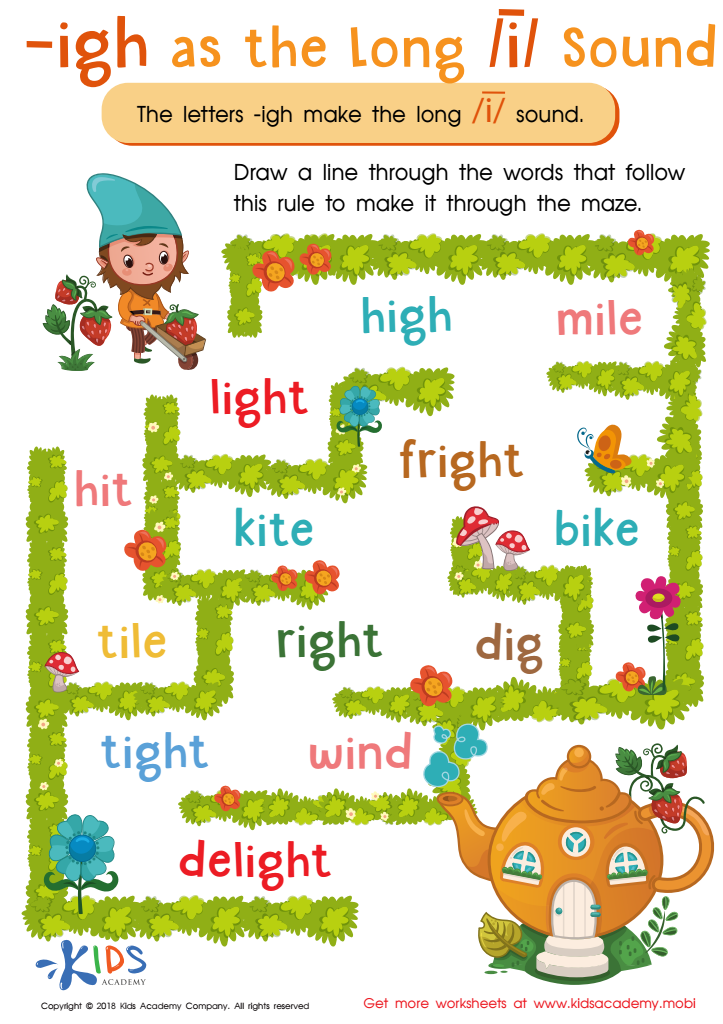
Reading: IGH as Long I Worksheet
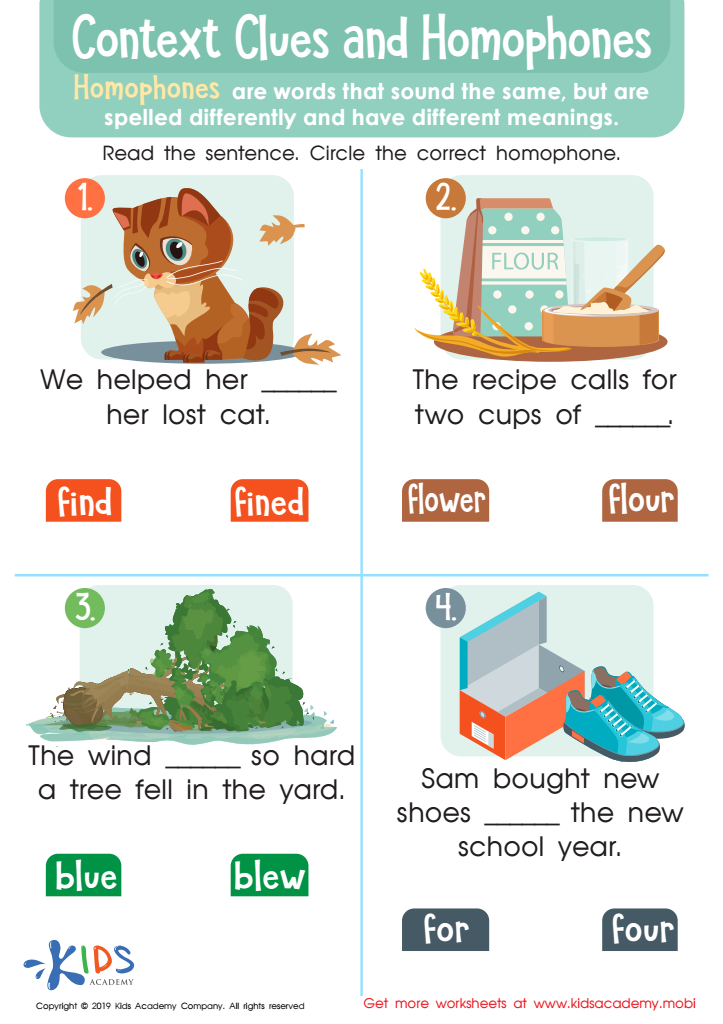
Context Clues and Homophones Worksheet
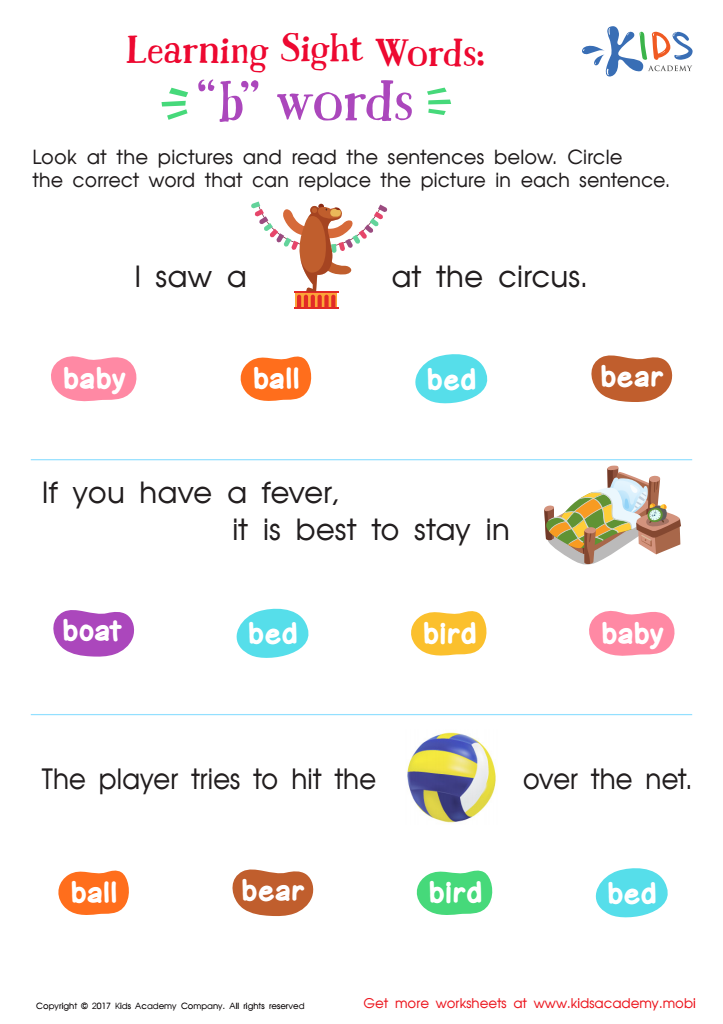
"B" Words Printable Sight Words Worksheet
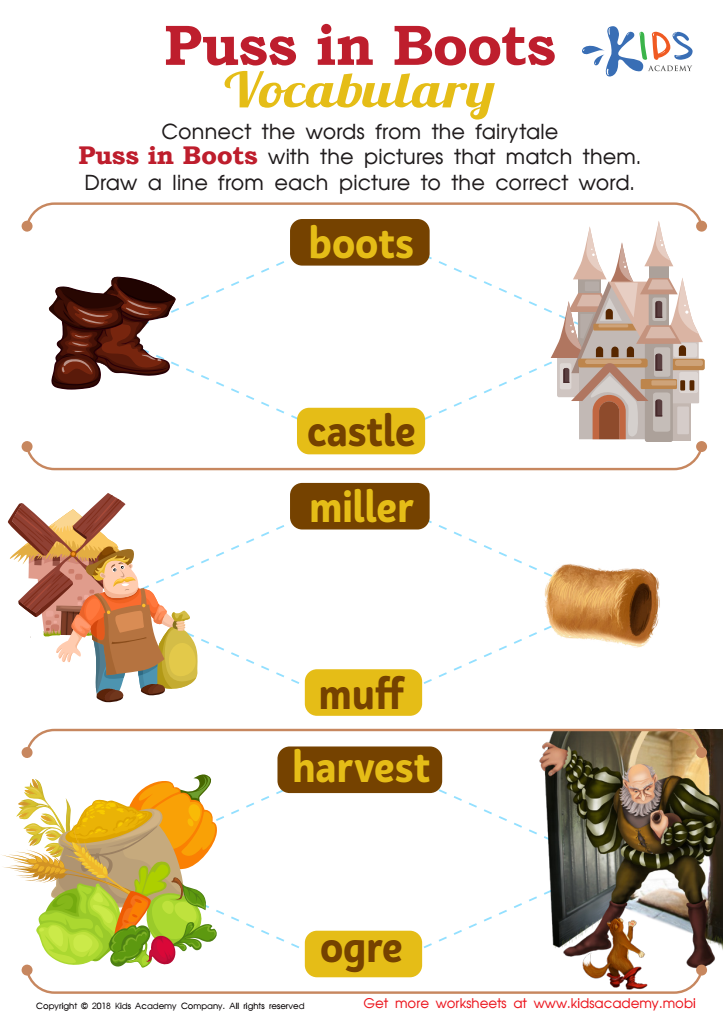
Puss in Boots Vocabulary Worksheet
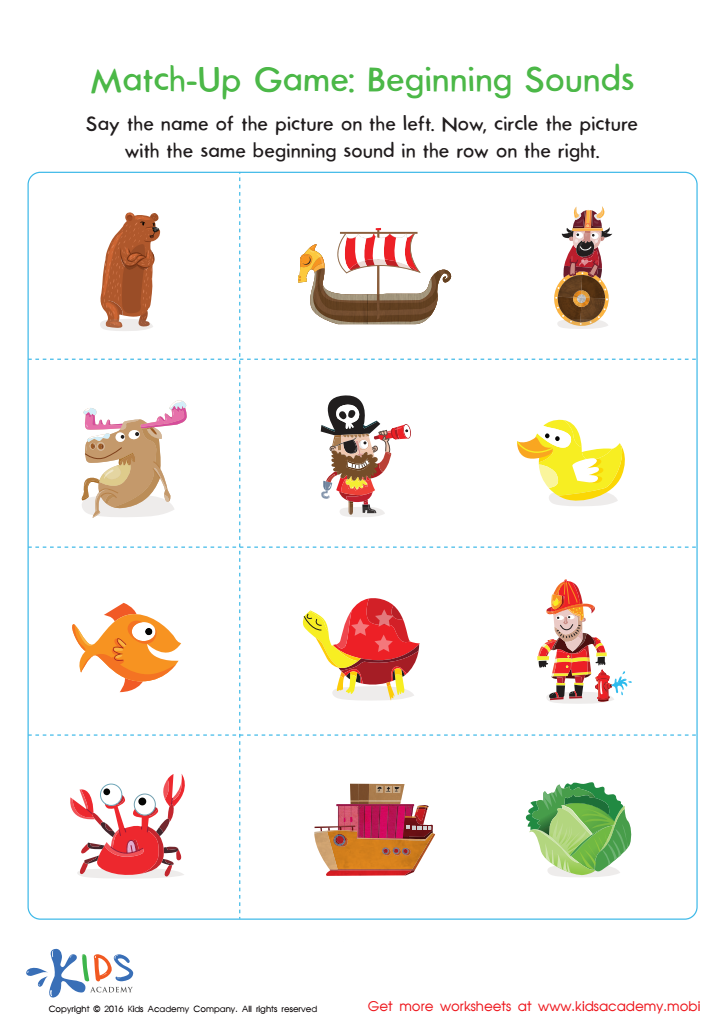
Match–Up Game: Beginning Sounds Worksheet
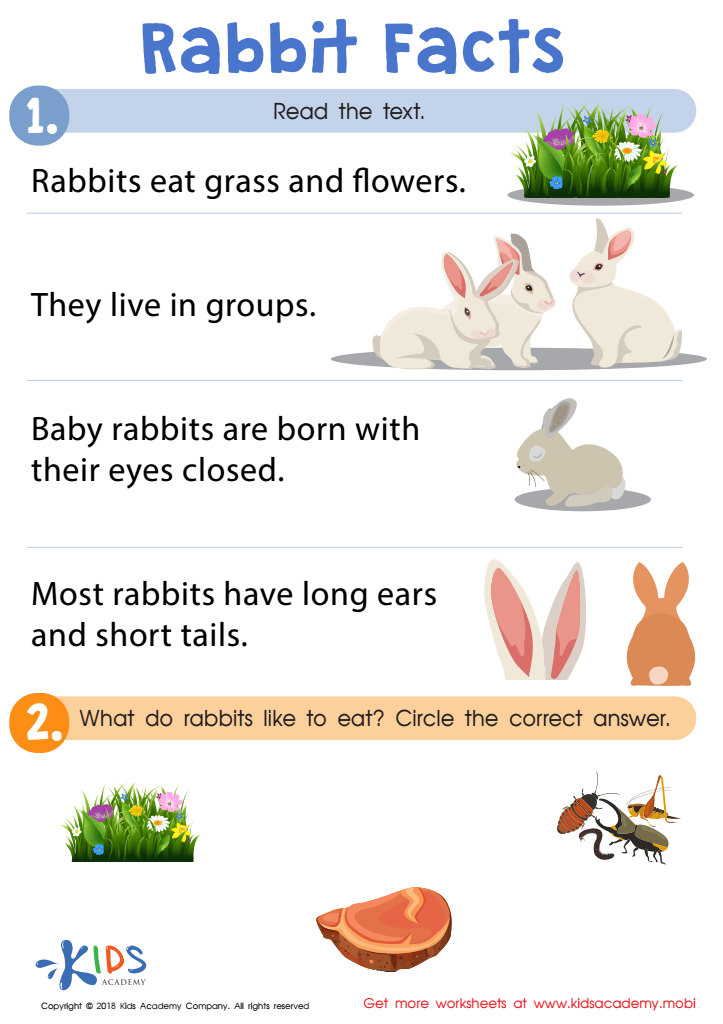
Rabbit Facts Worksheet







Vocabulary expansion through normal reading is crucial for children aged 4-8 as it lays the foundation for their future academic success and effective communication skills. During these formative years, children are particularly receptive to language, making it an ideal time for vocabulary development. When parents and teachers engage children in reading age-appropriate books, they introduce them to new words in context, facilitating understanding and retention.
A richer vocabulary boosts reading comprehension, enabling children to decode texts and grasp complex concepts more readily. Studies show that a strong vocabulary correlates with improved literacy skills, which are essential for success across all subjects in school. Furthermore, expanded vocabulary contributes to better writing skills, allowing children to express their thoughts and ideas more clearly and creatively.
Importantly, vocabulary development enhances critical thinking and problem-solving skills. When children encounter new words and phrases, they learn to make connections and draw inferences, fostering cognitive growth.
Moreover, reading together creates bonding opportunities, nurturing a love for literature that translates into lifelong learning. In summary, vocabulary expansion through daily reading is vital for cognitive, social, and emotional growth, making it a shared priority for parents and teachers alike.








