Reading comprehension Normal Science Worksheets for Ages 4-8
79 filtered results
-
From - To
Enhance your child’s reading comprehension skills with our engaging Normal Science Worksheets, designed specifically for ages 4-8. These fun, interactive worksheets cultivate critical thinking and foster a love of science while improving literacy. Each activity focuses on scientific concepts, featuring colorful illustrations and relatable narratives to keep young learners intrigued. Children will practice reading comprehension by answering questions, encouraging them to connect ideas and develop their understanding of the natural world. Perfect for classroom use or home learning, these worksheets are an excellent tool for empowering young minds and ensuring a strong foundation in both reading and science. Explore today!
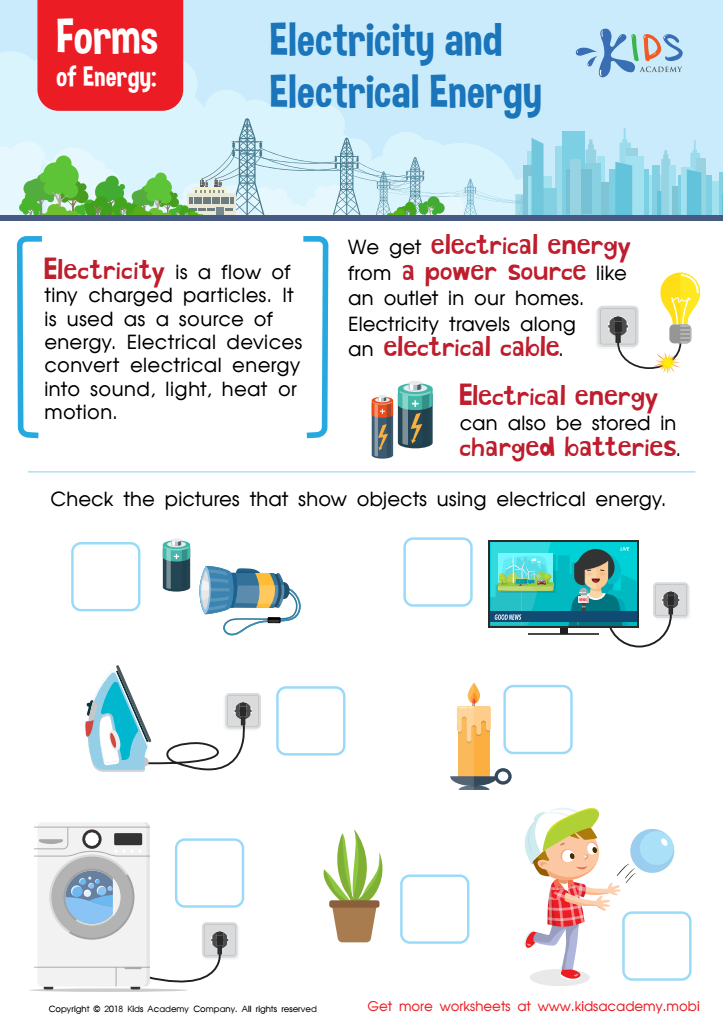
Forms of Energy Worksheet
 Assign to My Students
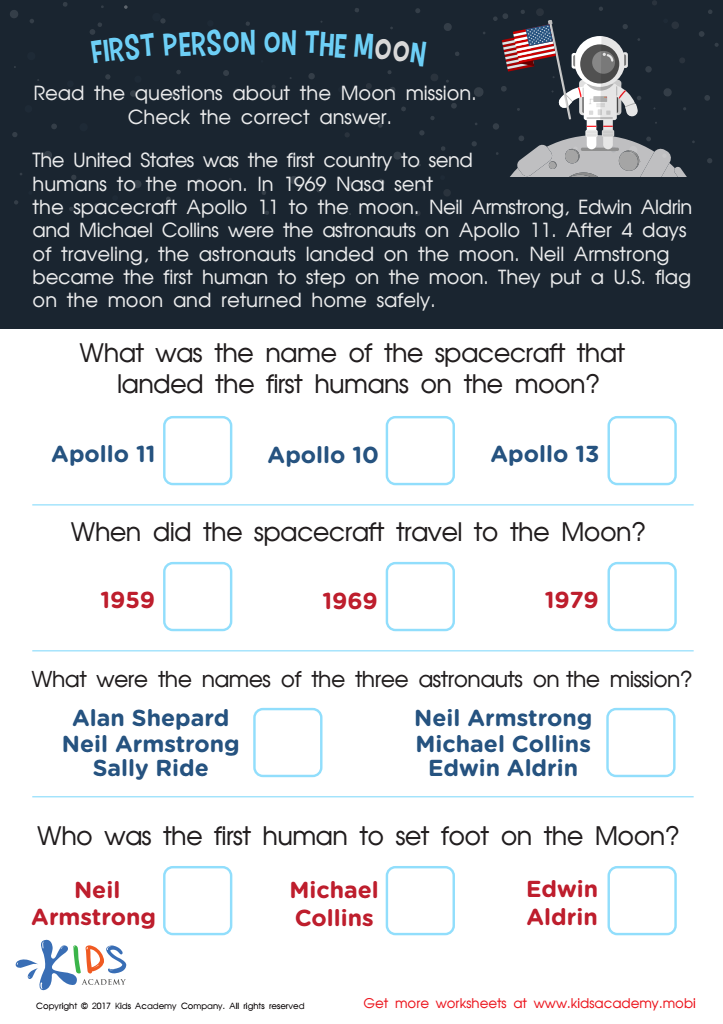
First Person on the Moon Worksheet
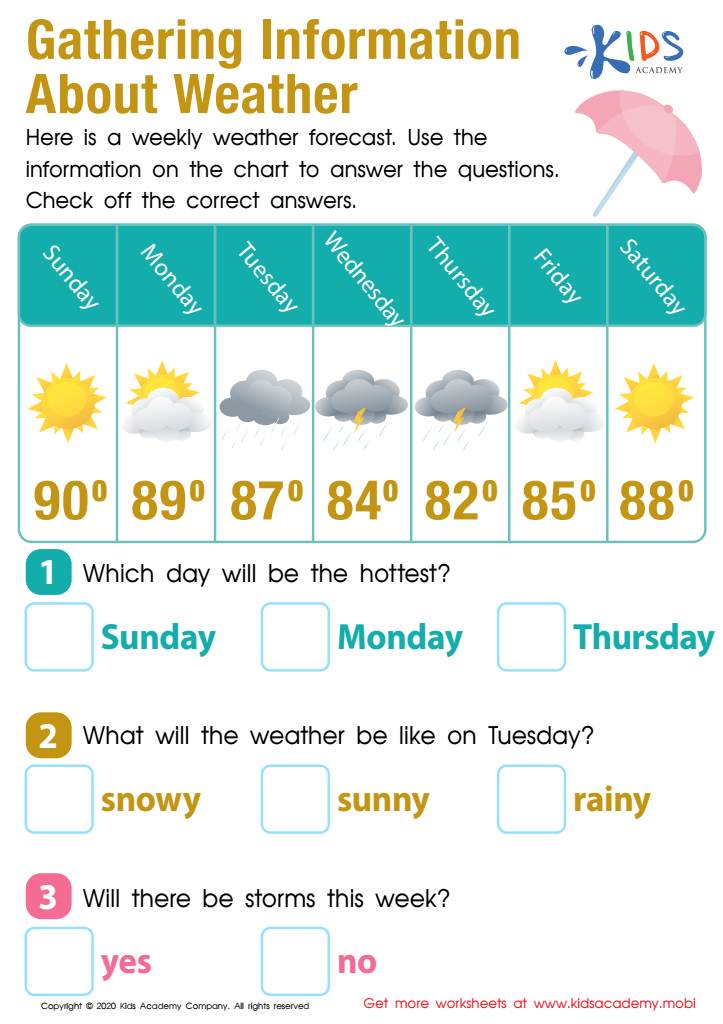
Gathering Information About the Weather Worksheet
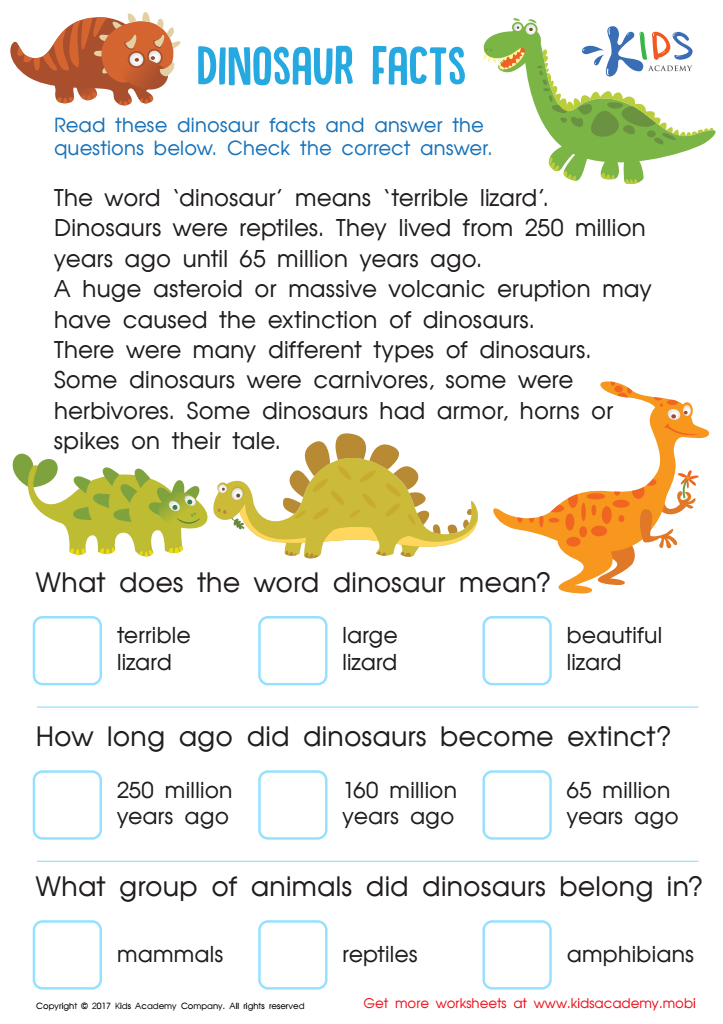
Dinosaur Facts Worksheet
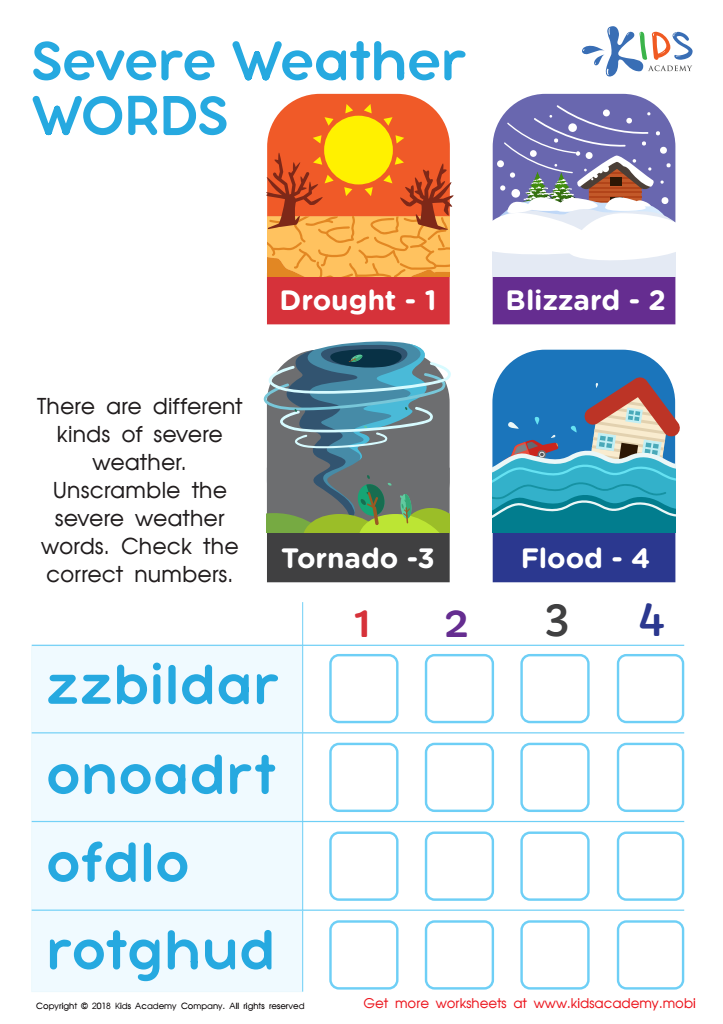
Severe Weather Words Worksheet
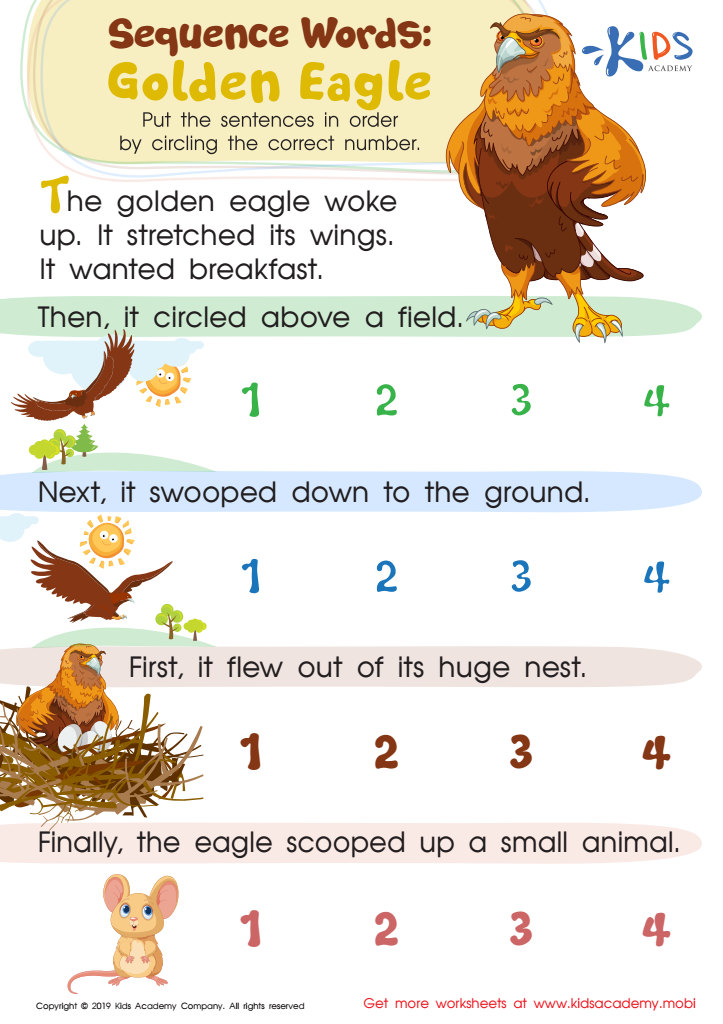
Sequence Word Eagle Worksheet
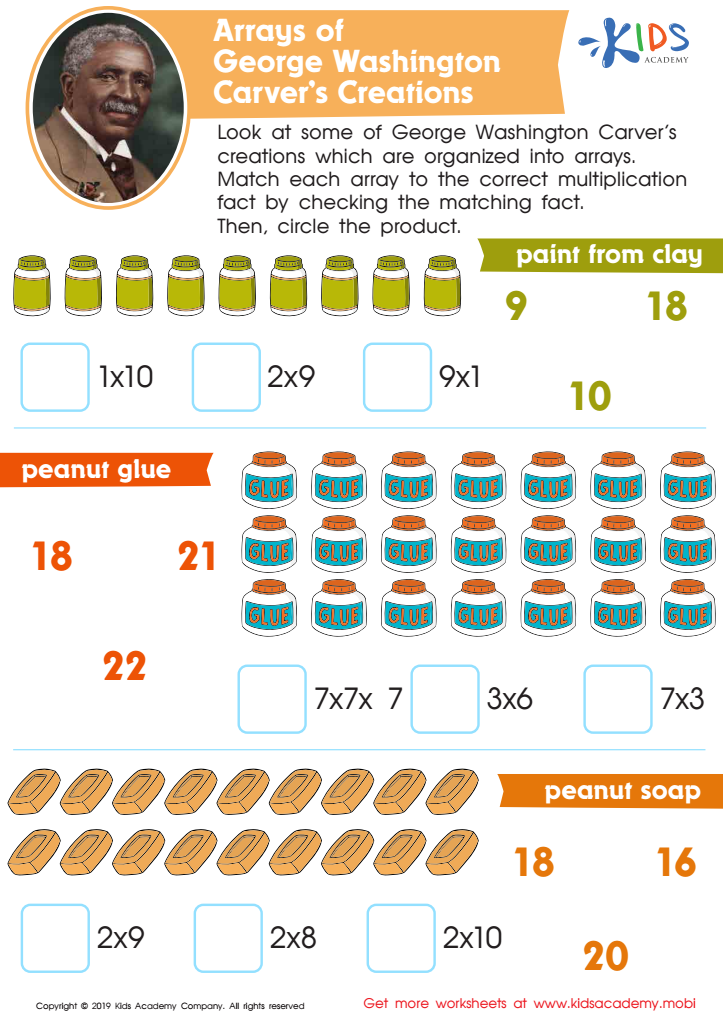
Arrays of George Washington Carver’s Creations Worksheet
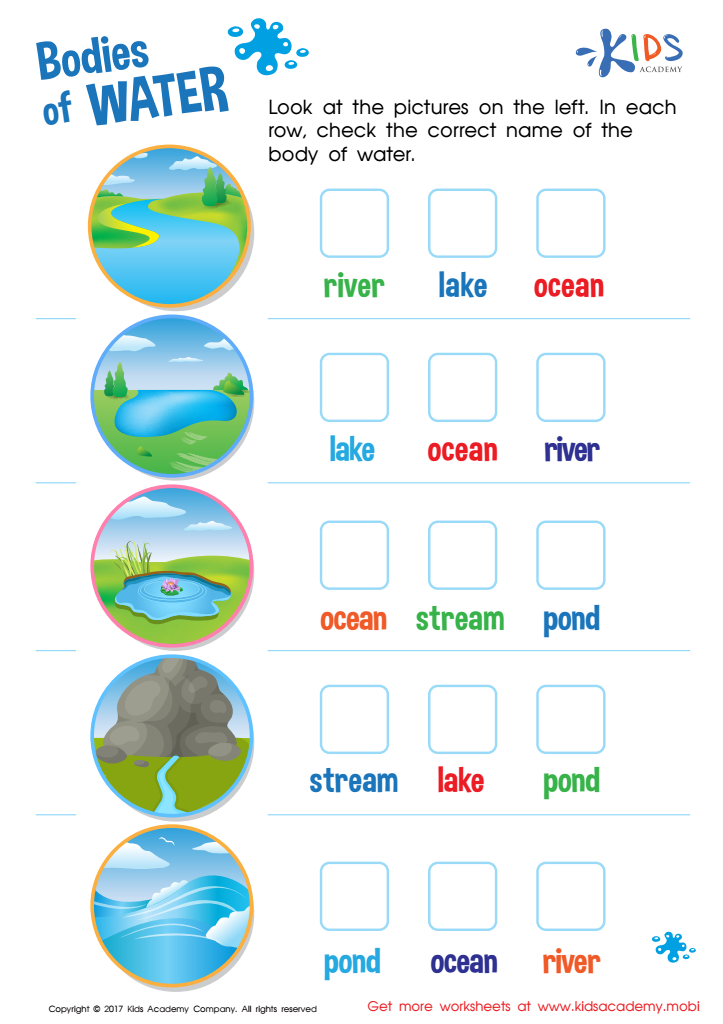
Bodies of Water Worksheet
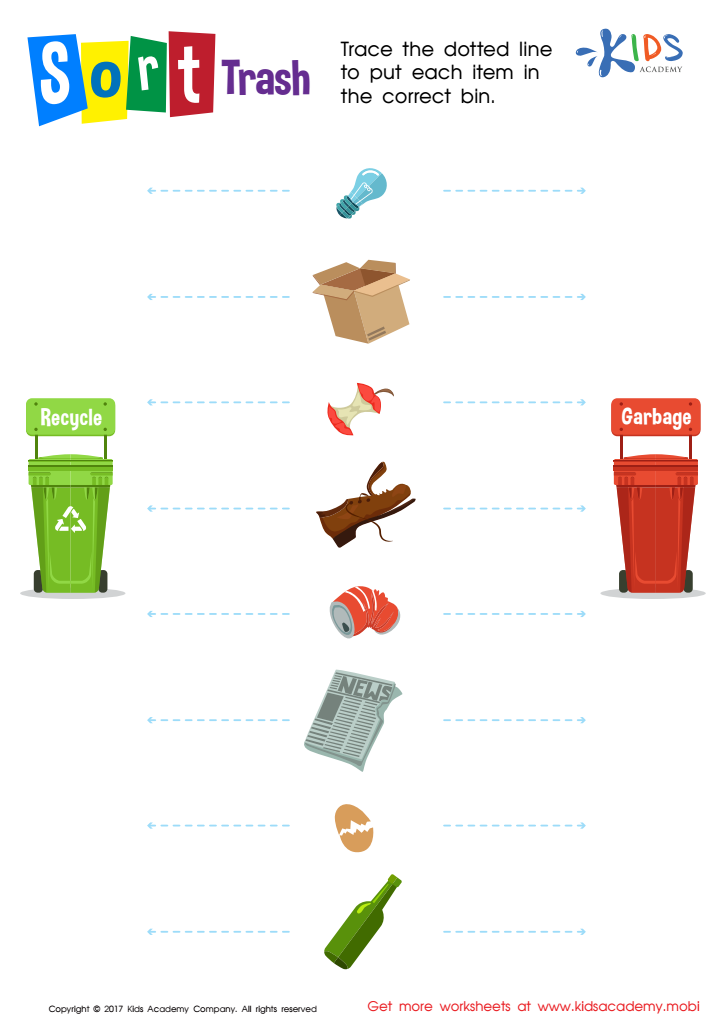
Trash Sorting Worksheet
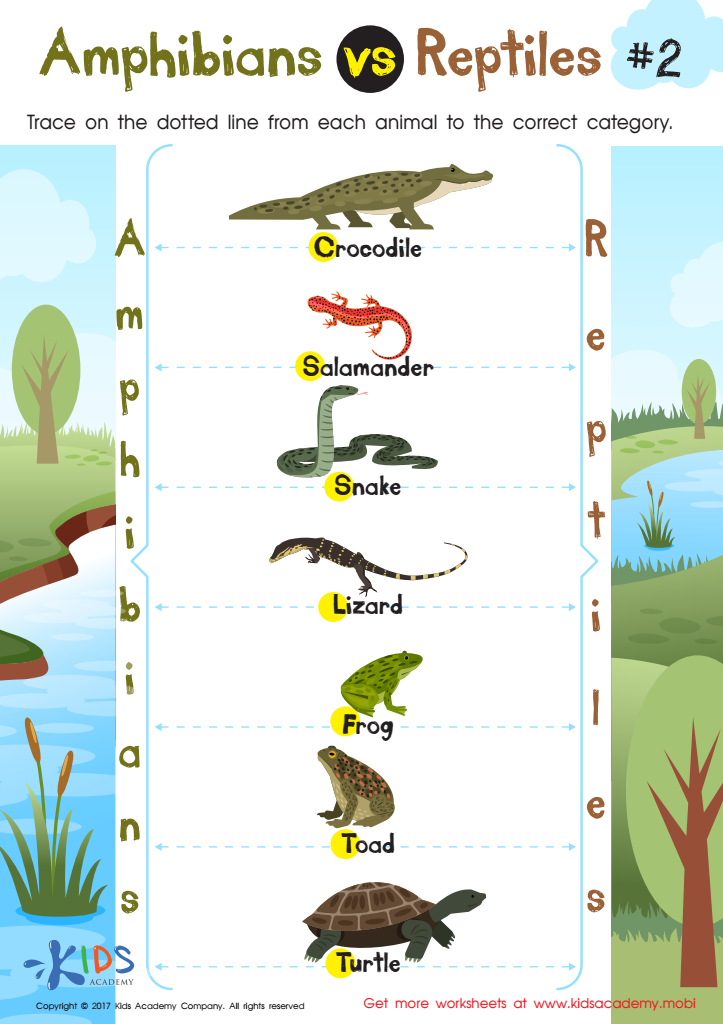
Amphibians vs Reptiles Worksheet for 3rd Grade
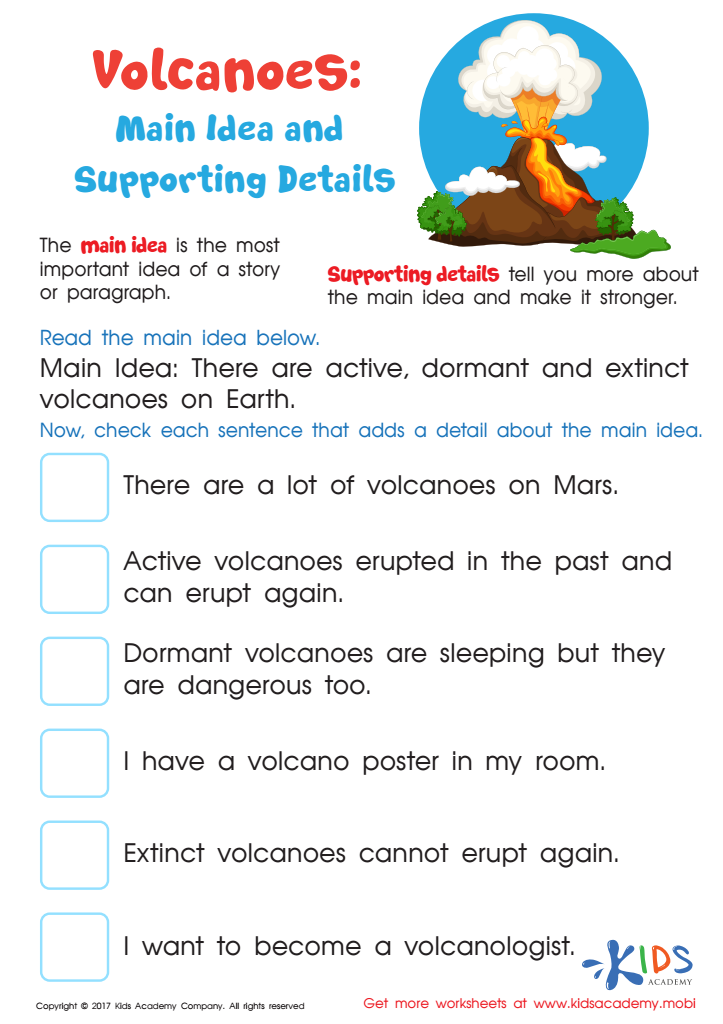
Volcano Facts Worksheet

Protecting Our Homes Worksheet
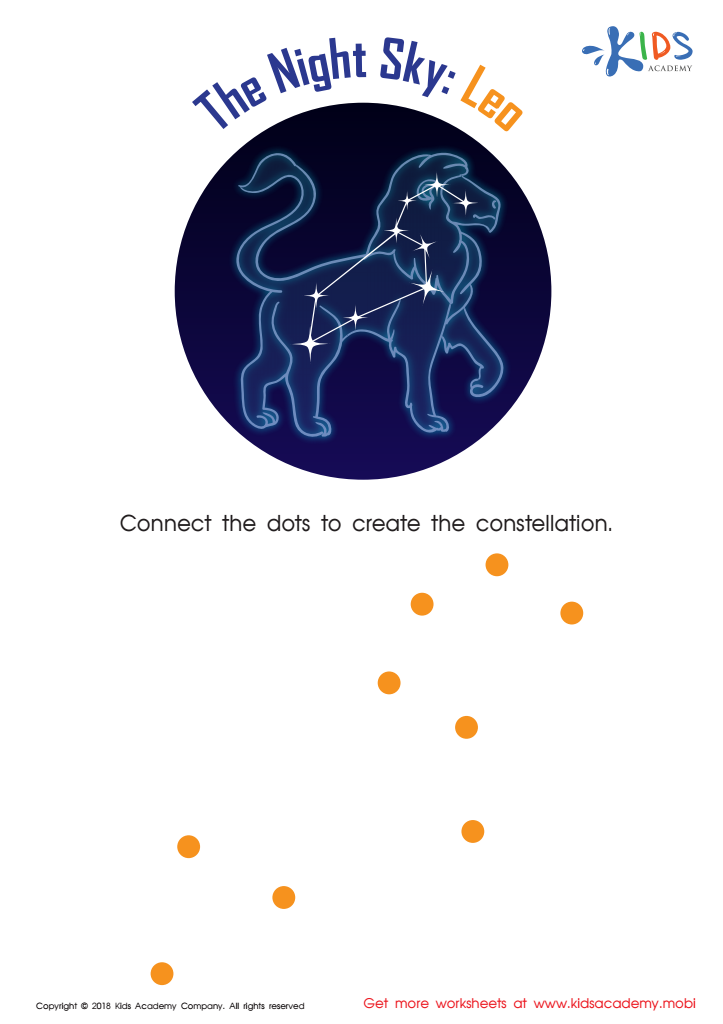
The Night Sky: Leo Worksheet
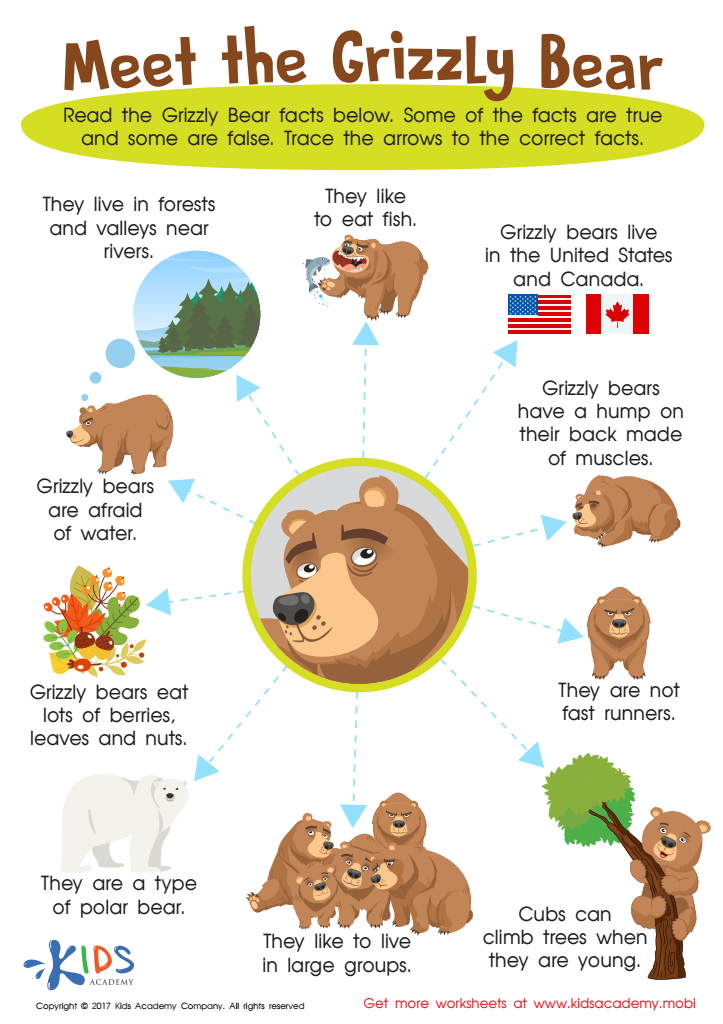
Grizzly Bear Facts Worksheet
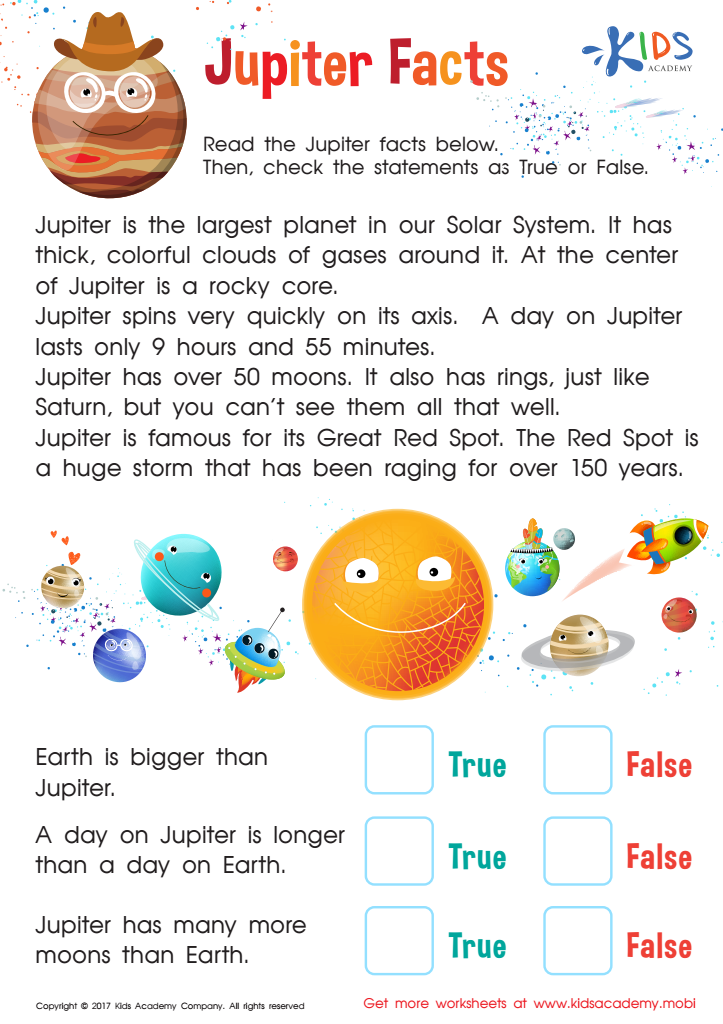
Jupiter Facts Worksheet
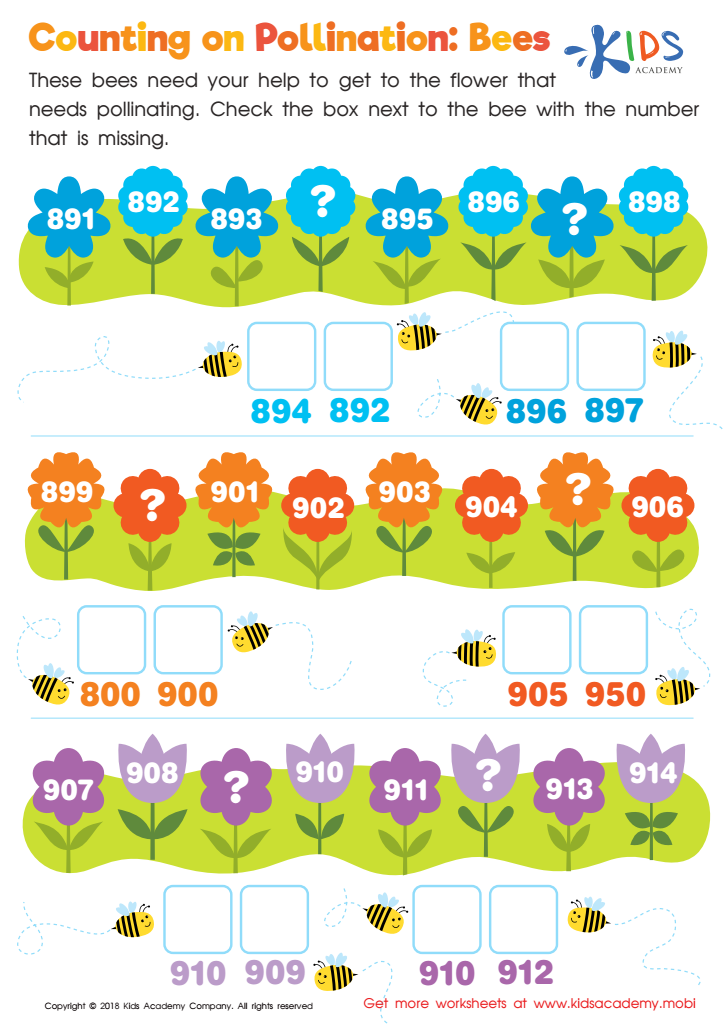
Counting on Pollination: Bees Worksheet
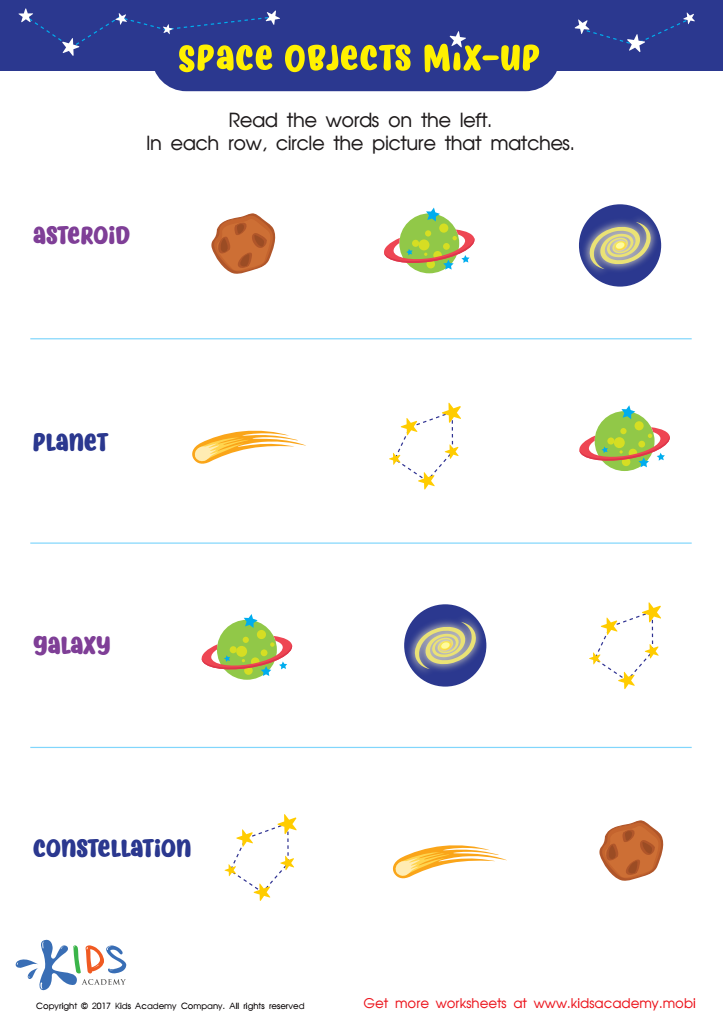
Science: Space Objects Worksheet
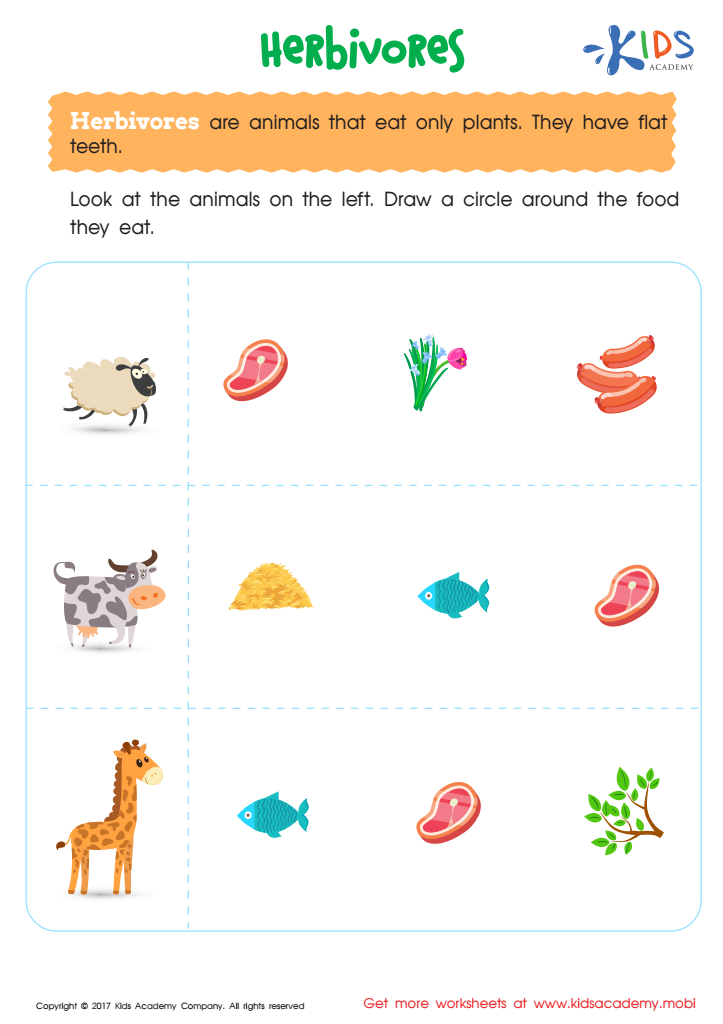
Herbivores Printable
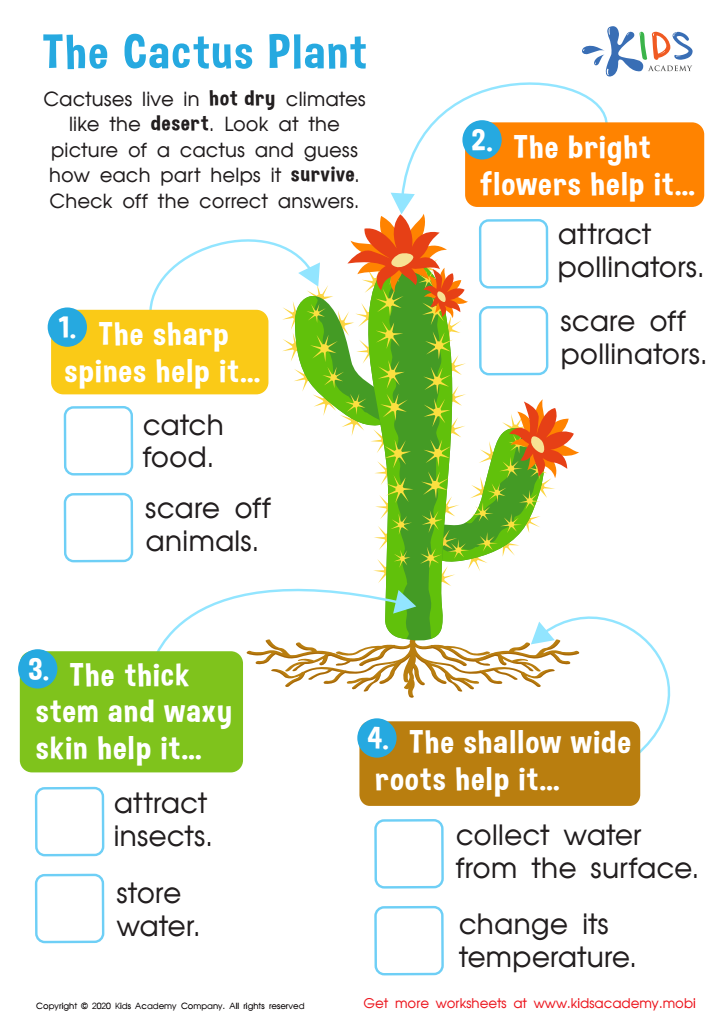
The Cactus Plant Worksheet
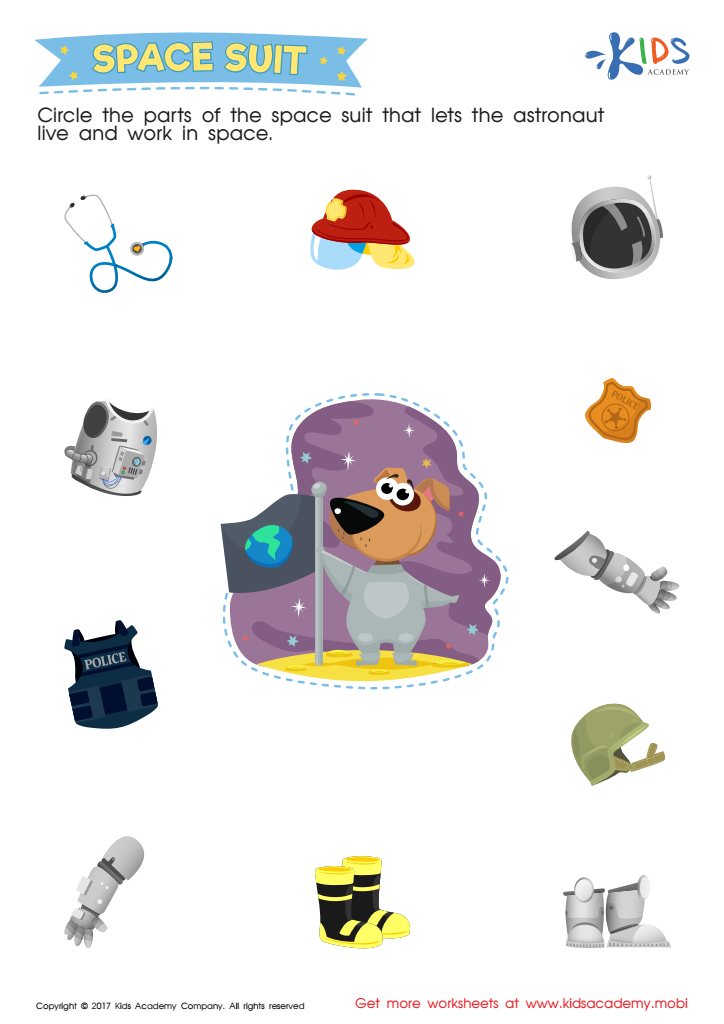
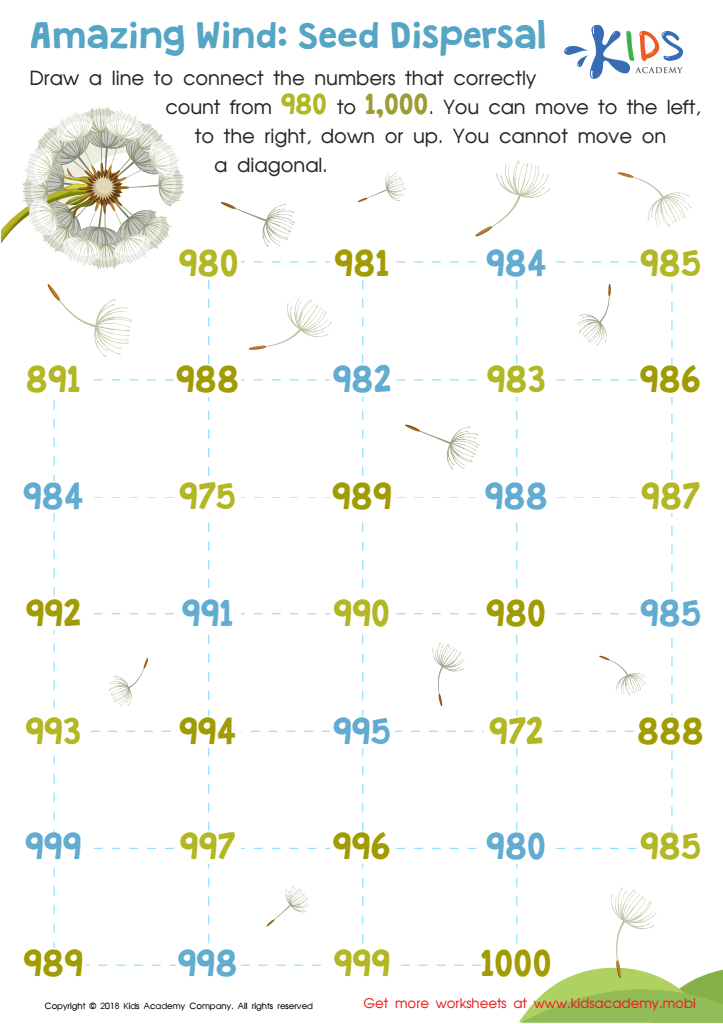
Amazing Wind: Seed Dispersal Worksheet
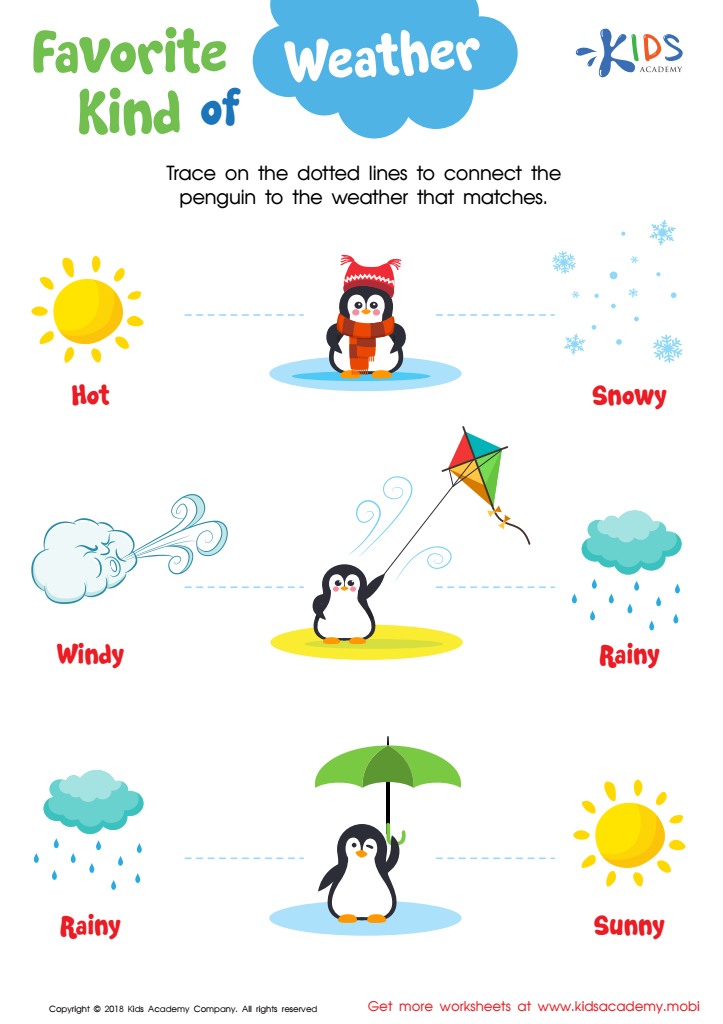
Favorite Kind of Weather Worksheet
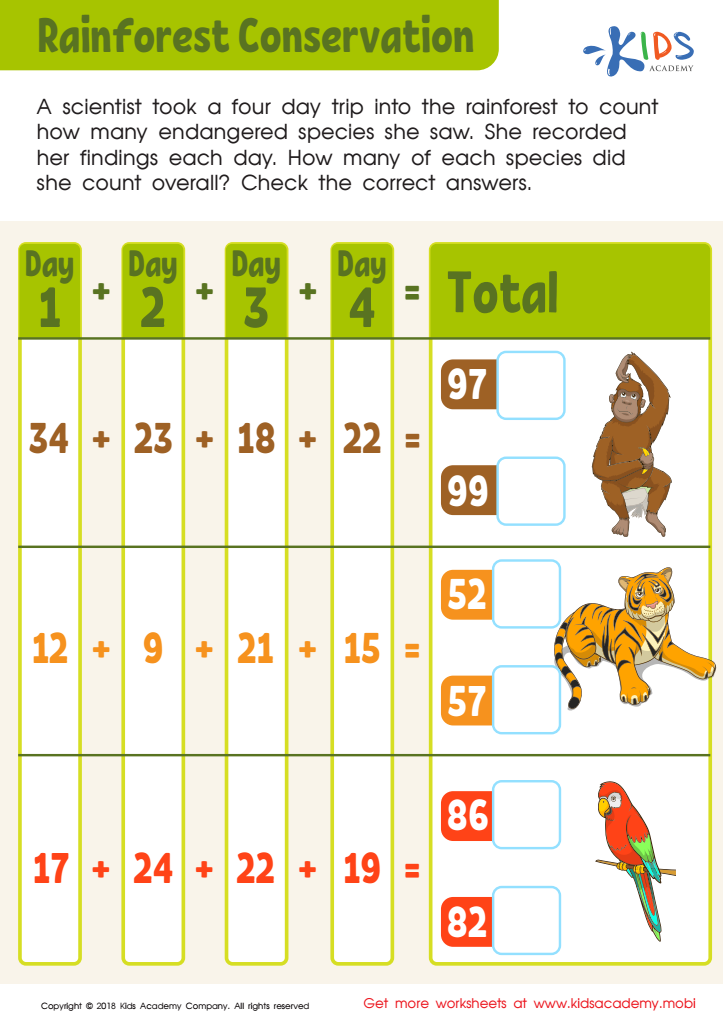
Rainforest Conservation Worksheet
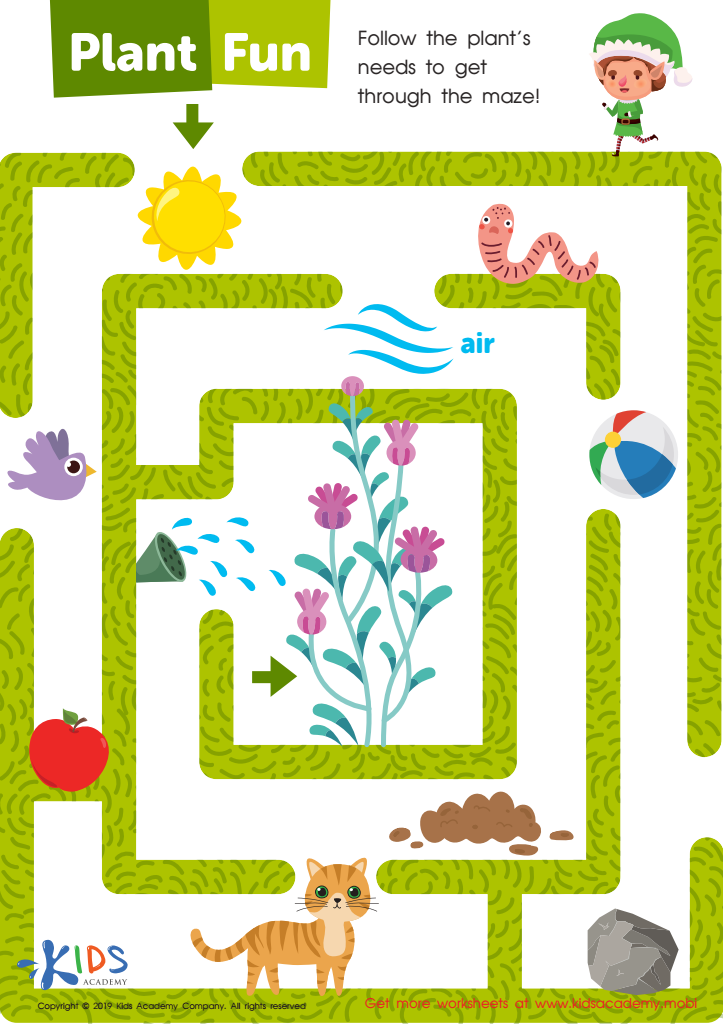
Plant Fun Worksheet





Reading comprehension in early childhood is fundamental for cognitive development and future academic success, especially in subjects such as science. For children aged 4-8, mastering reading comprehension lays the foundation for their understanding of scientific concepts and terminology. When children grasp stories or texts, they develop critical thinking skills, learn to make connections, and explore cause and effect, all of which are essential elements in scientific inquiry.
By incorporating reading comprehension into early science education, parents and teachers encourage curiosity and exploration. Engaging stories about scientific topics can help demystify complex ideas and make them accessible, prompting young learners to ask questions and seek answers. This interest in science can inspire a lifelong passion for learning.
Furthermore, reading comprehension skills bolster communication abilities, allowing children to articulate their thoughts, hypotheses, and conclusions effectively. When children learn to understand and interpret reading material, it prepares them for collaborative work and enhances their engagement in hands-on activities.
Ultimately, fostering reading comprehension from an early age ensures that students are not only literate but also equipped with the tools to navigate and understand the scientific world around them. Educators and parents play a crucial role in this development, setting the stage for future success in both academic and real-world scenarios.







