Vocabulary enhancement Normal Plants and Animals Worksheets for Ages 4-8
16 filtered results
-
From - To
Boost your child's vocabulary and enhance their understanding of nature with our engaging "Vocabulary Enhancement: Normal Plants and Animals Worksheets" tailored for ages 4-8. These educational resources from Kids Academy are designed to make learning about the natural world fun and interactive. The worksheets cover a variety of topics, including common plants and animals, their habitats, and key characteristics. By combining illustrations, activities, and age-appropriate language, these worksheets not only aid in vocabulary building but also lay a strong foundation for future scientific learning. Start exploring and watching your young learners blossom today!
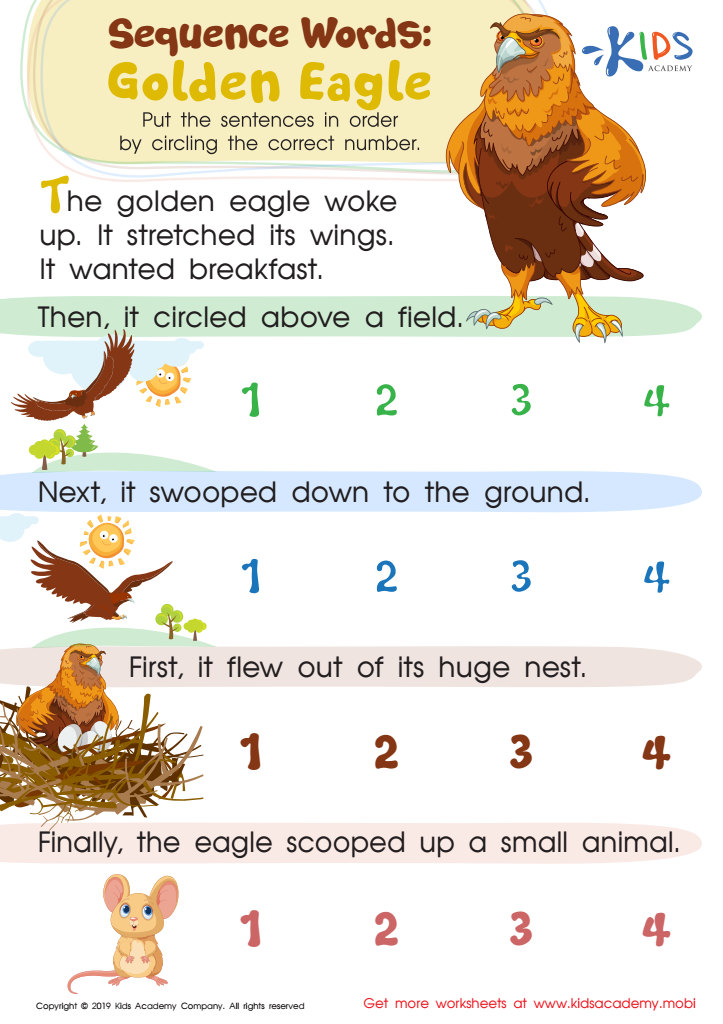
Sequence Word Eagle Worksheet
 Assign to My Students
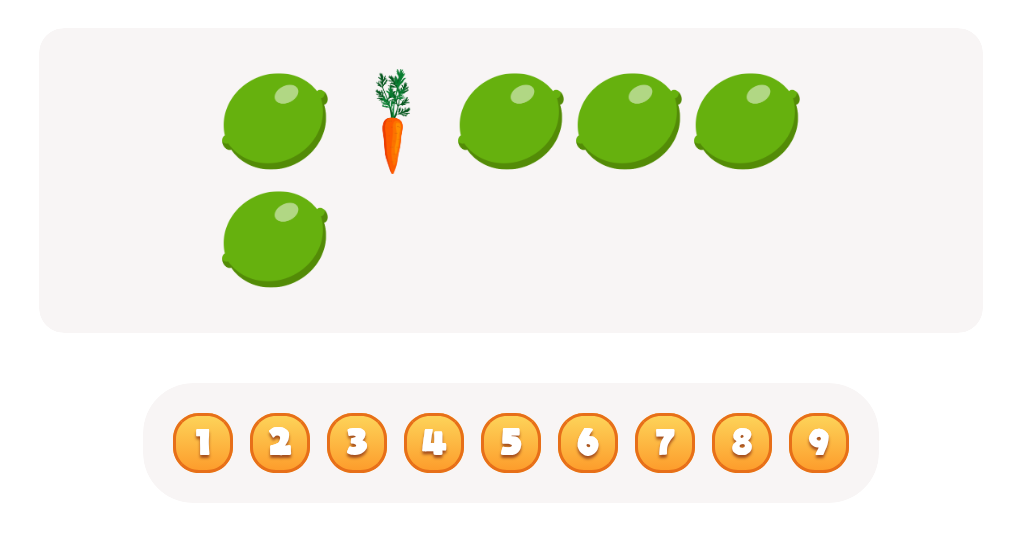

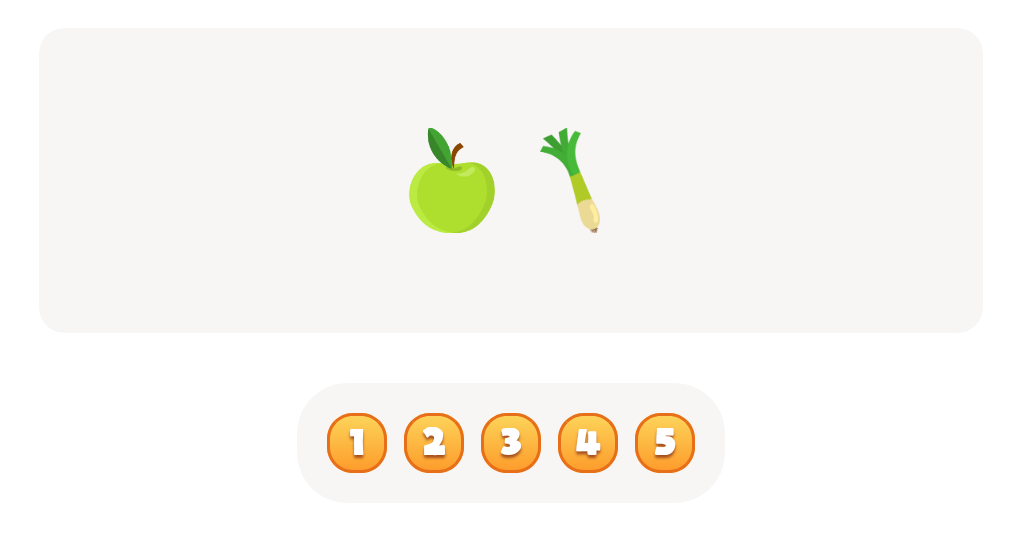
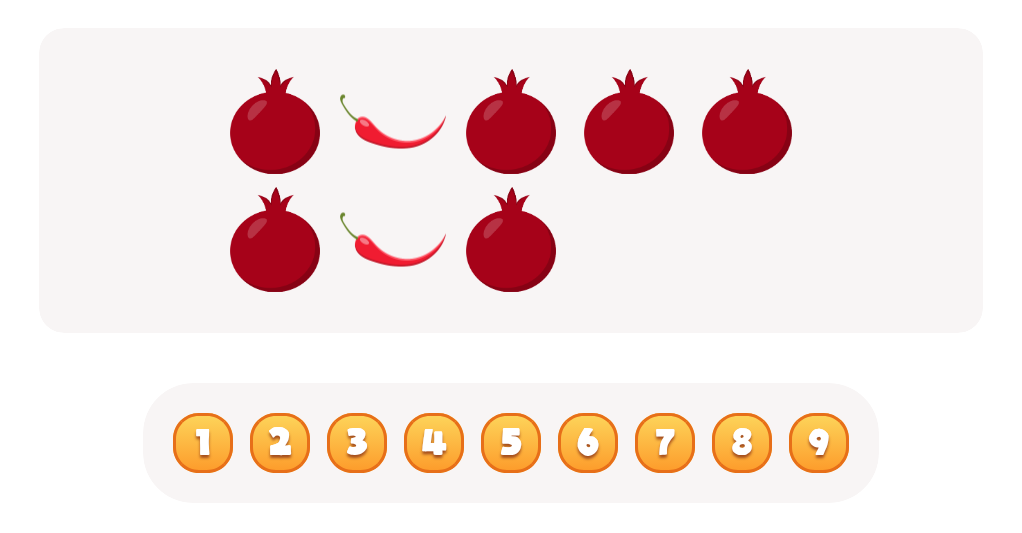
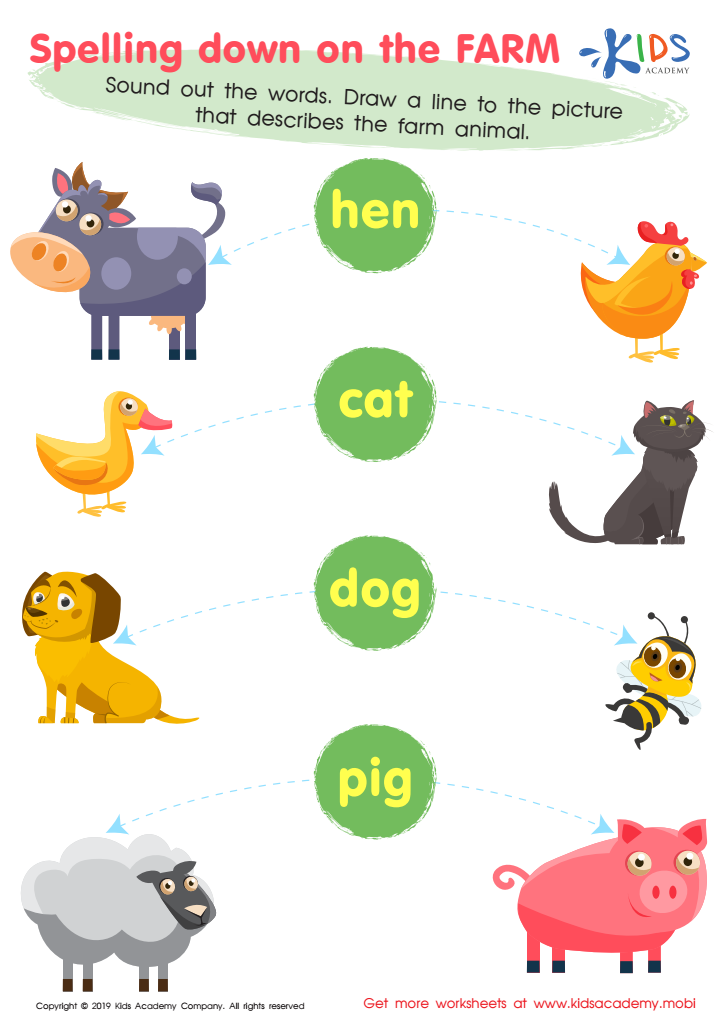
Spelling Down on the Farm Worksheet
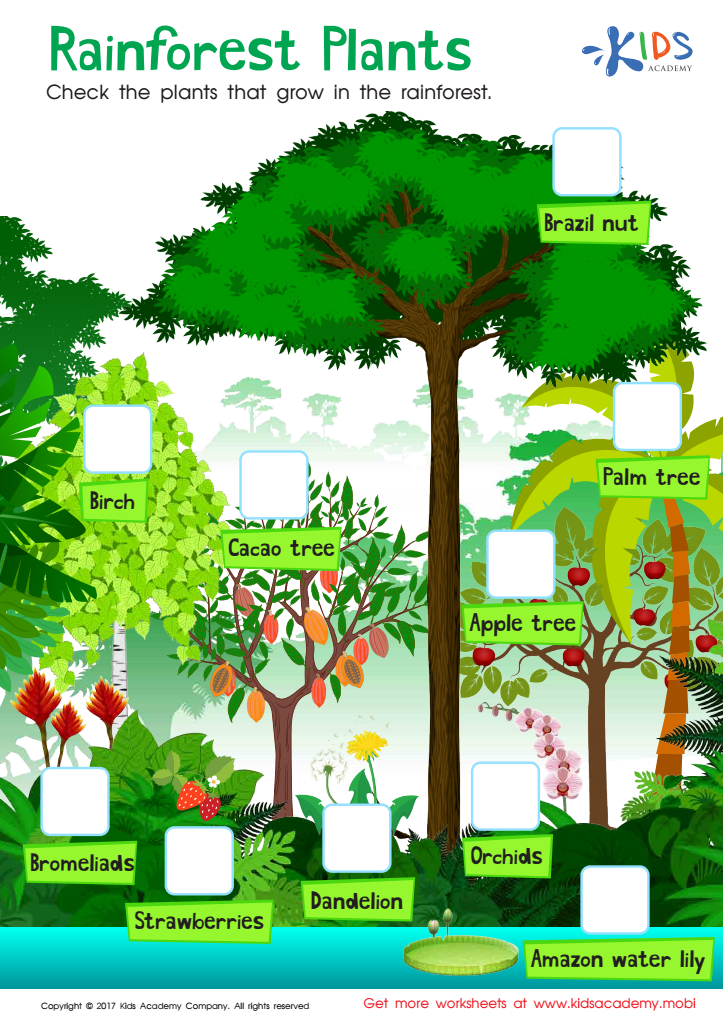
Rainforest Plants Worksheet
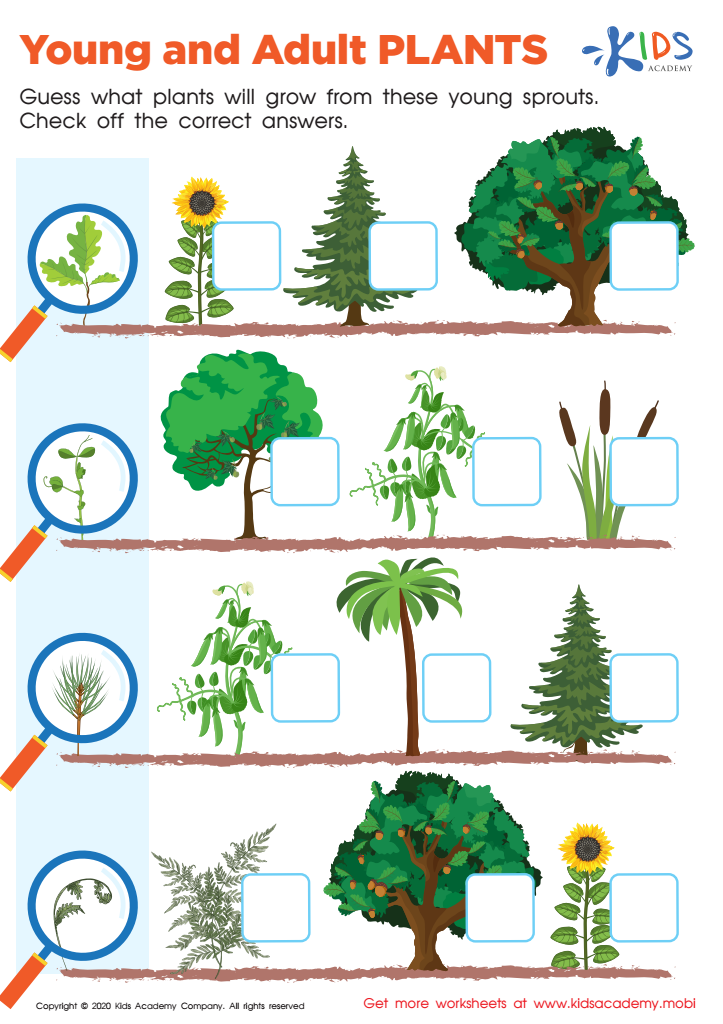
Young and Adult Plants Worksheet
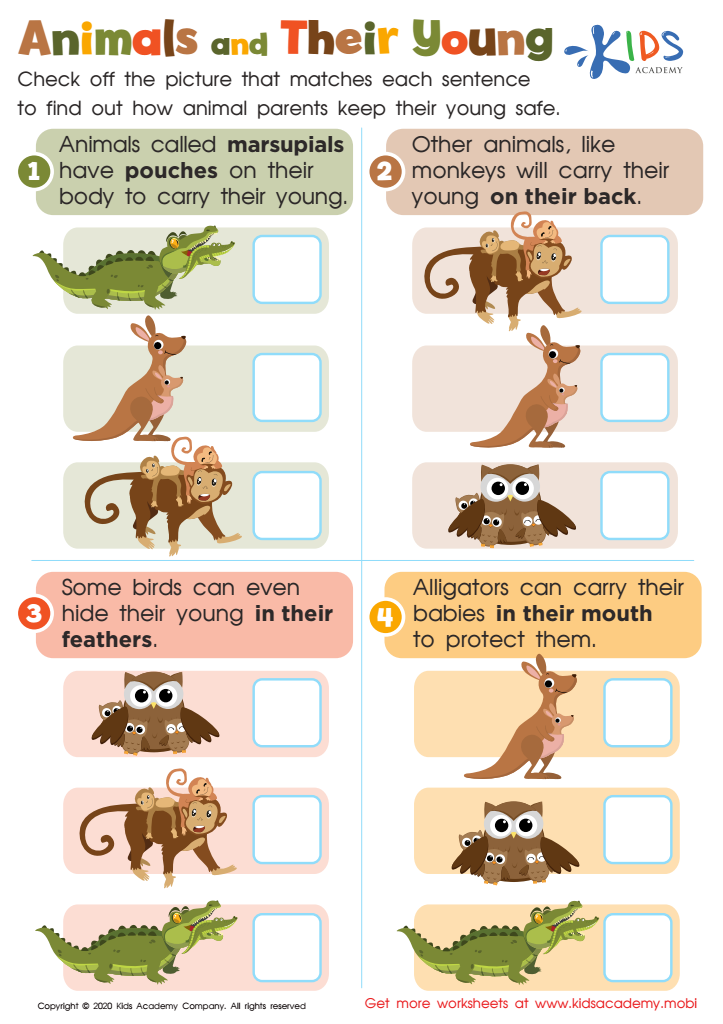
Animals and Their Young Worksheet
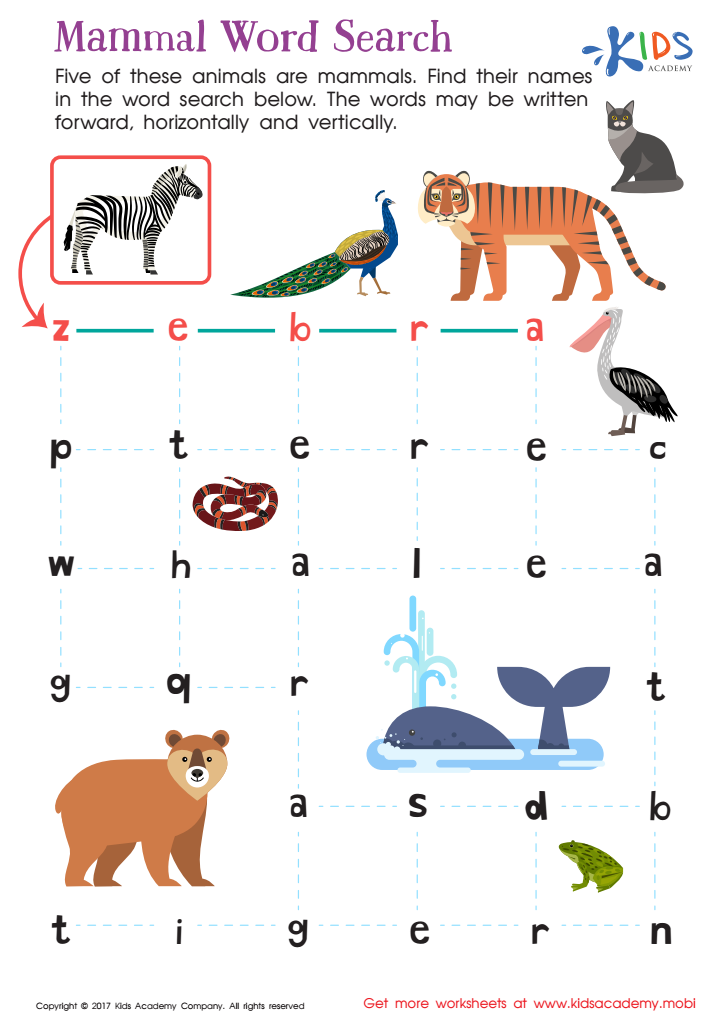
Printable Mammal Word Search
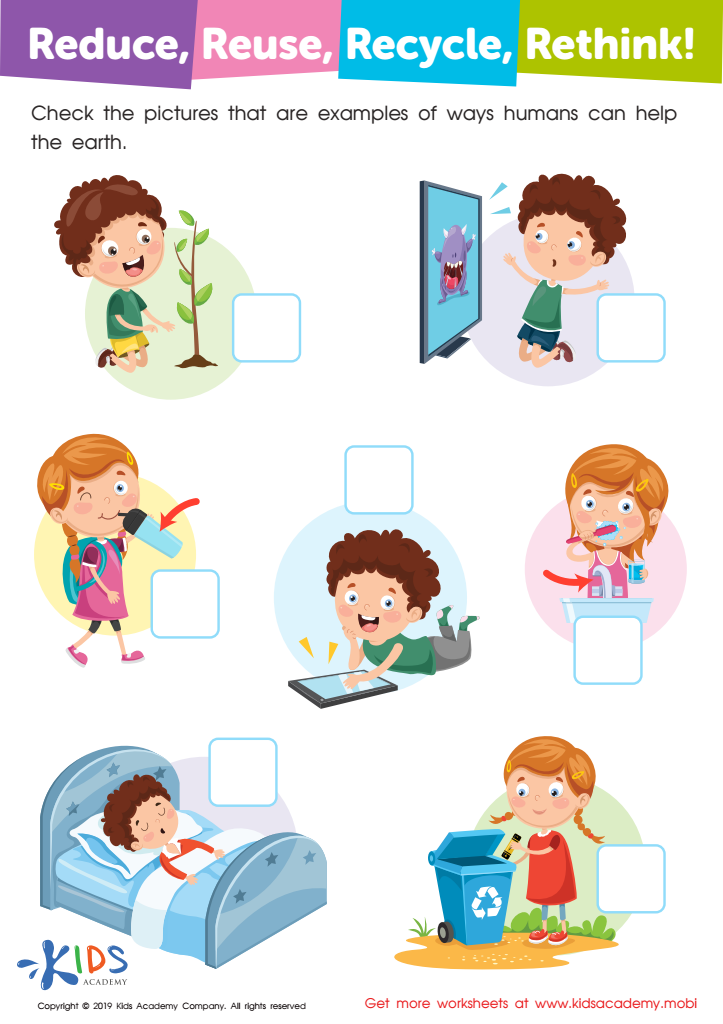
Reduce, Reuse, Recycle, Rethink Worksheet
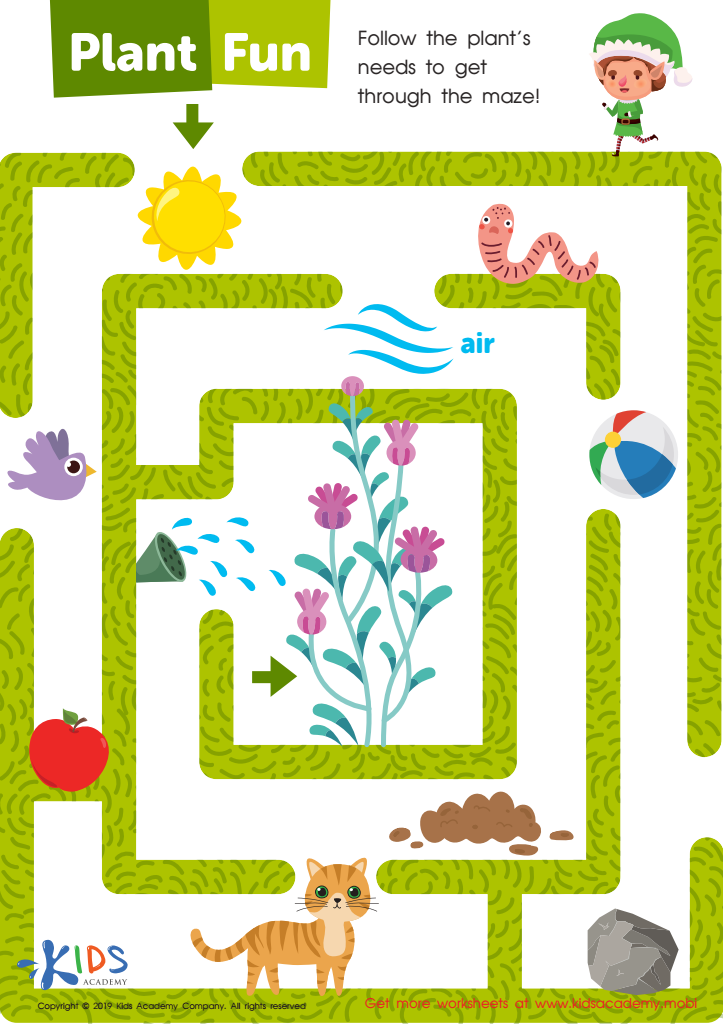
Plant Fun Worksheet
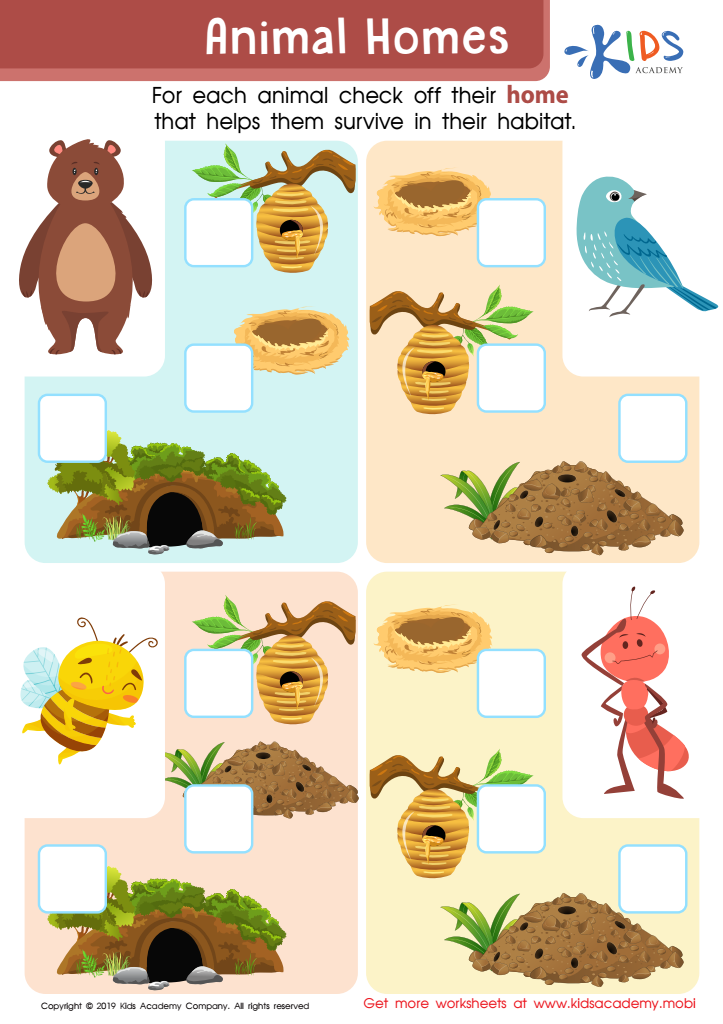
Animal Homes Worksheet
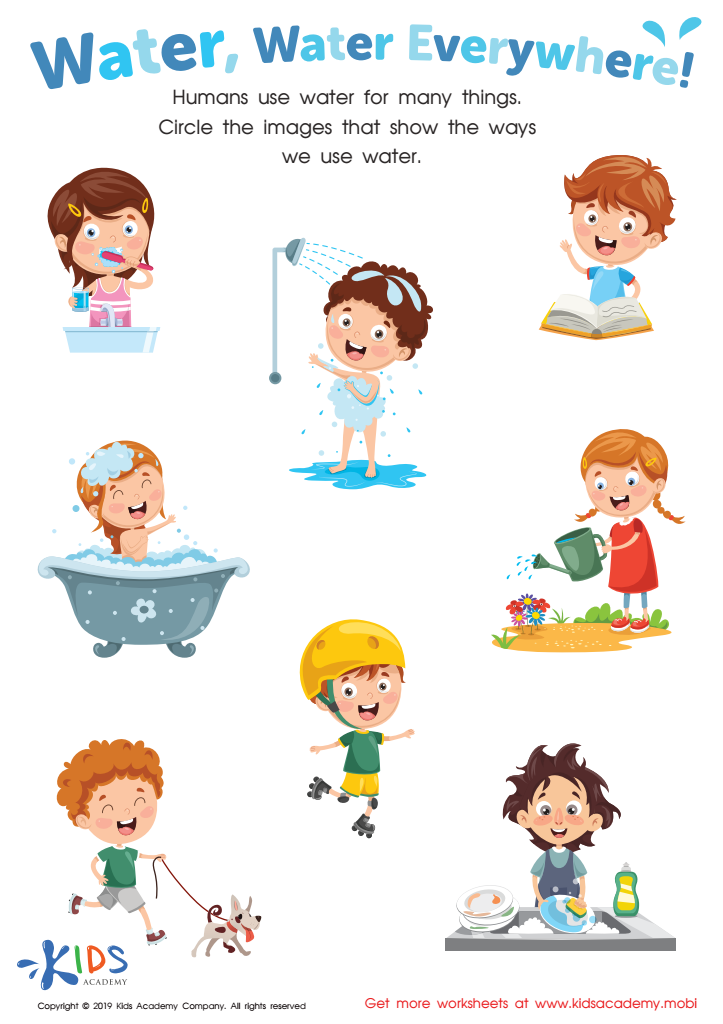
Water, Water Everywhere! Worksheet
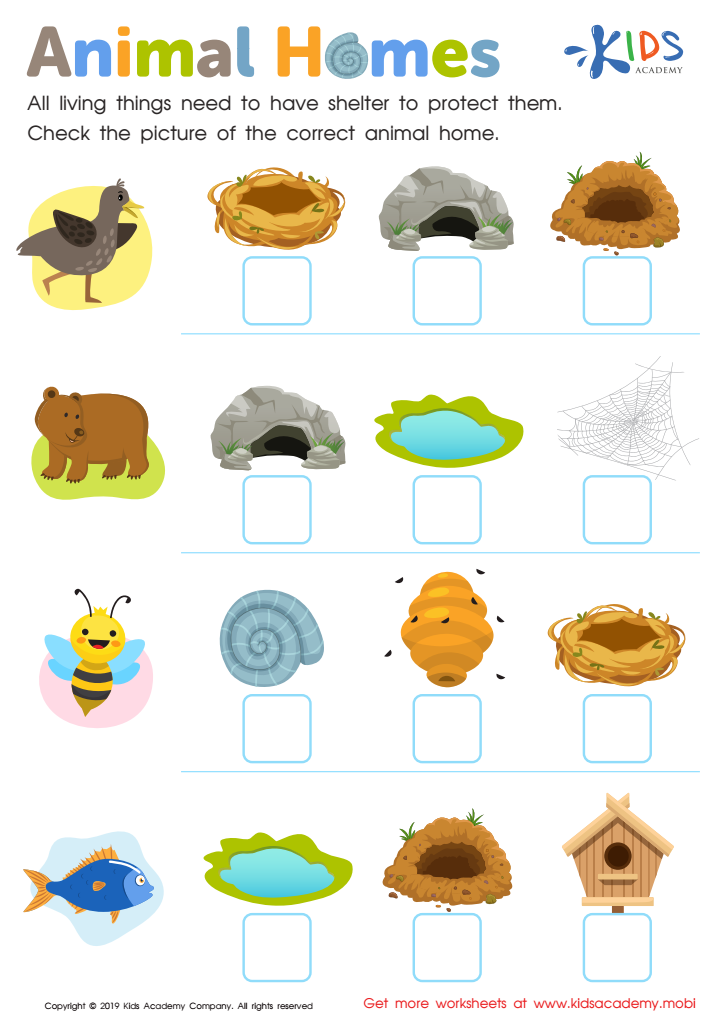
Animal Homes Worksheet
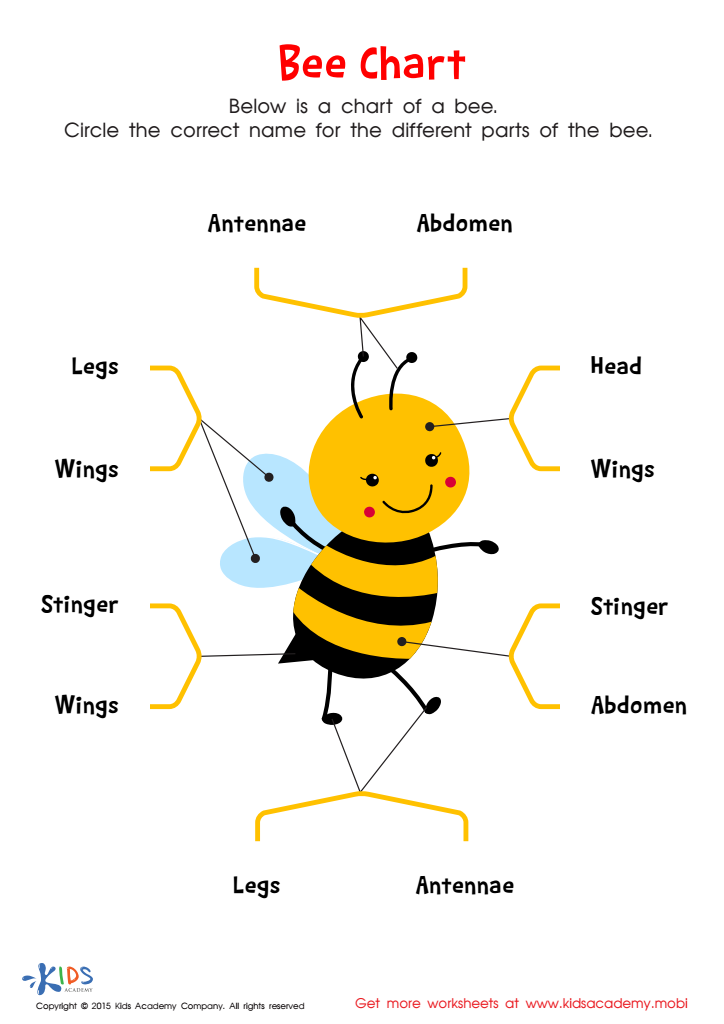
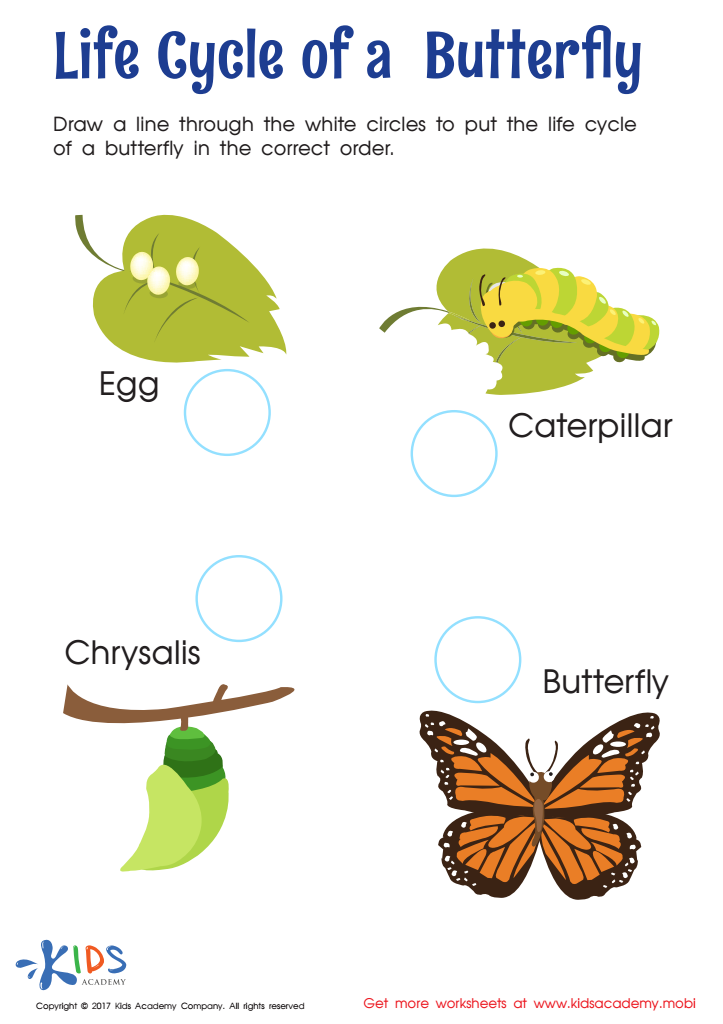
Life Cycle of Butterfly Worksheet
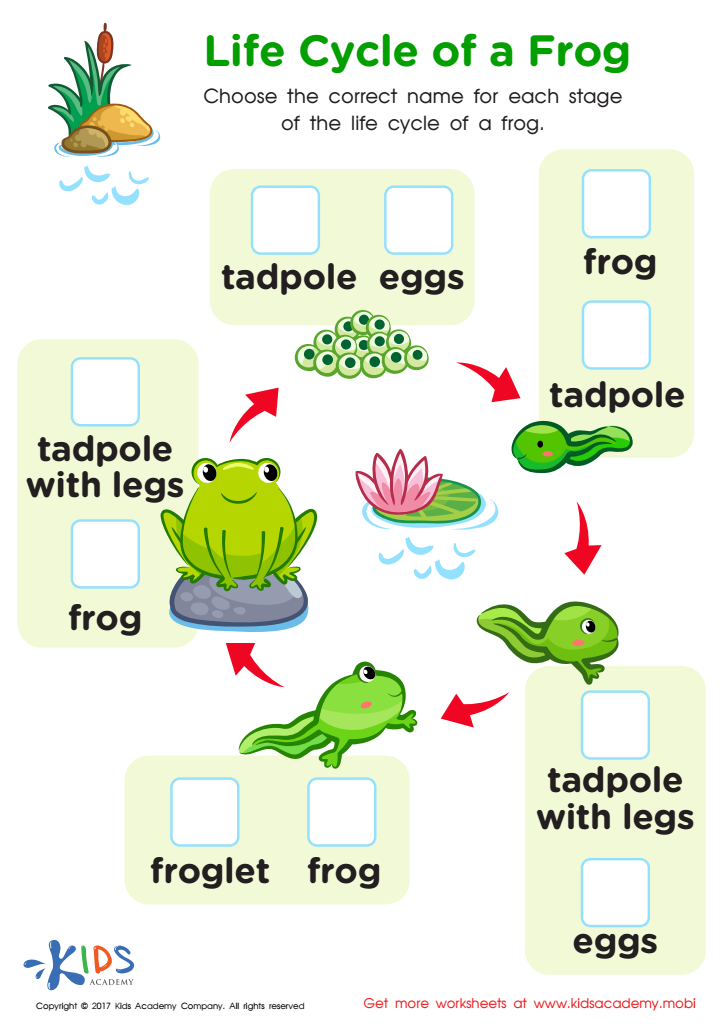
Life Cycle Frog Printable
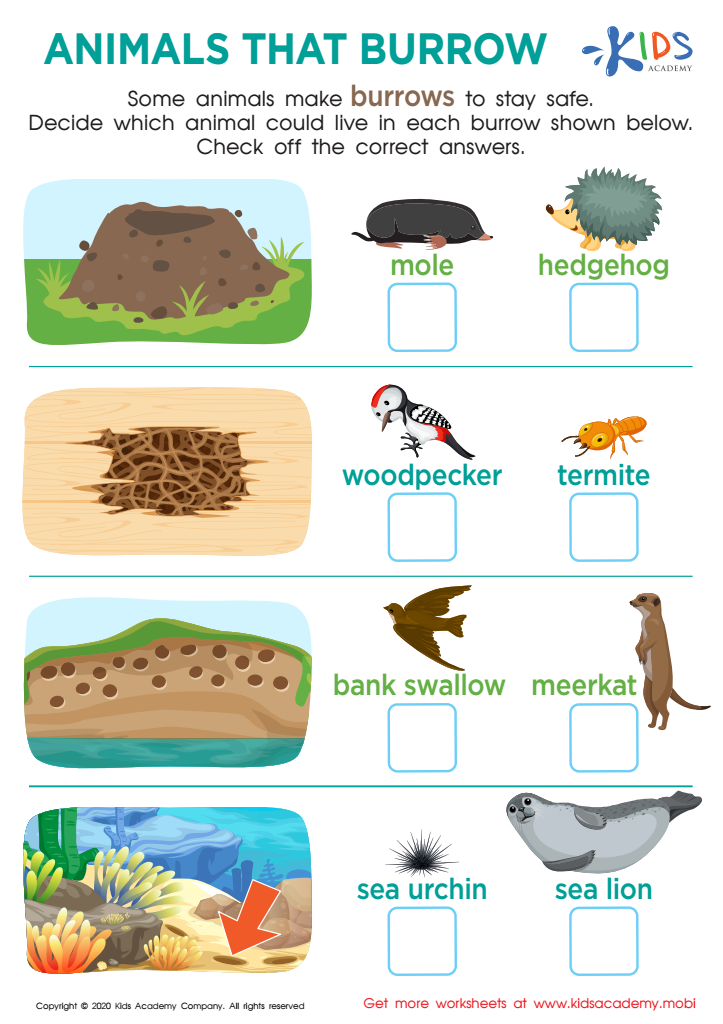
Animals That Burrow Worksheet







Enhancing vocabulary related to normal plants and animals for children aged 4-8 is crucial for several reasons. Firstly, this age group is in a critical period for language development. Exposure to new words about nature not only expands their vocabulary but also boosts cognitive skills, like memory and reasoning. When children understand terms like “oak tree,” “butterfly,” or “sunflower,” they engage more meaningfully with the world around them.
Secondly, a strong vocabulary in this area promotes curiosity and a love for nature. Children who learn words related to plants and animals are more inclined to notice, explore, and ask questions about their environment. This fosters a sense of wonder and encourages lifelong learning and environmental stewardship.
Thirdly, discussing plants and animals enhances interdisciplinary learning. For instance, children can develop early scientific skills, such as observation and classification, and math skills by counting petals or understanding life cycles. It integrates with reading, as many children’s books involve narratives about animals or adventures in nature, making stories more relatable and vivid.
Finally, vocabulary growth in this domain supports social and emotional development. Conversations about shared experiences in nature, like family trips to the park, enhance communication skills and strengthen bonds. Knowing more words helps children express their thoughts and emotions better, fostering empathy and understanding.
Overall, a rich vocabulary concerning plants and animals forms the foundation for academic success, environmental consciousness, and emotional well-being.







