Vocabulary expansion Normal Plants and Animals Worksheets for Ages 4-8
9 filtered results
-
From - To
Discover our engaging "Vocabulary Expansion: Normal Plants and Animals Worksheets" designed specifically for children aged 4-8. These interactive worksheets introduce young learners to essential vocabulary related to the natural world, enhancing their understanding of plants and animals. Each activity is crafted to stimulate curiosity and foster a love for nature while promoting language development. Kids can explore various species, their habitats, and unique characteristics through fun exercises that encourage critical thinking and creativity. Perfect for classrooms or at-home learning, our worksheets provide a delightful way for young minds to expand their vocabulary and knowledge about the amazing environment around them!
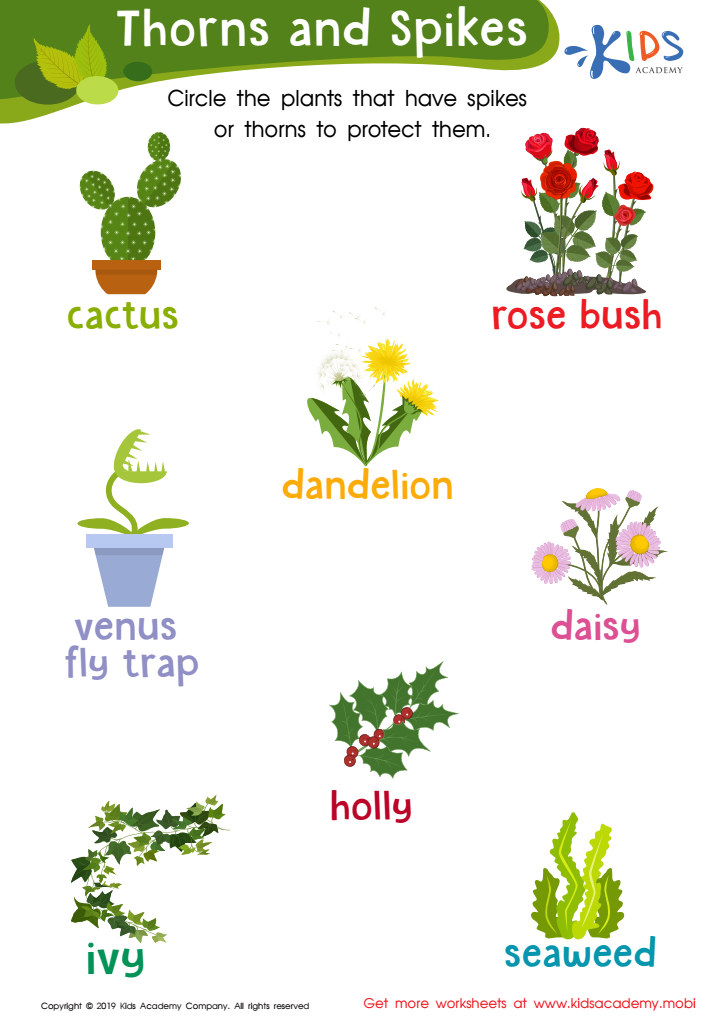
Thorns and Spikes Worksheet
 Assign to My Students











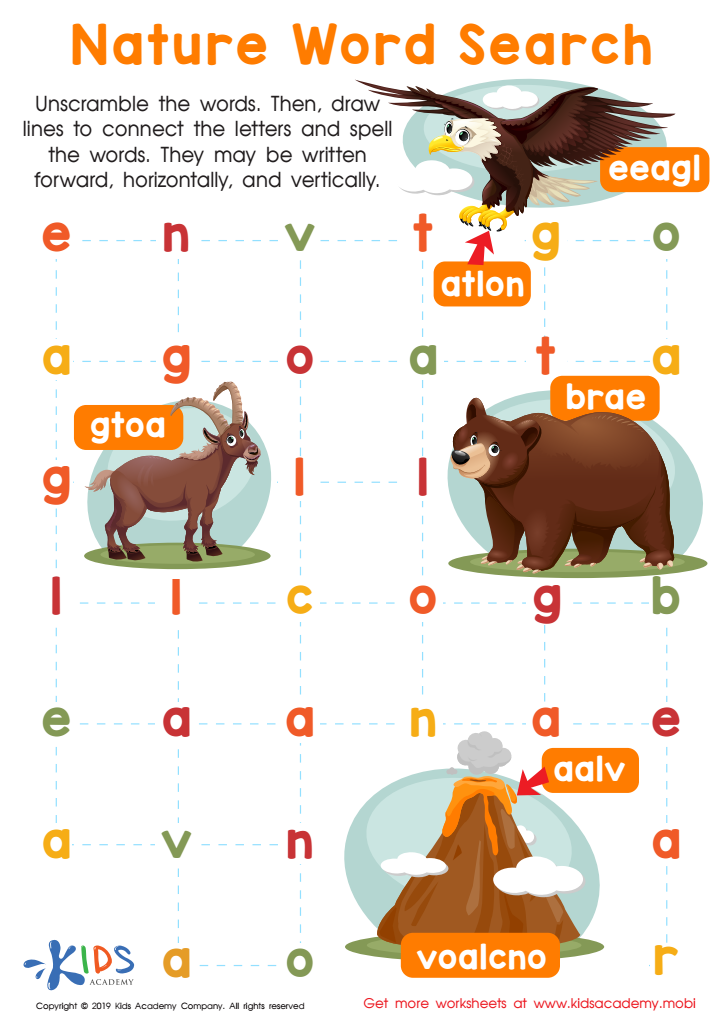
Nature Word Search Worksheet
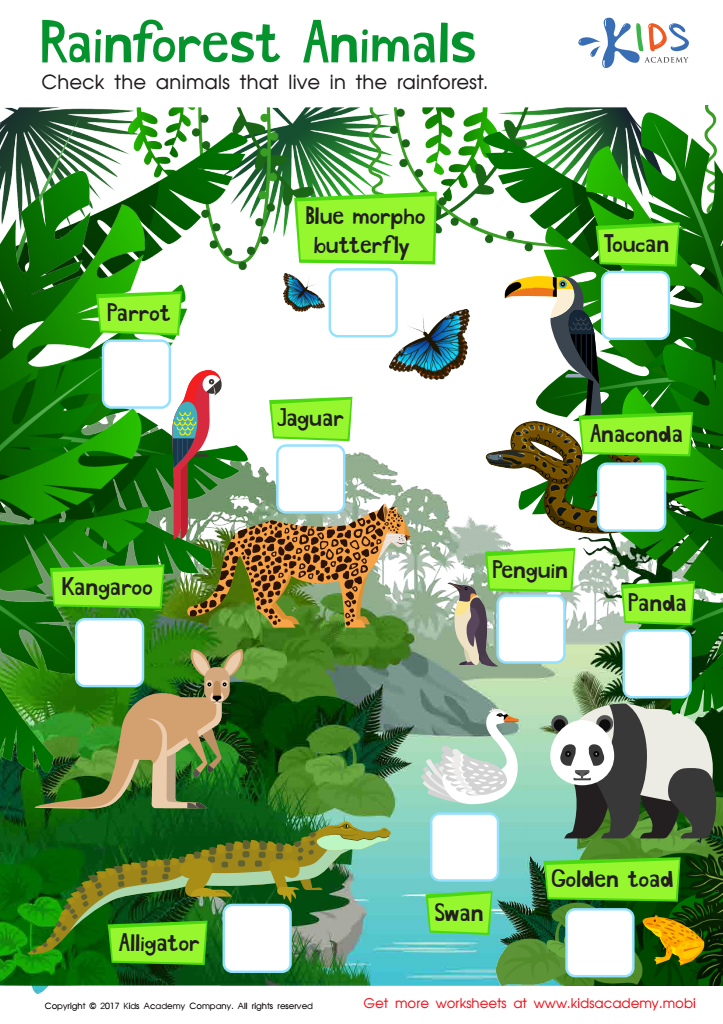
Rainforest Animals Worksheet
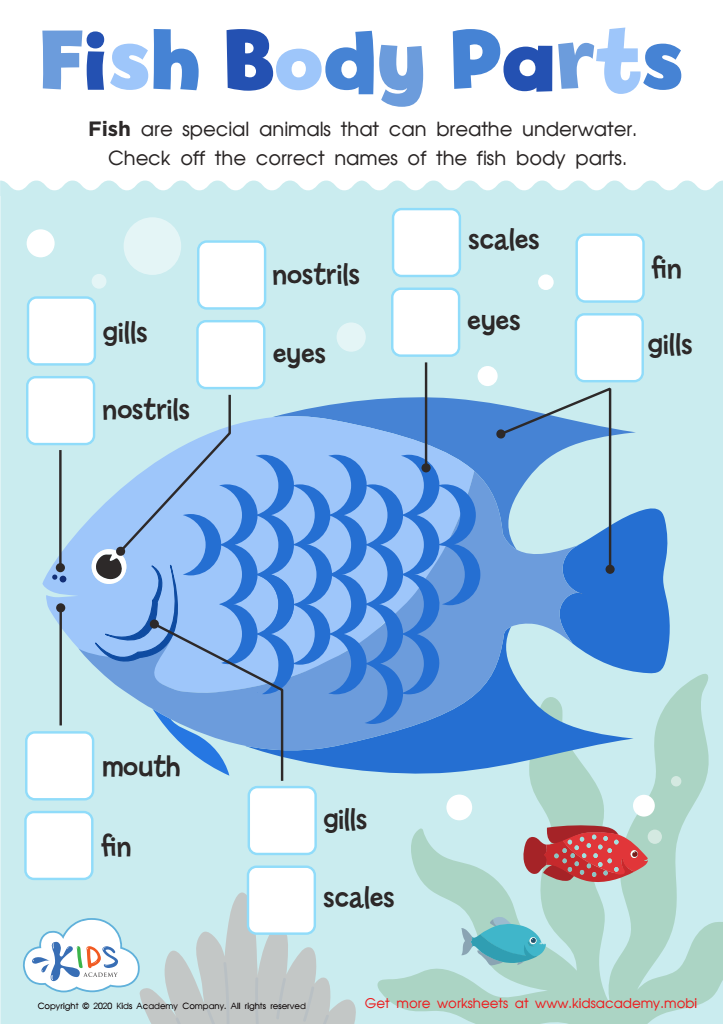
Fish Body Parts Worksheet
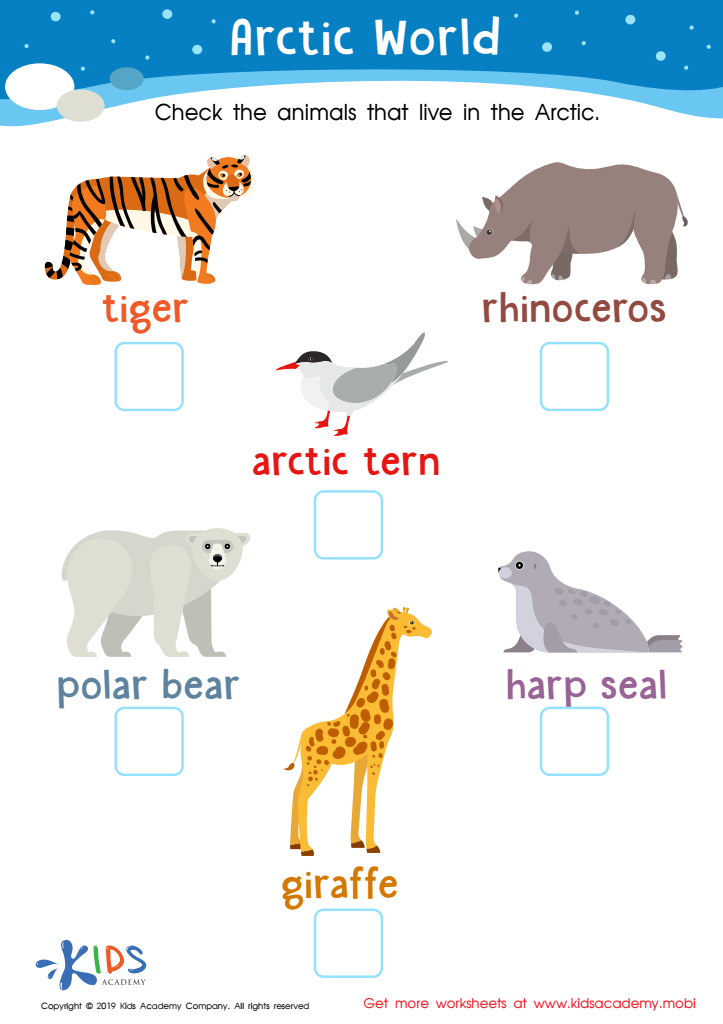
Arctic World Worksheet
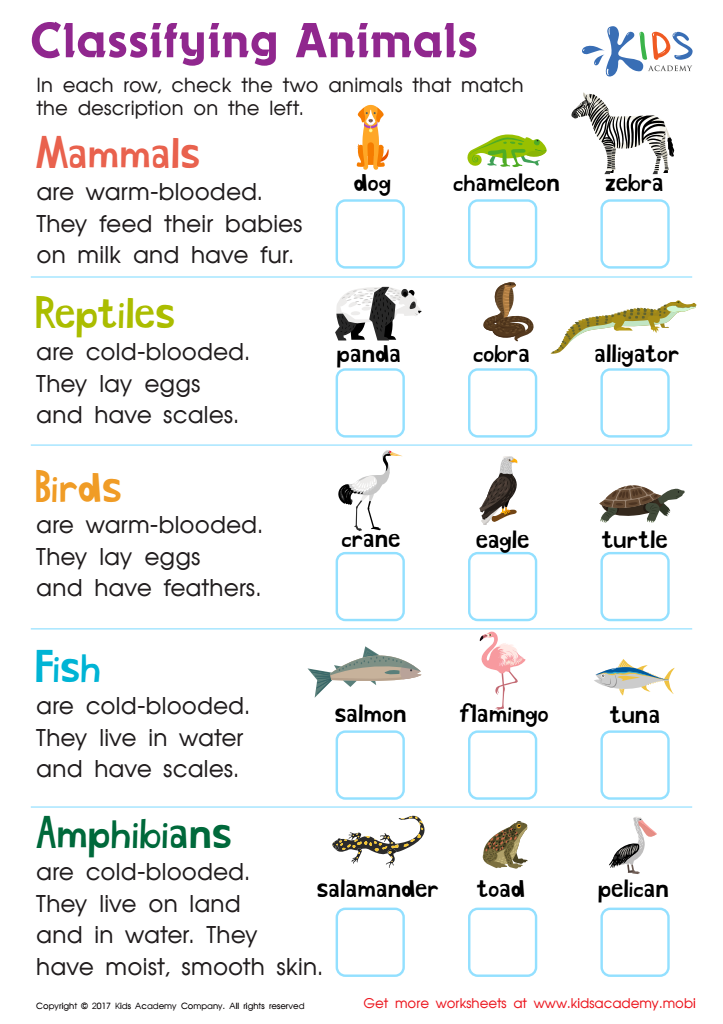
Classifying Animals Worksheet
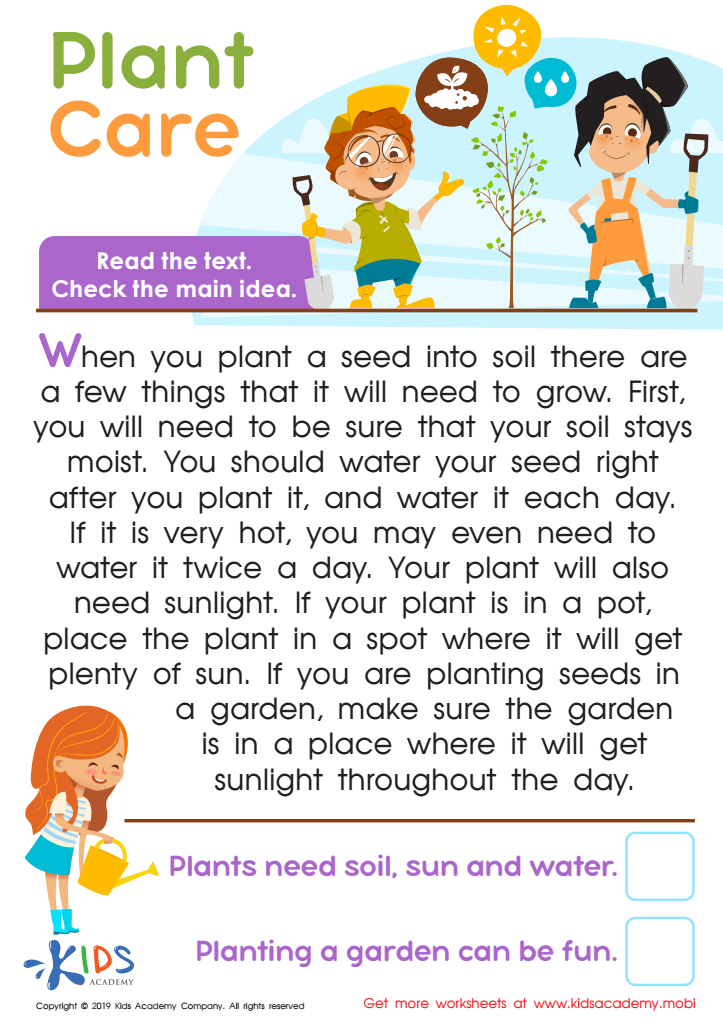
Plant Care Worksheet
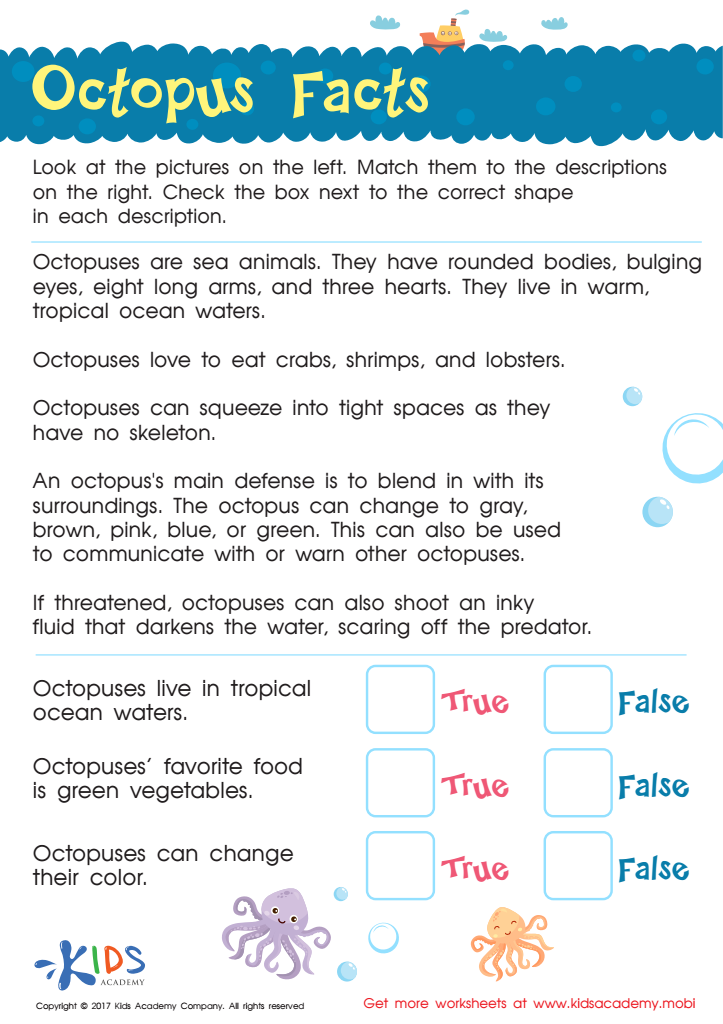
Octopus Facts Worksheet For Kids
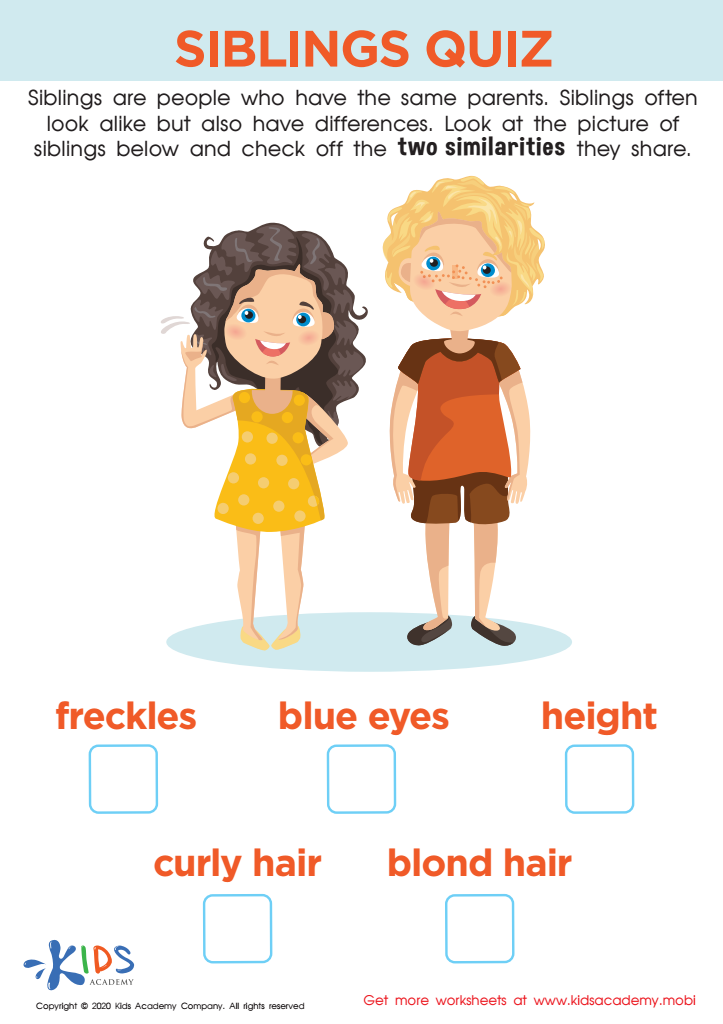
Siblings Quiz Worksheet








Vocabulary expansion in young children, particularly around topics like normal plants and animals, is crucial for their cognitive and linguistic development. For ages 4-8, children are naturally curious about the world around them, making this an ideal time to introduce them to specific vocabulary that enhances their understanding and appreciation of nature.
Teaching children vocabulary related to plants and animals fosters their ability to communicate more effectively. It helps them express their observations and feelings about nature, which can enhance their emotional development and confidence in sharing ideas. Additionally, a rich vocabulary supports literacy skills, as children learn to read and write about various topics, providing a strong foundation for future academic success.
Furthermore, understanding the vocabulary of plants and animals cultivates a sense of environmental stewardship. When children can name and describe the flora and fauna around them, they develop connections to their ecosystems, nurturing a lifelong interest in nature and science. This awareness can lead to a more profound appreciation and dedication to conservation efforts as they grow.
In summary, expanding vocabulary in young learners not only supports their linguistic skills but also enriches their understanding of and engagement with the natural world, setting the stage for informed, conscientious future citizens.







