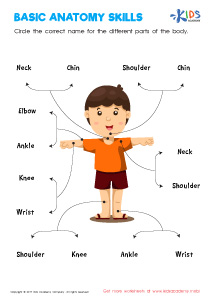
Vocabulary Building Normal World Around Us Worksheets for Ages 4-8
3 filtered results
Difficulty Level
Grade
Age
-
From - To
Subject
Activity
Standards
Introducing our "Vocabulary Building: Normal World Around Us Worksheets" tailored for ages 4-8. These engaging resources aim to nurture young learners' language skills, focusing on everyday surroundings. Vibrant and interactive, these worksheets help children identify and describe common objects, expanding their vocabulary effortlessly. Perfect for classroom and home use, each activity is designed to make learning enjoyable while boosting comprehension and communication abilities. Embrace the wonders of the ordinary world with our expertly crafted materials, ensuring a solid linguistic foundation. Enhance your child’s language journey today with "Vocabulary Building: Normal World Around Us Worksheets"!
Favorites
With answer key
Interactive
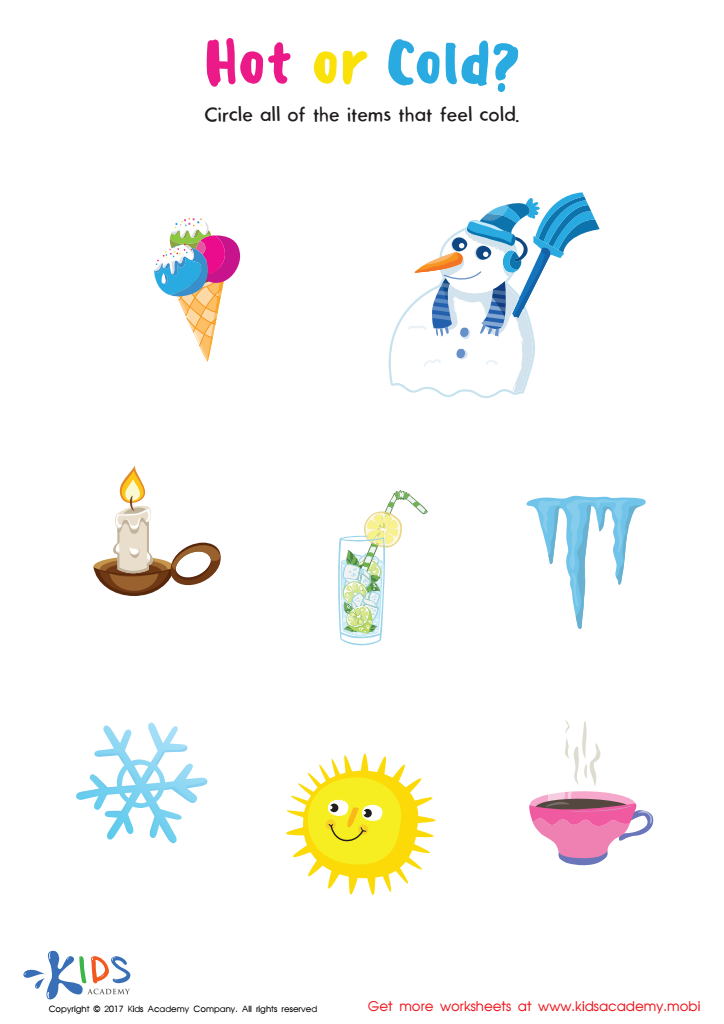
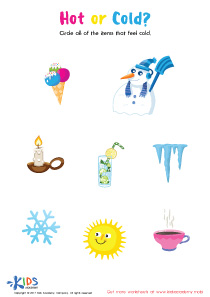
Hot or Cold Printable
Help your child stay safe with this hot or cold worksheet! It promotes problem solving skills and teaches the important concept of temperature differences. Plus, it’s fun! Get your child to learn by playing.
 Assign to My Students
Hot or Cold Printable
Worksheet
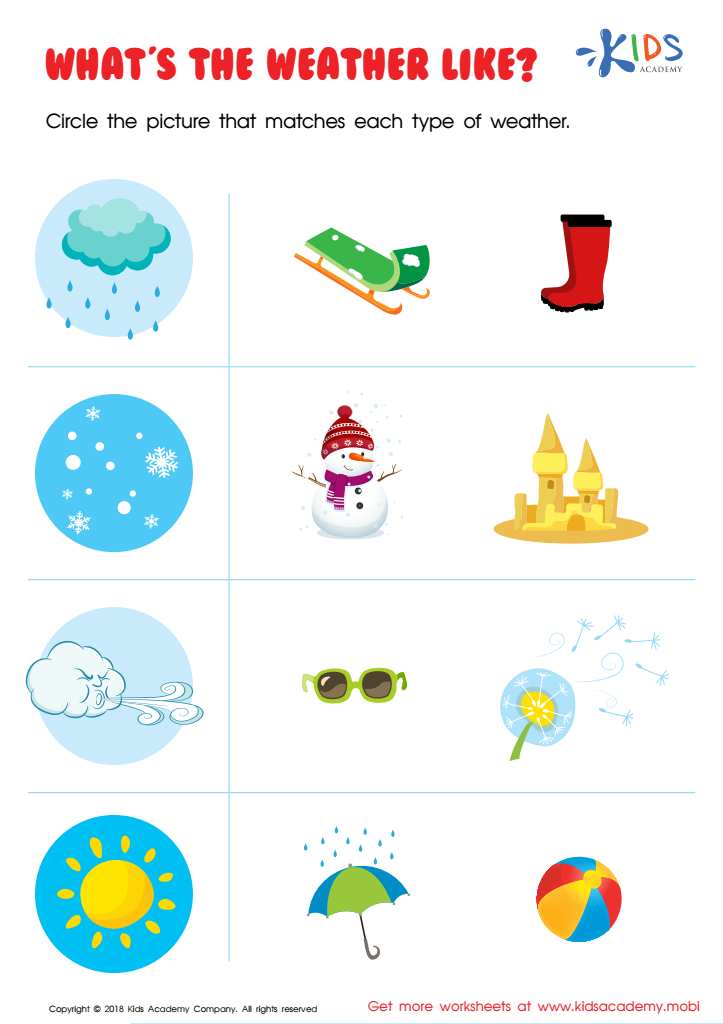
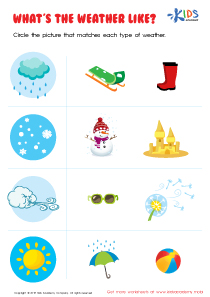
What's the Weather Like? Worksheet
Help budding meteorologists practice matching weather to seasons with this PDF worksheet. Picture clues help identify seasons and fine motor skills are practiced circling the correct weather patterns. Bright and engaging characters make learning fun and reinforce weather knowledge.
What's the Weather Like? Worksheet
Worksheet
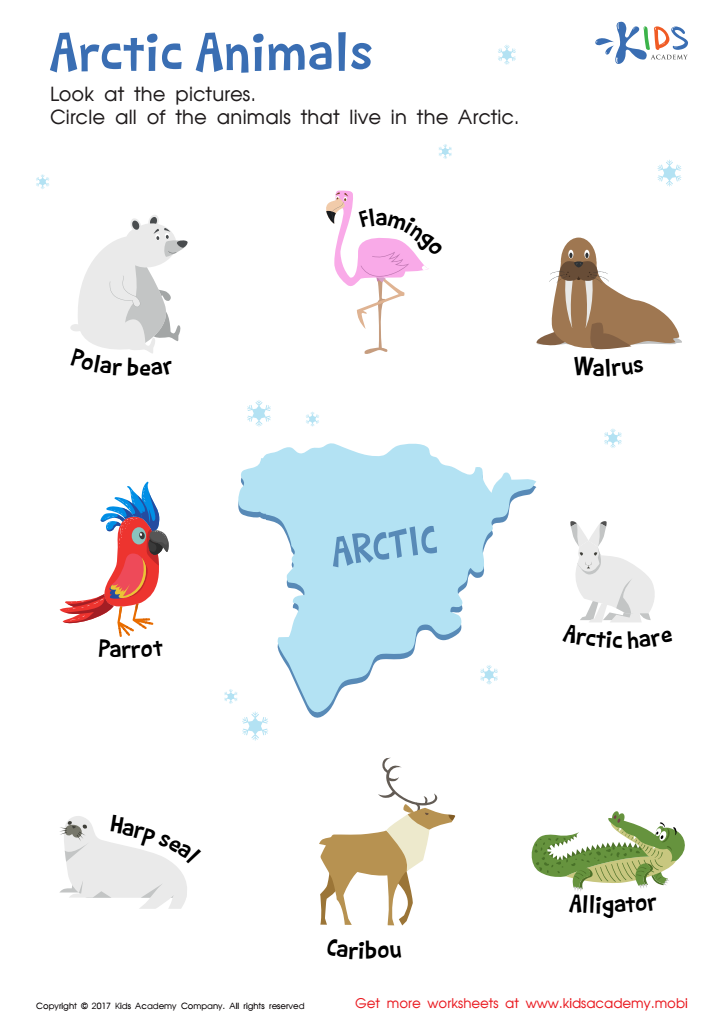
Arctic Animals Worksheet
Kids love animals and this worksheet is a great way to teach them where they live. It reinforces classification skills and introduces new animals, like the Arctic hare. Use it to discuss the Arctic climate and how these animals live, then ask your child where other animals live to keep the conversation going.
Arctic Animals Worksheet
Worksheet
Join Kids Academy for Free
Who is primarily going to use this learning content?







Vocabulary building in children aged 4-8 is crucial for their overall cognitive, academic, and social development. At this formative stage, young minds are highly receptive and can rapidly absorb new words. A rich vocabulary helps children express themselves more clearly, engage more deeply in conversations, and comprehend various concepts better. When parents and teachers focus on vocabulary building connected with the normal world around us, they tap into children’s natural curiosity about their environment.
By learning words that describe everyday objects, experiences, and actions, children can better navigate their world and communicate their needs, thoughts, and emotions. This foundational skill significantly impacts reading comprehension and academic progress. As children grow, those with a well-developed vocabulary find it easier to understand instructions, follow stories, and engage more meaningfully with educational content.
Furthermore, strong vocabulary skills enhance social interactions and self-confidence. Children can articulate their ideas and feelings more effectively, paving the way for better friendships and collaborations. For educators and parents, nurturing a rich vocabulary doesn't require elaborate tools; it can be as simple as engaging in regular, meaningful conversations, reading a variety of books together, and encouraging curiosity through questions and exploration. Ultimately, investing in vocabulary development equips children with essential tools for lifelong learning and success.