Reading comprehension Normal Alphabet Worksheets for Ages 4-9 - Page 2
70 filtered results
-
From - To
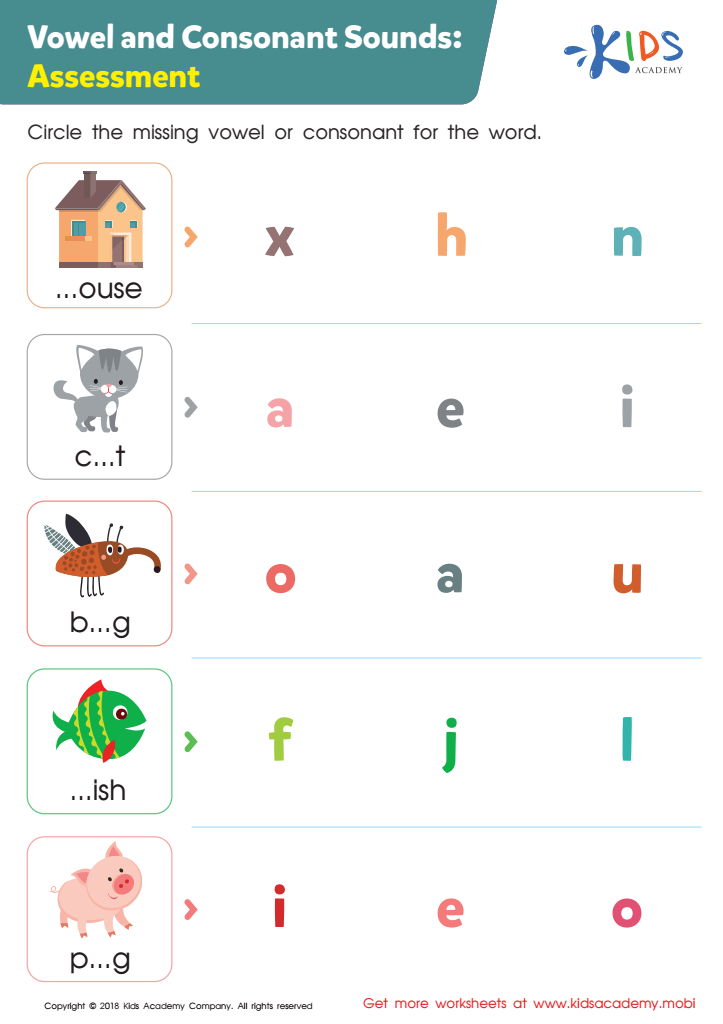
Vowel and Consonant Sounds: Assessment Worksheet
 Assign to My Students
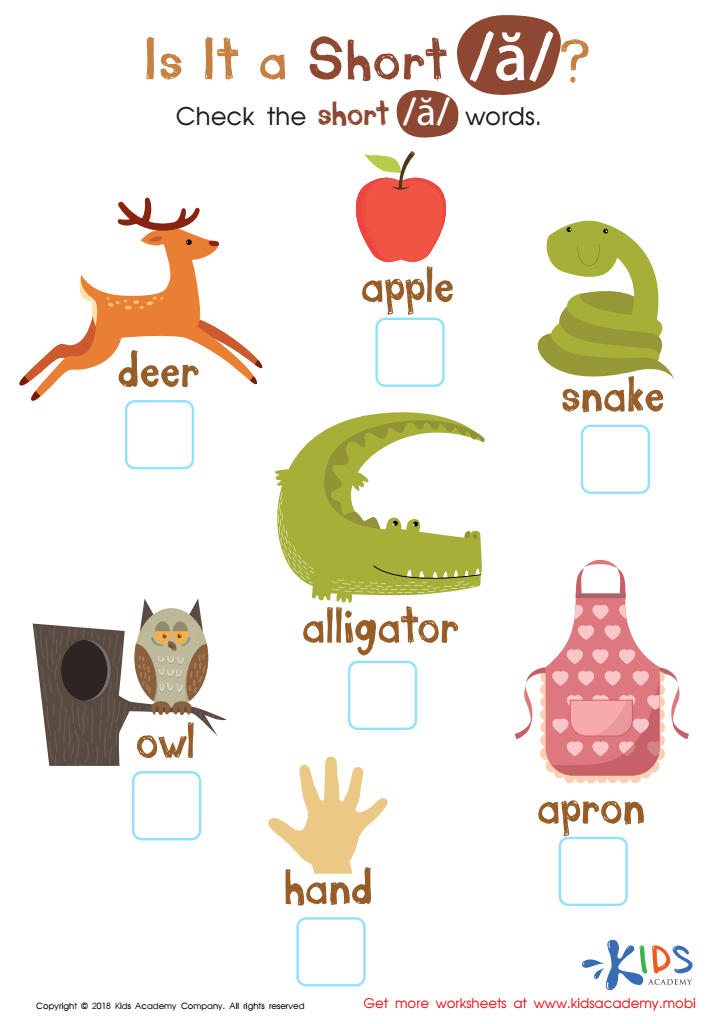
Is It Short A? Reading Worksheet
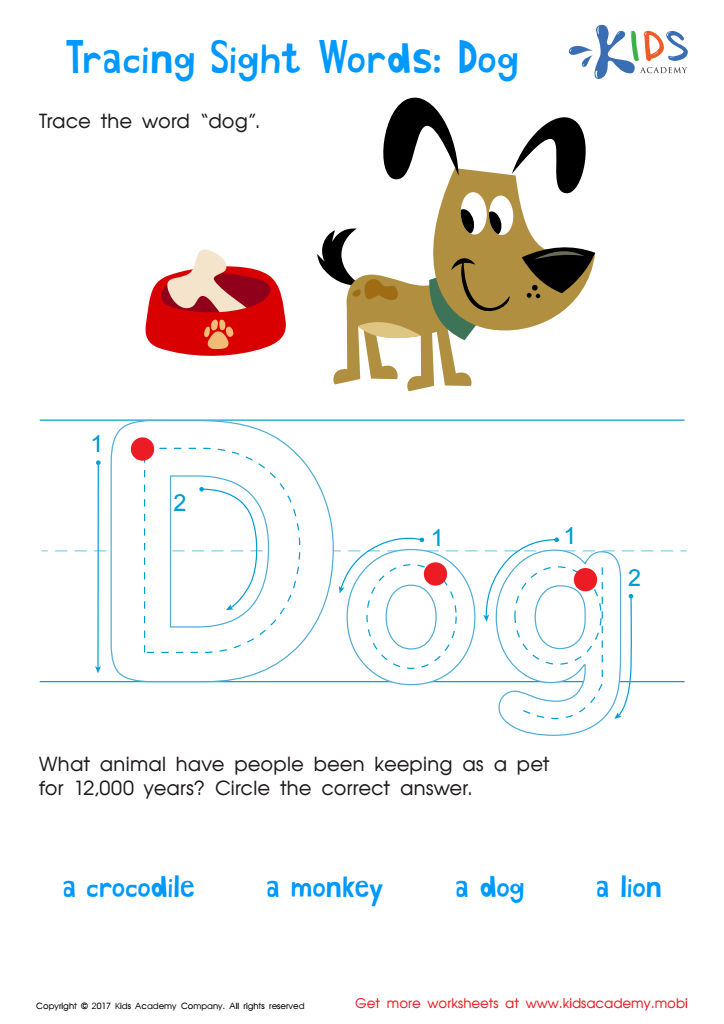
Dog Worksheet Sight Words Worksheet
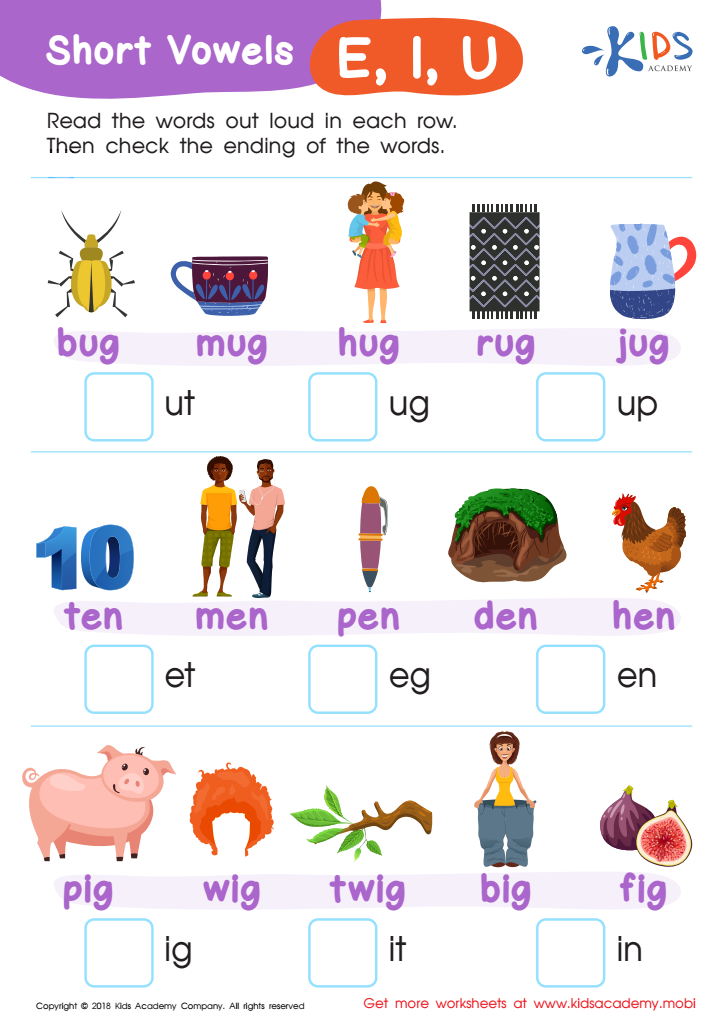
Short Vowels /e/, /i/, and /u/ Worksheet
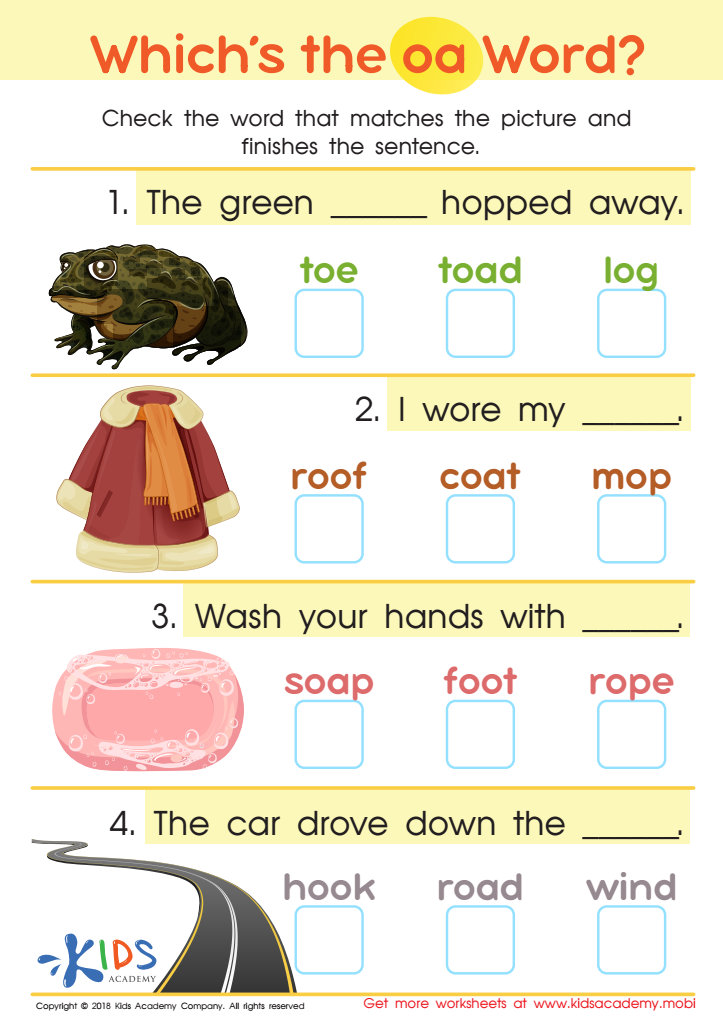
Which's the OA Word? Worksheet
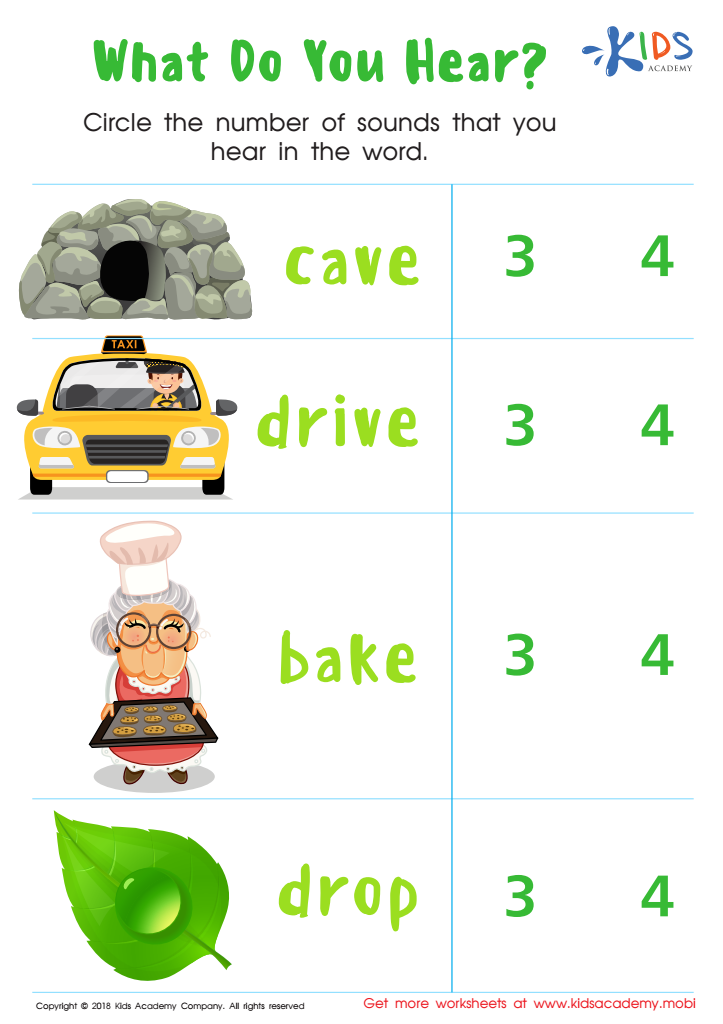
What Do You Hear? Worksheet
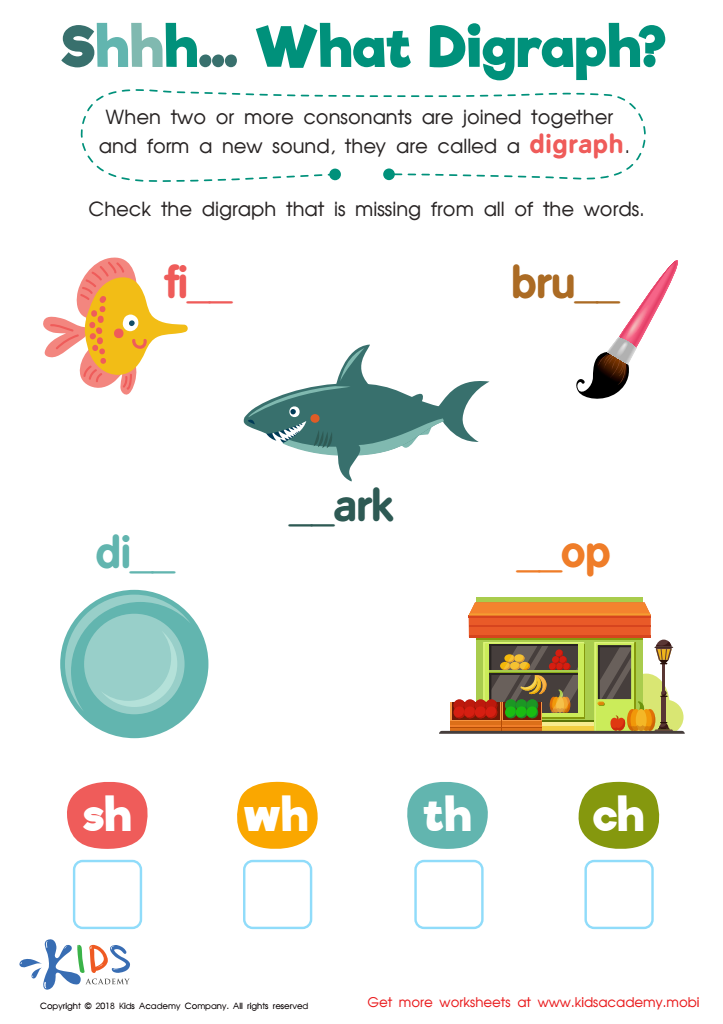
Shhh... What Digraph? Worksheet
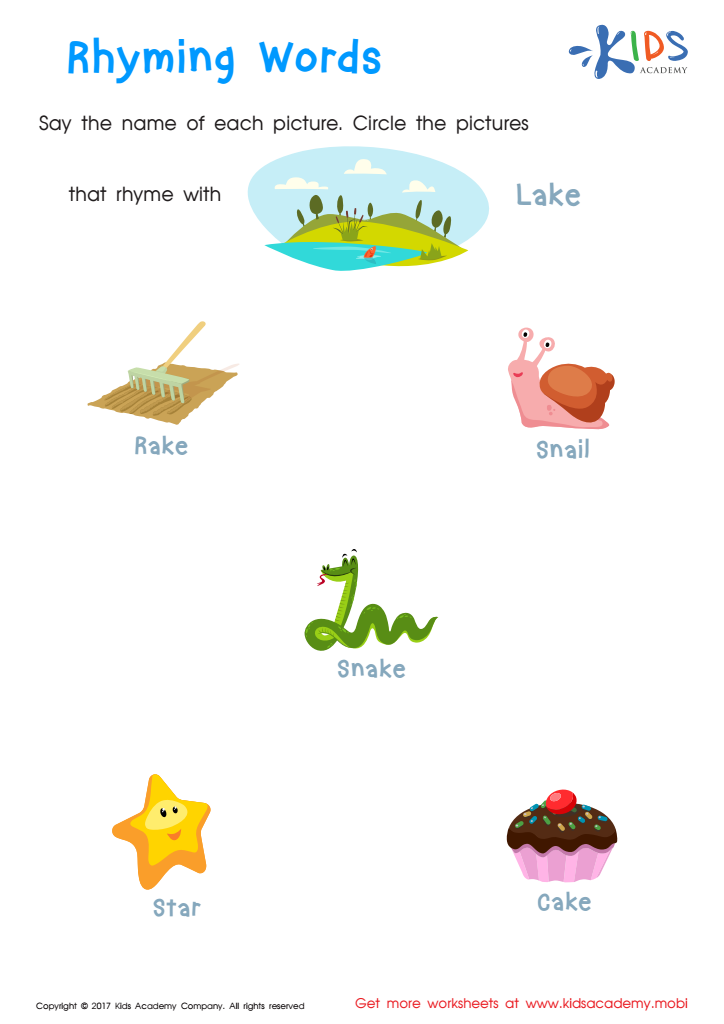
Rhyming Words Rhyming Worksheet
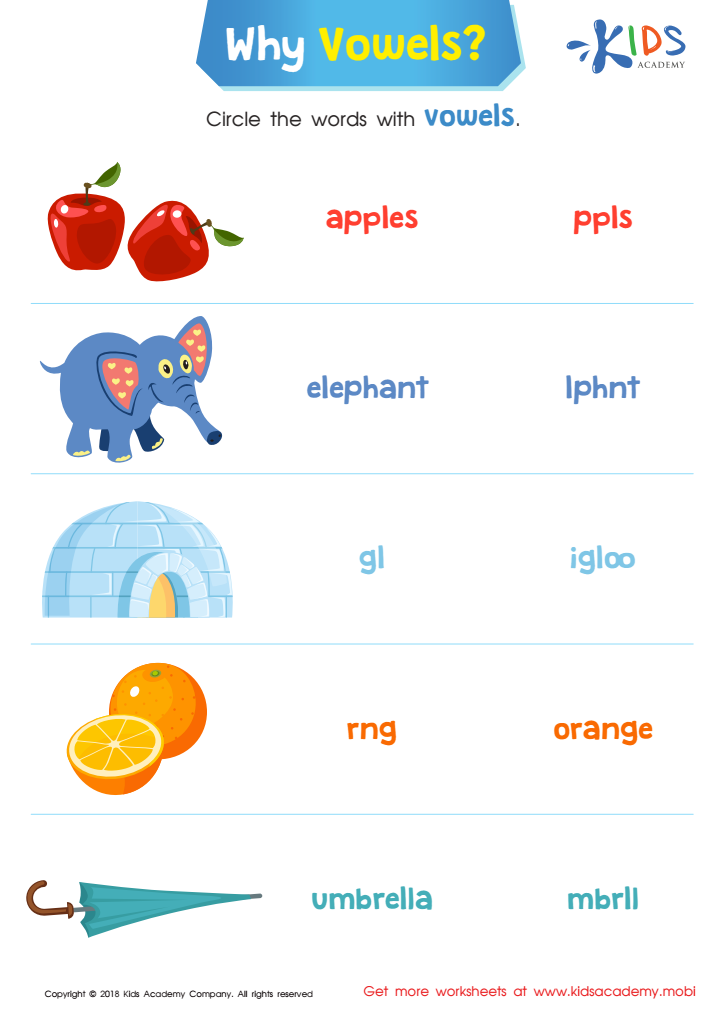
Why Vowels? Reading Worksheet
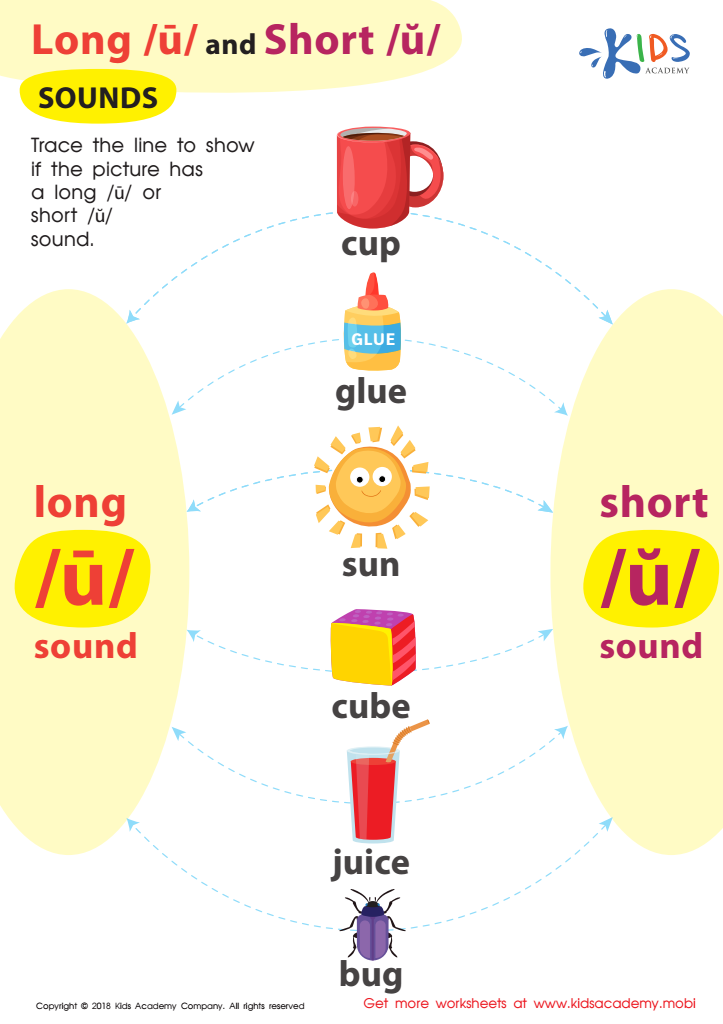
Reading: Long U and Short U Sounds Worksheet
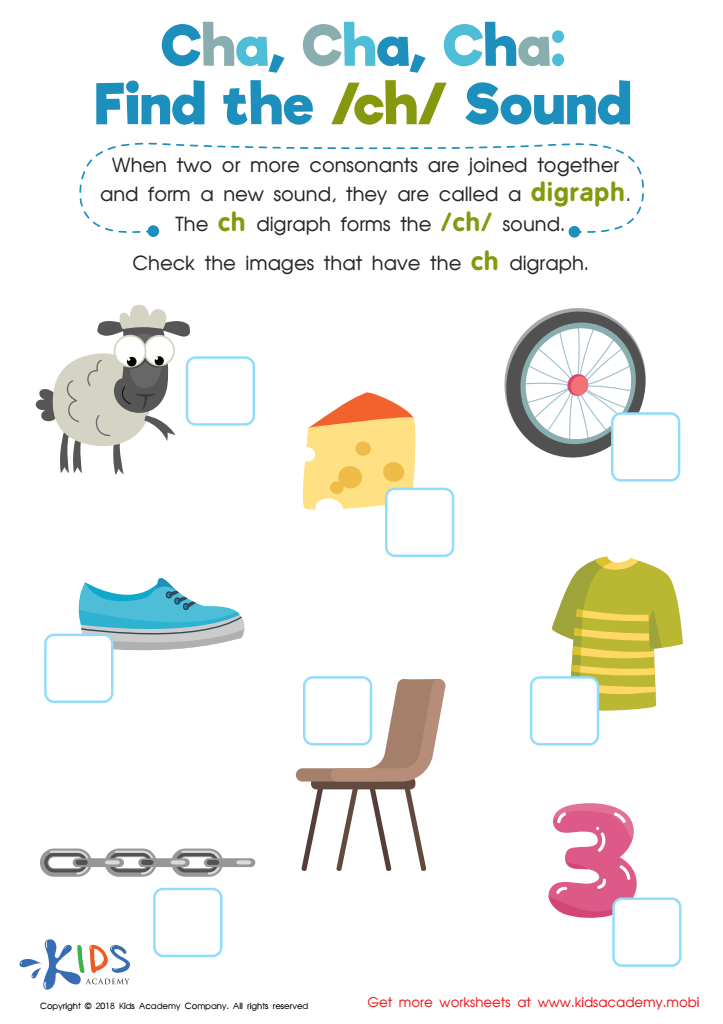
Cha, Cha, Cha: Find the /Ch/ Sound Worksheet
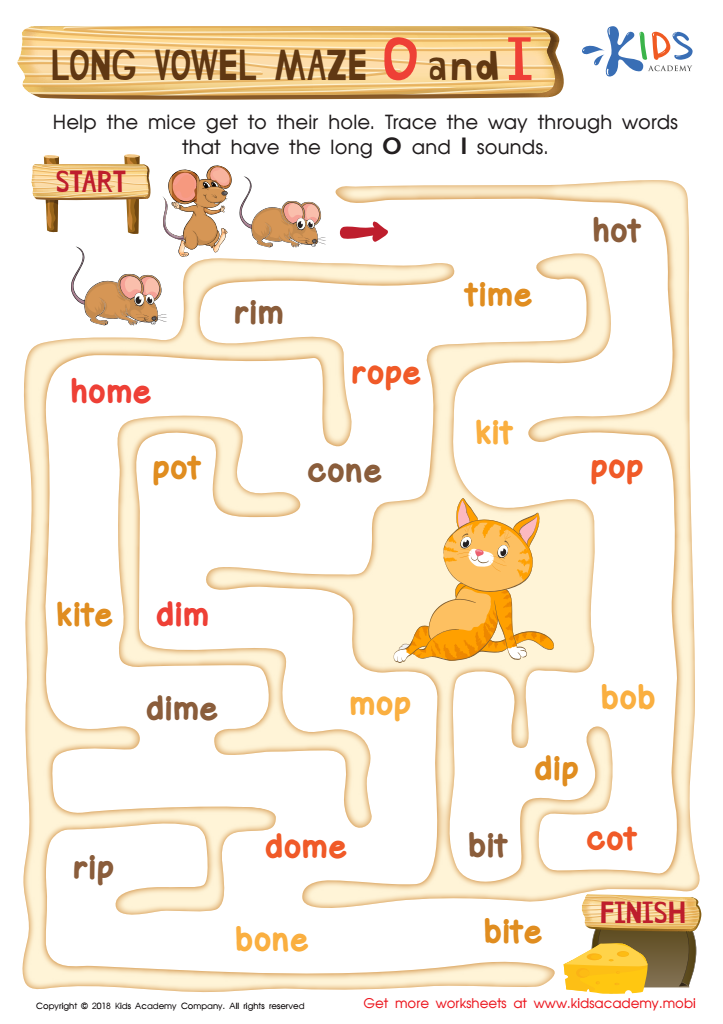
Long Vowel Maze /o/ and /i/ Worksheet
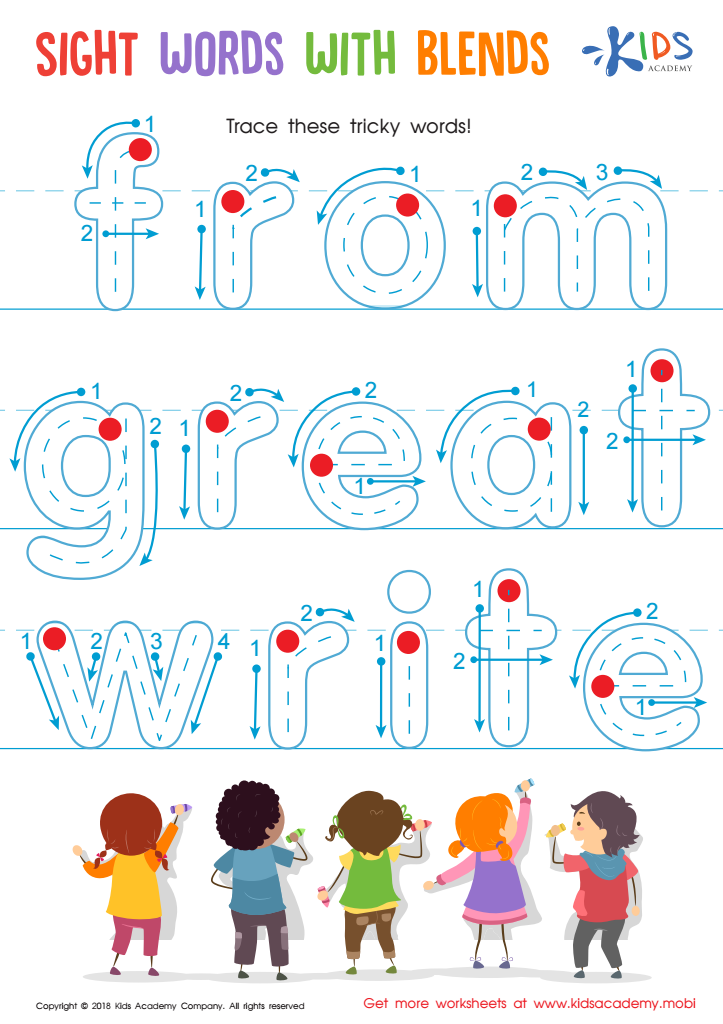
Sight Words with Blends Worksheet
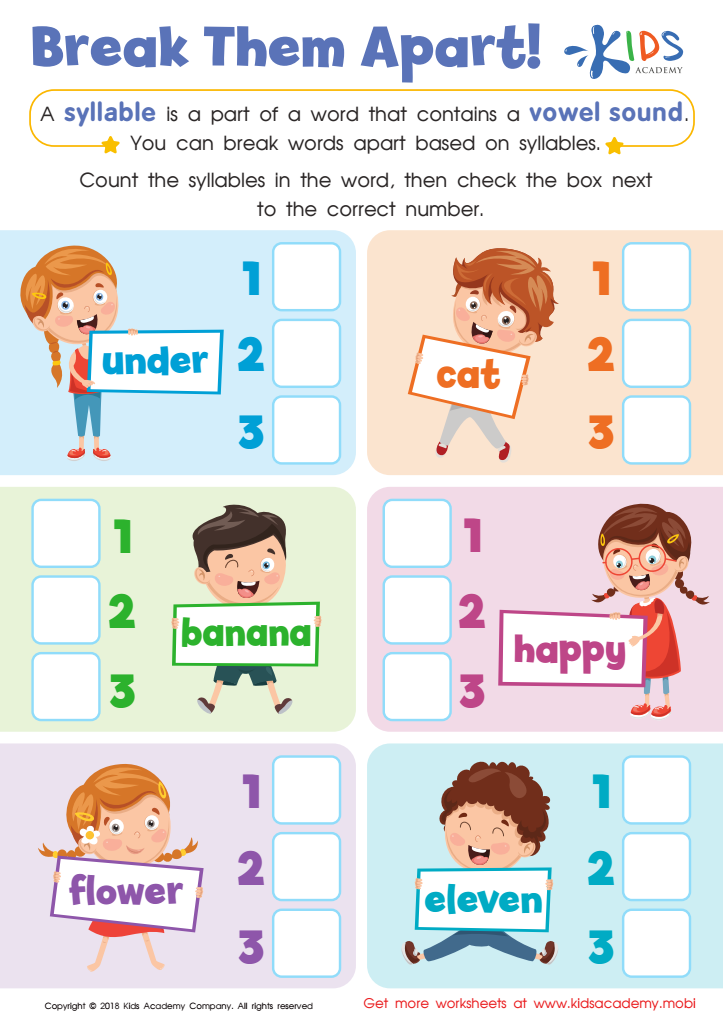
Reading: Break Them Apart Worksheet
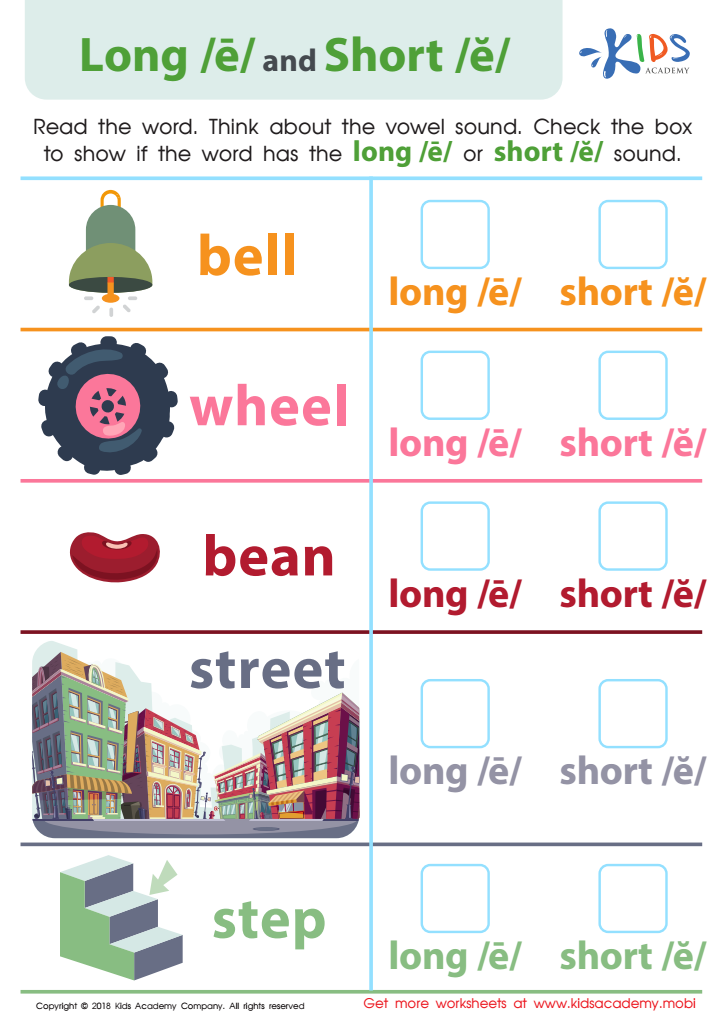
Reading: Long E and Short E Worksheet
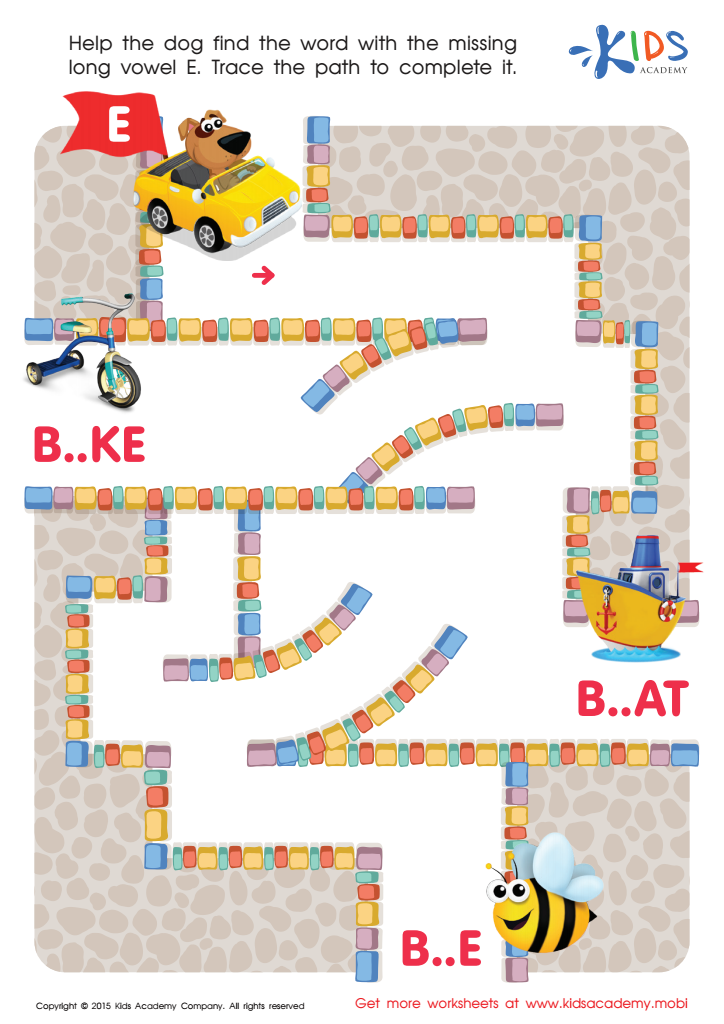
Long Vowel Sound E Worksheet
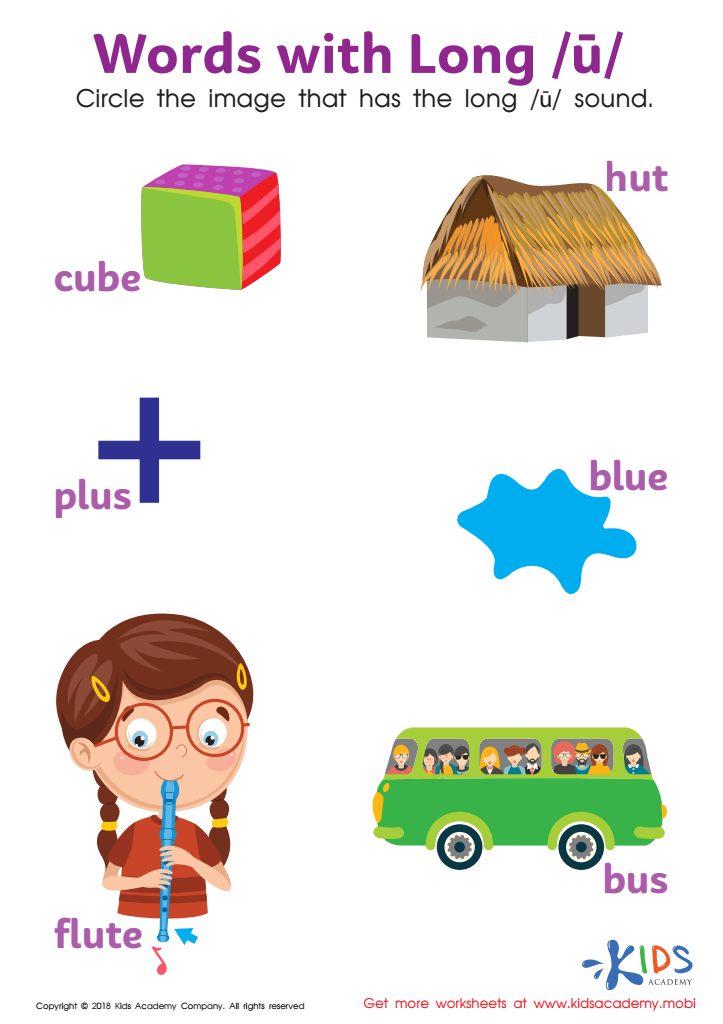
Words with Long U Reading Worksheet
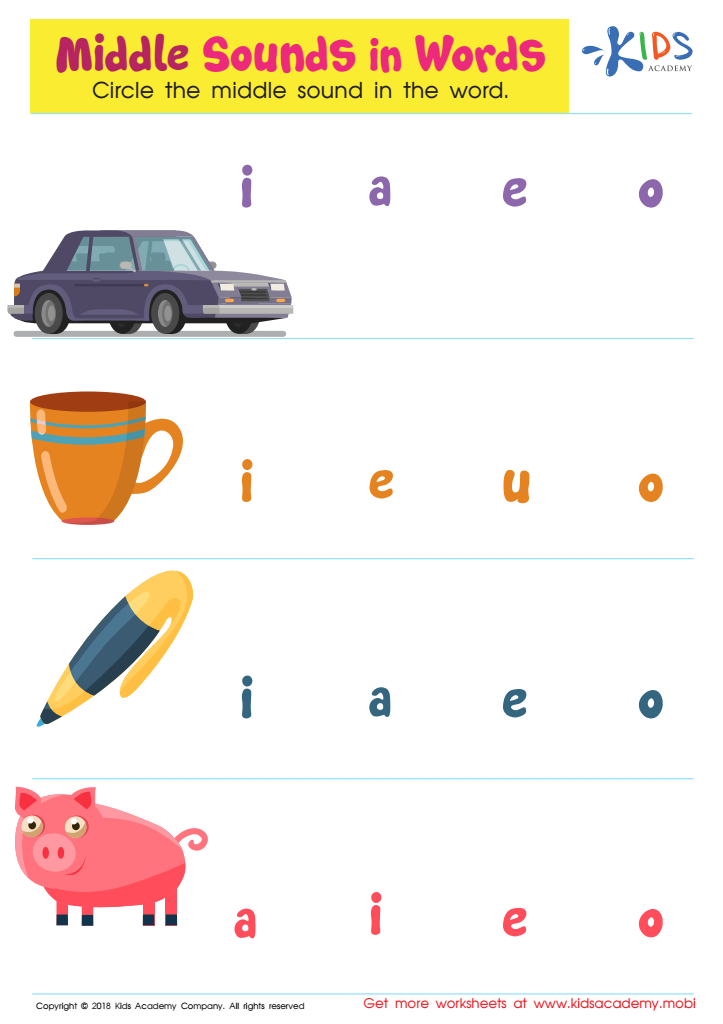
Middle Sounds in Words Worksheet
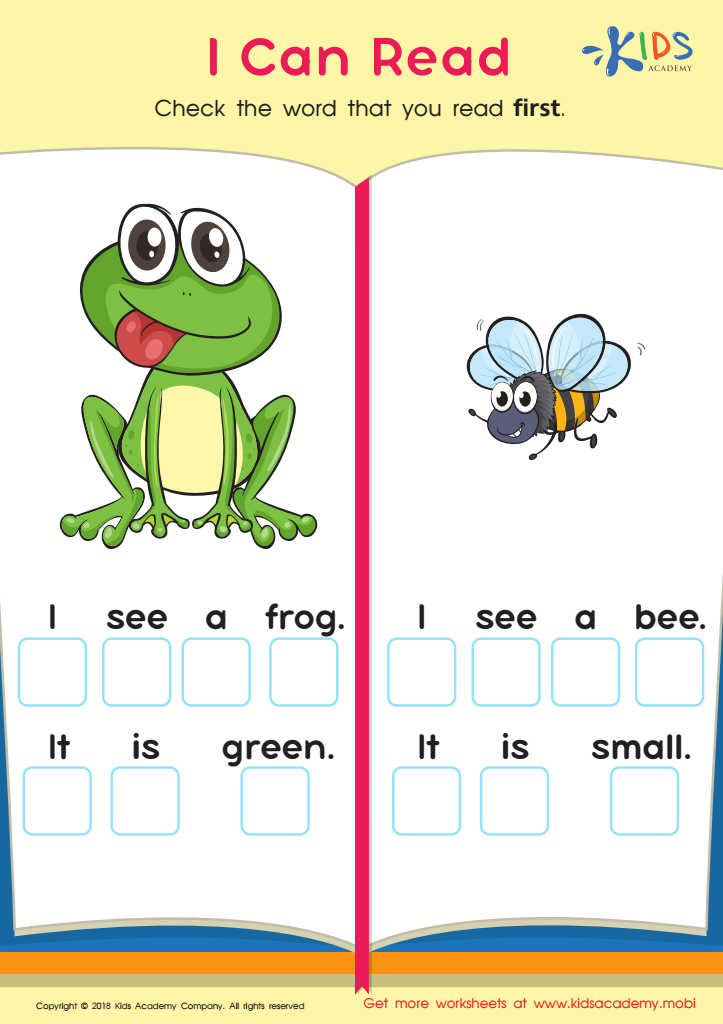
I Can Read Worksheet
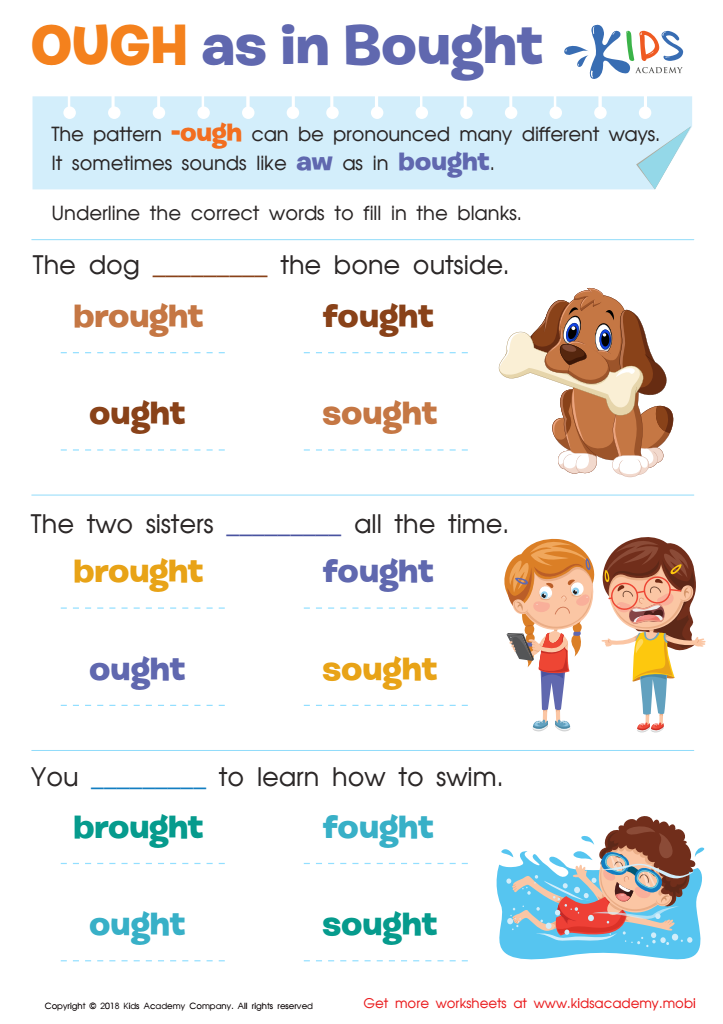
OUGH as in Bought Worksheet
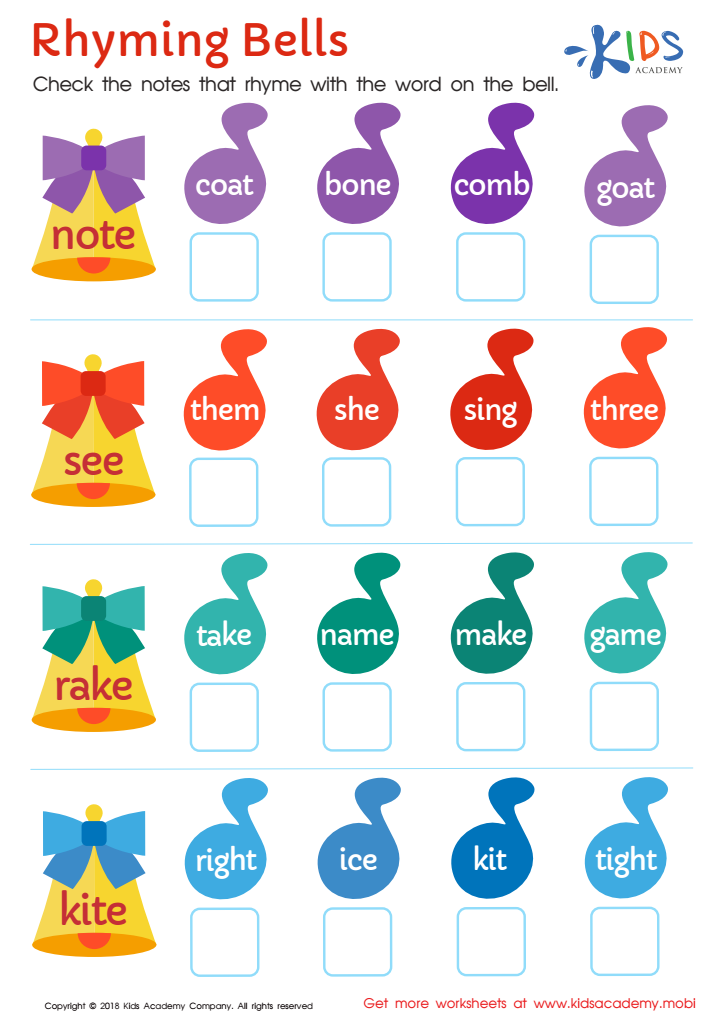
Rhyming Bells Worksheet
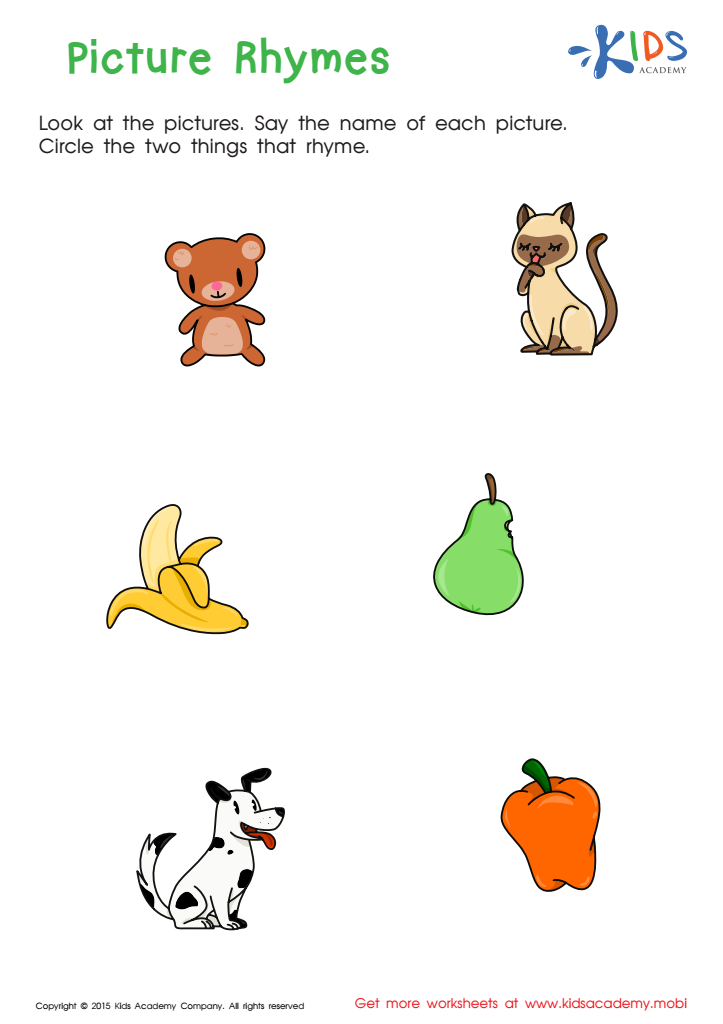
First Words: Picture Rhymes Worksheet
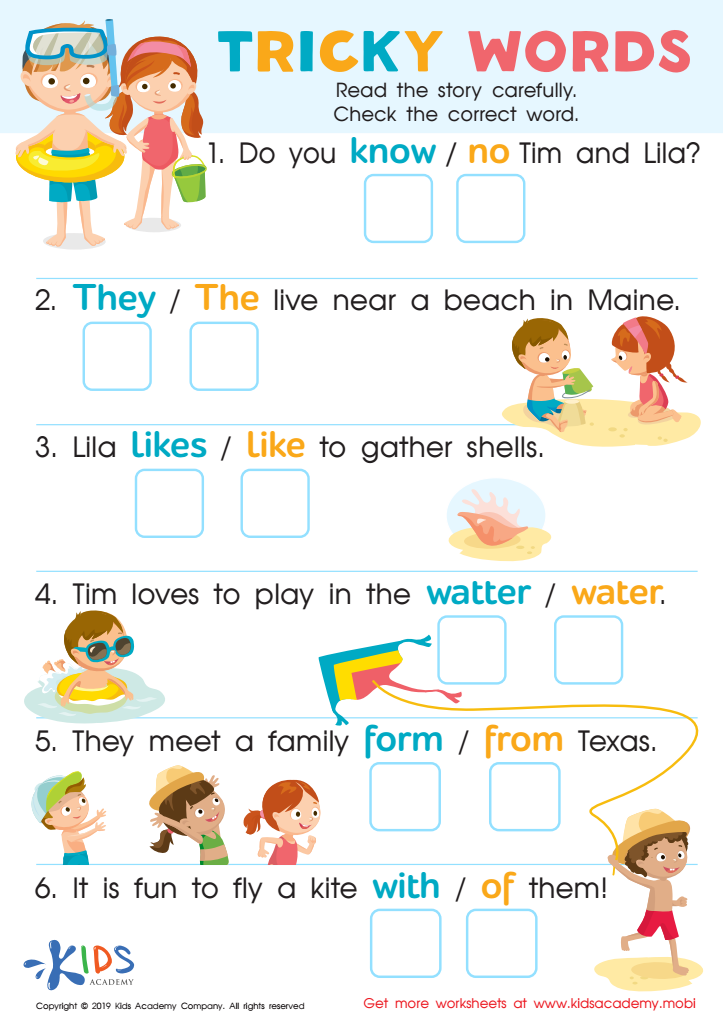
Tricky Words Worksheet
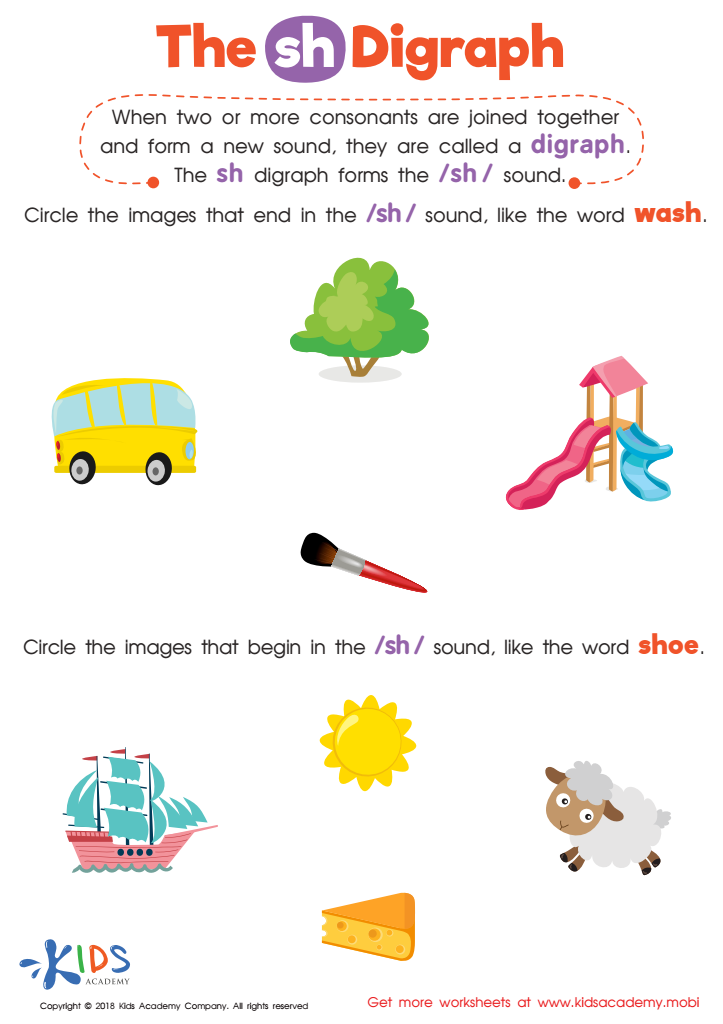
The SH Digraph Worksheet








Reading comprehension is critical for children aged 4-9, laying the foundation for their academic success and lifelong learning. During these formative years, children learn to decode letters and words, but recognizing what they read is equally important. Active engagement with texts fosters cognitive development and enhances vocabulary, enabling children to better understand the world around them.
Parents and teachers play a vital role in cultivating reading comprehension by introducing interactive reading practices. This includes asking open-ended questions, encouraging predictions about stories, and discussing characters’ motivations and emotions. These strategies prompt children to connect personal experiences with the material, deepening their understanding and critical thinking skills.
Moreover, proficient reading comprehension is linked to greater success in subjects like math and science, where reading complex instructions and problems becomes necessary. Early intervention in developing comprehension skills can prevent future academic challenges, ensuring children gain confidence in their abilities.
Ultimately, prioritizing reading comprehension not only enriches children's literacy skills but also nurtures a love for reading, inspiring curiosity and a desire for knowledge that lasts a lifetime. By emphasizing these skills, parents and teachers can set children up for a successful and rewarding educational journey.







