Counting skills Normal Worksheets for Ages 4-9 - Page 5
108 filtered results
-
From - To
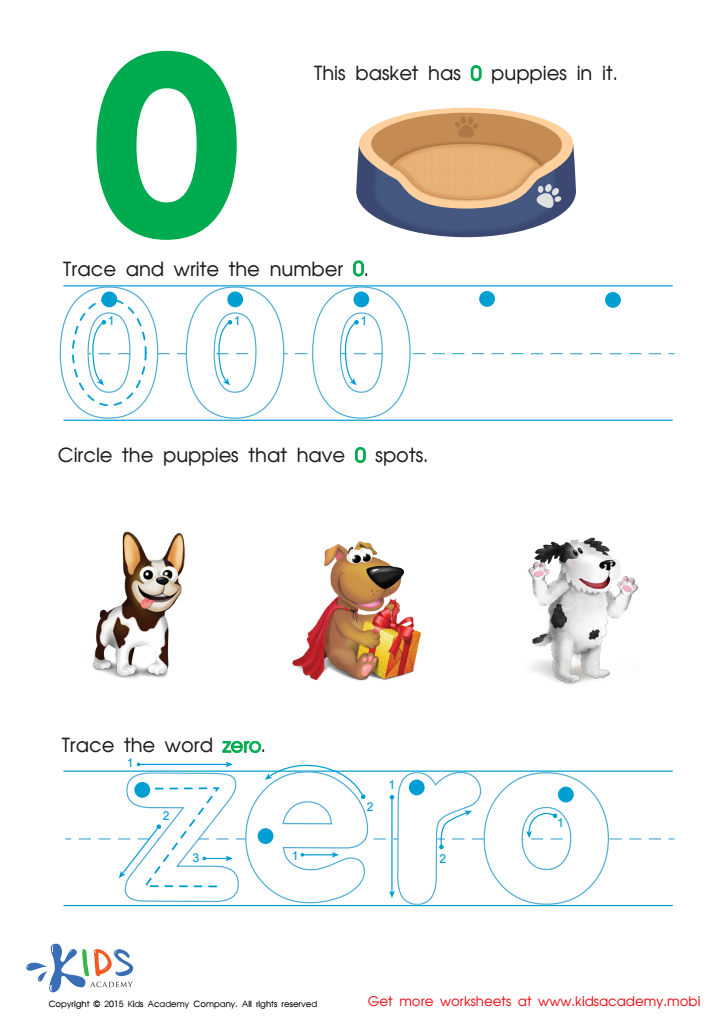
Trace And Write Number 0 Worksheet
 Assign to My Students
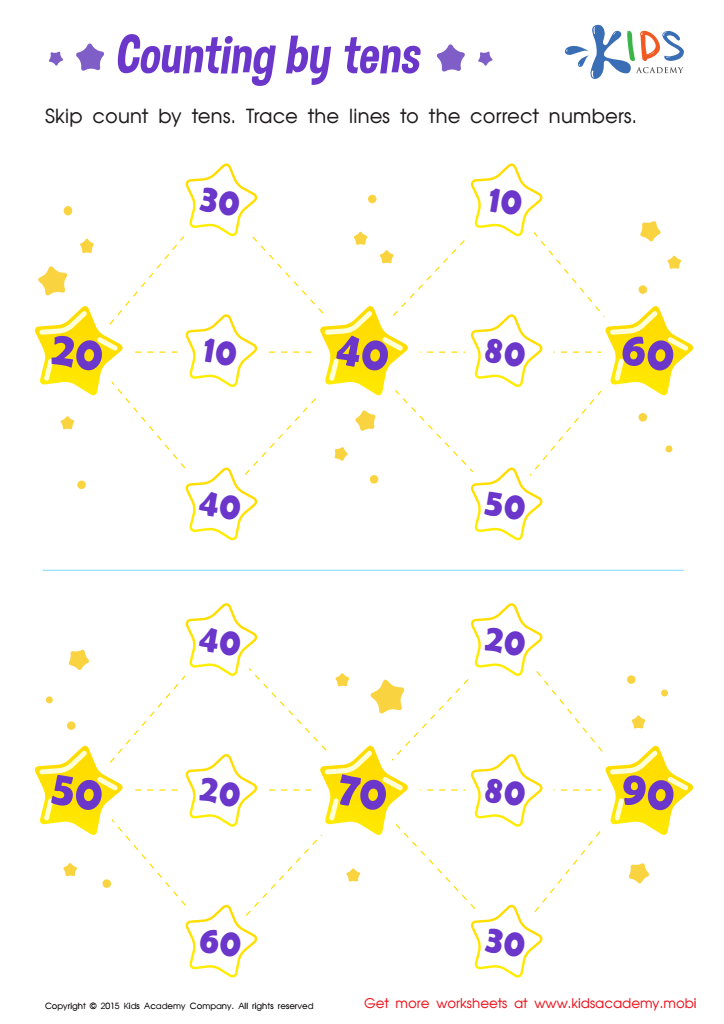
Learn Dozens: Counting by Tens Printable
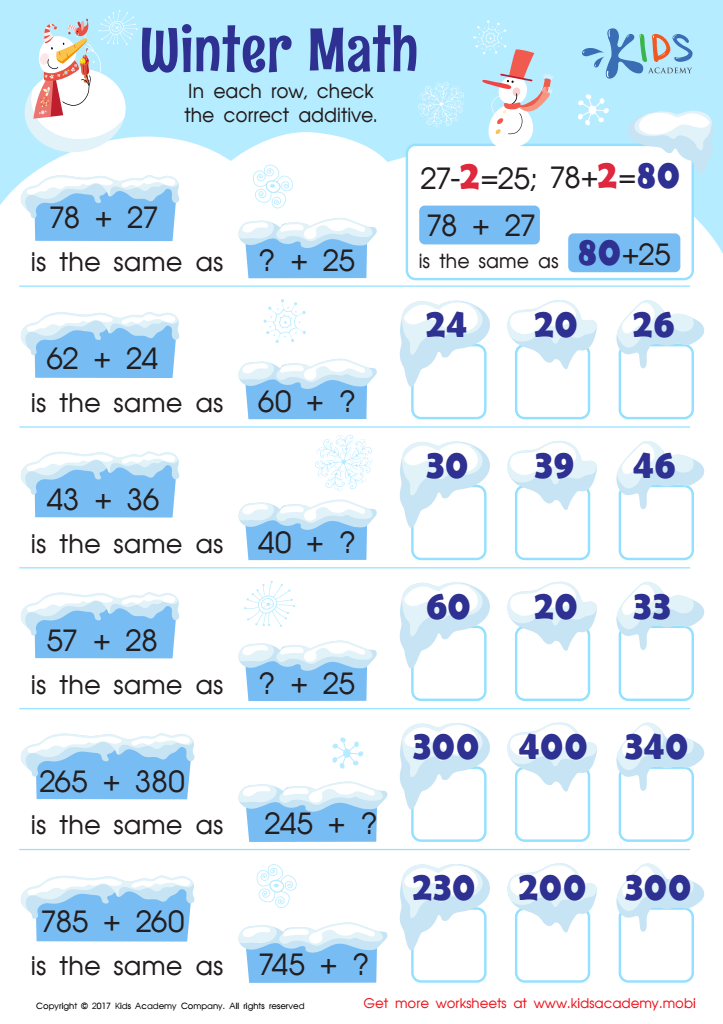
Free Addition Worksheet
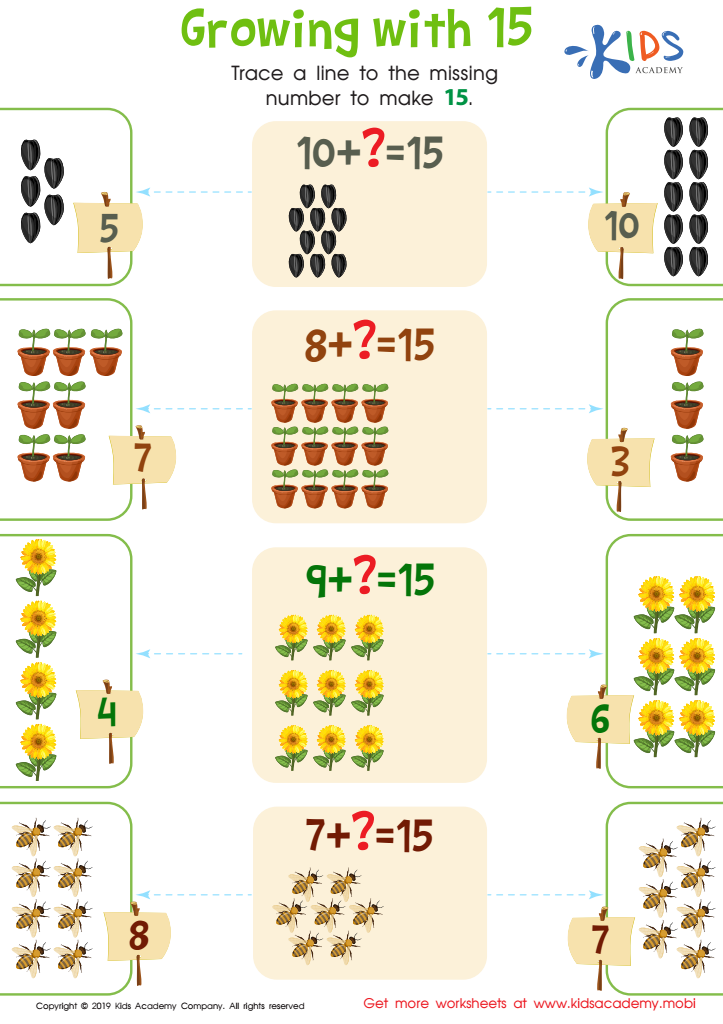
Growing with 15 Worksheet
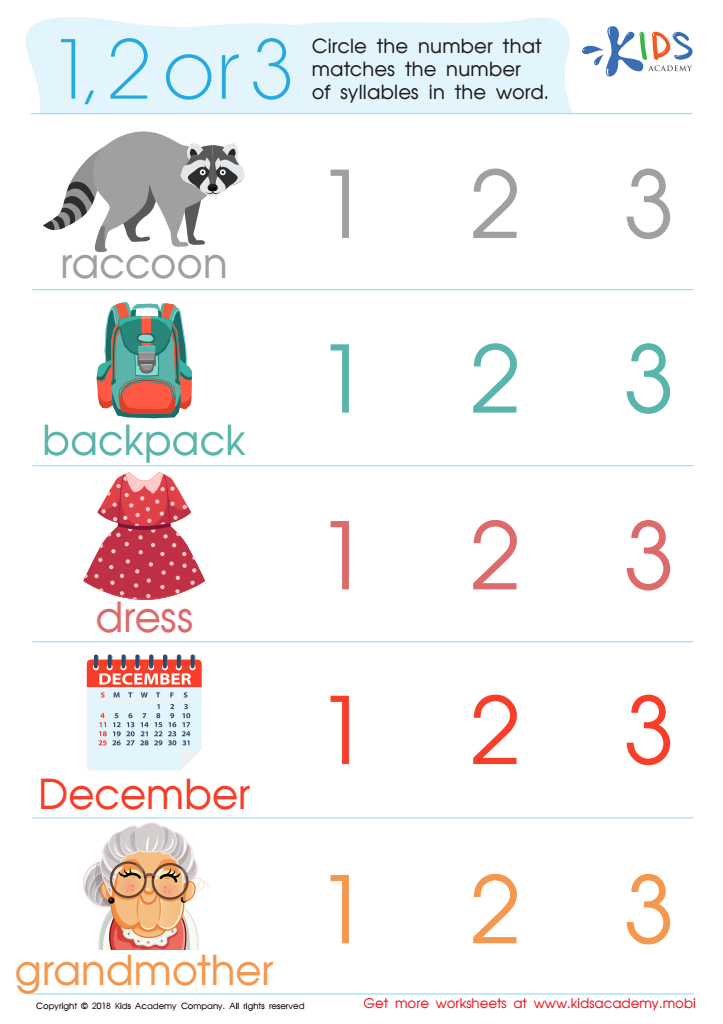
1, 2 or 3? Worksheet
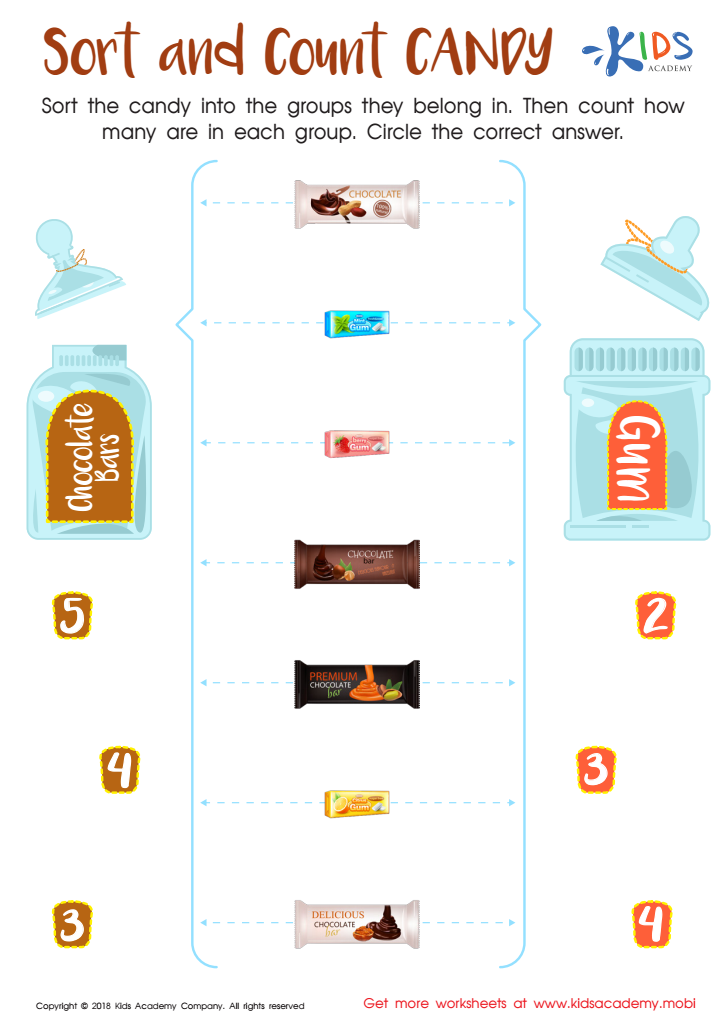
Sort and Count Candy Worksheet
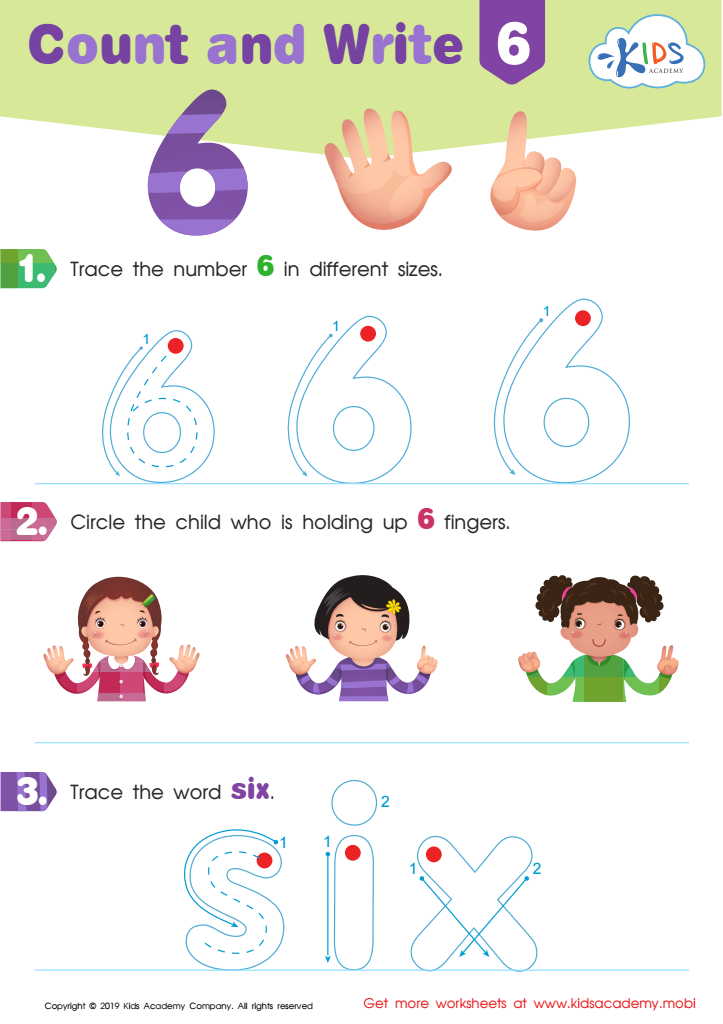
Count and Write 6 Worksheet
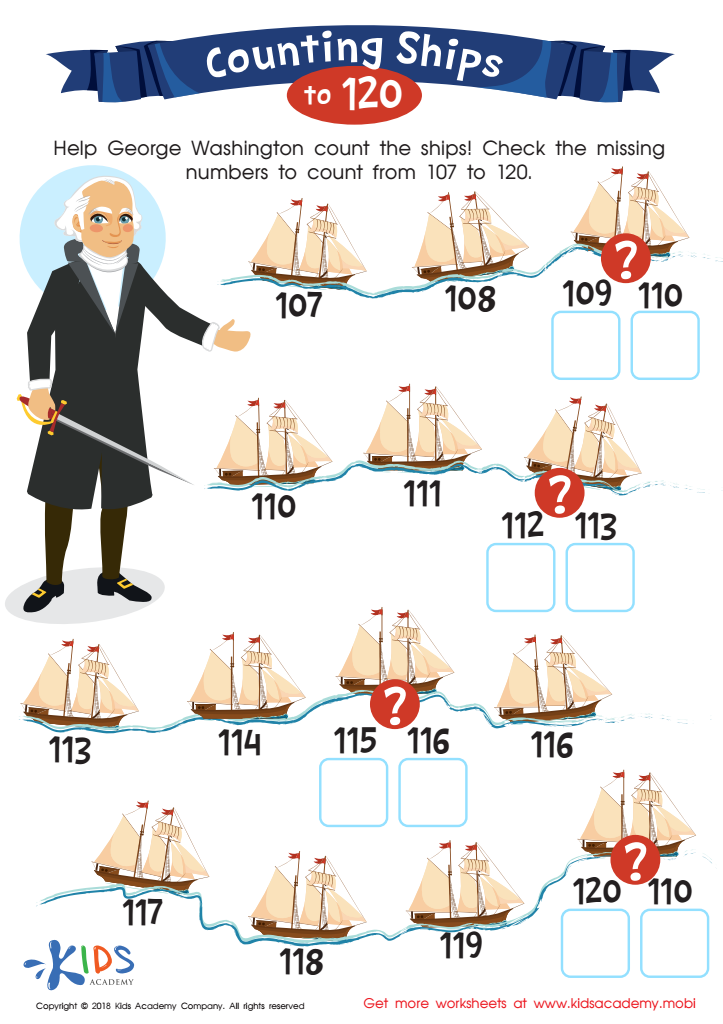
Counting Ships to 120 Worksheet
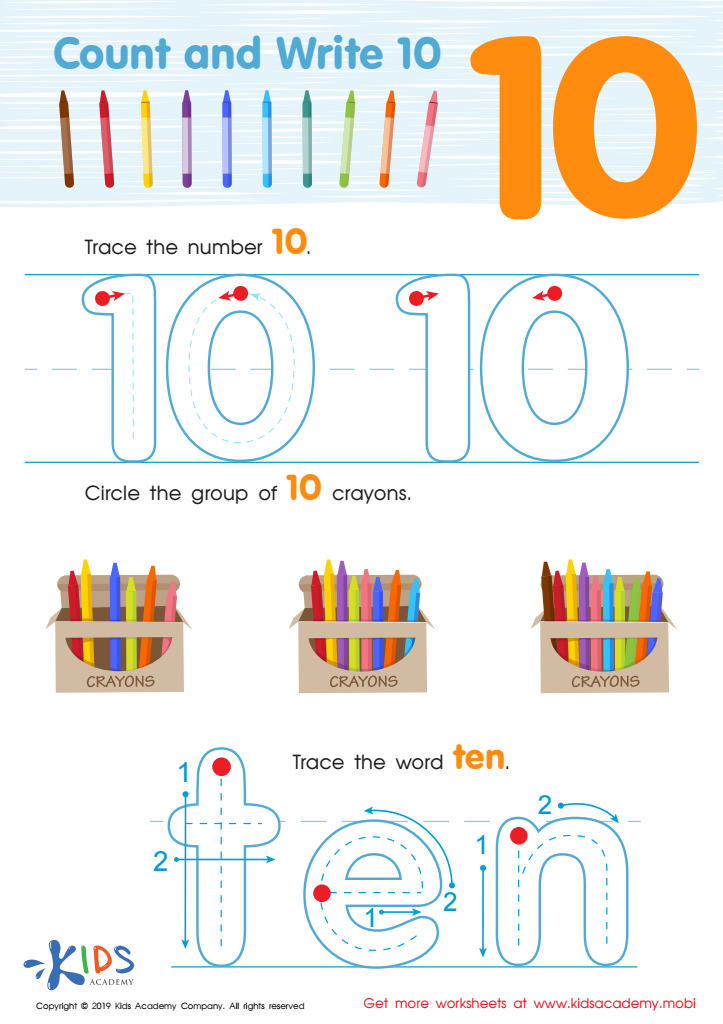
Count and Write 10 Worksheet
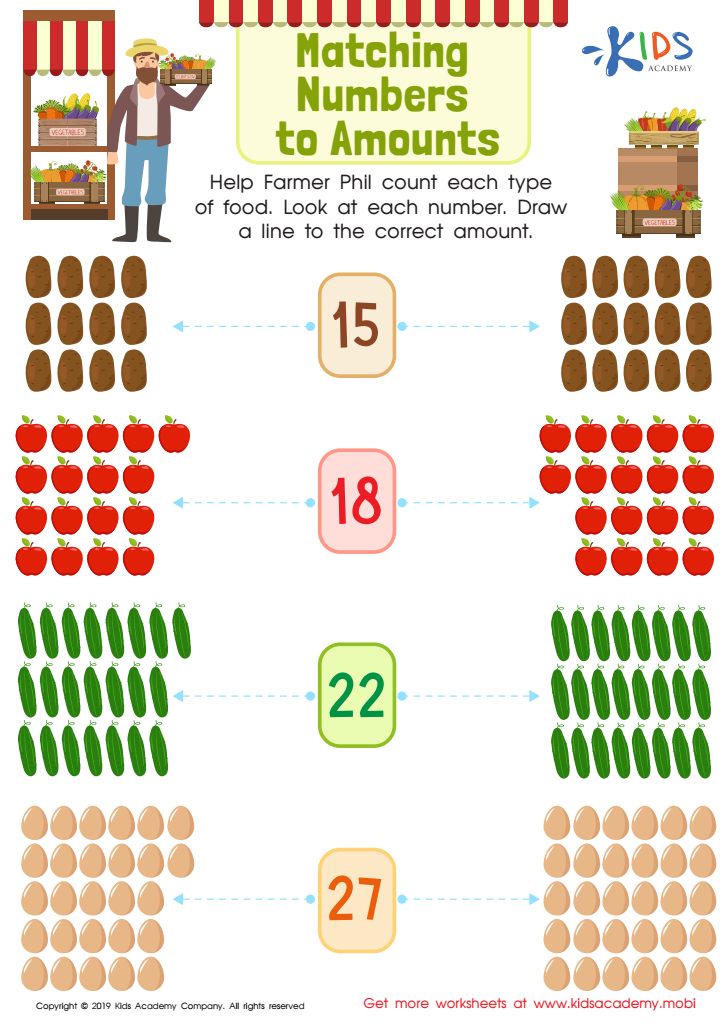
Matching Numbers to Amounts Worksheet
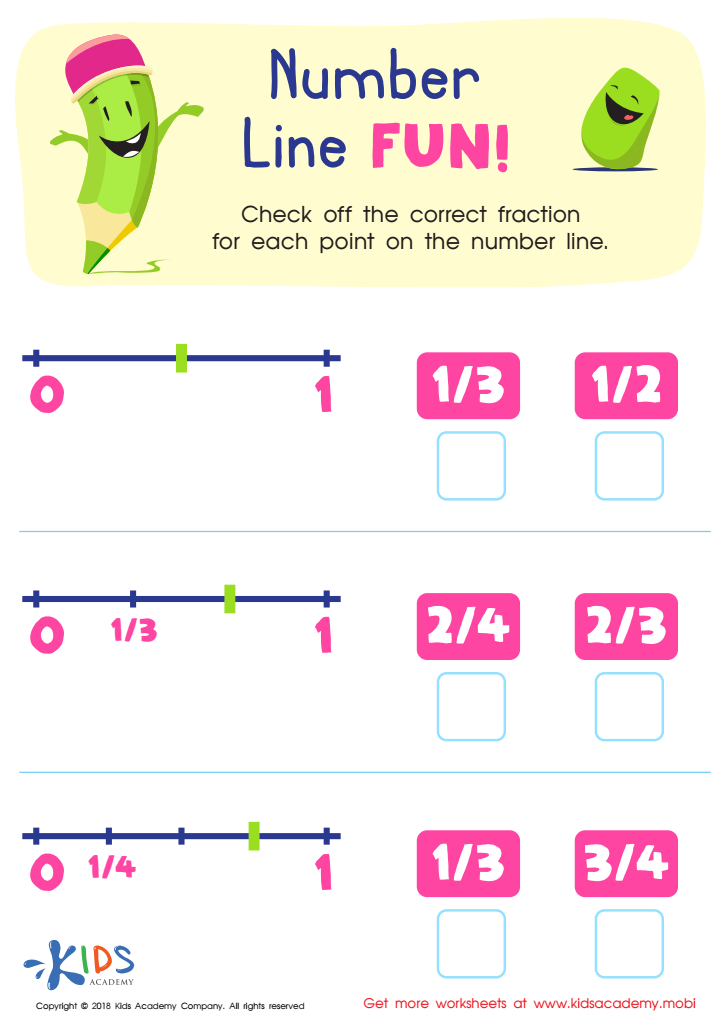
Number Line Fun Worksheet
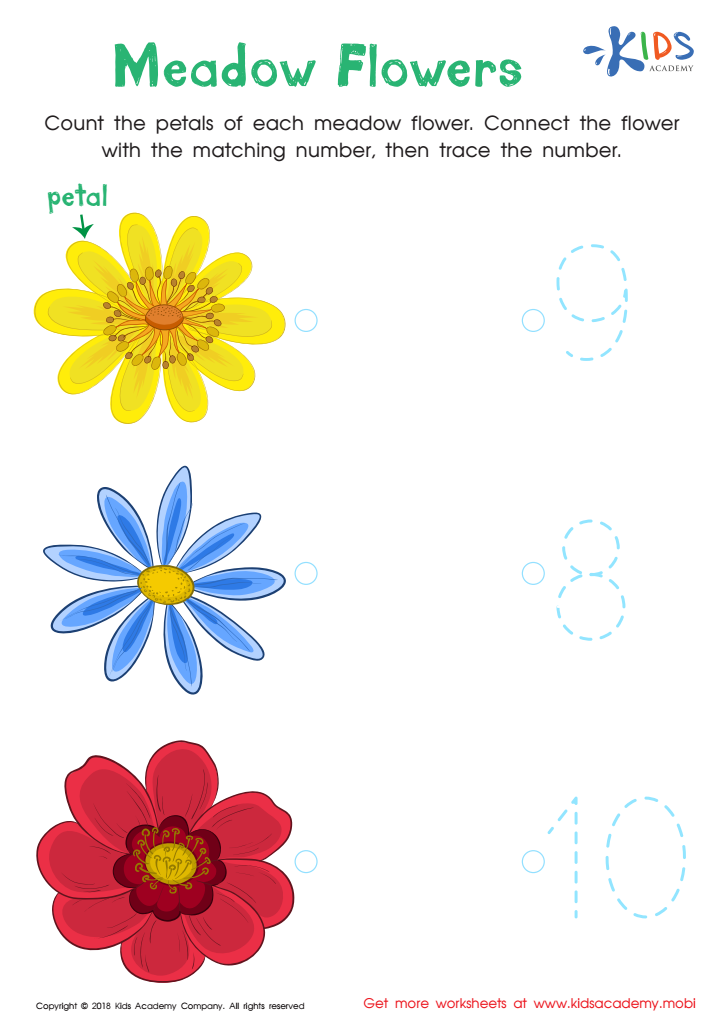
Kindergarten Number Tracing: Medow Flowers Worksheet




.jpg)



Counting skills serve as a fundamental cornerstone for children's academic development, and parents and teachers play a crucial role in nurturing these abilities during the ages of 4 to 9. During this critical period, children's brains are highly receptive to learning, making it an ideal time to establish strong numerical foundations.
Firstly, counting is essential for daily tasks such as following directions, understanding time, and managing money. These practical applications highlight the importance of encouraging counting skills early on. In the classroom, counting serves as a gateway to more complex mathematical concepts, including addition, subtraction, and eventually problem-solving. A child proficient in counting is often more confident and successful in these areas.
Secondly, building counting skills also develops other crucial skills like memory, concentration, and logical thinking. These skills are transferable and beneficial across various academic subjects and life situations. Moreover, a child’s ability to count can be a predictor of their overall academic performance.
Finally, parental and teacher involvement in helping develop counting skills can encourage a positive attitude toward learning while strengthening personal bonds. Interactive activities like counting games, educational apps, and real-life counting opportunities (such as during grocery shopping) can make learning enjoyable and effective. This collective effort reaps lifelong educational and practical benefits, making the focus on counting skills during ages 4 to 9 indispensable.








