Grammar application Normal Worksheets for Ages 4-9
3 filtered results
-
From - To
Discover our engaging Grammar Application Normal Worksheets designed specifically for children aged 4-9! These worksheets help young learners master essential grammar skills through fun, interactive activities. Covering key concepts such as punctuation, sentence structure, and word usage, our resources foster a strong foundational understanding of English grammar. With brightly colored visuals and age-appropriate exercises, kids will enjoy practicing their skills while boosting their confidence in writing and communication. Perfect for home practice or classroom use, our printable worksheets make learning grammar an enjoyable experience. Explore our diverse selection today and watch your child's grammar abilities flourish!
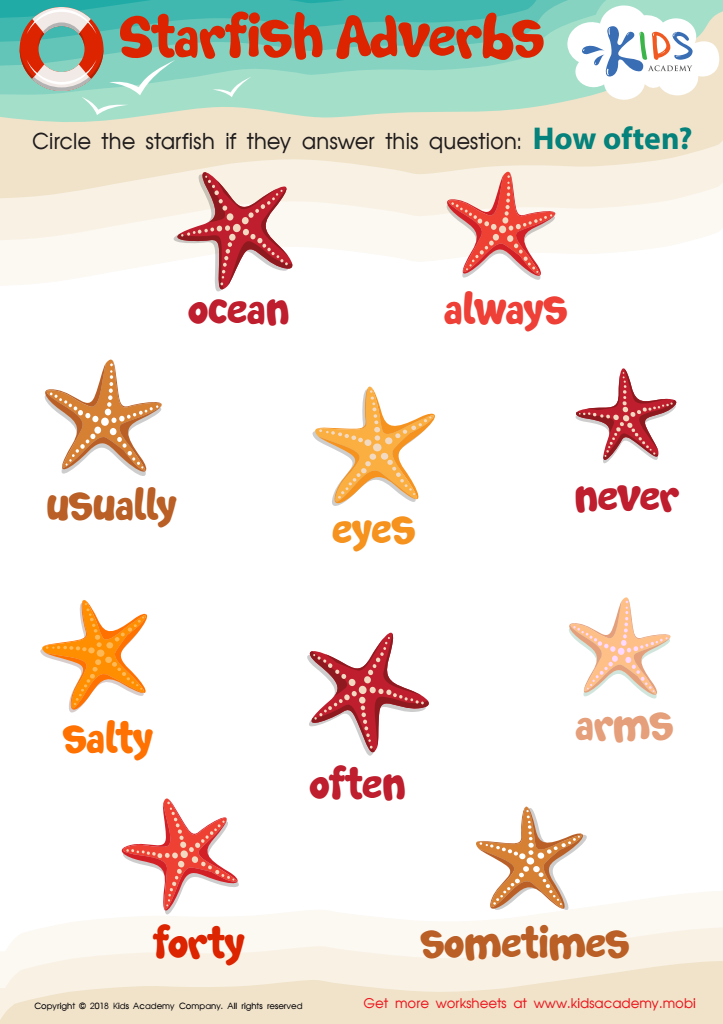
Starfish Adverbs Worksheet
 Assign to My Students
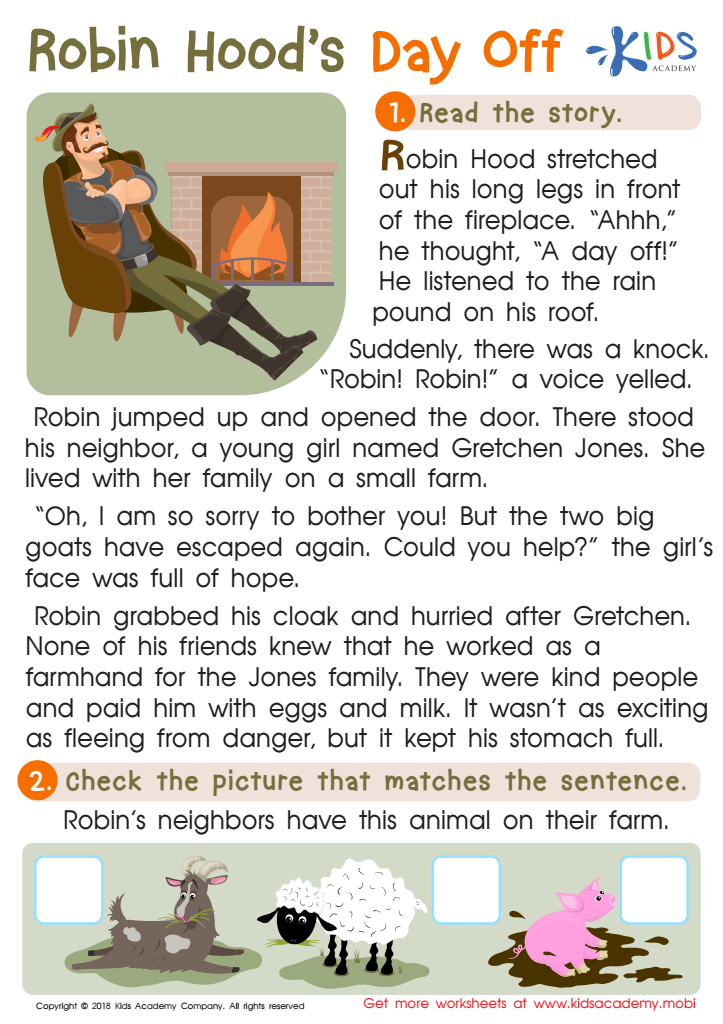
Robin Hood's Day Off Worksheet
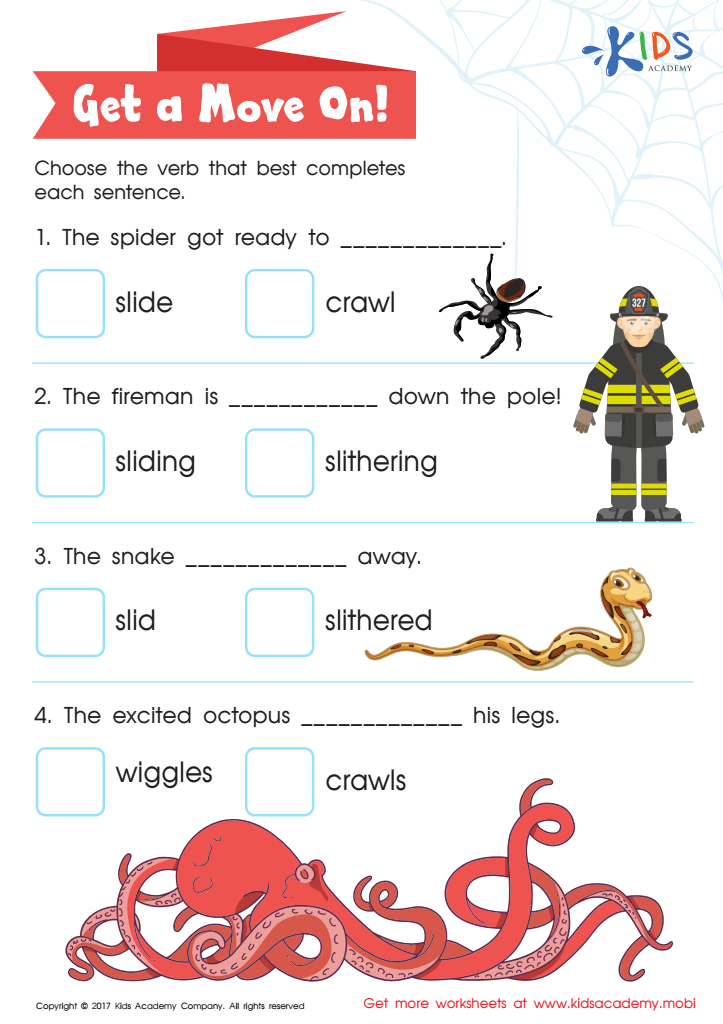
Verb Worksheet







Grammar is fundamental to effective communication, making it crucial for both parents and teachers to emphasize its application for children aged 4-9. During these formative years, children are developing their linguistic skills, and a strong foundation in grammar enhances both their spoken and written language abilities. Mastering basic grammar—such as sentence structure, punctuation, and verb tense—enables children to express their thoughts clearly and confidently, fostering effective communication and critical thinking skills.
Furthermore, solid grammar knowledge contributes to academic success. As children progress through school, their writing assignments will demand a higher level of grammatical proficiency; thus, early instruction ensures they are prepared to meet these challenges. Moreover, understanding grammar helps children develop a love for language and literacy, opening doors to creative expression and engagement with literature.
For parents and teachers, supporting grammar instruction means investing in a child's overall education. It lays the groundwork for lifelong learning, encouraging curiosity and exploration in language. Moreover, it builds self-esteem as children master a fundamental skill necessary for success not only in school but in everyday interactions, helping them navigate social and academic environments effectively.








