Hand-eye Coordination Normal Worksheets for Ages 4-9 - Page 2
35 filtered results
-
From - To
Curved Lines Tracing Worksheet
Practice Writing Number 5 Worksheet
Tracing Horizontal Lines Worksheet
Find Uppercase Letters D, E, and F Worksheet
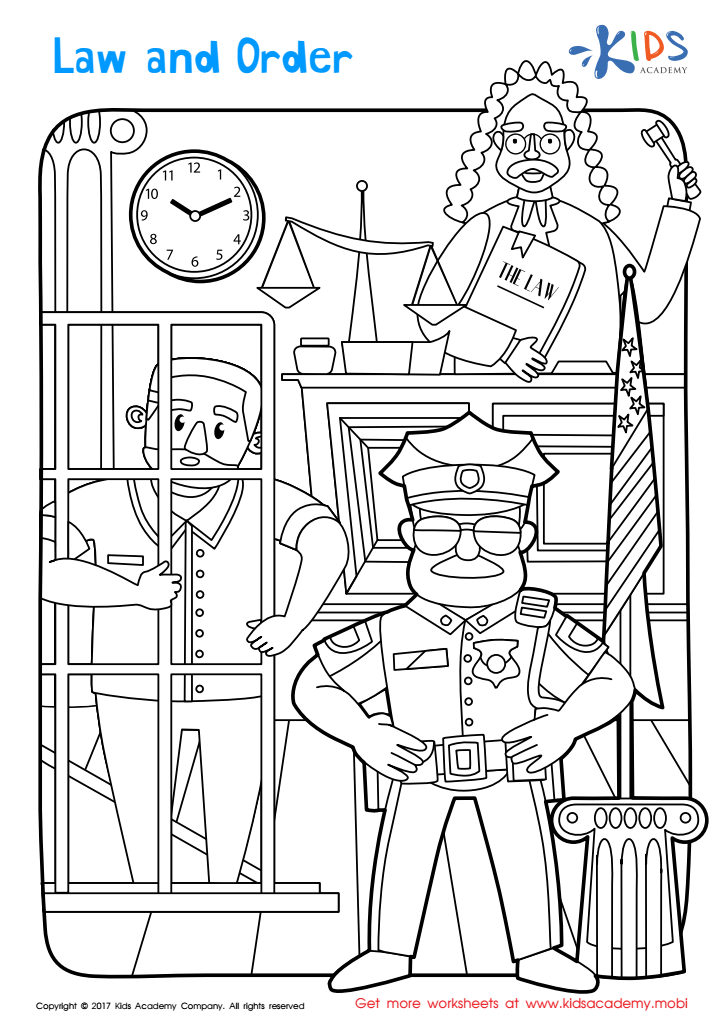
Law and Order Coloring Page Worksheet
 Assign to My Students
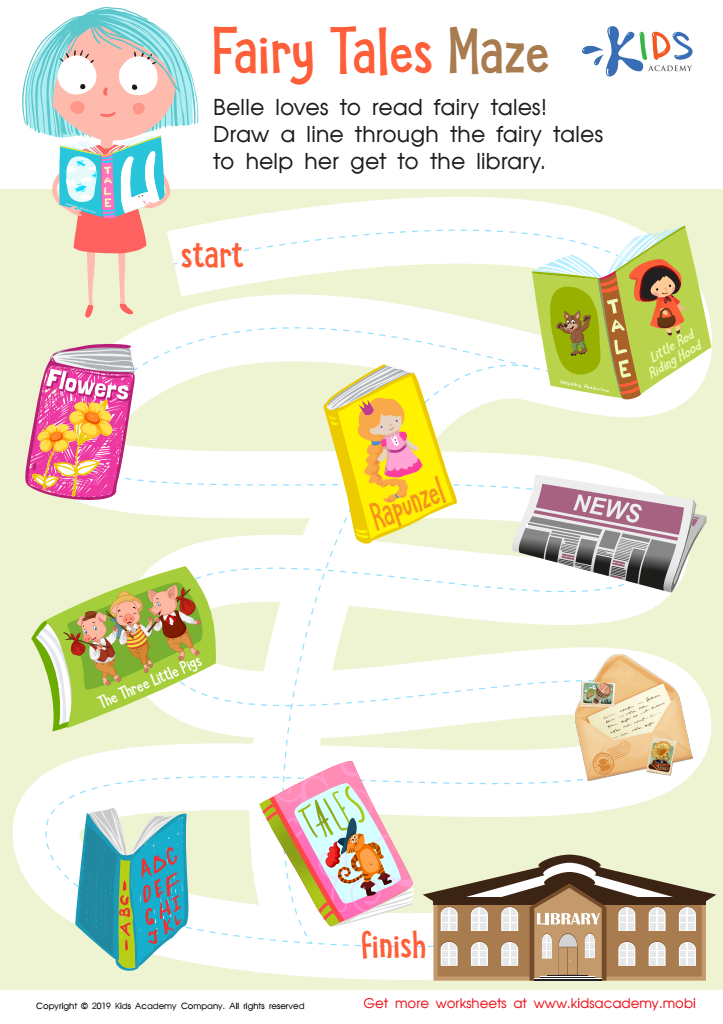
Fairy Tales Maze Worksheet
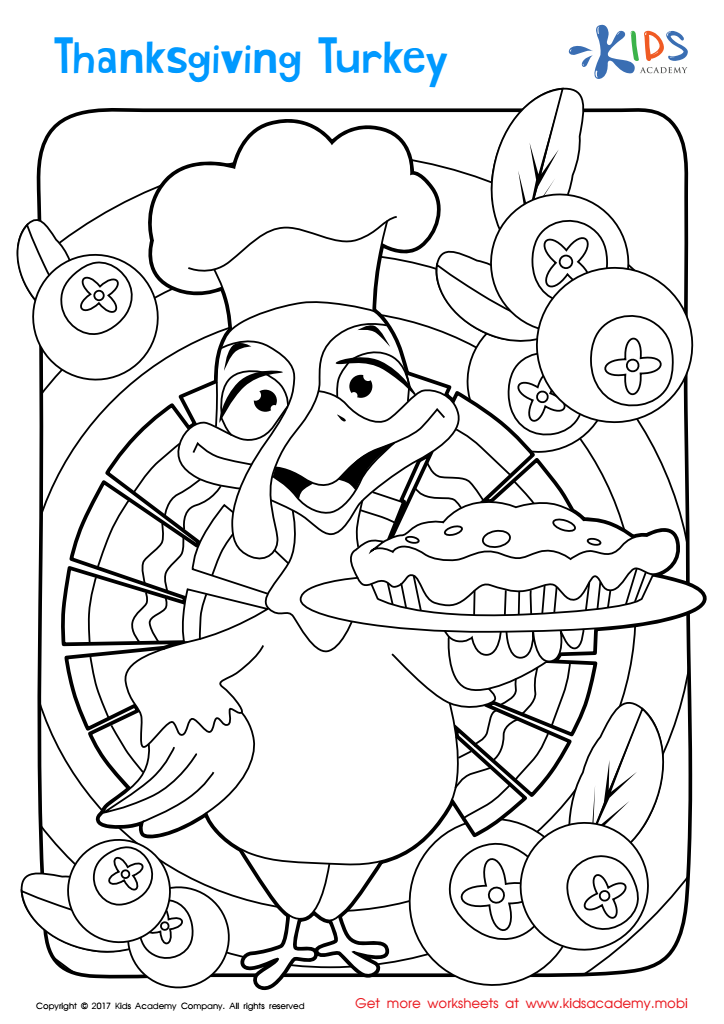
Turkey Thanksgiving Day Worksheet
Assign to My Students
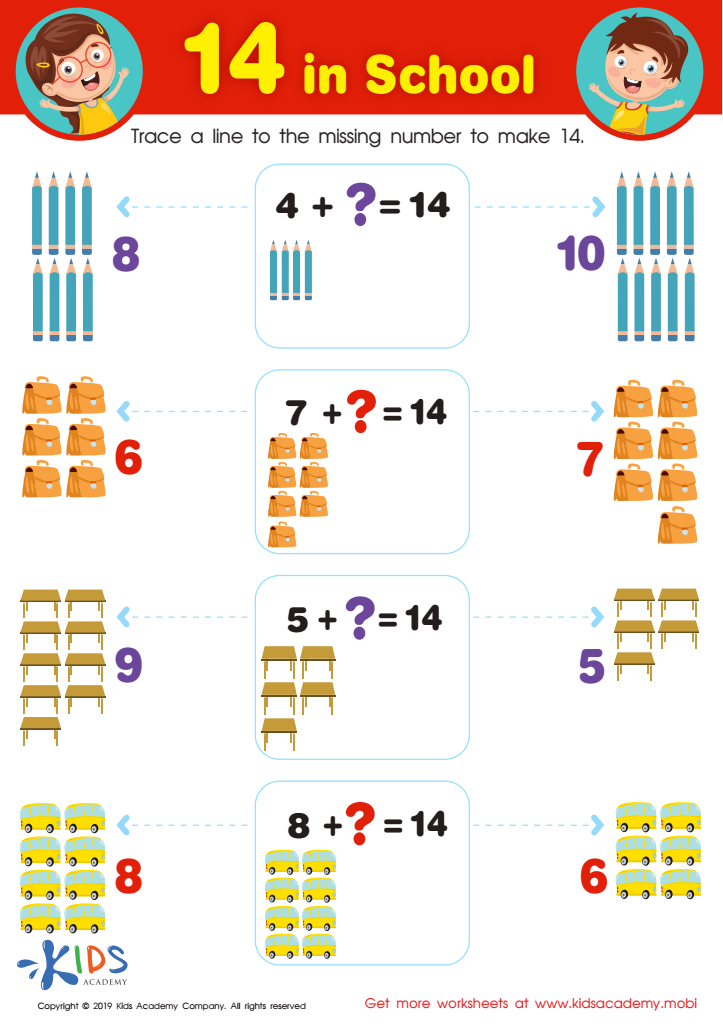
14 in School Worksheet
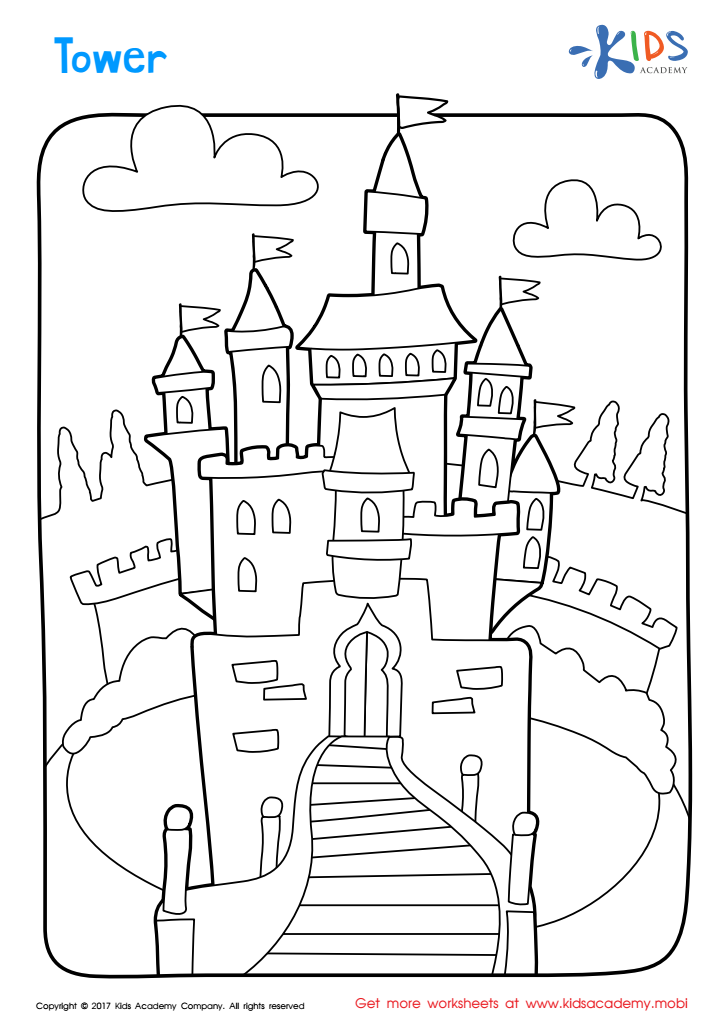
Tower Coloring Page
Assign to My Students
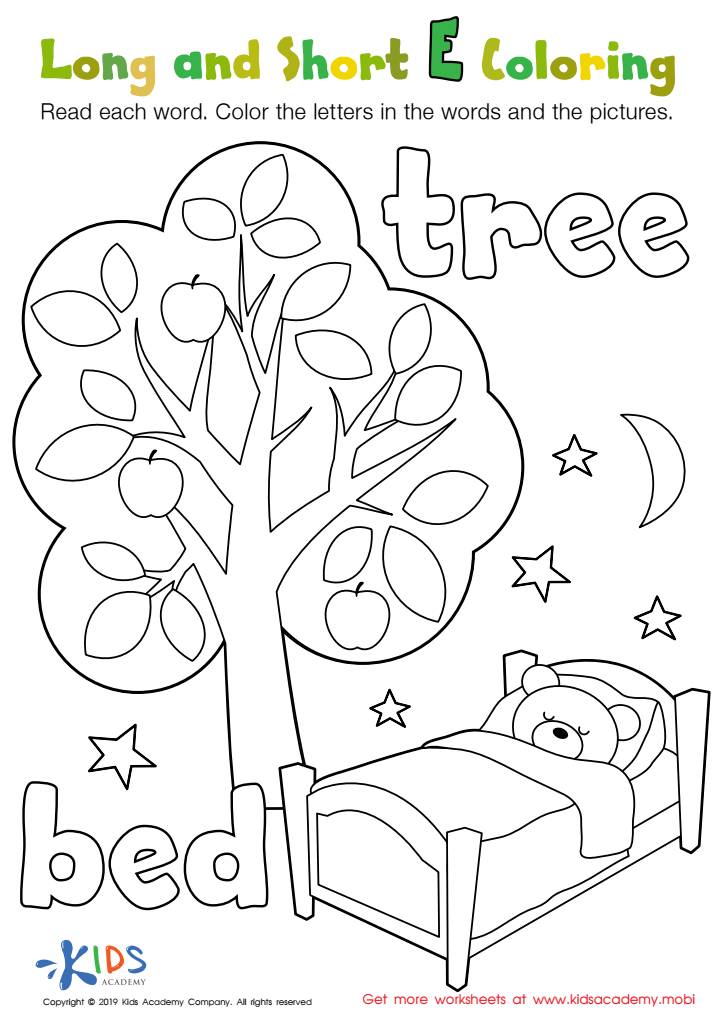
Long and Short E Worksheet
Assign to My Students

Letter D Tracing Page






Hand-eye coordination is a crucial developmental skill for children aged 4-9, significantly influencing their overall physical, cognitive, and social growth. This coordination is essential for performing everyday tasks, such as writing, drawing, and sports, which require precise movements and timing. As children engage in activities like coloring or catching a ball, they not only refine their motor skills but also enhance their focus and concentration levels.
Parents and teachers should prioritize this aspect of development because strong hand-eye coordination contributes to a child’s academic success. It helps in classroom settings where fine motor skills are necessary for writing, cutting, and other activities. Additionally, boosting this skill can foster greater self-confidence, as children become more adept at managing tasks independently.
Furthermore, often overlooked is the role of hand-eye coordination in fostering social interactions through play. Games and sports that involve catching, hitting, or throwing encourage teamwork, turn-taking, and cooperation, essential skills for social development.
In summary, nurturing hand-eye coordination in children is vital, offering numerous benefits that stretch beyond physical ability, including cognitive development, self-esteem, and improved social skills, thus promoting holistic growth during formative years.








