Improving critical thinking Normal Worksheets for Ages 4-9
5 filtered results
-
From - To
Discover a rich collection of "Improving Critical Thinking Normal Worksheets" designed specifically for children ages 4-9. These engaging, age-appropriate worksheets help young learners develop essential critical thinking skills through fun and interactive activities. From puzzles and problem-solving exercises to logical reasoning tasks, each worksheet encourages creativity and cognitive growth. Our carefully crafted materials align with educational standards, promoting readiness for future learning challenges. Perfect for home or classroom use, these printable resources can enhance your child's ability to analyze, evaluate, and synthesize information. Help your little ones cultivate a strong foundation in critical thinking today!
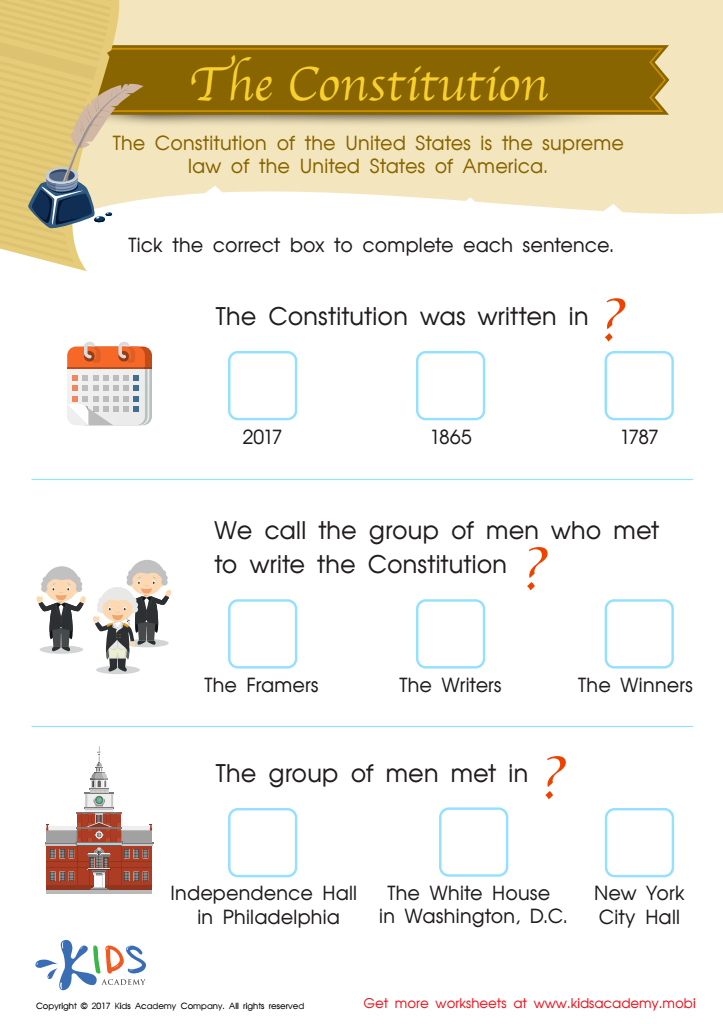
The Constitution Worksheet
 Assign to My Students
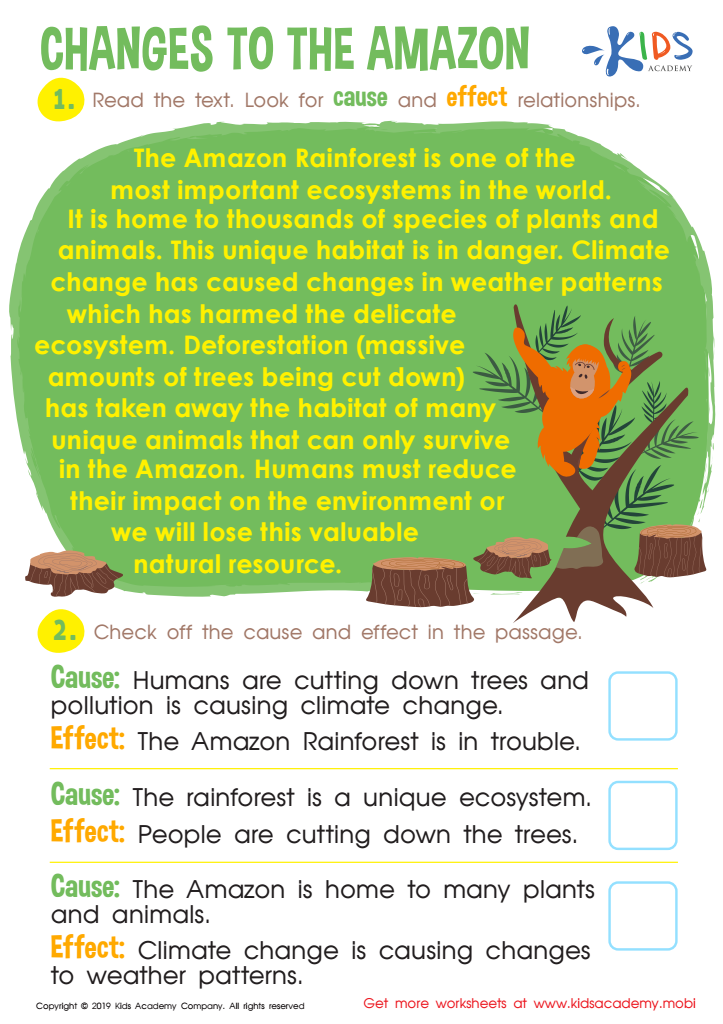
Changes to the Amazon Worksheet
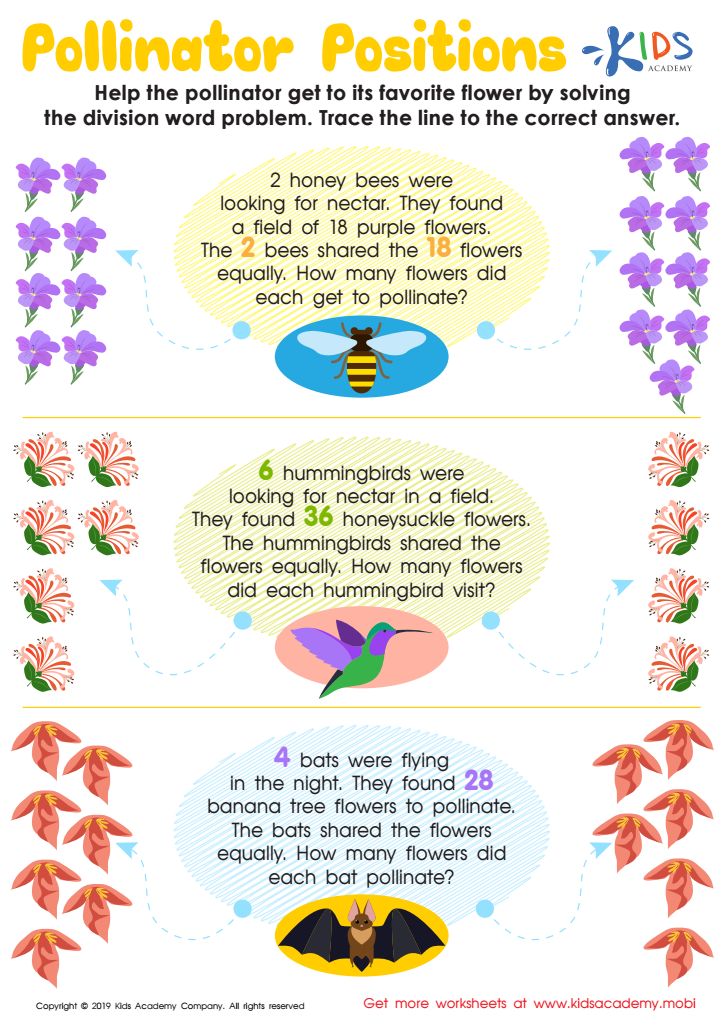
Pollinator Positions Worksheet
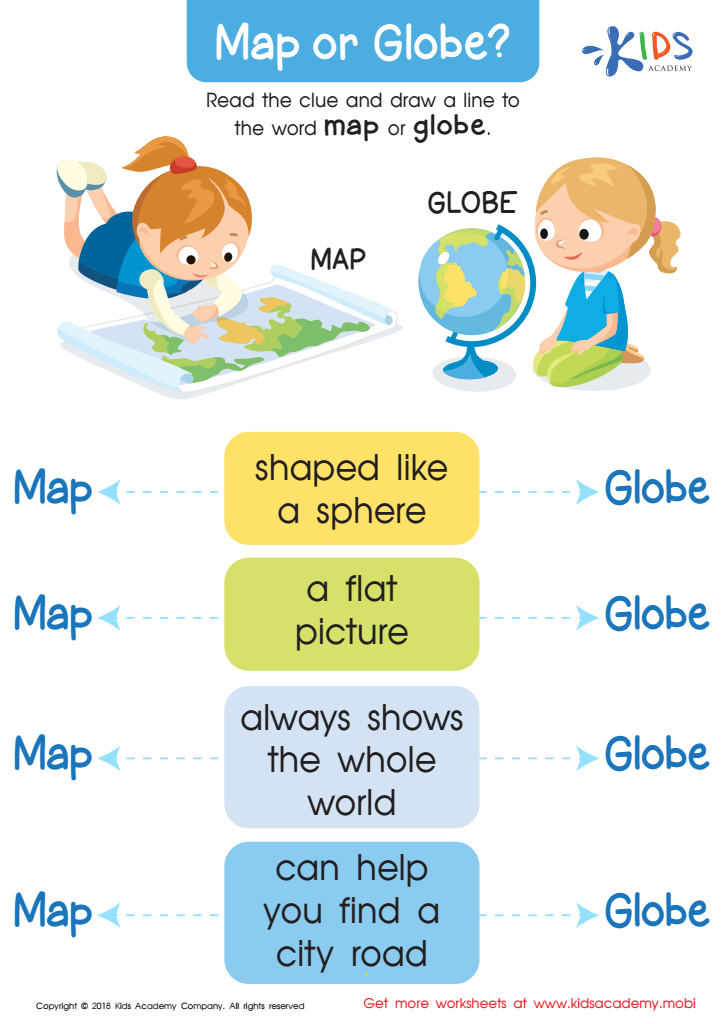
Map or Globe? Worksheet
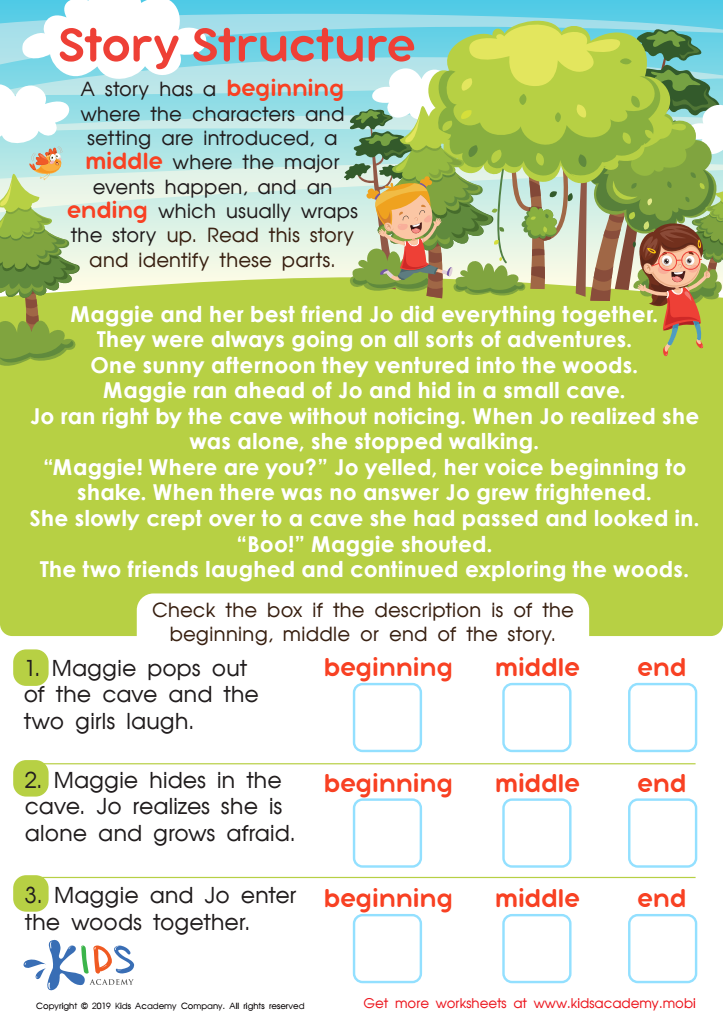
Story Structure Worksheet








Improving critical thinking in children aged 4-9 is vital for their holistic development. During these formative years, children are naturally curious, absorbing information and experiences rapidly. By fostering critical thinking skills, parents and teachers empower children to ask questions, analyze information, and make informed decisions. This ability helps them navigate complexities in their daily lives, academics, and future challenges.
Critical thinking encourages creativity, enabling children to explore multiple solutions to a problem, fostering innovative mindsets. Furthermore, it lays a foundation for strong academic skills, as children learn to evaluate sources, understand different perspectives, and draw conclusions based on evidence.
Additionally, critical thinking promotes social skills. Children learn to communicate their thoughts, listen to others, and engage in constructive discussions, which enhances their ability to collaborate effectively. In today's ever-changing world, the capacity to think critically equips children with the tools they need to adapt and thrive, building resilience against misinformation and embracing challenges.
Ultimately, by investing in critical thinking, parents and teachers nurture independent, self-reliant learners who are better prepared for their educational journeys and life beyond the classroom. This investment not only benefits individuals but also contributes to a more informed and engaged society.








