Problem Solving Normal Worksheets for Ages 4-9
15 filtered results
-
From - To
Spark your child's critical thinking and creativity with our Problem Solving Normal Worksheets designed for ages 4-9. Tailored to nurture young minds, these engaging activities promote analytical skills, logical reasoning, and independent thinking. Children will tackle an array of fun challenges, from simple puzzles to more complex scenarios, steadily building their problem-solving abilities. Perfect for at-home learning or classroom use, these worksheets boost confidence and competence in overcoming daily tasks. Our user-friendly resources make learning enjoyable, transforming problem-solving into a joyful journey. Encourage growth and exploration with carefully curated exercises that adapt to each child's developmental stage.
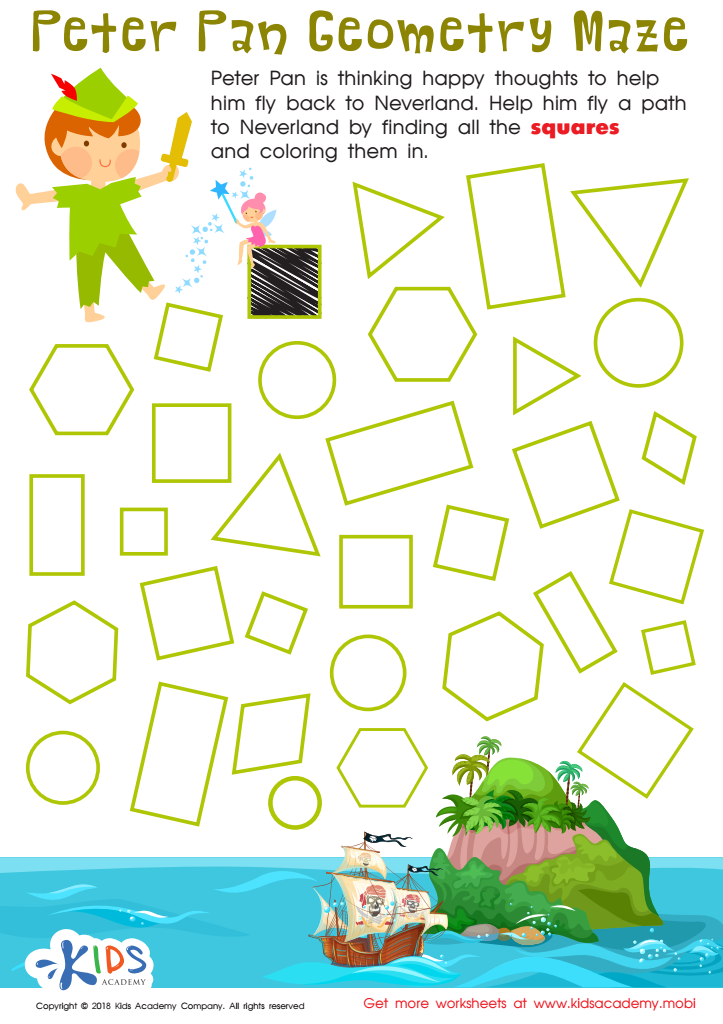
Peter Pan Worksheet
 Assign to My Students
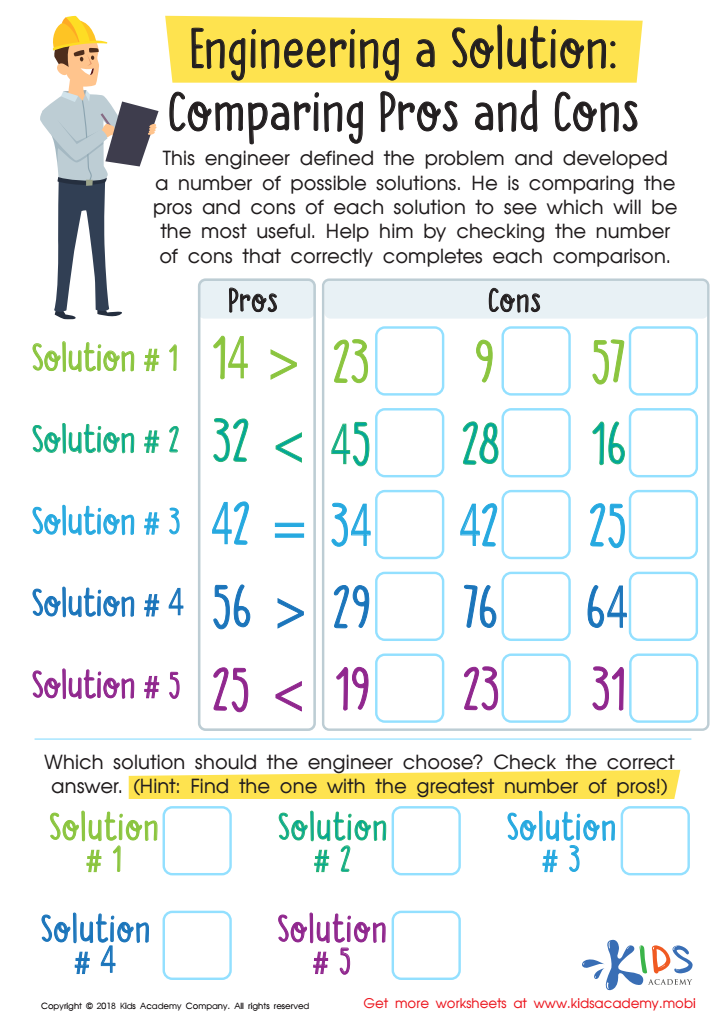
Engineering a Solution: Comparing Pros and Cons Worksheet
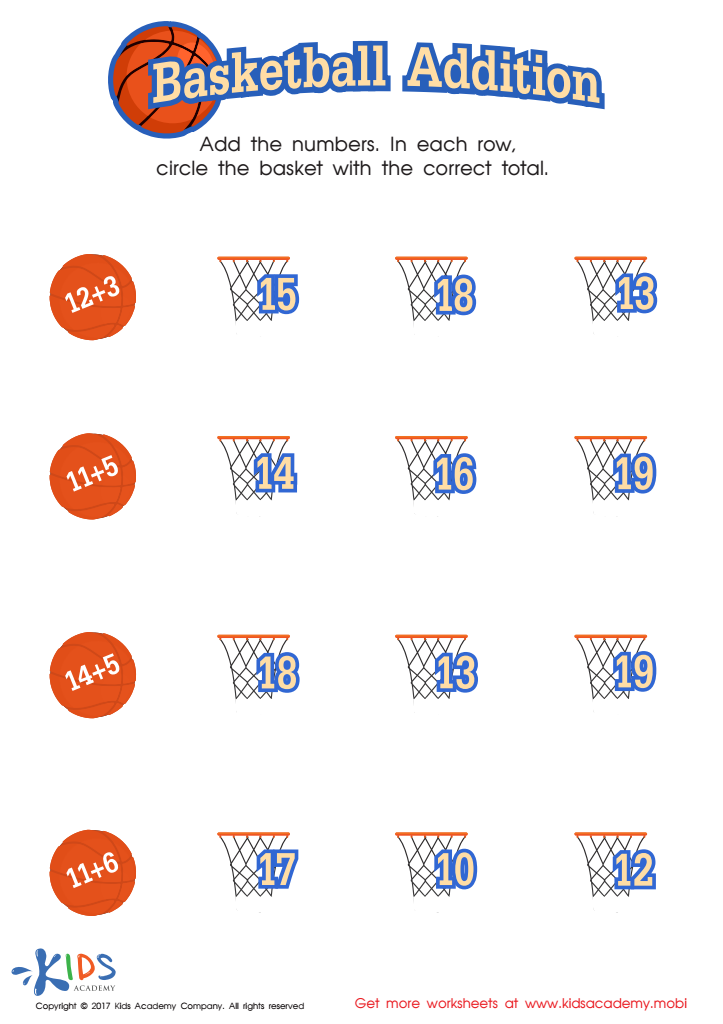
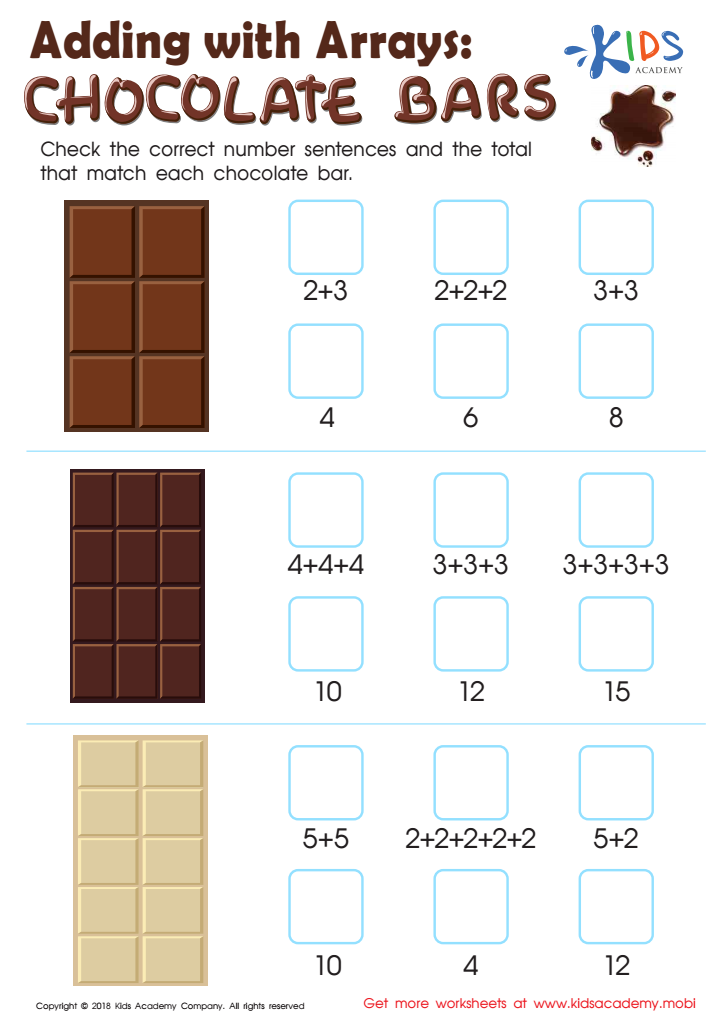
Adding with Arrays: Chocolate Bars Worksheet
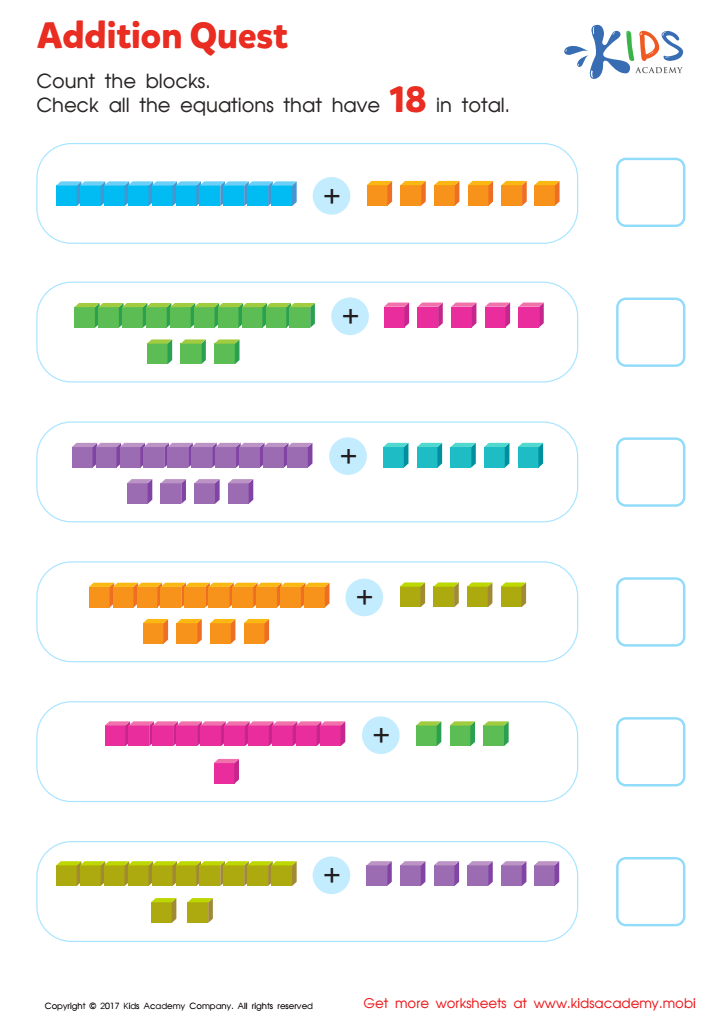
Addition Quest Worksheet: Part 2
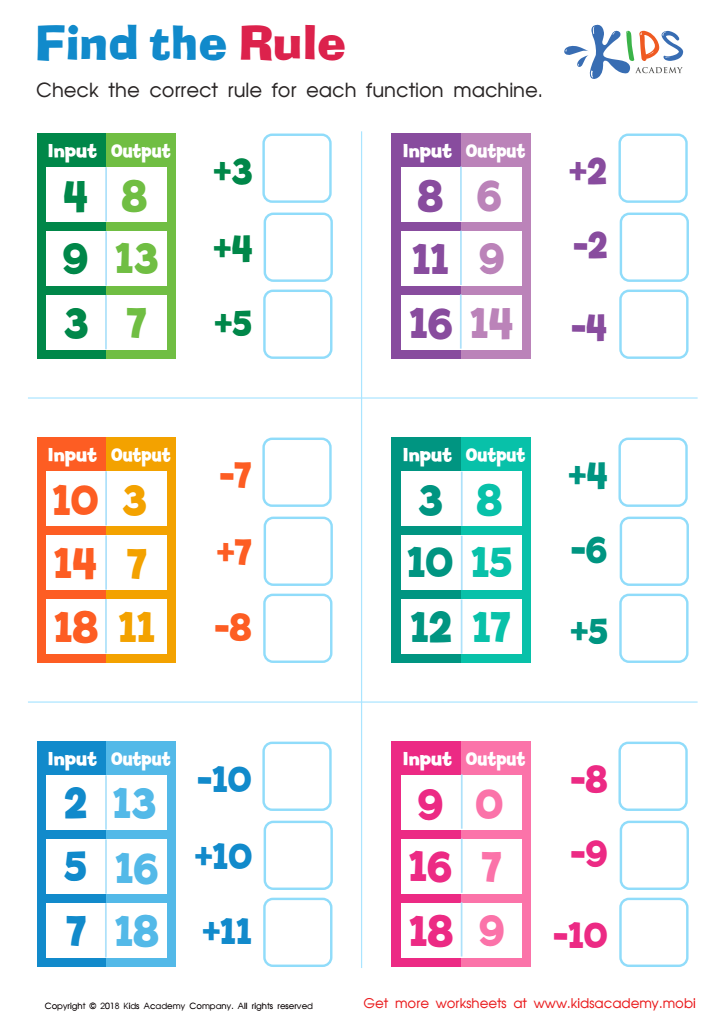
Find the Rule Worksheet
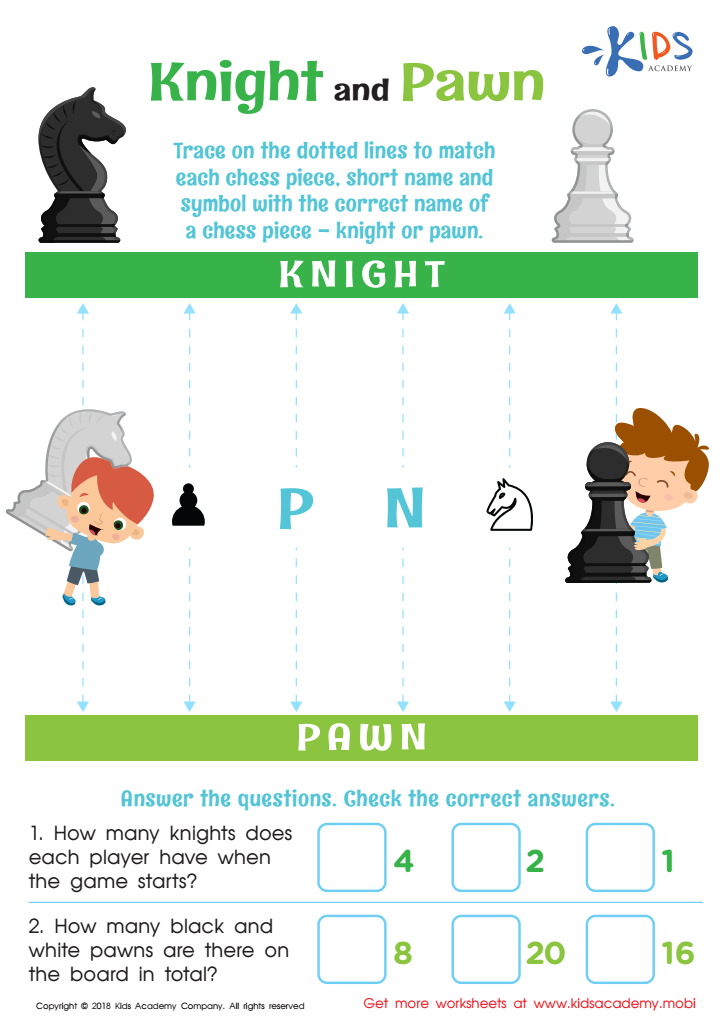
Knight and Pawn Worksheet
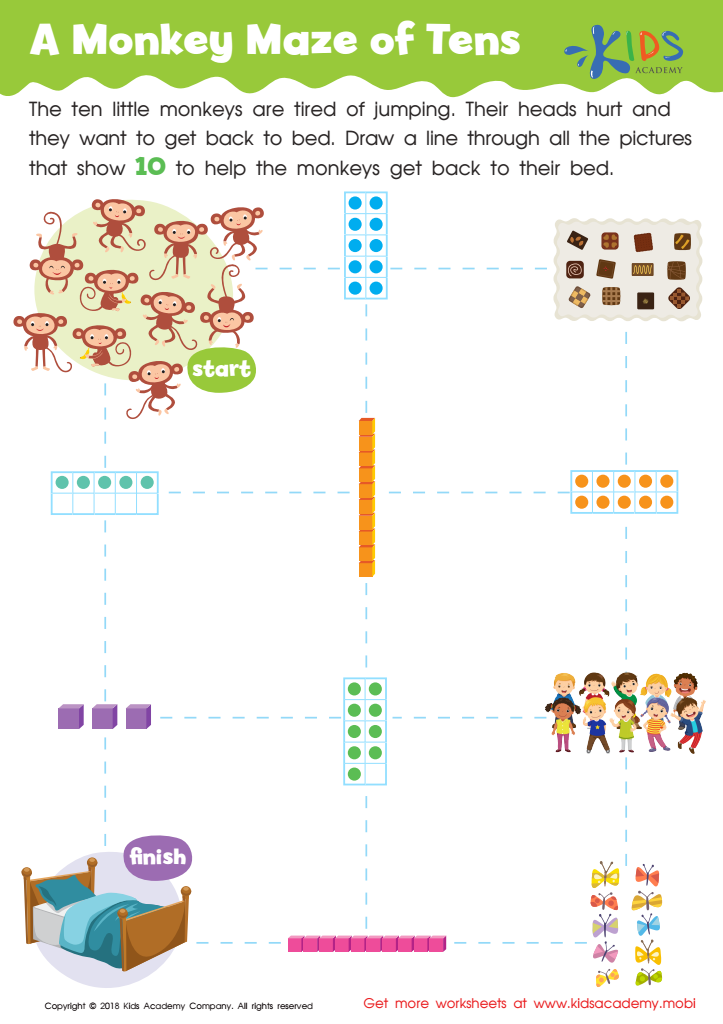
A Monkey Maze of Tens Worksheet
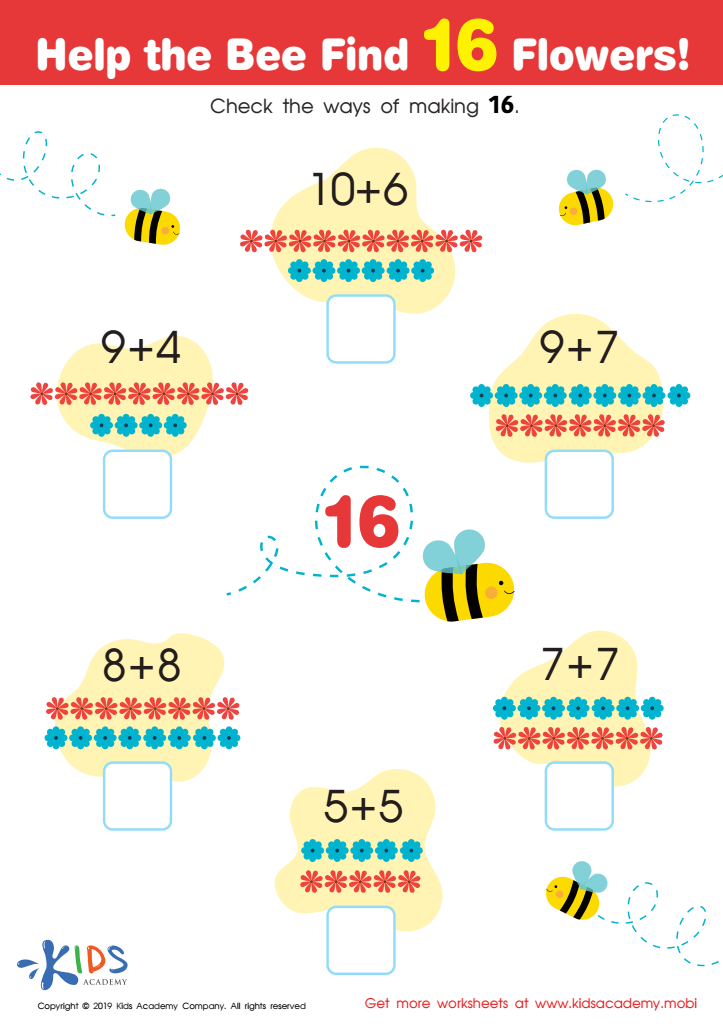
Help the Bee Find 16 Flowers Worksheet
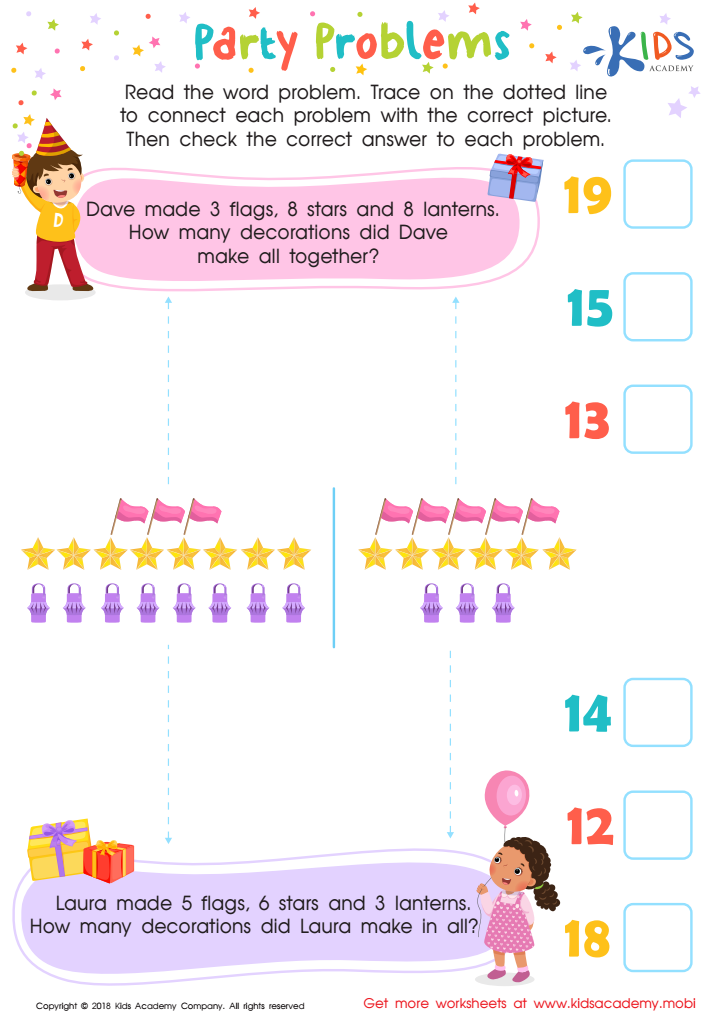
Party Problems Worksheet
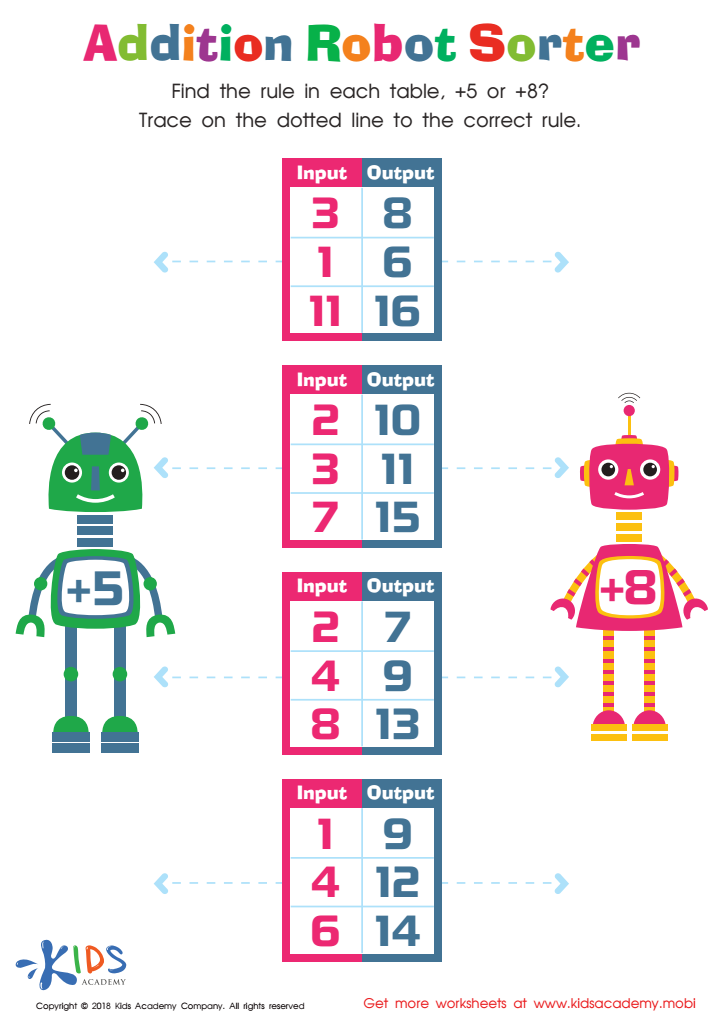
Addition Robot Sorter Worksheet
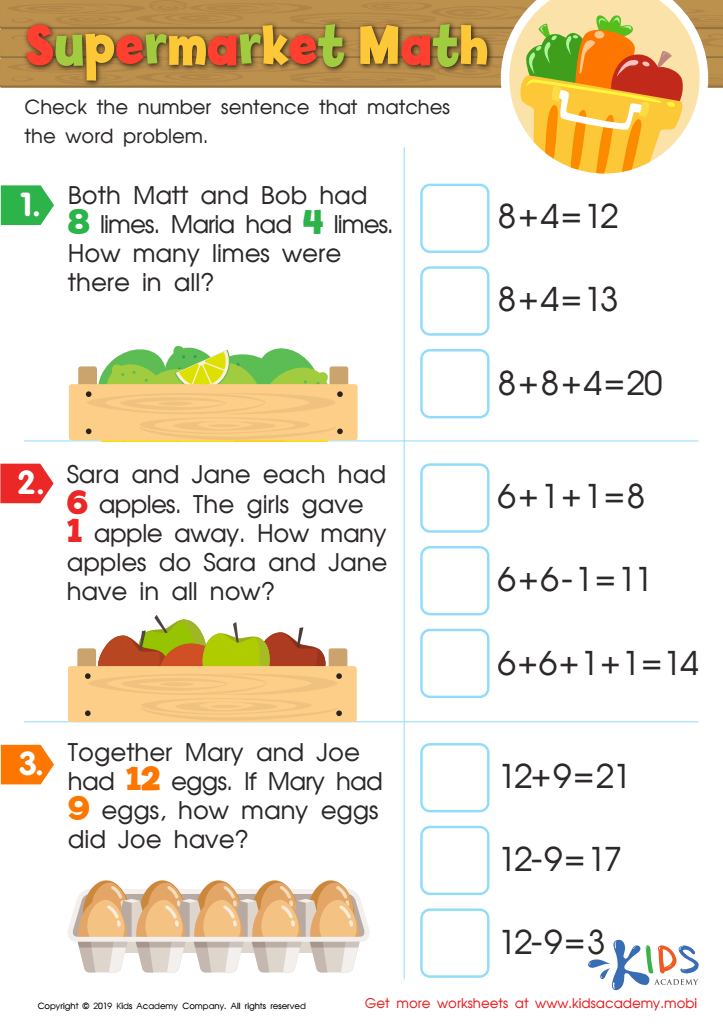
Supermarket Math Worksheet
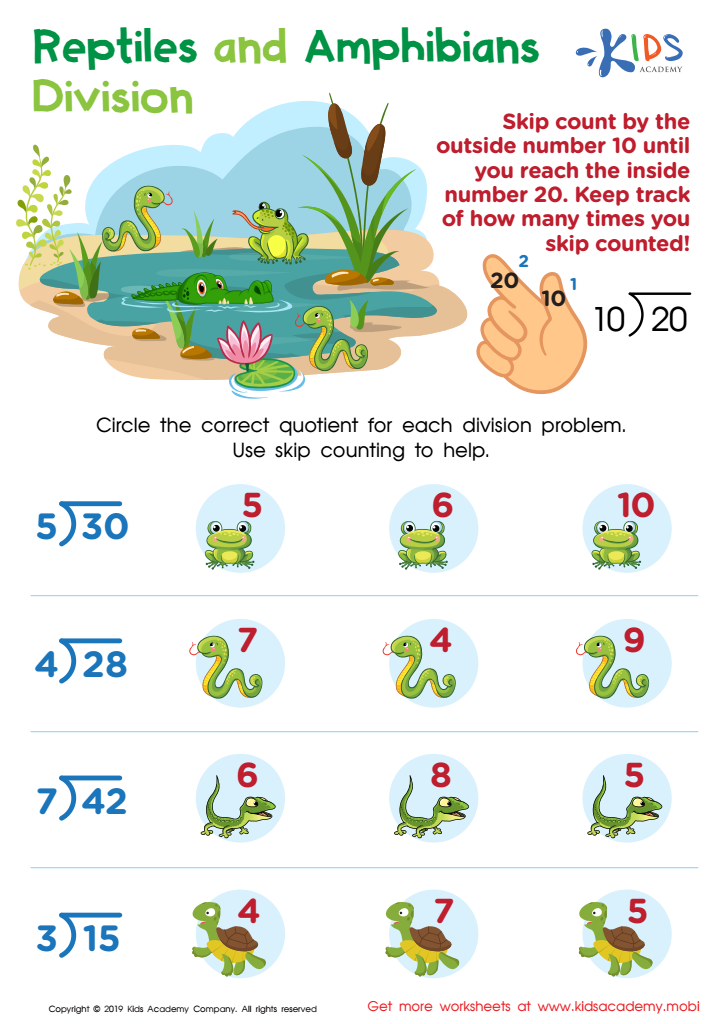
Reptile and Amphibians Division Worksheet
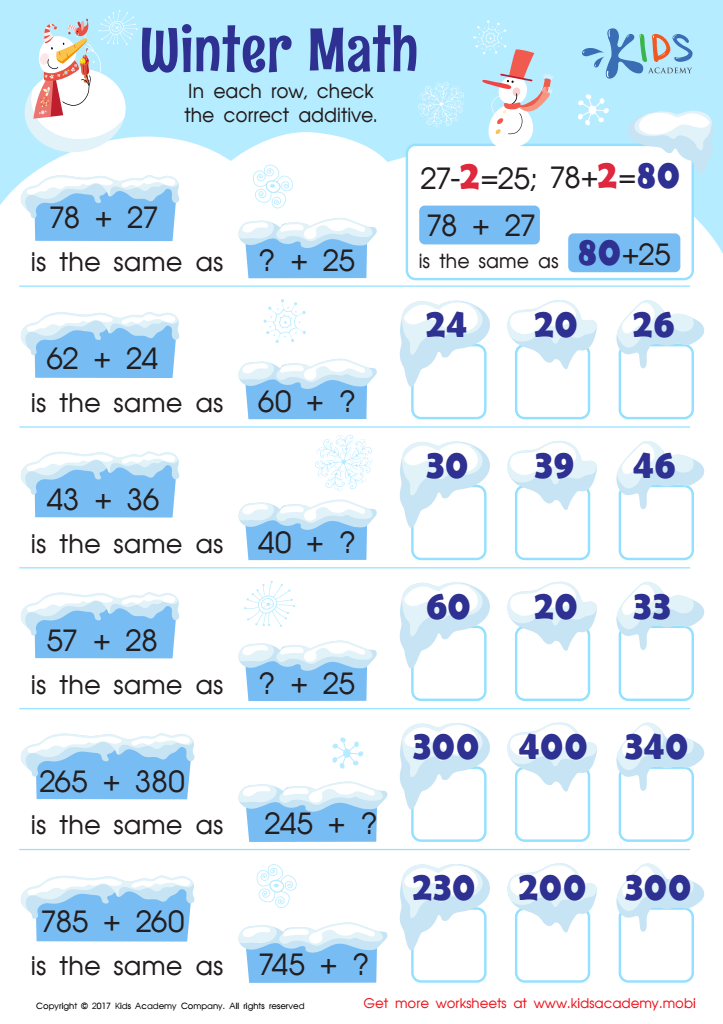
Free Addition Worksheet
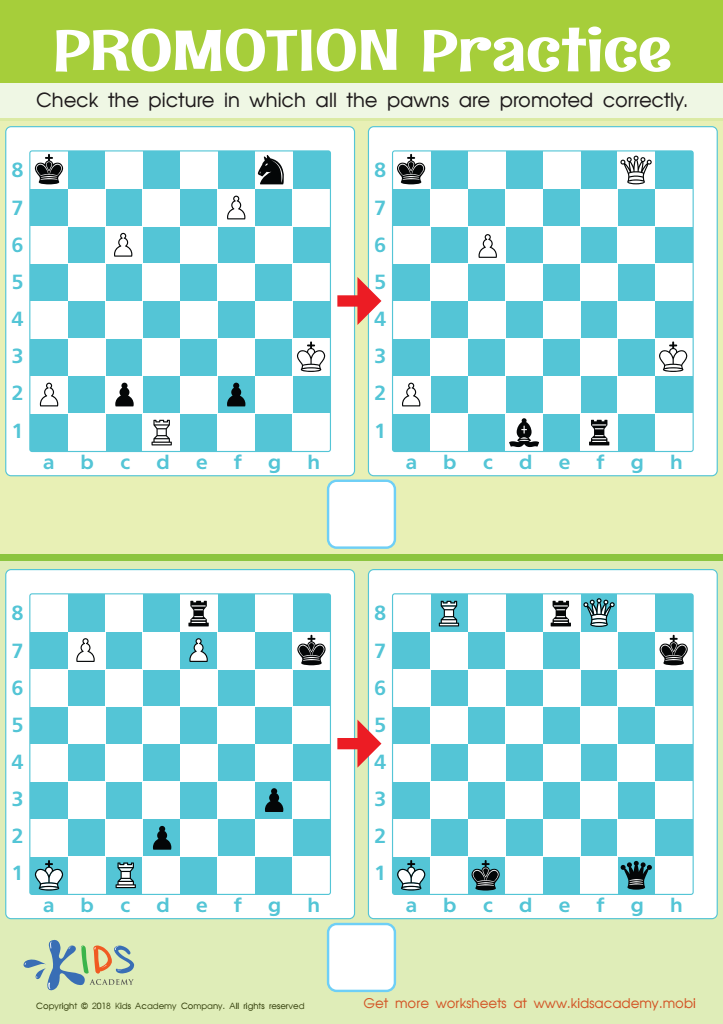
Promotion Practice Worksheet







Problem-solving skills are essential for children aged 4-9 as they lay the foundational blocks for critical thinking and independent learning. At this stage, children's brains are highly adaptable, making it an ideal period to introduce problem-solving techniques. Fostering these skills promotes cognitive development by pushing children to explore logical reasoning, make decisions, and evaluate outcomes.
For parents and teachers, emphasizing problem-solving equips children with tools to navigate more complex academic challenges and social interactions. By involving children in activities that require them to think critically and creatively, adults stimulate curiosity and resilience, essential traits for lifelong learning. Whether it’s figuring out how to share toys, resolving a puzzle, or deciding what to do if they forget their homework, these scenarios demand adaptable thinking and persistence.
Moreover, as children succeed in solving problems, they build confidence and self-efficacy—a belief in their capability to face challenges. This positive self-perception encourages a proactive approach to learning and assists in developing emotional regulation as children learn to cope with frustration and setbacks. Engaged parenting and teaching that emphasizes problem-solving offer a rich, supportive environment where children can safely experiment, fail, and ultimately find successful strategies that they'll carry into adulthood.








