Recognition skills Normal Worksheets for Ages 4-9
3 filtered results
-
From - To
Explore our collection of Recognition Skills Normal Worksheets tailored for children aged 4 to 9! These engaging resources are designed to enhance essential recognition capabilities, such as identifying letters, numbers, shapes, and common objects. Our worksheets promote cognitive development while making learning fun and interactive. Each activity encourages children to observe, match, and differentiate, laying the foundation for vital skills needed in reading and math. Perfect for home or classroom use, these worksheets help strengthen young learners' confidence and competence. Download and print our PDF worksheets today to support your child’s early learning journey with exciting and effective practice opportunities!
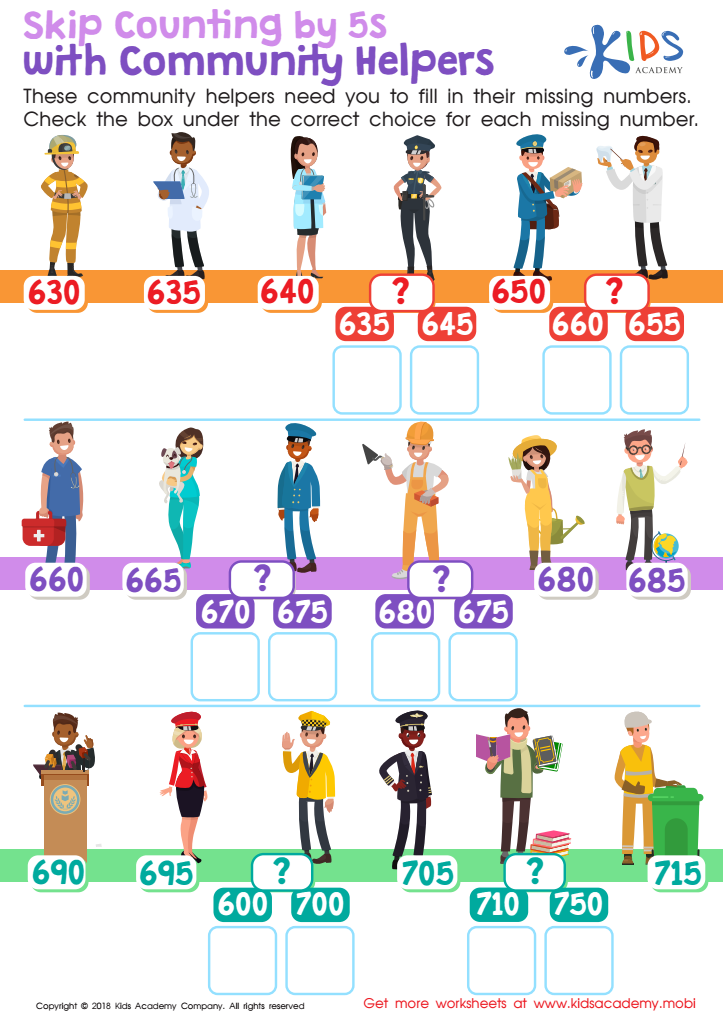
Skip Counting by 5s With Community Helpers Worksheet
 Assign to My Students
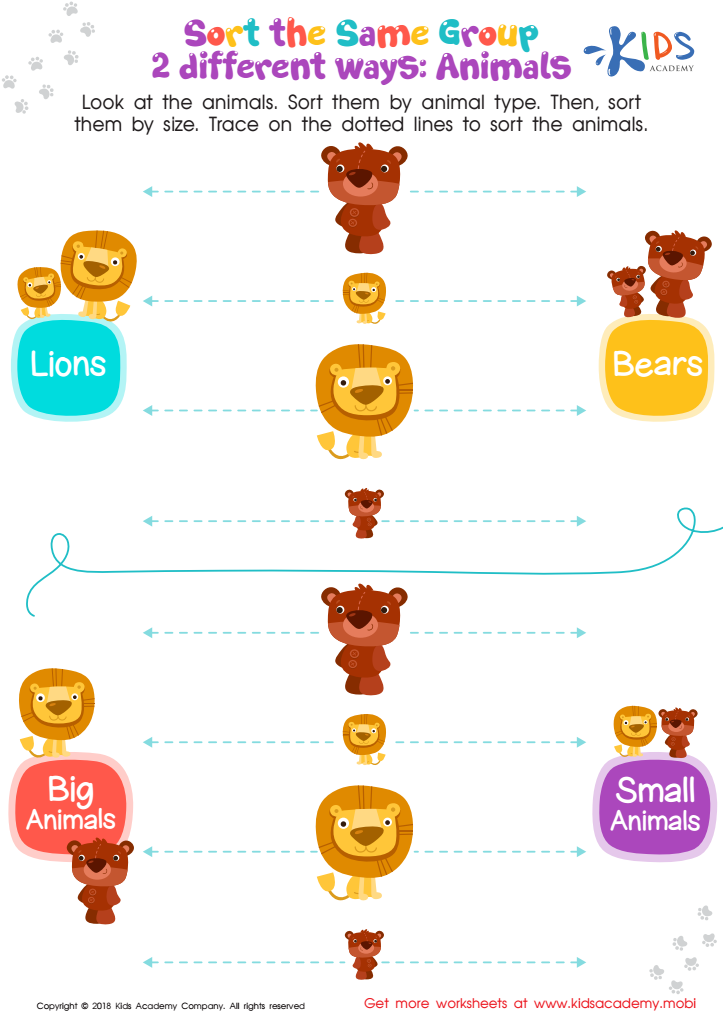
Sort the Same Group 2 Different Ways: Animals Worksheet
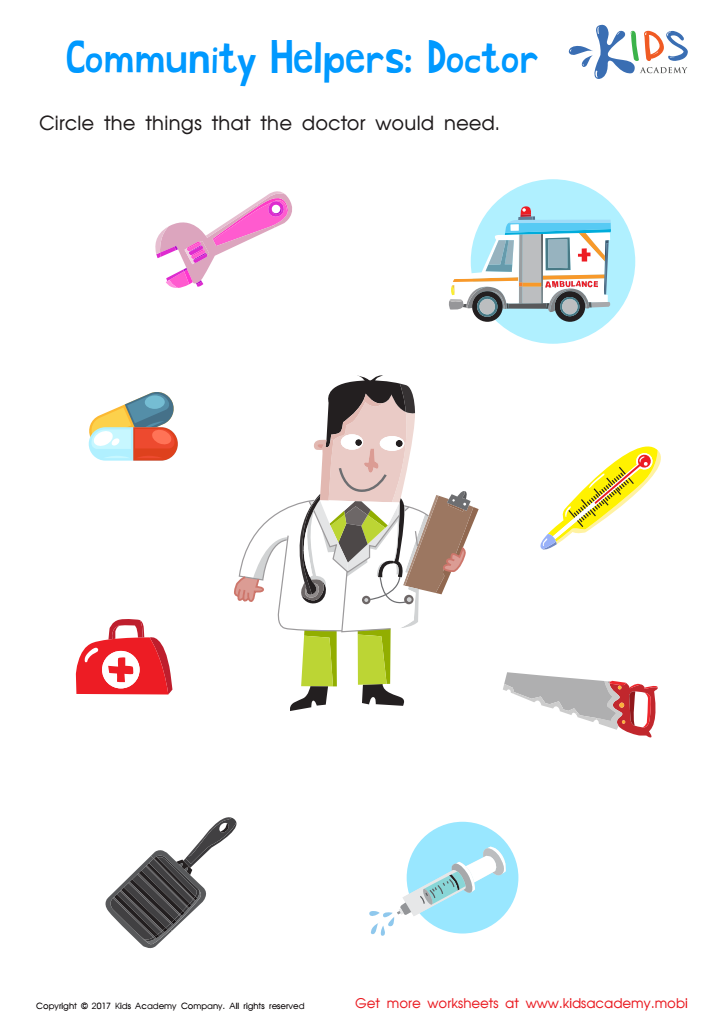







Recognition skills are crucial for children aged 4-9 as they form the foundation for literacy, comprehension, and social-emotional development. At this developmental stage, children begin to identify letters, numbers, shapes, and common words, which enhances their reading skills and academic success. Developing strong recognition skills not only aids in learning but boosts children's confidence in their abilities, fostering a positive mindset towards education.
Parents and teachers should prioritize these skills, as they are closely linked to a child's ability to process information and communicate effectively. When children recognize patterns, symbols, and basic concepts, they gain a deeper understanding of their environment, which is essential for critical thinking and problem-solving.
Moreover, recognition skills extend beyond academics; they play a key role in children's social interactions. Recognizing emotions in themselves and others is vital for developing empathy and building healthy relationships. By nurturing recognition skills through engaging activities and supportive environments, adults can help children navigate both academic and social realms successfully.
- Improve literacy and comprehension.
- Foster confidence and self-esteem.
- Enhance communication and social skills.
In conclusion, supporting children's recognition skills contributes to their overall growth and sets the stage for lifelong learning.








