Spatial awareness Normal Worksheets for Ages 4-9 - Page 2
29 filtered results
-
From - To
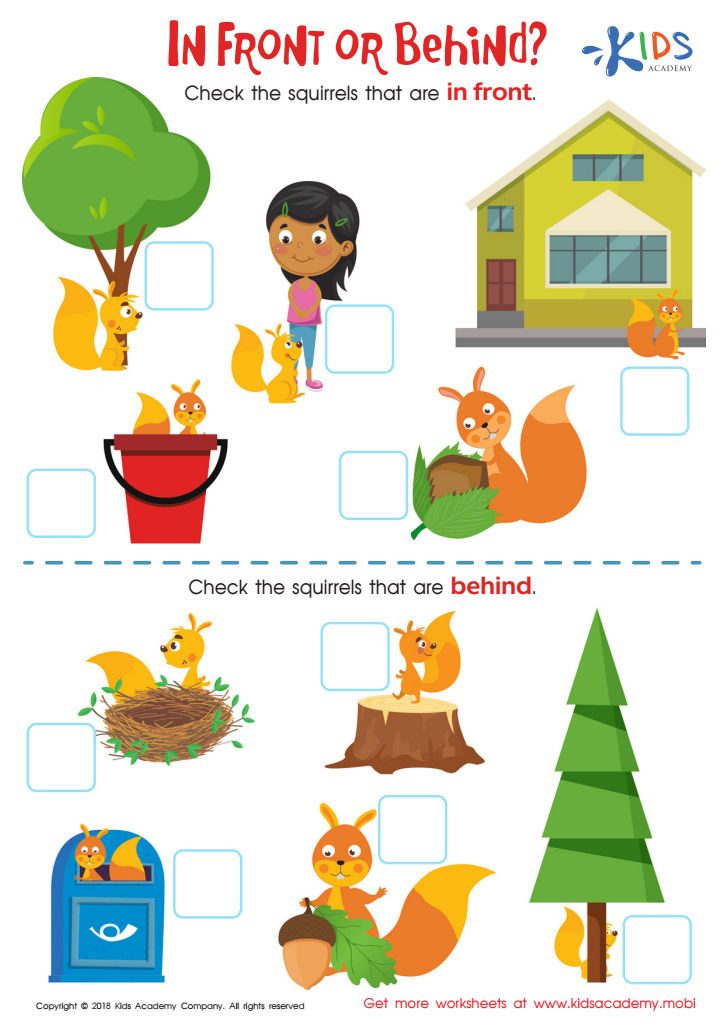
In Front or Behind: Part 2 Worksheet
 Assign to My Students
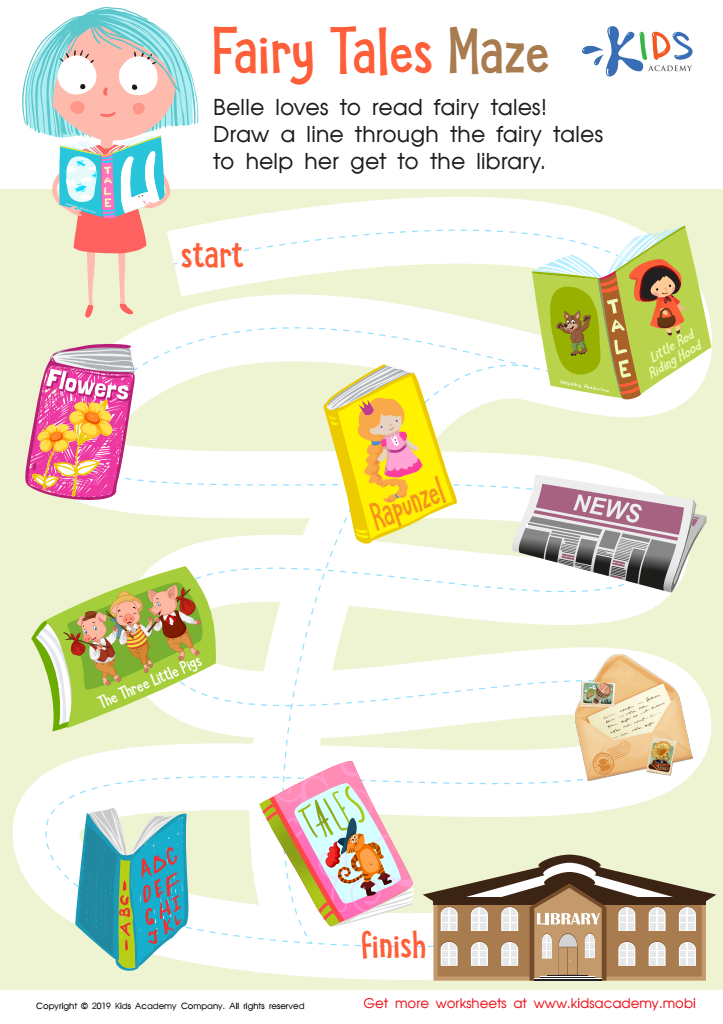
Fairy Tales Maze Worksheet
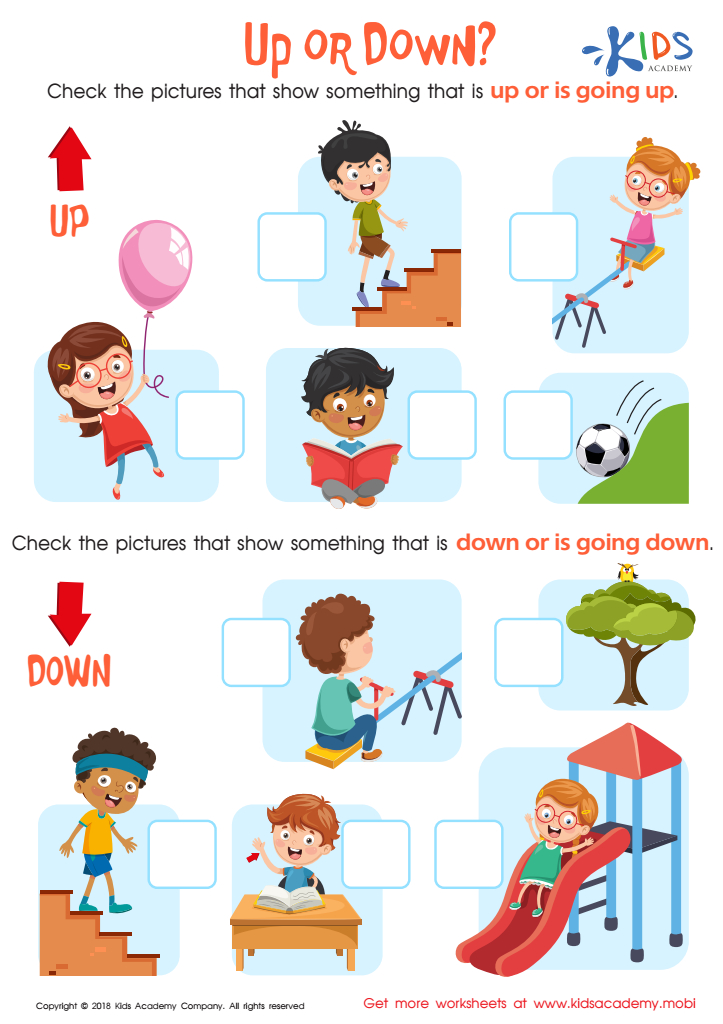
Up or Down Worksheet
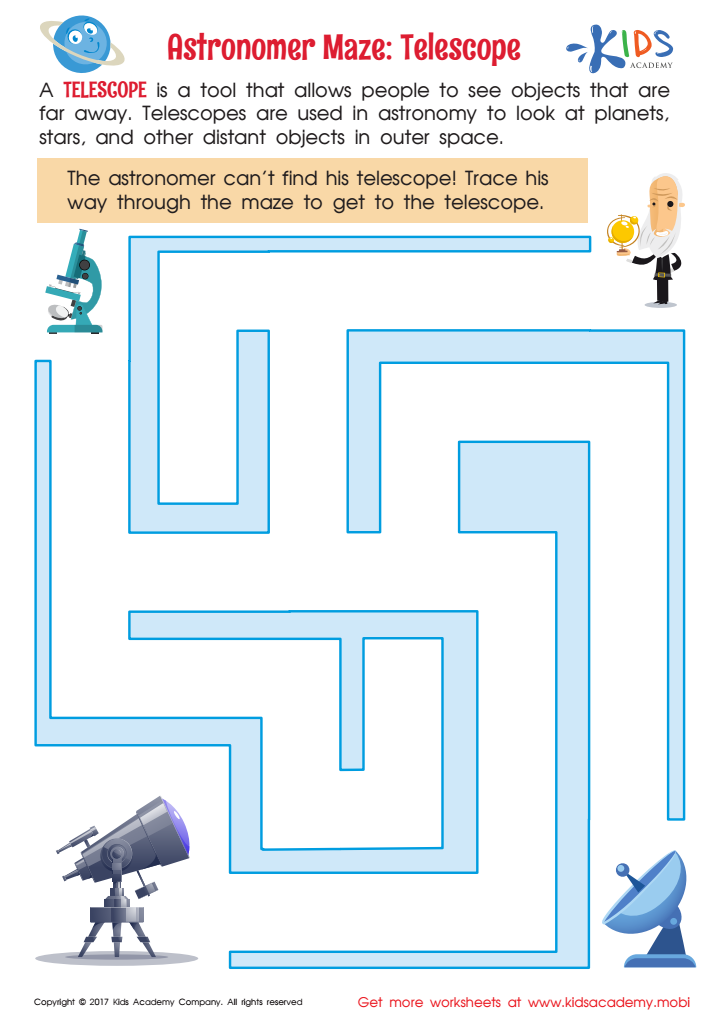
Astronomer Maze: Telescope Worksheet
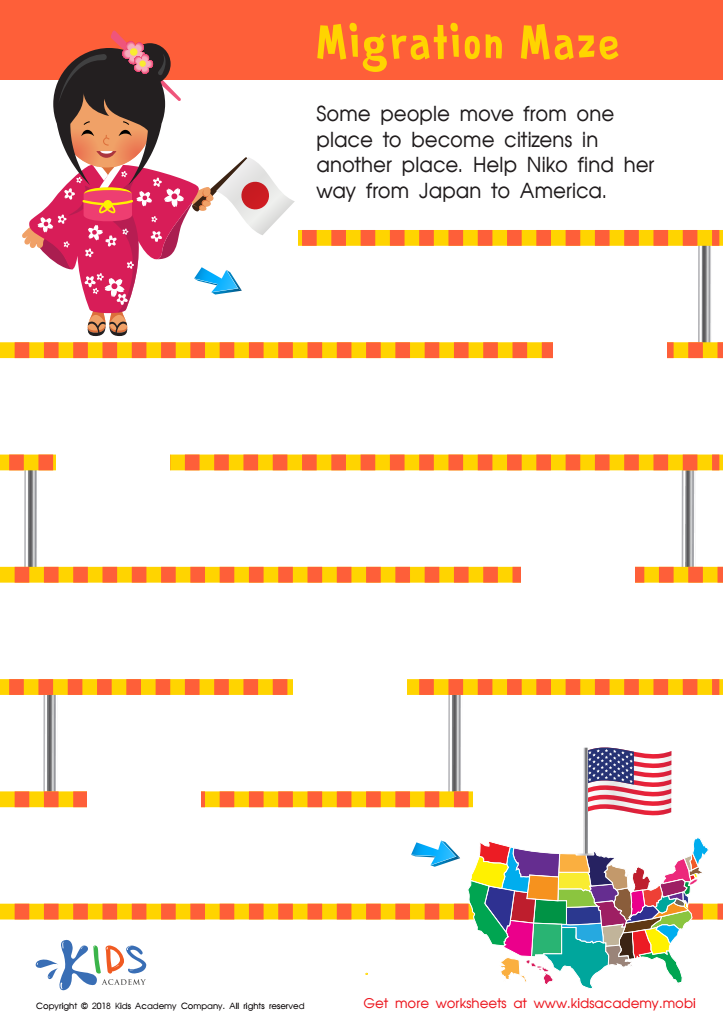
Migration Maze Worksheet




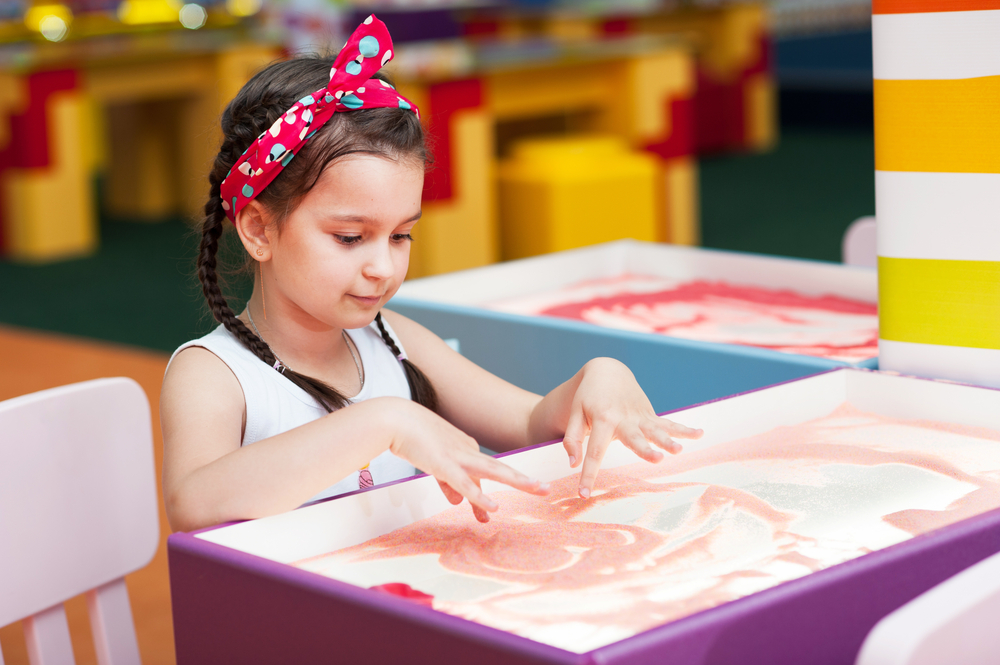



Spatial awareness is a crucial developmental skill for children ages 4-9 because it lays the foundation for many other essential cognitive and physical abilities. Parents and teachers should care about fostering spatial awareness in young children for several key reasons:
Firstly, spatial awareness is fundamental for academic success. Understanding concepts such as "above," "below," "behind," and "next to" helps children follow classroom instructions, engage in mathematics, and develop early reading skills. For instance, spatial reasoning skills are linked with better performance in subjects like geometry and problem solving.
Secondly, spatial awareness boosts physical coordination and safety. It helps children navigate safely through their environment, understand personal space boundaries, and engage in physical activities like sports, which are important for healthy growth and social interactions.
Additionally, spatial awareness supports creativity and arts. Skills in visualizing and manipulating objects mentally are vital for activities such as drawing, building, and understanding scientific diagrams.
Lastly, these skills enhance daily life functionality, allowing children to effectively interact with their environment, from participating in play to organizing their belongings.
By actively engaging with children in activities that enhance spatial interaction—puzzles, building blocks, and multisensory games—parents and teachers contribute significantly to their cognitive, physical, and emotional development, setting a solid ground for future learning and personal growth.








